Urban legends cling to the edges of everyday life, turning ordinary places like parking garages, bathrooms, and highways into quiet stages for fear. They spread faster than corrections and usually arrive stripped of dates, names, and context. Yet many of these stories did not appear from nowhere. A misreported crime, a strange photograph, or a poorly framed news segment can plant the seed. When that seed taps into real anxieties about strangers, cities, or technology, it grows into a story that refuses to fade, even after the facts are known.
The Kidney Heist in the Hotel Bathtub

The tale of a traveler waking in a bathtub full of ice, warned that a kidney has been stolen, sounds like pure horror fiction. It gained traction in the 1990s alongside real reporting on international organ trafficking rings. Those documented cases involved coercion, poverty, and corrupt clinics, not hotel rooms and anonymous dates. Still, the legend stuck because it condensed a complex medical crime into a vivid personal nightmare. It made distant headlines feel intimate and immediate, transforming global exploitation into a story that could happen after one careless night.
The Killer Hiding in the Backseat
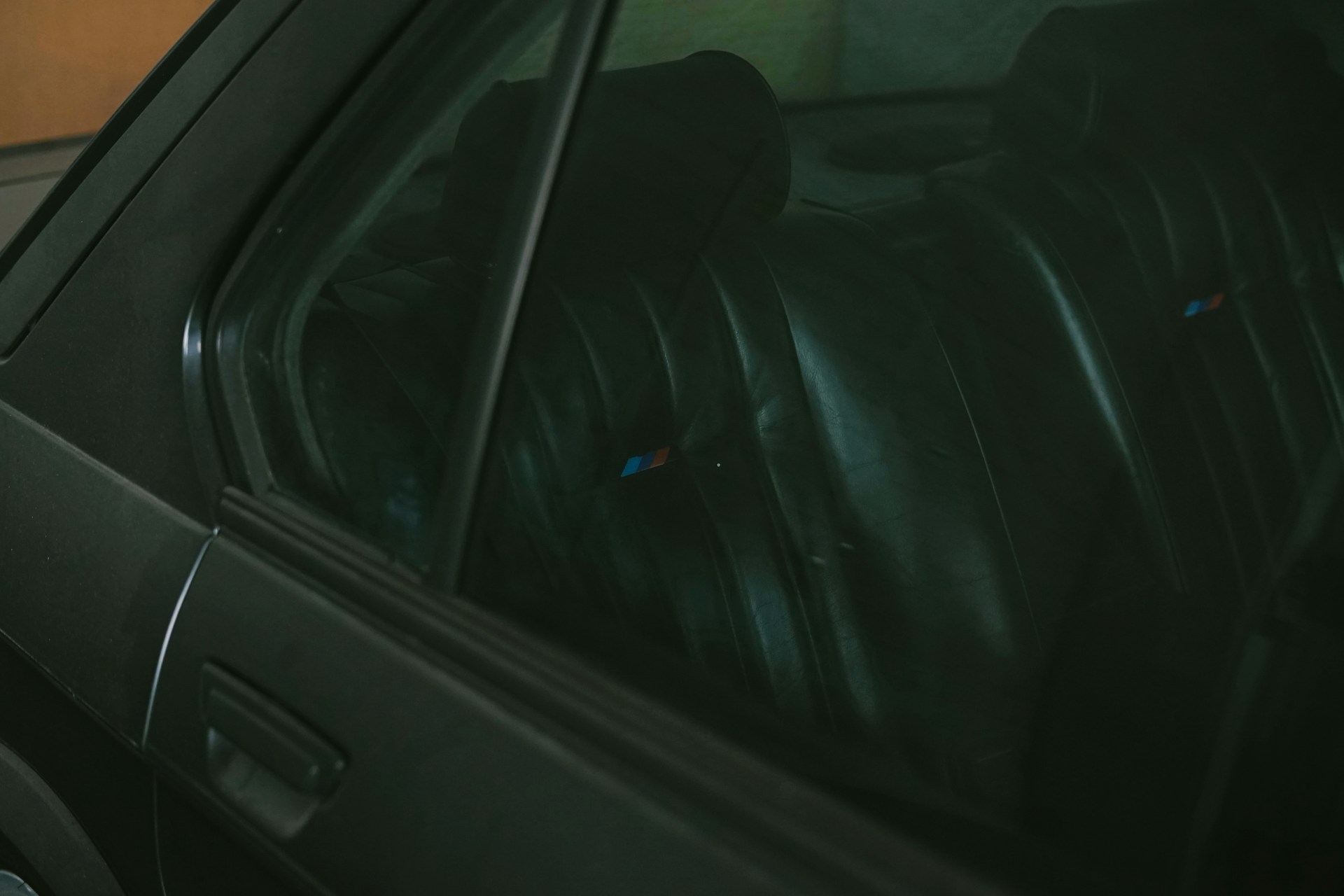
In this story, a driver grows nervous as a truck behind flashes its headlights again and again. Police later reveal the driver was being warned about a killer hiding in the backseat. Folklorists trace versions of this tale to the mid 20th century, inspired loosely by rare crimes involving car ambushes. The legend spread as late-night driving increased and highways became symbols of isolation. Its power lies less in realism than reassurance, suggesting danger can be seen and stopped, even if the warning comes from a stranger.
The Hookman at Lovers Lane
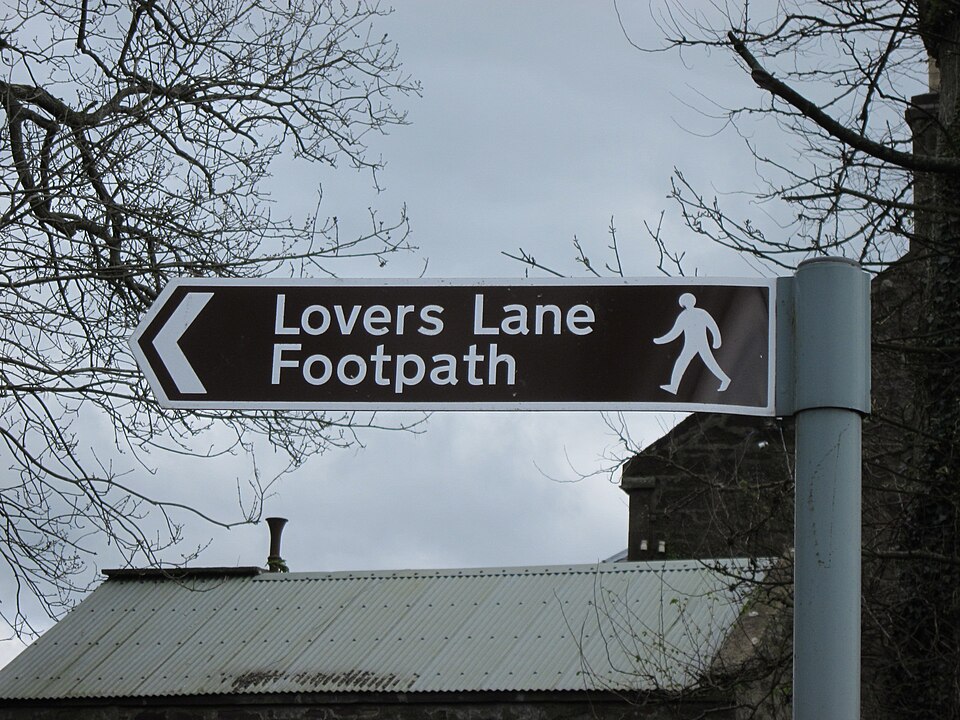
Teenagers parked in a quiet lovers lane hear a radio bulletin about an escaped killer with a hook for a hand. Panic sets in, and when they flee, a bloody hook is found snagged on the car door. The story rose in the postwar era as parents worried about teen independence, cars, and privacy. A few real attacks near parked vehicles helped anchor the tale. It endured because it wrapped warnings about sex, vulnerability, and consequence into one sharp image that could not be easily forgotten.
The Babysitter and the Man Upstairs
A babysitter receives repeated phone calls asking if the children are safe. When police trace the calls, they scream that the calls are coming from inside the house. Variants of this legend circulated widely by the 1960s, long before film adaptations popularized it. Researchers later linked its spread to real cases involving babysitters harmed during break-ins, though the details rarely matched. The story resonated because it turned a trusted role and a quiet home into a place of uncertainty, exposing how thin the line between safety and danger can feel.
The Vanishing Hitchhiker on a Rainy Road
A driver picks up a quiet hitchhiker on a rainy night, only to realize later that the passenger vanished without opening the door. Investigation reveals the hitchhiker died years earlier on that same road. Versions of this story existed centuries before cars, featuring ghostly travelers on dark country paths. Automobiles simply updated the setting. The legend survives because it offers a gentle form of fear, mixing loss and regret with the idea that some journeys linger unfinished, especially on roads known for accidents and sudden endings.
Halloween Candy Poisoned by Strangers

Every October, warnings resurface about strangers hiding poison or blades in Halloween candy. Despite near-zero verified cases involving random neighbors, the fear persists. The myth grew from a handful of real incidents, including one father who poisoned his own child’s candy and blamed an unknown attacker. A few careless pranks also fueled panic. The story endures because it reflects deeper fears about crowds, trust, and sending children into the dark, where parental control gives way to uncertainty for a single night.
Bloody Mary in the Bathroom Mirror
Children dare one another to chant Bloody Mary in a dark bathroom, believing a vengeful woman will appear in the mirror. Earlier versions of the ritual involved young women using mirrors and candles to glimpse future husbands during fortune games. Over time, those playful customs shifted toward fear as storytelling traditions changed. Horror films and schoolyard bravado reshaped the figure into something hostile. The legend persists because it turns an everyday object into a shared test of courage, blending imagination, fear, and group pressure in one moment.
Alligators Lurking in City Sewers
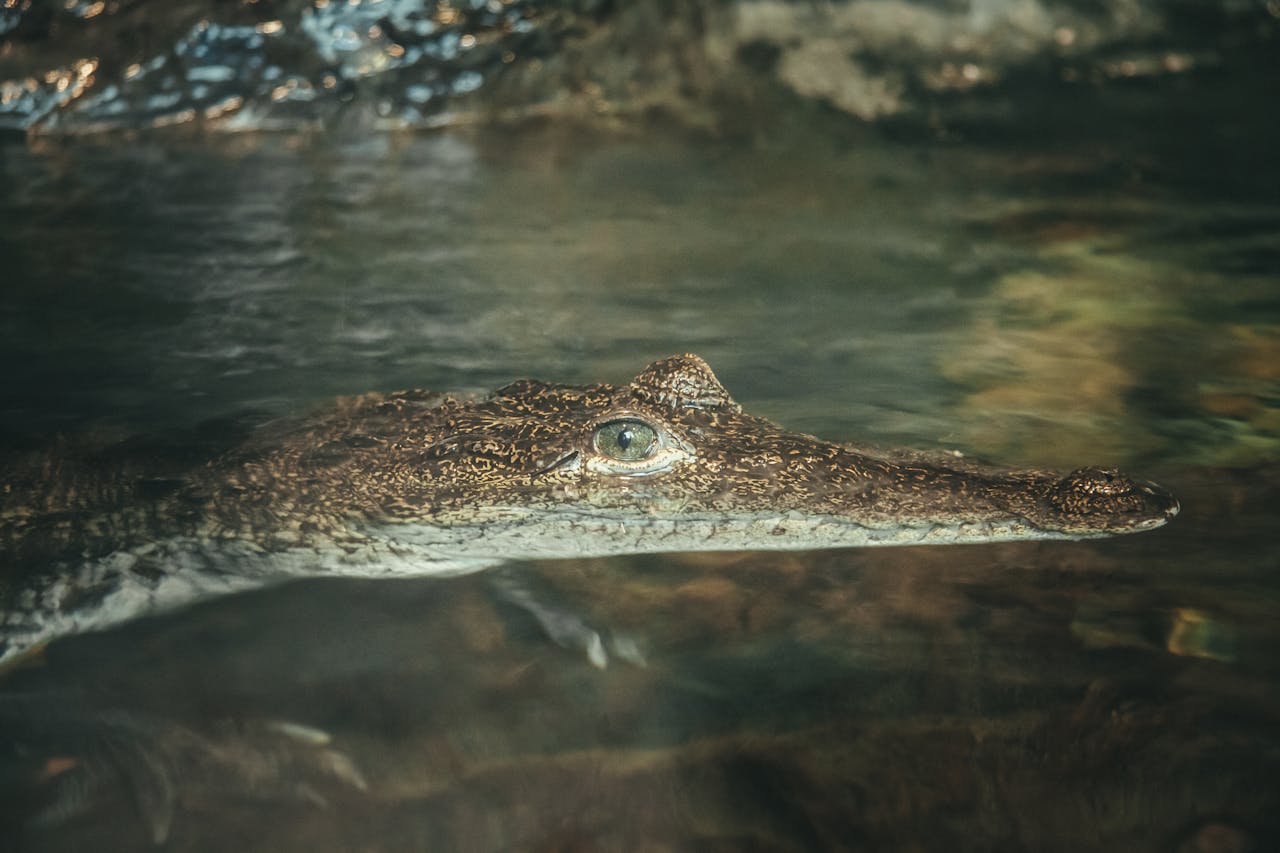
Stories of massive albino alligators living beneath New York City sound absurd, yet a real alligator was pulled from a sewer in the 1930s, likely an abandoned pet. Later discoveries of small reptiles in parks and basements added credibility. Biologists agree northern sewers cannot sustain long-term populations. Still, the legend remains appealing. It gives dense cities a hidden wilderness, suggesting something ancient and untamed survives below concrete, unseen but waiting, turning infrastructure into something faintly alive.
The Guard Dog Choking on a Burglar’s Fingers

A homeowner rushes a choking dog to the vet, then returns to a police warning to leave immediately. Nearby, officers find a burglar missing fingers that match what the dog expelled. The tale surfaced widely in the late 20th century, echoing older stories of loyal animals sensing danger before humans do. Its appeal lies in reversal. The powerless become protected, and the intruder pays a visible price. The story offers quiet comfort that even in vulnerable moments, something loyal might fight back.
Mothman and the Falling Bridge
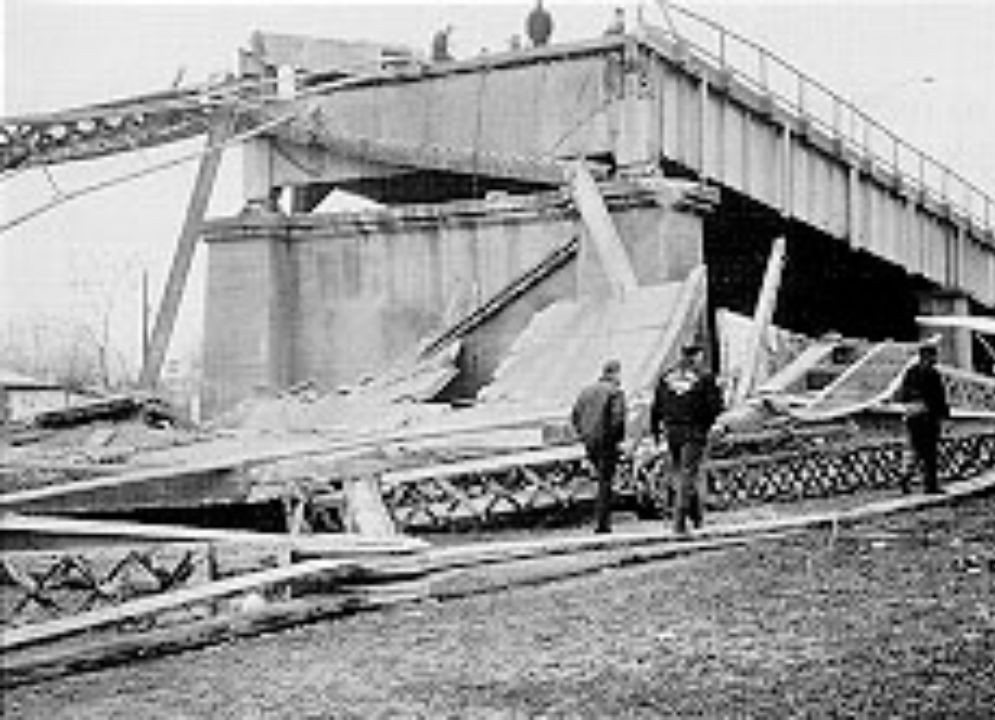
In the 1960s, residents near Point Pleasant, West Virginia, reported sightings of a tall, winged figure with glowing eyes near an old munitions site. Months later, the Silver Bridge collapsed, killing dozens. Some locals connected the sightings to the disaster, naming the creature Mothman and framing it as an omen. Engineers later identified a structural flaw as the cause. The legend endured because timing mattered more than evidence, stitching fear and tragedy into a single narrative that still defines the town.
Slender Man Born on a Message Board
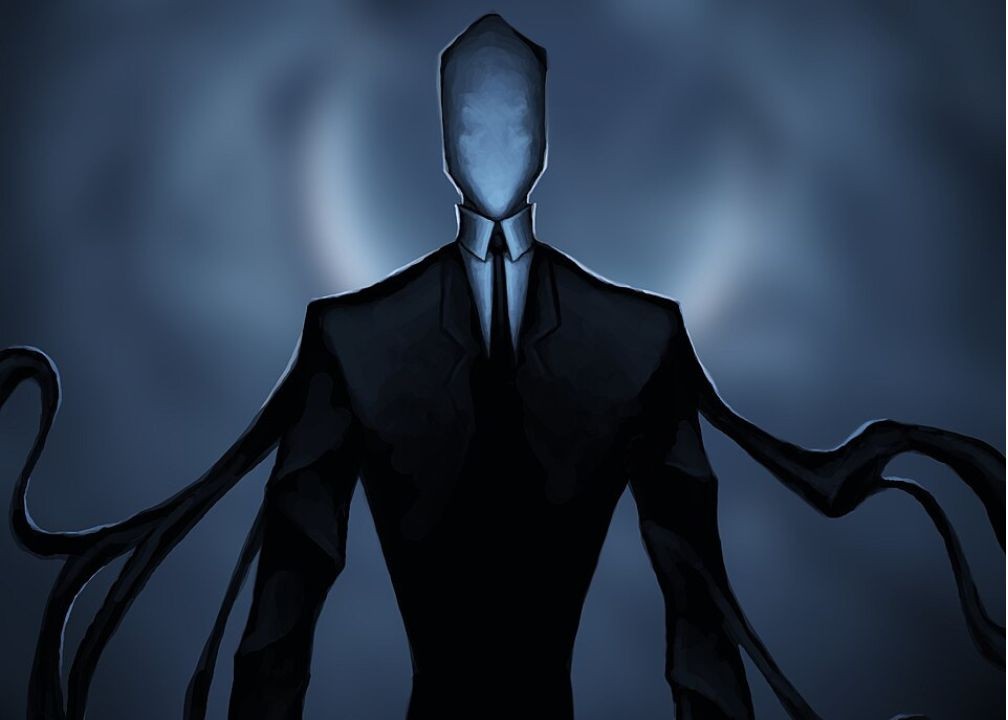
Slender Man feels ancient, but the character originated in 2009 during an online photo-editing contest. A faceless figure was added to old photographs, paired with eerie captions. Others expanded the myth through forums, videos, and fiction, layering invented history onto a modern creation. The legend darkened when real crimes were linked to belief in the character. It became a case study in how collaborative storytelling can blur fiction and reality, especially when fear spreads without boundaries or shared responsibility.
Black-Eyed Children Knocking at the Door
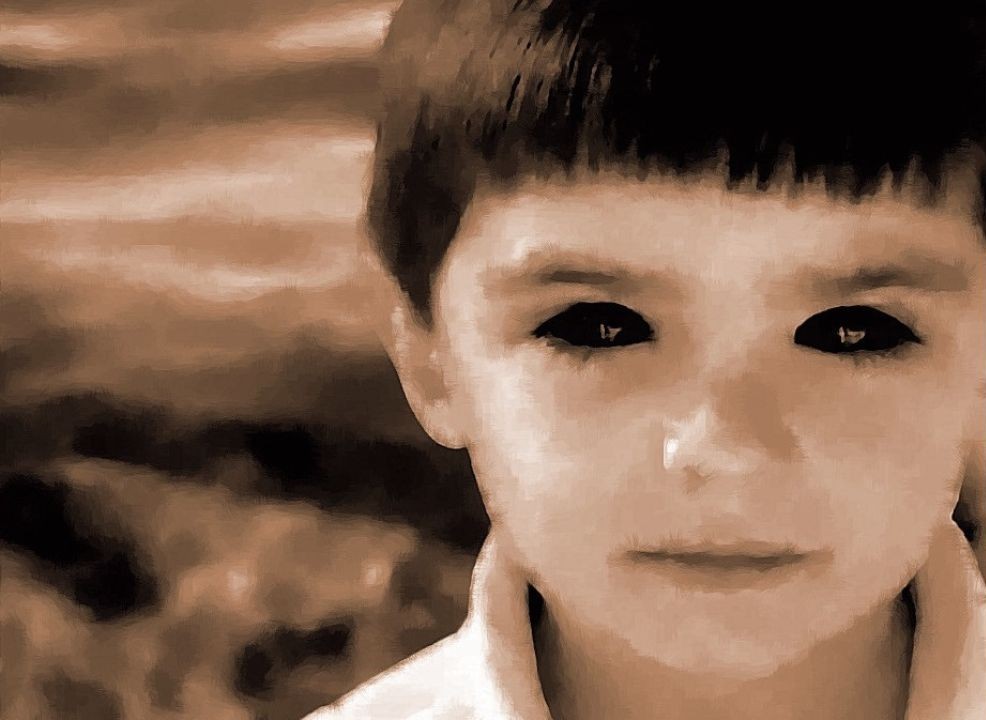
Black-eyed children legends describe pale kids appearing at night, quietly asking to be let inside while radiating dread. The modern version traces back to a single account written in the 1990s about a strange encounter near a movie theater. Readers shared and embellished it online, adding sightings and invented lore. The story taps into deep unease about children appearing where they should not be. It blends vulnerability with threat, making the ordinary request for help feel unsettling rather than safe.
Crop Circles Carved into Summer Fields
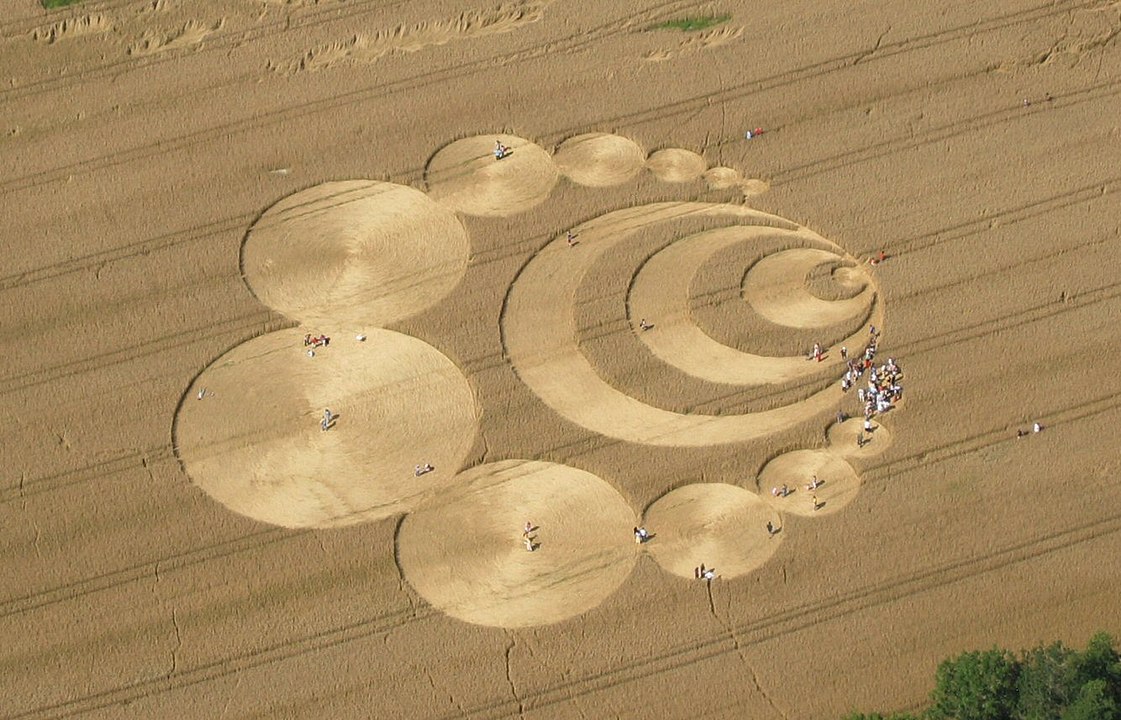
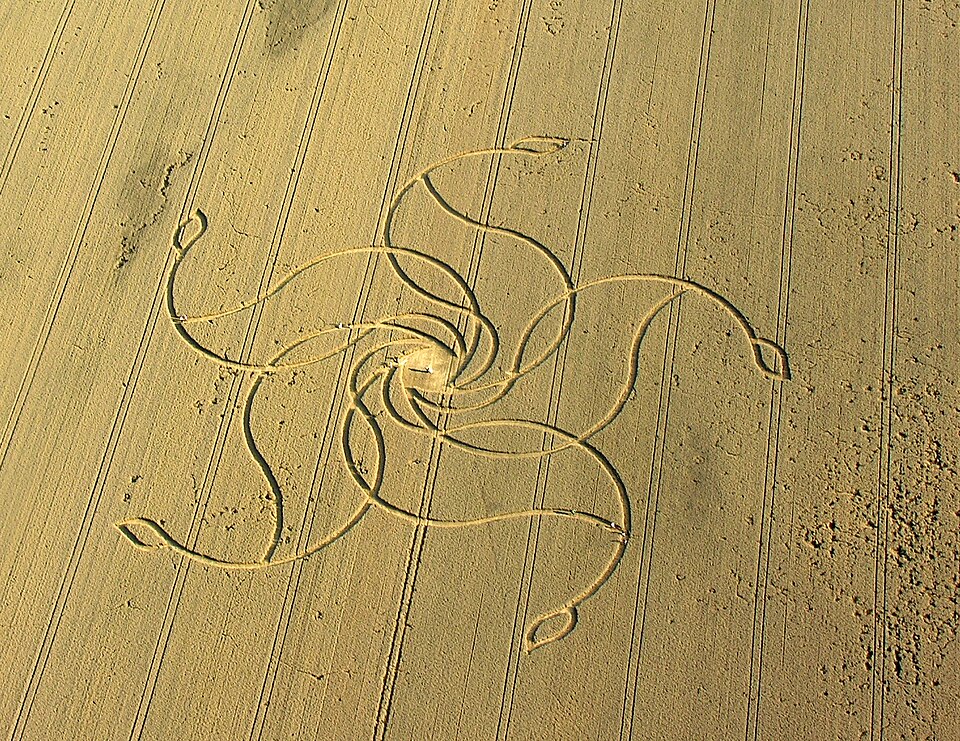
For years, intricate crop circles were presented as proof of aliens or mysterious earth forces. The patterns appeared overnight, baffling farmers and visitors alike. In 1991, two artists demonstrated how many early circles were made using planks, ropes, and basic surveying methods. Even after their confession, new circles continued to appear, created by others inspired by the attention. The legend now occupies a strange space between art and belief, inviting wonder even when the tools are fully understood.
Walt Disney Secretly Frozen in Ice
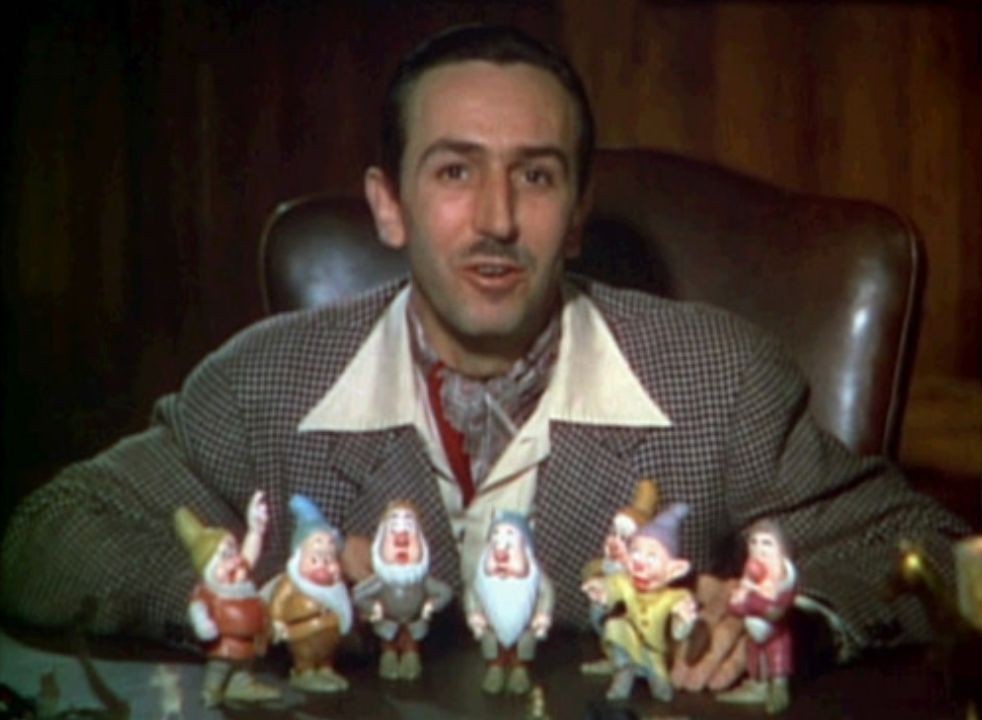
The rumor that Walt Disney had himself frozen beneath a theme park attraction persists despite clear records showing he was cremated and buried in California. The story gained momentum in the 1960s and 1970s, when early cryonics experiments collided with Disney’s public image as a futurist. To many fans, the idea felt fitting. It transformed death into a pause rather than an ending. The legend survives because it aligns neatly with the myth of a man associated with imagination, progress, and the refusal to stop dreaming.