The Vietnam War still feels close enough to echo in family stories, yet distant enough to blur into a few textbook photos. It unfolded across jungles, cities, rivers, and living rooms, reshaping politics, music, protest, and what citizens expected from leaders. For many teenagers now, the surprise is not only the violence, but the scale, the speed of decisions, and the long shadow left behind. The conflict spilled beyond Vietnam’s borders, split communities at home, and tested the power of journalism, science, and youthful dissent. These moments show a war fought with rifles and helicopters, but also with ballots, broadcasts, and paperwork that could change lives overnight. Even decades later, its questions keep resurfacing in classrooms, reunions, and quiet conversations.
A Half-Million U.S. Troops Were There at Once
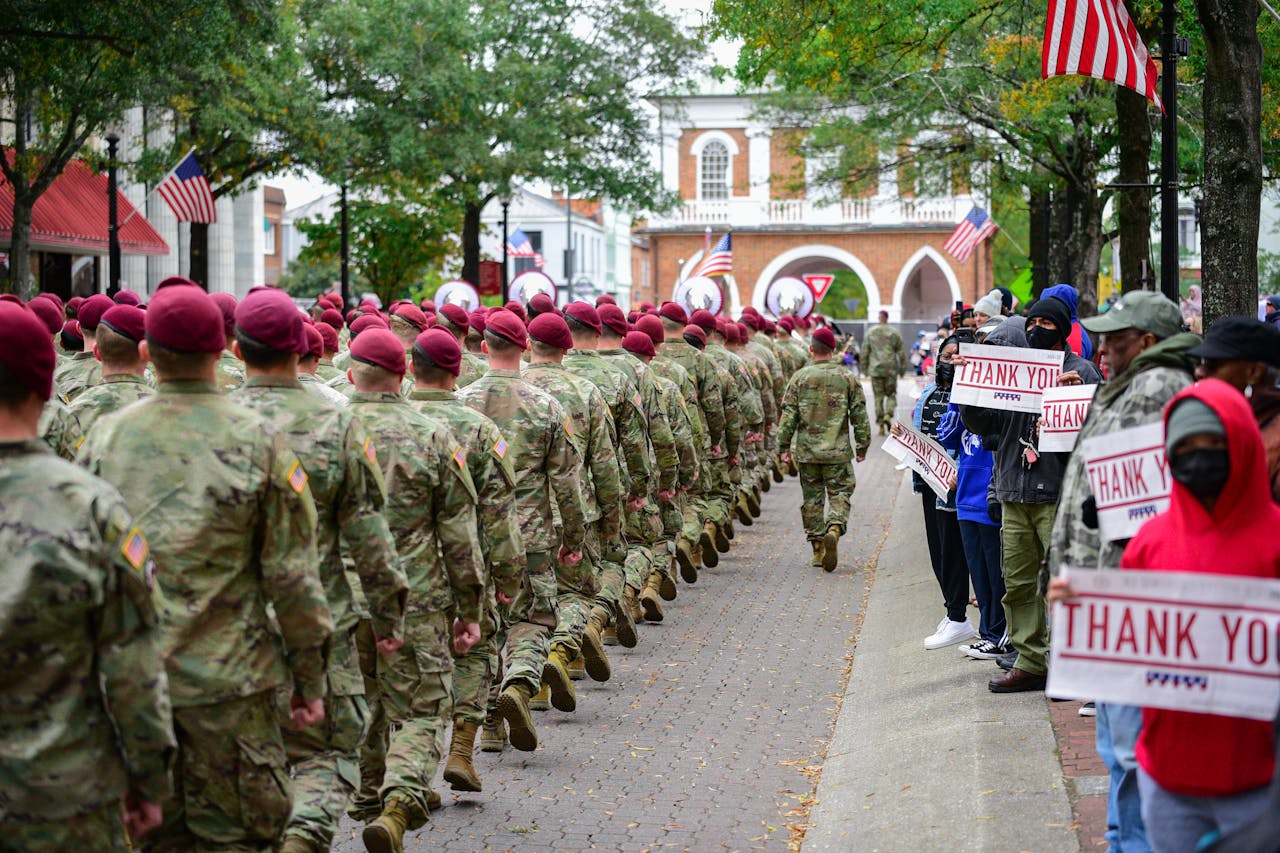
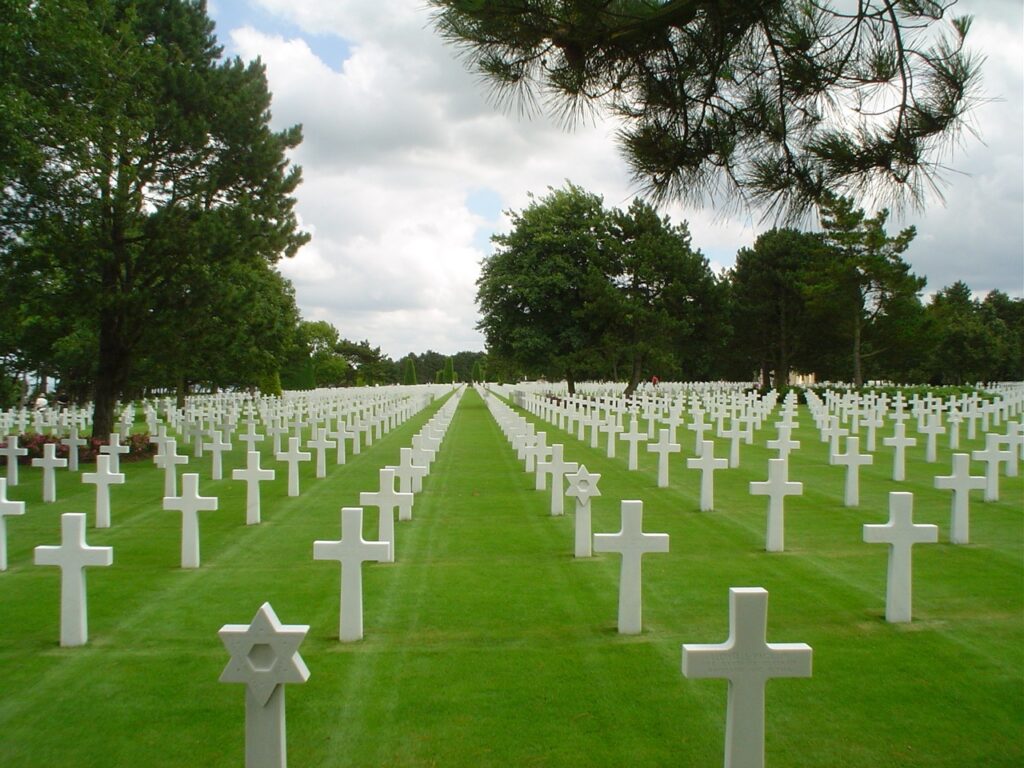
At the height of escalation, U.S. forces in Vietnam peaked in April 1969 at about 543,000 service members. The figure hits differently when it is imagined as a full-size city in uniform, spread across airbases, firebases, hospitals, ports, and muddy roads, moving fuel, food, mail, and spare parts as much as moving rifles, and measuring life in rotations. More than 3 million Americans served across the war, so its weight traveled home in draft calls, taped phone lines, and uneasy homecomings, where medals and photographs often sat beside injuries, silence, and files that still could not explain what happened on a given day.
More Bombs Fell Than in All of World War II’s Theaters Combined
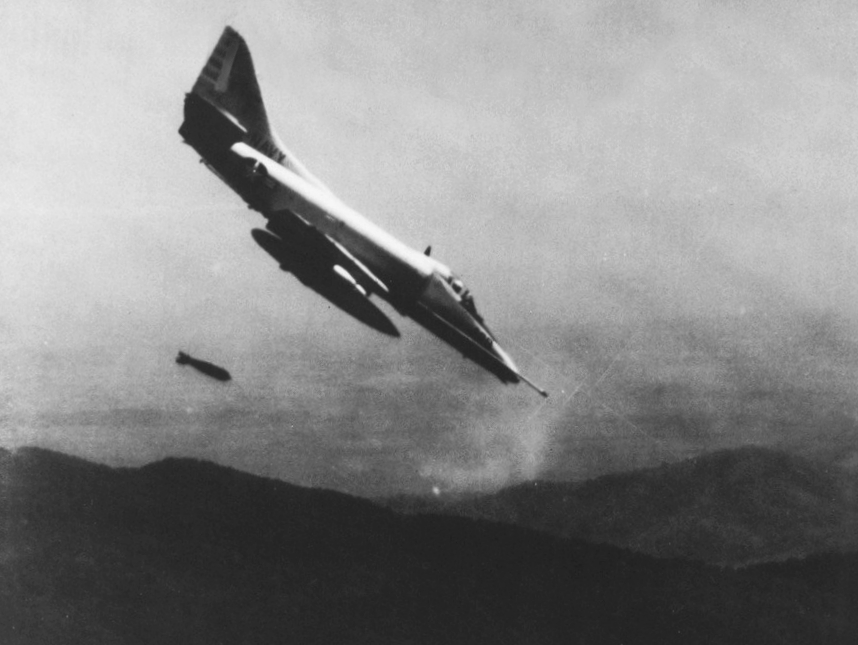
Across Vietnam, Laos, and Cambodia, the United States dropped over 7 million tons of bombs, more than what fell in Europe and Asia during World War II. That number becomes real in the landscape: cratered rice paddies, rebuilt bridges, forests shredded into bare sticks, and neighborhoods that learned to patch roofs again and again after raids, fragments, shock waves, and nights spent under tables. It also explains the long hazard of unexploded ordnance. When fuzes fail, metal stays buried, and a single device can turn farming, road work, or a child’s shortcut into an emergency long after the last aircraft left the sky.
Laos Became the Most Bombed Country Per Person in History
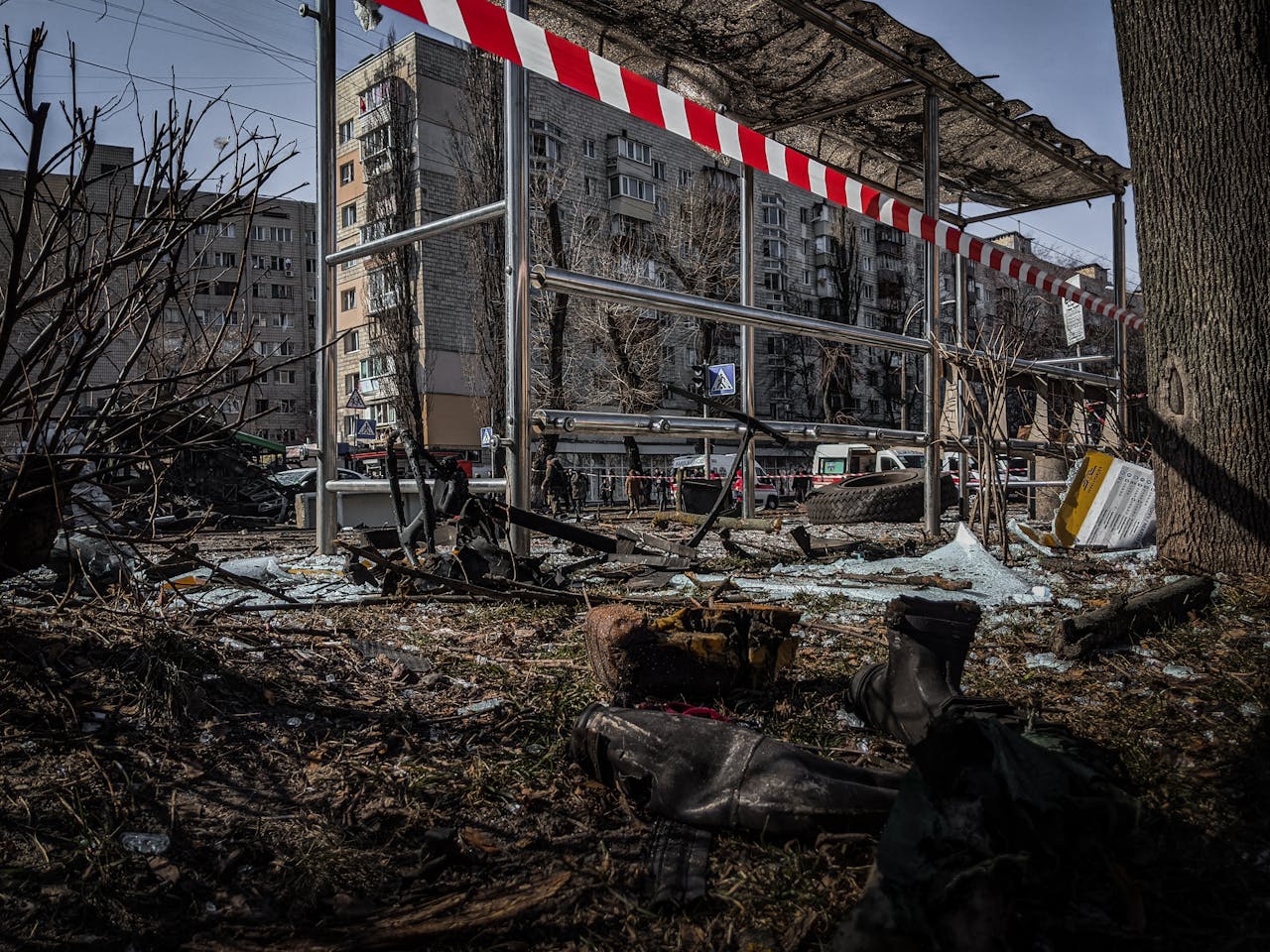
While Vietnam held the spotlight, Laos absorbed a vast air war tied to interdiction along the Ho Chi Minh Trail. From 1964 to 1973, more than 2 million tons of ordnance hit Laos, including intense use of cluster munitions that scattered small bomblets across hillsides, riverbanks, school paths, and farmland in patterns that looked random from the ground. Many never detonated, which turned ordinary soil into a wager and complicated everything from gathering firewood to building a fence. Even now, families weigh new fields, footpaths, and house posts against the chance that an old blast is still waiting just beneath the surface.
A Chemical Campaign Sprayed Millions of Gallons Over the Landscape
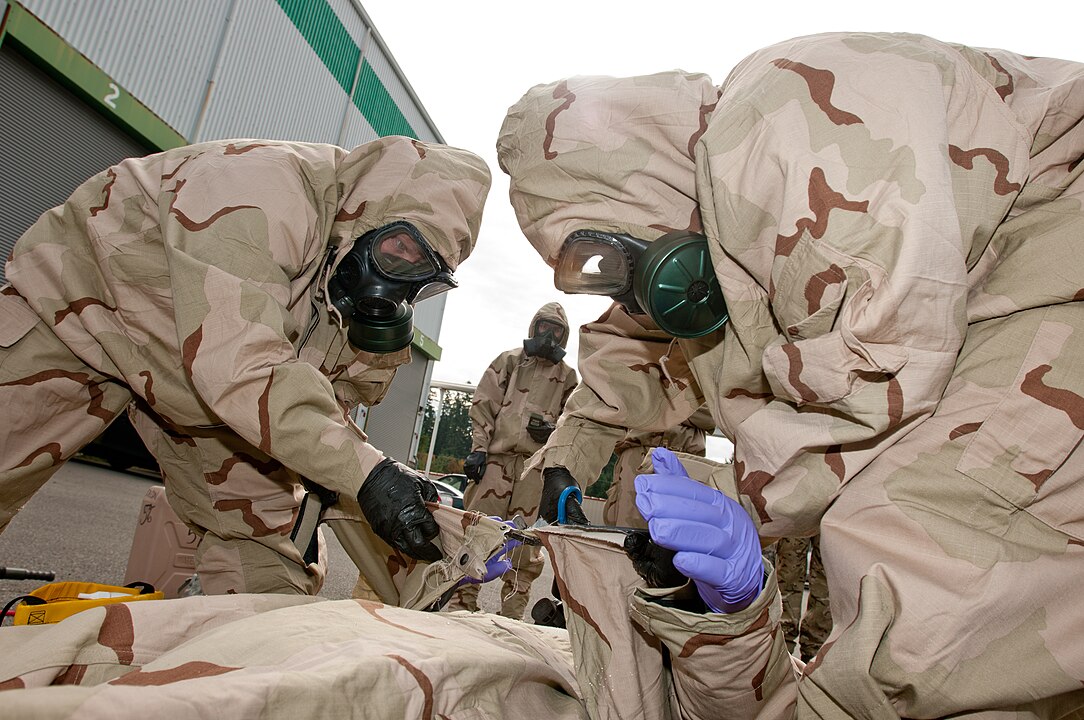
From 1962 to 1971, U.S. aircraft sprayed nearly 19 million gallons of herbicides in Vietnam, including large volumes of Agent Orange. The military goal was visibility, stripping foliage to expose movement, but chemicals did not stop at a map line, and dioxin contamination persisted in certain hotspots where people fished, farmed, and collected water for cooking. The fear did not end when spraying stopped. Health concerns and disability stories spread across generations, leaving scars not only in burned villages, but also in altered ecosystems, contested records, and communities forced to live with uncertainty as a routine fact.
It Was Called the First Television War for a Reason
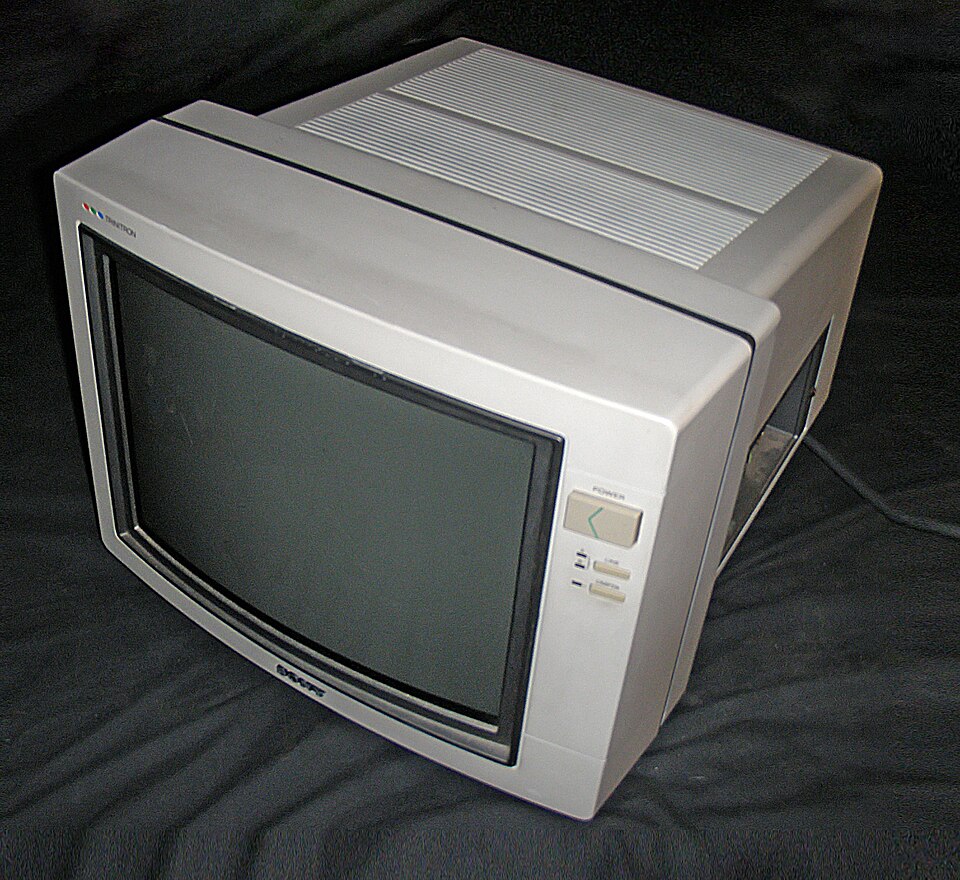
Vietnam entered American living rooms with a steadiness that unsettled families who had never watched a war unfold week by week. Footage and reporting moved quickly enough that firefights, helicopter evacuations, and devastated villages could shape dinner-table arguments while the conflict still raged, collapsing the distance that once protected leaders from public scrutiny. This closeness changed how people judged official statements. When speeches promised progress but broadcasts showed stalemate and loss, trust drained away into what reporters called a credibility gap, and the country learned to doubt briefings.
Teens Could Be Drafted Before They Could Vote

For years, many Americans could be drafted at 18 but could not vote in federal elections until 21, a mismatch that felt personal in classrooms and small towns. As casualty lists grew, high school seniors watched older classmates leave with lottery numbers in their pockets, and the idea of being old enough to die but not old enough to choose leaders started to sound unbearable, even to people who avoided protest. The pressure helped push the Twenty-sixth Amendment, ratified on July 1, 1971, lowering the voting age to 18 nationwide. The logic was plain: civic sacrifice and civic voice should arrive together, not years apart.
The Pentagon Papers Blew Up the Official Story

In 1971, major newspapers began publishing the Pentagon Papers, a classified internal history of U.S. decision-making on Vietnam. The documents revealed years of private doubts, shifting rationales, and public certainty that often sounded stronger than what officials believed behind closed doors, which made earlier reassurances feel less like optimism and more like performance. The government tried to stop publication, but the legal fight ended with a major win for press freedom. For many Americans, the sharper shock was realizing how carefully reality had been managed over years, memo by memo, while families paid the price.
The Military Lowered Standards to Fill Ranks
As manpower demands rose, the Pentagon launched Project 100,000 in 1966, recruiting people who previously would not have met mental or medical standards for service. Roughly 350,000 men entered through the program, often with less schooling and fewer support systems than typical inductees, and many were placed into jobs where small mistakes could become fatal in seconds under fire. Supporters framed it as opportunity, but critics later argued the policy concentrated danger on those least able to navigate war, bureaucracy, and trauma, then sent them home to civilian life with thin safety nets and lingering stigma.
My Lai Was a Massacre, Not a Battle
On March 16, 1968, U.S. soldiers killed hundreds of Vietnamese civilians at Sơn Mỹ, widely known as My Lai, during an operation first described as a combat success. The setting was not a trench line, but homes, paths, and breakfast fires, which made the horror harder to explain away as confusion, and the delayed truth spread damage far beyond the village. It took months, whistleblowers, and reluctant investigations for the story to surface. Only one officer was convicted, a narrow legal outcome that left a wide moral wound and a warning about what happens when oversight and empathy collapse in war at every level.
The War’s Aftershocks Still Harm People Today
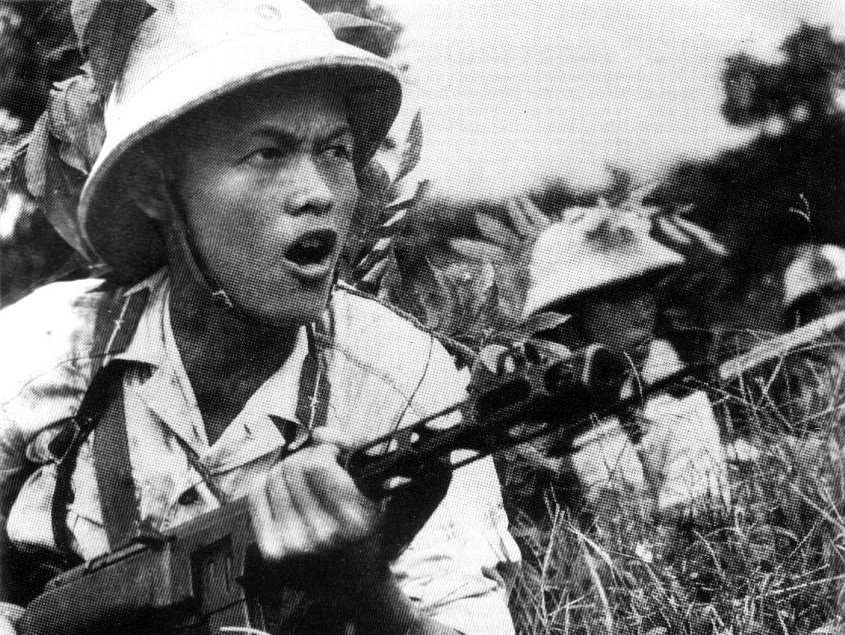
Unexploded bombs remain a daily risk in parts of Vietnam and Laos, where ordnance that failed decades ago can still injure or kill during plowing, construction, fishing, or play. The threat is paired with slower damage: cleanup of dioxin-contaminated sites tied to wartime herbicides has required years of engineering work, international coordination, and funding that arrives in fits and starts, while nearby communities wait. What looks like peaceful ground can hide danger, so the war’s end date on paper does not match how its debris still shapes where families build, farm, fish, and let children run without fear.