
A dining room looks calm from a chair, but behind the scenes it runs on timing, clear cues, and mutual respect. Hosts pace arrivals, servers sequence checks, and cooks fire tickets so every table feels cared for without long gaps. Most guests are thoughtful, yet a few everyday habits quietly strain that rhythm and make service harder than needed. The problem is rarely one dramatic moment. It is usually a stack of small choices that signal impatience, confusion, or disregard for shared space and staff flow. When those moments stack up, the room feels tense, and even good service can start to look uneven by dessert.
Arriving Late Without an Update
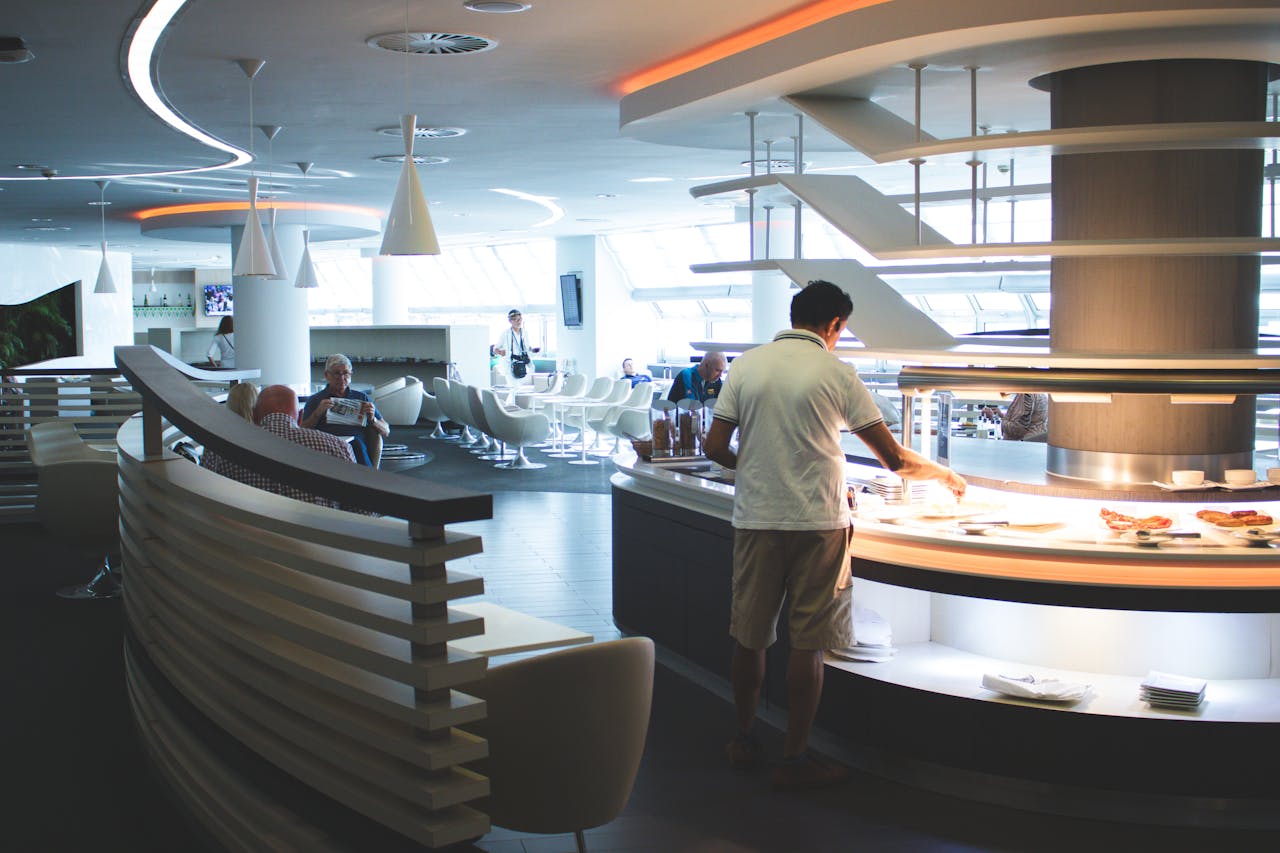
A reservation is a time agreement, not just a table request. When a party arrives late without any update, the host has to guess whether to hold the table, seat a walk in, or shift another booking, and each choice creates a ripple across the floor. Even a short message changes that dynamic and gives the team options before rush hardens.
A quick call lets the team rebalance sections and protect pacing for everyone. Silence forces staff to choose blind, and that often reads as indifference to the work required to keep service smooth. Late arrival and no show policies exist for this exact reason, to keep timing fair for all diners.
Leading With a Complaint Before Ordering

Opening the interaction with a sharp complaint can harden the tone before water is poured. Even when the concern is legitimate, a confrontational start makes each later exchange heavier, because the server now has to repair mood and solve the issue at the same time. That is a difficult split in a full section with active tables.
A clear, calm first sentence gives staff room to fix things fast. A hostile first sentence often signals that no solution will feel acceptable, which can make the table seem difficult before ordering even begins. People remember the first seconds of contact, and that impression tends to shape the meal.
Requesting Heavy Modifications During Peak Rush
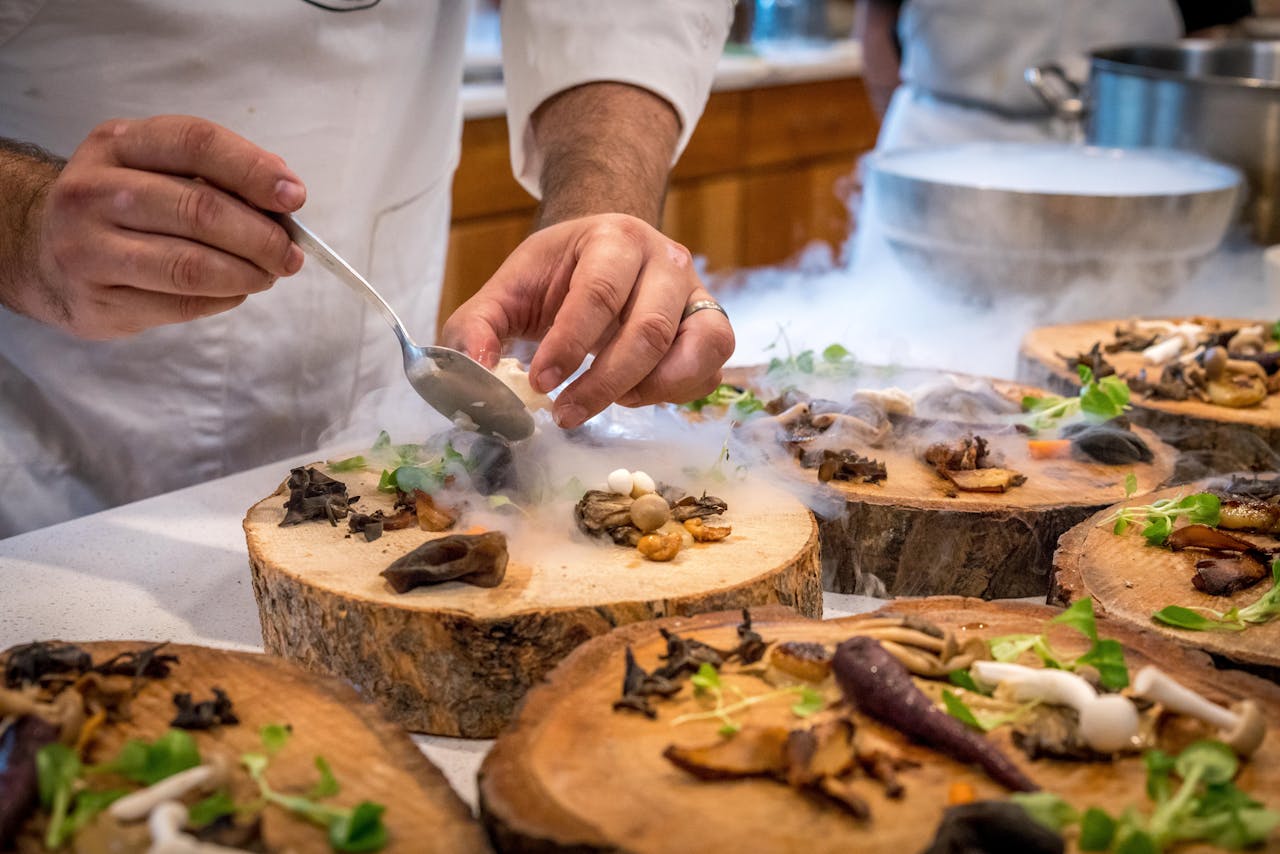
Most kitchens can handle reasonable swaps, and many guests need modifications for comfort, preference, or allergy safety. The strain starts when multiple dishes are rebuilt on the fly during peak rush, then changed again after the ticket is sent, because each revision interrupts timing for other tables. One order can create backlog without realizing it.
Stating key changes clearly at the start helps everyone. A long chain of edits, especially late edits, can make a party look impossible to satisfy even when every request is made in good faith. Clear notes early protect accuracy and courtesy, while repeated rewrites slow the meal.
Ordering in Waves Instead of One Clear Round
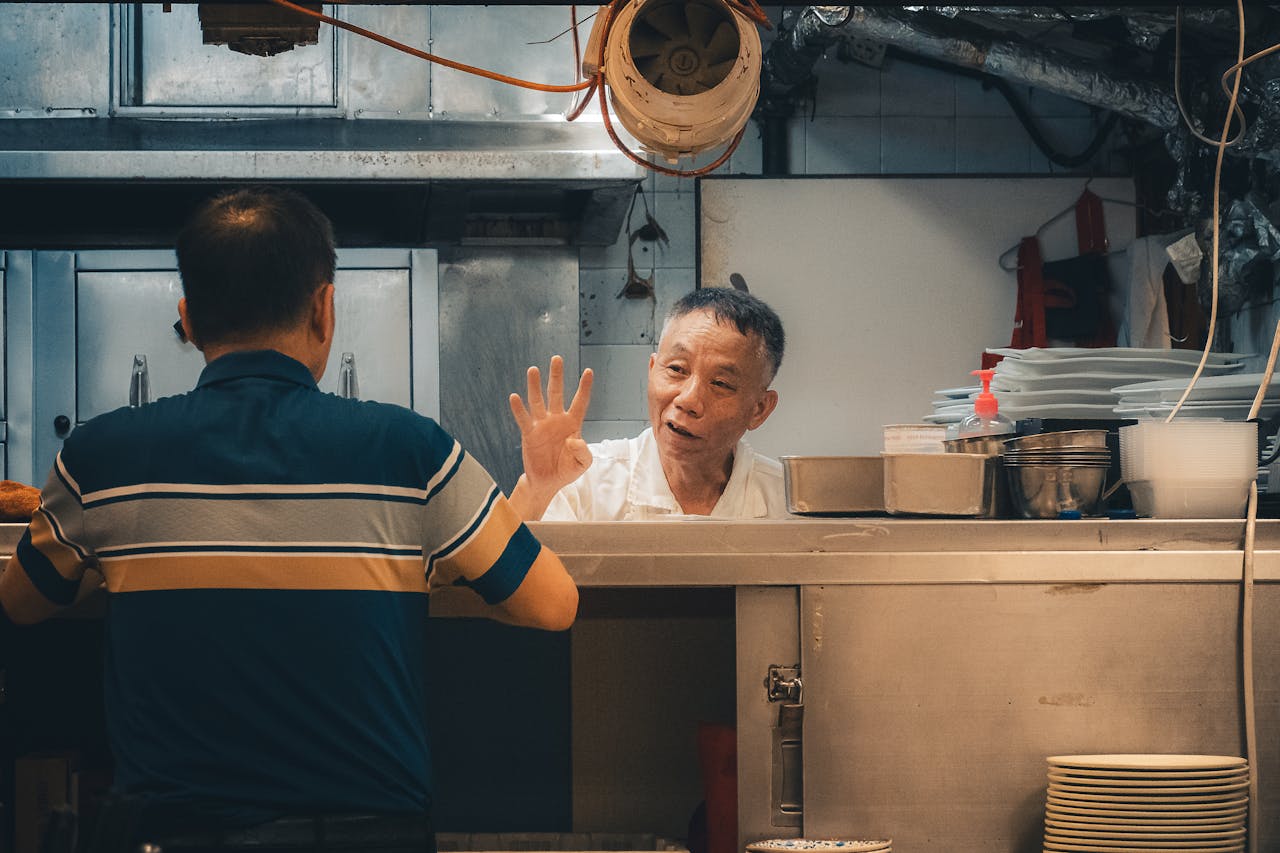
Service timing depends on complete information. When one guest orders, another keeps browsing, then a third adds an appetizer minutes later, the kitchen receives scattered instructions and cannot fire courses in a clean sequence. The table may then experience staggered plates and assume the room is disorganized. The real issue is fragmented ordering, not inattentive staff.
Coordinated ordering protects meal flow. Repeated add ons are manageable, but they force constant reprioritizing and can quietly mark the table as high effort in a crowded service window. Late additions increase the chance that pacing feels uneven by dessert.
Ignoring Clarifying Questions About the Order

Servers ask follow up questions to prevent remakes and delays. Temperature, dressing, side choice, and allergy notes are not small talk. They are checkpoints that keep the order accurate on the first pass and protect both pacing and kitchen bandwidth. These short questions save far more time than they take.
When those prompts are ignored, shrugged off, or answered vaguely, staff must guess and hope. That guesswork often creates the very mismatch the table wanted to avoid, and it can make guests appear dismissive of the process designed to help them. A precise answer is one of the simplest ways to improve service quality.
Trying to Get Attention With Loud Signals

A crowded room has an order of attention, and most servers are scanning for cues while carrying hot plates and glassware. Snapping fingers, calling loudly across tables, or waving objects for attention rarely speeds anything up. It usually interrupts nearby guests and forces rushed, partial communication. It makes it harder for staff to prioritize urgencies.
A brief eye contact cue and patient pause work better in nearly every setting. Loud summons can read as disrespectful, and they often reduce service quality because the interaction begins under pressure instead of clarity. Service is fastest when requests arrive clearly.
Taking Speaker Calls During Service

Phone use is common, but speaker audio changes the whole table zone. Neighboring guests lose privacy, staff struggle to hear order details, and the server has to repeat basic questions while the call competes with normal conversation. What seems minor at one table can affect several. Noise spillover is a frequent comfort complaint in shared dining spaces.
Etiquette guidance treats phone restraint at meals as consideration for others, not old fashioned formality. Keeping calls brief and private protects the room and keeps service accurate for everyone nearby. A quieter table helps staff catch details correctly on the first trip.
Letting Kids Roam Through Active Service Lanes
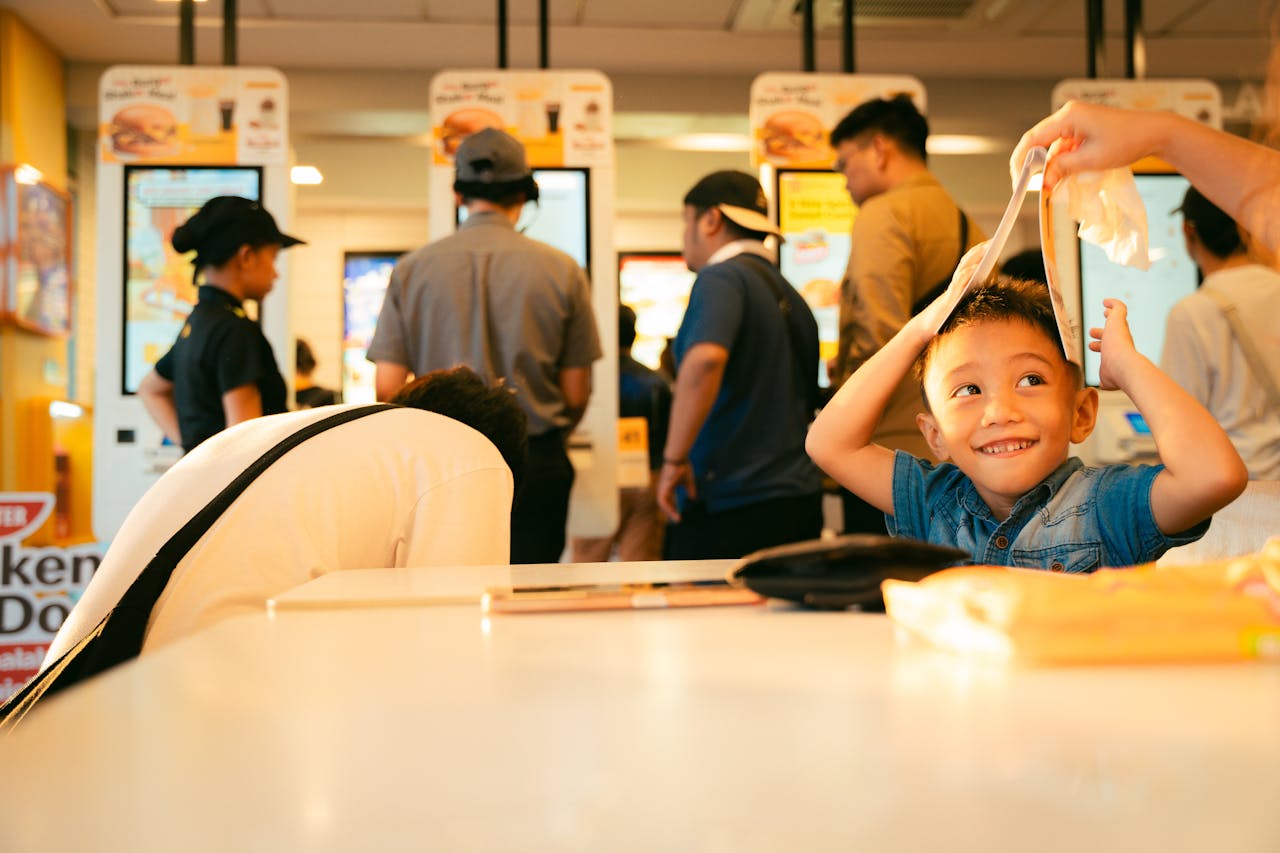
Family dining is part of restaurant life, and good teams adapt with fast pacing, split courses, and practical support. The challenge appears when children move freely through aisles and service paths, where staff may be carrying hot dishes, sharp cutlery, and stacked glassware through tight corners. Even attentive teams can be tested by sudden movement.
Most teams will help when needs are communicated early. Unsupervised movement adds risk and slows the floor, and it can make a party seem unaware of how much concentration safe service requires minute to minute. Simple supervision protects family comfort and room safety.
Blaming the Server for Every Delay

Delays happen for many reasons, from bar backups to kitchen bottlenecks and sudden volume spikes. Treating the server as the sole cause can shut down useful communication, because the person at the table is often coordinating solutions across stations rather than controlling every delay directly. In many cases, that person is the fastest path to a fix.
Direct questions and respectful tone usually produce better updates and faster fixes. Personal blame does the opposite. It narrows cooperation and makes the table feel adversarial at the exact moment teamwork is needed. When the tone stays steady, staff can focus on solving the issue.
Closing the Check Then Holding the Table Too Long
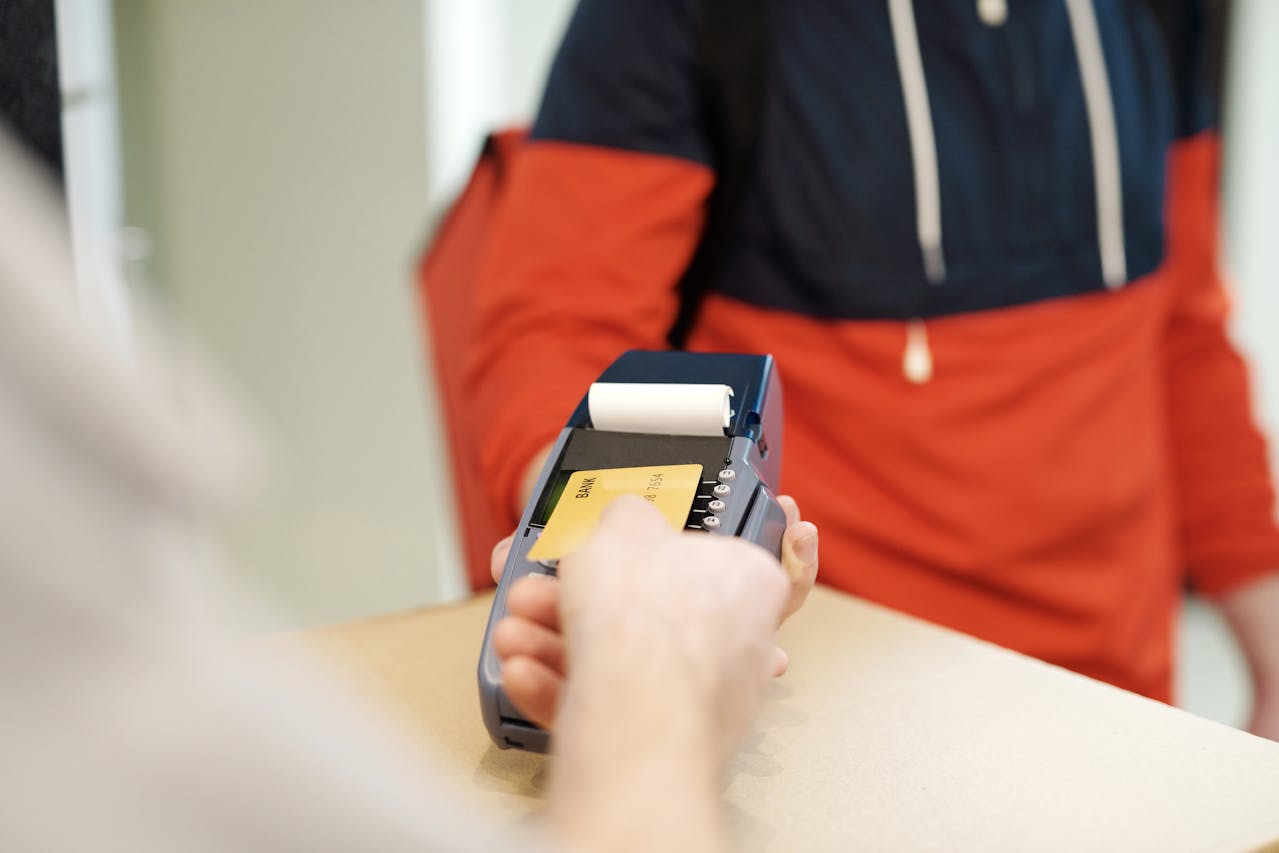
Lingering after a meal is normal, and no thoughtful restaurant wants guests to feel rushed out the door. The pressure starts when a table settles the check during peak wait times, then remains past turnover while hosts manage a long queue and staff cannot reset the station for the next party. One occupied table can delay later seatings in smaller rooms.
A little awareness goes a long way here. Staying indefinitely after payment can look inconsiderate to workers and waiting guests, especially in small rooms where each table strongly affects overall seating flow. A timely exit during peak demand helps the house move with less strain.
Leaving a Table in Deliberate Disarray

No one expects a spotless table during an active meal. The issue is avoidable disorder that complicates reset work, like mixed trash in glassware, used napkins pushed into cups, or spills spread across shared edges where new place settings must go next. Those habits slow sanitation steps that normally take a minute or two.
Small acts of order help staff turn tables safely and quickly. Deliberate chaos slows sanitation, delays seating, and can make the party seem detached from the labor that keeps the room running clean and steady all night. Respectful table use is less about neatness and more about regard for shared work.
Turning Minor Bill Errors Into a Standoff

Check errors should be corrected, and most restaurants want those fixes handled quickly and fairly. Problems grow when a minor discrepancy becomes a public argument at table side, because one simple correction can then consume time needed for active orders and nearby guests. Escalation also makes accurate review harder for everyone involved.
A calm review of items usually resolves things within minutes. An aggressive tone over small amounts can make the table feel combative rather than careful, and it often delays the resolution everyone was trying to reach. Clarity and composure tend to settle billing issues faster than pressure.