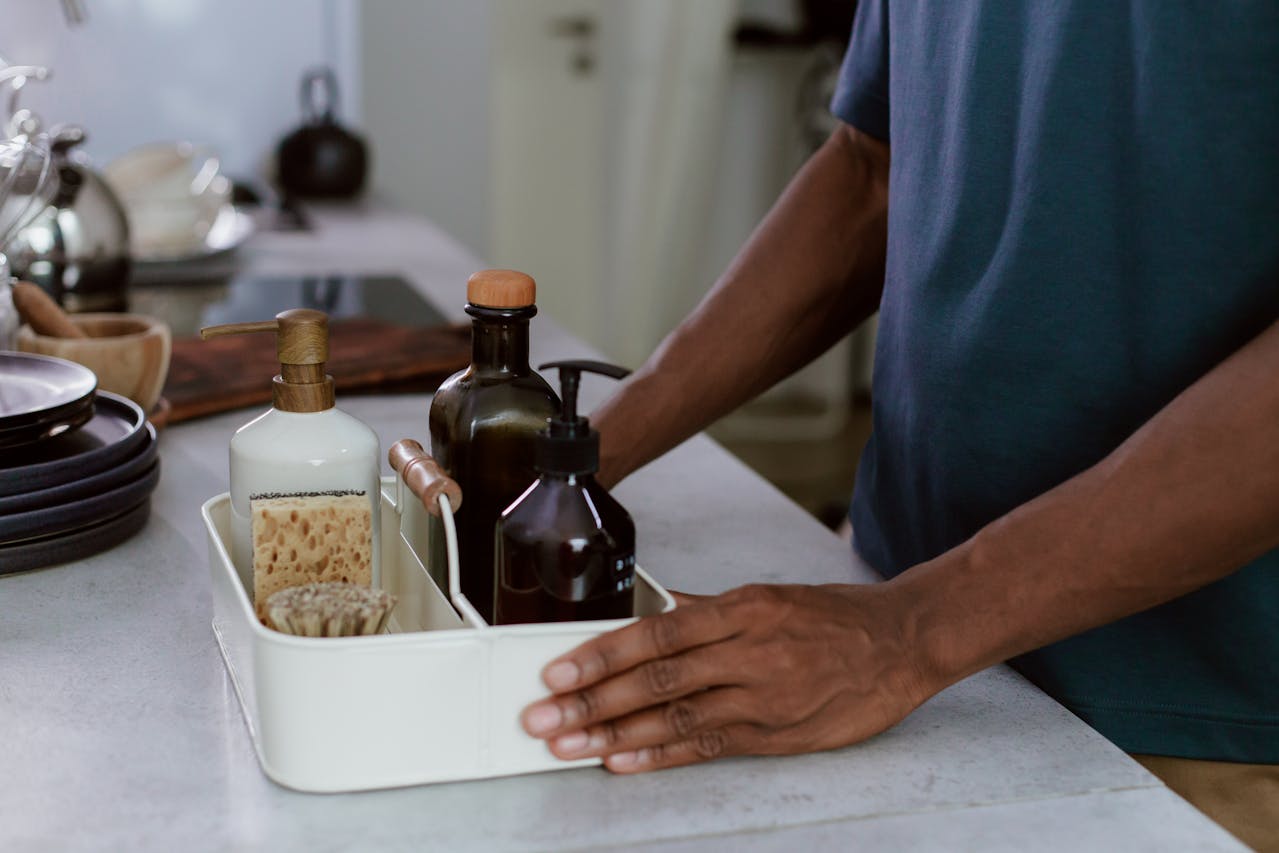
A stocked pantry and bathroom cabinet can look fine while many staples quietly lose potency once opened. Light, heat, air, and moisture destabilize formulas, dull aromas, and weaken cleaners, so results decline long before anything looks ruined. The fix is not constant replacing. It is rotation, cooler storage, and buying sizes that get finished on time. A quick open-date note helps, and so does watching for subtle tells, like a serum that darkens, a wipe tub that dries, or a spice jar that smells blank. Those checks keep routines calmer, and they cut waste without turning storage into a chore.
Sunscreen
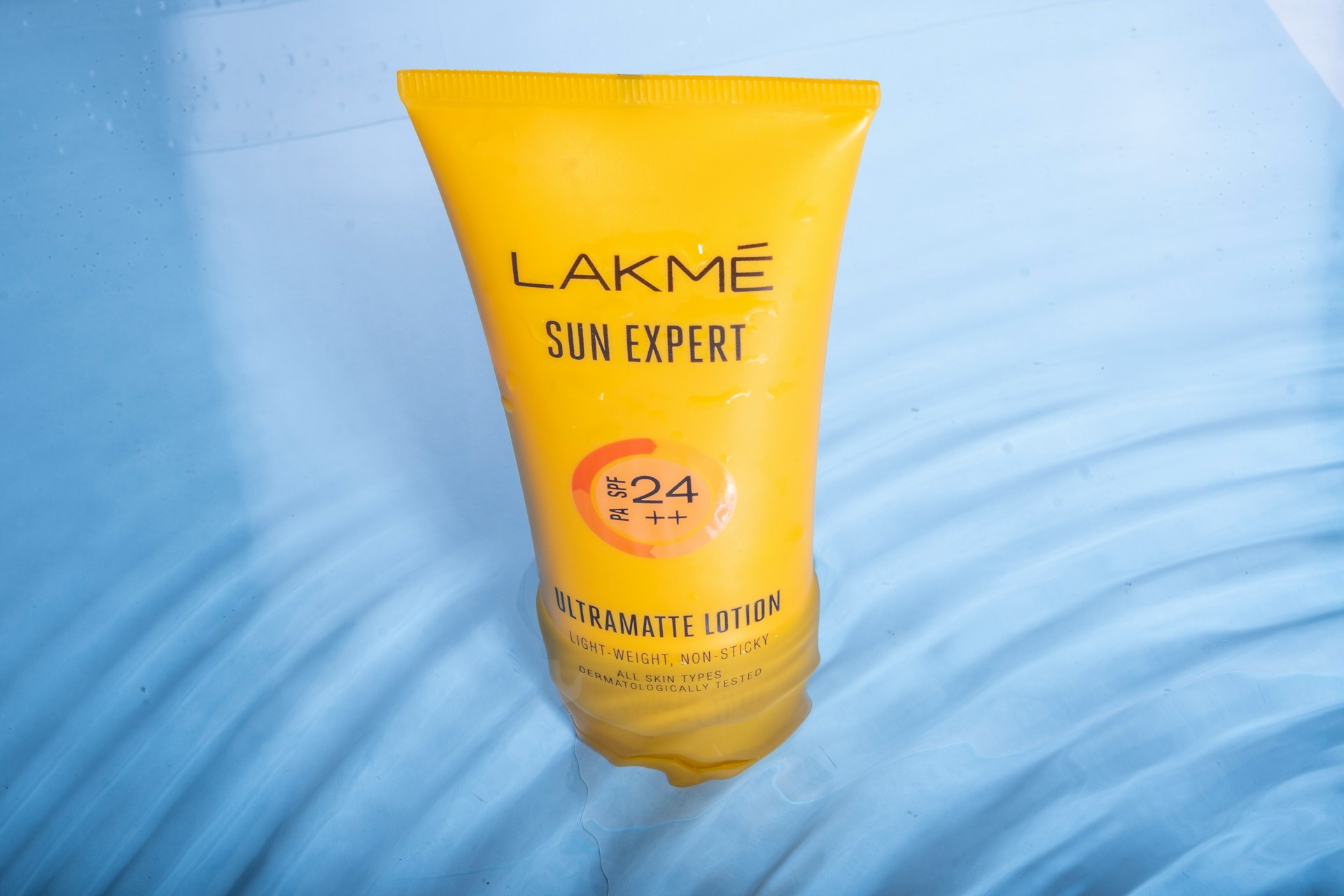
Sunscreen often outlasts its best performance because UV filters and emulsions can drift with time, light, and heat, especially after rides in hot cars, afternoons in beach bags, or storage near a bright window. When the lotion turns runny, grainy, or separates into layers that will not blend back together, it can apply unevenly, pill under makeup, and feel noticeably slippery or dry in spots. Fresh tubes stored cool and tightly capped tend to spread smoothly and predictably, and a quick note of the first-open month helps keep older bottles from lingering in travel kits long after last season.
Mascara And Liquid Eye Products
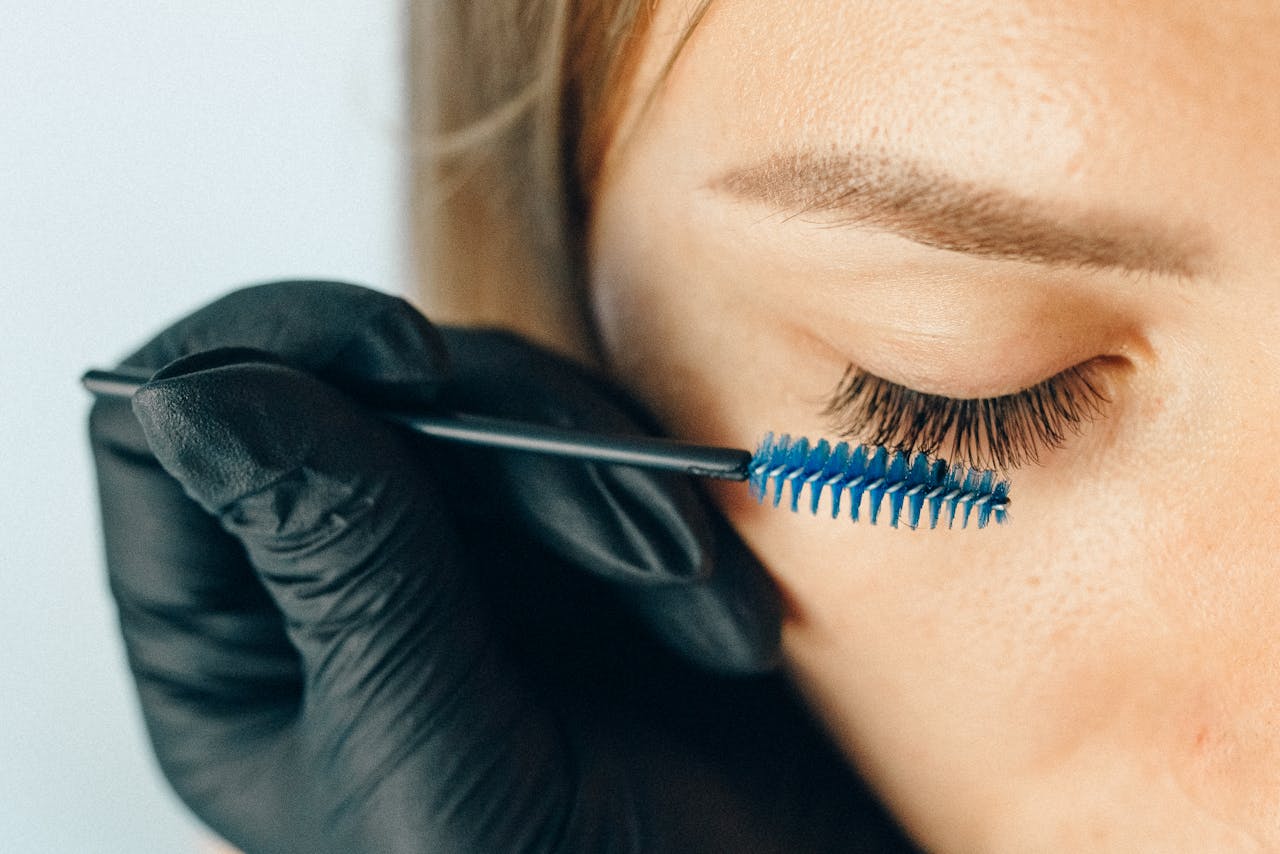
Mascara and liquid liner have short lives after opening because daily dipping, pumping the wand, and air exposure slowly change the formula and invite accumulation inside the tube. As it thickens, dries, or starts flaking, application gets rougher, lashes clump, and touch-ups multiply, with more rubbing that can leave the eye area looking swollen and worn by midafternoon. Replacing every few months, keeping caps clean, and skipping the habit of adding water or sharing a tube keeps the texture smooth and the line crisper, especially when makeup rides in warm bags during commutes and travel days.
Liquid Foundation And Concealer
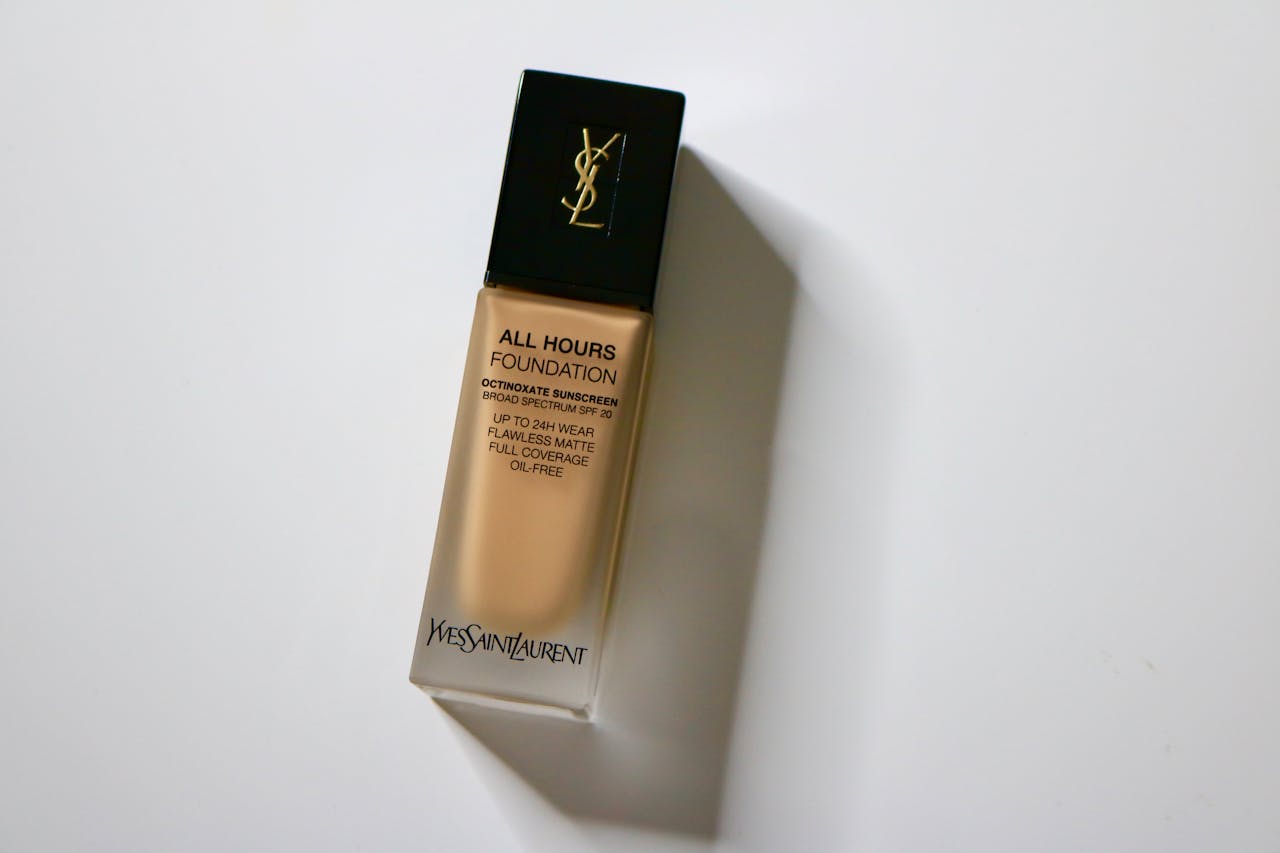
Liquid foundation and concealer age faster than powders because oils, pigments, and stabilizers can separate with heat, and each pump draws in a little air over months of use. When a bottle smells different, shifts color, or forms a stubborn layer that will not remix, the finish can turn patchy, slide off in spots, and cling to dry areas even with careful skin prep and a fresh sponge. Keeping containers out of steamy bathrooms, wiping the nozzle, and choosing smaller bottles that get finished within a season helps formulas stay smooth, shade-true, and easy to blend, without needing extra layers to look even.
Vitamin C Serums And Active Skincare
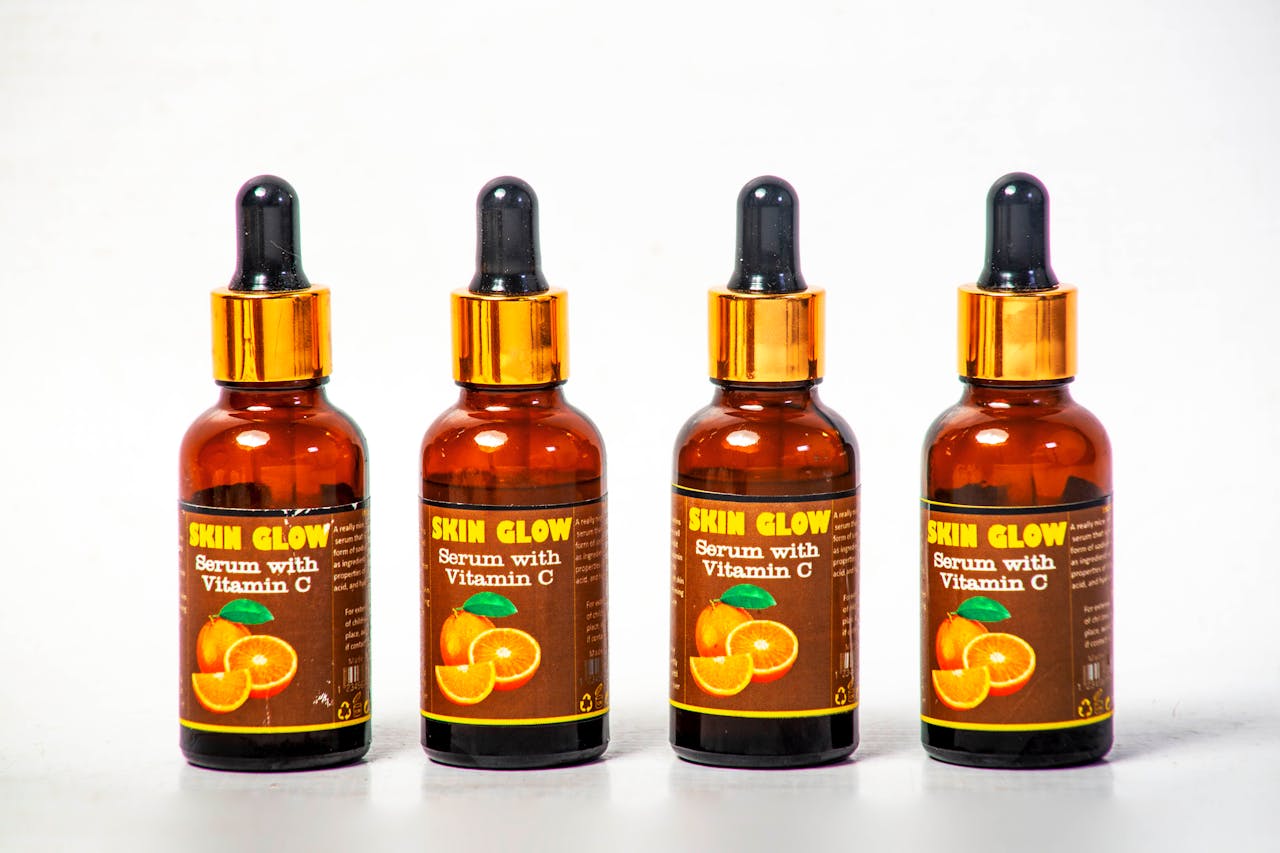
Active skincare, especially vitamin C, can lose punch quickly once a bottle is opened because air and light nudge oxidation forward, particularly when it sits on a bright counter or in a warm bathroom. Darkening color, a sharper smell, or a tackier feel can signal that the formula is shifting from targeted treatment to basic moisture, and results become less consistent week to week; retinoids and exfoliating acids can fade too when stored hot. Smaller opaque bottles, tight caps, and cooler storage slow the change, and dropper tips kept off skin help preserve what is inside, so the last third of the bottle works more like the first.
Household Bleach
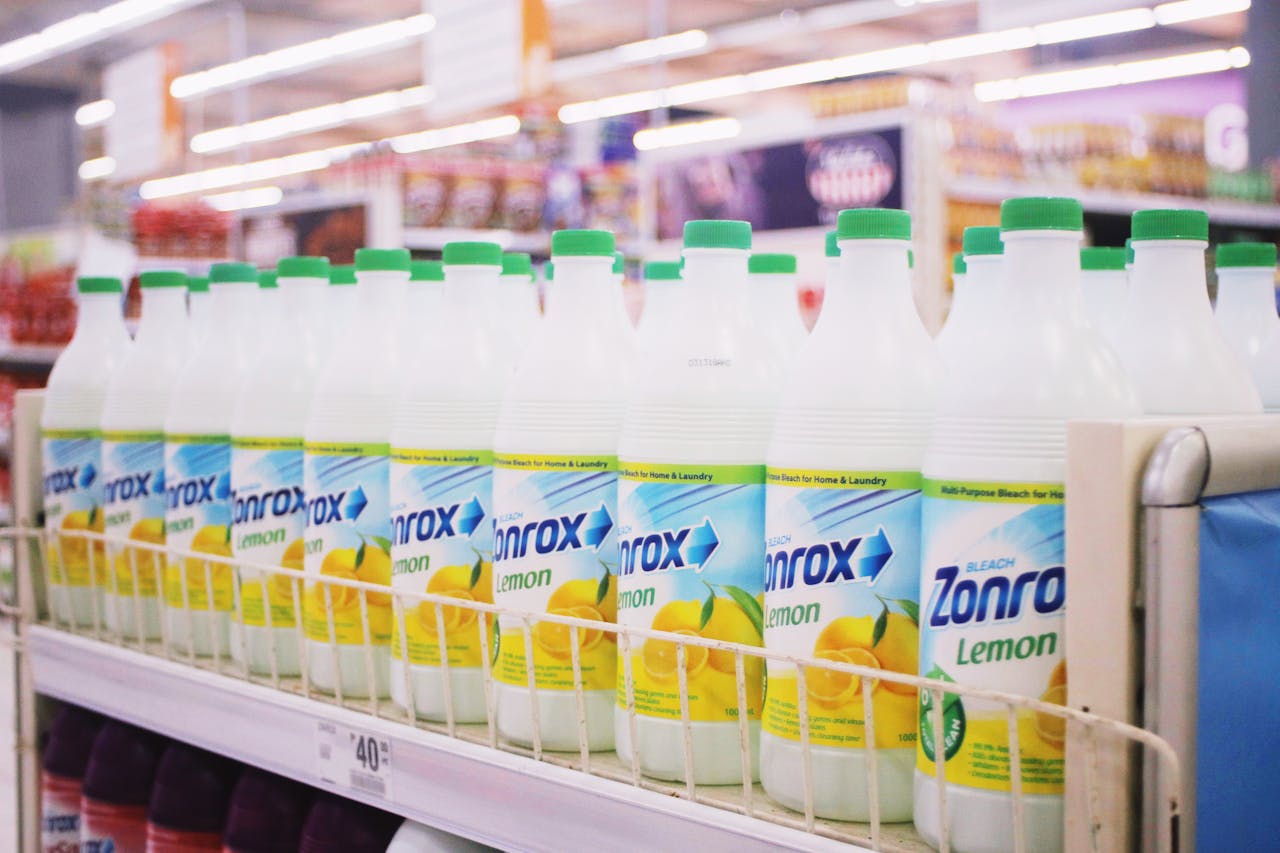
Household bleach quietly weakens after opening, and warm storage speeds the drop, even when the bottle still smells strong and looks unchanged on the shelf. That means whitening and cleaning jobs can take longer, and mixes made by habit may not deliver the same punch as a fresh bottle, which leads to extra scrubbing, longer soaking, and repeated attempts that feel frustrating on tight schedules. Buying smaller jugs, keeping them sealed and out of light, and noting the open month helps keep results predictable for laundry, bins, and bathroom deep cleans, without guessing whether the solution is still doing what it used to do.
Hydrogen Peroxide
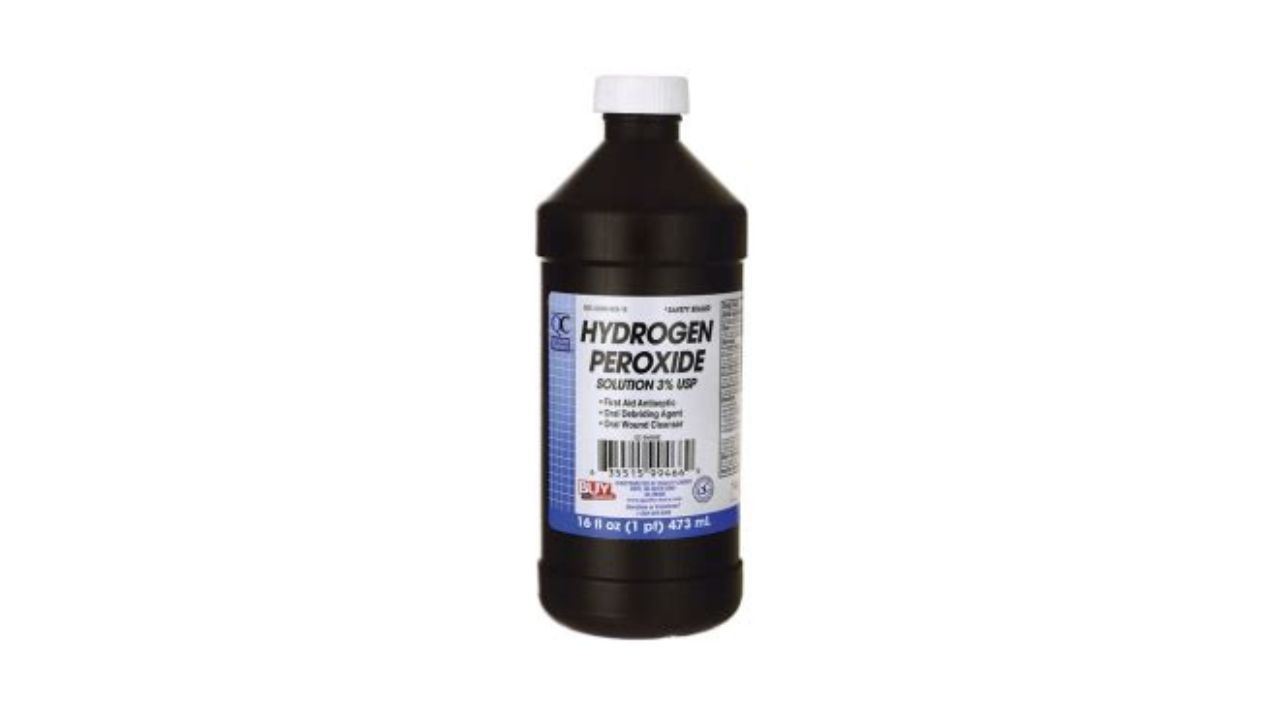
Hydrogen peroxide breaks down into water and oxygen over time, and each opening lets in air that speeds the process, even in the dark bottle it comes in. An older bottle may still fizz a little, yet feel underpowered for lifting fresh stains, brightening grout, or bubbling away stubborn residue on small surfaces, so tasks take longer and need more passes to look finished. Keeping it tightly capped, stored cooler, and replaced periodically keeps it dependable, and writing the open month on the label prevents a half-used bottle from lingering under the sink until the next spill arrives at 8 a.m.
Disinfecting Wipes
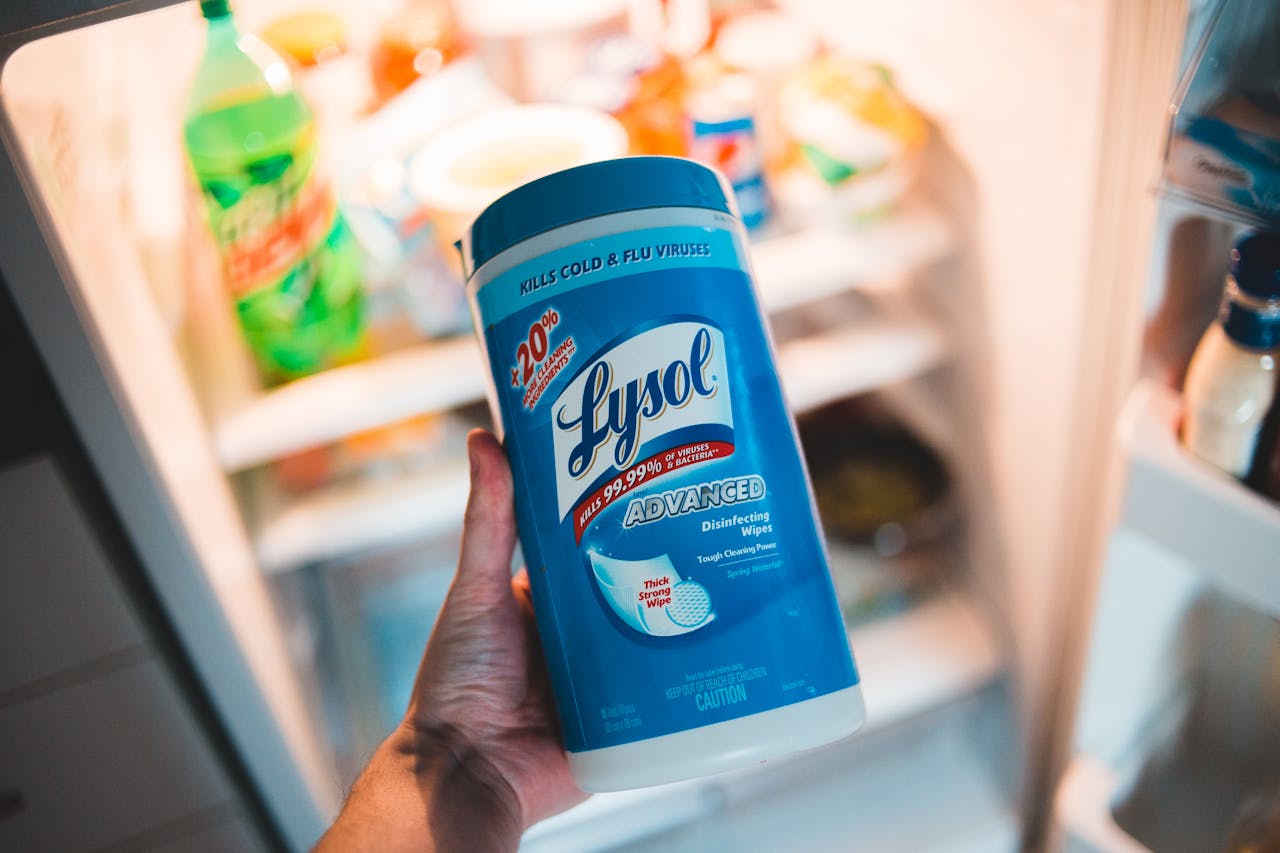
Disinfecting wipes feel like a forever item, but the liquid in the tub can evaporate, and a lid that is not fully snapped can leave wipes drier than intended within days after opening. When a wipe feels barely damp or leaves heavy streaks, it often cannot stay wet on a handle or countertop long enough to be effective, and one wipe used too long can spread residue rather than lift it away. Storing tubs upright, keeping them out of heat, and buying packs sized to finish within a few weeks keeps counters, remotes, and switch plates feeling fresh, with fewer rewipes and less sticky film left behind.
Liquid Laundry Detergent
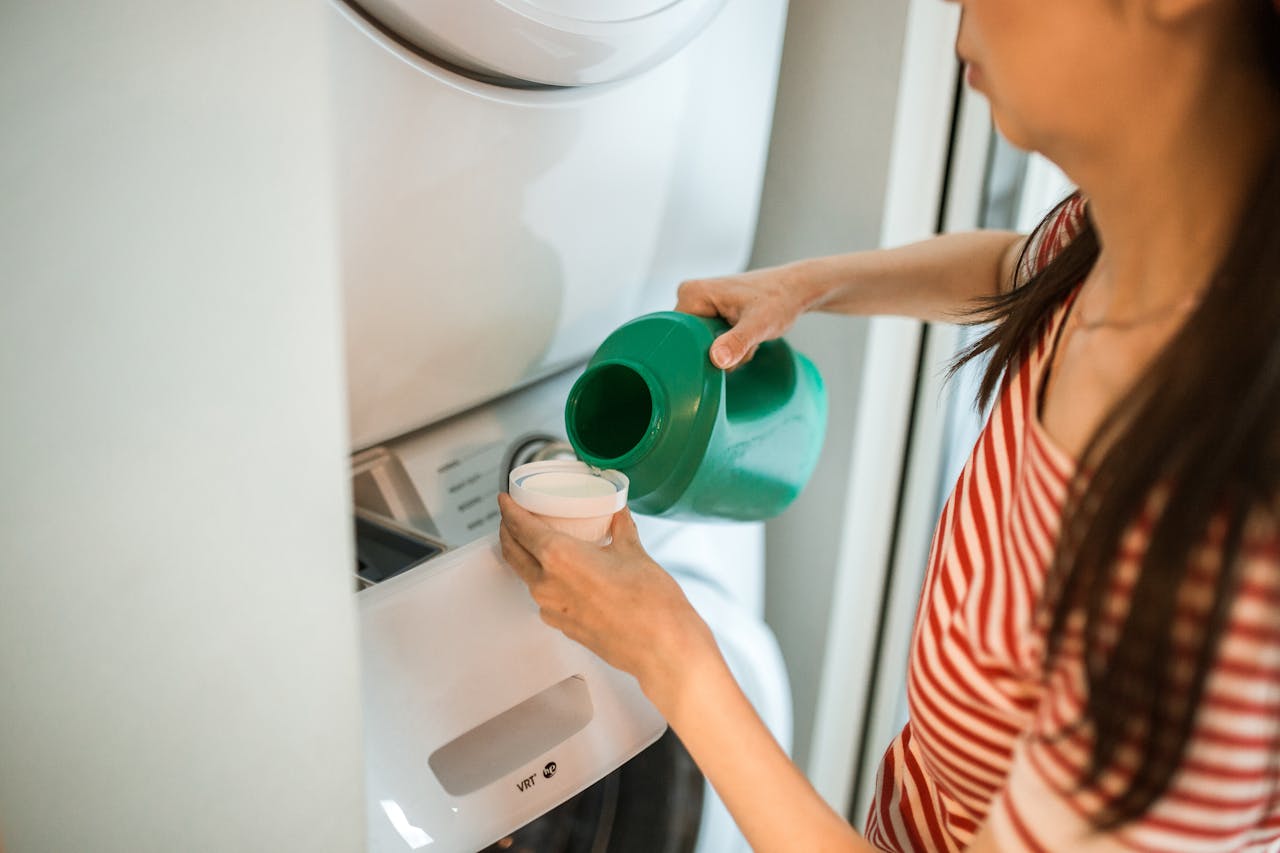
Liquid laundry detergent can thicken, separate, and lose cleaning strength over time, especially in humid rooms where caps get sticky and measuring turns sloppy. Enzymes and fragrance systems fade, so whites look dull and odors hang on, and overpouring to compensate can leave residue that clings to collars, towels, and the washer drum itself. Smaller jugs, tightly closed caps, and cooler storage keep results steady, and a quick shake before dosing helps early separation, which matters most with HE machines and hard water where precision keeps fabrics feeling soft and scents stay clean after drying, too.
Super Glue And Fast-Setting Adhesives
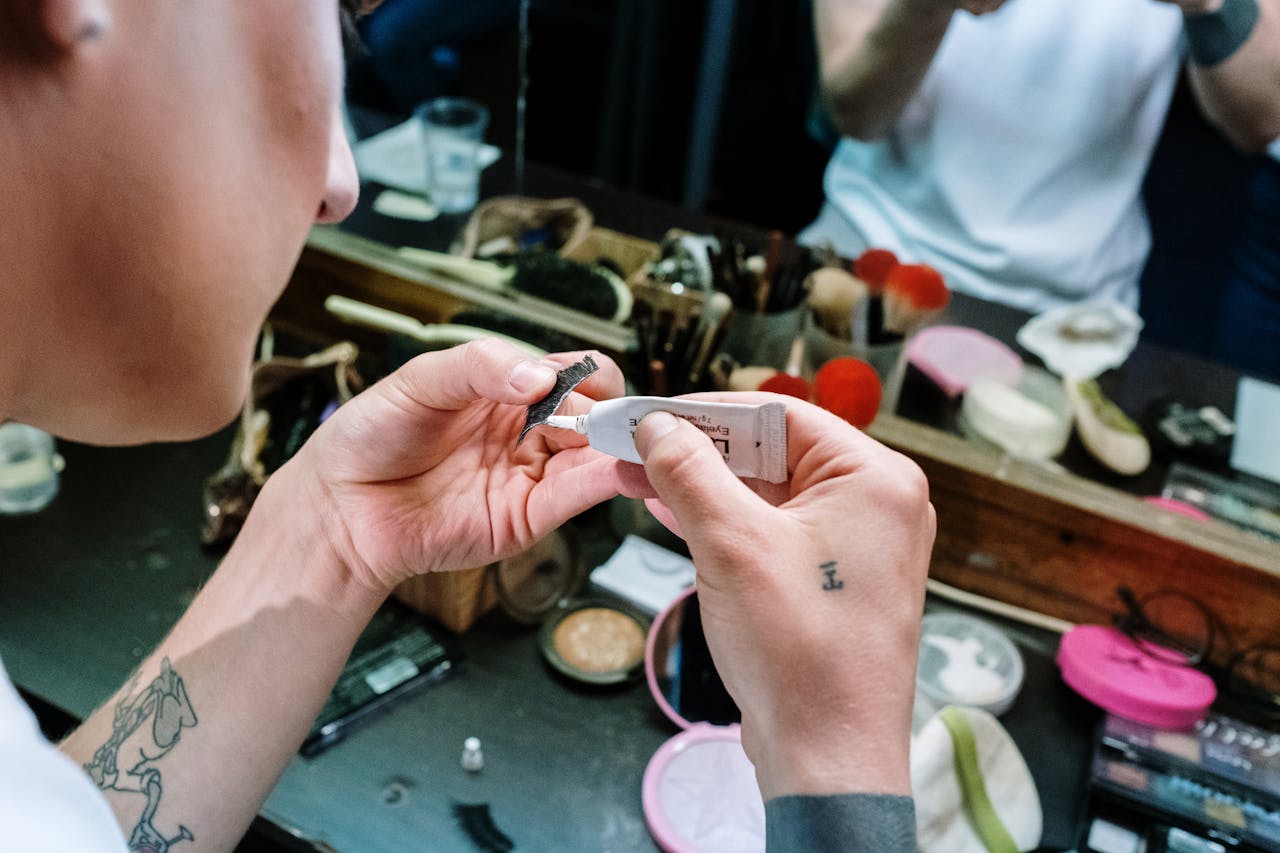
Super glue starts curing the moment moisture in the air reaches the nozzle, so the same chemistry that makes it handy also shortens its life after opening. A tube can go from thin to stringy to solid as residue hardens inside the tip, and older glue often grabs slowly, then lets go, which leads to repeat attempts and stuck fingers that waste time. Small tubes, a clean nozzle wipe, upright storage, and a sealed bag in a cool drawer slow the change, and some households even keep unopened spares for quick fixes, but once glue thickens or skins over, replacement saves the repair and keeps edges neat.
Latex Paint After Opening
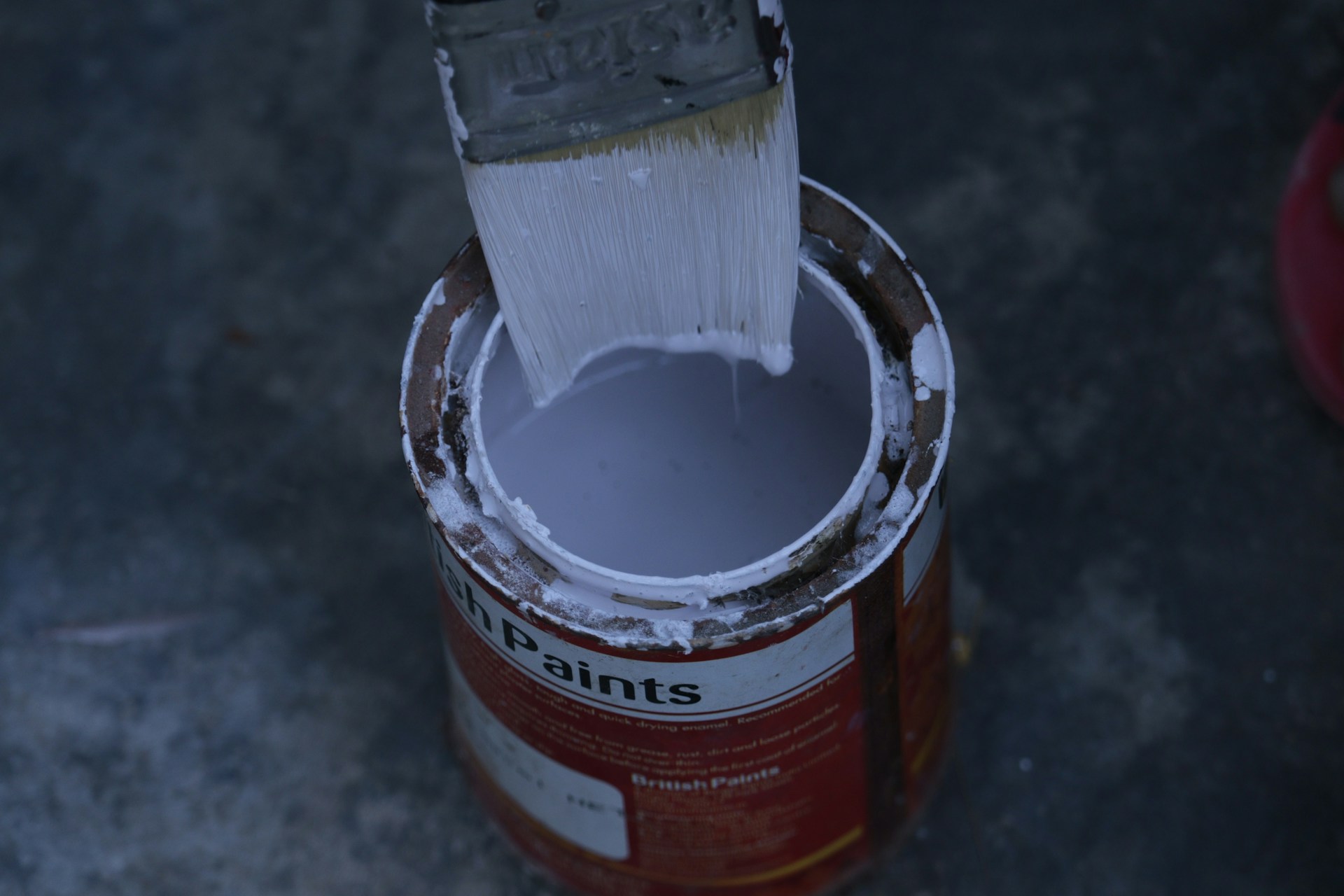
Opened latex paint changes faster than most people expect because air starts drying the surface, and temperature swings in a garage or shed can drive separation and lumps. Even if the paint seems usable, dried bits can drag across the wall and leave texture that shows once daylight hits, and touch-ups can flash because the color and sheen no longer match the original coat. Pros stir thoroughly, strain when needed, and judge whether a can is still stable before starting, so rollers do not clog and the finish dries even. Clean rims, tight lids, and above-freezing storage buy time, but old paint rarely stays cooperative.
Whole-Grain Flour
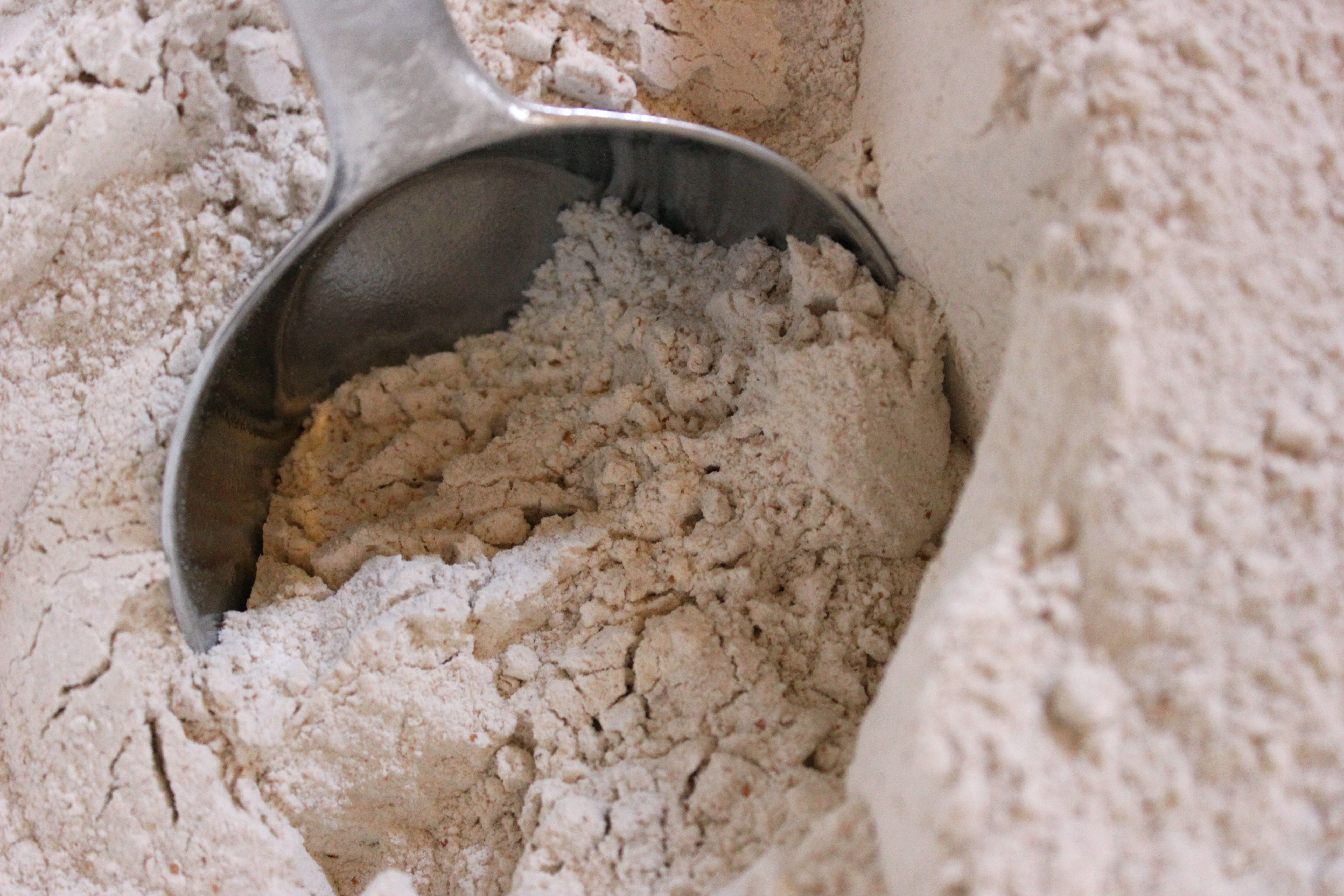
Whole-grain flour goes stale faster than white flour because it holds more natural oils from the bran and germ, and those oils oxidize with warmth and time. The change can be quiet: a bitter edge in aroma, flatter baked flavor, and breads or rotis that taste muted even when the recipe is sound. Airtight containers slow staling, and the freezer stretches freshness dramatically, which is why serious bakers portion bags early and keep only a small jar in the pantry. When flour smells dull or slightly sharp, replacing it brings back lift, sweetness, and that clean, nutty finish. Right away. For weeks.
Cooking Oils, Especially Nut And Seed Oils

Cooking oils do not always fail loudly, but many oxidize faster than expected, especially nut and seed oils and anything labeled cold-pressed. Heat, light, and repeated opening can flatten flavor, then add a bitter note, and a smoky smell at low heat is often the first clue that the bottle has turned. Smaller bottles, dark glass, and cooler storage help, and delicate oils often belong in the refrigerator, while a simple rotation, finishing open bottles within a few months, and saving fragile oils for low-heat uses keeps meals tasting clean and bright, not waxy or stale, and wiping the rim and storing bottles away from stove slows the slide.
Dried Herbs And Ground Spices
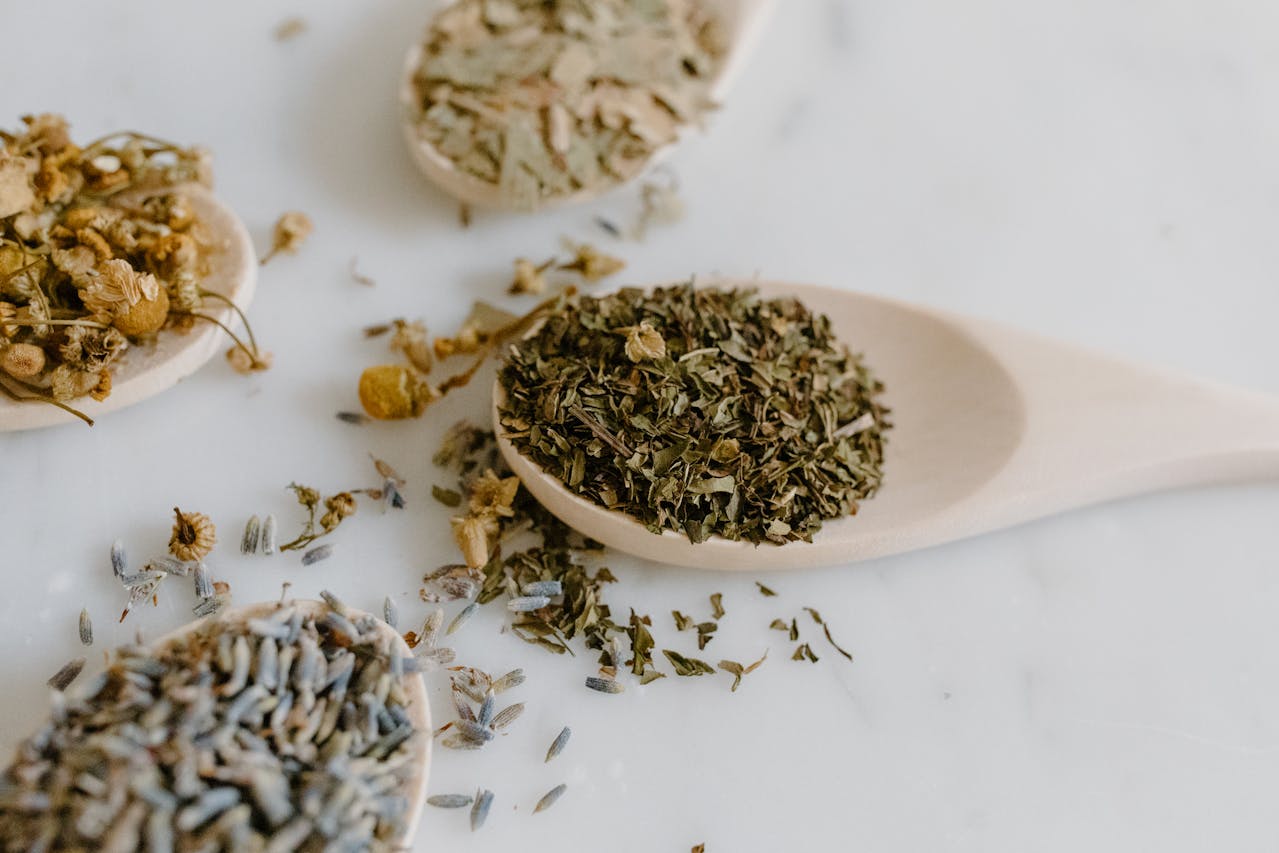
Dried herbs and ground spices rarely go bad in a dramatic way, but they lose aroma and complexity faster than most cupboards suggest, especially once jars are opened. Heat from stoves and moisture from steam dull the volatile oils, leaving paprika that smells like nothing, cumin that tastes flat, and blends that turn powdery and one-note. Buying smaller amounts, storing them away from heat, and refreshing favorites seasonally keeps weeknight cooking lively, because the kitchen starts smelling like dinner again before the first bite, and simple dishes taste finished without extra salt or sugar.