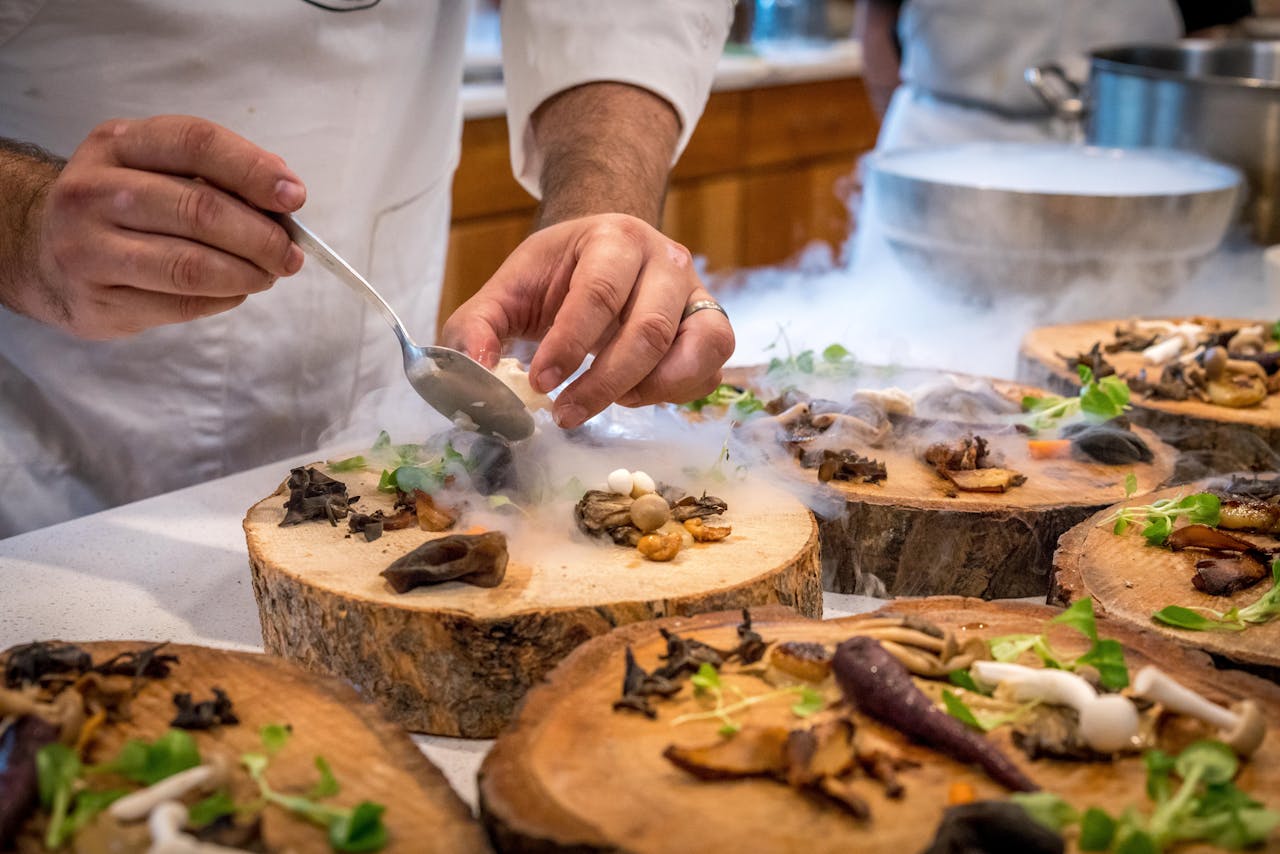
Restaurants run like small theaters: warm light, steady music, and calm smiles out front, controlled urgency behind the swing door. Before service, cooks taste sauces, servers fold napkins, and managers scan reservations like weather reports, watching for a sudden rush. During the busiest hours, habits and systems do the heavy lifting, turning chaos into courses that land together and taste consistent. Most of the magic stays invisible on purpose, from quiet safety checks to the choreography at the pass that keeps a dining room feeling effortless. Even on an ordinary Tuesday, the room is being staged minute by minute.
Pre-Shift Tasting And Flavor Calibration

Before the first ticket prints, the kitchen runs a quick tasting that resets everyone’s palate and locks in the day’s baseline. Soups get salted, sauces get reduced or loosened, and vinaigrettes get rebalanced while chefs compare yesterday’s batch to today’s, writing tiny notes that keep the signature flavor from drifting. Managers listen in for what is running short and what is peaking, so servers can steer orders toward the best produce and away from a dish that needs a slower night, keeping disappointment from ever reaching the table, even when the dining room suddenly fills at 7 p.m. and the printer will not stop.
Mise En Place Built Like A Blueprint
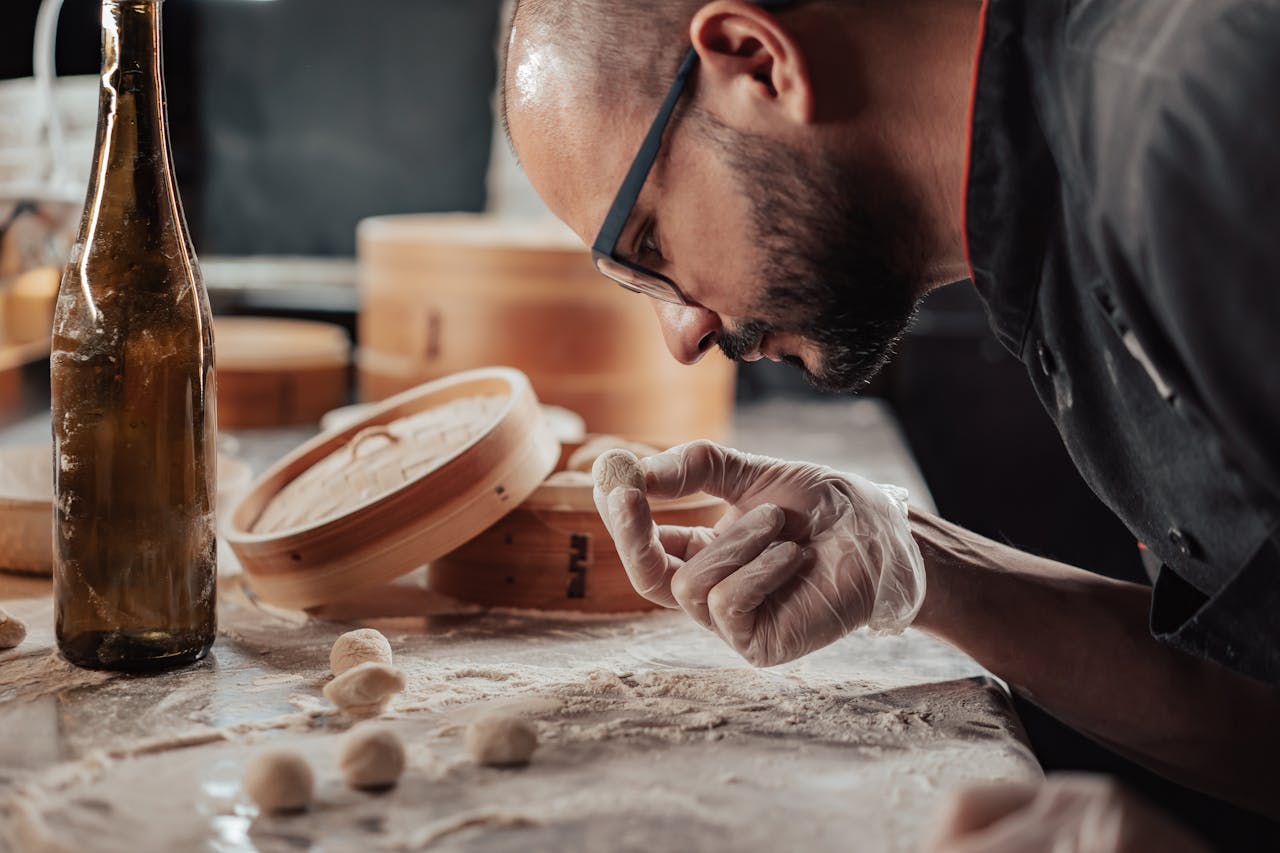
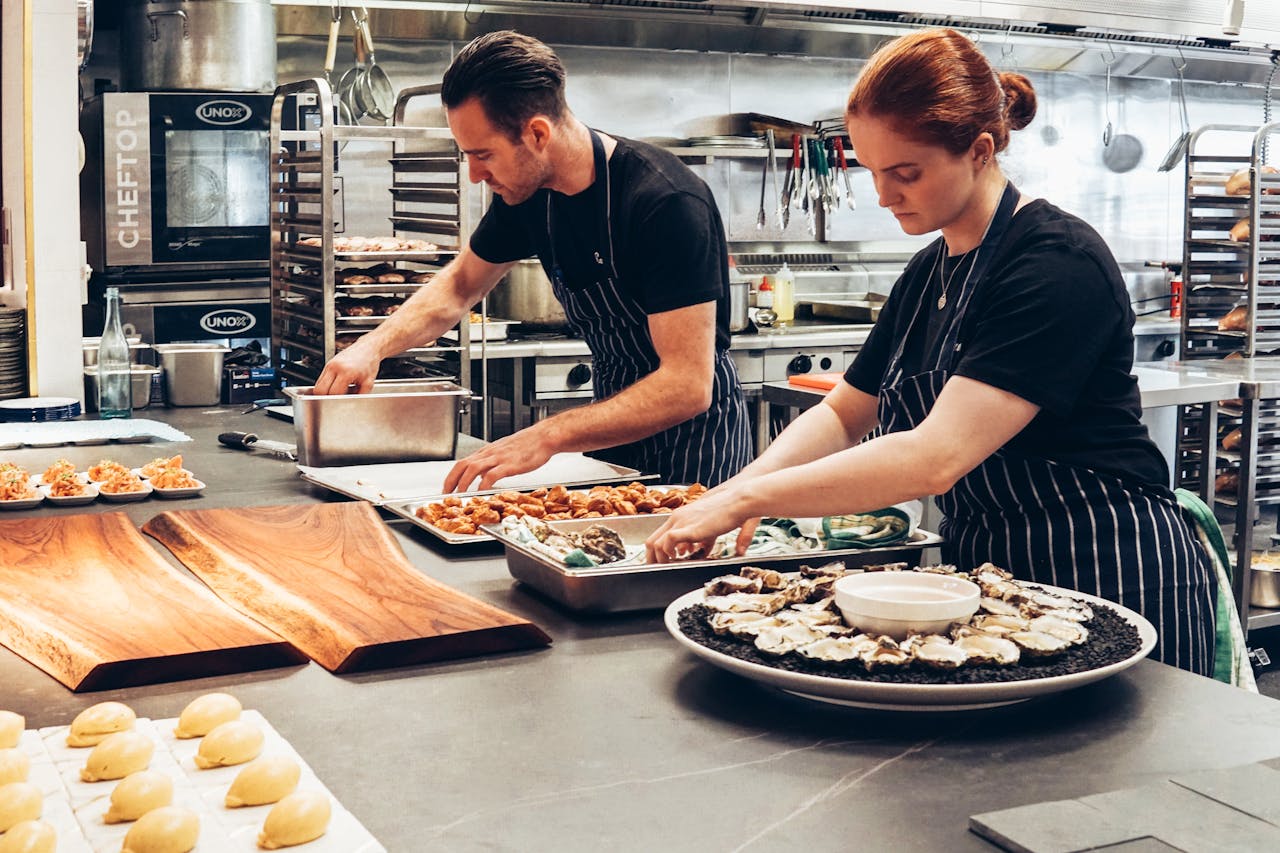
Hours before the doors open, each station builds mise en place, the quiet stack of chopped, toasted, blanched, and portioned items that turns skill into consistency. Containers get labeled with color tape, dates, and times, backups get tucked into the walk-in, and every cook learns what can be held cold, what must stay hot, and what has a hard deadline once it is cut. That invisible prep also sets the rhythm for the dining room, because when hands can find the right tool in the dark, plates leave the kitchen on time and look unhurried, even as orders change and special requests pile up without a raised voice for the team.
The Pass Runs On Micro-Choreography
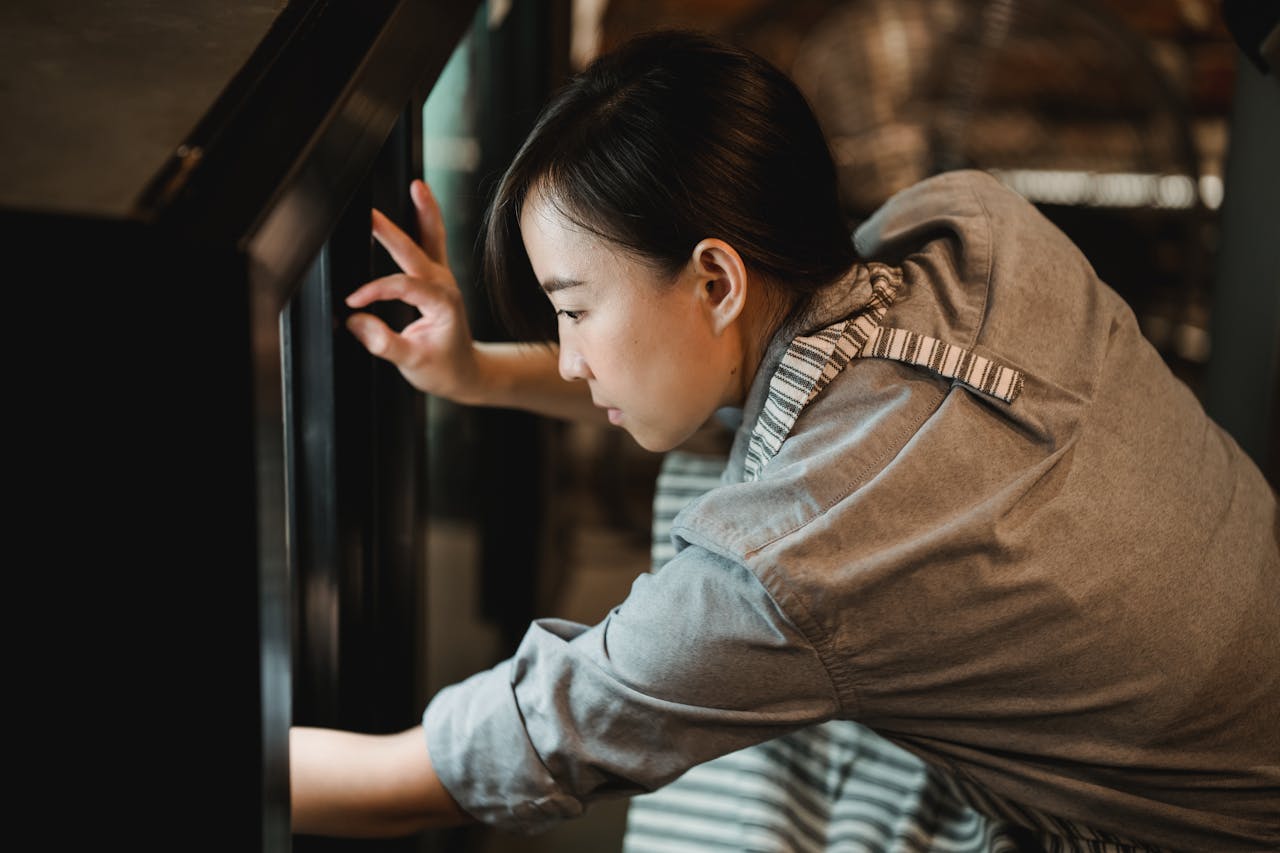
At the pass, an expeditor acts like an air-traffic controller, reading tickets, calling fires, and keeping every station moving at the same tempo. Plates get wiped, fries get re-dropped, and sauces get corrected while the expeditor scans for missing allergens, cold rims, or a garnish that makes the dish look tired, because this is where quality control meets timing. Guests rarely notice the hand signals, the clipped calls, or the small pauses that keep a steak from cooling while a salad gets remade, but that micro-choreography is what makes a dining room feel steady instead of frantic under hot lamps even on busy weekends.
Timing Is Managed Table By Table

Service looks spontaneous, but pacing comes from a living map of the room: who just sat, who is lingering over cocktails, which table needs a birthday candle, and which entrées must be fired in five minutes. Hosts, servers, and the kitchen trade quick updates, watching ticket times and turning the dial up or down so the grill is not buried, the bar is not idle, and a four-top does not get three entrées and one apology. When the room is tight, a manager may hold the door for an extra minute, not to be difficult, but to protect the flow that keeps waits shorter and the mood easy for every section at once, all night long.
Allergy Requests Trigger A Separate System
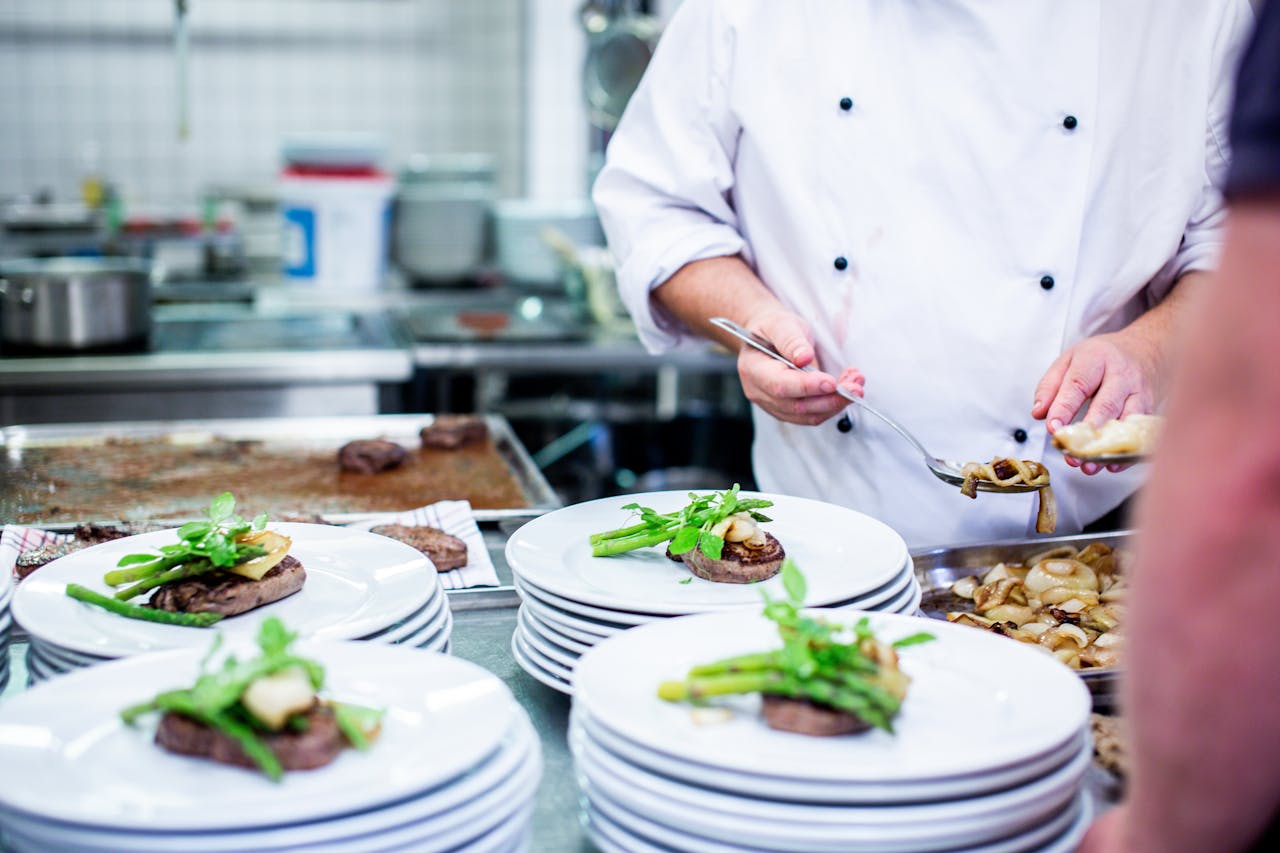
Allergy notes trigger a quiet protocol that most diners never see: separate pans, fresh gloves, clean boards, and an expeditor who calls the allergy out loud so every station hears it. Many kitchens keep an allergen matrix and a small kit of dedicated tools, squeeze bottles, and foil, and they will even switch to a clean fryer basket or build a dish from scratch if the usual prep risks cross-contact. Servers repeat the request back carefully, then track the plate from the line to the table, because a trace of sesame, shellfish, or dairy is not a preference problem, it is a safety one and the room takes it seriously.
Temperatures Get Checked Like Clockwork
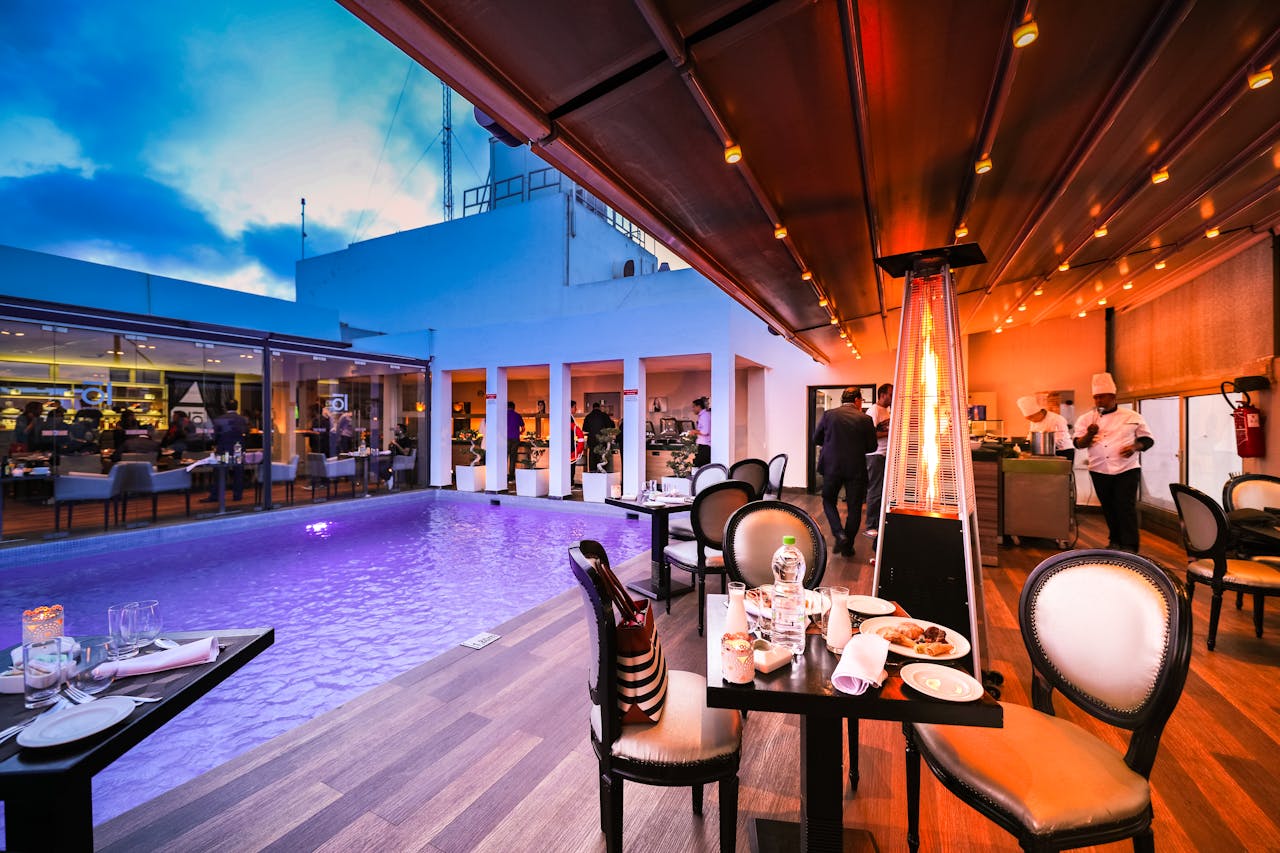
Between rushes, someone is quietly taking temperatures, not just of steaks and fish, but of coolers, hot-holds, soups on the burner, and the tray of poultry waiting its turn. Many places keep written logs with time stamps, because safe ranges are easy to miss when a walk-in door gets propped open, a delivery arrives warm, or a fridge coil starts icing and the whole box climbs by a few degrees. Add in ice-bath chilling, sanitizer buckets that get swapped on schedule, and strict reheating rules, and a diner’s relaxed bite starts to look like the end of a long chain of careful habits, checked by more than instinct each shift.
The Dish Pit Keeps The Whole Place Alive
The dish pit is the restaurant’s engine room, turning mountains of plates, sheet trays, sauté pans, and glassware back into usable inventory before the next wave hits. Scrape, soak, wash, and air-dry happens in tight cycles, with chemical ratios checked, racks sorted by shape, and a quick inspection for lipstick marks, chips, or water spots, because one cloudy glass can make the whole room feel less cared for. That unglamorous rhythm also protects the kitchen, keeping boards sanitized, towels controlled, and the line stocked with the exact tools it needs to cook cleanly at speed through late shifts without cutting corners.
Beverage Stations Run On Their Own Prep
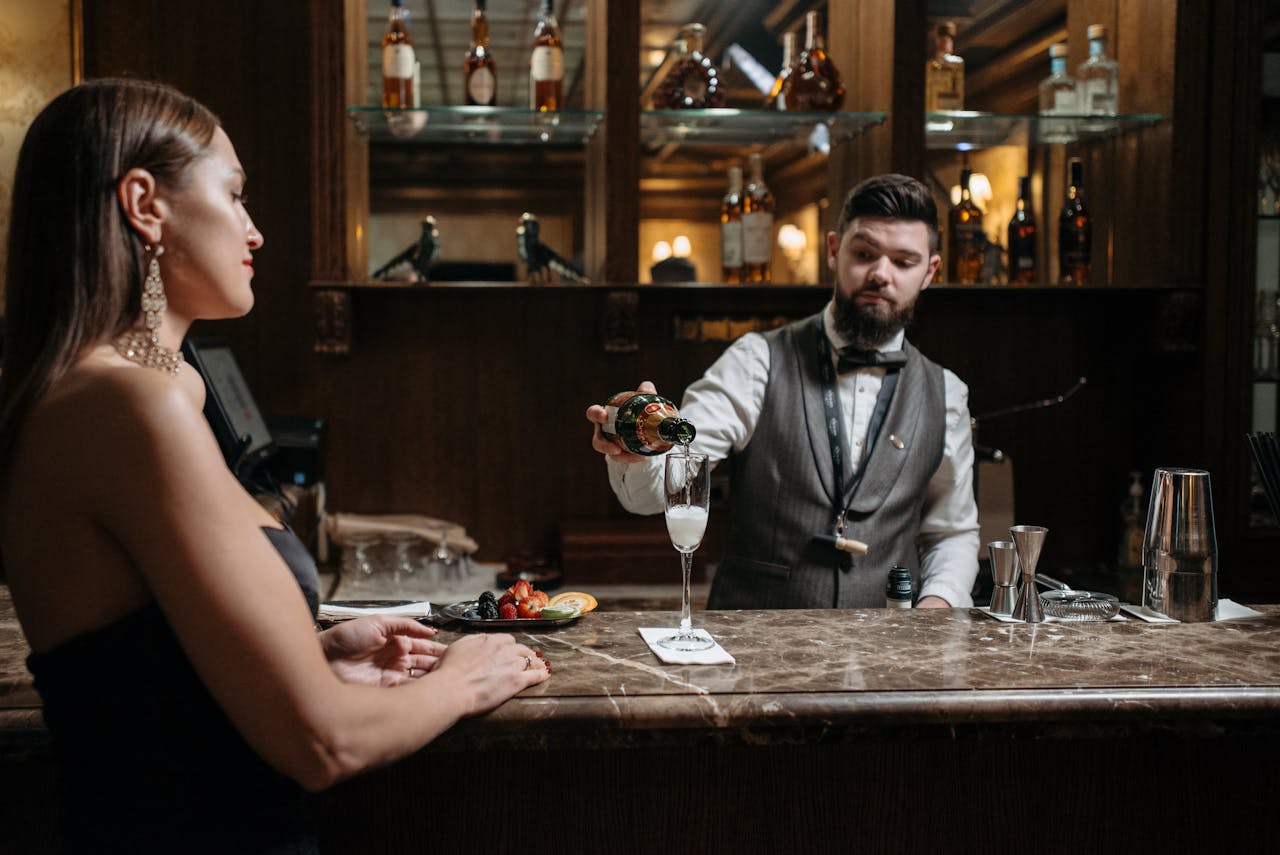
While the dining room settles in, the bar and beverage stations run their own mise en place: batching cocktails, cutting citrus, juicing, brewing tea, polishing stems, and filling ice wells to the exact line. Coffee is dialed in, wine is brought to serving temperature, CO2 and kegs get checked, and backup syrups, garnishes, and clean shakers are staged, because nothing derails a night faster than a dead soda gun or a missing lime. Between tables, bartenders restock quietly, swap glass racks, and reset their wells, so drinks can appear on cue without the room ever seeing the scramble behind the bar for long stretches.
The Host Stand Is A Control Center
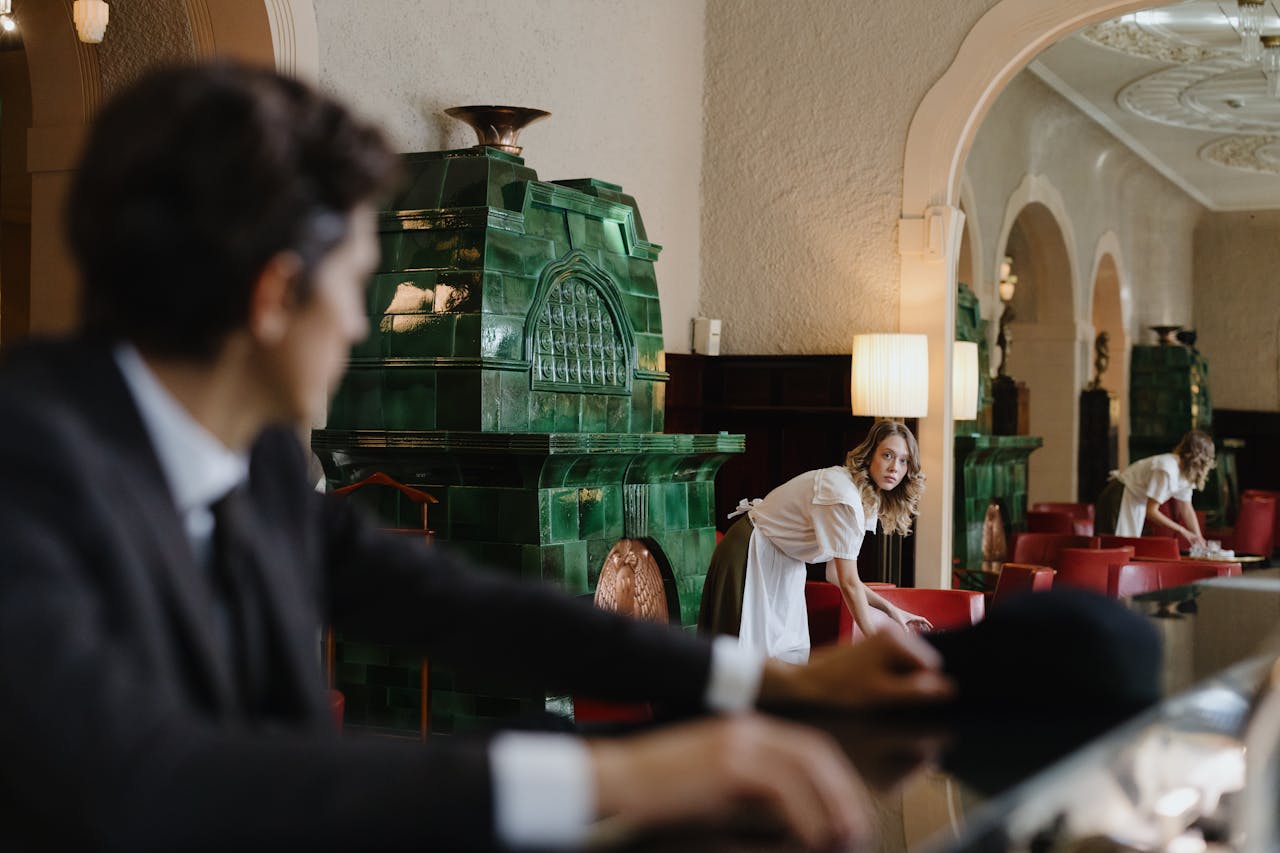
A host stand is a control center, not just a greeting post, tracking reservations, walk-ins, section balance, and the pace of each server’s workload minute by minute. Notes get attached to names, like anniversaries, mobility needs, allergies already flagged, or a table that prefers the quieter corner, and the chart keeps shifting as parties arrive early, show up late, or need two tables pushed together. Accurate wait quotes, smart spacing between seatings, and a quick reset team in the shadows are why a busy room can still feel generous, rather than crowded, while the kitchen stays on pace and the entryway stays calm.
Small Fixes And Backup Plans Prevent Big Drama
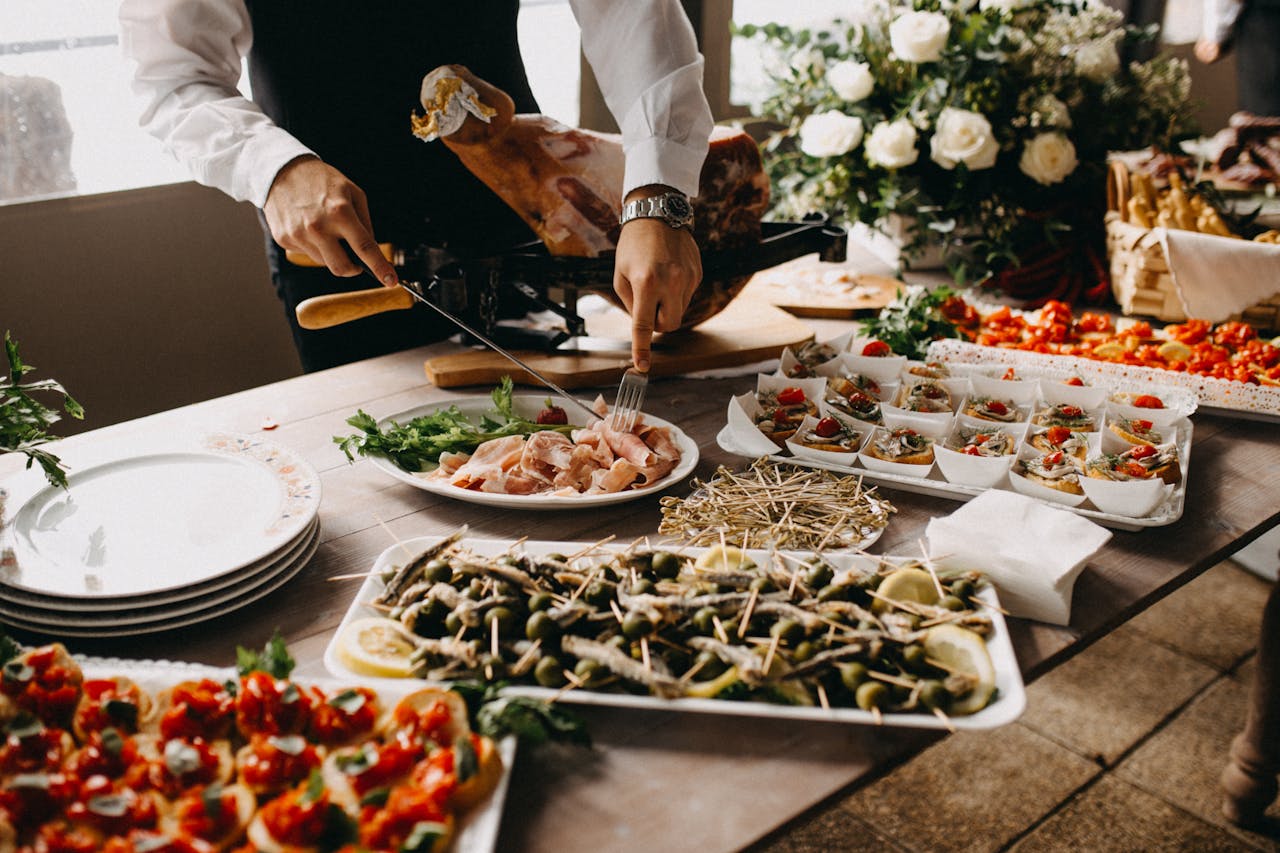
Even great food depends on boring reliability, so someone is always scanning for small failures before they become big ones. Knives get honed, drains get cleared, restrooms get checked, and a line cook swaps a dying heat-lamp bulb, because tiny breakdowns ripple fast when the printer is spitting tickets and the grill is full. Most places keep a contingency drawer and a backup routine: spare printer rolls, extra tongs, backup sauces, a first-aid kit, an 86 board for items that run out, and a manager ready to communicate clearly when a plan changes, so the room stays calm even if the back of house is improvising mid-shift.