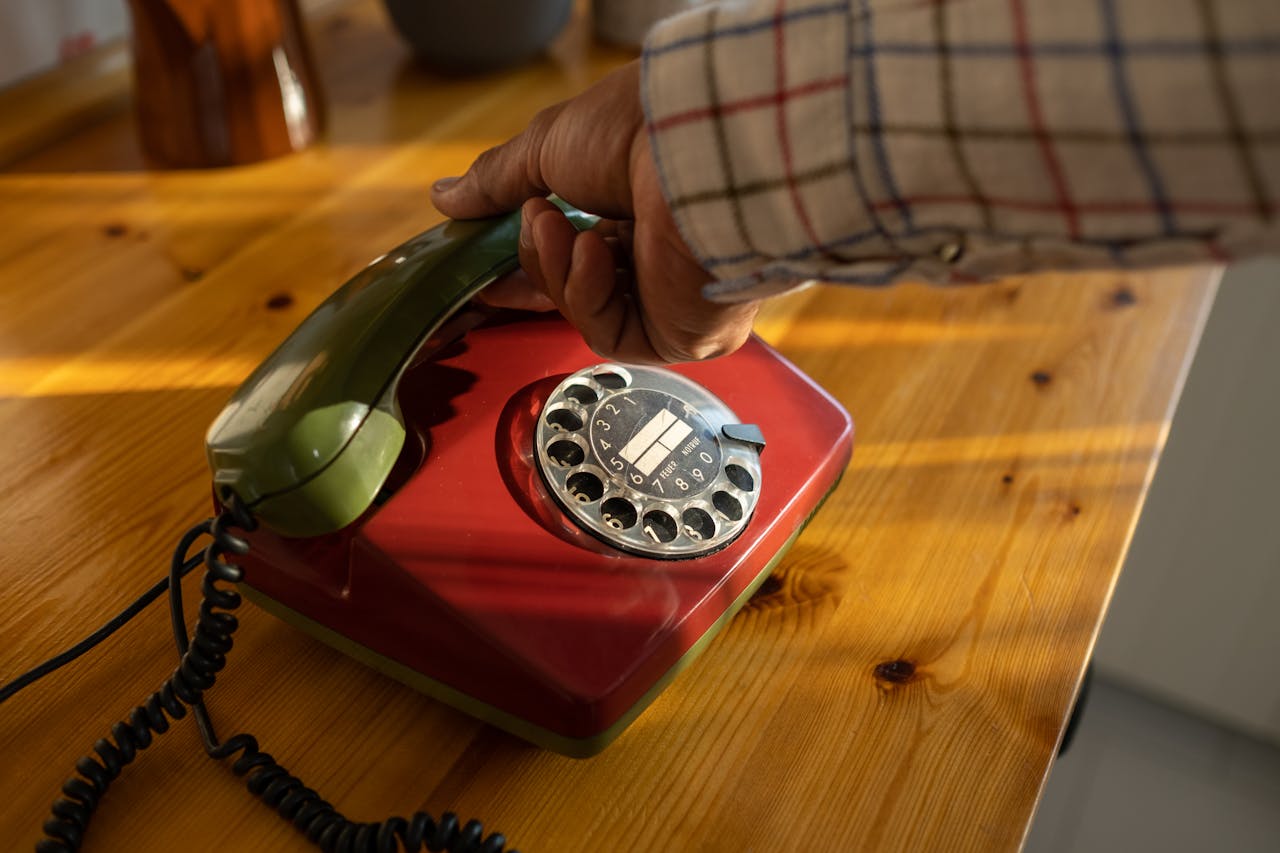
Answering machines once felt like a small household upgrade: a way to miss a call without missing the message. They gave families and small businesses control over timing, turning rings into recorded notes and planned callbacks. For years, the beep and blinking light shaped daily routines, from appointment reminders to playful greetings. Then communication habits shifted. Phones became portable, messaging became quieter, and voice messages moved into networks and apps. The countertop machine did not fail so much as it got absorbed, leaving behind a story about how people learned to manage access.
It Fixed The Missed-Call Problem
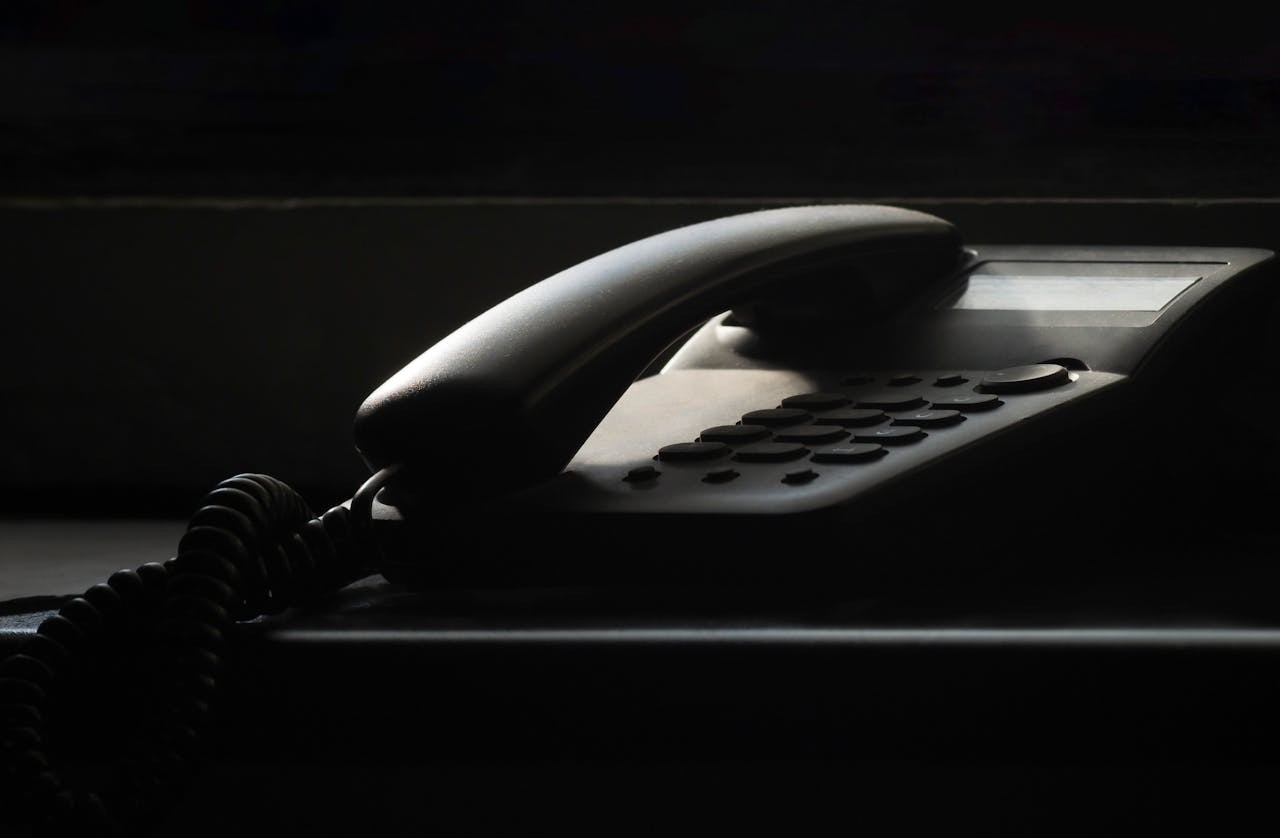
Landlines demanded perfect timing, because if nobody picked up, the caller had no clean way to leave details and the household had no clue what was missed. The answering machine turned absence into a choice, capturing names, numbers, and a reason to call back, often with a time stamp or tape counter that made messages easy to find again. In homes with one shared line, it reduced friction and made follow-ups feel planned, since the message could be replayed after dinner, after work, or after a long commute, when the house finally had the attention to respond. It replaced guessing with something concrete, instead of a loop of missed rings.
It Made Busy Signals Less Frustrating
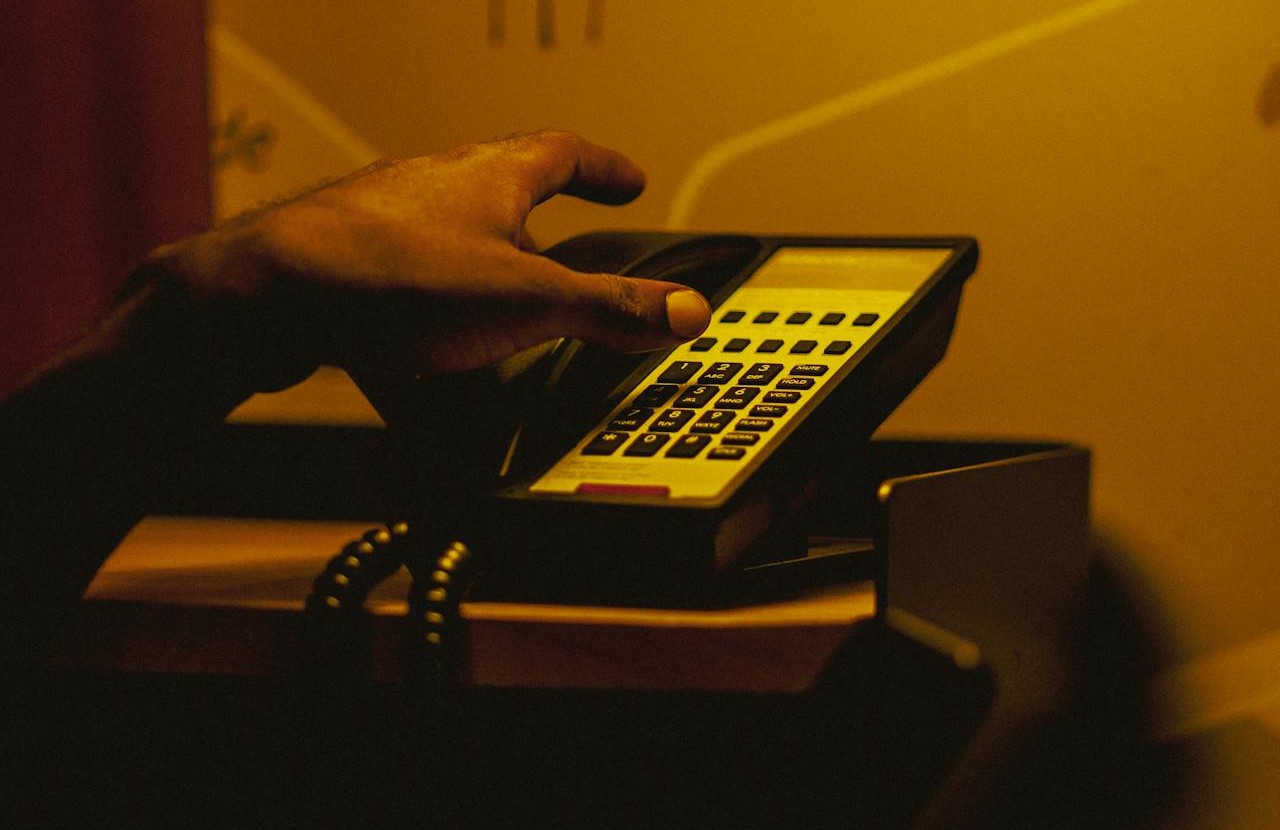
Before call waiting became common, a busy signal ended the attempt and gave the caller no way to explain urgency or even confirm the call reached the right home. Answering machines eased that friction by creating a fallback: try once, try again later, but still expect a place to leave the essentials when the line freed up, including a callback number spoken slowly. In households with teens, long chats, and one phone, it cut down on endless redialing and small arguments, because a message could state what mattered in 20 seconds, hold the details, and let everyone move on with the evening. It helped neighbors and relatives stop playing phone tag.
It Turned Calls Into A Replayable To-Do List
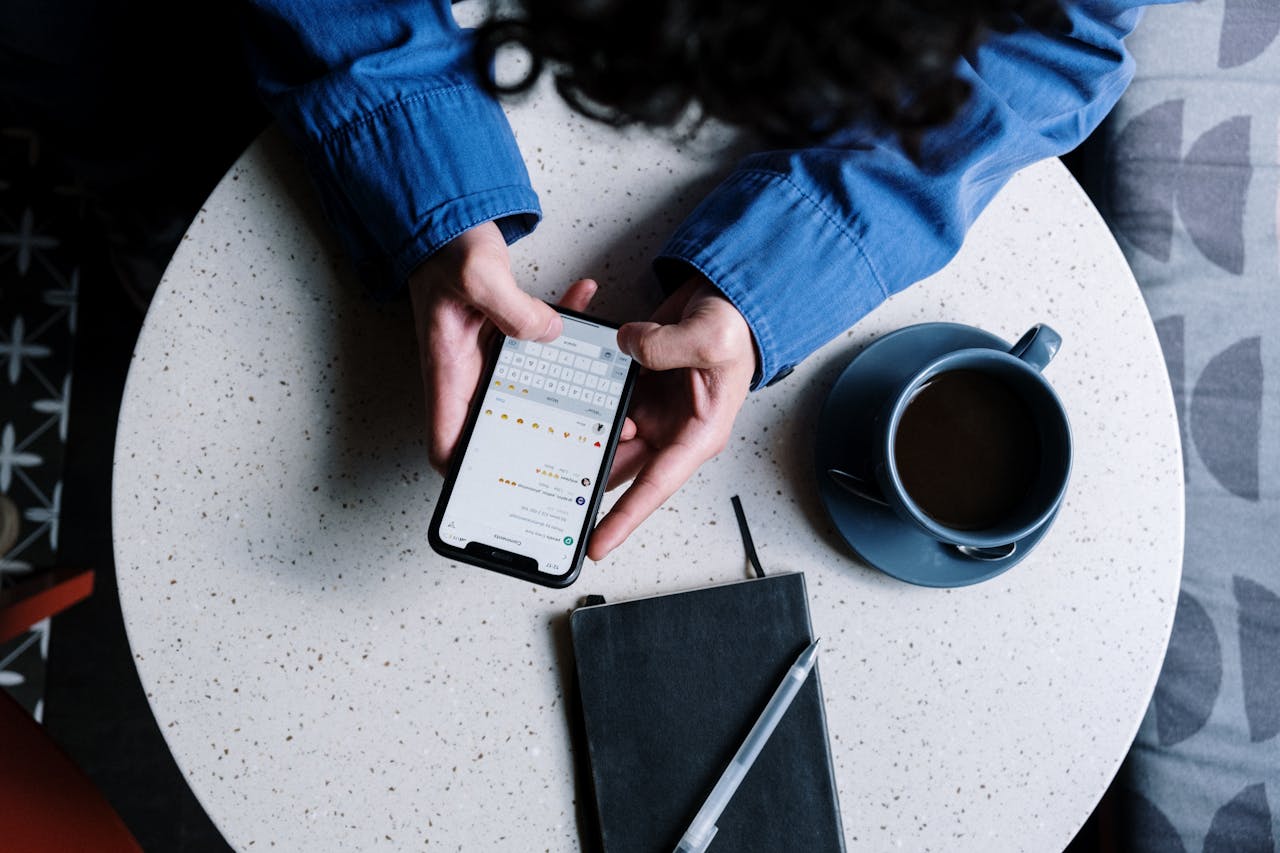
The machine did more than store voices; it stored tasks, because messages could be replayed, paused, and shared with whoever handled the appointment, the repair, or the school pickup. That mattered when a wrong digit, a rushed time, or a fuzzy address could derail a day, especially for doctors, plumbers, and delivery windows. Many homes treated the blinking light as a command center, batching callbacks after dinner, writing numbers on the nearest notepad, and using the recording as a simple record of promises and plans when several people were juggling the same calendar. It reduced mistakes by letting people listen twice before dialing.
It Paid For Itself In Missed Business

Answering machines spread when the math started to make sense, because one purchase could prevent lost sales, reduce repeated long-distance calls, and save time that was otherwise spent chasing people. For small shops and home offices, every captured message was a second chance, complete with a return number and a clear reason to call back, even after closing hours. As prices dropped and features improved, the machine moved from a luxury to a standard appliance, since it delivered daily payoff in fewer interruptions, fewer dead ends, and less guesswork about who called while the door was locked or the owner was with a customer.
It Changed Phone Etiquette Overnight
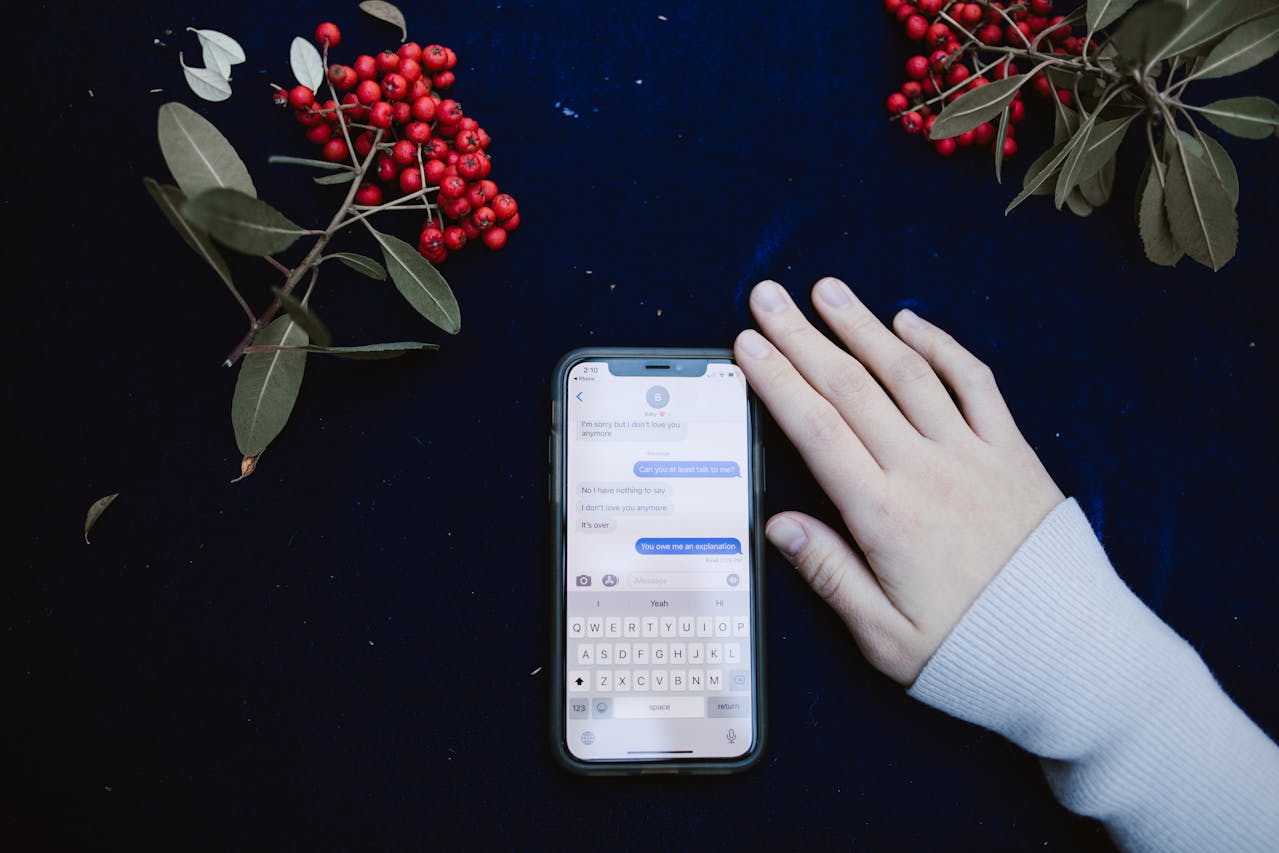
Once people expected to be recorded, callers started speaking with structure: name, number, and the point of the call, delivered clearly and early. Households learned a new rhythm of screening, letting unknown rings go through while friends were picked up mid-message as soon as a familiar voice appeared. The result was a practical social code: short messages for simple asks, longer ones for real updates, and fewer vague check-ins, because priority could be decided with real information instead of guesswork, and callbacks could start with context instead of small talk. Even manners adjusted, as silence became a valid reply.
It Let People Set Boundaries Without Drama

Screening calls used to feel rude, but the answering machine made it normal, especially when interruptions stacked up during dinner, homework, or naps. People could listen, decide whether the matter was urgent, and pick up mid-message with a simple hello, or let the call finish and respond later with the full story. It offered privacy without confrontation, which is why it became a quiet tool for peace in shared homes, helping roommates and families protect routines, keep kids on track, finish chores, and return calls when attention was actually available. The phone stopped running the room entirely.
It Became A Tiny Stage For Personality
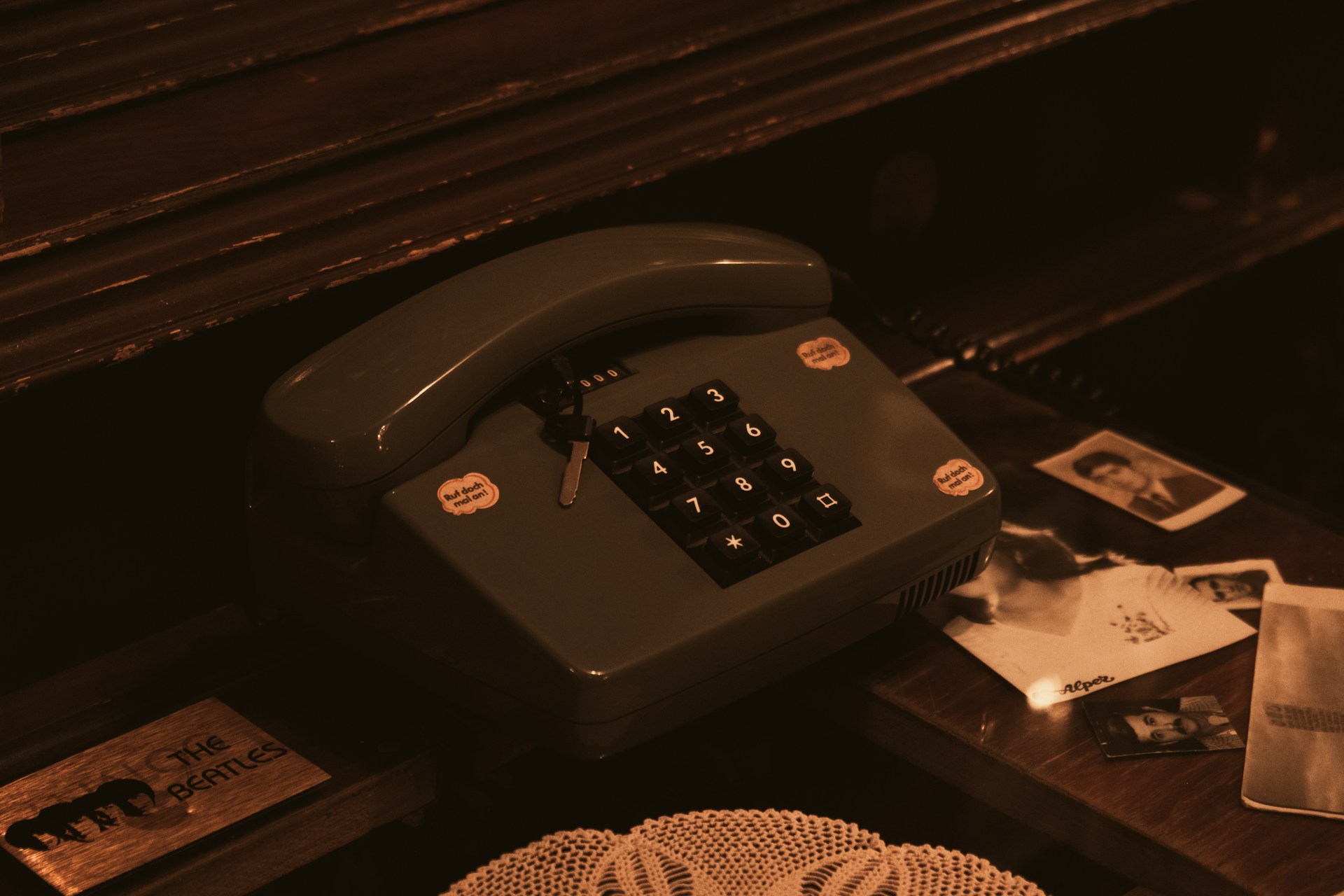
Outgoing greetings started as plain instructions, then grew into jokes, songs, and family catchphrases that friends remembered for years. Before social feeds became the default, that message worked like a mini broadcast, hinting at humor, mood, and the household’s rules about timing, privacy, and call backs. Some people re-recorded greetings for holidays or trips, teens added skits, and small businesses kept it crisp, so callers often smiled before speaking, because the phone felt less like a cold device and more like a doorway with a voice on the other side. It set the tone in seconds every time.
Voicemail Absorbed The Job
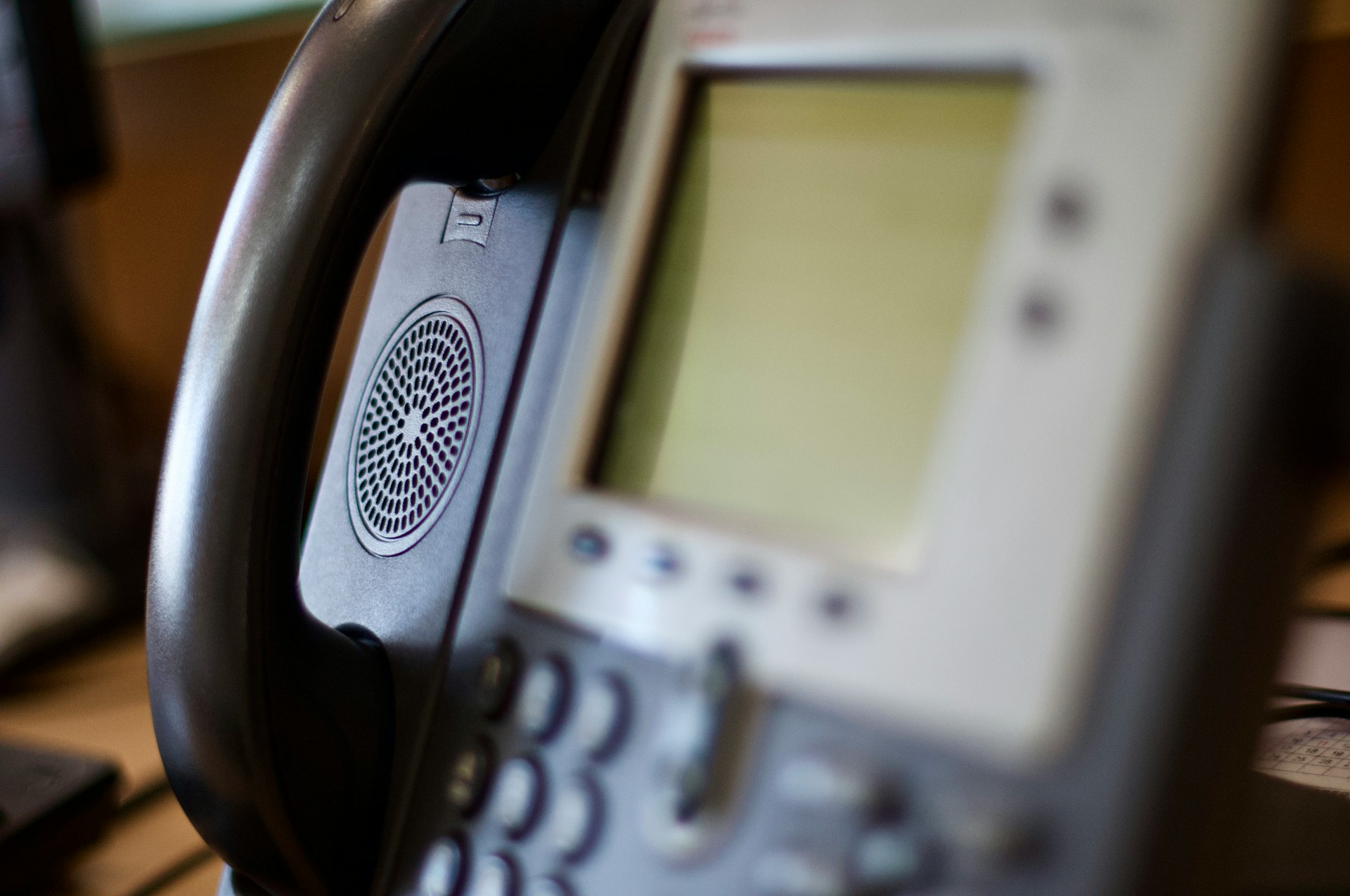
When phone companies offered voicemail as a built-in service, the countertop machine lost its edge, because callers left messages the same way but owners could retrieve them from anywhere, without tapes to manage, batteries to fail, or a blinking light missed after a long shift. For businesses, the switch was decisive, since network voicemail scaled across multiple lines, supported remote access, and kept greetings consistent even when staff changed. The separate box started to feel like an extra step doing the same job, only with more parts to clean, more buttons to confuse, and more chances for a full mailbox at the worst moment.
Mobile Phones Changed What A Call Meant
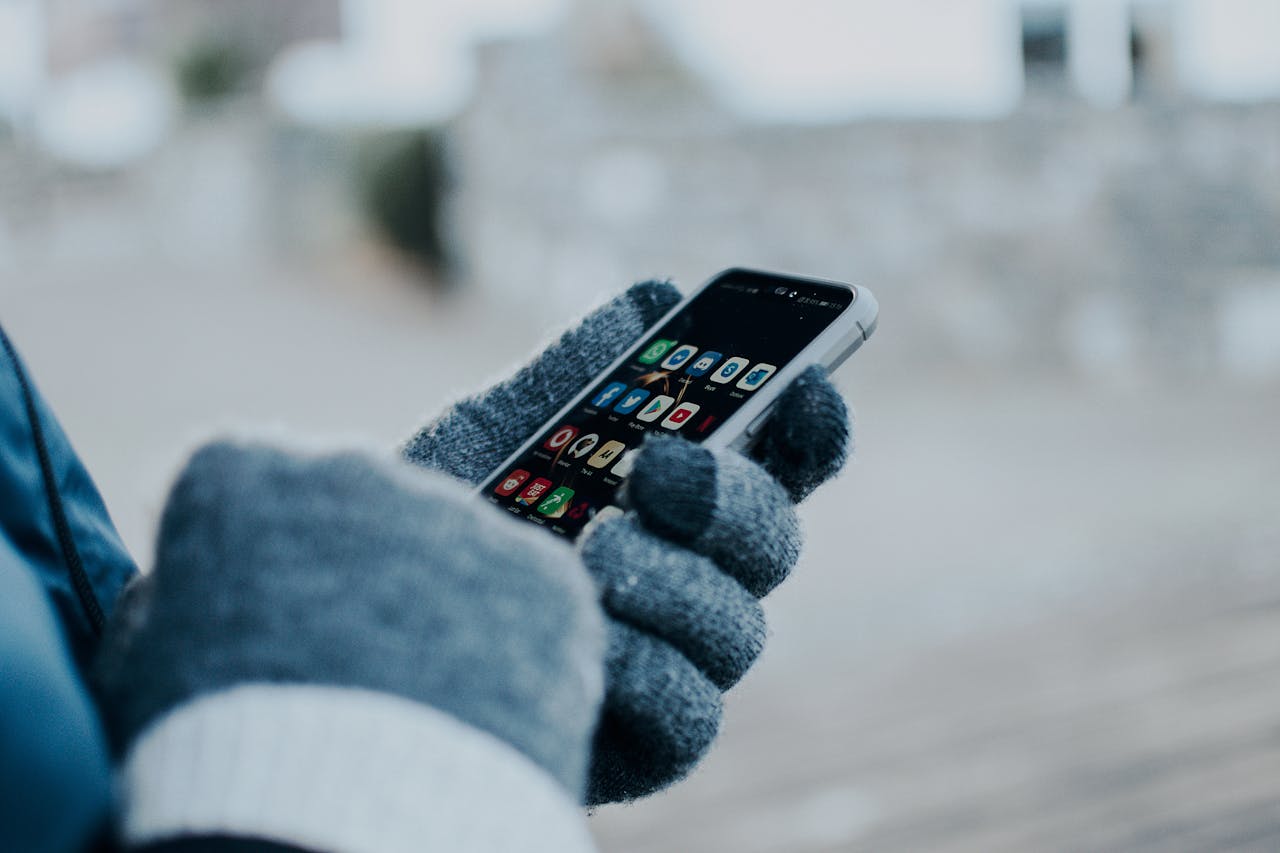
Once people carried their number with them, calling a place started to fade, because the phone was no longer tied to a kitchen wall or a shared household line. Missed calls could be returned from the sidewalk, and text messages handled quick coordination faster than recorded audio for notes like running late, changed plans, or meeting at 6 p.m. As communication became portable and quieter, the answering machine lost the everyday problem it solved, and the household message hub dissolved into pockets, contact lists, and screens that traveled with each person, leaving fewer reasons to check a single box at home.
Spam And Visual Tools Made Listening Feel Slow
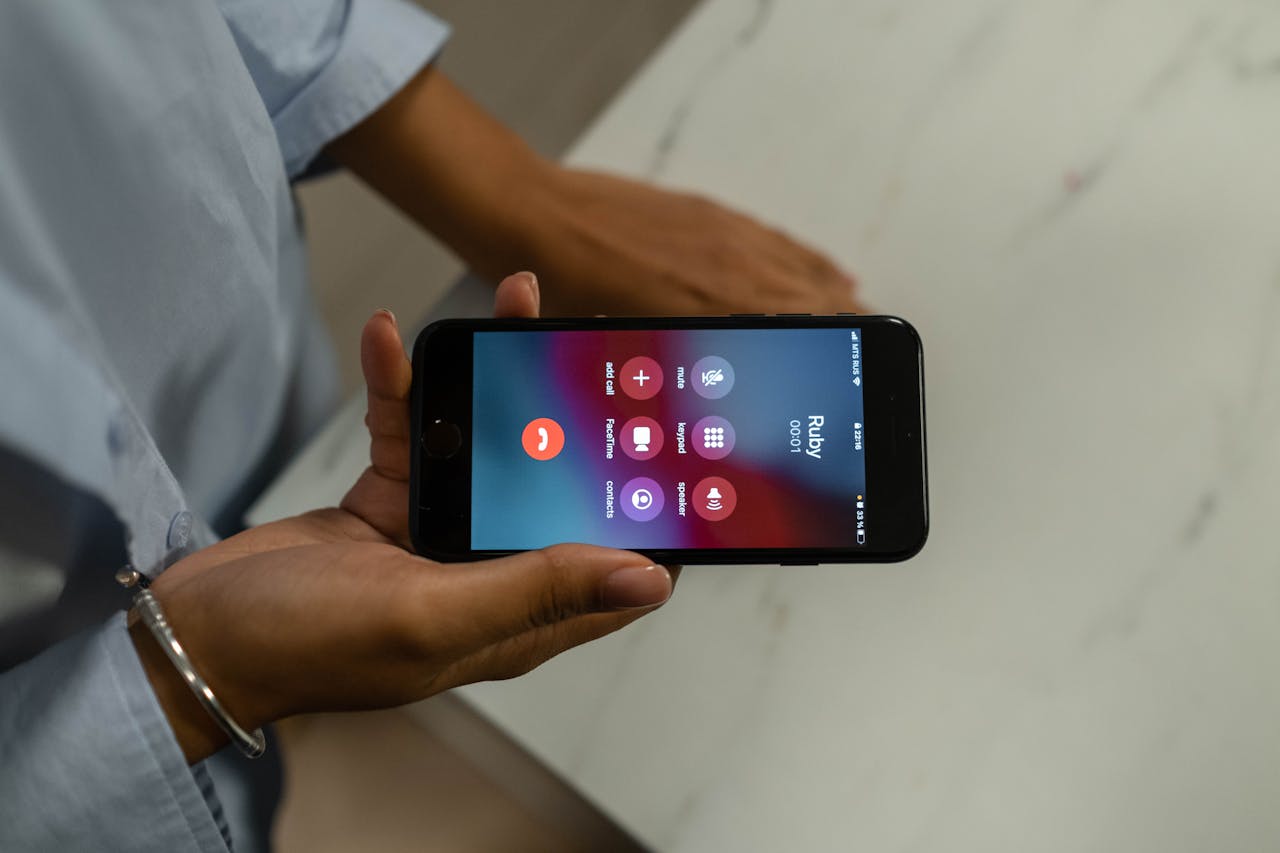
As unwanted calls grew, answering machines filled up with noise, and the routine of listening through irrelevant recordings started to feel like wasted time. Caller ID, then visual voicemail, changed expectations by showing who called and when, and sometimes offering transcriptions that made messages skimmable and deletable in seconds. Against that convenience, rewinding tape or replaying a muffled line felt slow, and the classic beep began to signal an older pace of communication, where attention was captured by default instead of filtered by choice and sorted by priority. That shift happened quietly, with a single tap.