Long before the internet shaped daily routines, earlier systems taught people how to think about connection, distance, and shared information. Some relied on sparks racing across metal wires, others on bulky machines that buzzed in dark offices, and a few survived only because hobbyists kept them alive. Together, they turned communication into something almost elastic, stretching far beyond what earlier generations imagined possible. These forgotten steps reveal how today’s online world is less a sudden breakthrough and more a long chain of experiments built by curious minds pushing boundaries bit by bit.
Telegraph Networks: Early Signals Of A Connected World
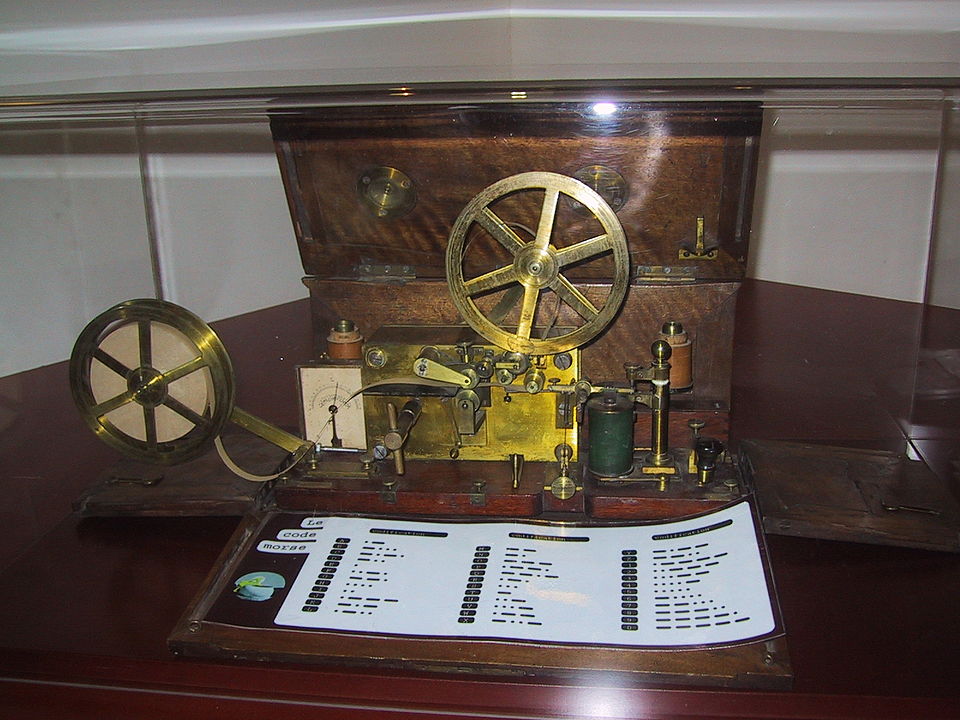
Telegraph lines stitched cities together with pulses of code that traveled faster than any rider or mail coach ever could. Each message had to be brief, precise, and addressed correctly, which pushed people to develop early rules for sending information across great distances without confusion. Operators learned to route traffic, manage delays, and correct errors, creating habits that echo modern ideas about data packets and network protocols. The telegraph turned communication into something that no longer needed a moving body to carry it, shifting expectations about speed and reliability. In many ways, it set the emotional template for instant connection, even when the world still moved at the pace of horses and steam.
Undersea Cables: Fragile Highways Beneath The Ocean

When engineers placed the first cables across ocean floors, they created links that treated continents as neighboring rooms rather than distant worlds. Signals traveled through dark, cold water under immense pressure, making every successful transmission feel like a small miracle. These cables taught nations to think of communication as infrastructure that needed constant attention, protection, and investment. Later generations simply replaced copper with glass fibers, letting light pulses carry unimaginable amounts of data along the same underwater paths. The cables made global communication feel not only possible but ordinary, setting a quiet foundation for the internet’s reach across borders and time zones.
Manual Switchboards And Early Telephone Routing
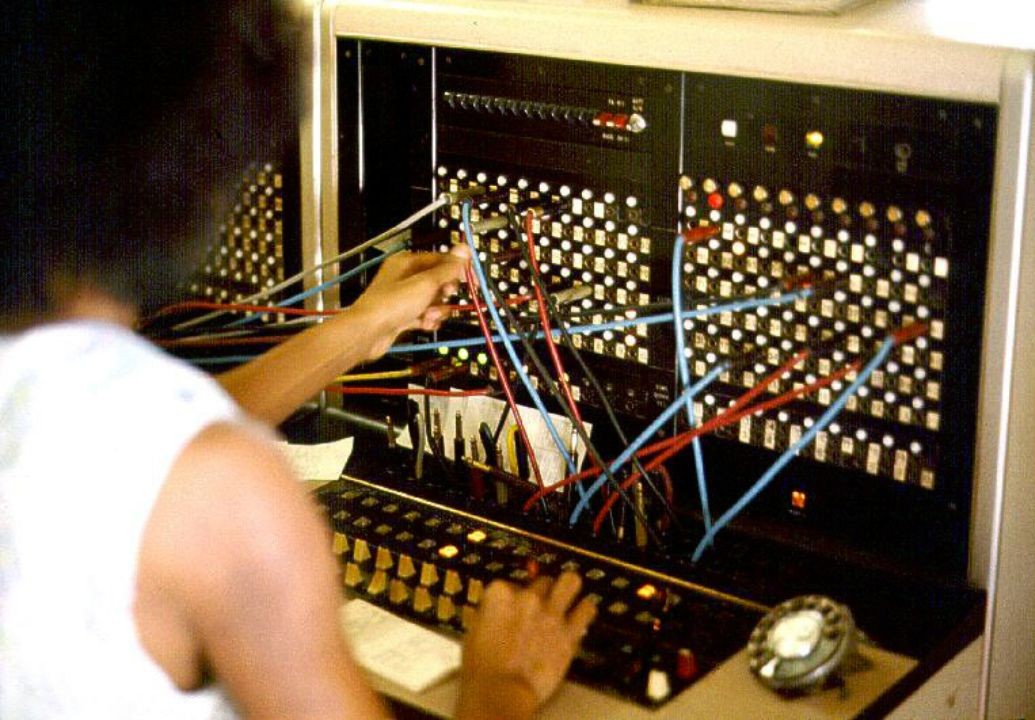
Before machines handled traffic, operators plugged cords into panels to connect callers, creating temporary circuits that stayed open until the conversation ended. This system forced engineers to think carefully about capacity, numbering, and how to keep thousands of calls flowing without collapse. It also shaped public expectations: when someone dialed a number, they trusted that the connection would find the right destination every time. Even though modern networks abandoned fixed circuits for fluid packet routing, the mindset of structured paths and reliable addressing survived. Those early switchboards turned communication into something people approached with confidence rather than curiosity or doubt.
Time-Sharing Terminals On Mainframes
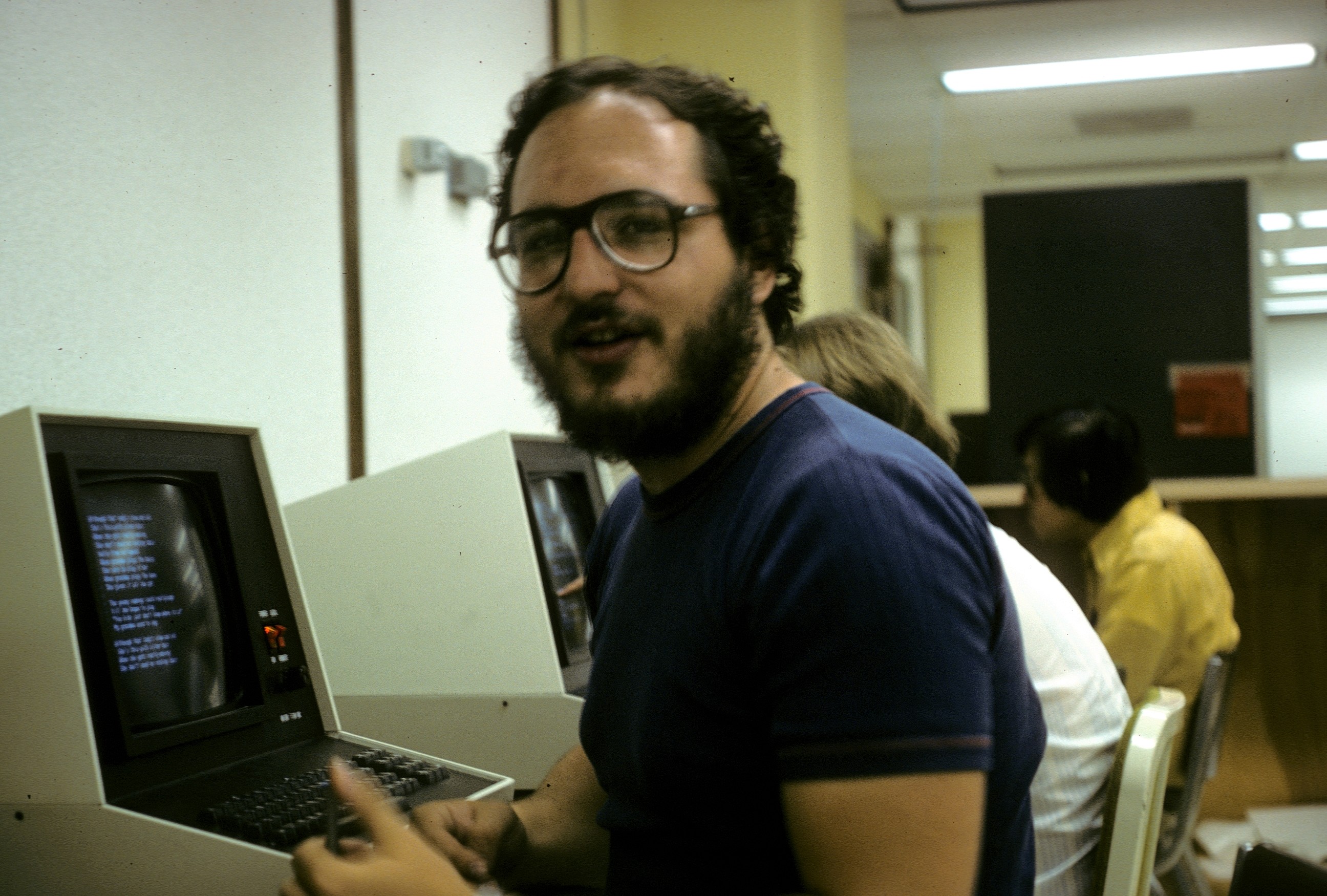
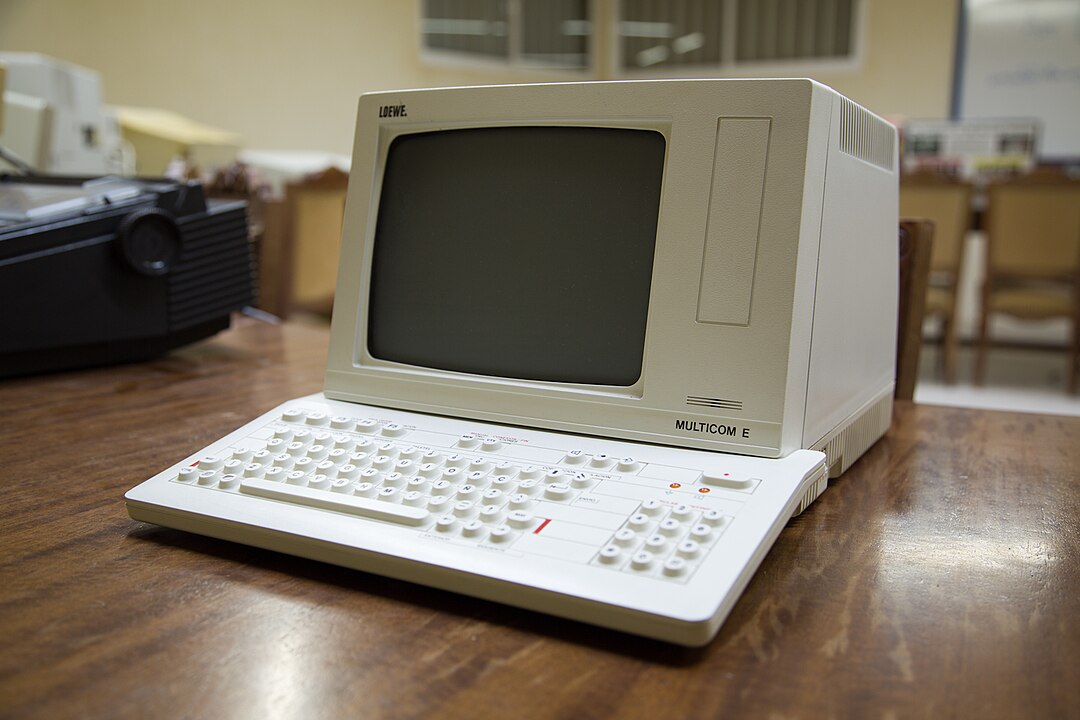
Time-sharing gave multiple users the illusion of having their own computer by letting a central machine divide its processing into carefully timed slices. People typed commands into simple terminals while the mainframe quietly juggled tasks behind the scenes, switching between sessions faster than any human could notice. This setup introduced a new relationship with technology: individuals worked on machines they could not see, trusting a distant system to store files, run programs, and keep each workspace separate. That pattern now lives in cloud servers and remote apps that handle daily tasks across countless devices. Time-sharing proved that computing power could be shared without losing the feeling of personal control.
ARPANET And Packet Switching
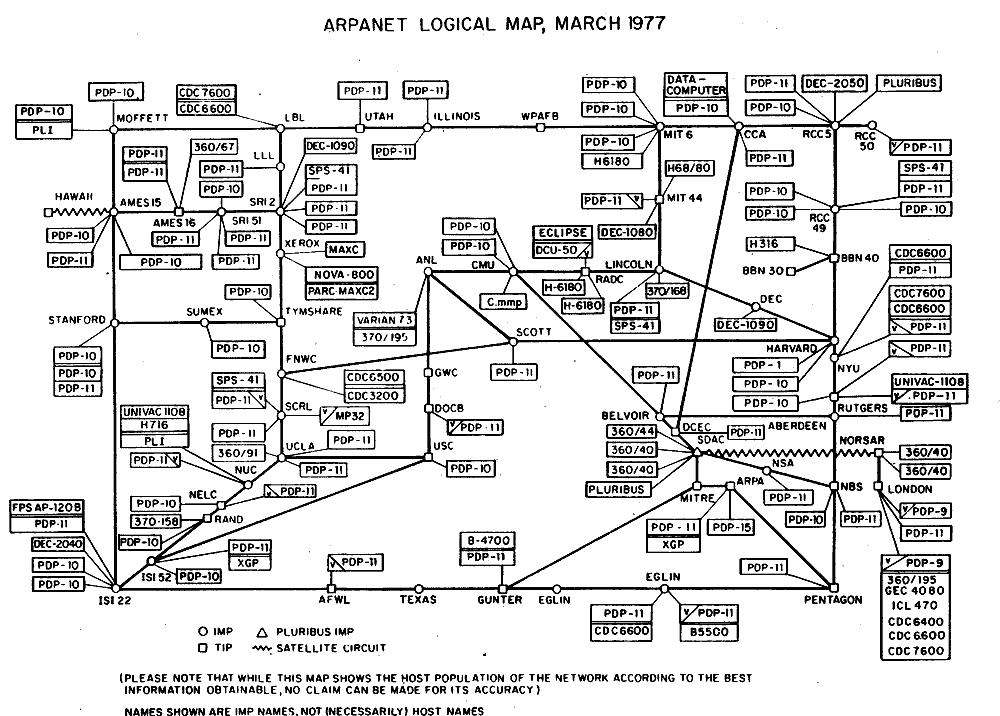
ARPANET tested a radical idea: instead of sending messages along a fixed path, break them into small pieces that wander the network independently before reuniting at their destination. This approach made communication more resilient because no single broken link could ruin a transmission. It also required new kinds of cooperation between universities and labs that shared experimental networks. Those early collaborations produced rules for handling traffic, assigning addresses, and managing congestion, many of which still shape how data travels today. ARPANET did not feel like a world-changing invention at first, but its humble packet experiments quietly redefined what digital communication could become.
Videotex And Teletext Home Information Services
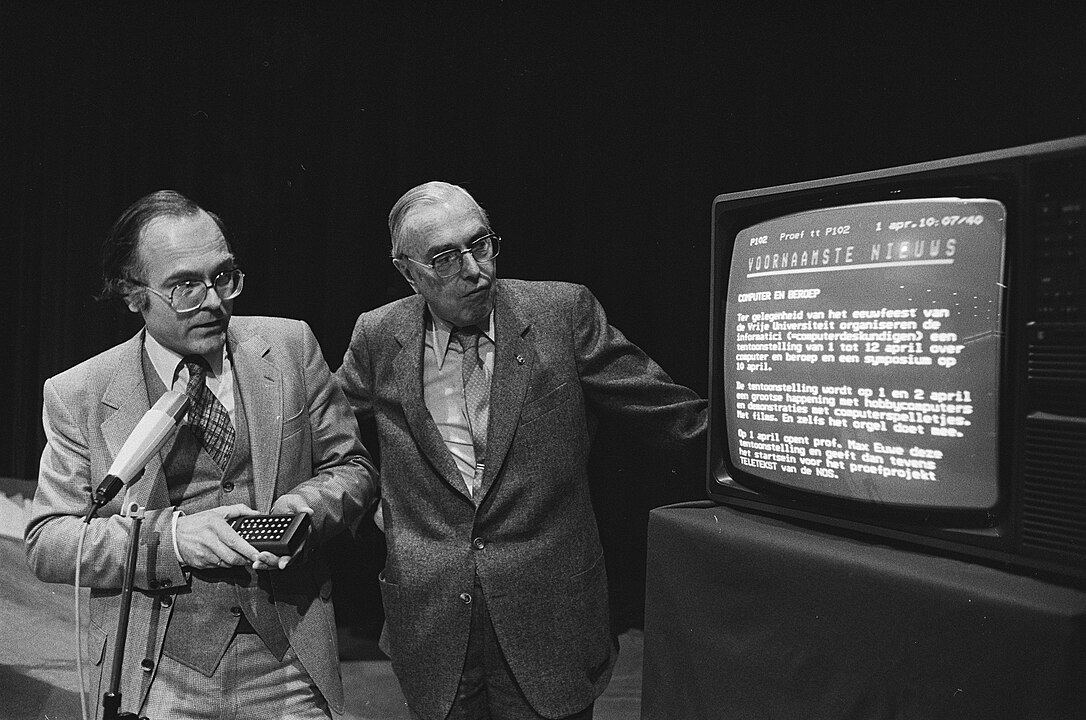
Videotex and teletext systems served as early attempts to bring interactive information into living rooms through regular televisions. Families used keypads or coded menus to browse news, weather updates, and basic services that refreshed throughout the day. The graphics were rough and the speed slow, yet the experience taught households to expect up-to-date information delivered straight into the home without a newspaper or trip outside. Content creators learned how to organize screens, anticipate user questions, and keep databases current on a predictable schedule. These early services offered a glimpse of what online browsing would eventually feel like, even if the technology could not yet support the richness that came later.
Acoustic Couplers And Primitive Modems
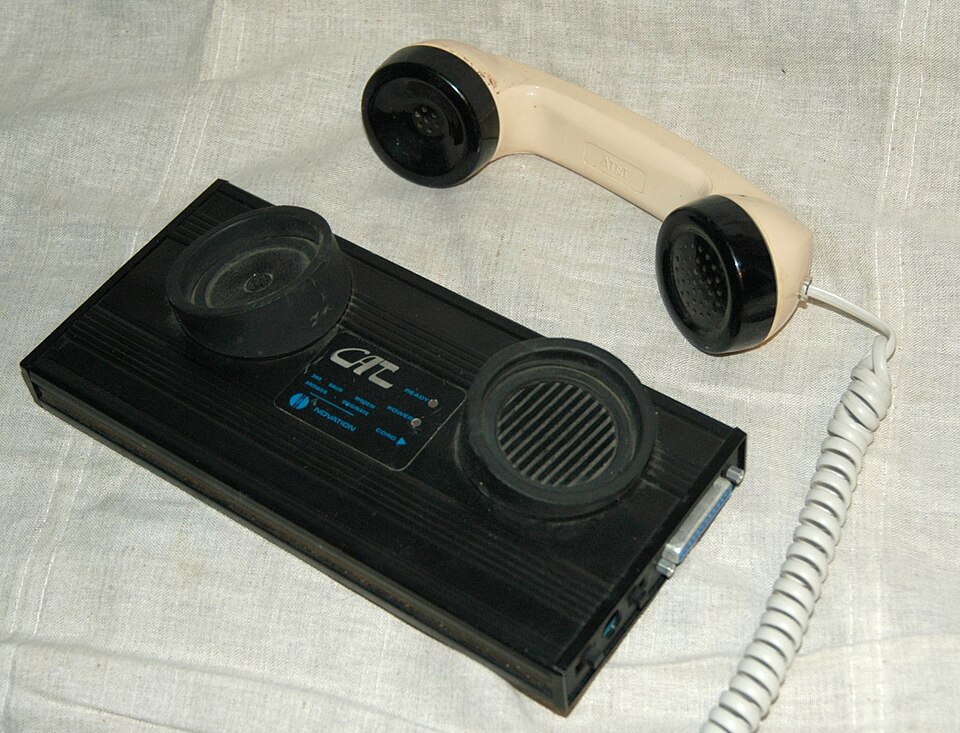
Early modems often used acoustic couplers, devices that held a telephone handset in padded slots and translated data into audible tones. The connection screeched and warbled, sounding more like a confused bird than a piece of digital equipment. Speeds were excruciatingly slow, and even a bump to the phone could drop the line, yet the coupler proved a key idea: any home with a phone line could reach distant computers. That discovery reshaped expectations about access, removing the need for specialized wiring or expensive equipment. It also made connection feel like an event, creating a sense of anticipation each time someone dialed into a remote system.
Bulletin Board Systems And Local Digital Communities
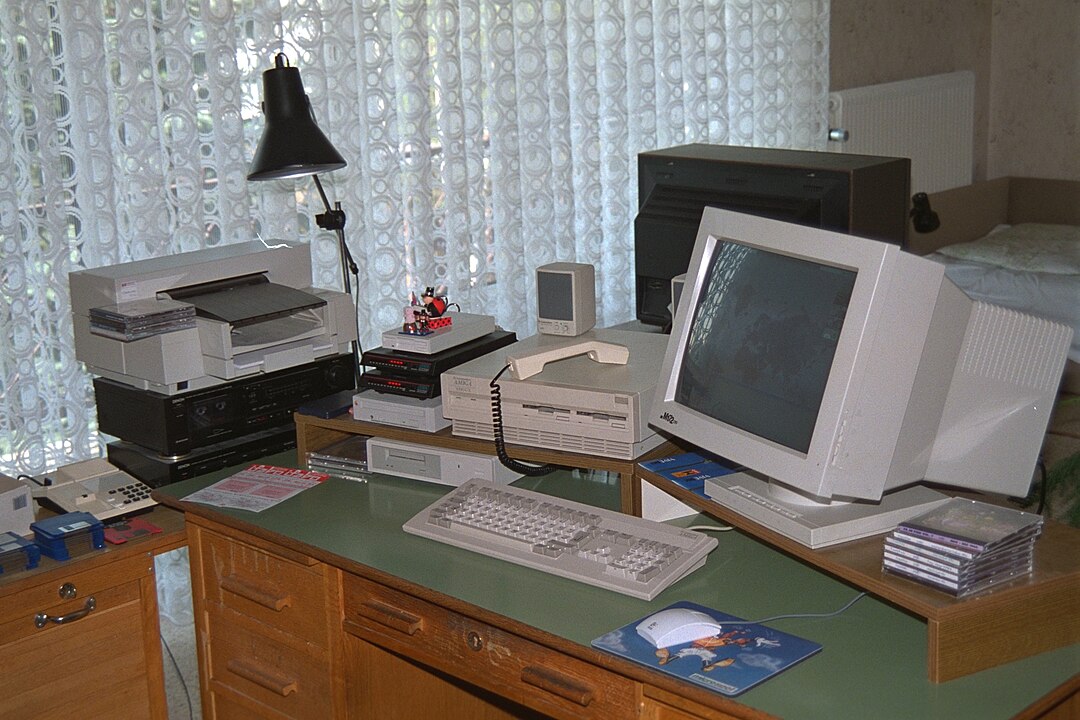
BBS communities grew from single computers that welcomed strangers into shared spaces built entirely from text. Users logged in one at a time, left messages, swapped files, and built friendships based on nothing more than a screen name and consistent presence. The slow pace encouraged thoughtful communication and a sense of belonging rooted in routine. Running a BBS demanded care from its operator, who set rules, moderated disagreements, and curated the experience. These early communities became laboratories for digital culture, teaching people how to create norms, navigate conflict, and maintain relationships without ever meeting in person.
Usenet Newsgroups And Distributed Conversation
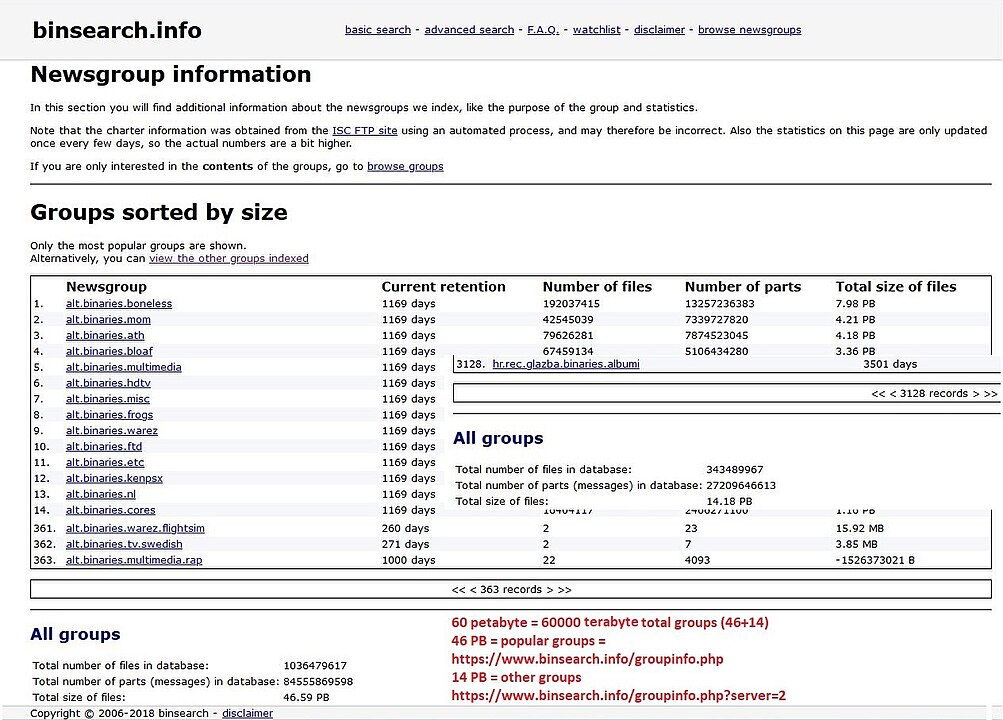
Usenet expanded digital conversation beyond local hubs by distributing messages across a loose network of servers, letting discussions stretch across universities, companies, and hobby groups worldwide. Each post traveled outward like a ripple, reaching readers who might never connect to the same machine directly. The structure of topic-based groups and threaded replies shaped expectations for online dialogue long before modern forums emerged. People learned to quote previous messages, follow etiquette unique to each group, and treat digital conversation as something worth archiving. Usenet captured the messy, energetic spirit of early online life and remains one of the clearest ancestors of today’s social platforms.