Hairstyles rarely stay in the harmless lane of taste. In different decades, a cut, a texture, or a styling method has been treated as a social signal, a moral test, or a political statement. Trends spread through music scenes, movies, and magazines, then collided with school dress codes and workplace policies. The arguments were almost never just about hair. They tangled with race, gender expectations, class, religion, and who gets to define what professional means. Some people wore a style for joy or convenience and still found themselves judged, disciplined, or excluded. These looks became flashpoints because they made hidden rules visible, and they showed how quickly personal expression can turn into a public debate.
Afro

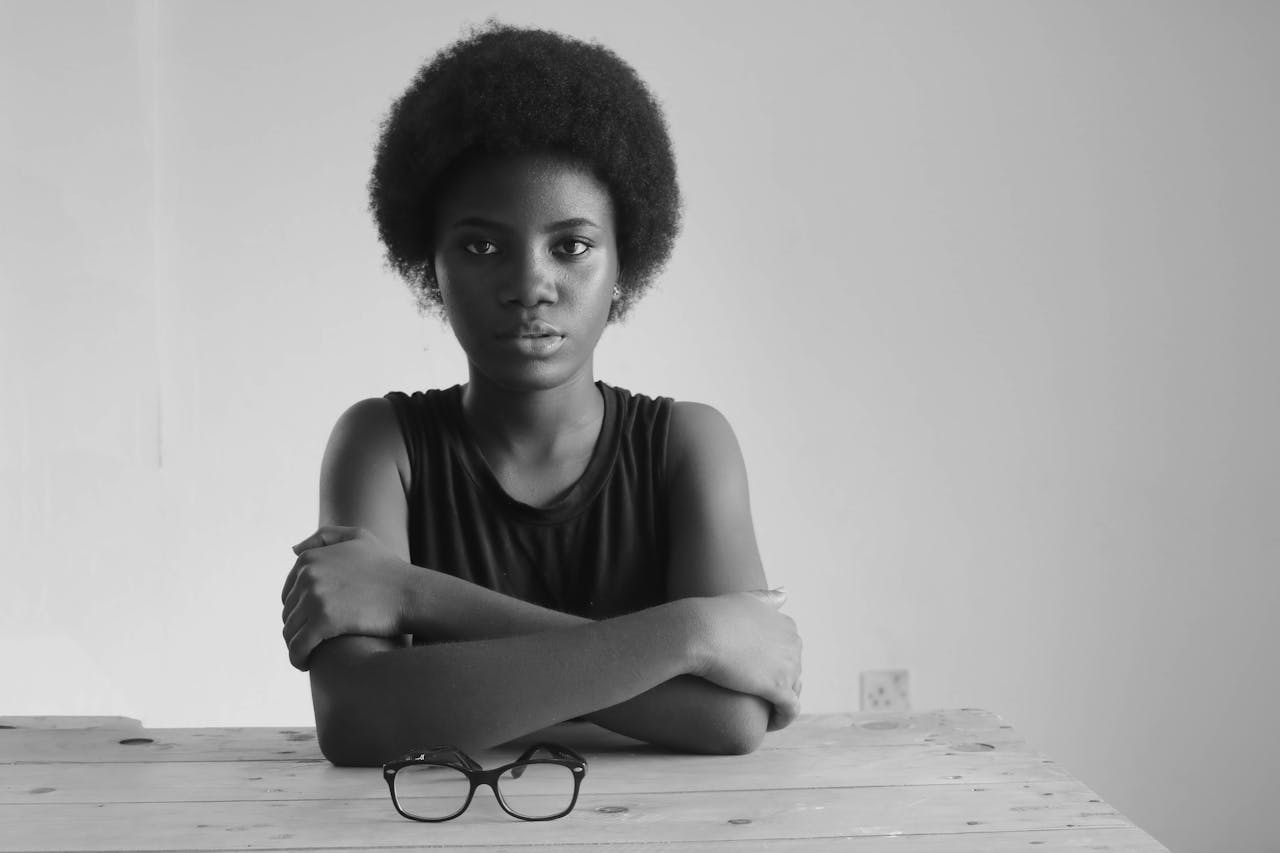
In the late 1960s and 1970s, the afro became a proud signal of Black identity, and that visibility made it a target as much as a trend. Schools and employers labeled it unprofessional, then wrote grooming rules that punished texture while claiming to enforce neatness, forcing students and workers to trim, cover, or reshape it to stay welcome. Album covers, yearbooks, and protest photos showed how one silhouette could speak before any words, and the backlash made the lesson clear: natural hair could be treated as defiance, with consequences measured in grades, jobs, and access, even in polite rooms that insisted the issue was style.
The Conk
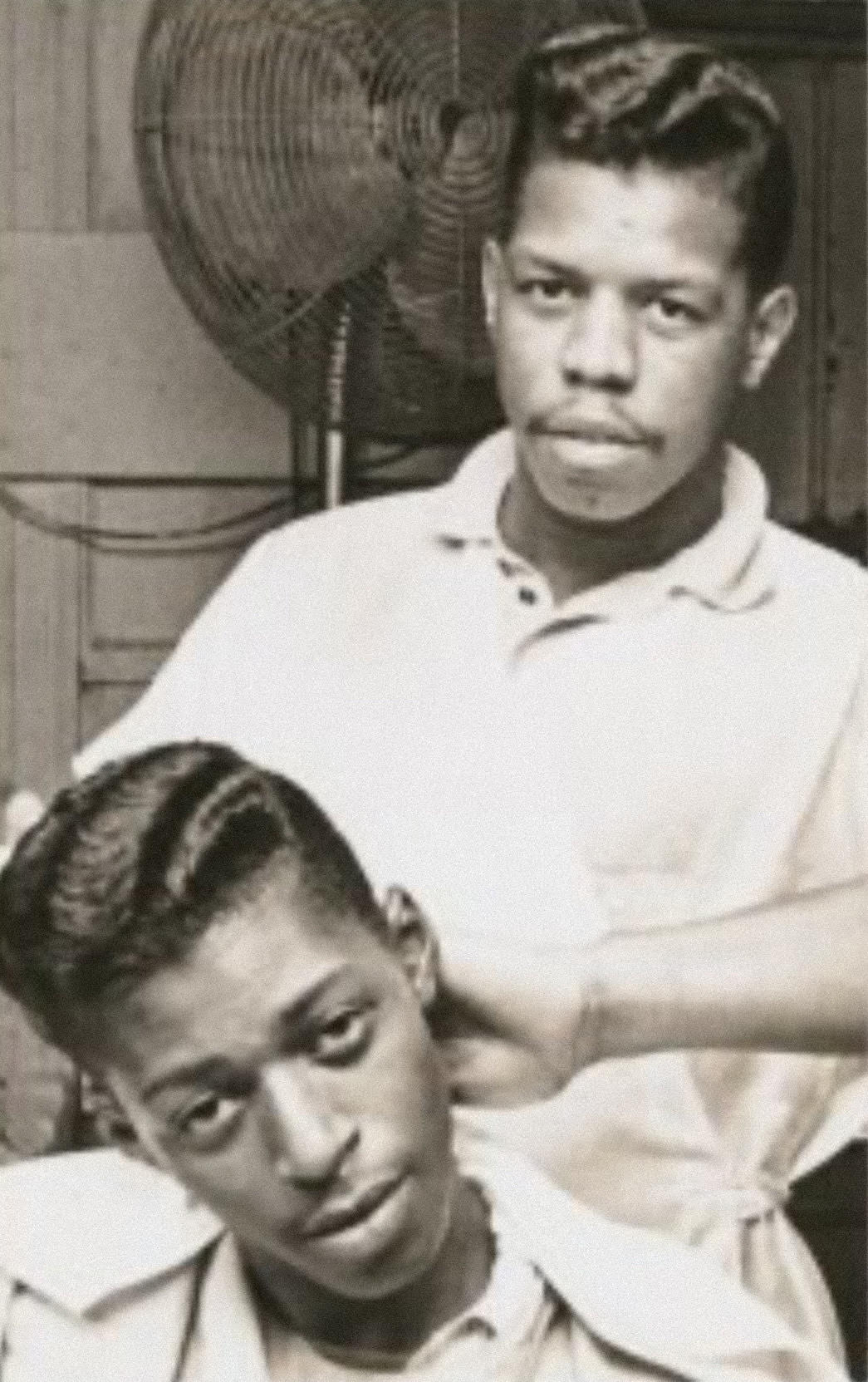
The conk, a chemically straightened style popular in the early-to-mid 1900s, sold nightclub polish: glossy waves, sharp lines, and a suit to match. The process often used harsh lye, and the glamour could come with scalp burns, damaged hair, stained collars, and a constant routine of touch-ups that made the shine feel earned the hard way. As Black pride politics strengthened, the look drew criticism as a symbol of pressure to imitate white standards, so admiration for the finish collided with anger at what it seemed to concede about belonging, especially when the pain and expense were treated as normal entry fees for respect.
Hair Relaxers And Silk Presses
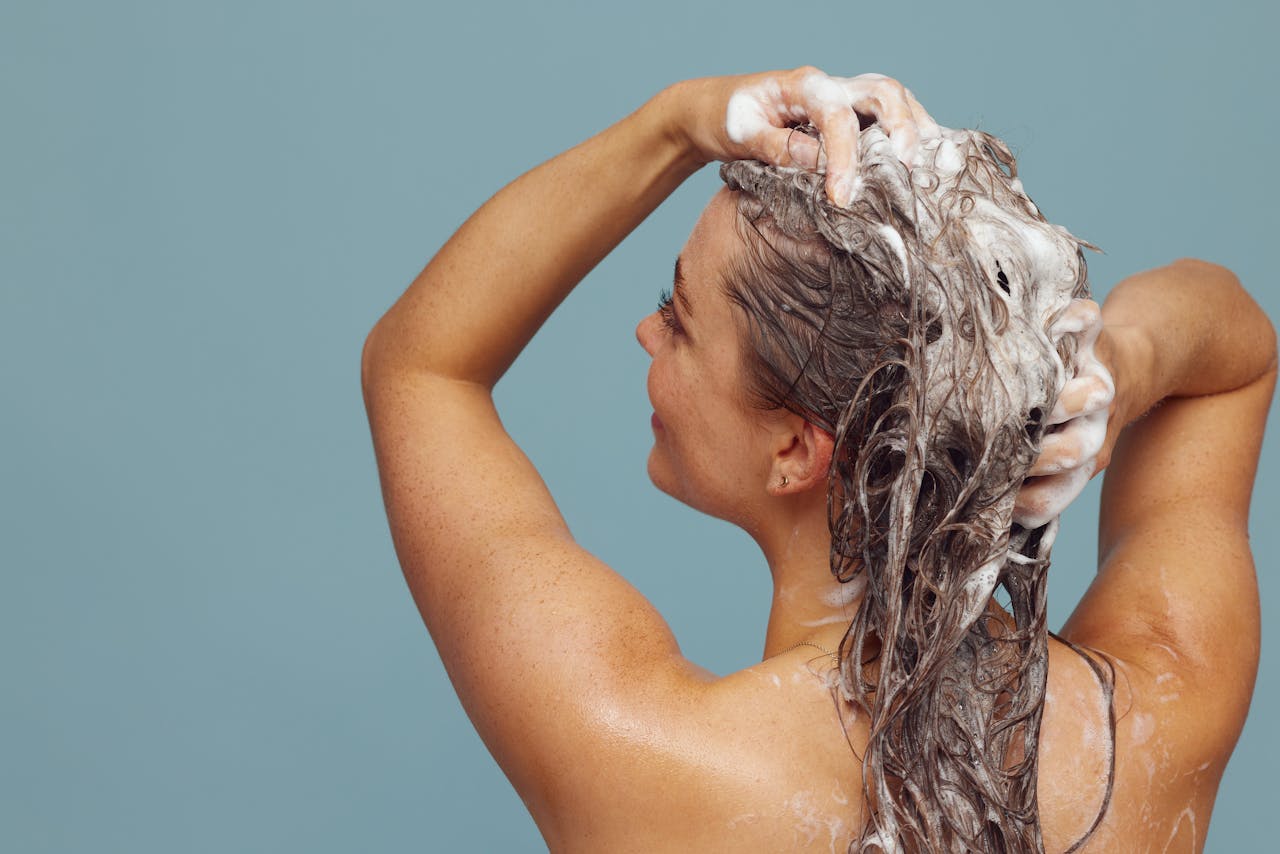
Relaxers and silk presses promised sleek movement in spaces where straight hair was treated as the baseline for looking polished in interviews and boardrooms. That promise became the controversy, because the same style could feel like fun on a weekend and like a requirement on a Monday, shaped by school rules, office norms, and the fear of being labeled unkempt before anyone asked about the actual work. Chemical relaxing raised worries about breakage and scalp irritation, heat pressing demanded time and money, and the question underneath stayed sharp: why did so many doors open wider only when natural texture was pushed out of view?
Cornrows
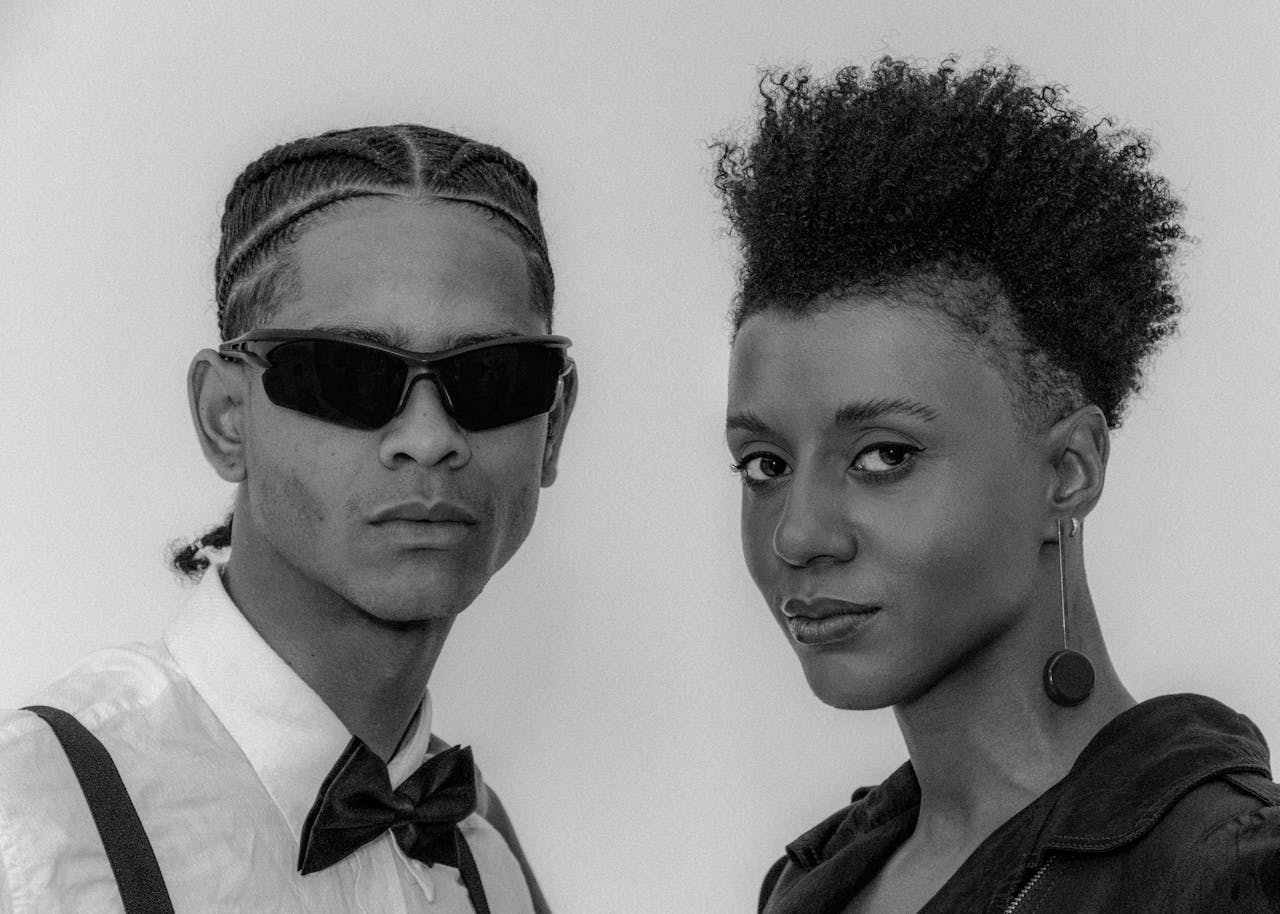
Cornrows have deep roots across Africa and the diaspora, yet modern wearers have repeatedly met bans and ridicule in classrooms, sports, and offices. Critics called the style distracting or too urban, language that sounded neutral while carrying racial and class coding, and some students were sent home or benched until the braids were removed. At the same time, the identical rows were praised as edgy on runways and in campaigns, and the controversy sat in that split: a neat braid could be treated as a rule violation on one head and a trend on another, depending on who wore it, often with the history stripped out for convenience.
Box Braids
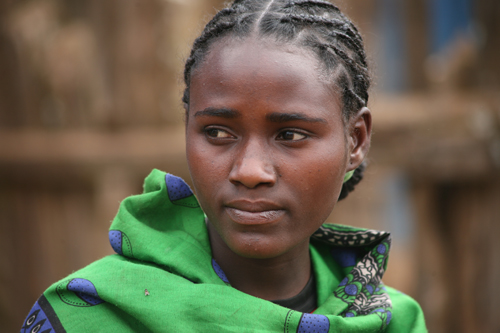
Box braids keep returning to the mainstream, and each comeback seems to restart the argument about credit and consequences. When the style appears on celebrities outside its culture, coverage can frame it as a fresh reinvention, while Black wearers still face school rules, workplace scrutiny, and comments about looking unprofessional. The labor, protective purpose, and history get flattened into a trend mood board, and the controversy is the imbalance: praise travels freely, but penalties and side-eye keep landing where the roots began, especially when marketing renames the style while skipping the context that makes it meaningful.
Bantu Knots

Bantu knots, small coiled buns arranged across the scalp, moved from community tradition into music videos and fashion spreads with startling speed, moving from familiar roots to editorial novelty almost overnight. Backlash followed when the style was renamed, treated as a costume, or praised as quirky without acknowledging where it came from, especially while similar hair on Black women was mocked in daily life. The controversy is less about permission than power: who gets respect, context, and safety while wearing the look, and who gets told it is distracting, messy, or too much for polite spaces, with no apology expected.
Dreadlocks
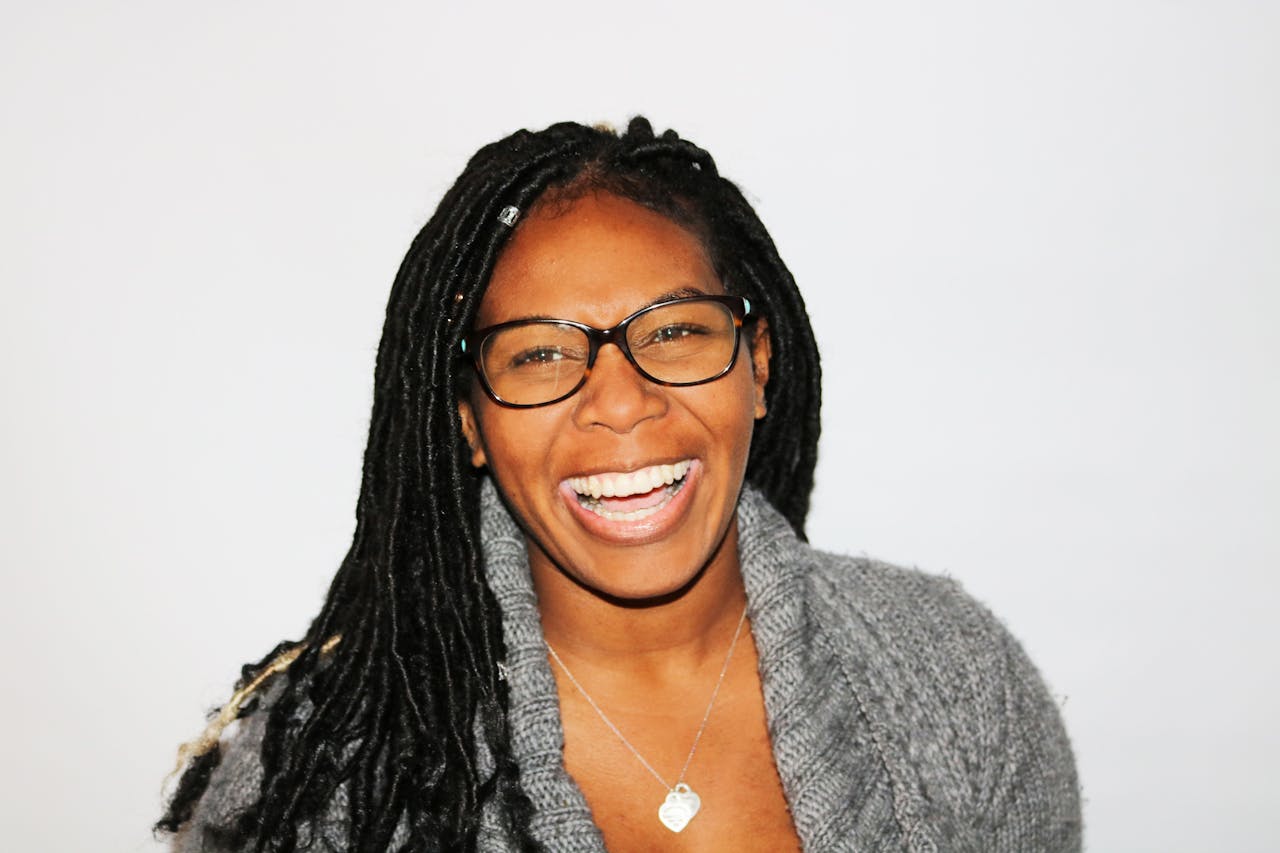
Dreadlocks carry spiritual, cultural, and practical meaning across several traditions, yet they have often been framed as dirty or dangerous in everyday policy. That stereotype has fueled grooming codes that push students and workers to cut their hair to stay enrolled or employed, even when locks are meticulously washed and neatly maintained. The controversy shows how quickly hair becomes a proxy for character, and how rules presented as hygiene can function as exclusion, reaching headlines, hearings and office conversations about who counts as acceptable.
High Mohawks And Liberty Spikes
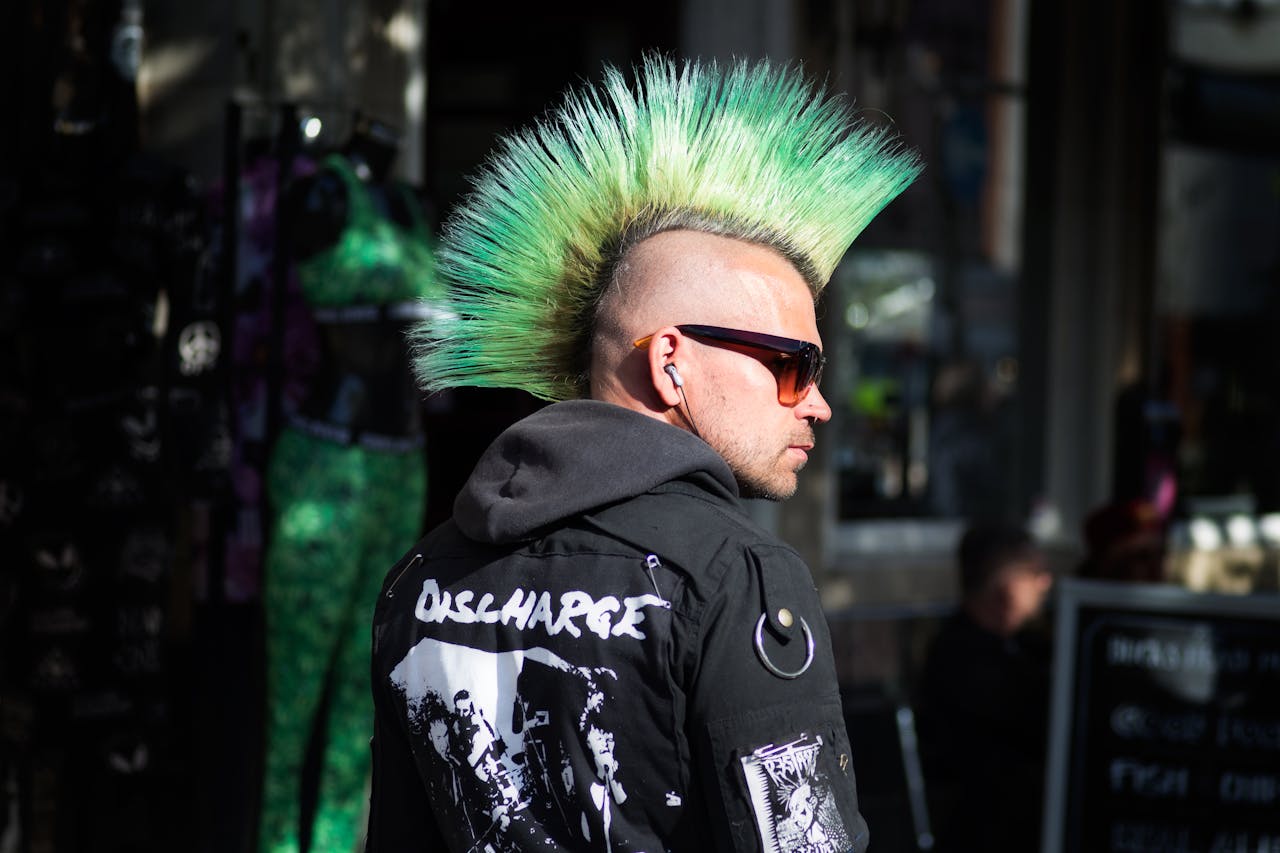
High mohawks and liberty spikes turned hair into architecture, with height, gel, and color that refused to blend in. Schools and employers often treated the silhouette as a behavior problem, sending students home, denying shifts, or demanding a cut before entry, and some administrators literally measured the height as if it were contraband. In punk scenes it signaled belonging and craft, but outside those rooms it was read as disruption even when behavior was calm, and the controversy exposed how fast institutions equate visible nonconformity with trouble, long before any rule was actually broken in the first place.
Skinhead Buzz Cuts
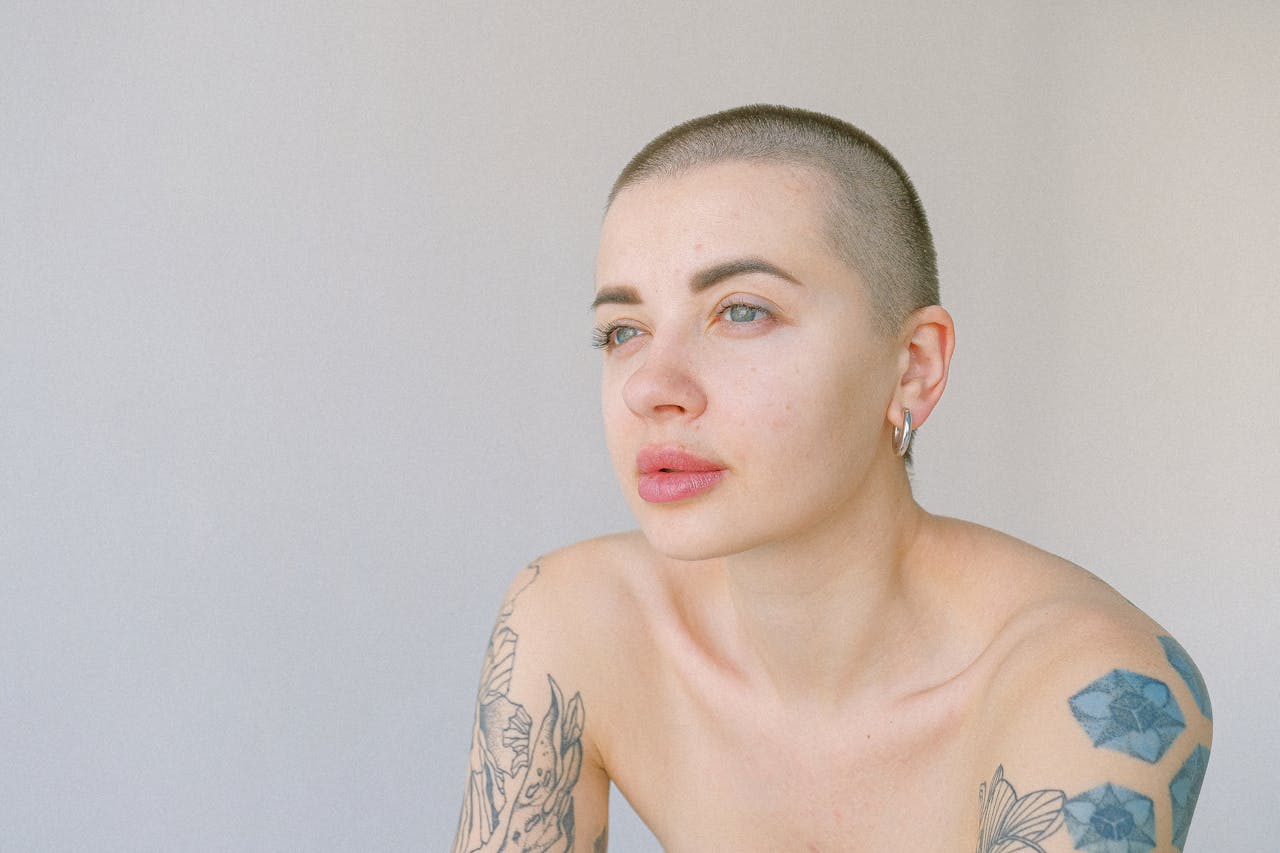
A shaved head can be practical, stylish, or freeing, but the skinhead association complicated the look for decades. Because extremist groups adopted the buzzed aesthetic, strangers sometimes read a haircut as ideology, especially on young white men, and that assumption could follow someone into stores, job sites, airports, or public transit. Many people chose the cut for sports, heat, chemo regrowth, or simplicity, yet still had to explain themselves before small talk even started, and some avoided the style entirely after one uneasy encounter, knowing perception can stick harder than hair in the wrong context, for years.
The Beehive
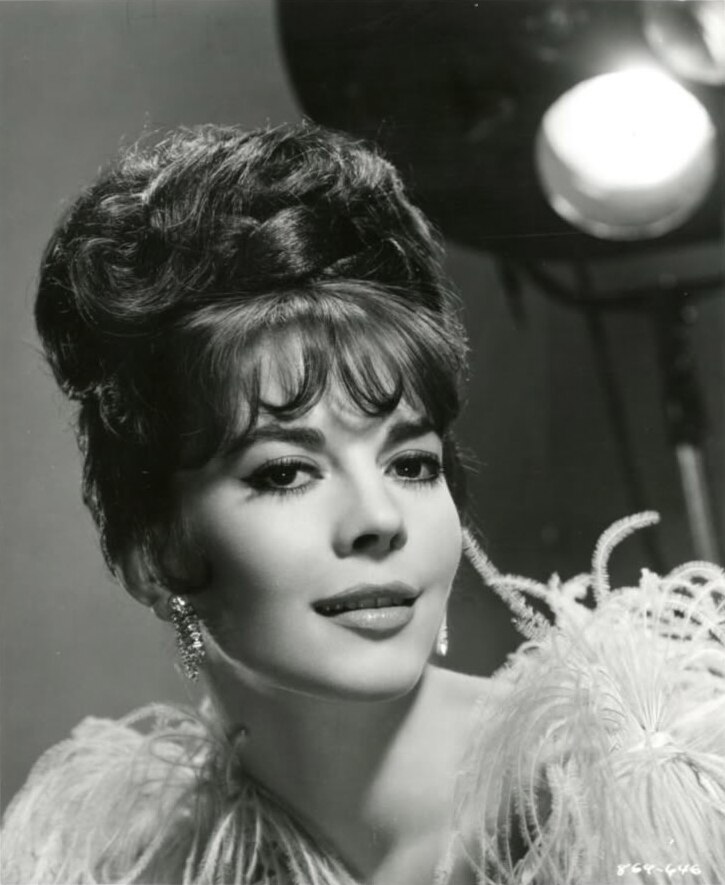
The beehive rose in the 1960s as a teased tower of hairspray and patience, built to survive dancing, wind, and long nights out. Critics mocked it as vain or artificial, and some schools and workplaces treated the height as improper, policing it with rules about distraction, decency, or professionalism that felt aimed at women’s visibility more than their hair. Even fans heard snide jokes about headaches, stiffness, and what might be hidden inside the sprayed volume, and the controversy exposed the double bind: look polished, but never look like too much effort, and never take up too much space; many lowered it for interviews.
Pompadours And Rockabilly Quiffs
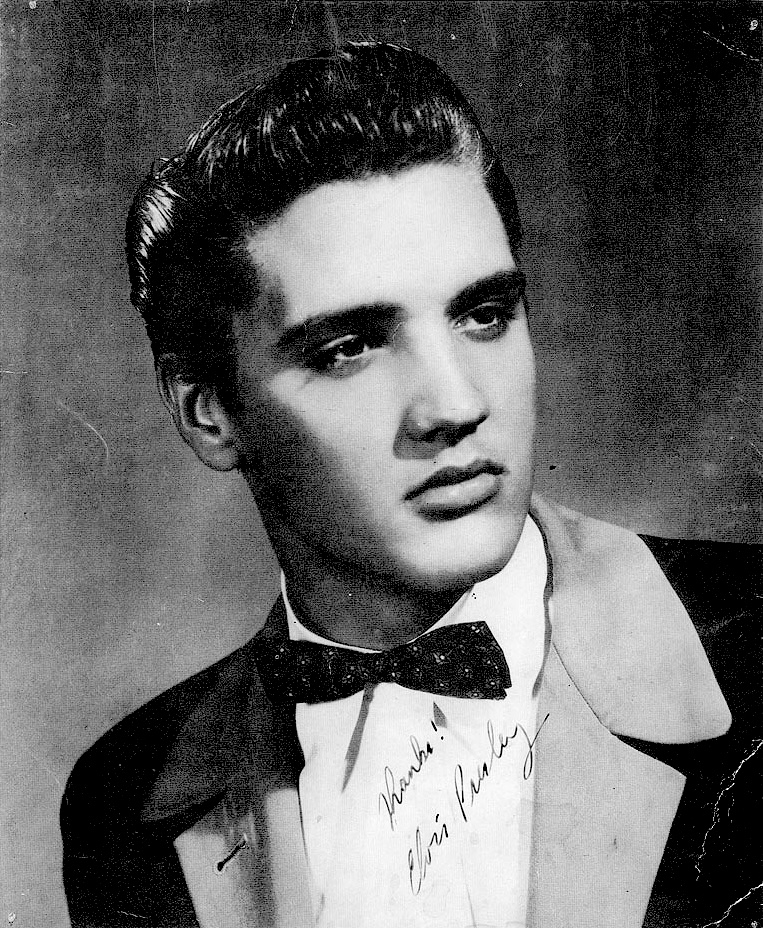
Pompadours and rockabilly quiffs brought swagger and shine, a deliberate throwback to mid-century cool built with pomade and a steady comb. In conservative schools and workplaces, the height was treated as a rebellious uniform tied to loud music or bad influence, and some rules focused on inches, hairline shapes, and sideburn length, as if style predicted character. Barbers and fans saw craft in the shape and the discipline of upkeep, yet many wearers flattened it for interviews and rebuilt it after hours, and the controversy showed how authority often hears trouble in youth style long before any rule is broken at all.
The Pixie Cut

The pixie cut has returned again and again, and each comeback seems to revive arguments about femininity and power in offices, in families, and in headlines. When women went short, critics called it unfeminine or attention-seeking, as if hair length were a character trait, and some workplaces treated the cut as less polished than long hair even when everything else was impeccable. Stars made it chic, but everyday wearers still heard the pressure to grow it back to look agreeable, and the controversy exposed how quickly a simple haircut becomes a referendum on gender roles and who is allowed to look self-assured for years.