The nationwide ban on alcohol never erased the longing for a drink; it reshaped how people found one. Across big cities and small towns, a hidden economy emerged and grew fast. Secret clubs replaced open bars, small boats became improvised freighters, and kitchen stills filled with hopeful experiments. Doctors wrote notes that let patients walk away with bottles. Crime groups learned to treat liquor like currency. Prohibition created a strange mix of restraint and rebellion, and Americans pushed ahead with methods that revealed more about creativity than lawmaking.
Speakeasies Became The New Nightlife

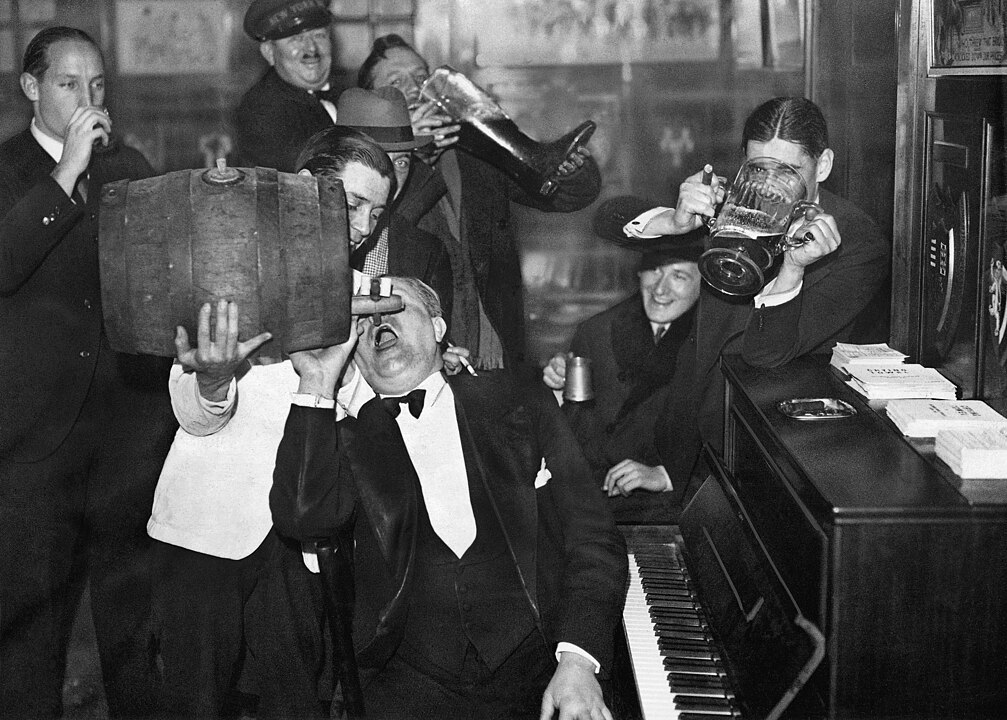
Behind quiet doors and borrowed storefronts, speakeasies filled evenings with music, low lights, and drinks poured from bottles no one admitted to owning. People slipped inside through coded knocks or back alleys, trusting the whisper network that kept the best rooms full. Bartenders adjusted every recipe to hide the sharp taste of homemade liquor, turning cocktails into small acts of problem solving. Crowds gathered because the usual rules softened there, and conversation felt easier when the world outside insisted on restraint. Those rooms shaped an early version of modern nightlife.
Smugglers Built Fast Routes For Illegal Liquor
Rumrunners treated the coastline like a long floating highway. Small crews loaded crates onto fast boats, hugging dark water where patrol lights could not easily reach them. The money was strong enough to justify long nights, rough weather, and constant risk. Cars waited at hidden coves to take the cargo inland, threading country roads that seemed quiet during the day but became strategic after dusk. What began as scattered attempts to meet demand turned into a set of supply lines that behaved almost like formal trade, except for the secrecy that kept everyone alert.
Home Distillers Invented Bathtub Gin By Necessity
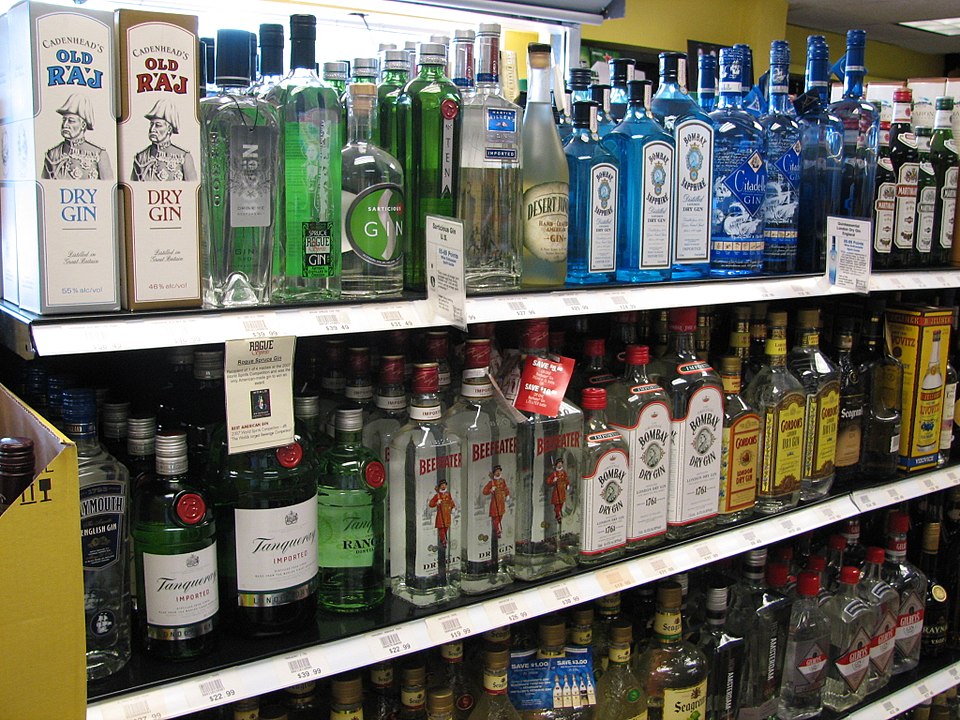
When legal bottles disappeared, many households tried making their own. Some turned out drinkable batches using simple tools, while others created harsh spirits that begged for sugar or citrus to make them tolerable. The name bathtub gin caught on because people mixed ingredients in whatever space they had, often near a tub with running water. Friends shared tips they barely understood, and whole neighborhoods gained reputations for their makeshift recipes. The results varied wildly, yet these home efforts kept glasses filled when no other option felt close enough to reach.
Doctors And Pharmacists Sold Whiskey As Medicine
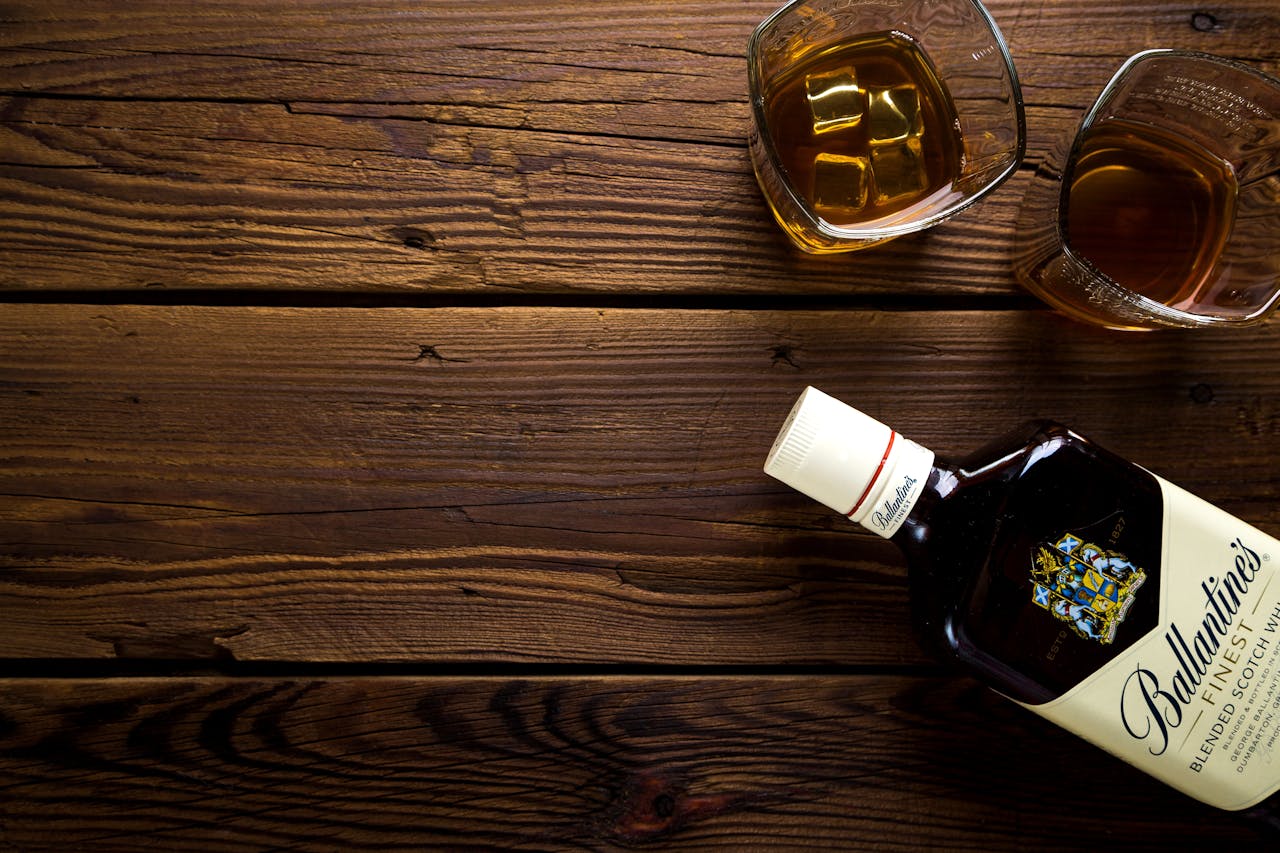
A legal loophole allowed physicians to prescribe alcohol for certain ailments, and that tiny exception grew into a thriving side market. Patients lined up not always because they were sick but because a signed slip from a trusted doctor meant access to real, regulated liquor. Pharmacies became quiet hubs where bottles changed hands without comment. Some prescriptions carried genuine medical intent, though many simply reflected the demand people refused to ignore. The system relied on official forms and calm cooperation, turning a medical office into an unexpected doorway to relief.
Religious Wine Permits Opened Another Legal Channel
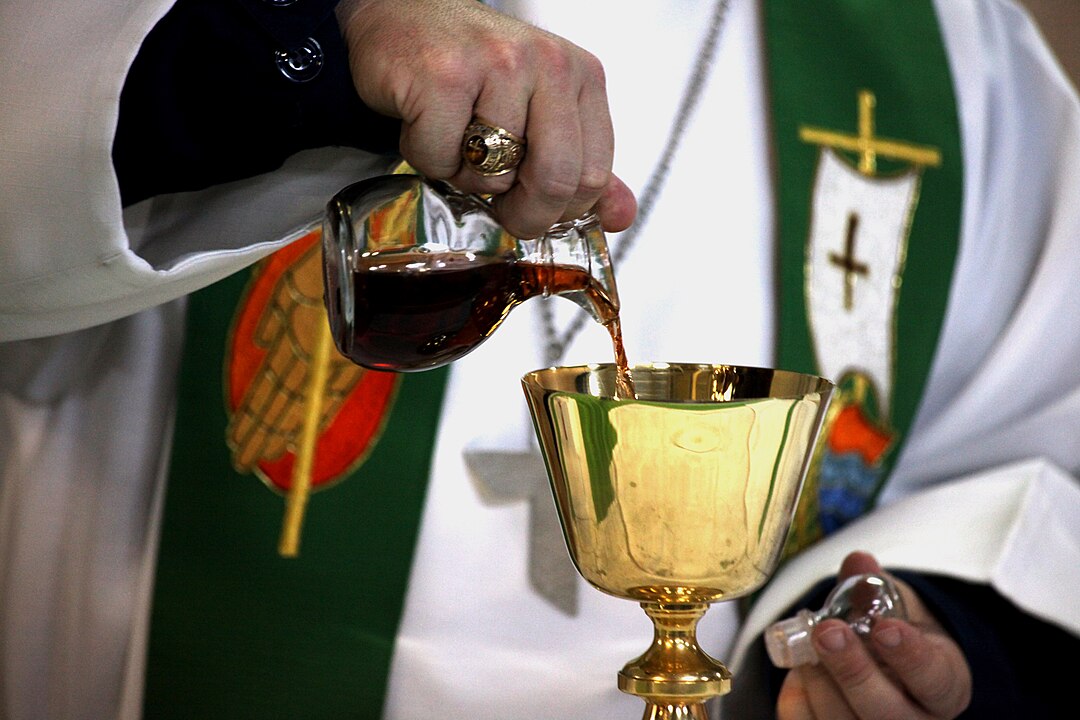
Places of worship could request permission to obtain wine for ceremonies, and that privilege expanded beyond its intended reach. Congregations suddenly reported sharp increases in membership, each new arrival hoping to benefit from access to the wine supply. Clergy navigated careful paperwork while trying to balance spiritual duties with the growing pressure placed upon them. In some communities, the line between tradition and convenience blurred until no one cared to separate them. It became one of the few methods that let people drink openly without fearing a visit from federal agents.
Grape Brick Kits Encouraged Creative Interpretation
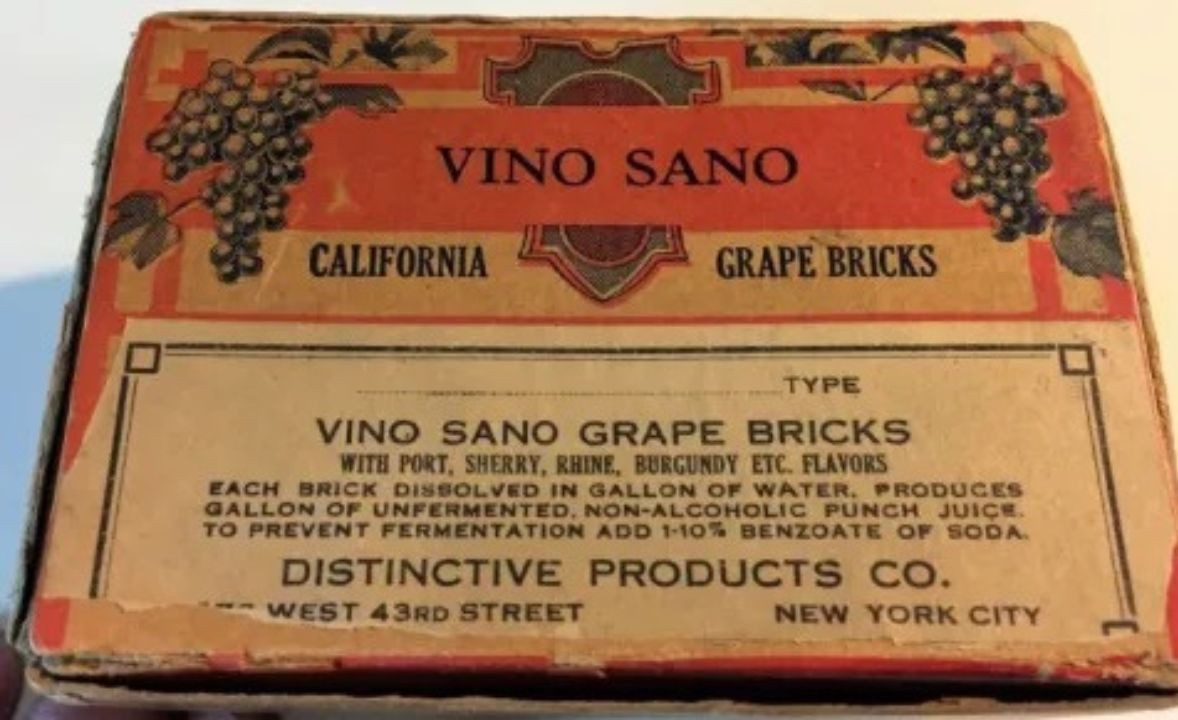
Grape producers faced a shrinking market, so they sold concentrated bricks with detailed instructions about what not to do if one wanted to avoid producing wine. Readers understood the hint. The bricks dissolved easily, and the resulting mixture fermented without much guidance. Kitchens filled with the steady bubble of yeast at work, and each batch carried the small thrill of knowing the law had been bent only through suggestion. These kits sustained vineyards through a rough decade and gave households a sense of control when access to wine felt otherwise out of reach.
Soda Shops And Ice Cream Parlors Hid Alcohol In Plain Sight
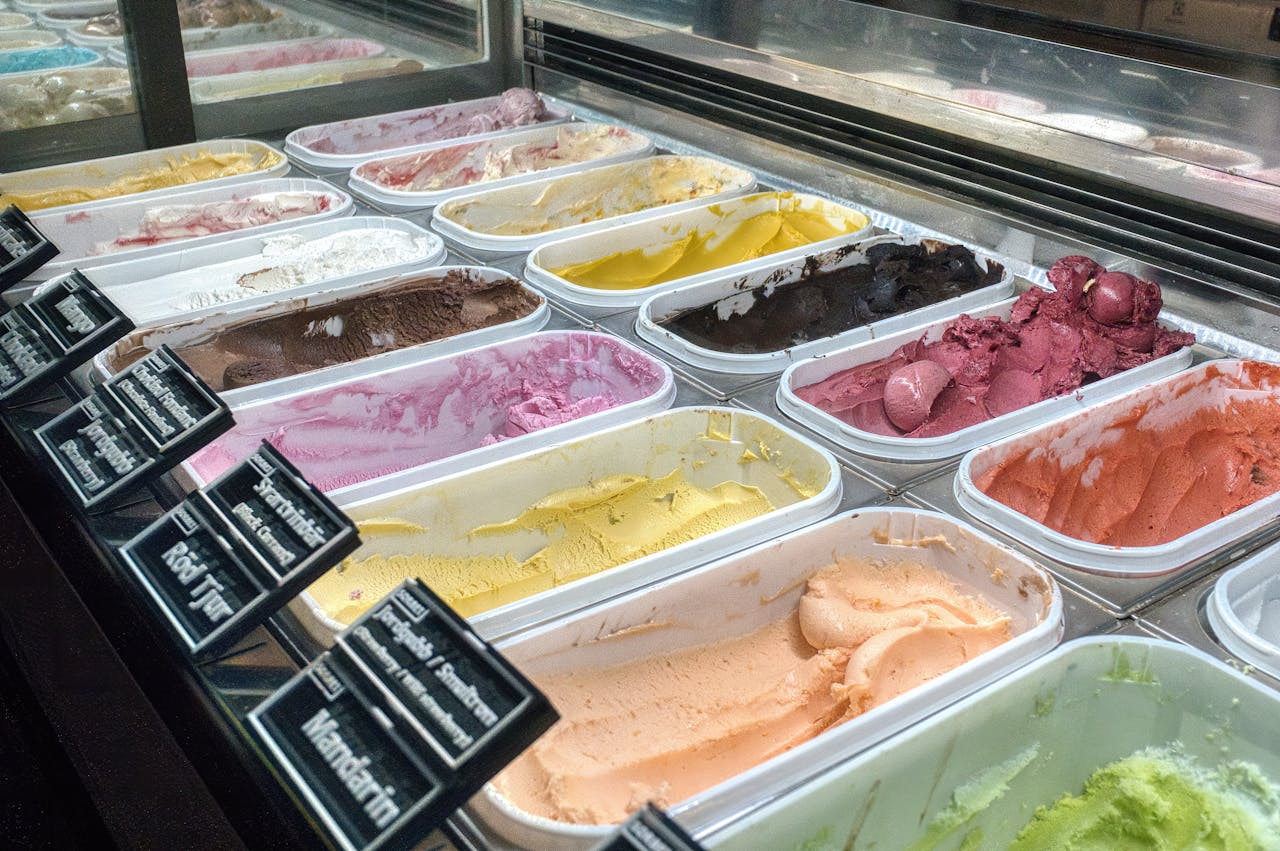
Family-friendly storefronts sometimes transformed after dusk, when a back room or basement came alive with bottles stored behind sacks of sugar or shelves of syrup. Employees learned how to shift from daytime smiles to quiet efficiency, directing trusted customers toward concealed spaces. The contrast between innocence and intrigue made these locations memorable. They blended the familiar scent of sweets with the sharp edge of forbidden drinks, creating an atmosphere that confused anyone who stumbled upon it unprepared. These small shops became reliable gathering points for regular patrons.
Fake Shipping Labels Turned Freight Into A Moving Bar
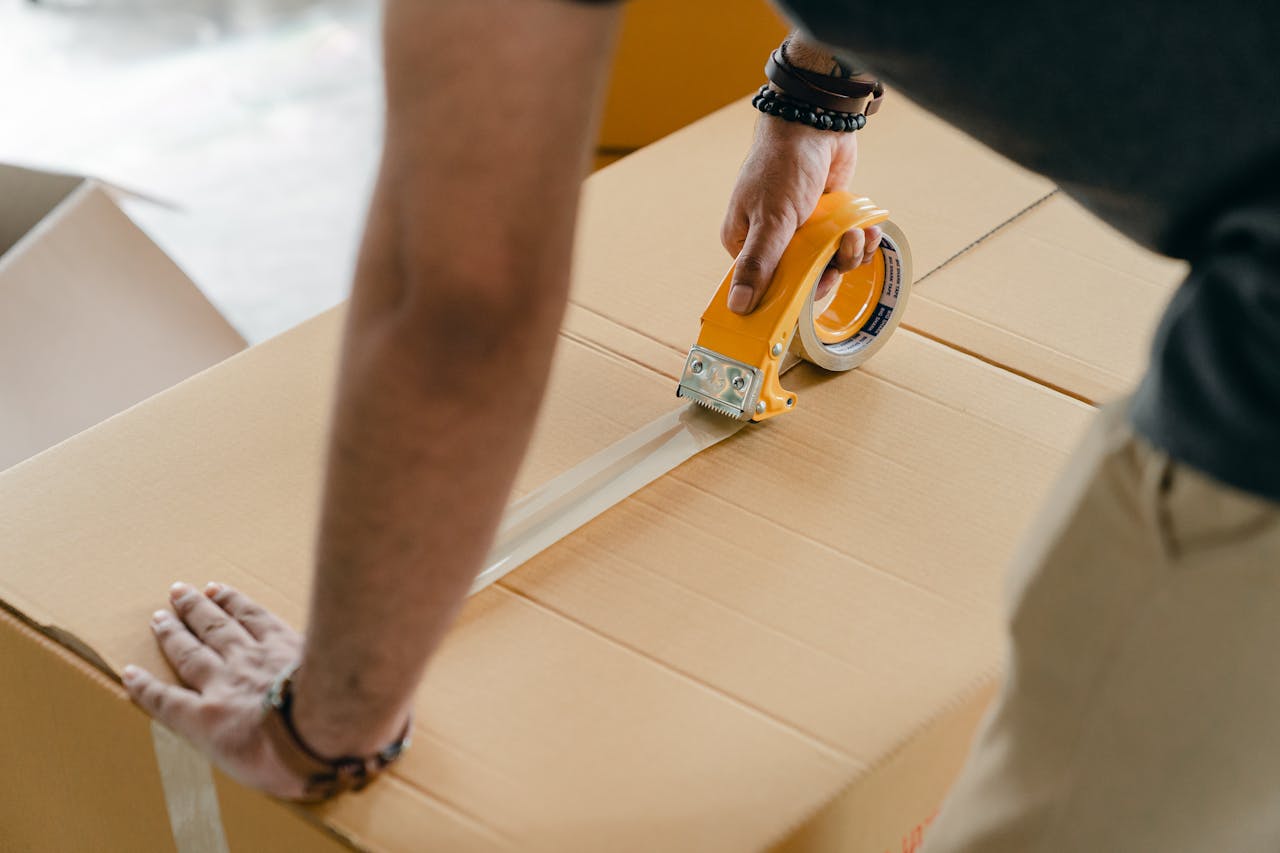
Large shipments traveled across the country marked as fruit extract, shoe polish, or other harmless goods. Inspectors rarely had time to check every crate, and smugglers counted on that gap. Warehouses filled with boxes whose labels hid their true contents, and drivers kept their deliveries steady by acting like nothing inside deserved attention. This simple trick allowed huge quantities of liquor to move without special planning. It worked because calm confidence often drew less suspicion than secrecy, letting alcohol travel more safely than many expected.
Corrupt Officials Created A Shadow System Of Protection

Some officers accepted money to ignore suspicious deliveries or warn about upcoming raids. Their cooperation shaped entire districts, giving certain routes a reputation for unusual safety. Residents could often tell when a protector was involved because business increased and risks dropped noticeably. These arrangements created tension within enforcement ranks, but they persisted because the financial incentive remained strong. Each agreement added another layer to an already complicated landscape, showing how authority could be bent when the public continued seeking what the law tried to remove.
Traveling Entertainers Carried Liquor Between Cities
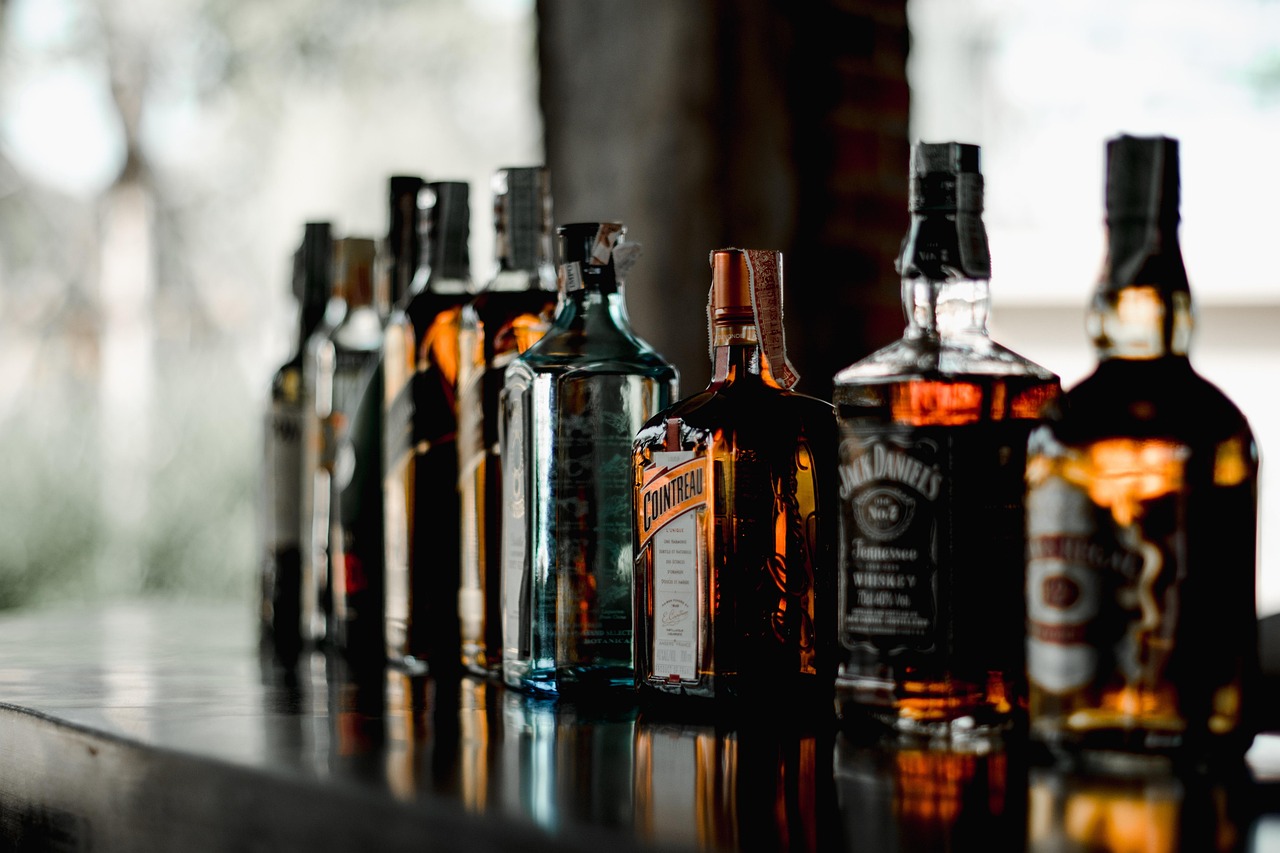
Performers on the road often acted as informal couriers. Their trunks held costumes, instruments, and bottles bought cheaply in one town and sold quietly in the next. Crowds assumed the performers brought only music or comedy, never imagining that a small touring act could transport alcohol across state lines with little scrutiny. The rhythm of constant travel made them ideal carriers who blended into the background. Their role added an unexpected human thread to the hidden economy, driven as much by opportunity as by the desire to keep spirits flowing.