Some museums collect what the world already agrees is valuable. Others chase one odd idea until it becomes a doorway into place, memory, and human quirks. These institutions do not ask visitors to arrive informed. They choose a single subject, then build an entire mood around it, using captions, artifacts, and design to make the familiar feel newly strange. From condiments and canned meat to pencils, noodles, puppets, and heartbreak keepsakes, each stop proves that obsession can be a form of hospitality. Local pride shows up in gift shops, jokes, and meticulous archives, often shaped by volunteers and longtime collectors. In the right room, even the silliest theme turns into culture, craft, and wonder that lingers.
Museum Of Bad Art, Boston
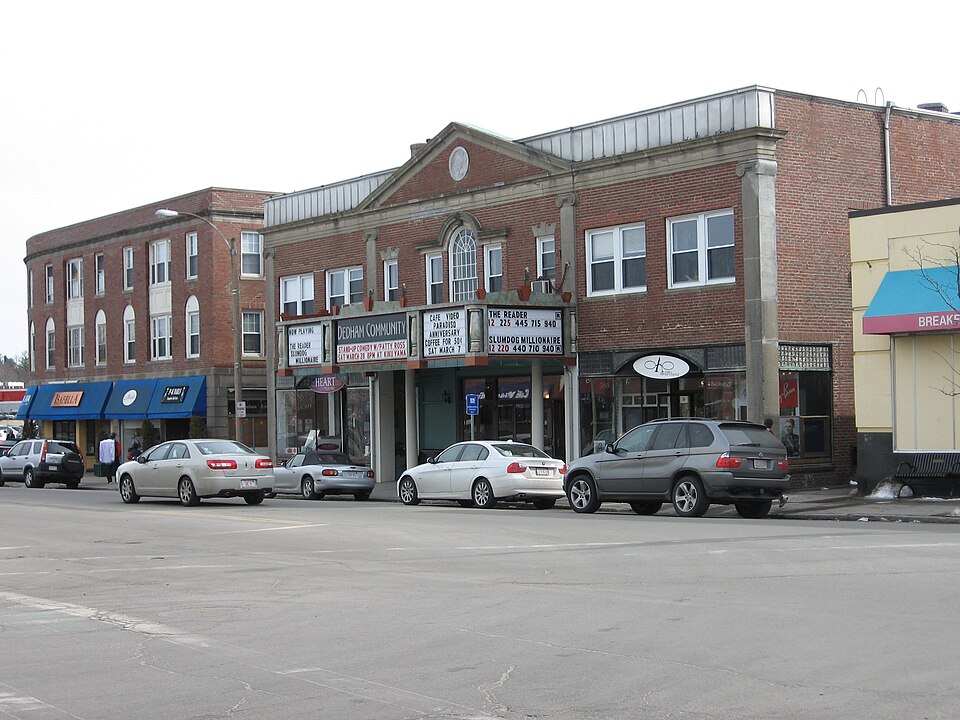
Hidden inside Dorchester Brewing Co. at 1250 Massachusetts Ave, the Museum of Bad Art treats failures like treasures, hanging earnest portraits, doomed seascapes, and brave still lifes rescued from thrift stores and trash piles, with free admission that invites lingering. Curators insist on sincerity, not satire, so the humor comes from ambition colliding with anatomy, light, and perspective, plus captions that explain just enough to make the mystery fun. Because only part of the collection is shown at once, repeat visits feel different, and the quiet message lands: trying matters, even when it goes sideways, especially in public.
National Mustard Museum, Middleton
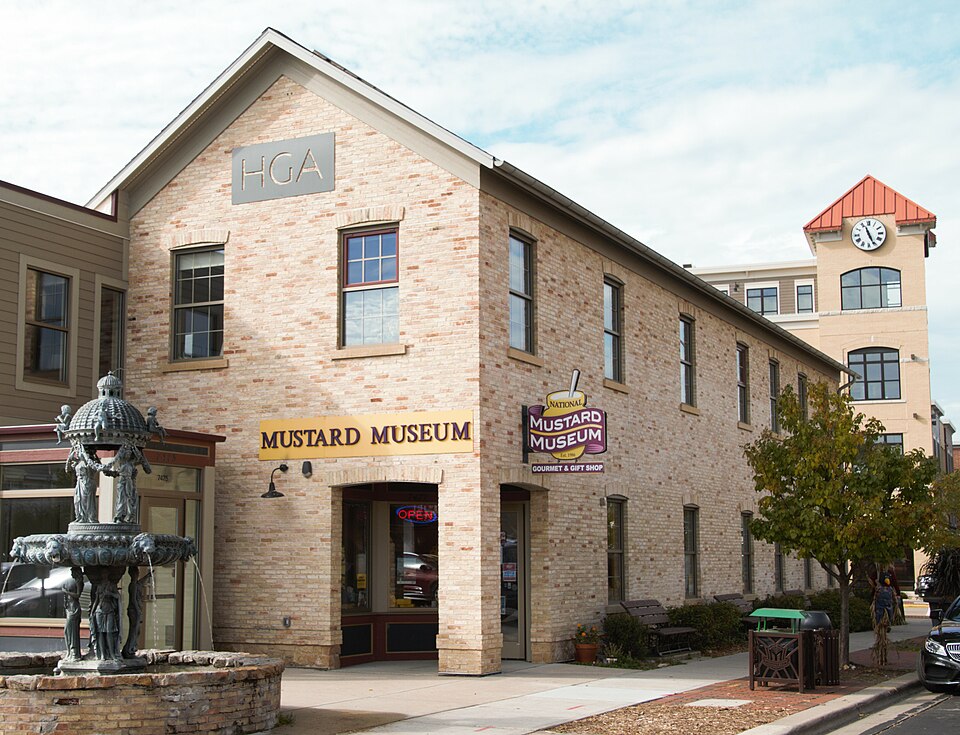
Downtown Middleton, Wisconsin, treats a humble condiment like a world language at the National Mustard Museum, where cases stack thousands of jars beside posters, tins, and oddball mustard memorabilia. Labels read like travel stamps, recipes hint at immigrant kitchens and county fairs, and the tasting bar turns curiosity into a quick lesson in heat, sweetness, and tang, from gentle honey blends to eye-watering horseradish. Admission is free, the mood is playful, and the collection quietly proves how one small jar can carry regional pride, graphic design eras, and decades of everyday ritual at the dinner table, without pretense.
Icelandic Phallological Museum, Reykjavík
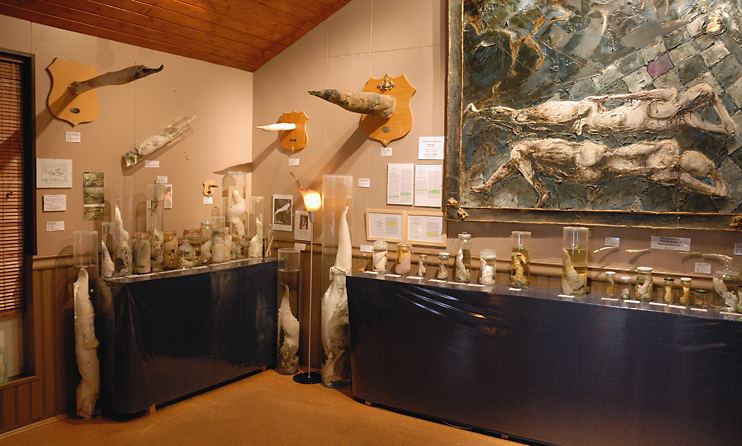
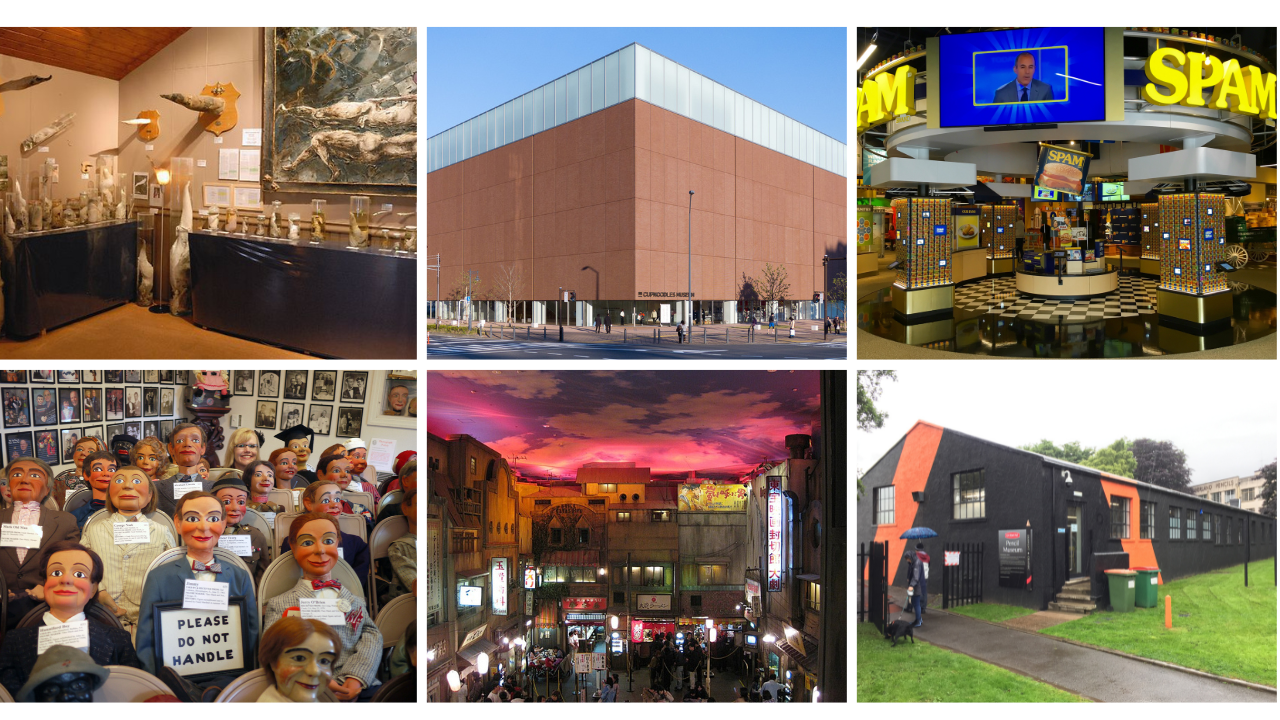
In Reykjavík, the Icelandic Phallological Museum at Hafnartorg, Reykjastræti 4 presents its awkward topic with the calm tone of a natural history cabinet, trading snickers for facts, with a straight face. More than 300 specimens from over 100 mammal species are arranged for close study, from tiny pieces that require magnification to a hefty section of blue whale anatomy that feels almost unreal. Open daily from 10 a.m. to 7 p.m., it blends taxonomy with Icelandic storytelling, so the visit becomes less about shock value and more about curiosity, classification, and how a city chooses to own its strangest museum with confidence.
SPAM Museum, Austin
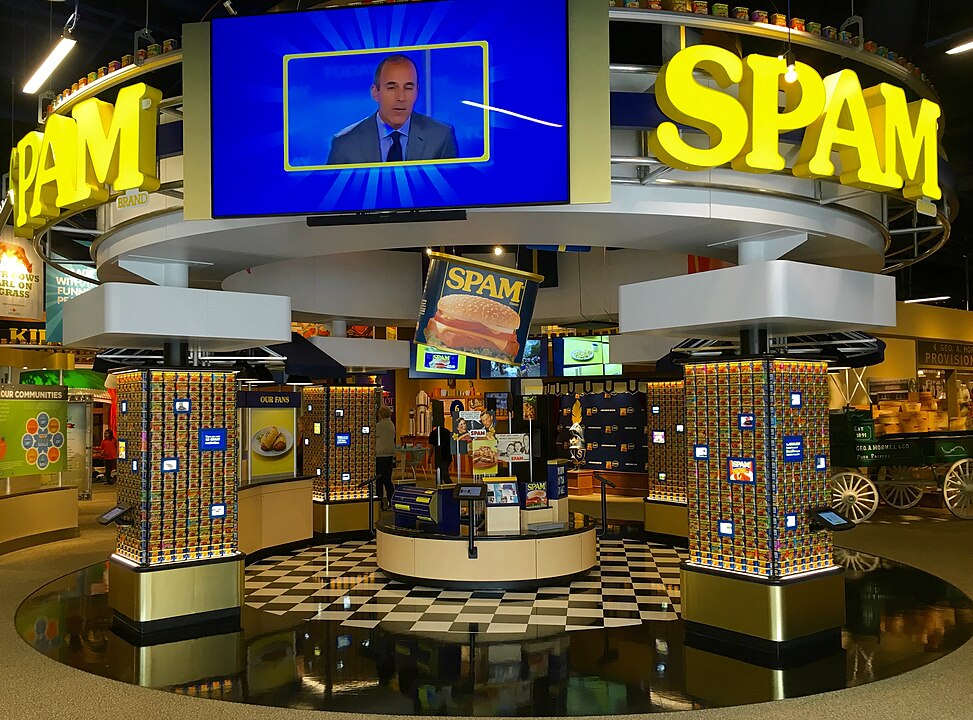
Austin, Minnesota, turns a pantry staple into hometown theater at the SPAM Museum, 101 3rd Ave NE, right downtown, where staffers called SPAMbassadors keep the jokes quick and the history clear. Interactive galleries trace Hormel’s 1937 invention, wartime rations, pop-culture cameos, and the global recipes that helped a canned meat travel far beyond the Midwest, with photo spots and trivia that make nostalgia feel current. Admission is free, hours often run 10 a.m. to 4 p.m., and major holidays can bring closures, yet the tone stays quite warm and oddly proud, proving that one product can become a shared language for a whole town.
CupNoodles Museum Yokohama
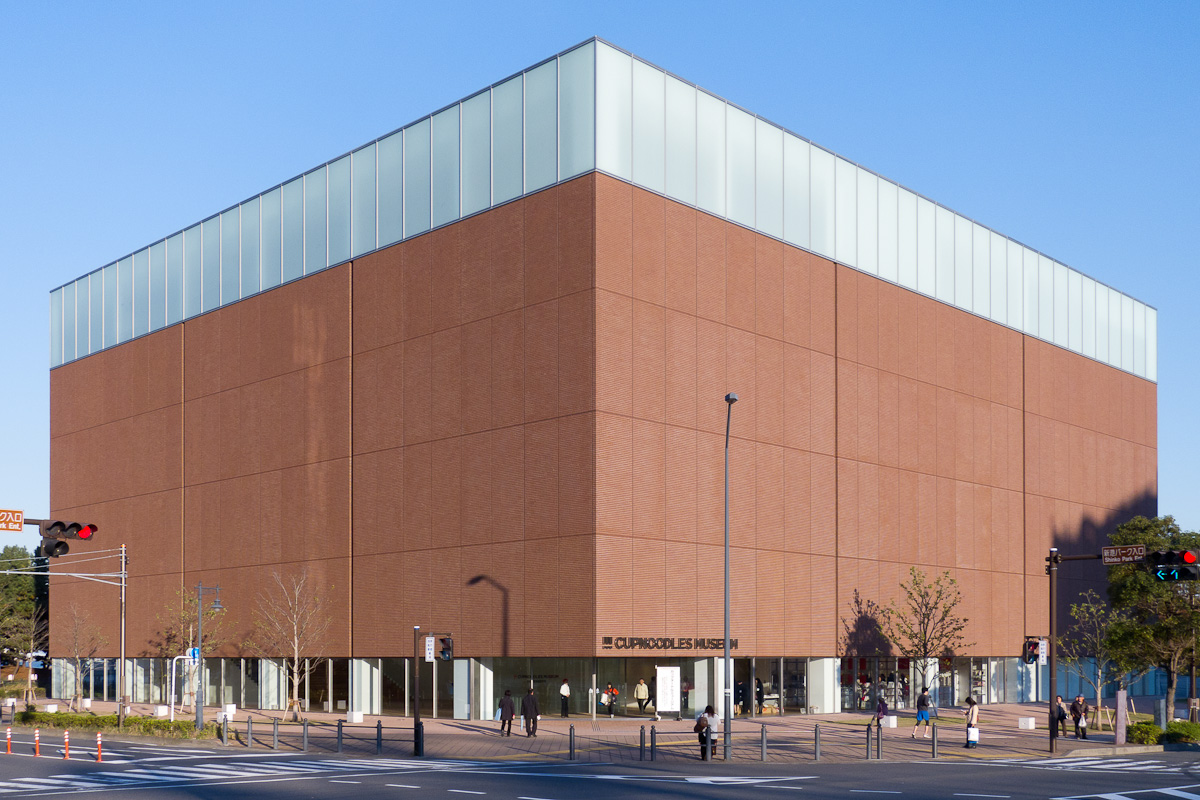
CupNoodles Museum Yokohama treats instant noodles as an invention story, not a punchline, and it does it with bright, almost childlike curiosity built into every room. Exhibits follow Momofuku Ando’s experiments, the rise of packaged convenience, and the way one idea spread into pantries worldwide, then shift into creative stations where visitors design a custom cup, choose toppings, and watch the process up close under a wall of colorful packages. Hours run 10:00 to 18:00 with last entry at 17:00, Tuesday is a regular closure day, and adult admission is 500 yen, keeping the experience as approachable as its subject, even when busy.
Derwent Pencil Museum, Keswick
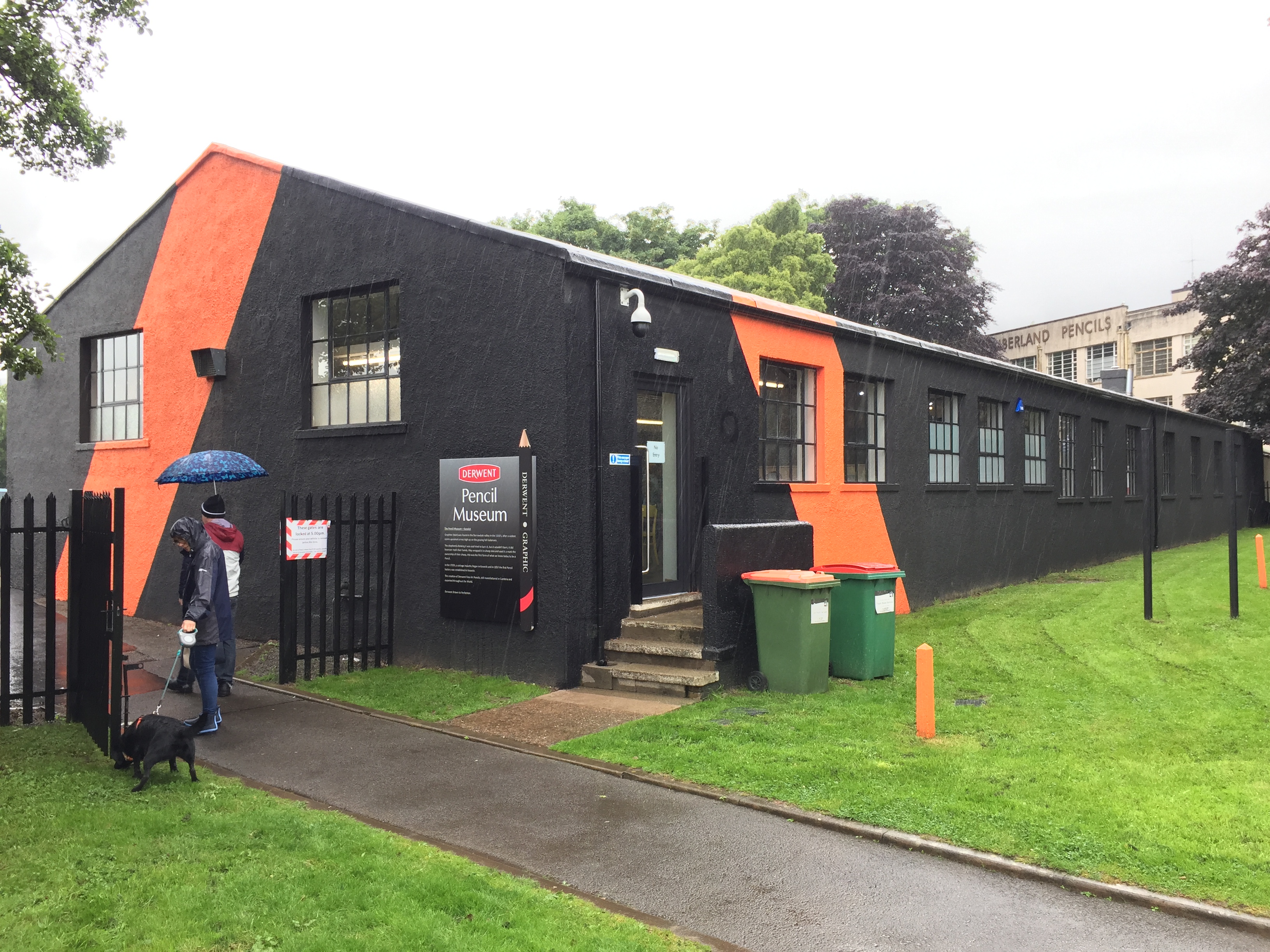
Keswick, England, gives the humble pencil a dramatic stage at the Derwent Pencil Museum at Southey Works, CA12 5NG, tucked beside the Lake District’s outdoorsy bustle. Displays move from local graphite and Cumberland Pencil Company history to manufacturing, art materials, and design curiosities, including a giant yellow pencil that measures 7.91 m and weighs 446.36 kg, plus a replica graphite mine for atmosphere. It stays practical at heart, showing how an everyday tool depends on chemistry, machining, and patient hands, and how a small object can anchor a town’s identity long after the first sketch is finished quietly proud, too.
Vent Haven Museum, Fort Mitchell
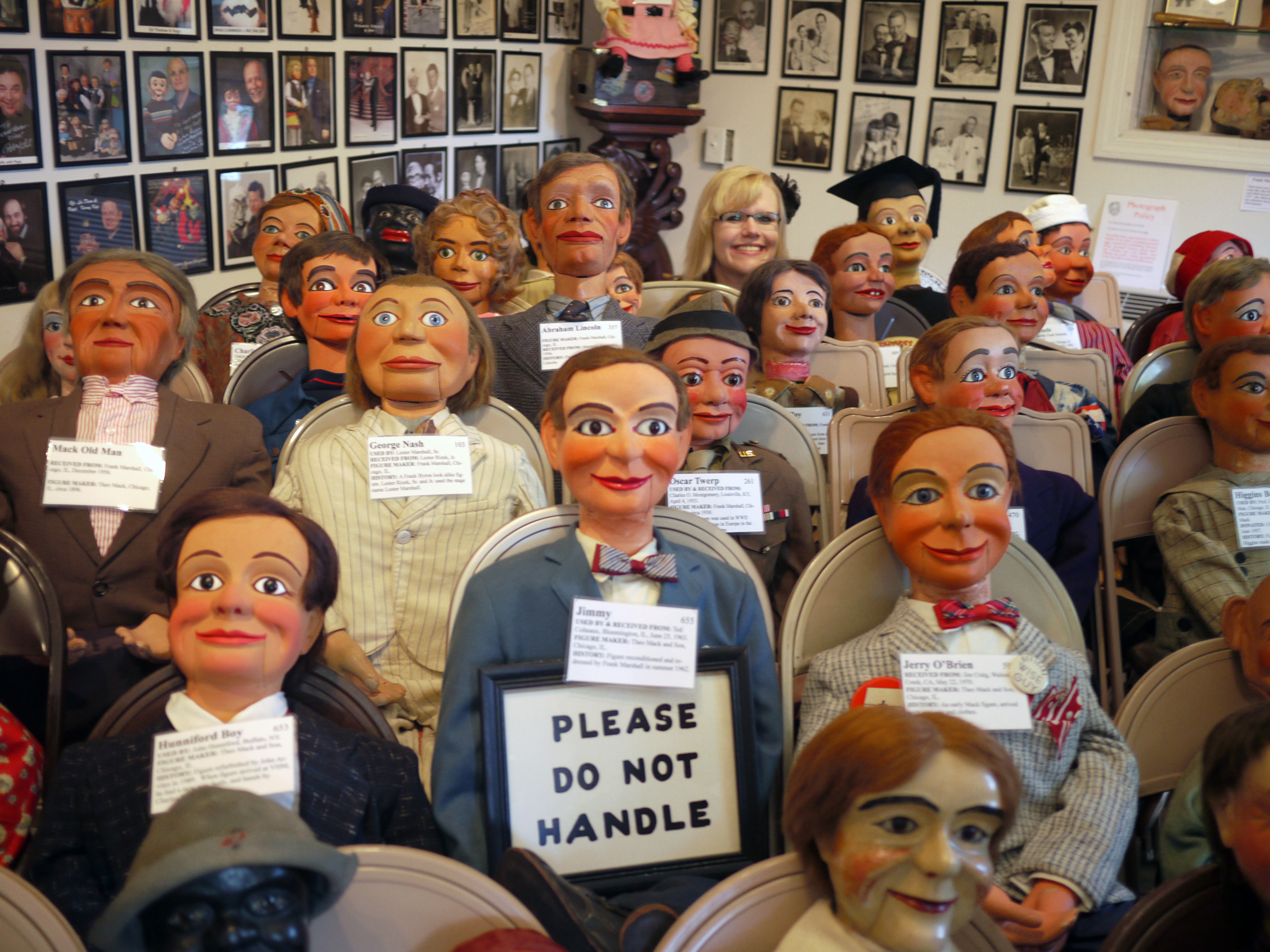
Just south of Cincinnati, Vent Haven Museum in Fort Mitchell, Kentucky, keeps ventriloquism history in a house at 33 W. Maple Ave, more parlor than showroom, and proudly niche. The collection holds 1,000-plus figures and memorabilia, from vaudeville-era characters to modern sidekicks, and the changing carving styles and mechanics reveal how much engineering hides behind a simple moving mouth. Tours are typically seasonal, May through Sept., and often by appointment, which makes the visit feel private, like being let into a backstage tradition where performers, jokes, and props still feel close enough to touch without stage lights.
Museum Of Broken Relationships, Zagreb
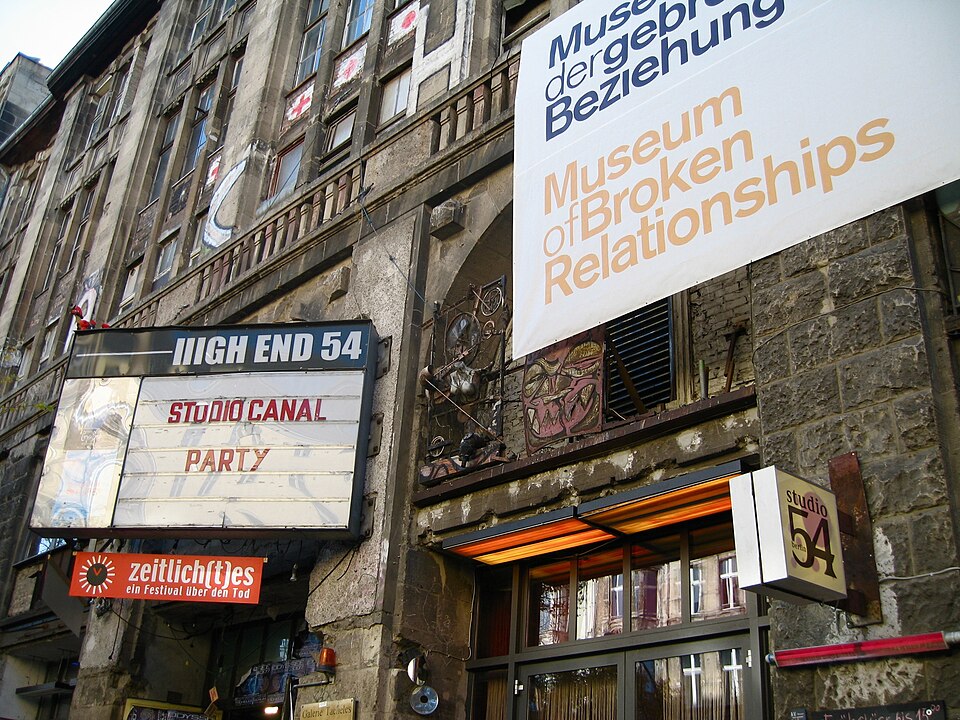
Zagreb’s Museum of Broken Relationships, set in the Upper Town, turns private endings into a public archive, collecting objects that once sat on a shelf, in a drawer, or at the bottom of a suitcase. Each donation comes with an anonymous story, so a cracked mug or old sweater becomes a crisp moment of love, loss, and sometimes relief, told with restraint rather than melodrama, and the mix of voices keeps the rooms moving. The calm design keeps the focus on the words and the things, and the cumulative effect is quietly humane: many visitors leave feeling less alone, and more respectful of how ordinary items can hold an entire chapter.
Shin-Yokohama Ramen Museum, Yokohama
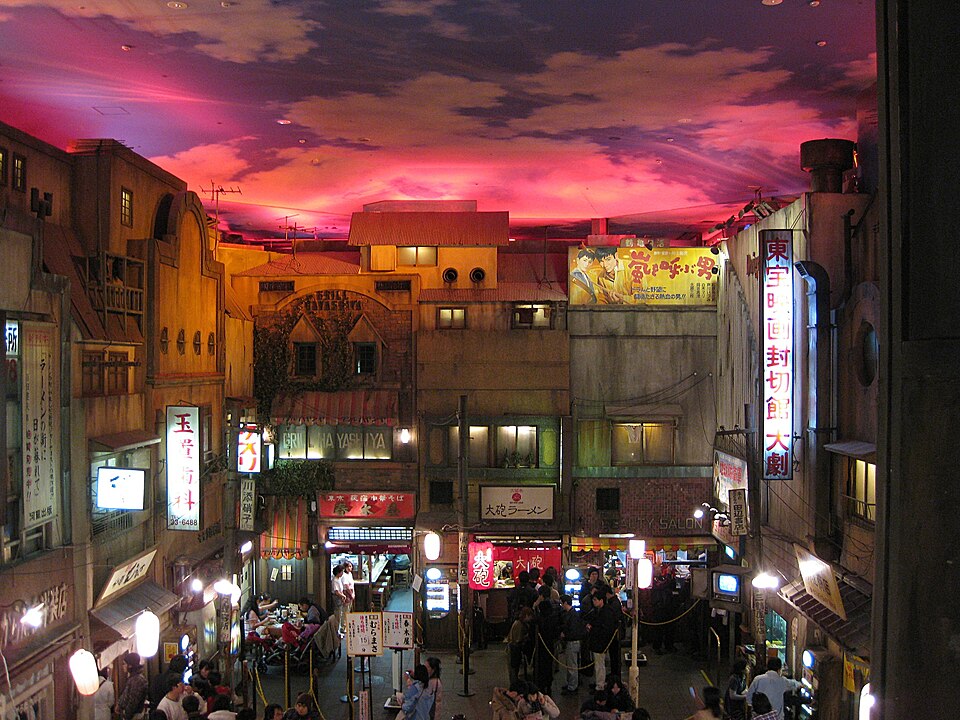
The Shin-Yokohama Ramen Museum treats one bowl like cultural memory, pairing food with time travel under a single roof at 2-14-21 Shin-Yokohama. A recreated 1958 streetscape sets the scene with retro storefronts, tin signs, and warm alley lighting, while exhibits trace ramen’s rise from postwar stalls to national obsession, and rotating shops let the spotlight move from region to region, style to style. Founded on March 6, 1994, and often open from 11:00 to 21:00, it turns tasting into comparison, so even a small bowl carries clues about broth, noodles, and the city pride behind every slurp while staying light, funny, and precise.