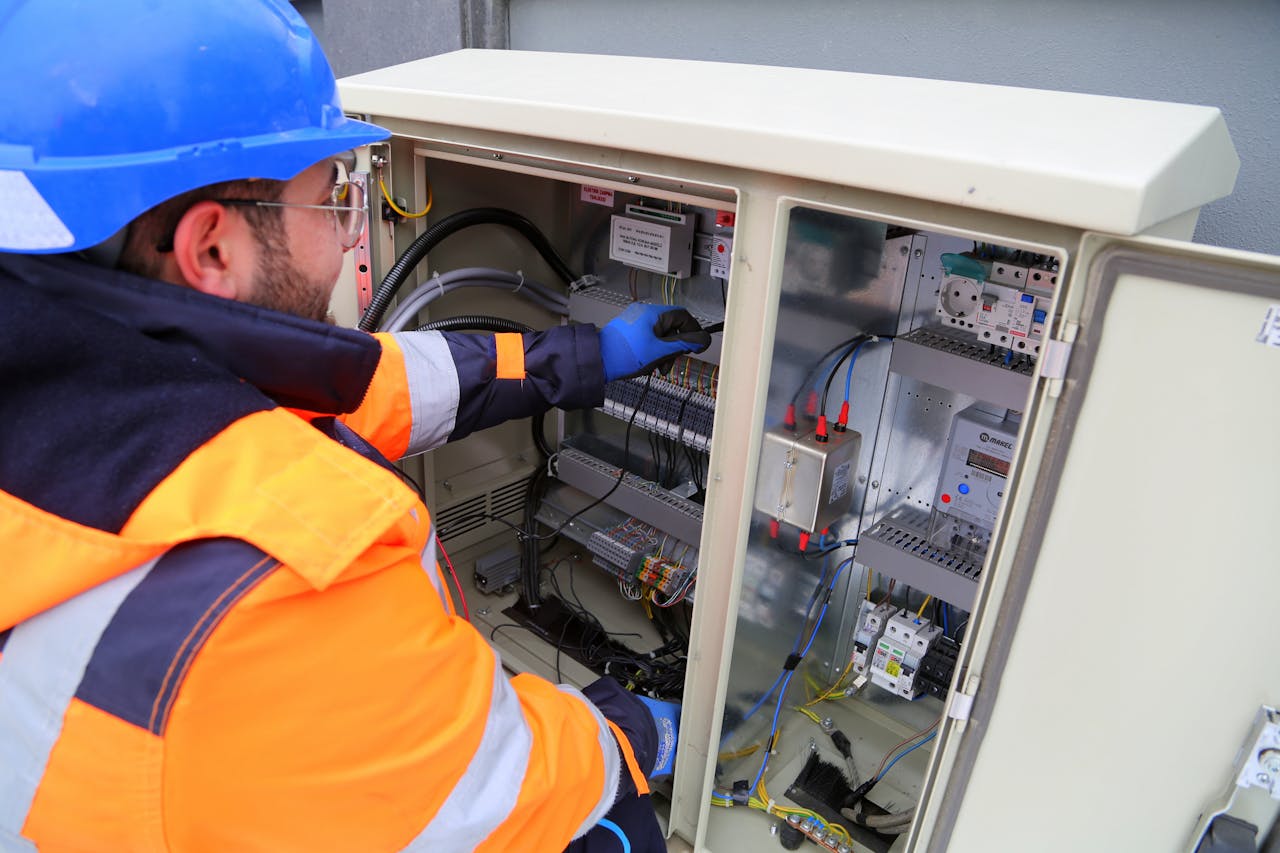
There is real satisfaction in repairing a home without calling anyone, the sense that problems can be met with skill and calm. But certain projects sit on the fault lines of codes, permits, and life-safety systems, where one small oversight can create long, expensive consequences. Electrical loads, gas connections, structural changes, and mechanical systems all demand precision, documentation, and inspections in many places. In those moments, hiring a licensed professional is not about fear or ego. It is about protecting the home’s future, and the people who depend on it.
Service Panel Or Breaker Replacement
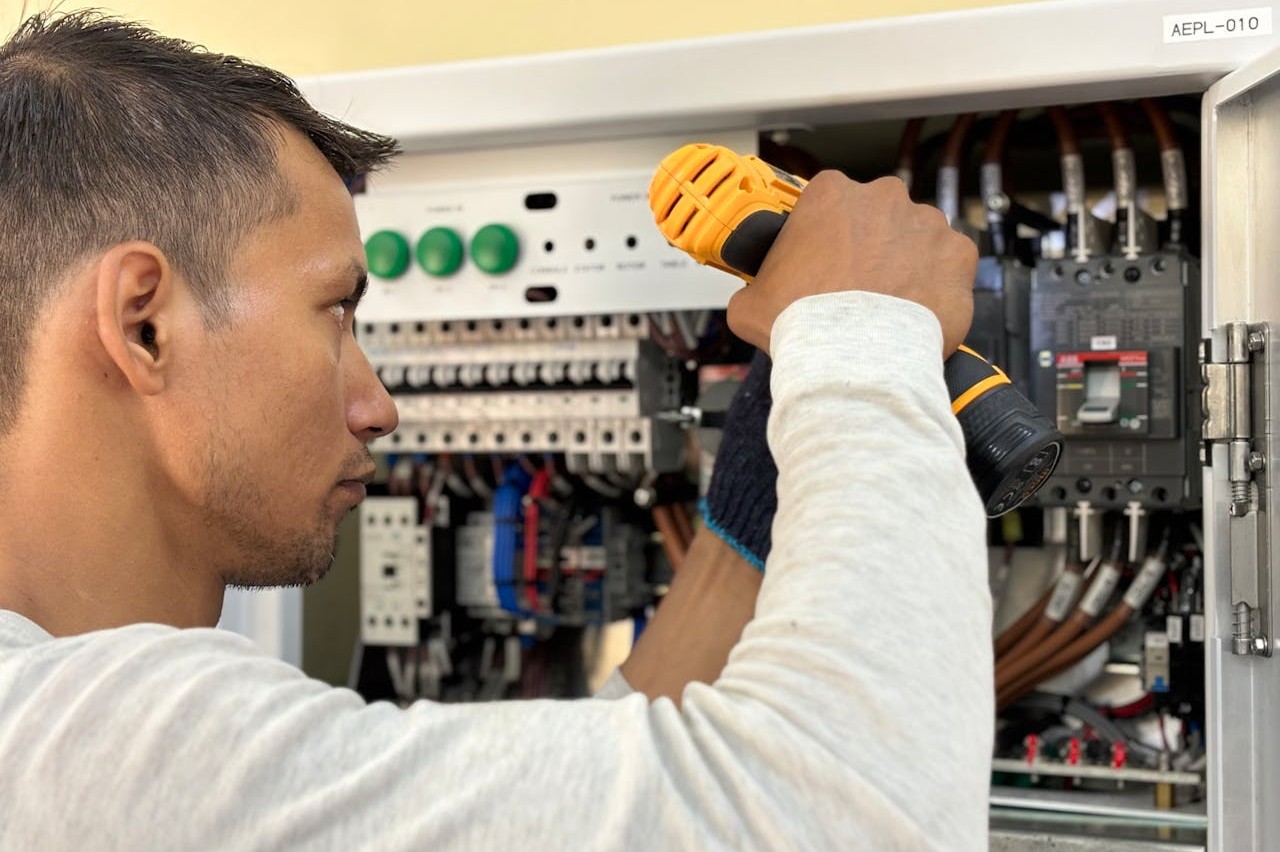
A service panel is where tiny errors turn into big, hidden problems: loose lugs that warm up under load, mismatched breakers, mislabeled circuits, or grounding that is not set up correctly. Permits and licensed electricians are often required because the work touches the home’s highest amperage connections and bonding details inspectors check closely, including neutral handling and electrode connections. A pro confirms conductor sizing, torque values, labeling, and clearances, checks for heat damage and corrosion, and tests that breakers trip properly so the system stays stable during heavy-use hours.
New Circuits And Outlet Additions
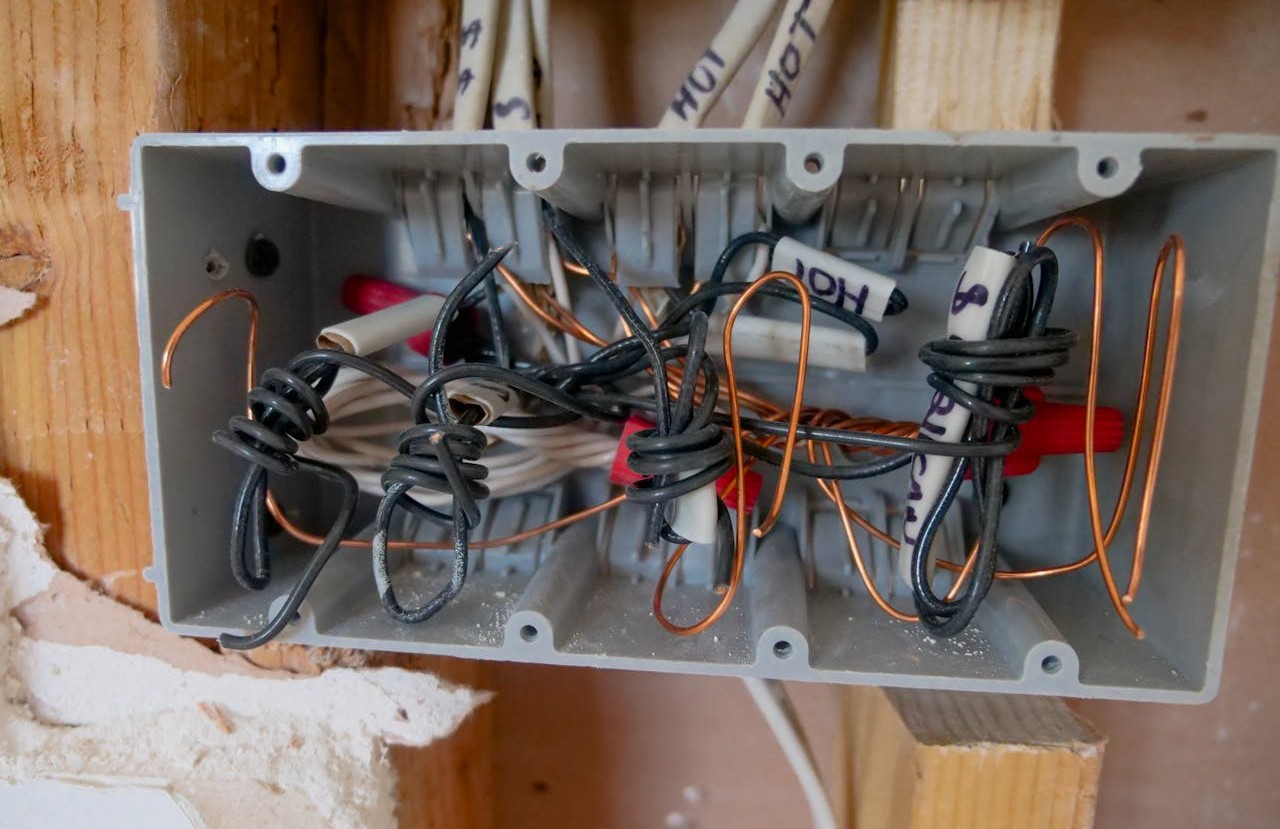
Adding a new outlet can uncover surprises behind the wall: crowded boxes, aging splices, brittle insulation, or wiring types that need special connectors and anti-oxidant compounds. New circuits must match wire gauge to breaker size and use protections like GFCI or AFCI depending on room and local rules, plus correct box fill and staple spacing along the run. A licensed electrician routes cable safely, keeps fasteners and drill holes in the right zones, and verifies polarity, grounding, and load balance with instruments so everyday use stays steady, and permits close without rewiring later on.
Generator Or Transfer Switch Installation
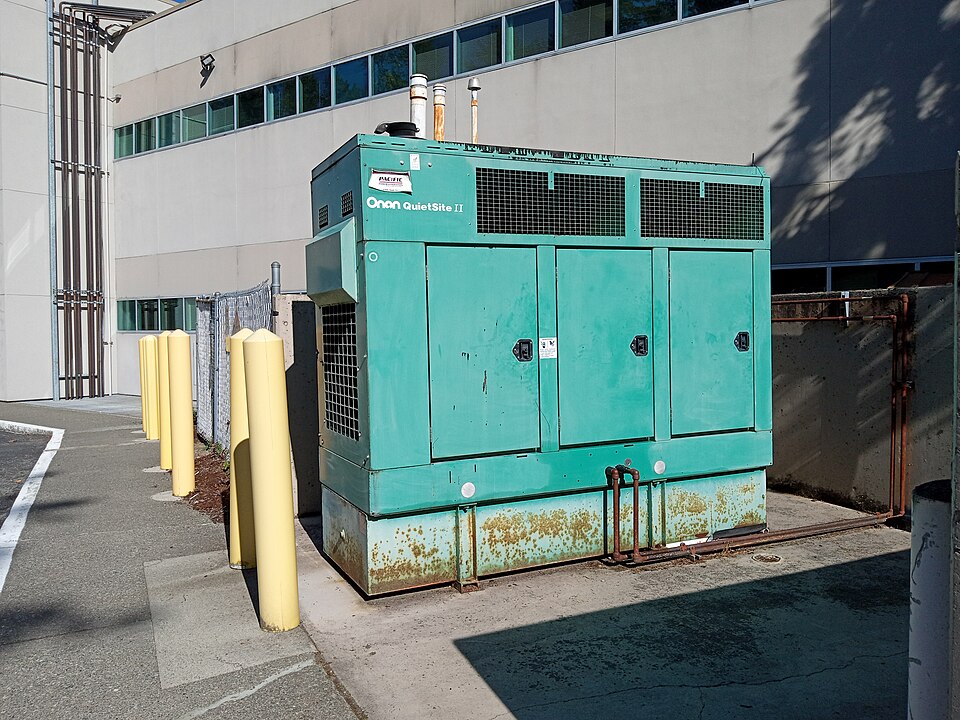
A standby generator feels simple until switching is done wrong and power flows where it should not, creating confusing behavior during an outage and serious liability for the property owner. Transfer switches and interlocks must be sized, wired, and labeled to code, with correct neutral handling, bonding, and load planning to avoid nuisance trips, overheated conductors, and stressed electronics. Licensed electricians coordinate permits and utility requirements, verify grounding electrode connections, and run test starts under load so essential circuits behave predictably and the setup is ready for inspection.
Gas Line Extensions And Appliance Hookups
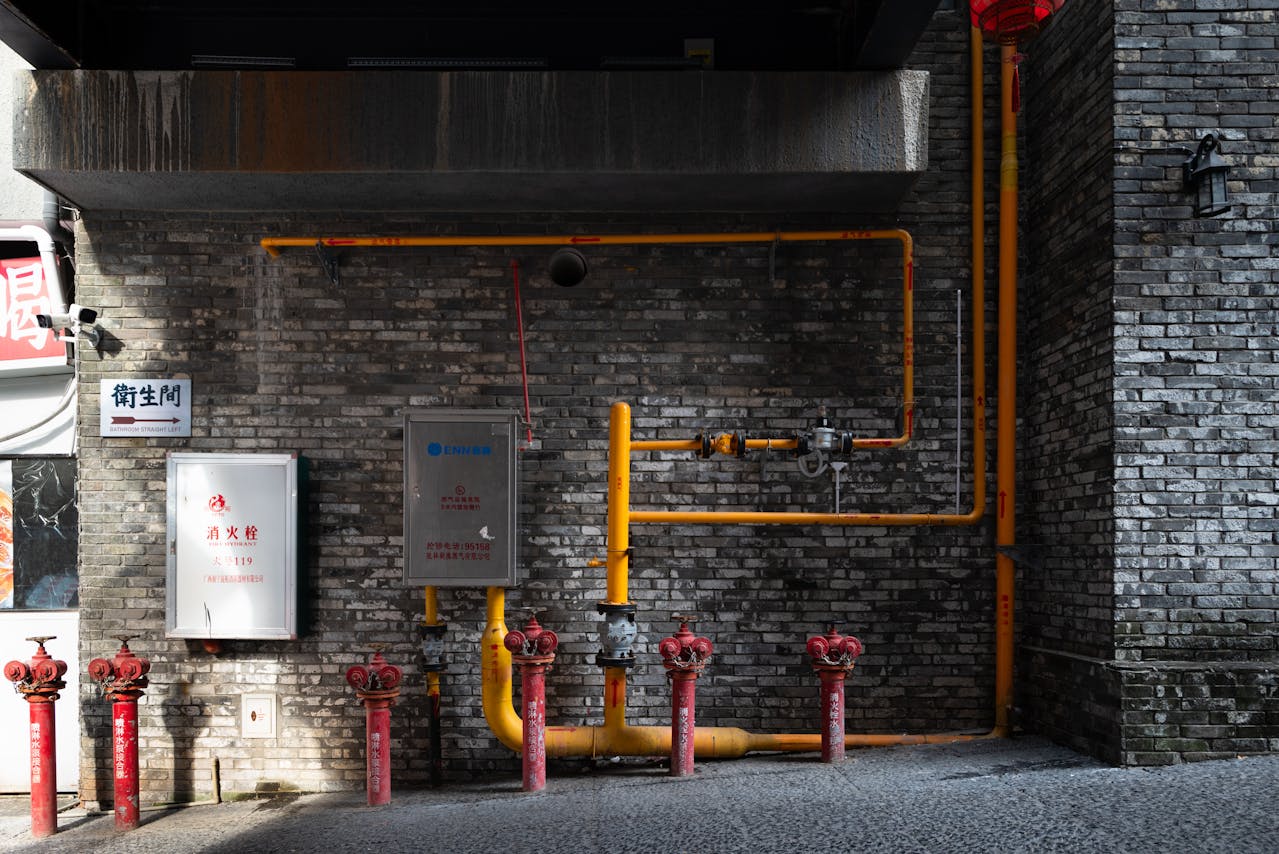
Gas piping looks forgiving, but a joint that is slightly off can leave lingering odors, unstable flames, and appliances that underperform while wasting fuel. Many areas require licensed gas fitters or plumbers for new runs, shutoff valves, pressure tests, and fittings such as sediment traps, and inspectors often look for correct materials, supports, and accessible shutoffs. A pro sizes the line for BTU demand, checks regulators, confirms venting and combustion air, and documents test results so the system runs efficiently, passes inspection, and stays consistent through seasonal temperature swings.
Water Heater Replacement Or Conversion
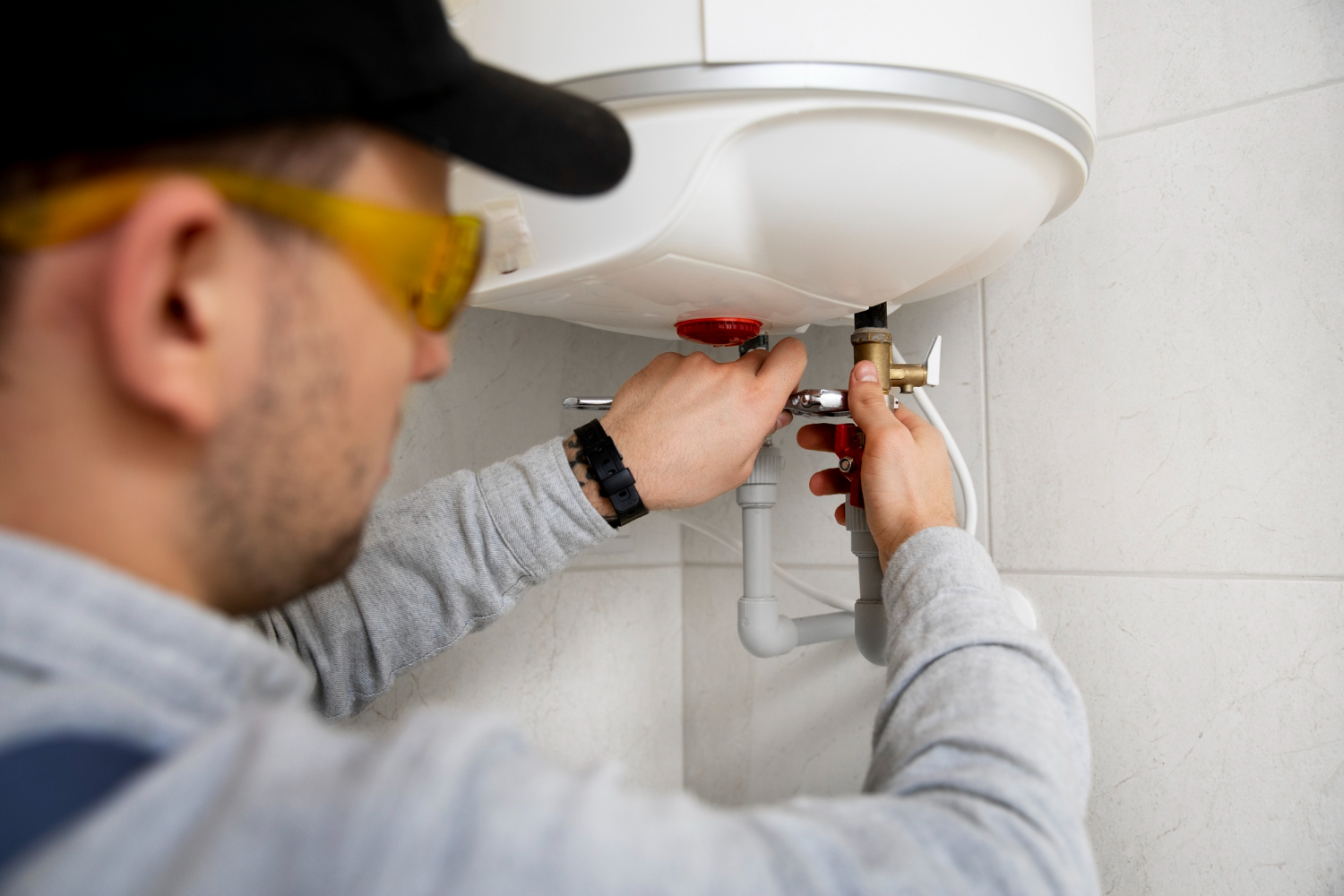
Water heaters combine fuel or high voltage power with pressurized hot water, so the details matter more than most DIY videos admit, especially around relief valves and venting. Codes often require seismic strapping, proper relief valve discharge piping, drain pans, expansion tanks, and permits that trigger inspections, along with dielectric fittings and safe shutoff access. Licensed plumbers or electricians set correct connections, confirm venting and draft where needed, flush and test controls, and tune settings for comfort so leaks, nuisance shutoffs, and warranty issues are less likely over time.
Sewer Main Repairs And Backflow Devices
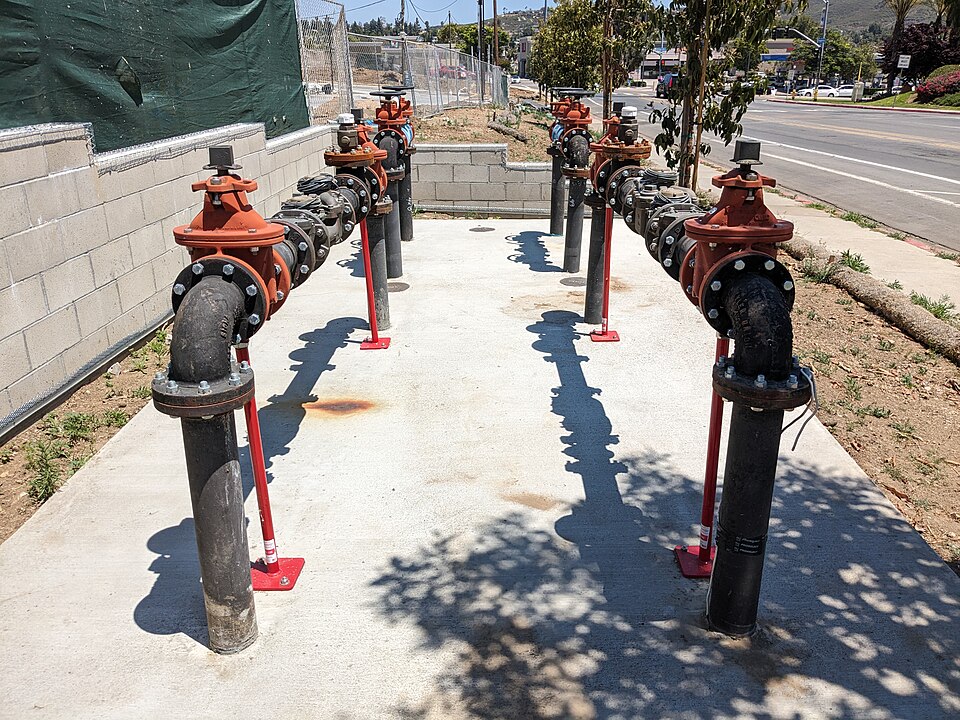
Sewer repairs and backflow prevention sit under strict rules because mistakes can foul indoor spaces and compromise water quality, and cleanup can ripple into floors, drywall, and foundations. Finding the real issue often takes camera scoping, locating gear, and excavation planning that avoids other buried lines, tree roots, and property setbacks, plus careful restoration of grading and drainage afterward. Licensed plumbers handle permits, choose the right repair method, and install certified backflow devices that must be tested and documented, leaving a paper trail that keeps a home compliant and a drainage system dependable.
Structural Wall Removal And Beam Sizing
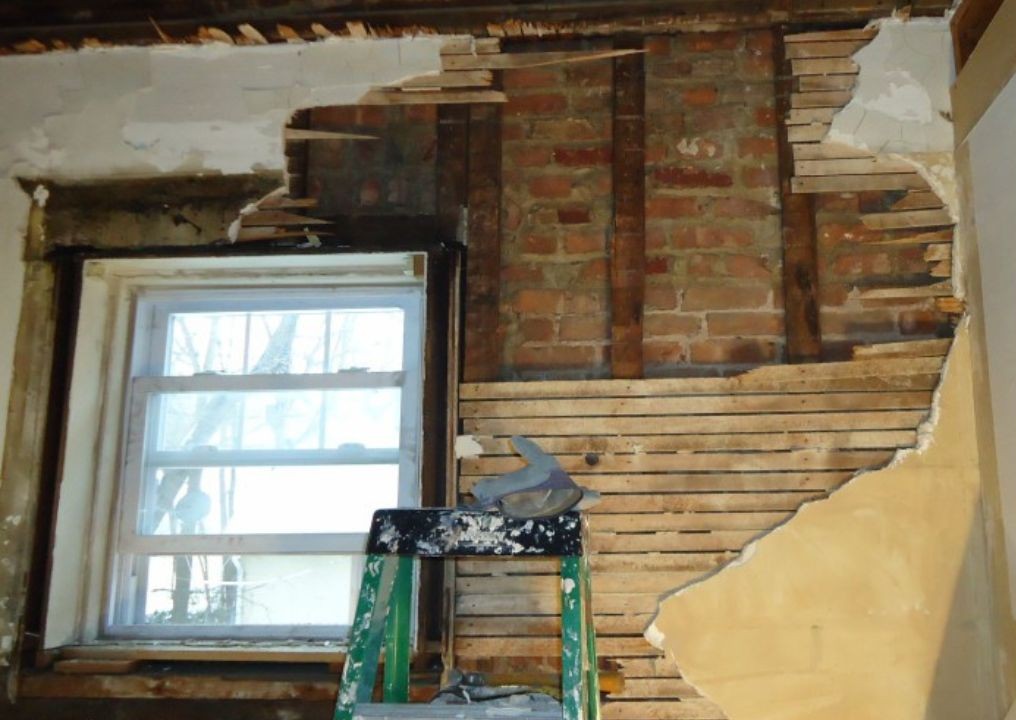
Removing a wall can change how weight moves through a house, and the impact may not show up until floors dip, tile cracks, or doors start sticking months later. Load bearing guesses are not a plan, and permits often require engineered drawings, specified hardware, and inspected framing details, especially when posts land over beams, joists, or new footings. A structural engineer and licensed contractor calculate spans, specify the beam, posts, connectors, and footings, then coordinate inspections so the home stays level, quiet, and easy to insure, with records that protect value during a sale.
Roofing Overhauls And Flashing Systems

A roof is a layered water control system, not just shingles, and the weak spots are usually where materials meet, like edges, penetrations, and valleys. DIY fixes often fail at chimneys, vents, skylights, and transitions where flashing, underlayment laps, and ventilation details decide whether moisture stays out, insulation stays dry, and framing avoids rot. Licensed roofers follow manufacturer specs, local wind ratings, and safety rules, then integrate flashing correctly, verify intake and exhaust ventilation, and document the work, which helps with warranties and reduces repeat leaks after storms.
Major Plumbing Re-Pipes And Hidden Leaks
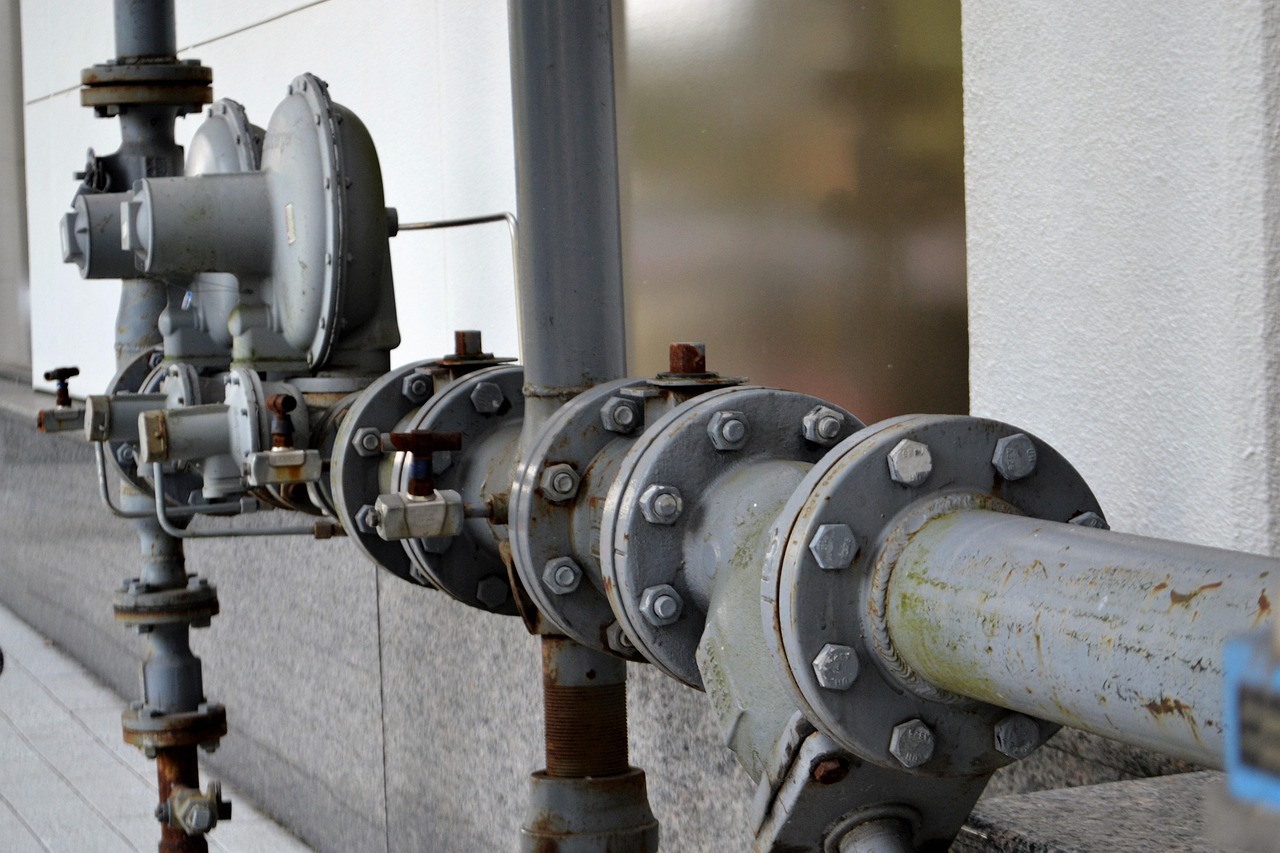
Repiping seems straightforward until old shutoffs crumble, pressures vary, and joints end up hidden behind tile or ceilings, where a slow leak can go unnoticed for weeks. Material choices and layouts must meet local code, allow for expansion, and keep valves accessible for future repairs and emergencies, including proper supports, fire-stopping at penetrations, and correct transitions at fixtures. Licensed plumbers pressure test lines, protect penetrations, and label shutoffs while documenting routes and fittings, cutting down the chance a drip becomes a costly restoration, especially in finished spaces where damage spreads quietly.
HVAC Refrigerant Work And System Swaps

Air conditioning repairs become regulated work when refrigerant is involved, and careless handling can shorten equipment life, raise bills, and leave a home sticky and uneven. Full replacements also demand correct sizing, airflow checks, condensate routing, duct evaluation, and electrical coordination, not just swapping boxes outside or reusing tired linesets. Licensed HVAC pros handle refrigerant legally, measure static pressure and airflow, verify charge with instruments, and commission the system so temperatures hold steady, humidity stays controlled, and service records support warranties.