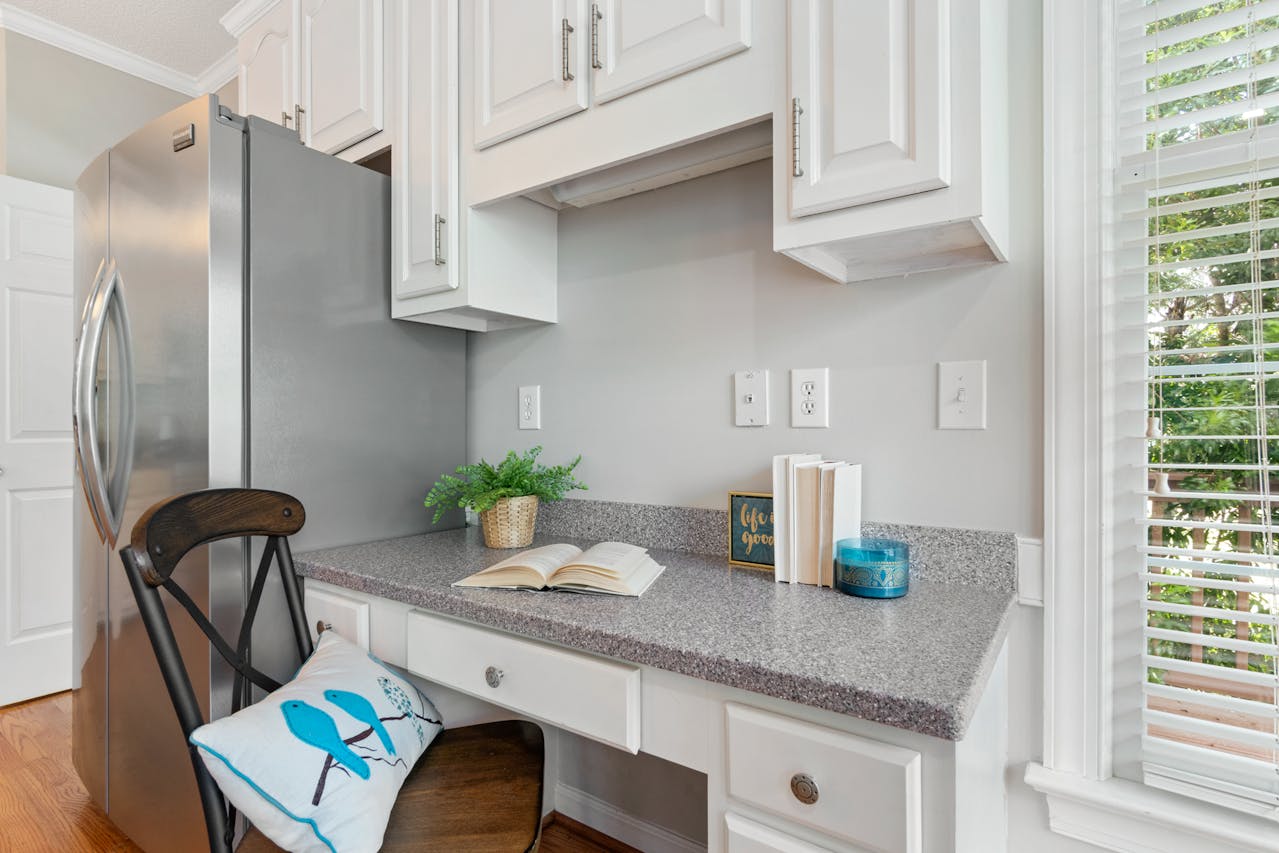
Kitchen upgrades feel like a safe bet because the room is photographed, toured, and judged early. Still, resale value has less to do with taste than with how many buyers can live with the choices. An upgrade can backfire when it creates maintenance anxiety, reduces storage, or locks the space into a narrow style era. Local norms matter: what feels luxe in a downtown condo can feel fussy in a family suburb, and vice versa. The strongest kitchens read as clean, durable, and flexible, with finishes that age slowly and repair easily. When a remodel leans too hard into trends, buyers start doing math instead of daydreaming.
Statement Backsplash That Dominates the Room
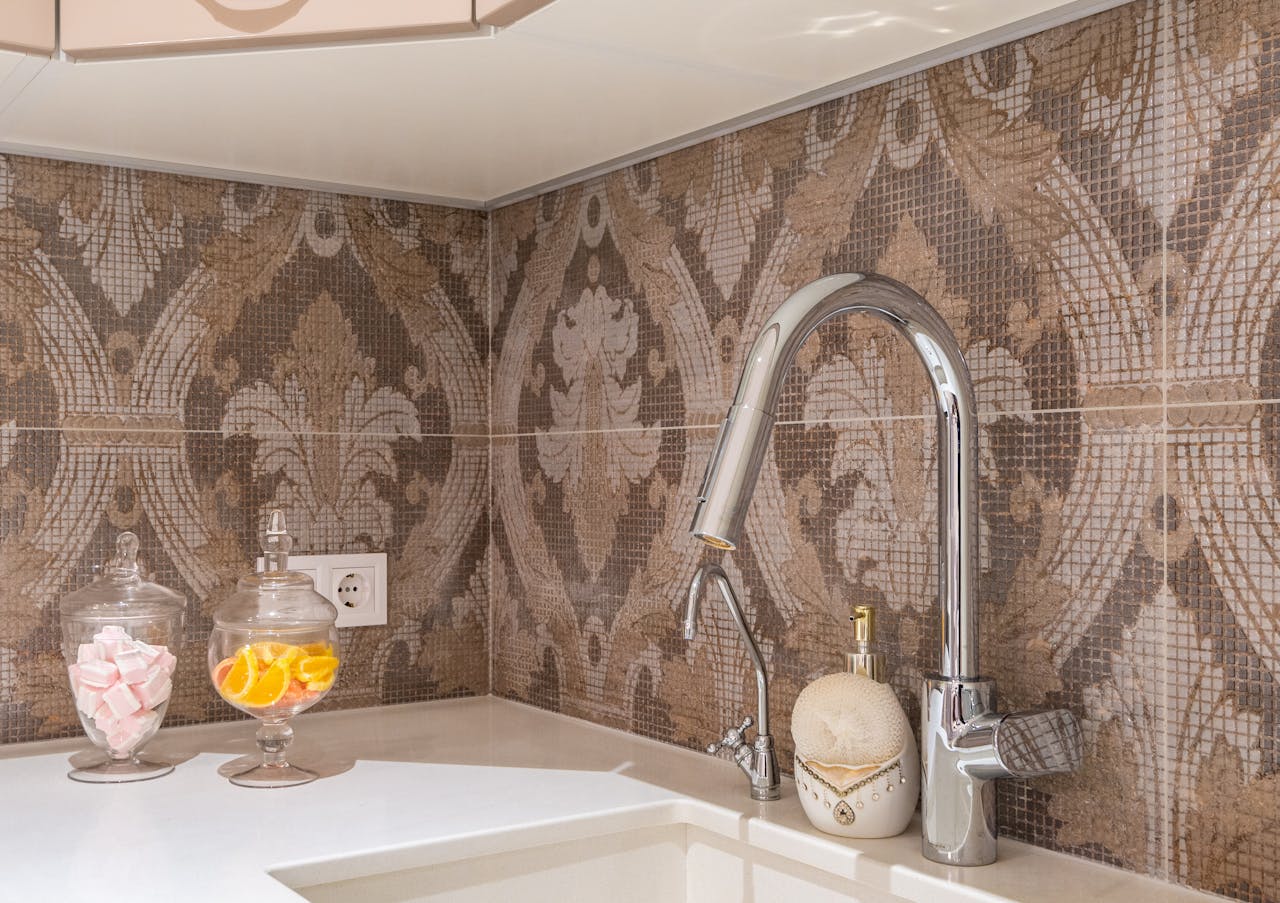
An intricate mosaic, neon glass, or high-contrast pattern can turn the kitchen into a strong opinion, especially when it fights the cabinet undertone, the countertop veining, and the flooring stain at once. Even shoppers who respect the craftsmanship often price in careful demolition, grout dust that spreads through the house, drywall repair, and the hunt for a calmer replacement that will not cheapen the room under task lighting. Because the backsplash sits at eye level and repeats in every listing photo, an overly specific design can date the entire kitchen fast, narrowing the buyer pool to people who already love the exact look.
Ultra-High-End Appliances in a Midrange Home
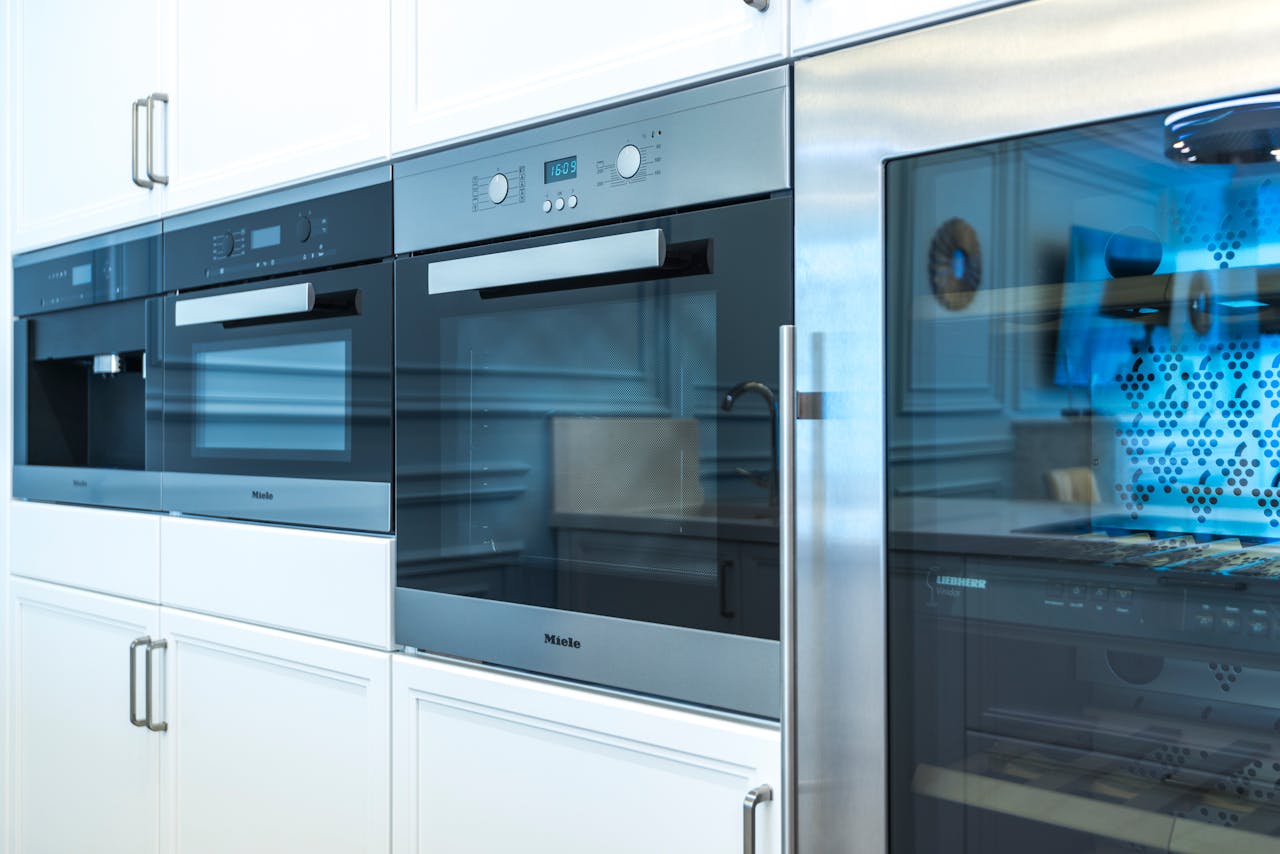
Premium ranges, built-in coffee systems, and panel-ready fridges can look impressive, but in a midrange home they may read as misplaced spending, since comparable sales rarely pay extra for a standout package. Buyers also worry about expensive repairs, specialized parts, and the ripple effects of installation, like new circuits, a larger gas line, stronger venting, or cabinets altered to fit one model’s dimensions. When the appliance suite outpaces the floors, counters, and overall condition, appraisers may still peg the home to neighborhood comps, and sellers end up defending the cost in negotiations instead of collecting it.
Open Shelving Replacing Upper Cabinets
Open shelves promise an airy, styled look, but they trade away hidden storage that forgives clutter on busy days, and that trade shows up fast once the kitchen is actually used. Prospective buyers picture dust, grease film, and the daily pressure to keep every mug, spice jar, and snack container camera-ready, especially in homes with kids, pets, or heavy cooking. When upper cabinets are removed entirely, the room loses adjustable shelving, door-mounted storage, and the ability to hide mismatched dishware, so the kitchen can feel smaller, and many shoppers budget for new cabinetry to bring back function and calm before moving in.
Custom Cabinet Colors With Strong Personality
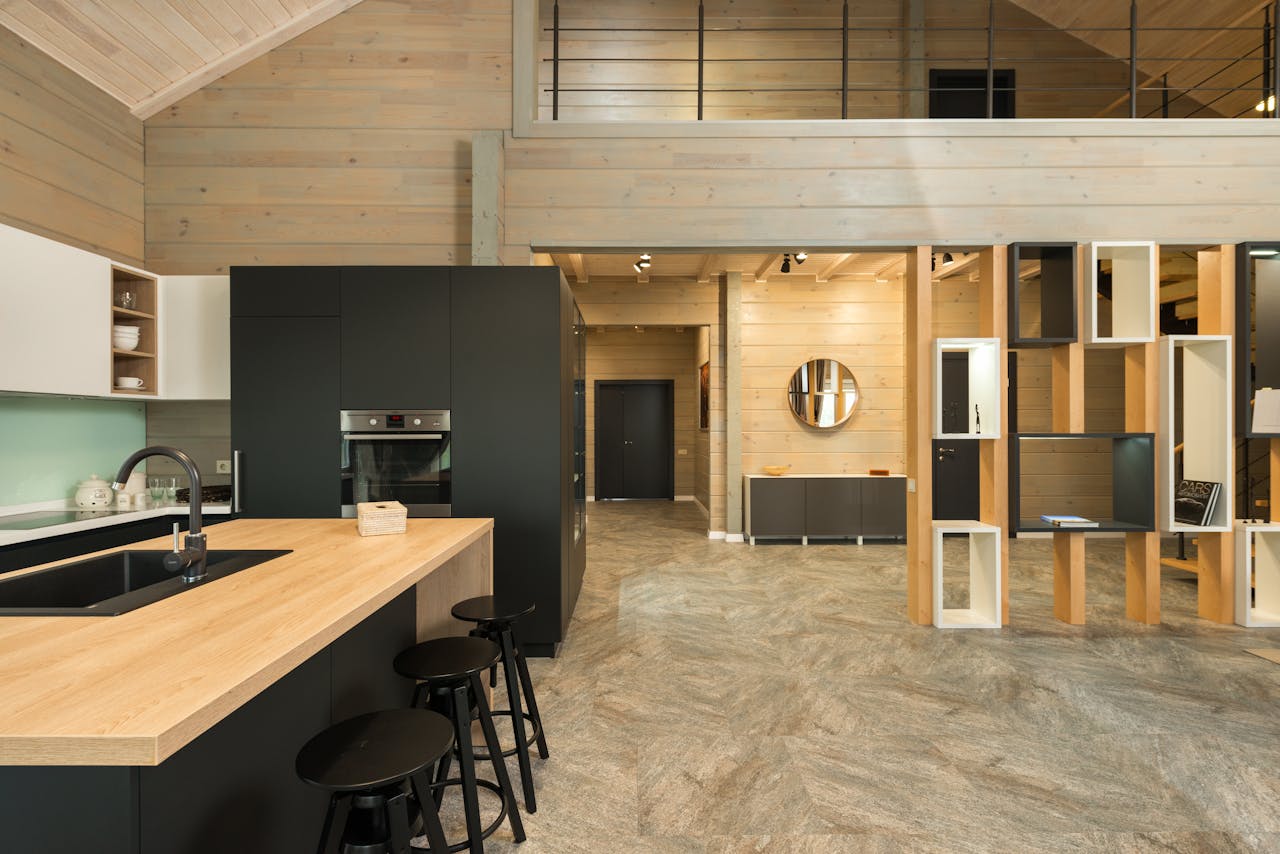
Deep emerald, matte black, blush, or bold two-tone cabinets can feel editorial, but cabinets cover so much surface that one color choice steers the mood of the entire home, and undertones can shift wildly between daylight and warm bulbs. Buyers who do not share the taste often see repainting as a slow, expensive reset, especially with detailed doors, open grain, and sprayed finishes that chip near pulls and corners and are hard to touch up invisibly. If the color also clashes with warm floors or busy stone, the kitchen can read as a styling project, and cautious shoppers discount offers to cover the time, prep work, and disruption.
Removing a Pantry to Add a Coffee Bar

A built-in coffee nook can look charming in photos, but trading away a pantry is a deal that rarely lands well at resale, especially in homes without a separate utility closet. Storage is one of the first things buyers audit, and a shallow bar setup cannot replace space for cereal boxes, lunch supplies, paper goods, small appliances, and the bulky items that most people prefer to keep hidden. Once the novelty fades, the niche can feel like a monument to one routine, and staging becomes harder because clutter has nowhere to go, so buyers start pricing new cabinets or a reach-in pantry to restore everyday practicality again.
Butcher Block on Every Counter Surface

Butcher block brings warmth, but wrapping an entire kitchen in wood counters can raise questions about upkeep the moment a buyer notices a sink cutout, a seam near the cooktop, or darkened spots around the faucet, especially in humid regions. Wood needs regular sealing, can swell or stain with standing water, and shows burn marks and knife scars in a way that reads as wear, not charm, to risk-averse shoppers. Even when the surface has been maintained, buyers may worry about hidden moisture and sanitation, and they often price the future switch to stone or quartz, plus new sink and plumbing work, into the offer from day one.
Pot Filler Faucet Added Above the Range
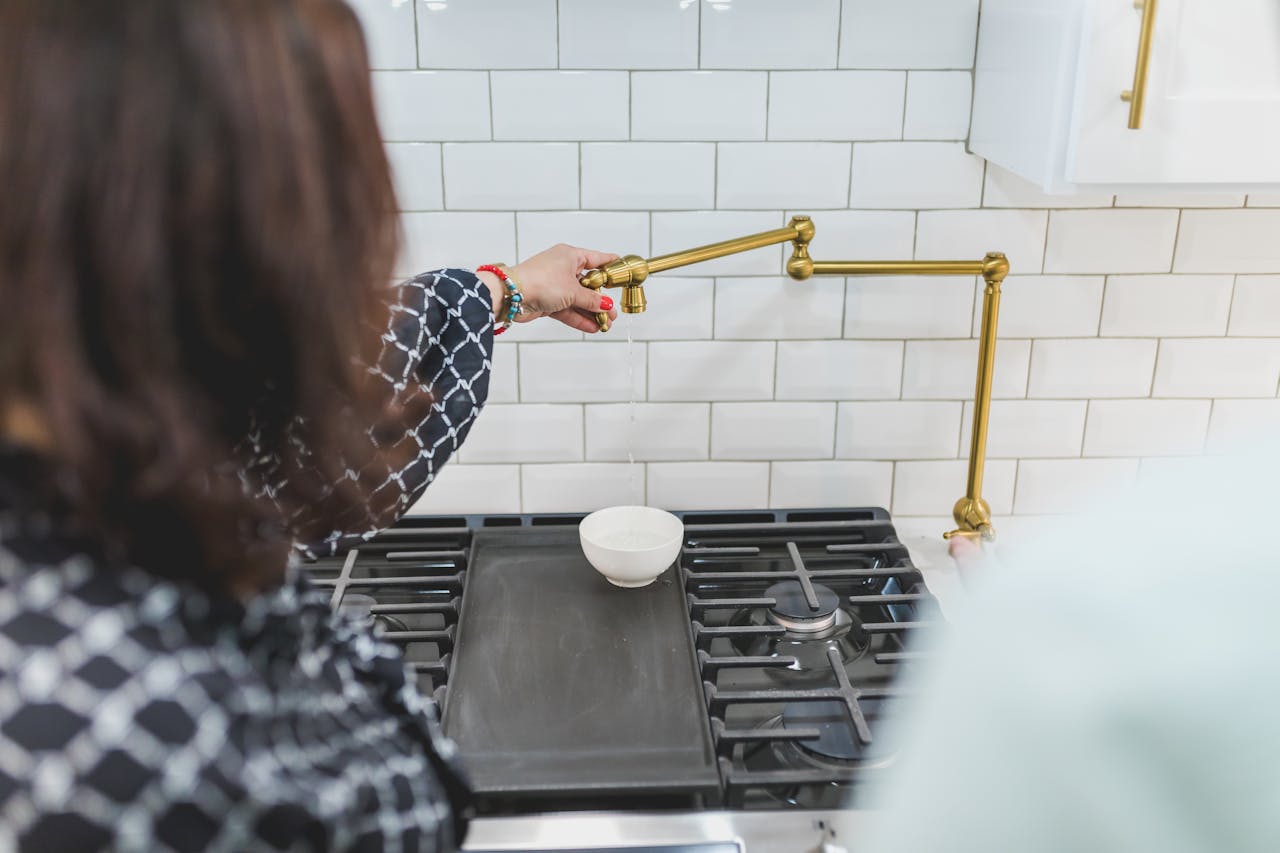
A pot filler sounds luxurious, but it adds a water connection in a spot where leaks can be expensive and easy to miss, tucked behind a hot range and a splatter-prone wall. If the line was routed through tricky framing, borrowed from nearby plumbing, or installed without perfect sealing, buyers may worry about freezing, code issues, and slow moisture damage that swells cabinets or stains drywall. Because it solves a small inconvenience yet adds another valve, penetration, and maintenance point, the feature can read as risk, and some buyers assume a future patch job behind the backsplash if it ever needs removal and repainting.
Chasing Open Concept at the Expense of Storage
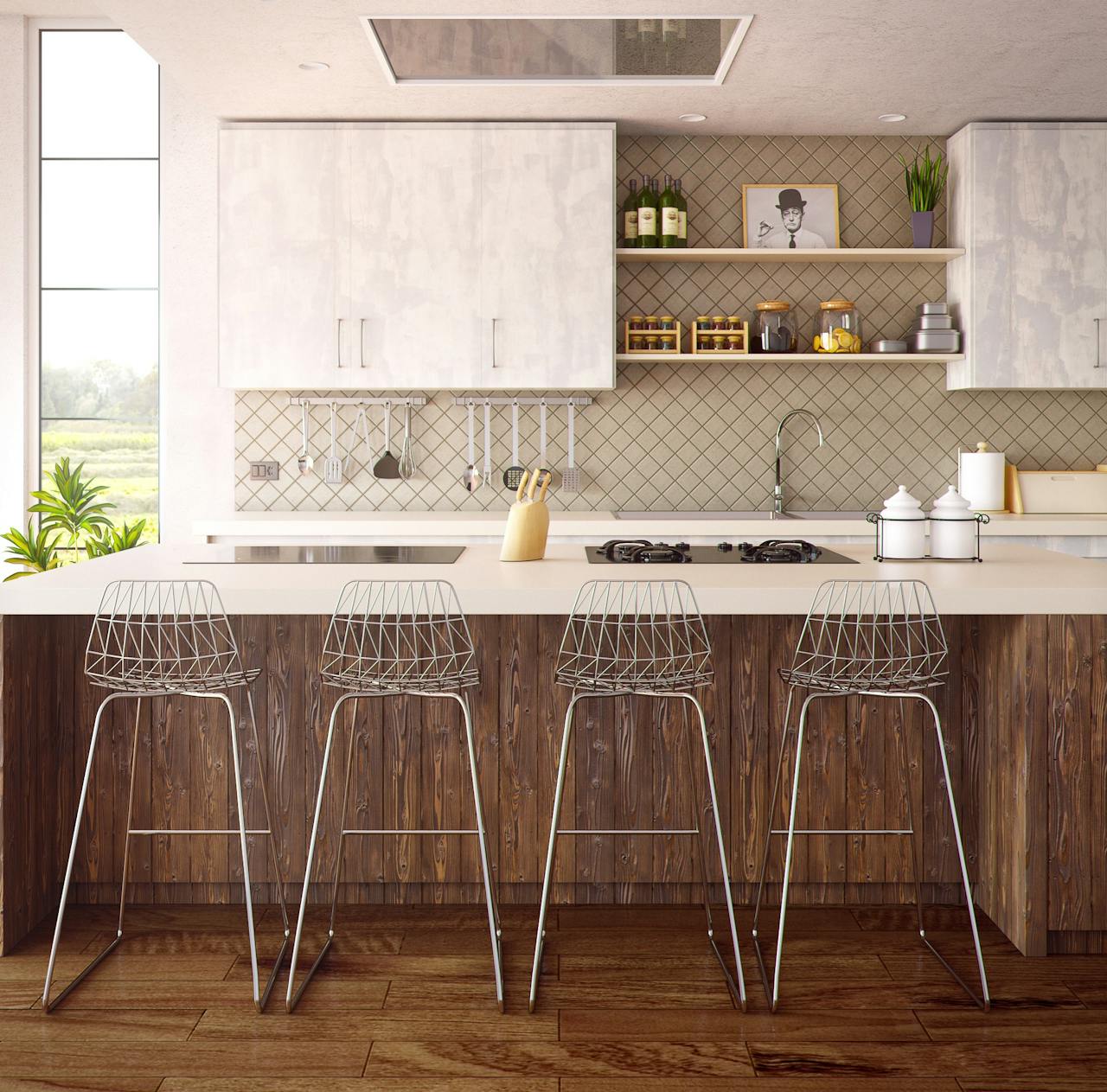
Opening the kitchen can brighten the space, but it can also erase perimeter walls where pantries, uppers, and full-height storage usually live, while carrying noise and cooking smells farther into the living area. Buyers notice when the room feels social yet has nowhere to hide brooms, recycling, pet food, and countertop appliances, and a single island rarely replaces the lost cabinet volume without feeling crowded. If the change introduced a bulky beam, awkward soffit, or weaker ventilation options, the remodel starts to look like a trade that costs real money to reverse, and some buyers worry the home will feel messier overall.
An Oversized Island That Chokes the Walkways
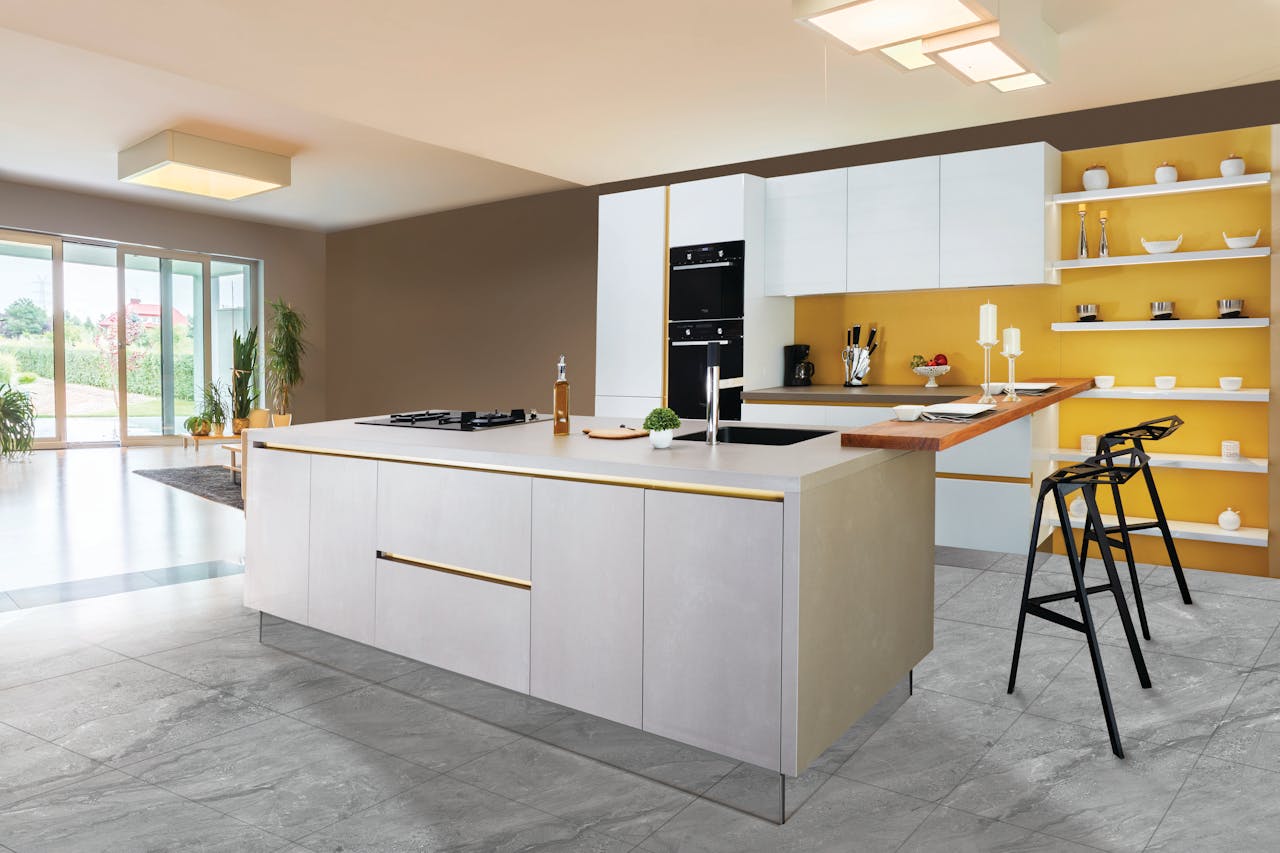
A massive waterfall island can look like a centerpiece, but kitchens sell on movement, and tight clearances show up fast when several people try to pass during a showing for many households. When drawers hit stools, dishwashers block traffic, or the fridge door cannot swing fully, buyers picture daily frustration and assume the layout ignored working zones, safe clearances, and storage access. If the island also contains plumbing, outlets, and costly stone, resizing is rarely simple, and the fix can mean new flooring patches, moved electrical, and a different countertop, turning the feature into a budget line item before moving in.
Smart Kitchen Tech That Will Feel Dated Fast
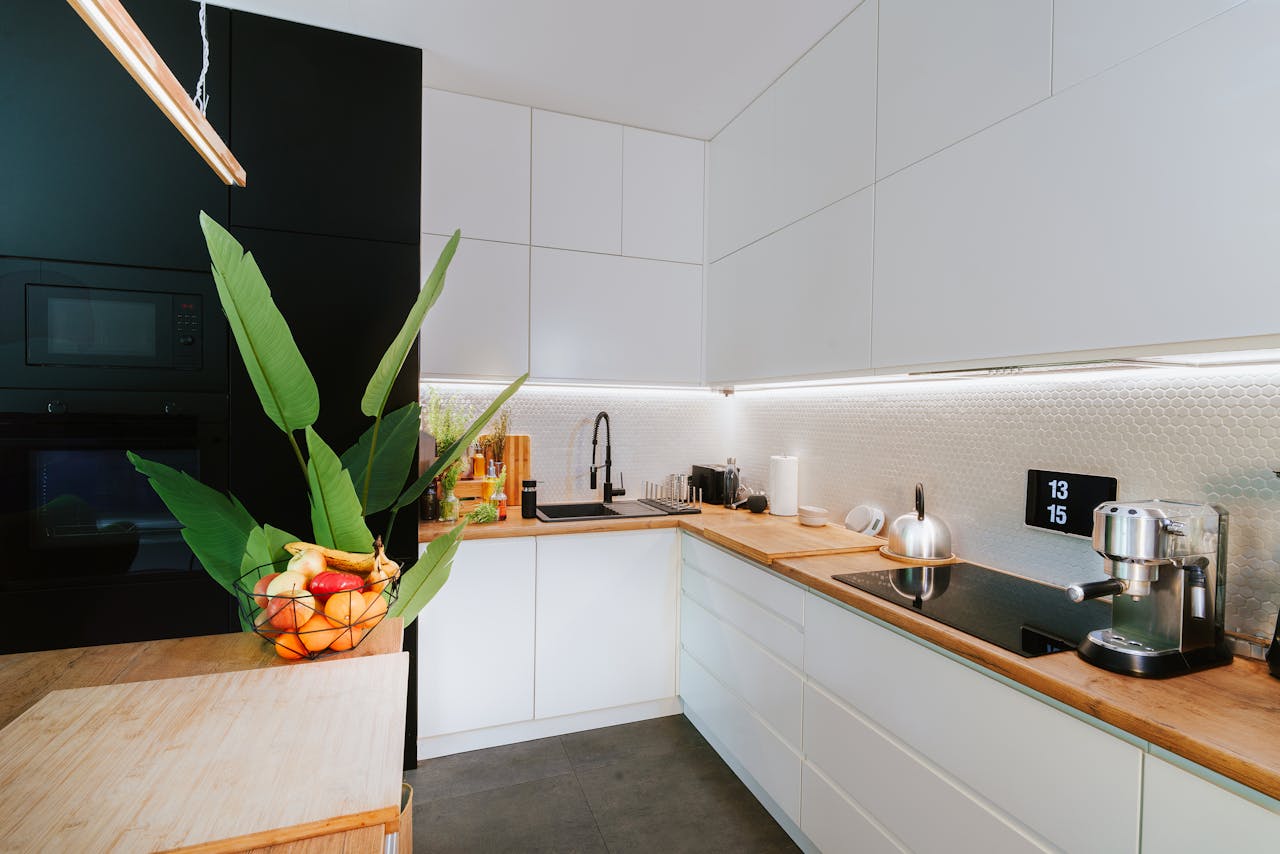
Touchscreen fridges, app-controlled ovens, and voice-connected lighting can impress on tour, but tech ages quicker than tile, and many buyers distrust devices tied to one brand account, one router, and a stack of passwords. Glitches, updates, and subscription features can turn basic cooking into troubleshooting, while discontinued models raise doubts about long-term support, replacement parts, and what happens when a seller forgets to fully reset the system. When a kitchen leans too hard on gadgets, it can feel like a maintenance hobby, and buyers often prefer simple hardware that works the same way on day one and year 10.