
Beauty has always carried a little theater: the promise that a cream, a tint, or a salon ritual can rewrite the mirror. In earlier decades, that promise often outran chemistry, and regulation lagged behind trends that spread through magazines, back-room demonstrations, and whispered recommendations. Some treatments were genuinely fashionable, not fringe, and the risks were easy to downplay when results looked immediate. Over time, injuries, medical reports, and better testing forced a reckoning. Products disappeared, practices were restricted, and certain ingredients became red flags rather than bragging rights. What remains is a clearer view of how beauty culture learns: slowly, expensively, and often after harm has already done its work. The bans tell stories about desire, danger, and hard-earned guardrails.
Radium Beauty Creams And Tonics
In the early 1900s, radium was treated like bottled vitality, so beauty brands worked it into creams, powders, face masks, and tonics that promised a bright, tightened complexion and fresh energy. Radioactive exposure can injure skin and deeper tissue, and the damage may surface years later as chronic sores, jaw problems, bone loss, and illness that no concealer can disguise, especially with daily use. As medical evidence turned into public alarm, regulators and retailers forced radioactive cosmetics out of legal sale, and the glow myth collapsed into a cautionary tale about science used as decoration instead of proof.
Thallium Depilatory Creams

Thallium depilatories were marketed as painless, modern hair removal, a shortcut that sounded cleaner than razors and kinder than wax, with results meant to last. Thallium is a potent poison, and reports linked these products to hair loss beyond the treated area, numbness, weakness, nerve injury, and other systemic effects that had nothing to do with grooming, leaving some users sick long after the hair was gone. Once the pattern became undeniable, the category vanished, and it strengthened the argument that cosmetics must be tested, labeled, and regulated like products that can reach far past the surface of the skin.
Lash Lure Permanent Eyelash Dye
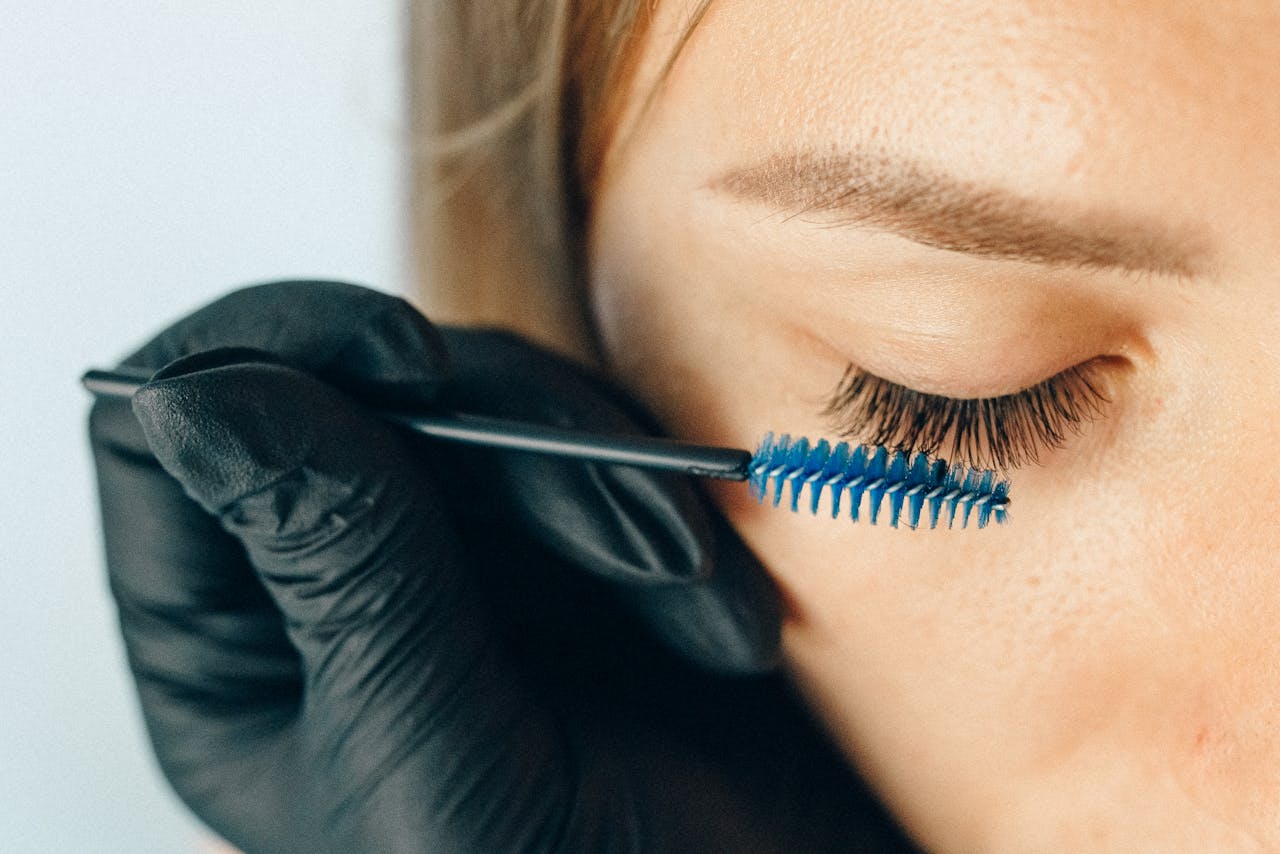
Lash Lure promised permanently dark lashes and brows, and salons applied the dye right up against the eye, where tissue is thin, wet, and unforgiving. Users suffered intense irritation, swelling, chemical burns, corneal injury, and documented cases of permanent vision loss, turning a routine appointment into a medical emergency with consequences that could not be reversed. The backlash accelerated stricter oversight of eye-area products and salon claims, and it also changed how clients judge risk. Safer alternatives exist, but the real shift was cultural: convenience stopped being admired when the injuries were undeniable.
Mercury Skin-Lightening Creams

Mercury lightening creams were sold as quick fixes for acne marks, freckles, and uneven tone, often through informal channels where labels offered little honesty and advice came from word of mouth. Mercury can build up in the body, harming kidneys and the nervous system, and it can contaminate towels, bedding, and shared surfaces, spreading exposure to family members who never touched the product but lived in the same space. Bans followed as evidence mounted, yet gray-market versions persist because the promise of fast fading keeps finding buyers, even when the harm arrives quietly, looks unrelated, and shows up late.
Over-the-Counter Hydroquinone Lighteners
Over-the-counter hydroquinone was once a common drugstore spot-fader, used casually to chase lighter patches and faster fade-outs, sometimes applied too often or too widely without guidance. Misuse and prolonged application increased irritation and uneven results, and U.S. rules later removed nonprescription hydroquinone products unless they were formally approved as drugs, pushing it into supervised care where dose and duration can be controlled. The fallout is an online market of look-alike tubes with unknown strengths and dubious sourcing, where the risk often comes from what is inside rather than what the label promises.
Lead Acetate Progressive Hair Dyes

Lead acetate progressive dyes appealed because they darkened hair gradually, letting gray disappear in small steps that felt discreet, controllable, and easy to maintain at home. Lead exposure is cumulative with repeated handling and scalp contact, and regulators ended the allowance for lead acetate in hair coloring, forcing the slow-darkening trick off legitimate shelves and out of mainstream routines. The ban made an uncomfortable point plain: subtle change can hide a steady dose, and the body keeps track even when the color shift looks harmless, the hands are rinsed, and the mirror seems satisfied at first for years.
Injectable Silicone Body Contouring
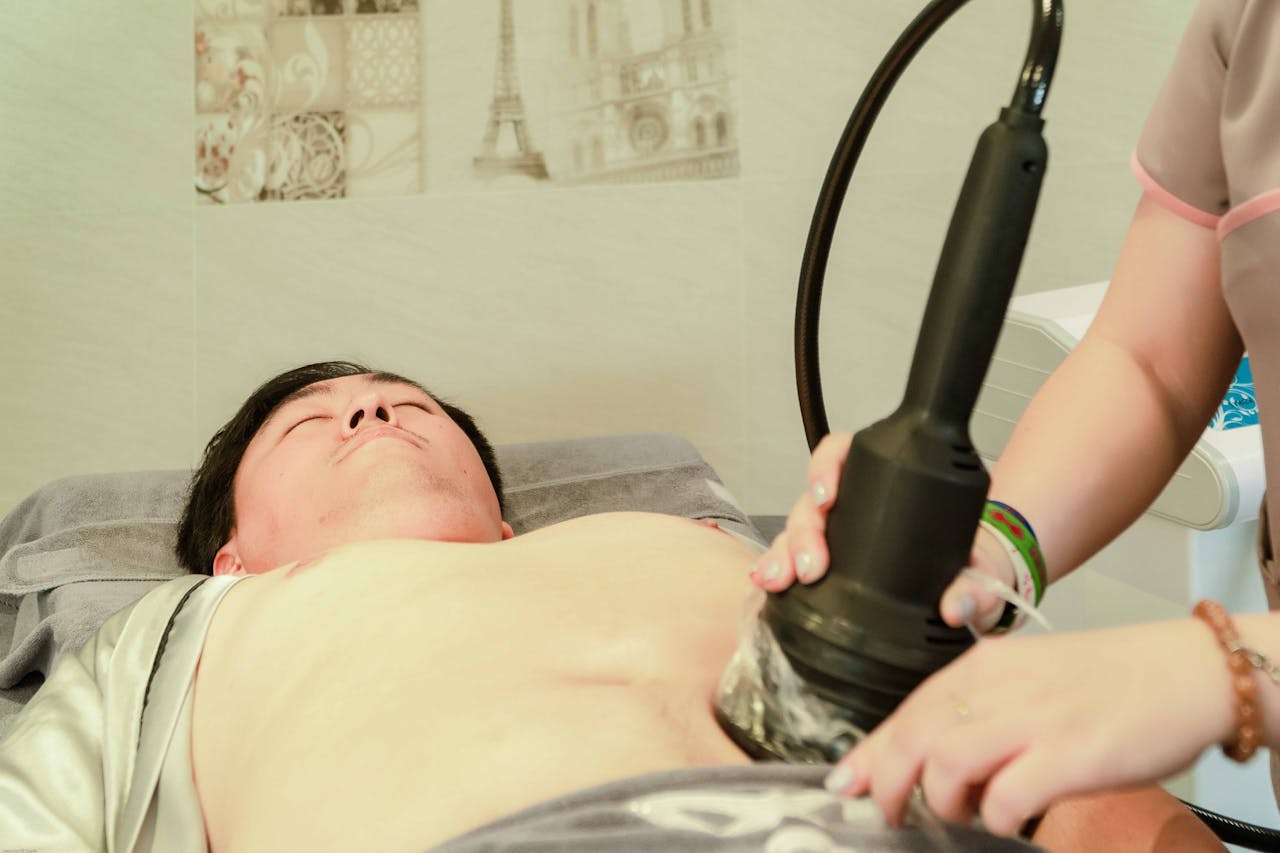
Illegal silicone injections were pitched as instant body contouring without surgery, downtime, or the cost of a medical clinic, often framed as a simple beauty upgrade. Injected silicone can migrate, harden, and trigger chronic inflammation and infection, and if it enters a blood vessel it can cause life-threatening complications, with removal often incomplete because the material is designed to stay. Warnings and bans targeted the practice, yet underground providers still sell it as normal, exploiting insecurity with a promise that sounds cosmetic but behaves like permanent medical harm that does not fade or settle.
Tanning Pills With Canthaxanthin

Tanning pills tried to replace sun and self-tanner with canthaxanthin, a pigment that can tint skin from the inside out, producing unpredictable color and inconsistent dosing across brands. Reports raised concern about crystal deposits in the eyes that could affect vision, alongside other side effects tied to heavy, repeated use, making the bronze look less like a glow and more like a gamble that cannot be washed off. Because these pills were not approved for tanning use, they were blocked from legal sale in many places, and the trend faded into a simple truth: swallowed beauty is slow to reverse and hard to control.
Formaldehyde-Releasing Hair Straighteners
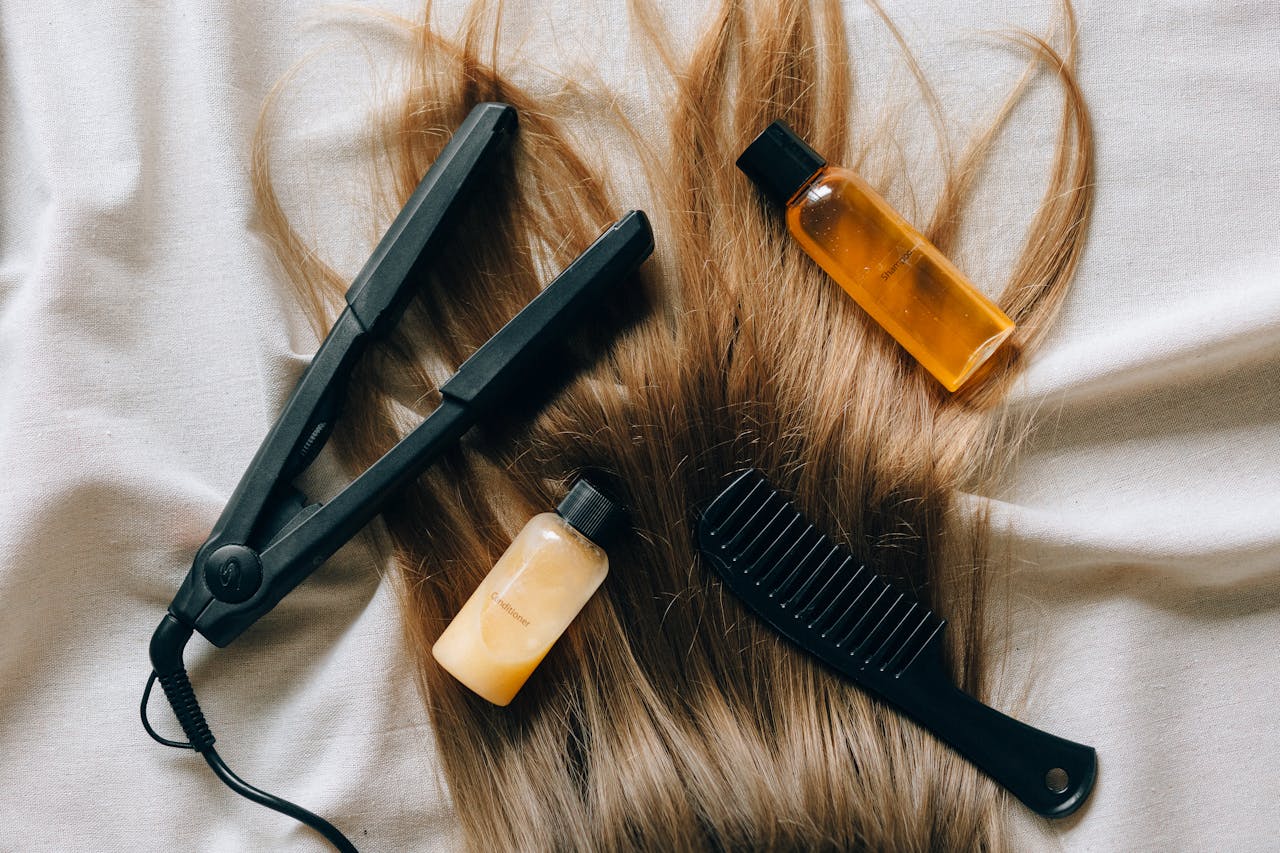
Long-lasting straightening treatments became salon staples, but some relied on formaldehyde or chemicals that release it when heat is applied, turning the smoothing step into a cloud of fumes. The vapor can irritate eyes and lungs, and stylists face the highest exposure because they breathe it in for hours, day after day, while clients may feel burning, coughing, and headaches during the service itself. As complaints and evidence accumulated, regulators moved to restrict or ban these formulations, pushing salons toward safer smoothing methods and treating salon air as a real health issue, not background discomfort.