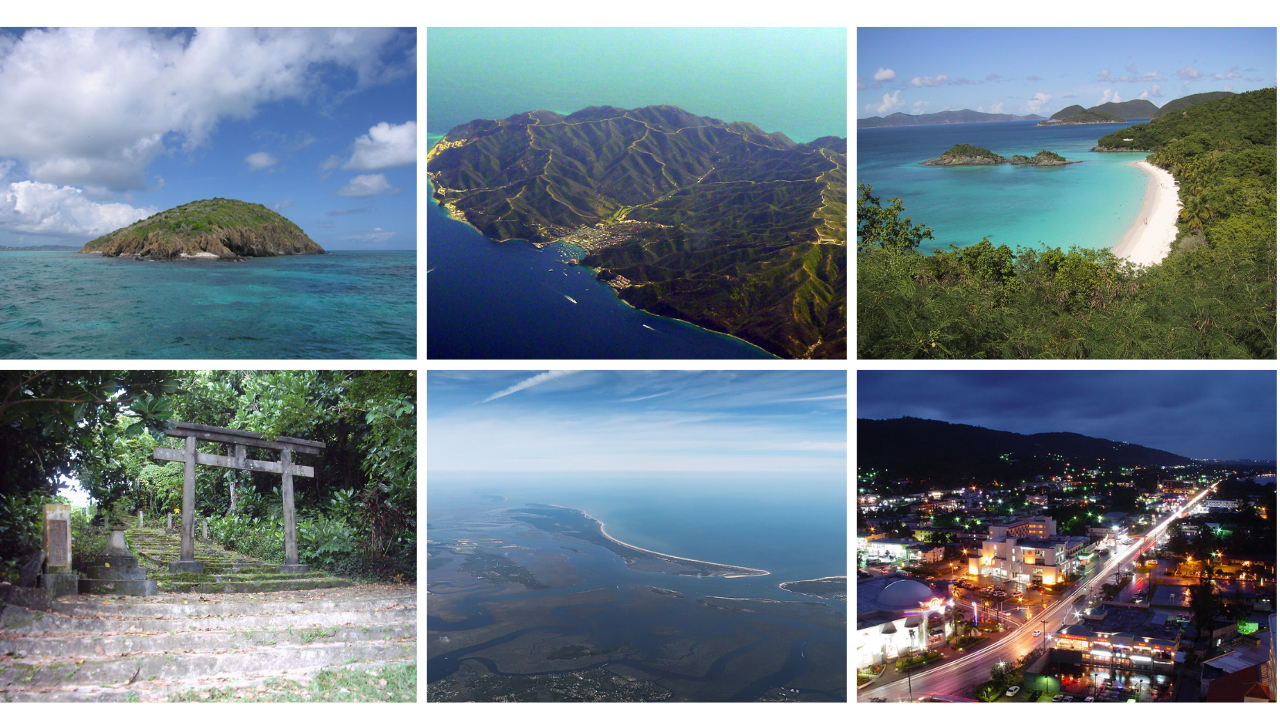
Ferry wakes and small-plane propellers have a way of turning distance into possibility. For Americans who want salt air without border lines, the best surprises are often still on the domestic map. U.S. territories carry Caribbean and Pacific moods while staying within U.S. entry rules, and a few quieter state islands deliver the same reset with even fewer logistics. The reward is uncomplicated wonder: reef-glass water, empty trails, and towns where time follows tides and trade winds. A Real ID or other accepted photo ID is still needed for flights, but customs lines are not. The result feels far away, yet the paperwork stays simple, leaving room to slow down and notice. Even a long weekend works.
Culebra Island, Puerto Rico
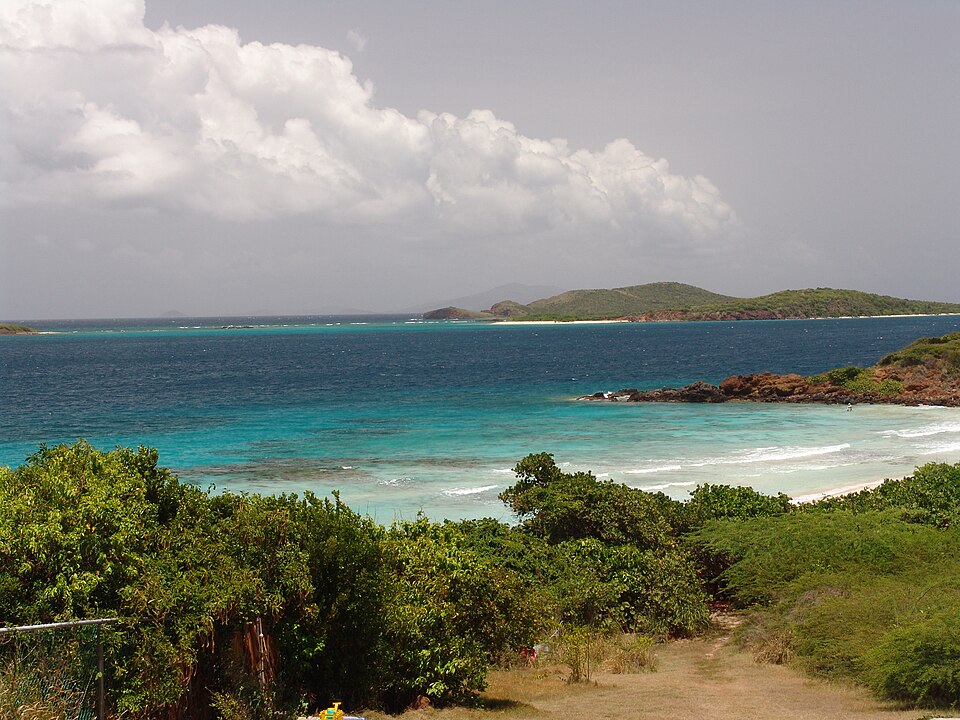
Off Puerto Rico’s east coast, Culebra swaps city noise for reef hush and rooster-crow mornings, with pastel homes circling a working harbor where fishermen unload the day’s catch. Flamenco Beach draws the headlines, but the deeper appeal is how quickly the island turns intimate: a ferry from Ceiba, a winding ride over dry hills, and water so clear the sand looks lit from below. Snorkel time at Carlos Rosario, a breezier stretch at Zoni, and kiosks serving fried snapper, tostones, and strong coffee let the sea set the schedule from first swim to last sunset and the short loop between coves passes cactus hills and bright, open sea.
Vieques, Puerto Rico
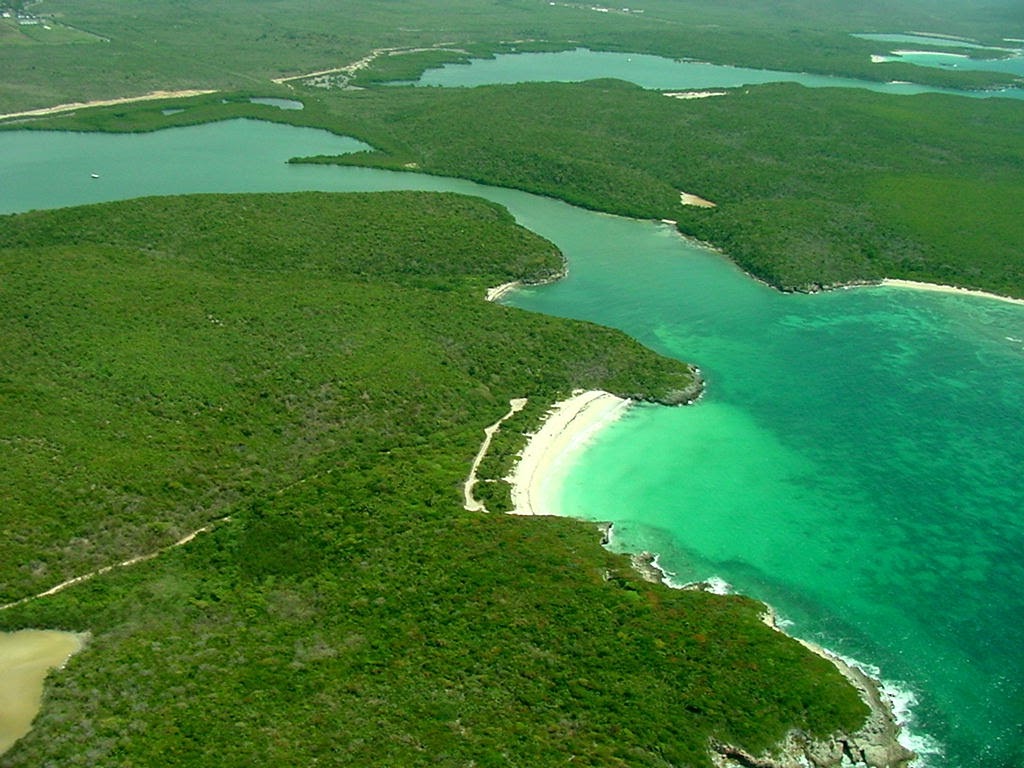
Vieques carries a wilder, softer mood, where horses wander near the roadside, beaches empty early, and the dark arrives in time for the Milky Way to show off above low rooftops and palm silhouettes. Mosquito Bay often steals the show with bioluminescence that sparks at every paddle stroke, a living glitter locals protect through light rules, quiet launches, and careful guides who keep voices low and lights dim. Daylight drifts between Black Sand Beach, Sun Bay’s long curve, and Playuela’s tucked cove near sugar-era ruins, then ends with pinchos, dominoes, porch talk, and coquí calls rising through warm night air long after dinner.
Water Island, U.S. Virgin Islands
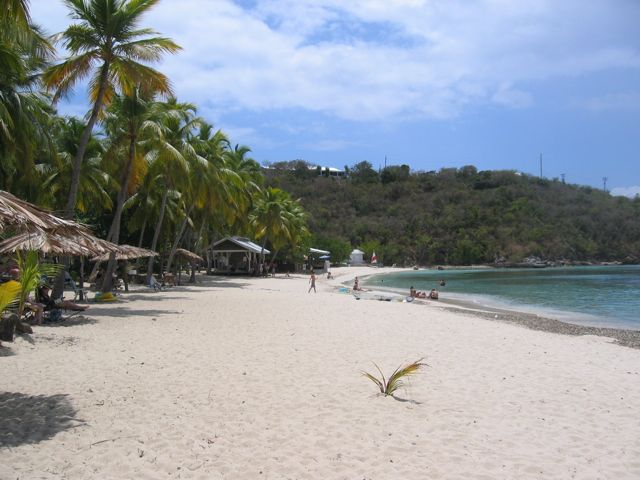
A quick ferry from St. Thomas drops into Water Island’s calm, where looping roads, porch swings, and sea grape trees replace the usual resort hustle in minutes. Honeymoon Beach offers gentle swimming and palm shade, but the charm is the simplicity: golf carts instead of traffic, a beach bar that treats lunch like a ritual, and neighbors who still wave as if everyone belongs. Fort Segarra’s WWII-era tunnels and lookouts add texture, turning a casual ride into a breezy history walk with wide turquoise views, lizards in the brush, and shade that feels earned so the trip reads as a true getaway, not a day trip with better marketing.
St. John, U.S. Virgin Islands
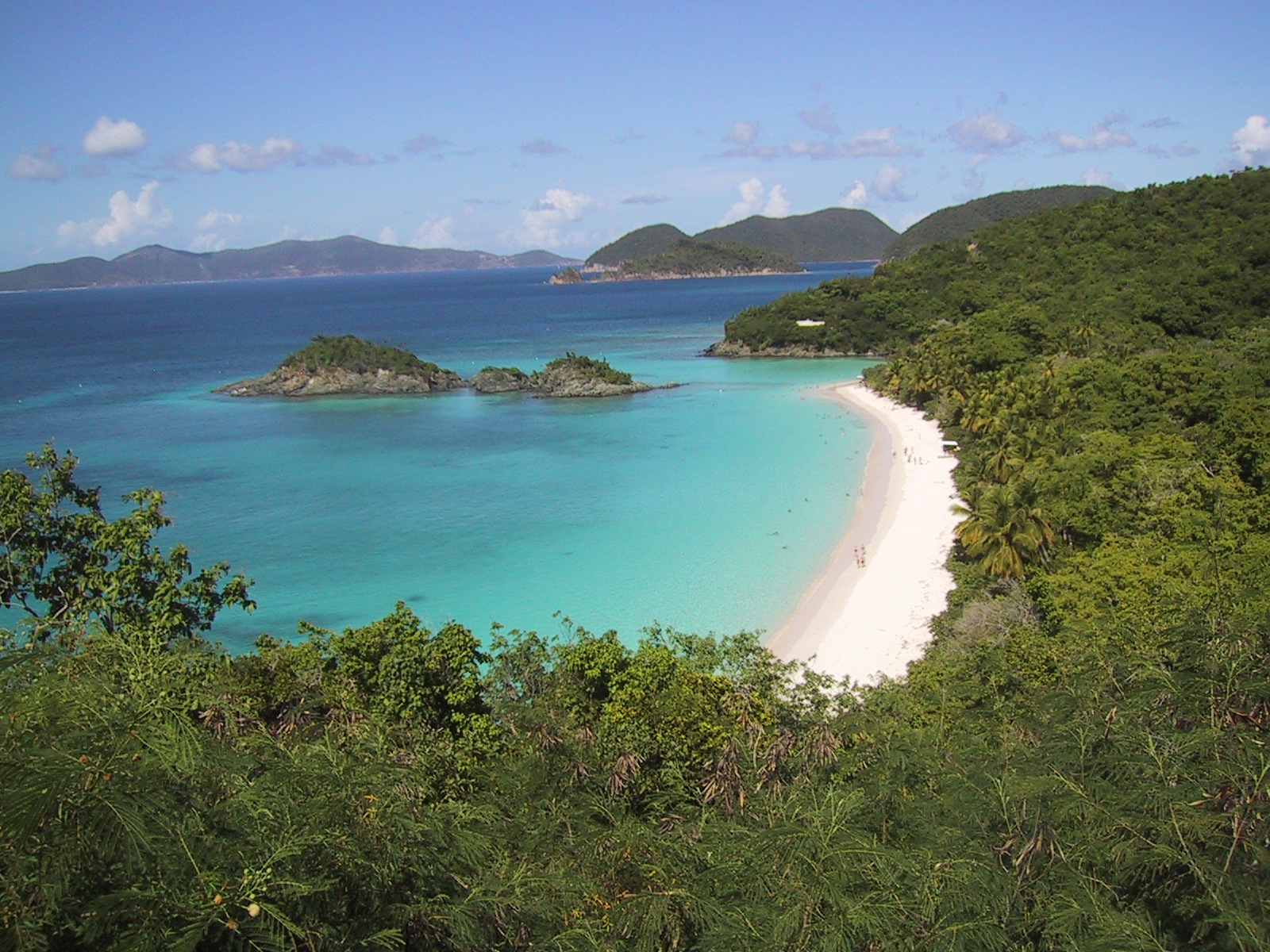
St. John feels protected without feeling precious, with national park land keeping much of the shoreline quiet, green, and mostly unbuilt even in high season, when other islands feel crowded. Trunk Bay’s underwater trail is the famous stop, yet calmer moments often happen at Maho and Cinnamon, where sea turtles graze in the shallows above seagrass and kids float for hours in gentle water that stays clear near shore. Cruz Bay settles into a lantern-lit hum at dusk, equal parts ferry town and dinner spot, and the island’s steady rhythm keeps plans simple: short hikes, reef swims, and meals that never feel complicated, and the hills stay still after dark.
Buck Island Reef, U.S. Virgin Islands
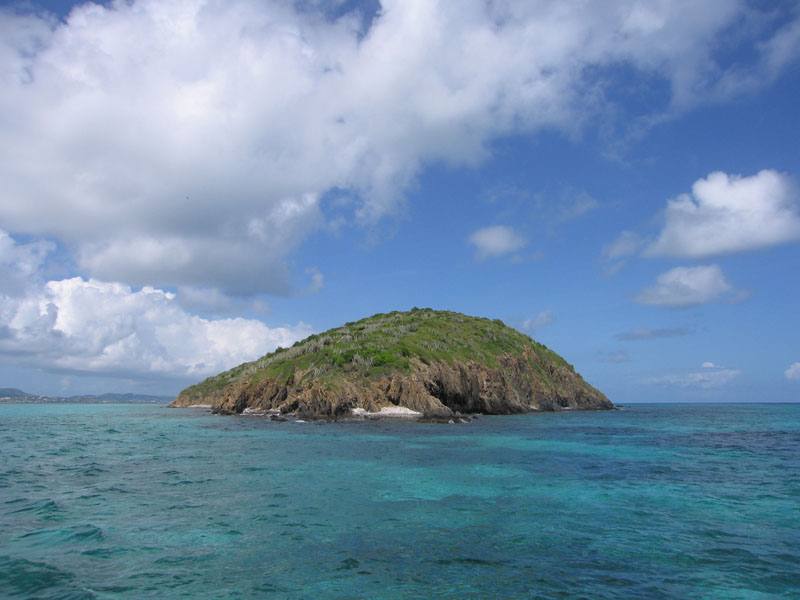
Off St. Croix, Buck Island Reef National Monument is a small strip of sand backed by a bright world just beneath the surface, protected for its coral gardens and clean, clear water. Snorkelers drift over brain coral, parrotfish, and slow rays, with the marked underwater trail keeping the route easy to follow and guides flagging safe entry points and no-touch rules. Afterward, pelicans cruise overhead, the beach stays spare, and a short path to a lookout frames the reef in full sunlight, leaving time to float, listen, and watch the water shift from jade to deep blue, with only the hiss of snorkels and small waves.
Saipan, Northern Mariana Islands
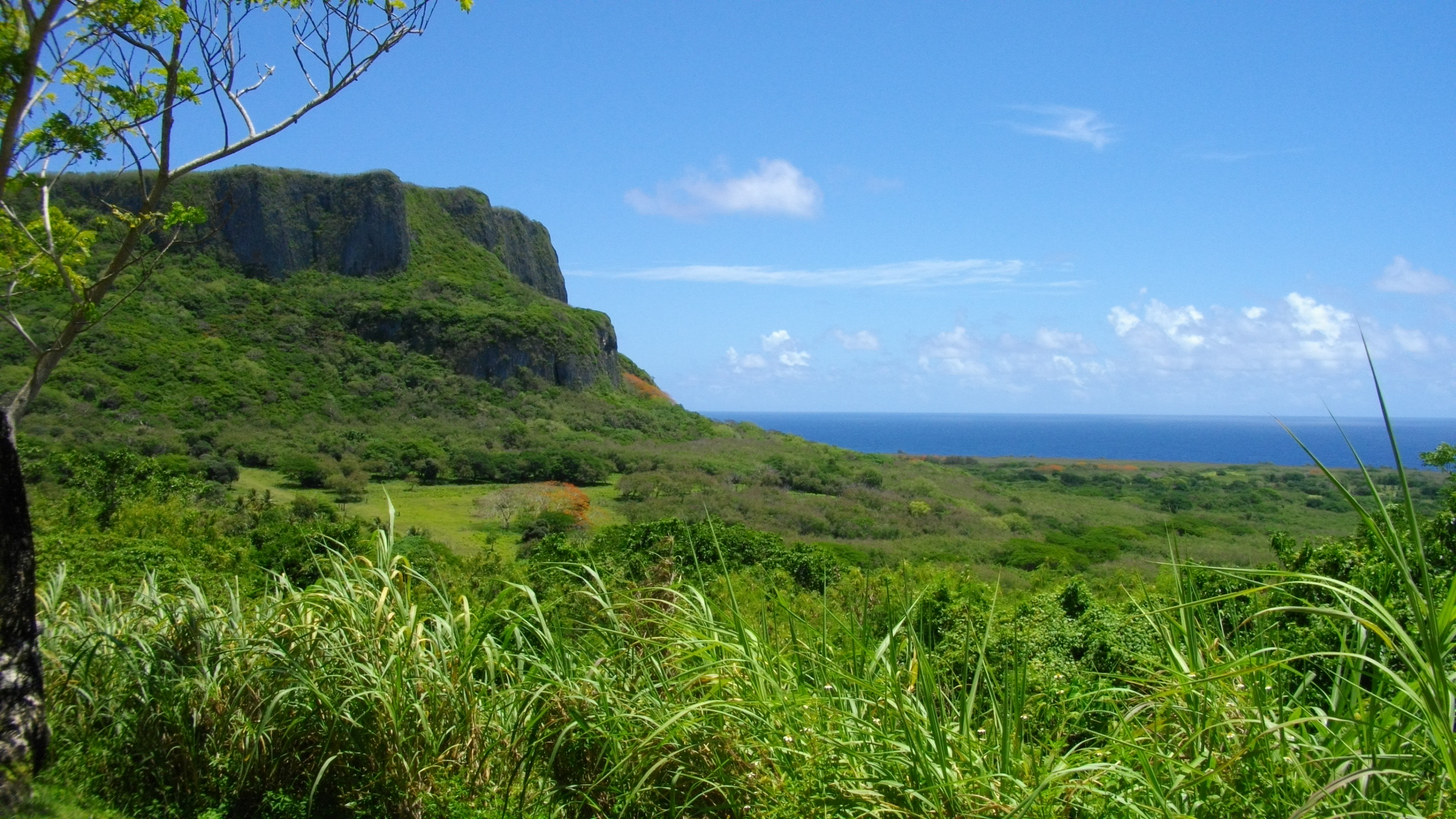
Saipan blends lagoon blues with a layered past, where jungle hills hold WWII sites and seaside markets sell red rice beside grilled seafood, coconut bread, and iced tea. Micro Beach sits near the main hub, but quieter corners, like Bird Island’s limestone rim and the cavern swim at The Grotto, deliver the wow without noise, just water echoing off rock. At sunset, beach parks fill with cookouts, and Chamorro flavors like kelaguen and barbecue keep the welcome personal and rooted, and the mix of history, reef color, and everyday warmth gives the island surprising depth.
Tinian, Northern Mariana Islands
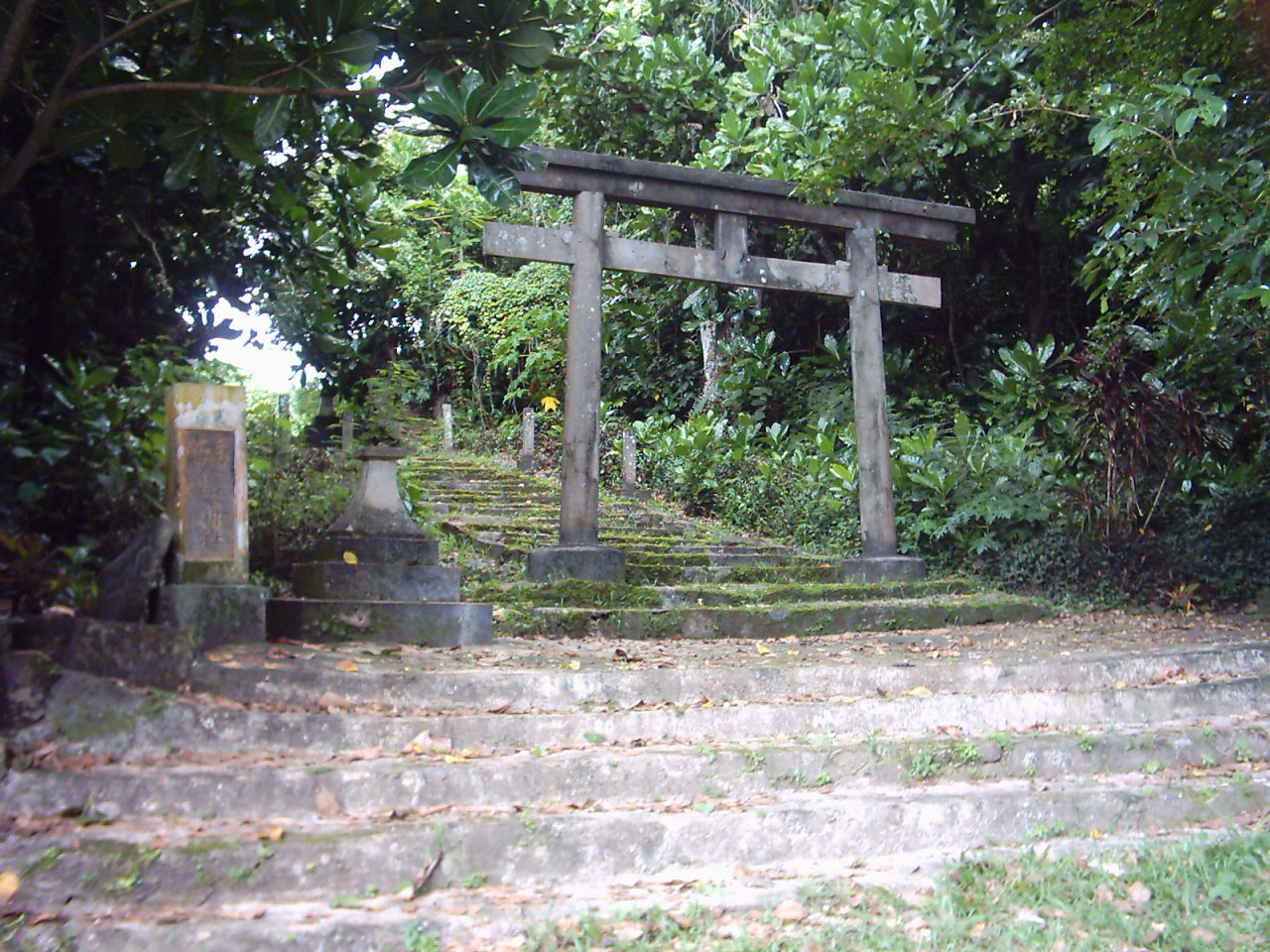
Tinian runs on a slower frequency than Saipan, reached by a short hop flight that lands beside open fields, low houses, and nearly empty roads that feel unbothered by time. Its history is unavoidable, from airfield remnants and memorials to ancient latte stone sites tied to Chamorro culture, yet the landscape stays calm and wide open, with views that stretch to the horizon. Taga Beach glows on clear days, blowholes hammer the coast, and small kitchens serve barbecued chicken, red rice, and tangy kelaguen, while night turns into stars, quiet surf, and geckos clicking under the eaves, and roadside dogs doze in shade.
Guam
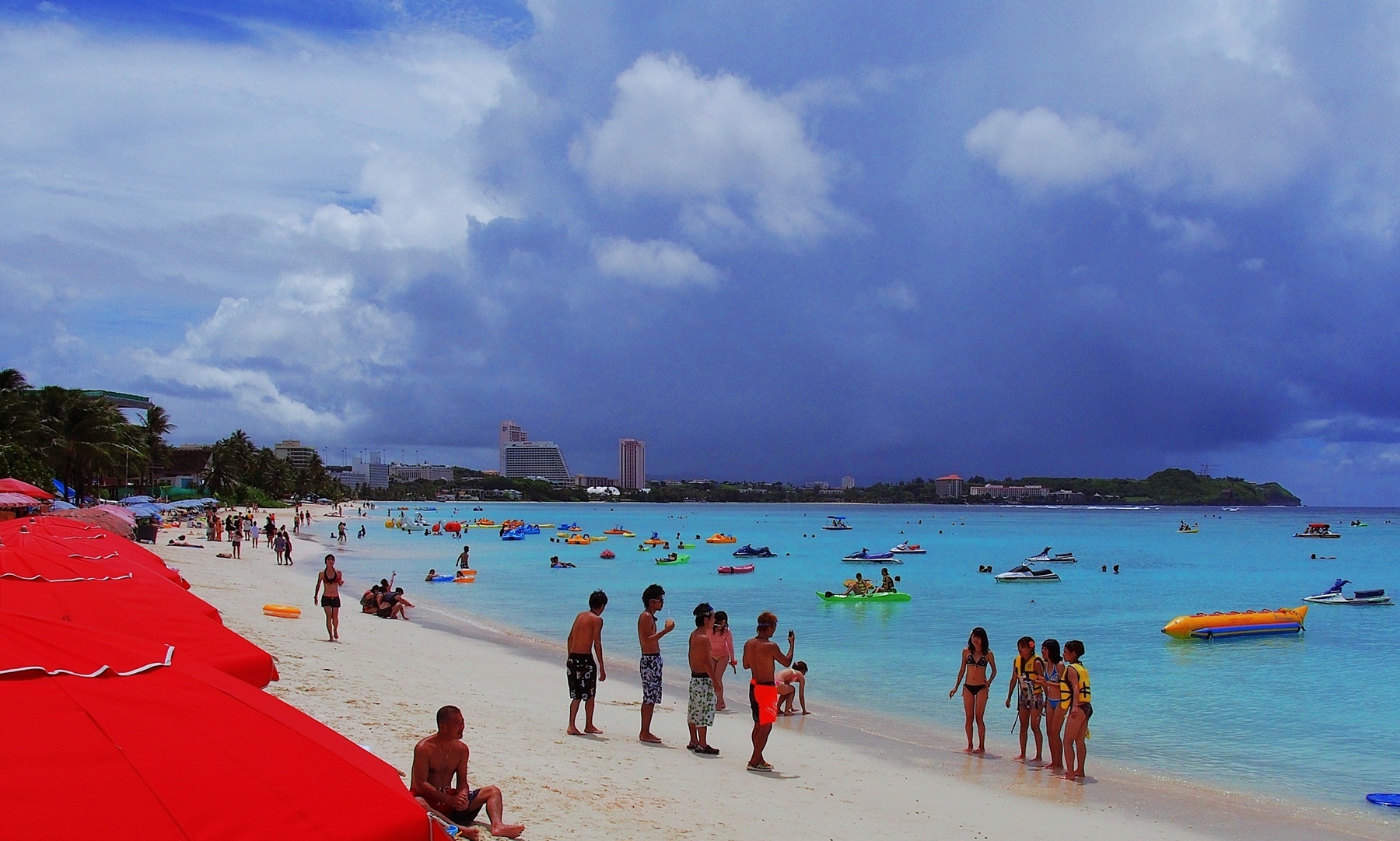
Guam packs big-island variety into a compact shape, mixing resort energy with villages that hold tight to Chamorro traditions, language, and long-running fiestas that spill into neighborhood parks and village streets. Beyond Tumon’s hotel strip, the coast turns dramatic at Two Lovers Point and the southern cliffs, where waves hit rock with a steady roar and the air tastes sharp with salt and sea spray. Ritidian’s sands and reef flats, when conditions allow, show how fast the island can flip from busy to breathtaking, and local food keeps it grounded: shrimp patties, red rice, and kelaguen shared without fuss at simple tables.
Catalina Island, California
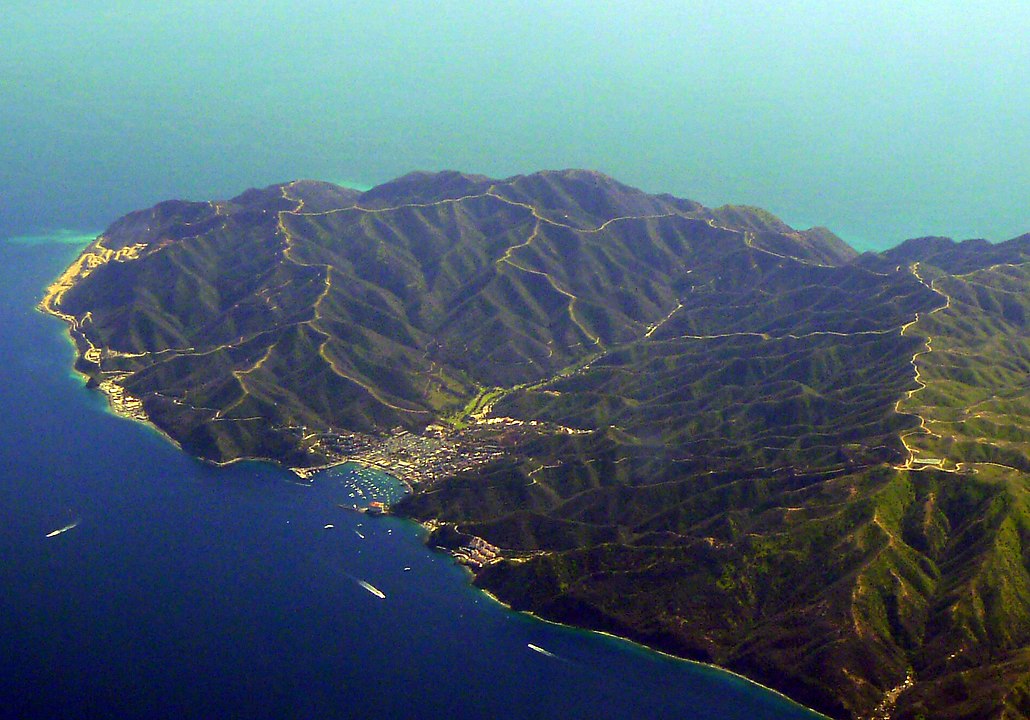
Catalina sits off Los Angeles like a polished escape that still knows how to relax, with Avalon’s tiled fountains, art deco touches, and boats bobbing in neat rows. Step away from the promenade and the interior turns rugged: eucalyptus on the wind, dusty trails to overlooks, and the real chance of spotting bison on a ridge line above the harbor. Glass-bottom boat rides and swims at Descanso add the classic notes, while Two Harbors stays quieter and more outdoorsy, with kayaks, coves, and camp-friendly views that feel pleasantly removed, with harbor lights reflecting at night like small jewelry scattered across dark water.
Cumberland Island, Georgia
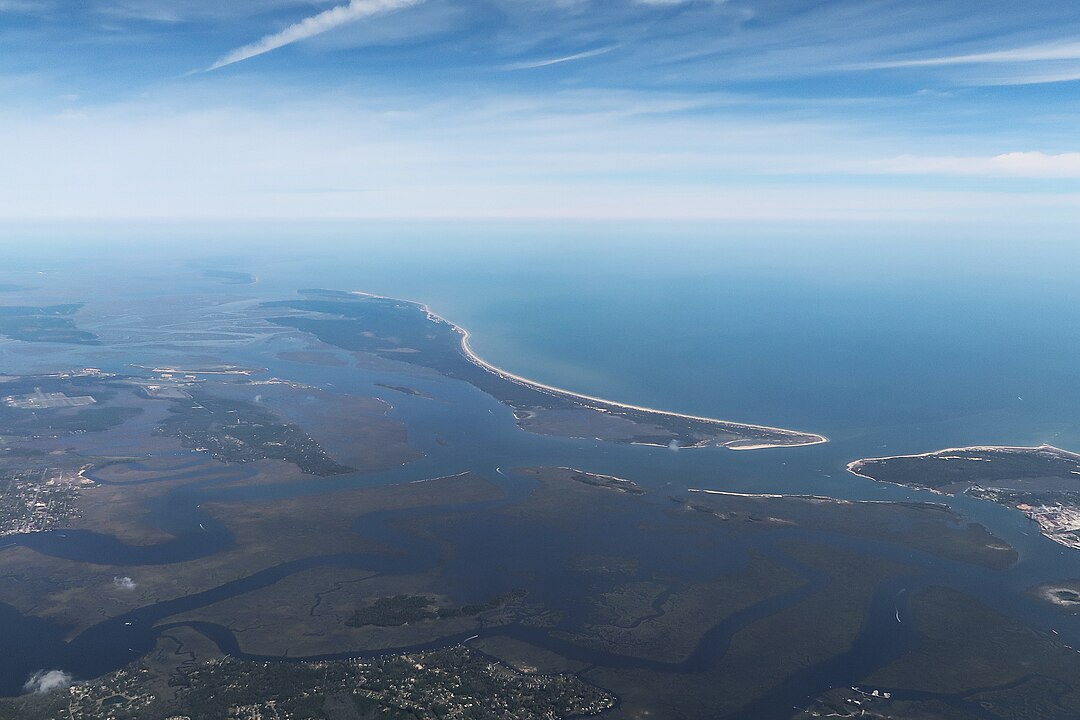
Cumberland Island feels emotionally far from modern life, a national seashore of dunes, marsh, and maritime forest stitched together by tide, driftwood, and quiet. Visitors arrive by ferry under strict limits, then move mostly on foot or bicycle, passing wild horses, empty beaches, and the crumbling elegance of the Dungeness ruins framed by palmetto shade. With no cars and minimal development, the island keeps its edges intact, and dawn brings fog off the marsh, shorebirds working the sand, and wind that sounds like a clean slate, and the scale of open shoreline makes every step feel slower, steadier, and more present.