
Across Appalachia, food traditions once dismissed as plain have been reintroduced as the kind of cooking people brag about. Chefs borrow the region’s logic of seasonality, thrift, and smoke, while home cooks lean into cast iron, garden greens, and long-simmered pots. The result is familiar flavors with new spotlight: sharp ramps, sorghum sweetness, apple stacks, and jars of pickles lined like trophies. At ramp suppers and apple-butter stirrings, the old rituals still matter, and the wider food world is catching up to what mountain tables practiced all along. It feels less like a comeback than a correction, at last.
Soup Beans And Cornbread Nights
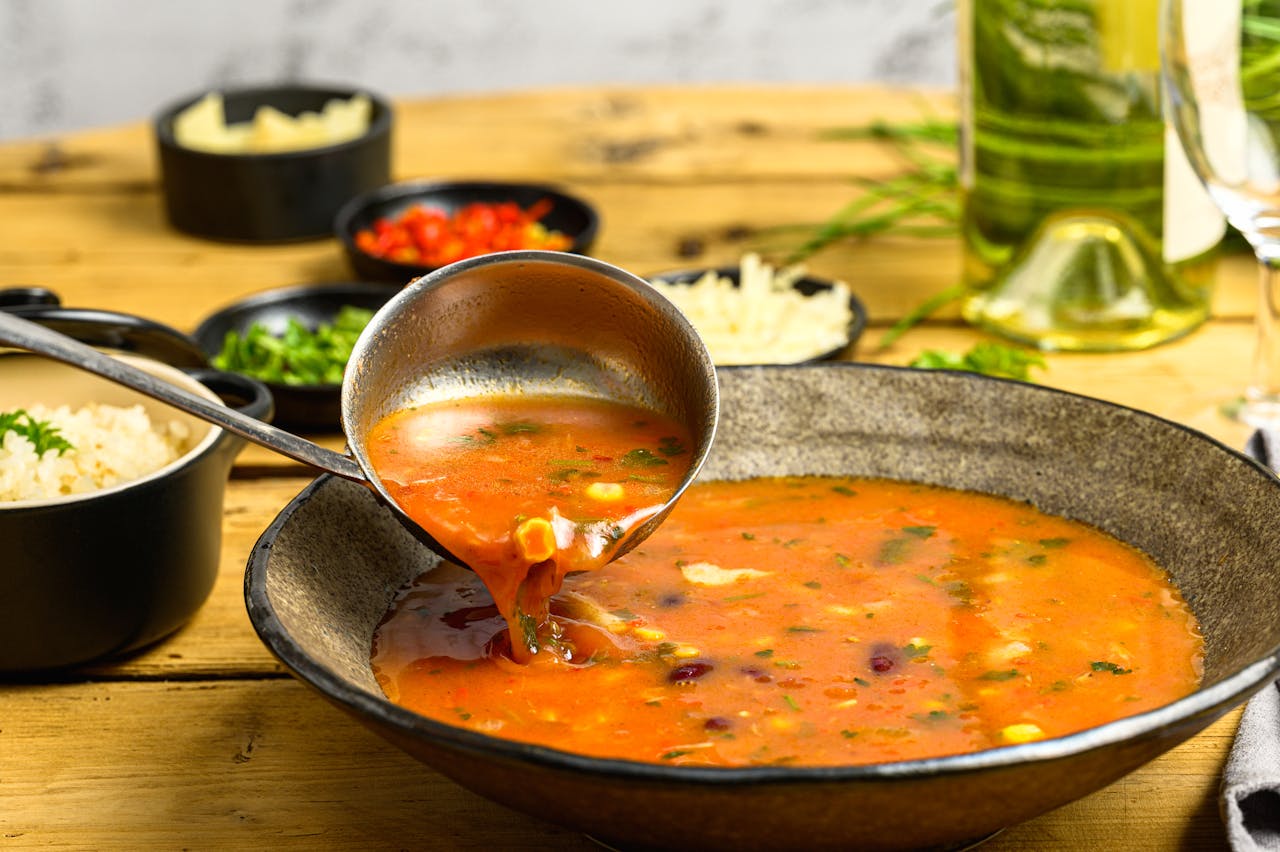
A pot of soup beans, usually pintos simmered low with onion and a smoked edge, has long been Appalachian weeknight security. Paired with crumbly cornbread, it reads like the original comfort bowl: filling, cheap, and endlessly adjustable with chow chow, sliced scallions, or leftover ham. Lately, cooks talk about the potlikker like liquid gold, sopped up with wedges from a hot skillet. Chefs treat the broth as a worthy stock and the beans as heirloom-worthy, proving that humble doesn’t mean boring. The real flex is patience, not garnish. Next-day beans taste even better, which makes thrift feel like strategy right now.
Skillet Cornbread With The Crackly Edge
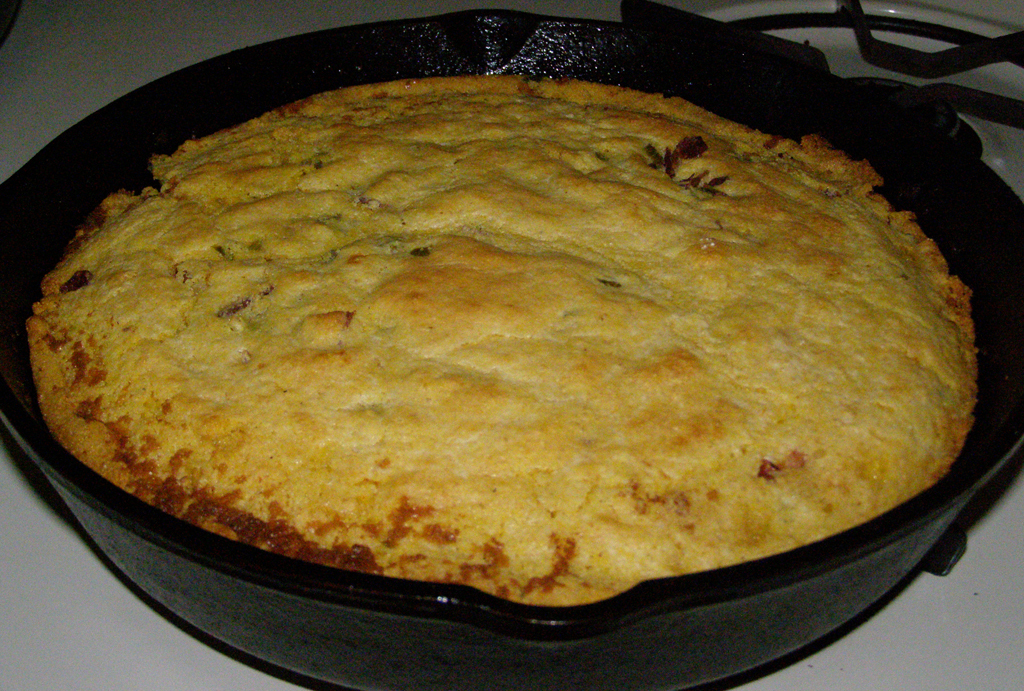
Cast-iron cooking never needed a rebrand in the mountains; skillets simply stayed on the stove, blackened and trusted. What feels newly fashionable is the method: heating the pan first, then pouring batter so cornbread blooms a crackly crust and tender center. The same skillet turns out fried potatoes, seared greens, and pan biscuits with a flavor that reads like smoke even without a fire. Seasoning is its own quiet craft, built from bacon drippings and years of use, then handed down like a family photo. Online, people call it rustic. Locals call it Tuesday. The shine on a well-kept pan is the region’s original nonstick.
Sorghum Syrup On Everything

Sorghum syrup carries a dark, grassy sweetness that sits somewhere between molasses and warm hay. In many Appalachian kitchens, it has always gone on biscuits, stirred into butter, or used to deepen spice cakes when sugar felt expensive. Now bartenders splash it into old-fashioneds and chefs brush it on roasted vegetables, chasing that smoky caramel note without turning cloying. Sorghum boilings, once community workdays around a mill, are being revived as demonstrations and fall gatherings. The comeback has a practical side, too: sorghum grows in tough conditions, which fits the mountain mindset. It tastes earned.
Apple Butter Stirring As A Ritual
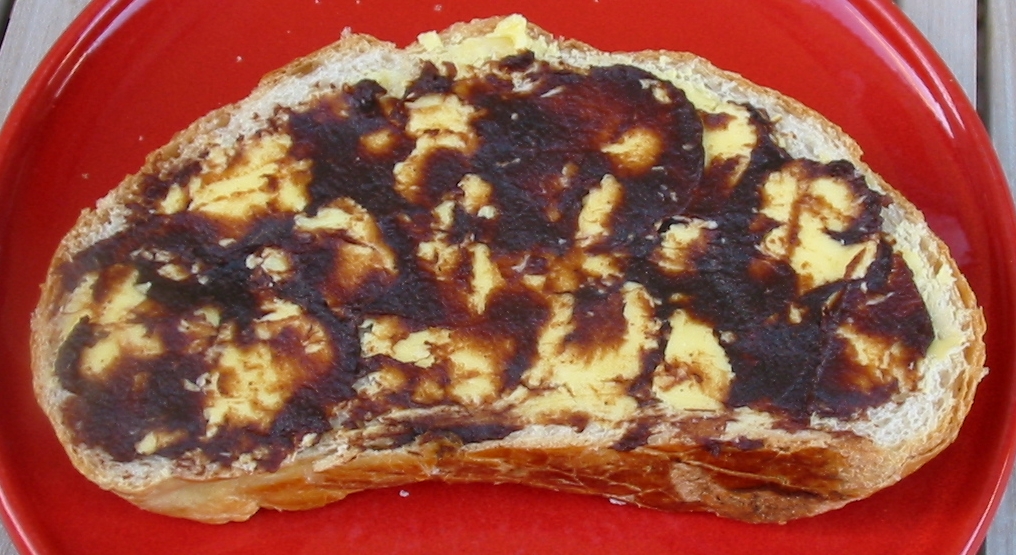
Apple butter is less a recipe than an event: peeled apples cooked down for hours until the spoon leaves a trail, then spiced and sealed into jars. Historically, it made orchard fruit last through winter, and the stirring often turned into a social shift, with someone always taking a turn at the paddle. At fall festivals, kettles still bubble in the open air, and the work feels like a slow parade. Today, apple butter shows up in grilled cheese, barbecue glaze, and bakery fillings, sold with the pride of a small-batch spread. The aroma alone sells the story. It is nostalgia that happens to be shelf-stable for months.
Apple Stack Cake Making A Return
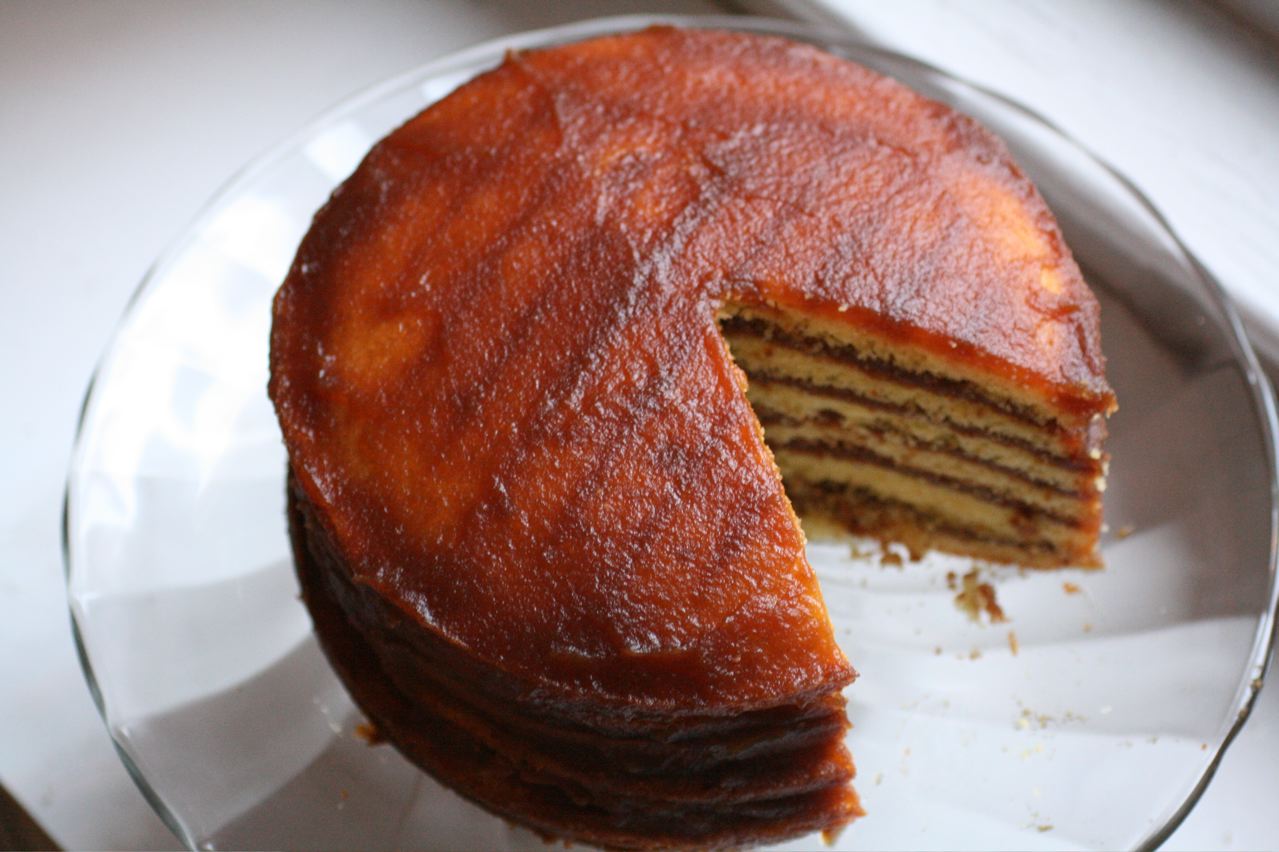
Apple stack cake looks humble at first: thin, spiced layers stacked high, then pressed together with apple butter or rehydrated dried-apple filling. Traditionally, the layers were often baked in a cast-iron skillet, sturdy enough for washday and weddings alike. It was built for celebrations because it stretches pantry fruit into something grand, and it tastes better after it sits and softens. Modern bakers shorten the process, but the idea stays the same: a dessert that rewards planning, not flash. When a slice cuts clean, it feels like a small miracle of patience. It is suddenly trendy, but it has always been proud.
Chow Chow Jars In The Fridge Door
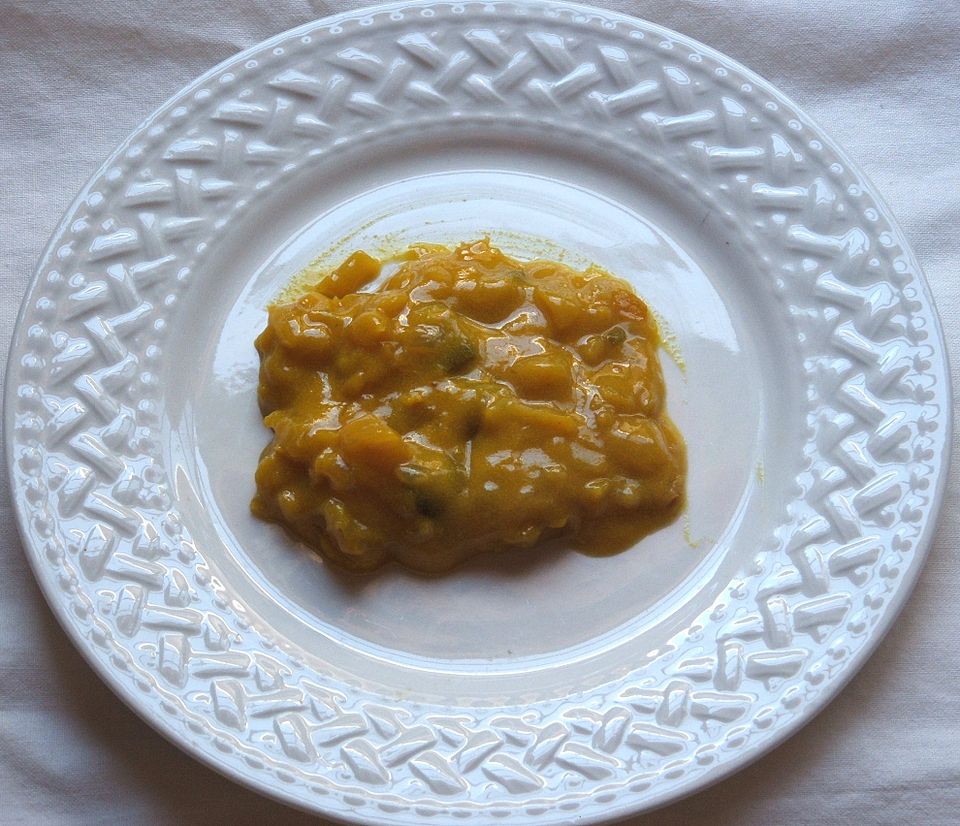
Chow chow, that bright jar of chopped green tomatoes, cabbage, peppers, and tangy spice, is Appalachian practicality in relish form. It started as a way to use late-garden stragglers before frost, then became the finishing move for beans, hot dogs, and plates that needed a spark. Every family has a version, tweaked by heat level, sugar, and how fine the chop runs, and jars often travel as gifts. Now it rides alongside artisan sausages and cheese boards, loved for the crunch and vinegar bite that wakes up rich food. The trend is really a reminder: preservation is flavor, not just storage. It belongs on the table every time.
Cathead Biscuits And Peppery Gravy
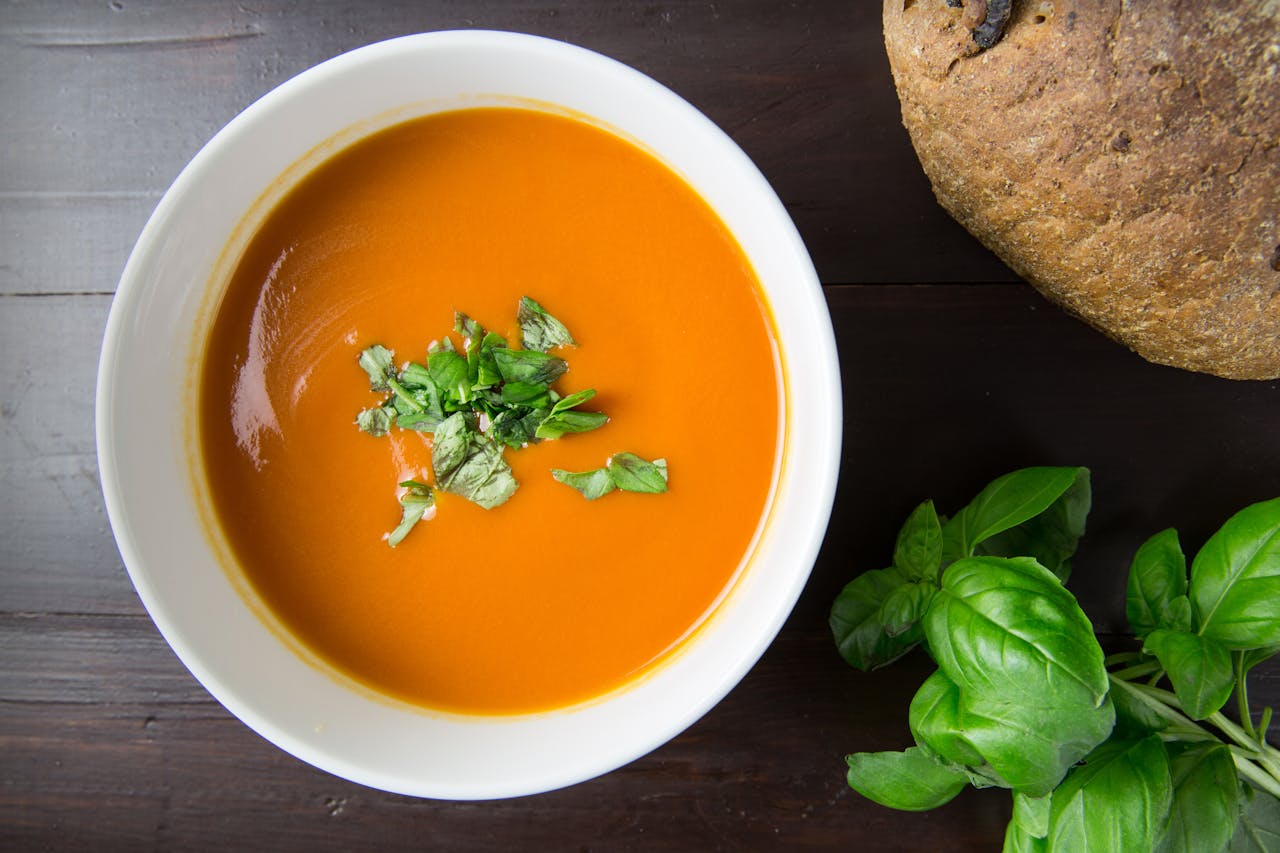
Big cathead biscuits, named for their palm-sized rounds, have always been a mountain answer to hunger and time. Made with buttermilk and a quick hand, they hit the oven fast and come out ready for sorghum, apple butter, or a ladle of peppery gravy. As baking culture swings back toward simple techniques, these biscuits read like the anti-croissant: no laminating, no drama, just lift and tender crumb. Old-timers judge the dough by feel, not formulas, and the result is remarkably consistent. The cool factor is the confidence of a recipe that never needed measuring cups. One batch can cover breakfast and supper with ease.
Crock Ferments And Cellar Tang
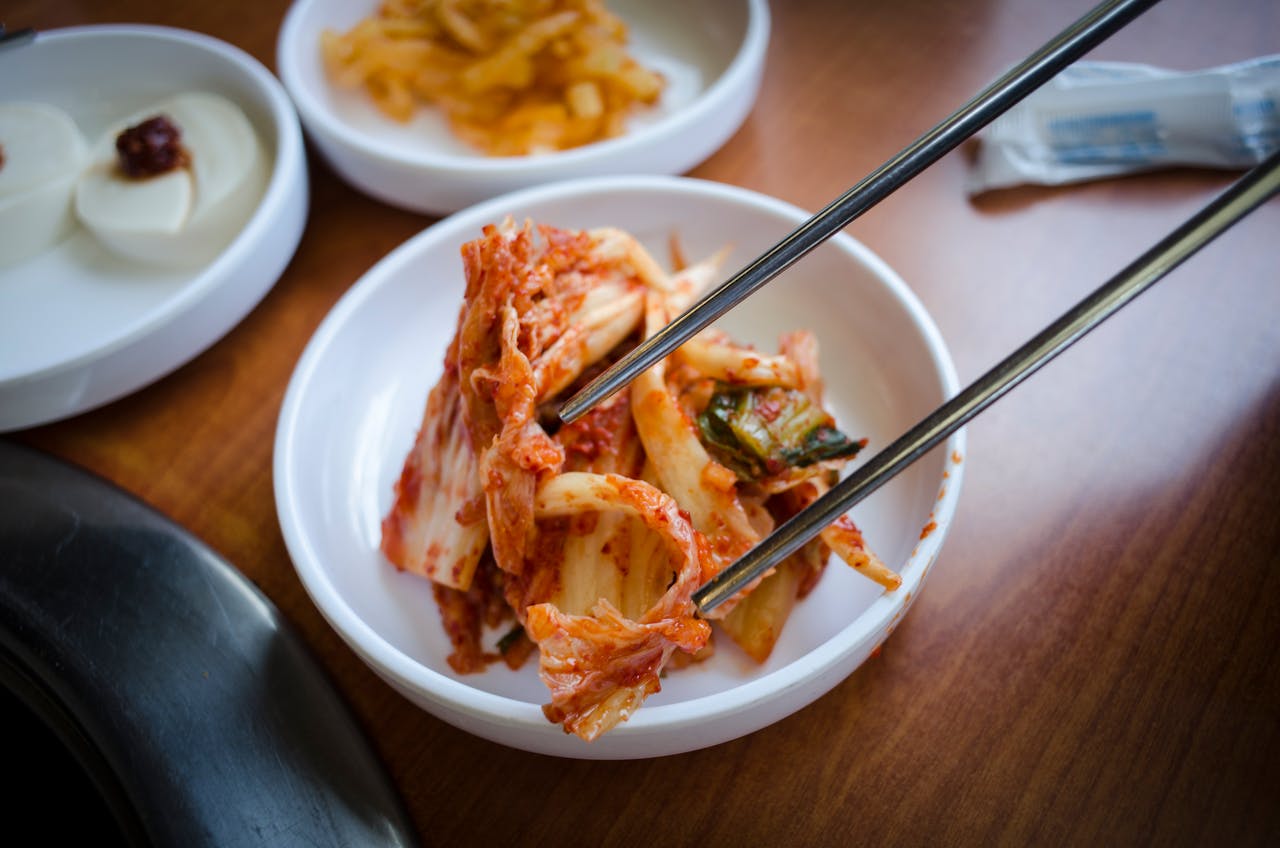
Fermented cabbage has lived in Appalachian crocks for generations, because a cool cellar and salt could turn a fall harvest into winter crunch. Stoneware jars sat under towels, quietly working for weeks, while families checked them the way others check a calendar. Whether it landed beside beans or tucked into sandwiches, the tang cut through rich food and kept meals bright when gardens went quiet. Now fermentation is a bragging point, and small producers sell kraut with caraway, ramps, or hot peppers, borrowing an old preservation habit and calling it craft. The flavor is the same steady sour that wakes up a plate.
Cornmeal-Crusted Pan Trout

Pan-fried trout, dredged in cornmeal and cooked in a shallow slick of fat, is a mountain classic that tastes like creek air and campfire smoke. It began as practical fishing food, but it also shows how Appalachian cooks stretch a small catch into a full meal with crisp edges and brightness from whatever was on hand. Cast iron matters here, too, because it keeps the crust honest and the fish tender. These days, trout appears on menus as a regional signature, often paired with pickles or wilted greens instead of heavy sides. Simple technique makes it feel new again. The crunch is the point, and it never goes out of style.
Poke Sallet Served With Respect

Poke sallet is a reminder that Appalachian cooking grew from sharp knowledge of the woods, not just nostalgia. The dish uses young poke leaves that must be prepared with care, and it carries stories from hard times when wild greens mattered. When it appears, it is typically fully cooked and served alongside cornbread or beans, more supper than spectacle. Today it turns up mostly in heritage kitchens and community meals, discussed with more respect than bravado, as cooks highlight the region’s deep plant wisdom. Its modern coolness comes from honesty: some traditions are not shortcuts, and that is the point. At all.