
Bobcats are no longer confined to distant ridges and deep timber. Across much of the United States, wildlife agencies are recording more sightings near neighborhoods, trails, and farmland. Biologists describe an overlap era: a recovering native predator sharing space with expanding suburbs, fragmented habitat, and routines that now reach deeper into wild corridors.
The shift is raising friction in quiet ways. Poultry losses, anxious pet owners, and repeated night-camera captures are turning wildlife management into a local issue. In 13 states, the signal is clear: conservation gains now demand stronger coexistence habits.
California

California biologists say bobcats are common from desert basins to high country, so encounters now spill beyond remote canyons into suburban edges and city greenbelts. Brushy drainage channels and fragmented open space let animals move across busy human landscapes without being obvious in daylight.
Most conflicts are practical, not dramatic: unsecured hens, pet food left outside, repeated prey activity near homes, and pets roaming at dusk. Managers stress prevention and monitoring because low-level contact can quickly harden neighborhood anxiety even when bobcats remain cautious around people. Local logs flag repeat sites.
Wisconsin

Wisconsin’s northern bobcat research tracks density, survival, harvest effects, and movement, showing how established the species is in major forest blocks. As parcels subdivide and recreation corridors expand, agencies are managing not only numbers but growing contact points near homes and hobby farms.
Biologists report predictable trouble spots: exposed feed, vulnerable small animals, and dusk activity along brushy edges. The state message is practical and calm. Consistent deterrence and stronger enclosures reduce repeat visits better than one-time reactions after a single sighting. Winter track data maps new pressure areas.
North Carolina

North Carolina classifies bobcats as common statewide, with strong habitat use in both the Coastal Plain and mountain regions. That distribution, paired with fast development, keeps sightings plausible across communities that once treated bobcat records as rare.
Officials say presence alone is usually not a danger signal because bobcats tend to avoid people. Conflict rises when easy food remains near barns, sheds, and backyards. Biologists frame prevention as routine work: secure attractants, harden enclosures, and report repeat nighttime activity before patterns become established. County teams now run rapid conflict hotlines.
Colorado
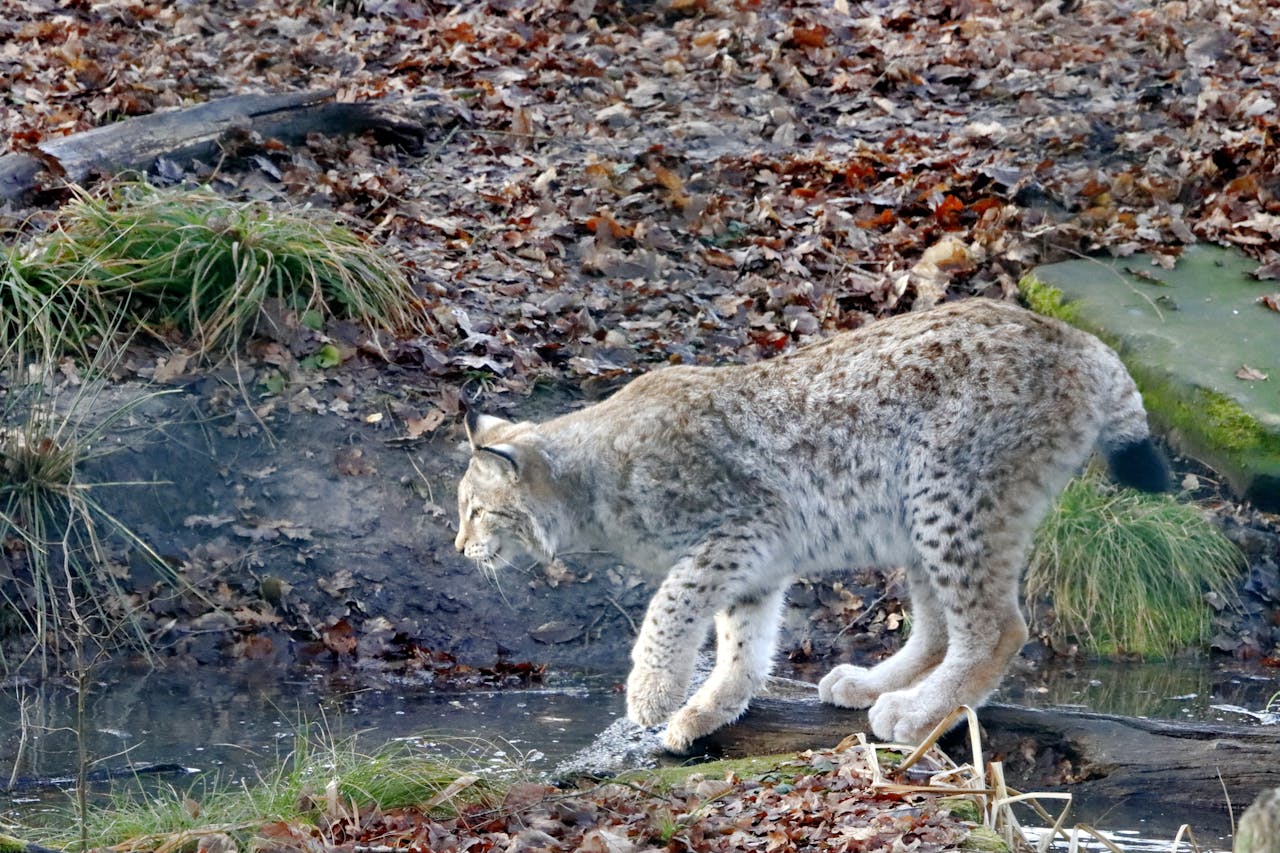
Colorado managers describe bobcats as widespread statewide and launched long-term research in 2022 to refine density and harvest knowledge. As foothill towns grow and brushy habitat presses against subdivisions, sightings are becoming normal in many edge communities.
Biologists characterize most incidents as overlap problems, not direct aggression. Risk climbs when pets roam at dawn or dusk, poultry setups stay exposed, and prey-rich pockets draw predators through neighborhoods. Agencies emphasize repeated precautions, because those habits cut recurring encounters better than occasional response. Seasonal alerts guide action.
Illinois

Illinois now manages bobcats under a regulated furbearer framework, reflecting recovery after historic decline and a shift from rarity to long-term management. In bluffs, ravines, and mixed farm-forest ground, bobcats are increasingly part of daily wildlife reality.
Conflict concerns usually involve poultry and small pets rather than direct contact with people. Biologists keep guidance consistent: bobcats are elusive, but repeated attractants can normalize return visits to specific properties. Night containment, stronger enclosures, and timely reporting remain reliable ways to lower recurring friction. County logs help triage.
Kentucky
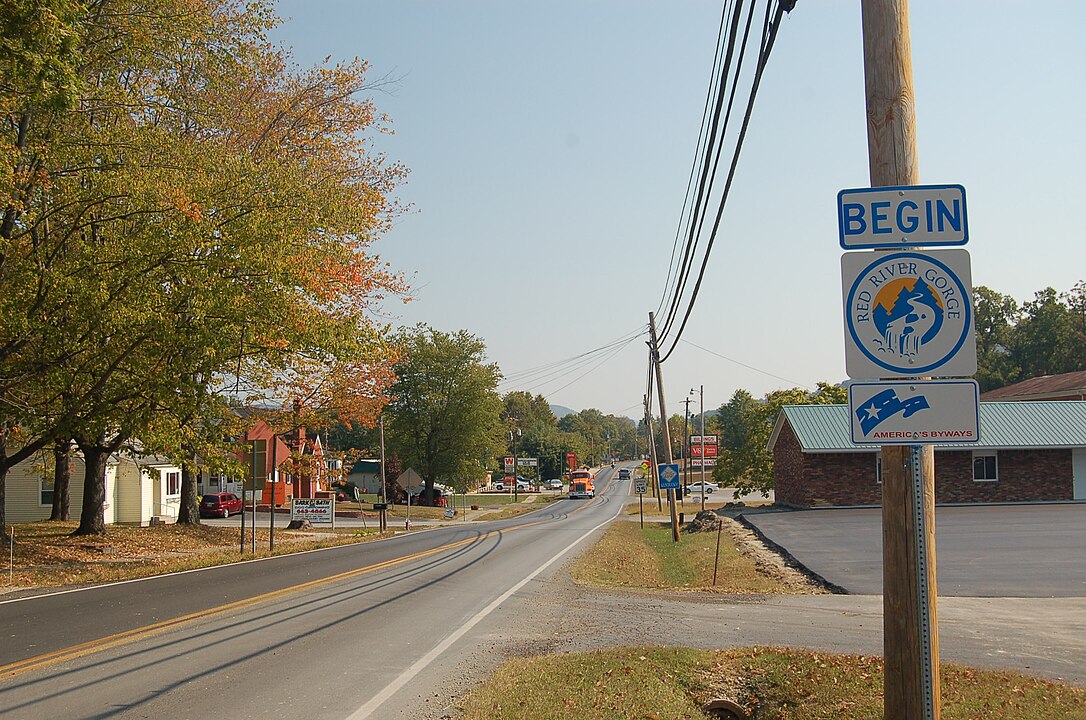
Kentucky wildlife officials report a major rebound from past rarity, with bobcats now documented in every county and managed through structured seasons. The conservation story is strong, but more communities are adjusting to a predator that no longer feels distant.
Most tension is practical and preventable: unsecured feed, exposed poultry runs, and evening pet activity near timber edges. Biologists describe the task as balancing recovery gains with local conflict control. Clear husbandry standards, early deterrence, and quick reporting outperform reactive steps after repeated losses. County agents reinforce local guidance.
Ohio

Ohio tracking shows confirmed bobcat records rising over the last two decades, with agencies now documenting hundreds of verified sightings each year. Southern counties remain core habitat, but recurring reports in additional areas have broadened concern and pushed coexistence into local planning.
Staff describe conflict risk as situational: accessible poultry, unsecured small pets, and repeated movement through brushy creek corridors. Agency guidance prioritizes verification, attractant removal, and rapid response to repeat activity, because expansion creates low-visibility encounters before neighborhoods recognize patterns.
Indiana

Indiana reports bobcats from almost every county, with strongest concentrations in southern and west-central areas and continued spread in recent updates. As records grow, management has shifted from novelty sightings to long-term coexistence planning in agricultural and suburban edge habitat.
State guidance highlights familiar triggers: free-roaming pets at crepuscular hours, unsecured feed, and unmanaged cover near outbuildings. Wildlife teams collect interaction reports to spot pressure clusters early, and routine household prevention helps break repeat-visit cycles that drive neighborhood tension. Local prevention helps.
Nebraska

Nebraska reporting describes a flourishing bobcat trend in recent decades, supported by regulated harvest and registration rules that keep tracking grounded in field data. As wooded breaks and river corridors connect with mixed-use land, encounters are rising in places once linked mainly to other predators.
Conflict patterns usually follow opportunity: exposed small animals, unmanaged food waste, and easy night travel routes around farm structures. Biologists emphasize growth does not require fear, but it does require discipline. Continuous monitoring plus practical deterrence remains central to reducing repeat friction.
Iowa

Iowa’s bobcat story runs from endangered status in 1977 to protected recovery and limited seasons, marking a long rebound tied to habitat and monitoring. As numbers improved, sightings spread across more counties where brush cover and prey corridors meet farm and town edges.
Staff describe conflict as episodic but meaningful when poultry or pets remain exposed near timber and drainage lines. They also note broad fear narratives miss the main driver: repeated attractants. Enclosure upgrades, cleaner attractant control, and early incident reporting reduce recurring losses better than reactive action. Survey data tracks trends.
Arizona

Arizona Game and Fish describes bobcats as very common and broadly distributed, including Sonoran desert scrub, chaparral, and suburban zones near major cities. That reach places the species in daily human landscapes, where sightings rise when drought, prey shifts, or attractants tighten movement.
Managers say conflict signals usually involve pets, small domestic animals, or repeated corridor use around washes and greenbelts. Agency work combines research, harvest oversight, and practical deterrence to keep populations stable while reducing local strain. Consistent routines curb recurring encounters better than one-off responses.
Oregon
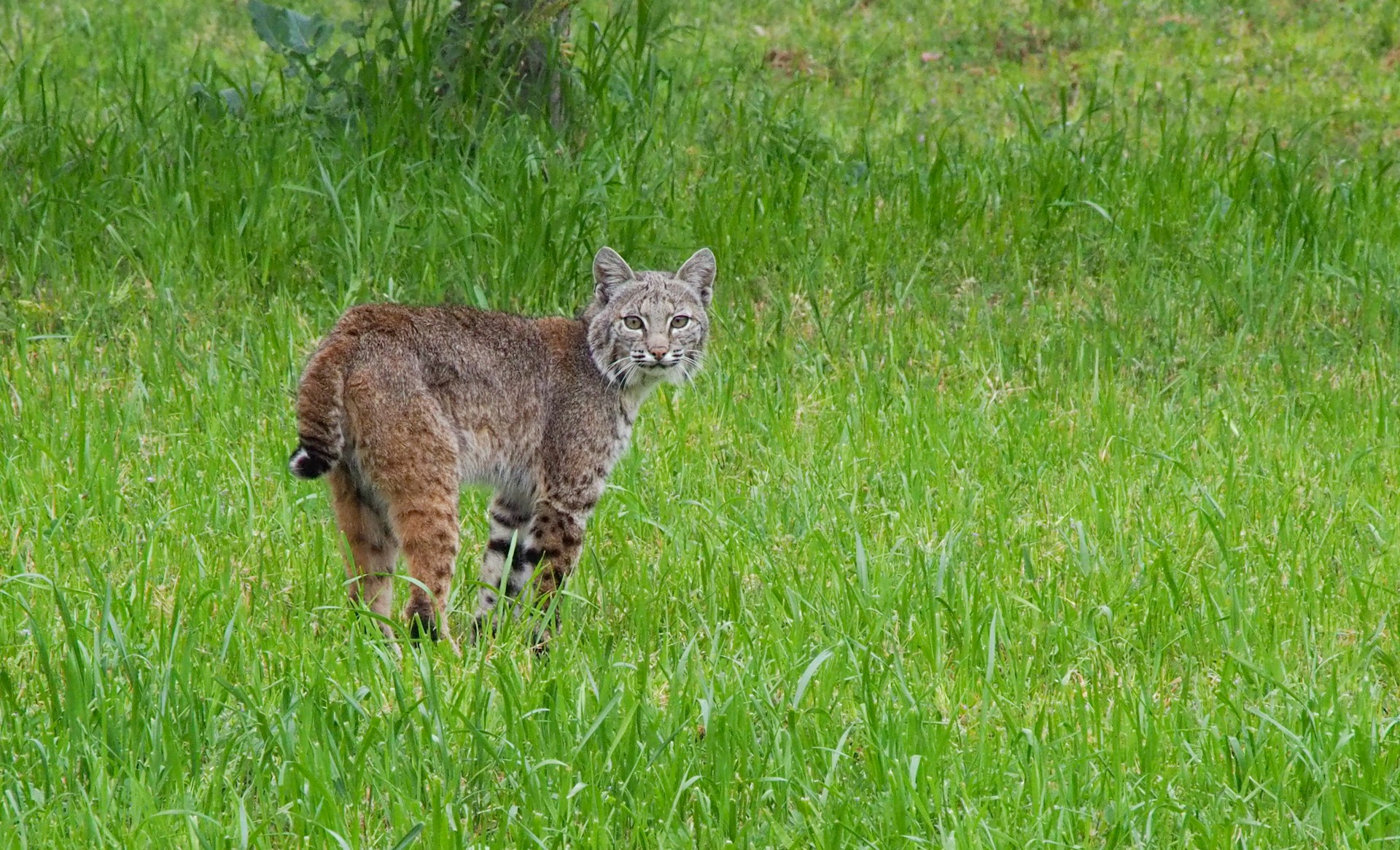
Oregon identifies bobcats as the state’s smallest wild felid and describes a species adapted to mixed, brushy terrain that overlaps roads, recreation space, and rural housing. As those interfaces widen, sightings become less unusual, especially where edge habitat and prey stay reliable.
Conflict often emerges in a repeating sequence: unsecured small animals, steady food cues, then return visits through the same corridor. Biologists argue for early intervention, because once movement patterns settle, local concern rises quickly. Timely reporting and habitat-aware property practices remain central to long-term coexistence efforts.
New Hampshire

New Hampshire research with state partners documented a rebound from far lower historic numbers and expanding records into areas that once showed limited activity. The pattern reflects ecological recovery and a species that can navigate human-dominated mosaics while staying difficult to spot.
Biologists caution that low visibility can hide pressure until sudden clusters appear near homes or feeders. Most conflicts still trace to known conditions: exposed poultry, roaming small pets, and concentrated prey resources. The long-term lesson is straightforward, recovery depends on consistent conflict prevention at neighborhood scale.