Hanukkah often arrives wrapped in candlelight and comfort food, but its backstory is sharper than the glow suggests. It is a holiday built from political pressure, religious survival, and a community arguing with itself about what should be remembered. Over time, the story picked up new details, new symbols, and new accents, shaped by where Jews lived and what they needed the season to say. That is why Hanukkah can feel both ancient and modern, a ritual that carries history while leaving room for interpretation. Under the familiar blessings are twists that rarely make it into classroom summaries. These lesser-known facts trace how the festival traveled from a battlefield and a sanctuary into windowsills, public squares, and family tables.
It Began as a Temple Re-Dedication, Not a Winter Season Event
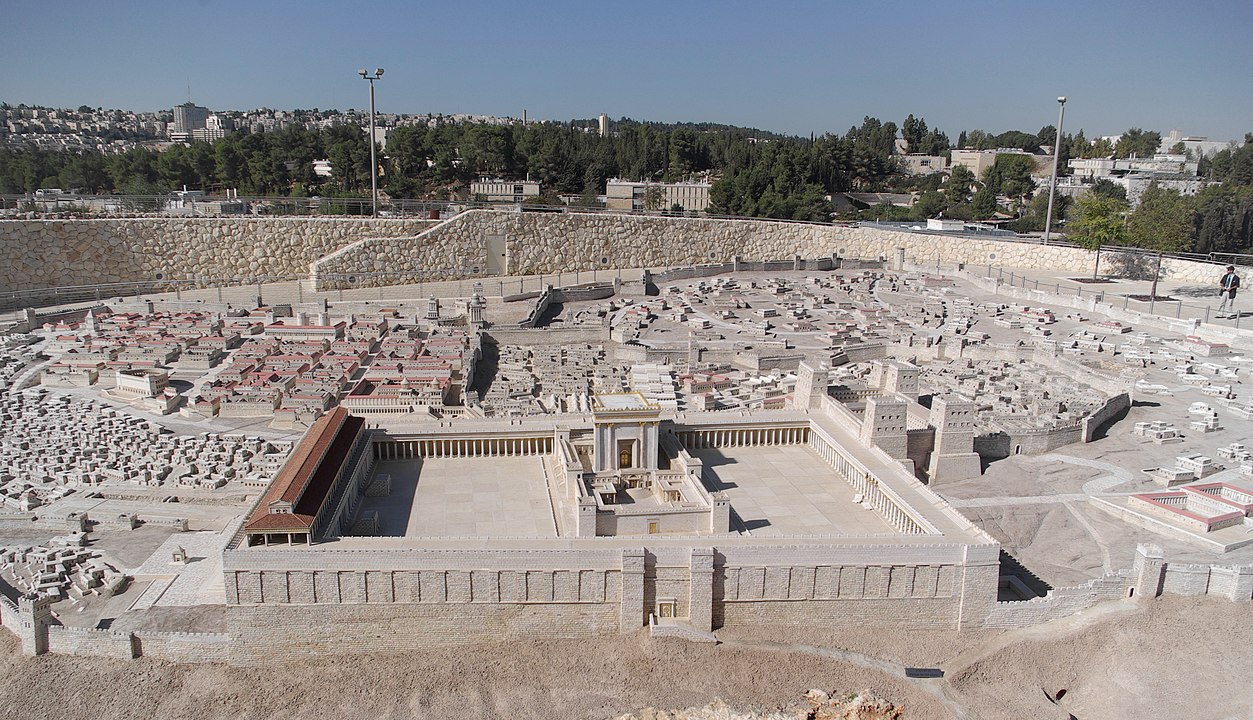
Hanukkah’s oldest spine is a date on the Hebrew calendar: Kislev 25, when Judah Maccabee’s rebels reclaimed the Jerusalem Temple and purified it after Seleucid control. The name itself means dedication, and the early emphasis is on repair, not romance, with priests rebuilding a defiled altar, replacing vessels, and restarting sacred routines that had been interrupted by force. That origin gives the holiday its steady undertone of courage, because the first lights were kindled in a city still tense from conflict, watched by neighbors, and then patiently scrubbed back into service. It is history told through candle math.
The Eight Days May Echo a Missed Sukkot
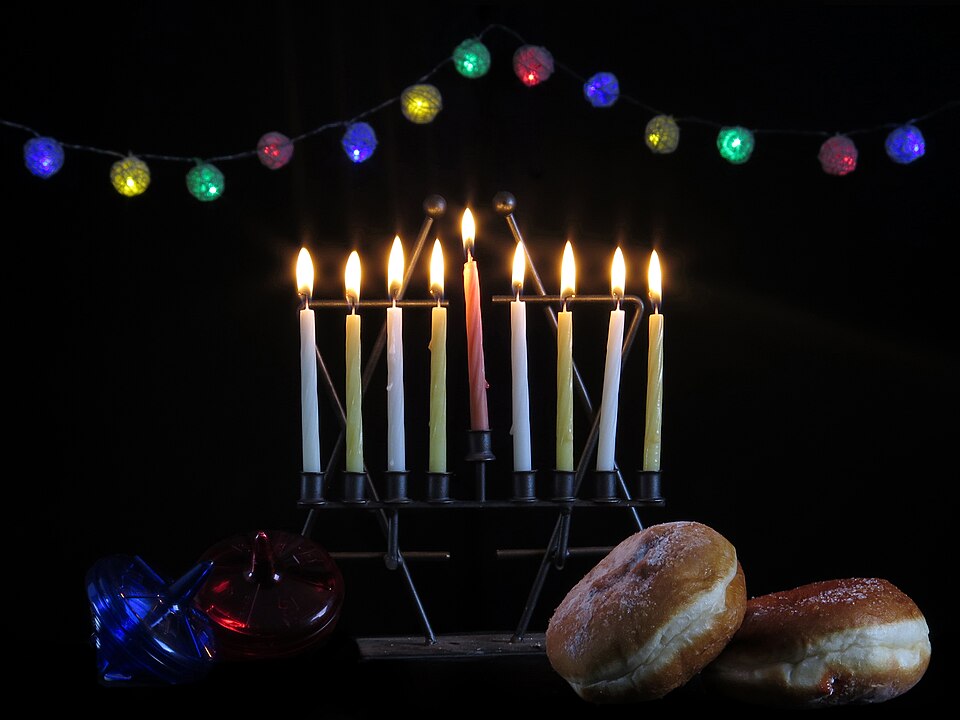
The familiar eight nights are often pinned to oil, yet early interpretations also connect the length to Sukkot, the autumn pilgrimage festival that lasts seven days plus an added day. If conflict made that season impossible to observe on time, the Temple’s reopening created a second chance to celebrate with music, offerings, and the kind of communal joy usually reserved for harvest. That link reframes Hanukkah as a winter echo of a fall festival, with a home-lit finale that mirrors Sukkot’s extra day of gathering, shared meals, and gratitude after disruption. It makes the holiday feel like postponed relief arriving.
The Oil Miracle Shows Up Late in the Written Record
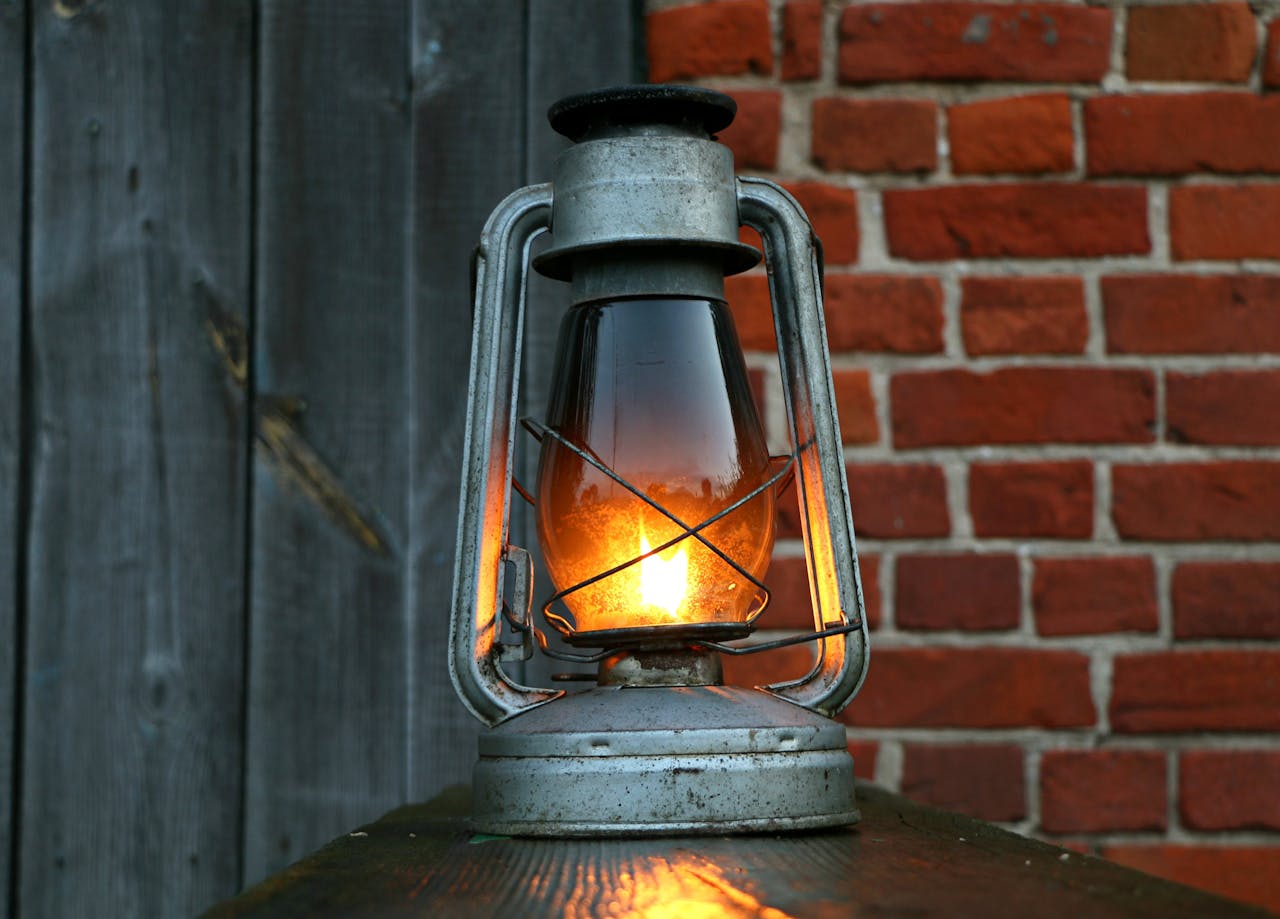
Here’s a twist that surprises many students: the dramatic one-day oil lasting eight days is not described in First Maccabees, one of the earliest narrative sources for the revolt. The famous jar-and-flame scene becomes prominent in later rabbinic literature, which explains the eight days through a sealed cruse found after the Temple was cleansed and the lamp could be lit again. What this really means is that Hanukkah carries layered memory: a political victory preserved in one set of texts, and a spiritual sign preserved in another, with centuries between them and different audiences in mind. The emphasis shifts with time.
A Hanukkah Menorah Is Not the Temple Menorah
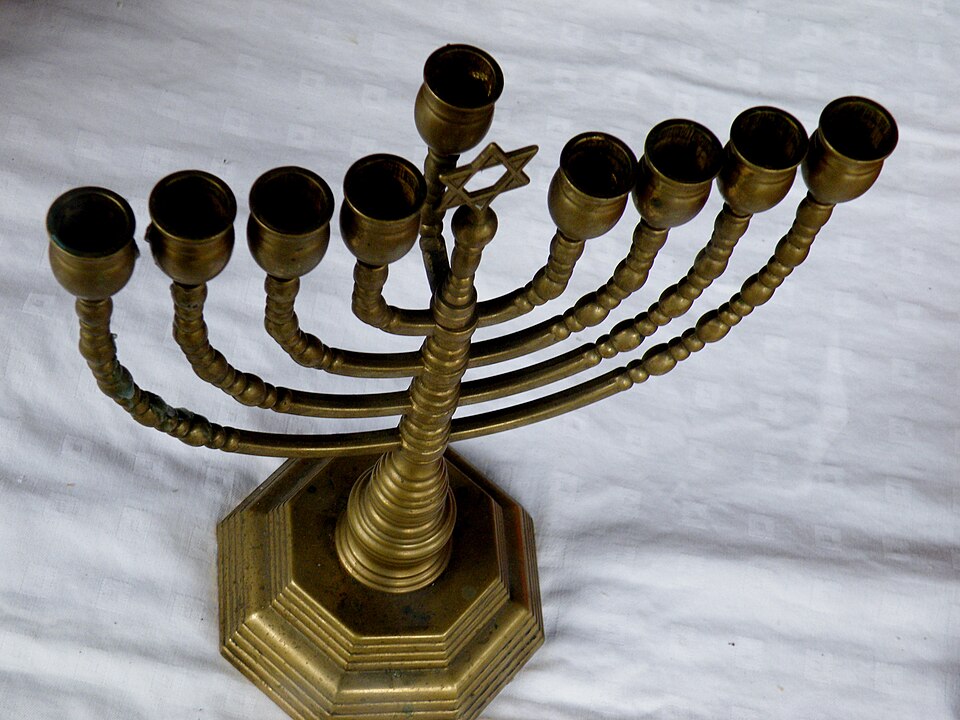
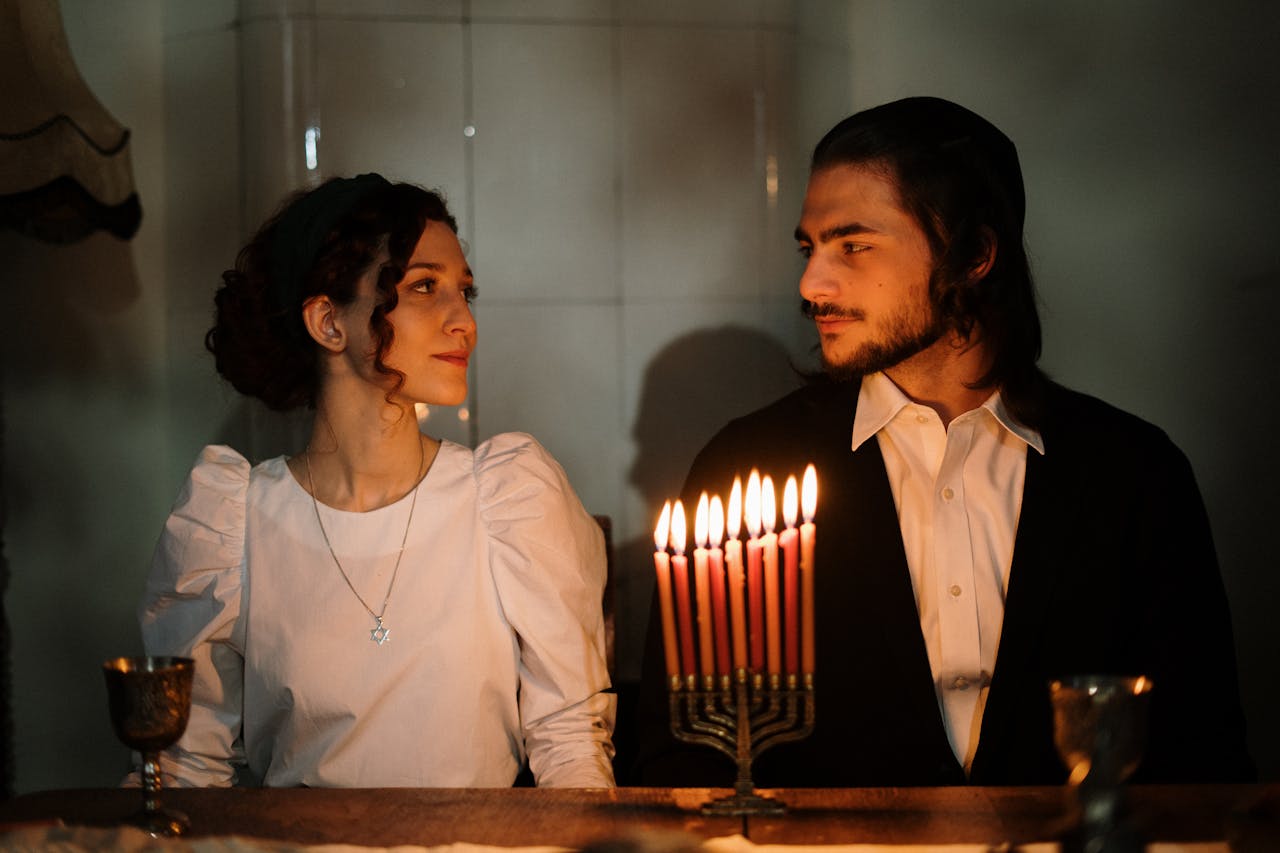
The holiday lamp is technically a hanukkiah: eight lights for the nights, plus a ninth helper flame, the shamash, used to ignite the others without using the ritual lights for practical benefit. The ancient Temple menorah had seven branches, and Jewish tradition treats that form as its own category of sacred symbol tied to Temple service, not home ritual or decoration. So the familiar Hanukkah glow is a designed variation, a counting device for nights, an argument for increase, and a reminder that sacred light is not meant to be casually consumed for chores or ambiance. The form teaches boundaries as much as hope.
The Main Goal Is Public: Let the Light Be Seen
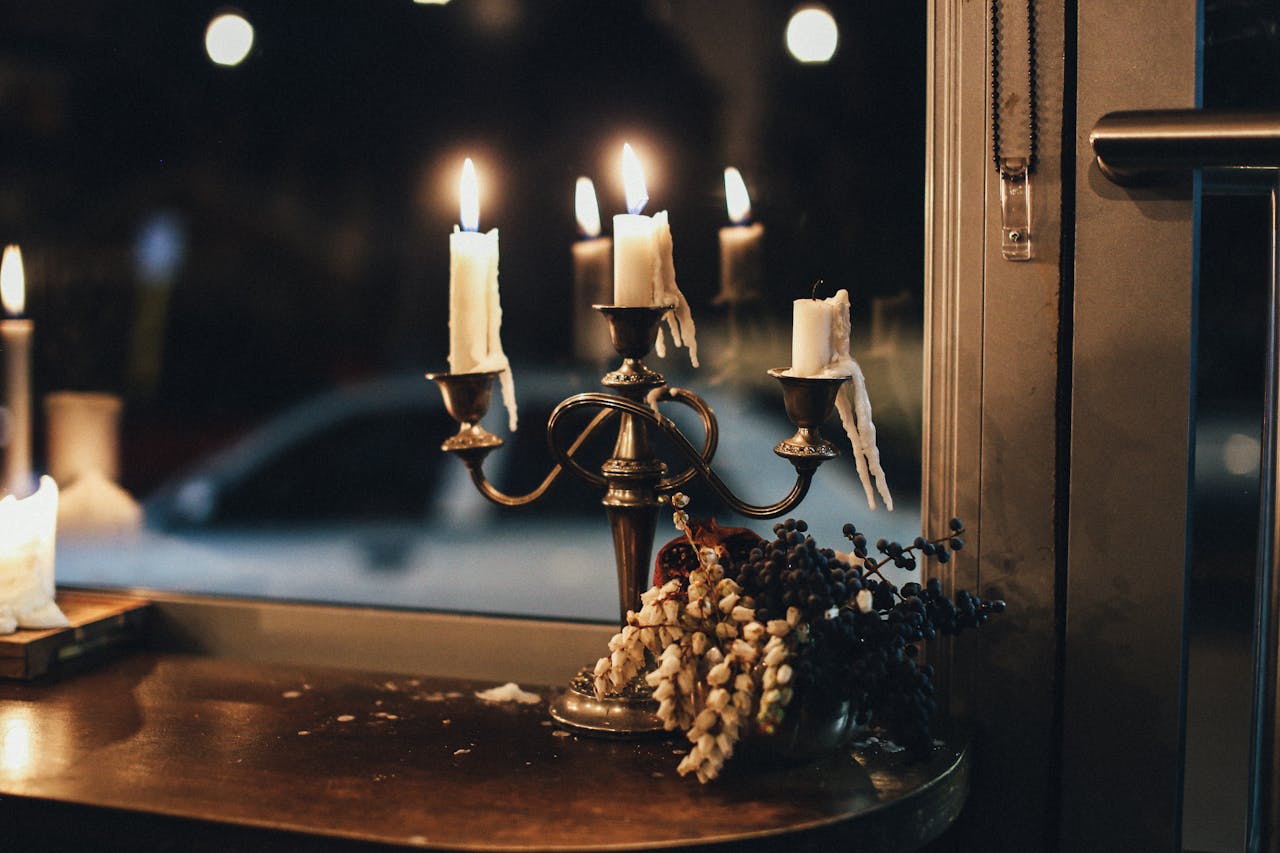
Lighting is not meant to be private mood lighting. Rabbinic tradition centers pirsumei nisa, publicizing the miracle, so the flames carry a message outward rather than hiding on a kitchen counter. Classic guidance places the lamp at a doorway or a street-facing window, and the timing leans toward early evening when people are still moving outside and can notice the growing line of light. Even the smallest hanukkiah becomes a quiet announcement that identity can be visible, warm, and steady, especially in seasons when minority stories are easy to overlook in the noise of winter. The point is presence, not perfection.
The Candle Order Is a Mini Lesson in Time
Many households slide candles in from right to left, mirroring Hebrew reading direction, yet the lighting moves left to right, beginning with the newest candle each night. That choreography turns the hanukkiah into a living timeline: each evening adds a fresh point of light, then re-lights everything that came before, making memory cumulative instead of nostalgic. It is a small ritual logic puzzle that rewards attention, because the hands follow rules that quietly teach how tradition grows through addition, repetition, and patience when nights feel long. In that sense, the order is the story’s grammar for anyone watching.
Dreidel Is a Diaspora Hand-Me-Down, Not a Battlefield Relic
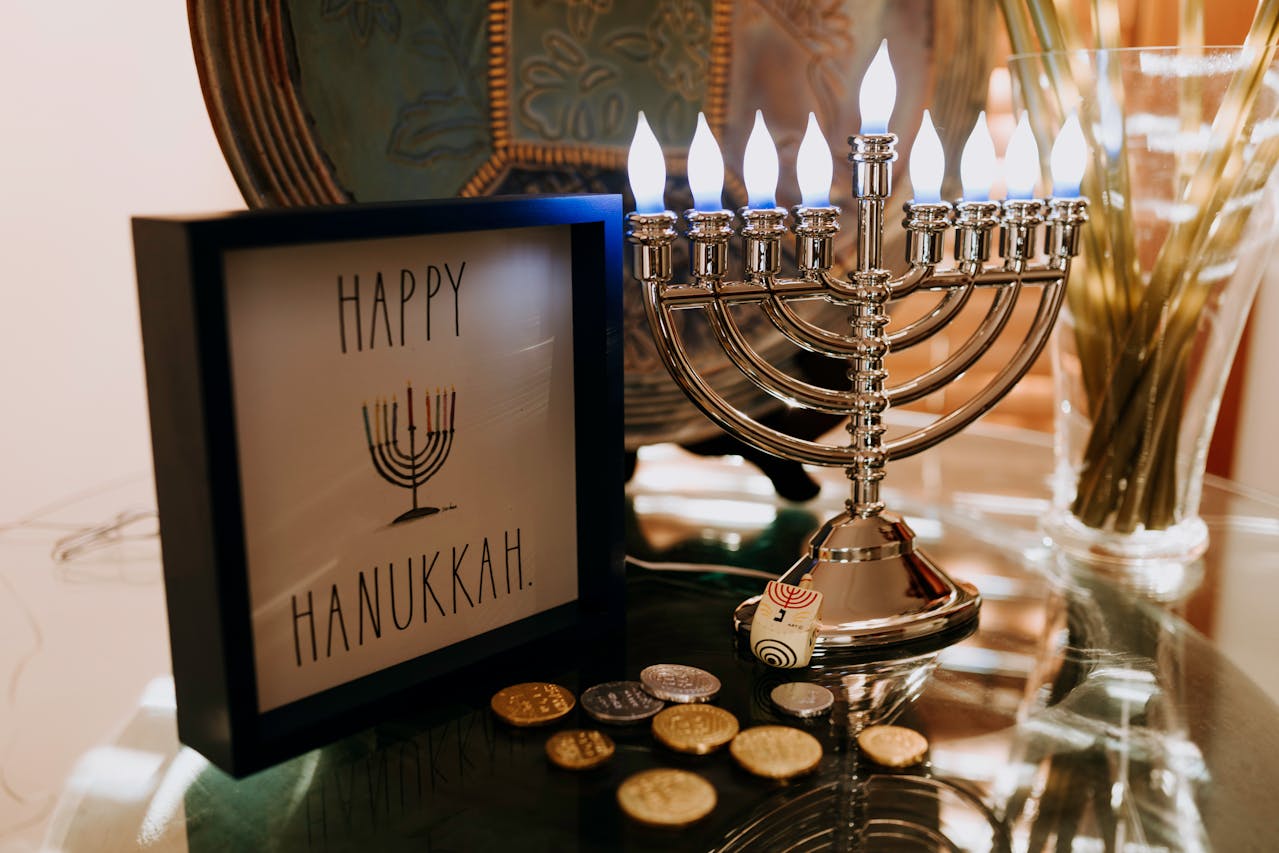
The dreidel game likely traveled through Europe as a cousin of seasonal spinning-top gambling games, then was repainted with Hebrew letters and folded into Hanukkah play in Jewish homes and schools. The familiar nun, gimel, hei, and shin once mapped to simple game instructions in Yiddish or German, not slogans, which is why the rules fit so neatly on four sides. Only later did many communities read the letters as a miracle phrase, turning a borrowed toy into a compact lesson about adaptation, coded memory, and staying playful under pressure when public life felt risky. It is folk history in motion, shaped by diaspora.
A Women’s Custom Became Part of the Holiday’s Texture
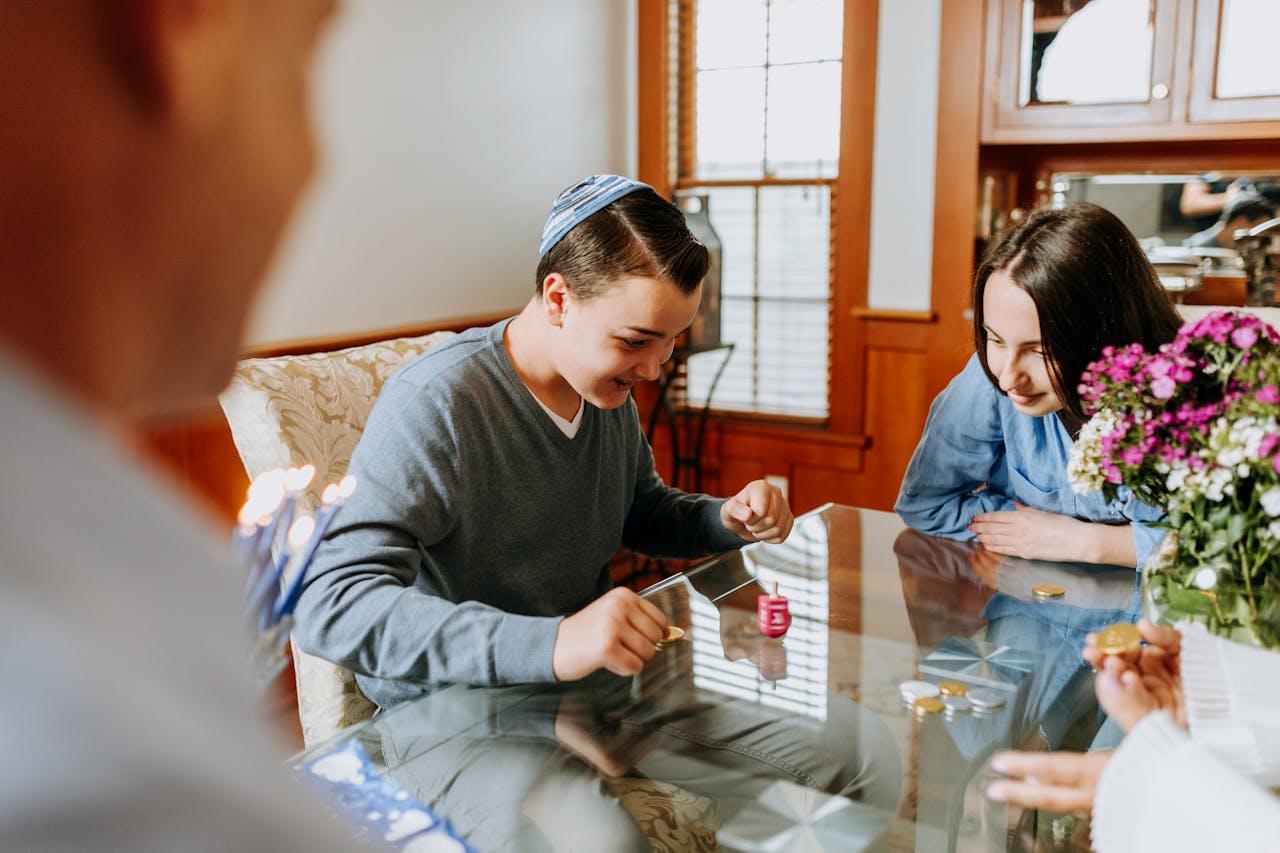
In many communities, women traditionally pause work while the Hanukkah candles burn, often for the minimum time the lights must stay lit to fulfill the mitzvah. Explanations vary, but the practice is commonly framed as protecting the candle moment from distraction and honoring that women, too, were part of the story of deliverance and endurance. Customs like this show how a public ritual can also reshape private time, creating a nightly interval of stillness where stories, songs, and family attention get first claim, even in busy households. It also explains why candle time can feel quietly protected, by custom, not law.
The Core Story Lives in Books Many Never Read in School
The Temple drama is preserved most directly in First and Second Maccabees, texts that sit outside the Jewish biblical canon and outside many modern history classrooms. That gap is why people can grow up singing Hanukkah songs without ever reading the earliest narrative straight through, with its politics, compromises, and raw aftermath. The holiday’s popularity hides a quirky truth: a central Jewish winter festival is rooted in sources that many people first encounter later, through study circles, museum labels, adult learning, or interfaith settings. That late discovery can feel like uncovering a family archive.