Fast food used to mean one thing: predictable, cheap, and quick enough to fit into a busy day.
Now the same order can cost like a sit-down meal, and it still shows up in a crinkled bag.
That rip-off feeling is not just nostalgia or bad luck with one drive-thru on one rough night.
It is a pileup of pricing tricks, cost spikes, and design choices that nudge you to spend more.
Chains also trained us to compare value, so any mismatch between price and satisfaction hits harder.
When portions shrink, service slows, and quality wobbles, the brain screams, I am being played.
Some of the changes are real economics, and some are clever math that hides the real price.
Let’s break down what changed, why it feels personal, and how to order smarter without drama.
Prices Moved Up Faster Than Your Brain Can Accept
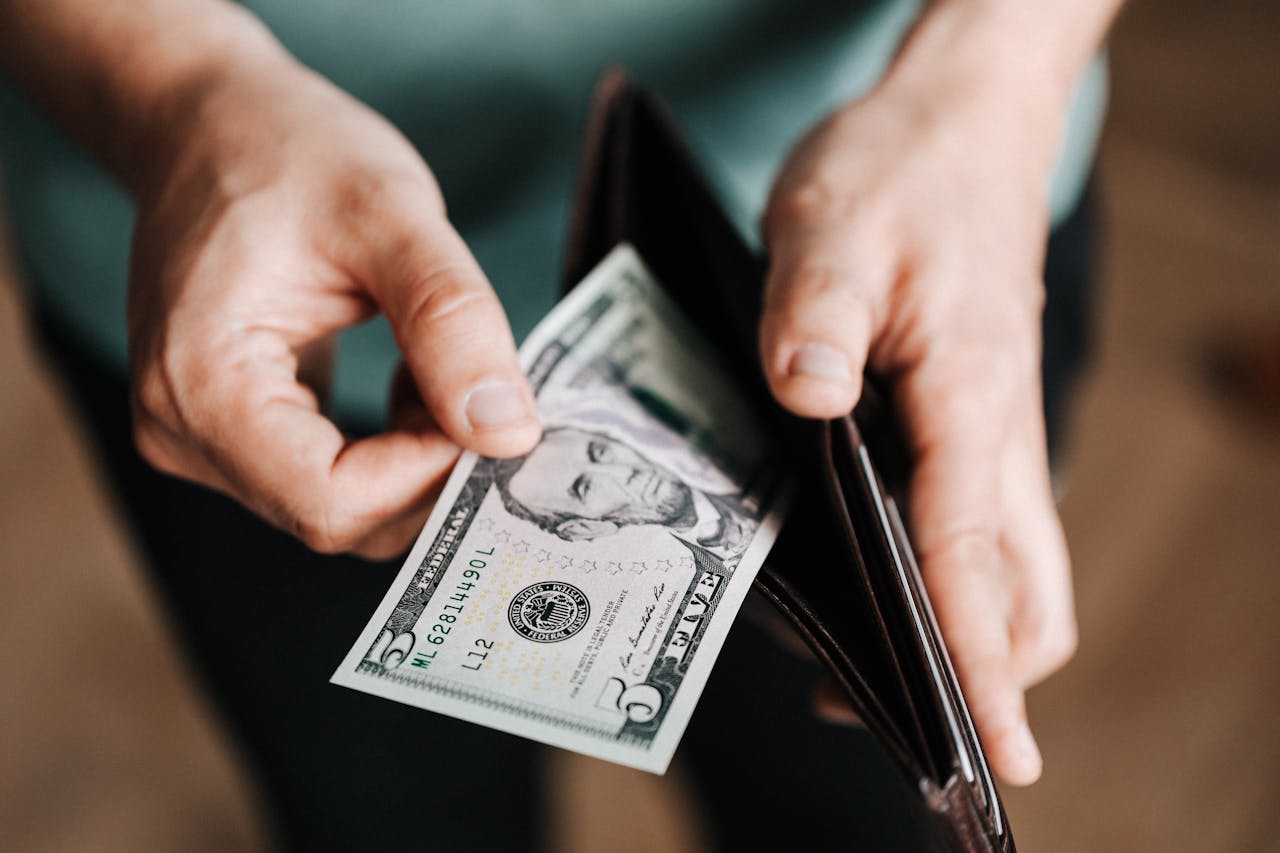
Menu prices climbed in small jumps for years, then started leaping, and your internal price memory fell behind.
Even if your income rose, the jump from cheap treat to budget decision feels like a rule got broken. It stings.
Inflation pushed up basics like cooking oil, packaging, and transportation, and fast food runs on all three.
Chains also raised prices to protect profit. That means you pay for the increase and the cushion.
Shrinkflation Makes the Same Order Feel Smaller
Sometimes the sticker price stays put, but the sandwich gets thinner, the fries cup gets shorter, or the meat ratio shifts.
Your eyes notice the change faster than your wallet, so the meal feels like a downgrade even before you do the math.
Portion cuts often hide inside new packaging or a renamed size, so you cannot compare last year to this year at a glance.
That confusion is the point. If it is harder to track, fewer people complain and even fewer stop buying.
Value meals also got reworked. The bundle still exists, but the best items are excluded or pushed into pricier combos.
Then there is the add-on trap: extra cheese, bacon, sauces, and premium buns that turn a basic order into a premium bill.
Even drinks changed. Smaller cups, more ice, and higher prices for refills make soda feel like a luxury add-on.
When you pay more and receive less, the brain reads it as unfair, not just expensive, and that is where rip-off lives.
The App Turned Discounts Into a Gate You Must Walk Through
Chains moved deals into apps, so the menu price is the worst price unless you log in, tap around, and play along.
That shifts the burden to you. If you do not have the time, data, or patience, you subsidize the bargain hunters.
App deals also change daily, which trains you to chase randomness instead of trusting a stable value menu.
Personalized offers can feel creepy, but the bigger issue is price discrimination: two people pay two different totals.
Mobile ordering adds sneaky friction too. Extra steps make you more likely to add sides, desserts, or a larger drink.
Some apps default to tipping screens or charity round-ups, which makes a quick meal feel like a checkout gauntlet.
When the simplest path costs the most, it stops feeling like convenience and starts feeling like a penalty.
Quality and Consistency Slipped While Expectations Rose
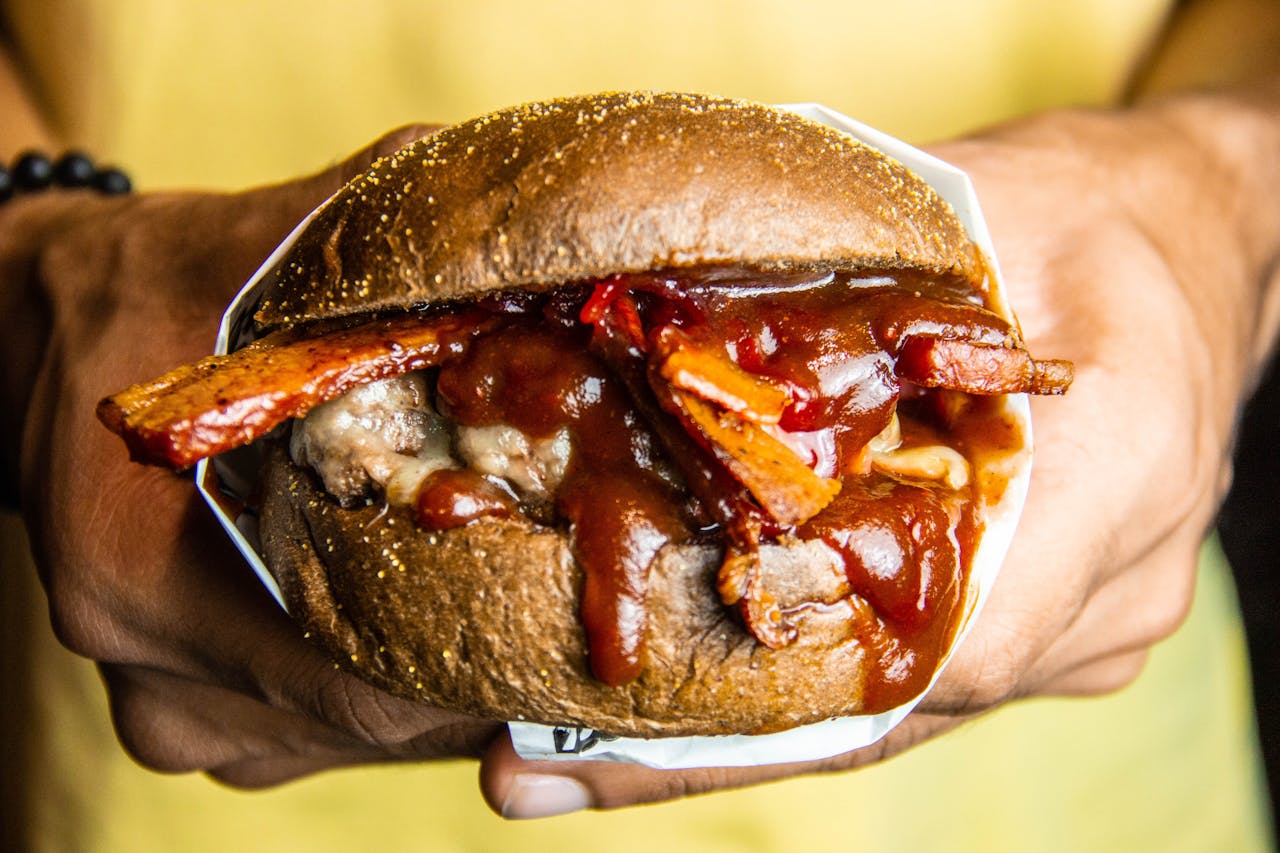
Fast food wins when it tastes the same every time, but staffing churn and rushed training make that harder to deliver.
Oil that is past its prime, fries held too long, or a lukewarm sandwich can ruin the value even if the price was fair.
Supply changes matter too. A cheaper bun, smaller chicken cut, or different sauce recipe is noticeable in a simple menu.
Meanwhile competitors improved. Better coffee, better fried chicken, and nicer interiors make the old standard feel stale.
When the product feels less cared for, every extra rupee or dollar reads as disrespect, not just a price adjustment.
Behind the Counter Costs Are Real, Even If They Do Not Feel Fair
Labor got more expensive in many places, and chains compete with retail and warehouses that often pay more for similar work.
Rent and property costs hit hard because good corners and drive-thru lots are scarce, especially in busy suburbs.
Utilities and equipment are not small either. A store runs grills, fryers, HVAC, and refrigeration all day, every day.
Delivery changed expectations too. Even if you pick up, the store is built around delivery volume, packaging, and app fees.
Franchise models add another layer. Owners pay royalties, marketing fees, and sometimes higher ingredient costs set by the brand.
All of that pushes prices up, but customers feel the pain first because the experience still looks like simple, cheap food.
Speed Fell, So You Lost the Main Reason to Pay
Drive-thru lines got longer, and the time cost now competes with the food cost, making the total feel worse.
Menus exploded with limited-time items, customizations, and specialty drinks. Complexity slows kitchens down.
Apps and delivery orders stack on top of in-person tickets, so the kitchen is slammed even when the dining room looks empty.
When fast becomes slow, you start comparing it to casual dining. That is a comparison fast food rarely wins.
The Value Gap Feels Bigger Because You Have Better Options
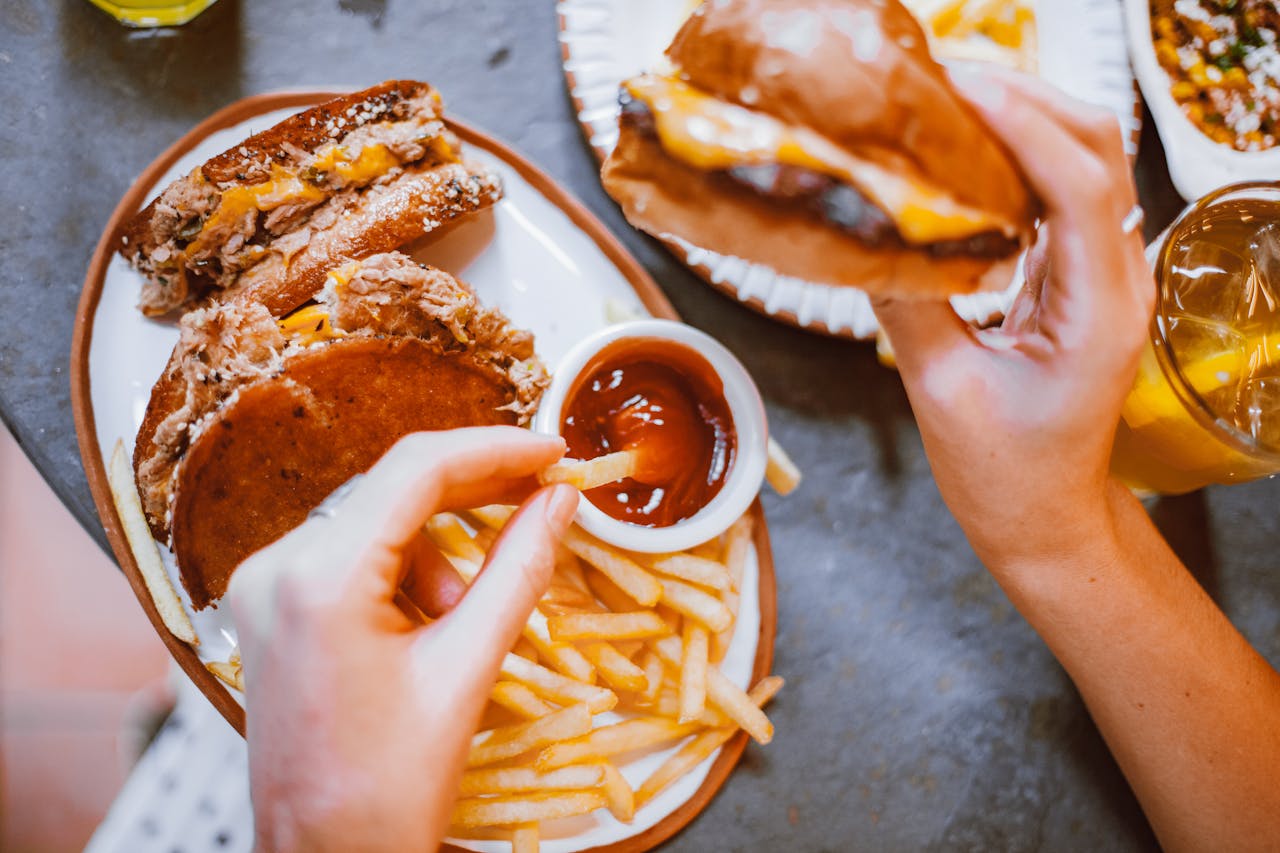
Convenience stores, grocery delis, and fast-casual spots improved, so the middle ground between cheap and good got crowded.
At the same time, home cooking got easier with air fryers, ready sauces, and meal kits, which makes a pricey combo harder to justify.
When the alternatives look smarter, fast food loses its excuse, and that is when the word rip-off starts showing up.
How to Avoid the Rip-Off Feeling Without Swearing Off Fries Forever
Start by picking one chain and learning its real deal pattern. Most have one or two items that stay fair when others drift.
Use the app only if it saves you real money, not just points, and silence the notifications so you are not shopping while hungry.
Skip upgrades that do not change fullness, like premium buns or extra sauces. Spend that money on protein if you need it.
Treat fast food as an occasional convenience tool, and your expectations will match the experience instead of fighting it.