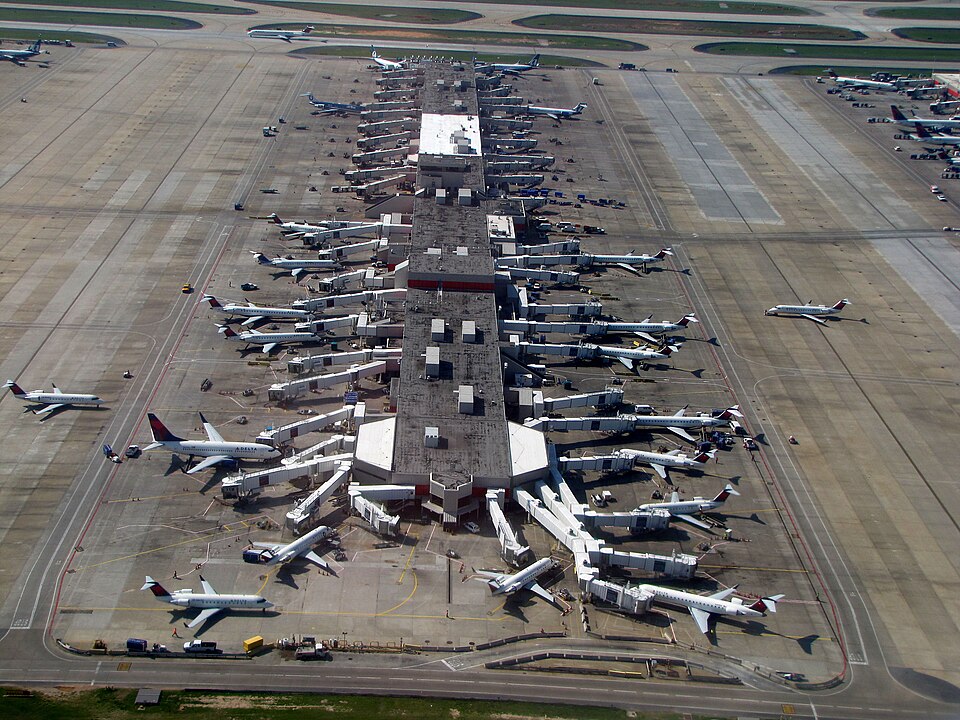
When airspace turns into a chessboard, airports become the first pieces moved. In early 2026, missile alerts, drone incursions, and snap airspace bans rippled across flight maps, turning routine departures into waiting-room limbo. Families camped beside charging outlets while crews timed out and cargo sat idle.
Some terminals went quiet for a night, others reopened in narrow windows for repatriation, and a few stayed open but watched their skies rerouted around them. The result felt oddly intimate: one delayed boarding call can echo a whole region’s fear, caution, and calculation. And the ripple reaches far, fast.
Ben Gurion Airport in Tel Aviv
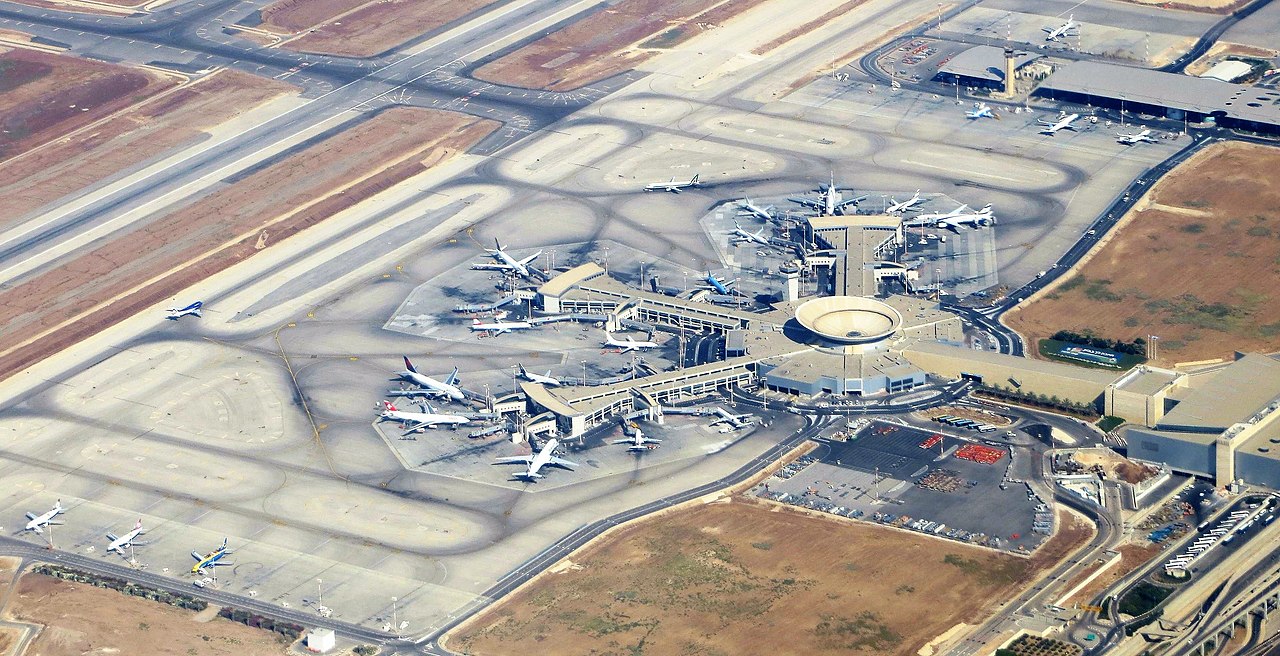
Tel Aviv’s Ben Gurion Airport has a way of sounding normal even when the region is not. After the Israel-Iran escalation, traffic was set to resume only in an extremely limited format, with airlines holding back new ticket sales so they could cycle stranded passengers through rescue flights and short-haul hops.
The stop-start rhythm was not just a local headache. As security conditions shifted, every empty gate meant another chain reaction: missed weddings, delayed cargo, rerouted crews, and families tracking seats like scarce currency, hoping the next update finally points them home before the window closes again at dusk.
Dubai International Airport
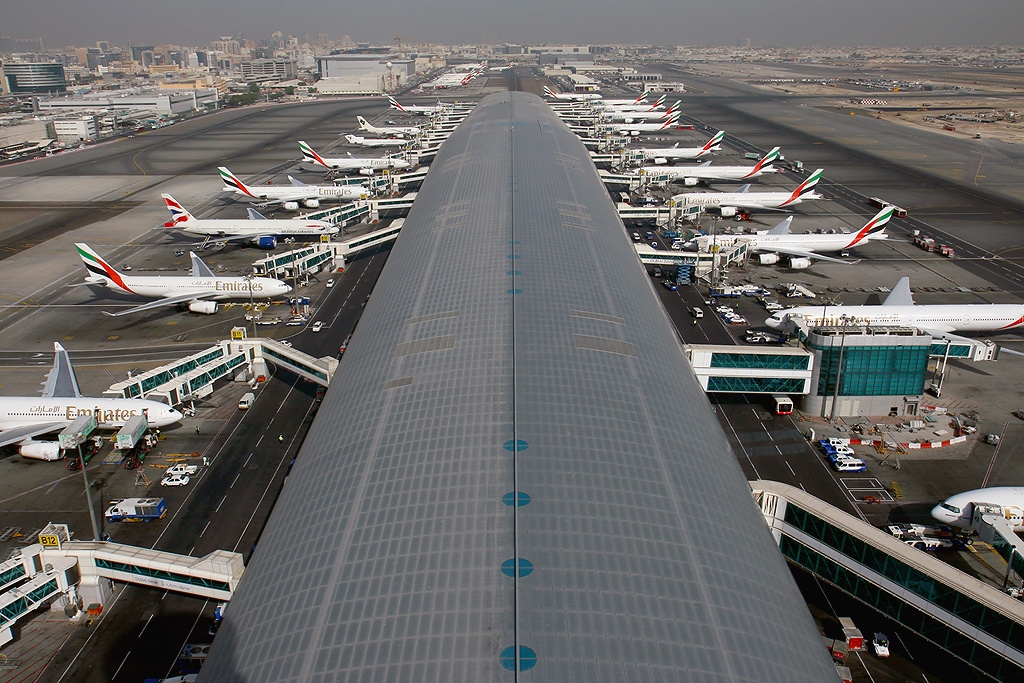
Dubai International Airport is built for motion, so silence there feels unnatural. After the Feb. 28 escalation, the hub was temporarily shut while airspace across the Gulf snapped closed, and officials later described minor damage as flights began returning in a limited trickle.
With close to 100 million annual passengers moving through its gates, Dubai is less a destination than a hinge in the global schedule. When that hinge locks, cancellations echo from Europe to South Asia: crews time out, aircraft sit in the wrong cities, and the simplest connection turns into a costly, exhausting reroute. Even cargo lanes feel it.
Zayed International Airport in Abu Dhabi
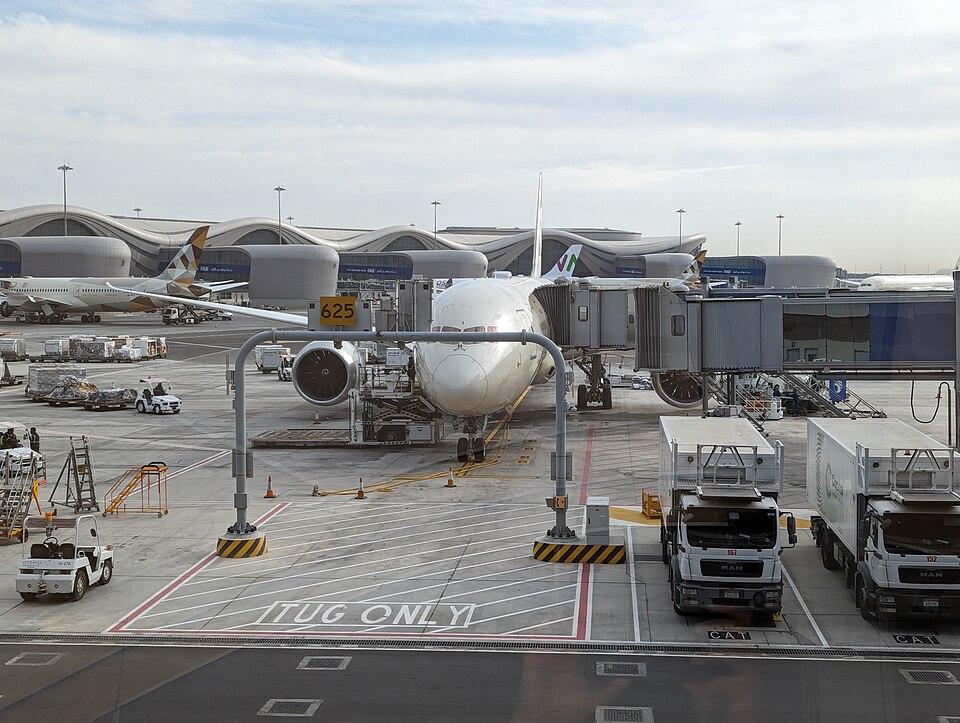
Abu Dhabi’s Zayed International Airport is usually the calm cousin to Dubai’s rush, but conflict compresses every distinction. After retaliatory attacks across the Gulf, normal commercial schedules were suspended while authorities allowed only tightly coordinated flights, often focused on repositioning aircraft and repatriation.
A partial reopening is its own strain. It forces hard triage about who flies first, which routes matter most, and how to reunite crews scattered across continents, all while safety approvals shift with each new bulletin and radar sweep. The terminal can look open, yet the network stays knotted.
Hamad International Airport in Doha
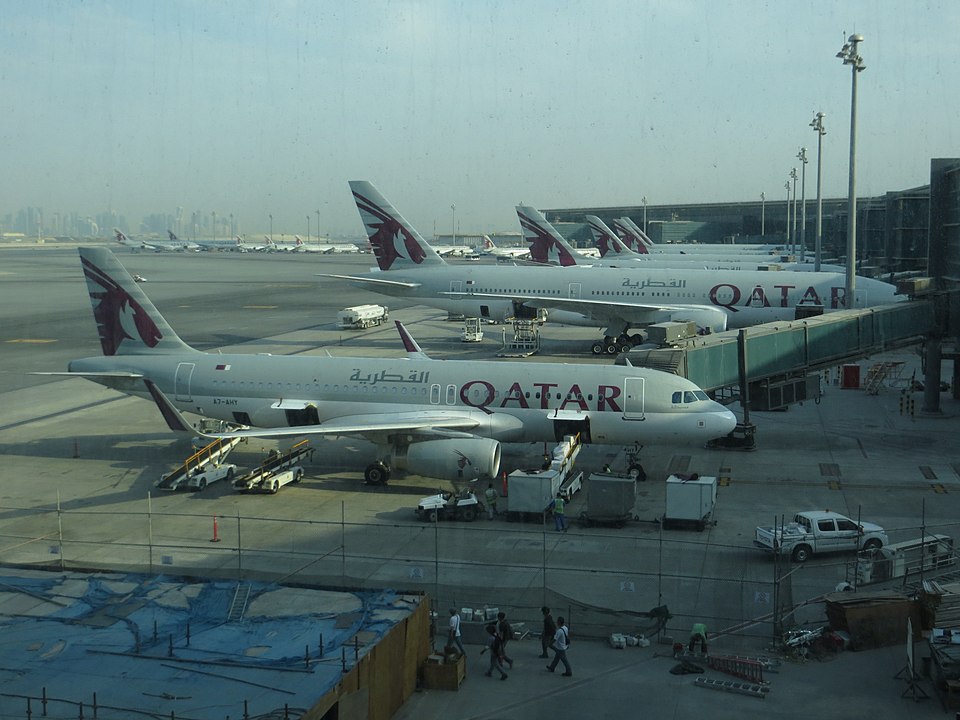
Doha’s Hamad International Airport runs on precision connections, where a 10-minute buffer matters. When regional airspace tightened and Doha was temporarily shut, the choreography broke: arrivals held, departures paused, and the hub’s role as a transit bridge flipped into a bottleneck.
Qatari officials said Iranian attacks targeted civilian infrastructure, including the international airport. Even without a dramatic terminal scene, that kind of warning changes behavior fast, because risk is not measured only by what lands on concrete, but by what might. Airlines rerouted wide, and passengers waited for corridors to reappear.
Kuwait International Airport
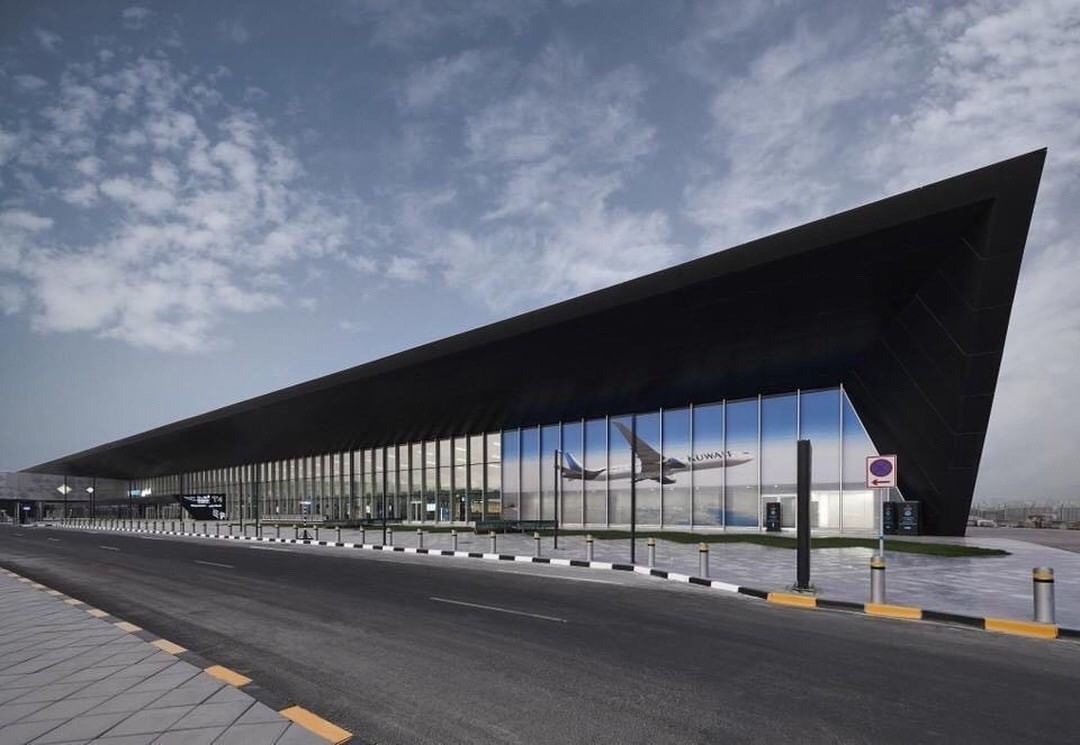
Kuwait International Airport sits close to strategic infrastructure, so the margin for error is thin. During Iran’s retaliation, airports in Kuwait were hit as the Gulf’s aviation corridor seized up, with diversions stacking up faster than ground crews could reset gates.
Kuwait’s disruption can look quieter than Dubai’s, but the stakes are just as real. A smaller schedule means fewer alternate seats and fewer backup aircraft, so each cancellation tightens the loop of hotel extensions, missed connections, delayed medical travel, and freight that arrives days late instead of hours and patience that runs thin at the curb.
Vnukovo Airport in Moscow
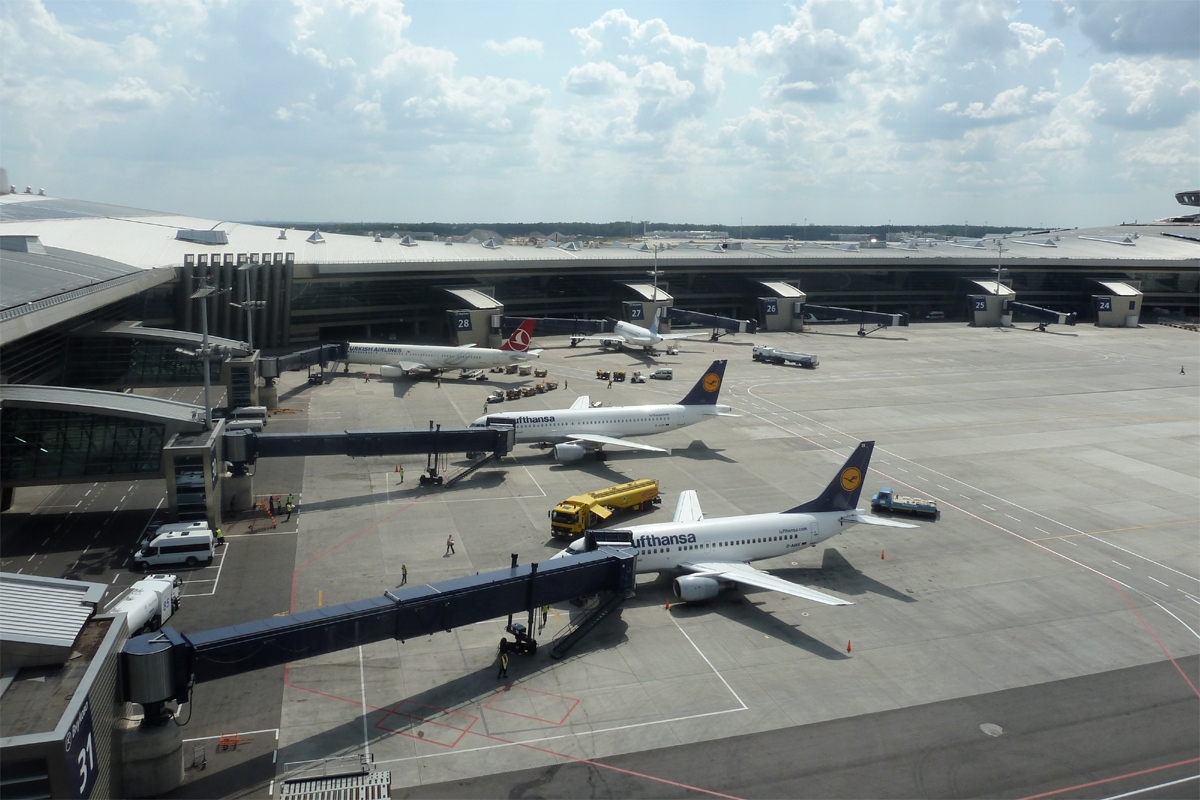
Moscow’s Vnukovo Airport has become an uneasy barometer for the wider Russia-Ukraine war. On June 8, 2025, Russia’s aviation authority halted flights there amid reports of drones heading toward Moscow, a reminder that a modern airport can be paused by a single safety bulletin.
These pauses are often measured in hours, not days, but they land hard. Crew duty clocks keep ticking, baggage systems jam, and connecting itineraries collapse across multiple countries, because one restricted airfield can knock an entire rotation out of place before dispatchers even finish re-planning. The runway reopens, but the schedule is bruised.
Domodedovo Airport in Moscow
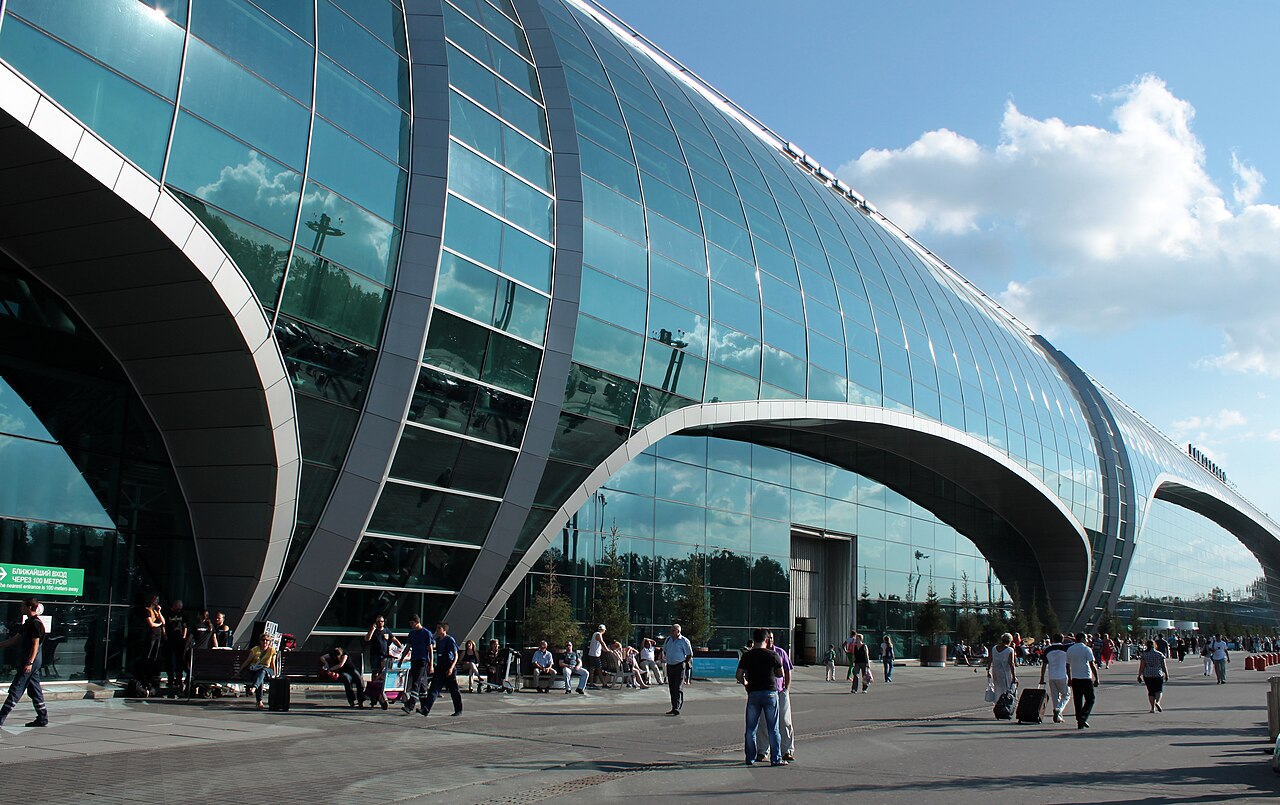
Domodedovo is one of Moscow’s main workhorses, built for dense banks of departures and quick turnarounds. Drone alerts have forced temporary halts there, including the June 8, 2025 suspension that paused flights as authorities worked to keep the airspace around the capital safe.
Once that pause hits, ripple effects stack fast. Diversions send aircraft to other cities, crew duty limits expire, and rebooking lines choke call centers, because every delayed landing steals a gate from the next arrival. Domodedovo can reopen quickly, yet the day’s rhythm rarely snaps back on time. Air travel hates uncertainty, and this is it.
Sheremetyevo Airport in Moscow
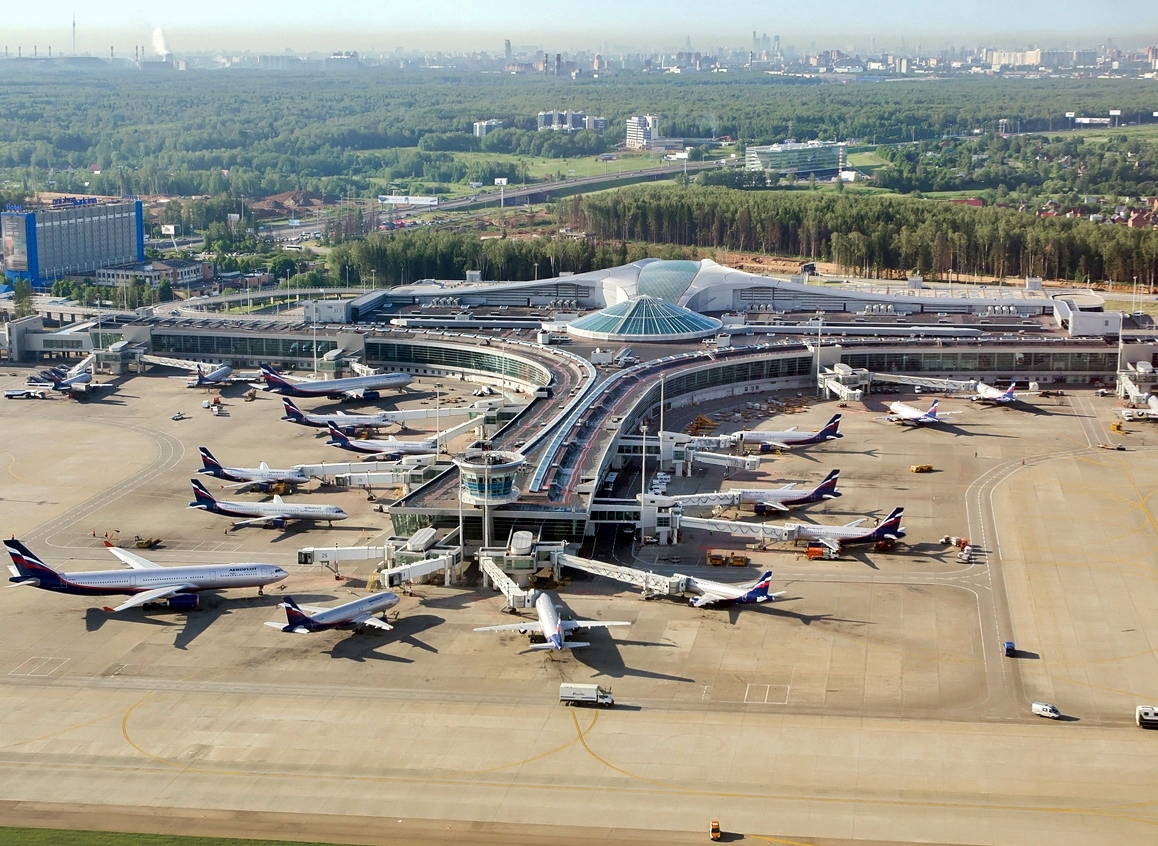
Sheremetyevo handles a huge share of Russia’s international traffic, and that scale makes any interruption visible. On Dec. 27, 2025, Russia’s aviation authority temporarily restricted airspace around Sheremetyevo for security reasons after reports of a wave of drones near Moscow.
Restrictions are not a full shutdown, but they feel like one on the concourse. Arrivals stack in holding patterns, departures slide minute by minute, and bags miss their onward flights, because every schedule assumes the previous landing happened on time. By the time the skies reopen, the airport is moving again, yet the backlog still has teeth.
Damascus International Airport
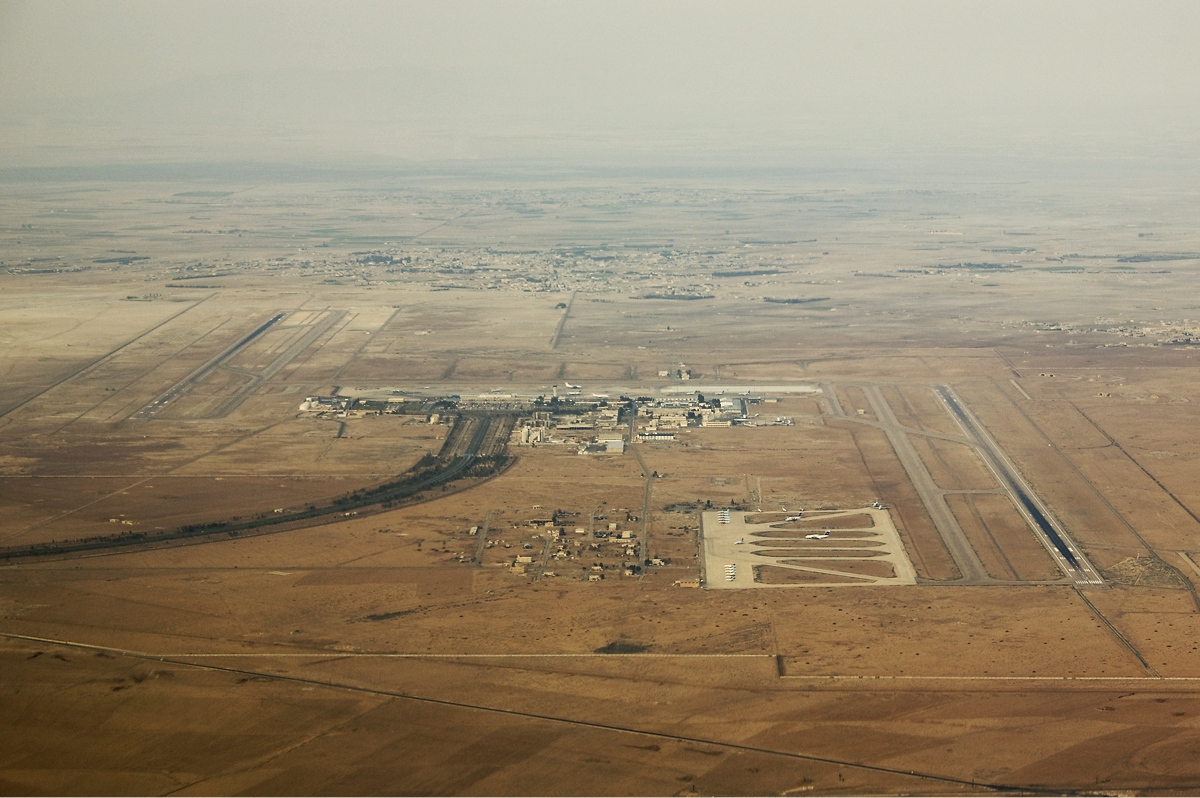
Damascus International Airport has reopened and closed so many times that airlines treat it like a variable, not a constant. Israeli strikes have repeatedly put the airport out of service, including a Nov. 26, 2023 strike that prompted diversions for incoming flights.
For Syrians and the limited set of carriers willing to operate, those outages cut deeper than convenience. Each closure interrupts a thin lifeline for family reunions, aid logistics, and trade, and it reinforces a hard truth: a runway is only as reliable as the airspace and politics that surround it. Repairs can be quick, but confidence returns slowly, often.