What Really Happened to Joe Biden’s Uncle in World War II

Yevgeny Khaldei, Public Domain / Wikimedia Commons
Records point to an A20 lost off New Guinea in 1944; no shootdown, no myths, just a name inscribed and a family still remembering.

Family stories carry weight, but wartime records speak in quiet, careful lines. Second Lt. Ambrose Joseph Finnegan Jr., known in his family as Bosie, served with the Army Air Forces in the Southwest Pacific. In May 1944, he vanished on a routine hop near New Guinea, and no remains were recovered. Over time, the account gathered speculation and politics, yet the paperwork endures. Unit summaries, casualty files, and memorial rolls outline a loss at sea, the kind that leaves a date, a theater, and a name cut into stone.

The Airman Behind The Name
The Airman Behind The Name
U.S. Air Force Photo/Melinda Mueller, Public Domain / Wikimedia Commons

Ambrose Joseph Finnegan Jr. entered service from Pennsylvania and joined Fifth Air Force, which supported island campaigns across New Guinea and the Bismarck Sea. Personnel notes tie him to headquarters duties, a reminder that risk reached beyond bombers and fighter squadrons. Air transport linked scattered strips, moved orders, and carried people who kept missions running. His record lists him as missing in action, later non recoverable, language that fixes the loss in official memory even when the ocean kept its hold.

Orders And Theaters
Orders And Theaters
U.S. Air Force, Public Domain / Wikimedia Commons

Fifth Air Force operated from muddy forward fields and larger hubs like Port Moresby and Nadzab. Daily traffic included attack aircraft, transports, and couriers that stitched the front together. A typical day mixed weather briefings, quick cargo, and hops that blurred into routine. That routine could turn fragile in minutes when storms rose or an engine faltered. For a headquarters officer, a seat on a short flight was part of the job, not a gamble. The theater made every mile count, and every mile carried risk.

The Aircraft And The Role

The Aircraft And The Role
U.S. Air Force, Public Domain / Wikimedia Commons

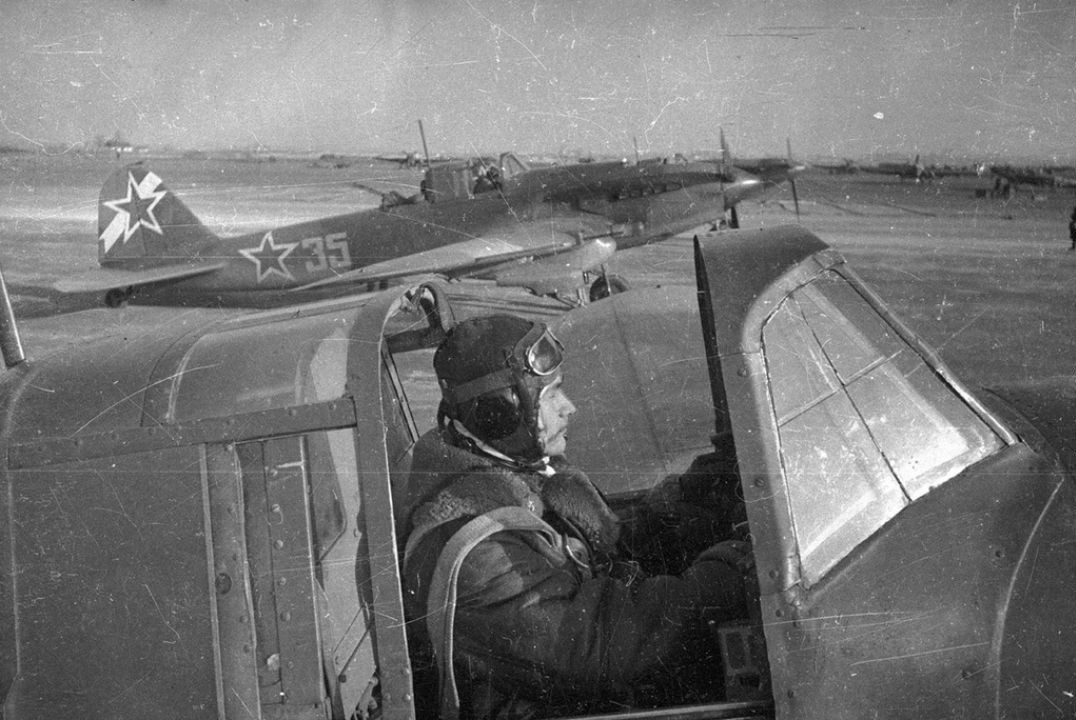
The A20 light bomber doubled as a fast courier across the Southwest Pacific. Crews valued speed, rugged gear, and the ability to land on rough strips between ridgelines and jungle. In practice, the type hauled messages, parts, and personnel, shaving hours from ground routes that bogged in rain. The airframe handled low level work well, but tropical heat, salt air, and sudden squalls punished engines and bearings. A ride that began as an errand could meet a storm edge no map fully warned about.

The Date That Anchors The Story
The Date That Anchors The Story
Lt. C. Trusler, Public Domain / Wikimedia Commons

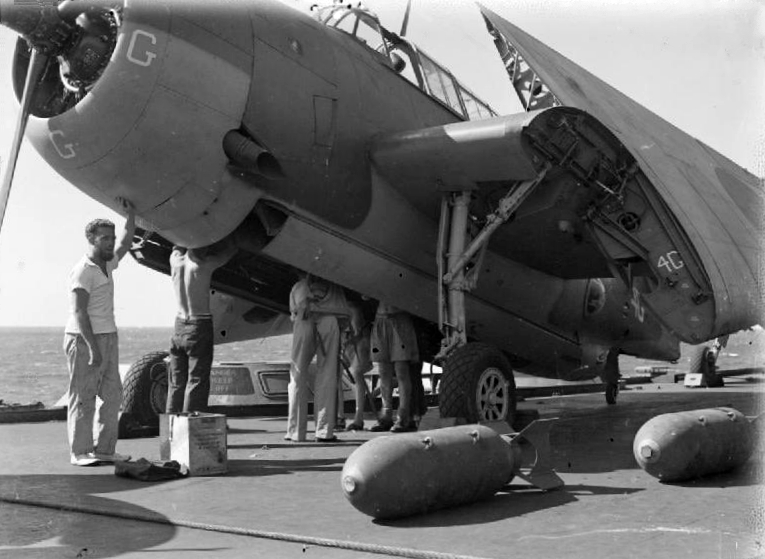
Mid May 1944 marks the loss. The flight lifted with routine purpose and never arrived, an absence recorded in signals logs and next day paperwork. In wartime, that silence created a narrow path for families back home. Telegrams softened detail. Units noted a missing aircraft and moved on to scheduled strikes and supply runs. For those who served with him, the date tied to a blank space on the board. For those at home, it settled into letters, prayers, and a steady wait that never ended.

Over Water, Few Clues
Over Water, Few Clues
U.S. Navy, Public Domain / Wikimedia Commons

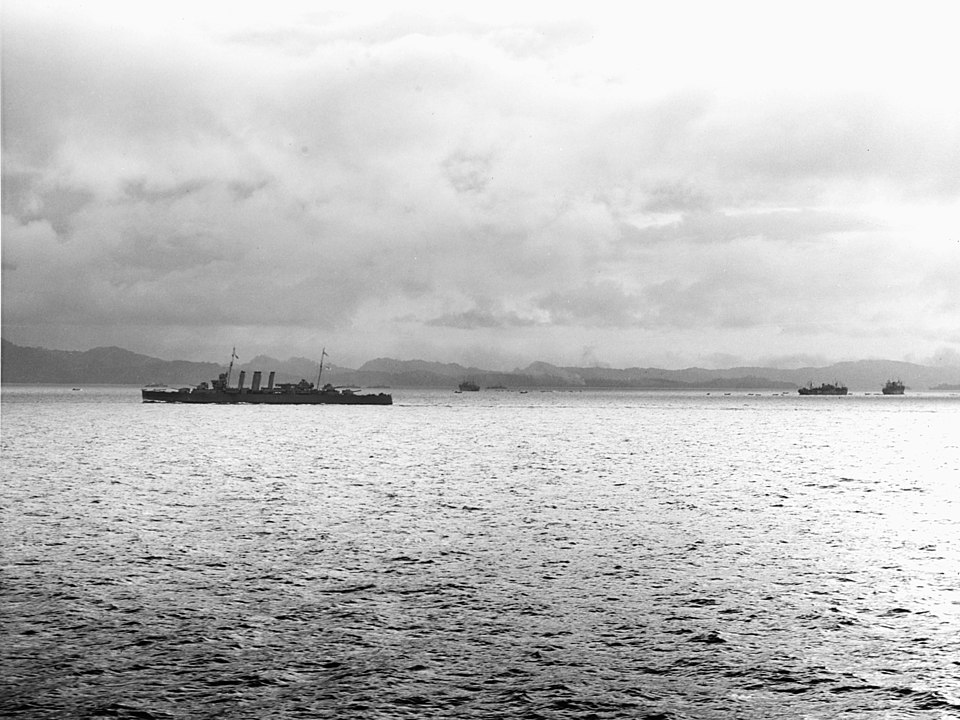
A failure over water often left nothing to follow. The coastline around New Guinea and the Admiralties folded into reefs and deep channels, with currents that moved wreckage out of reach in hours. Radios failed, beacons broke, and even a clean ditching could turn fatal in swells. Search assets were thin and pointed toward missions that could change battles. Without a flare or a sighting, a flight slid off the map. The sea kept the rest, which is why so many names remain unreturned.

Combat Or Not
Combat Or Not
Capt. E.G. Malindine, Public Domain / Wikimedia Commons

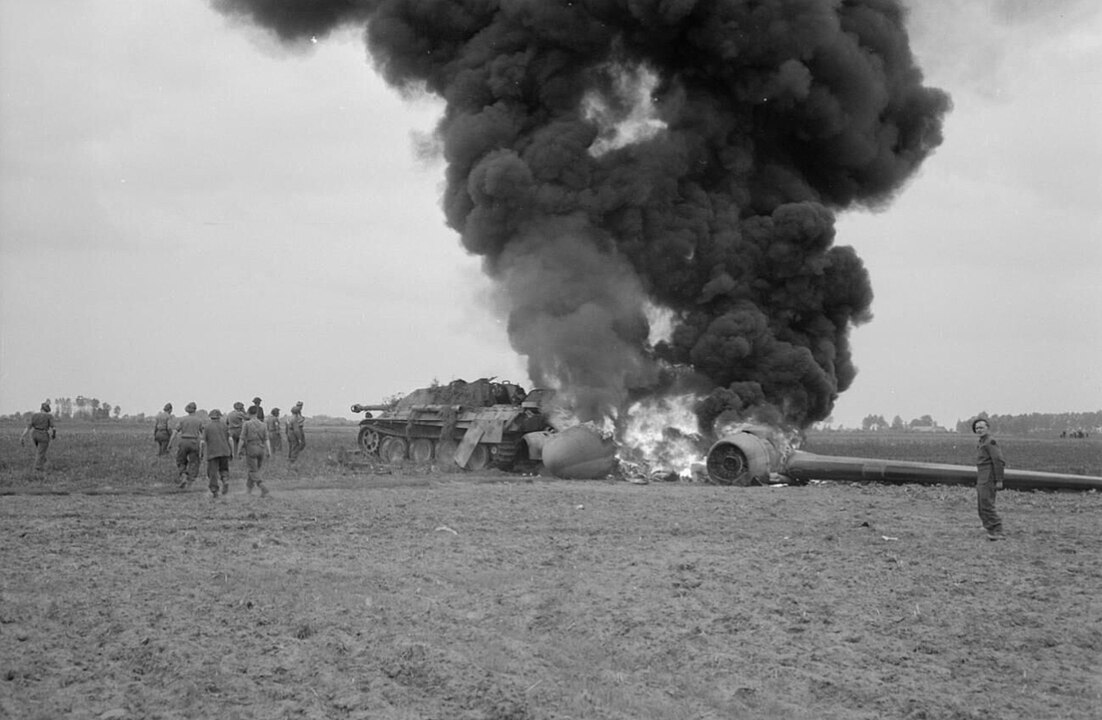
Later talk suggested a shootdown. Surviving summaries point instead to a non combat loss, language used when mechanical failure, weather, or navigation error fit better than enemy fire. No after action report ties antiaircraft or fighters to the disappearance. That does not lessen the sacrifice. It clarifies it. The Pacific theater claimed lives in combat and in the everyday grind of moving people and parts through heat, rain, and distance. The paperwork favors the simpler cause, sad and ordinary, but true.

How Family Lore Evolves
How Family Lore Evolves
Sečovce, CC BY-SA 3.0 / Wikimedia Commons

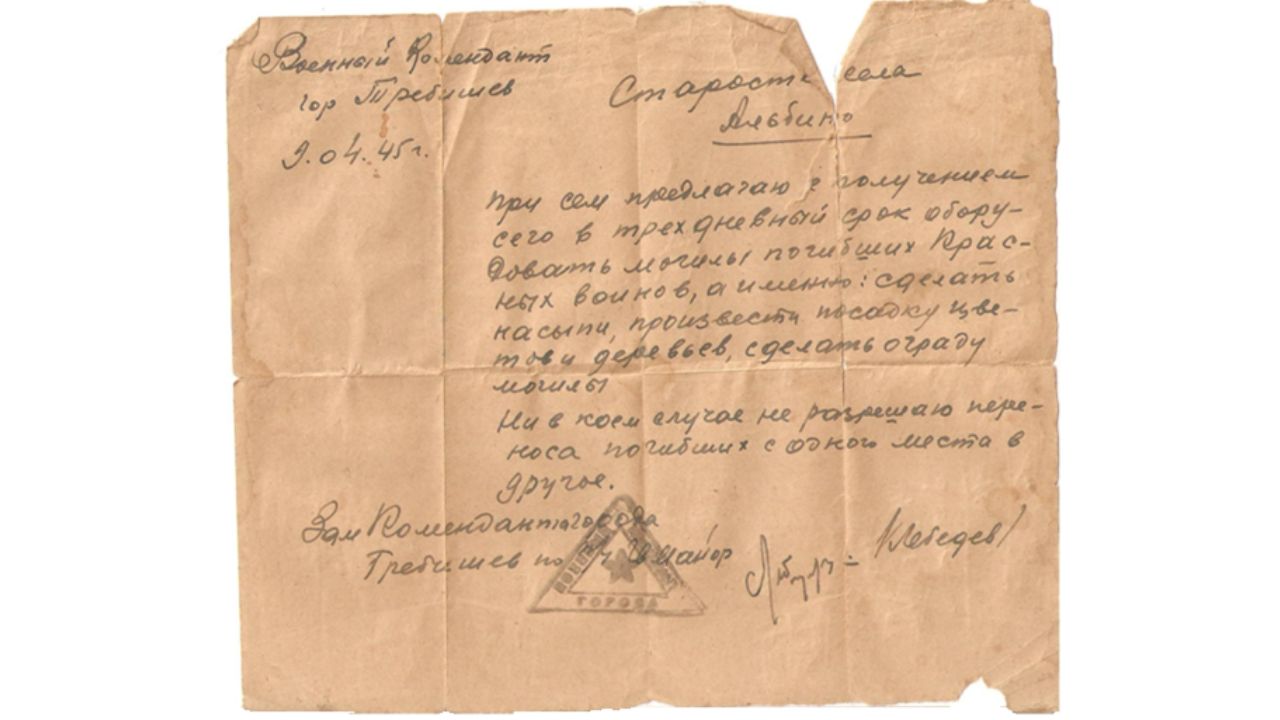
Wartime families lived with fragments. A telegram arrived, a chaplain wrote, a buddy added a detail from memory years later. Over time, gaps filled with guesses that sounded right and carried comfort or drama. When public roles and microphones enter the picture, a sketch can harden into a tale. The kindest response is not scorn. It is a return to documents that carry no desire to persuade. Precision gives grief a place to rest without embroidery and keeps honor intact.

Where The Name Is Kept
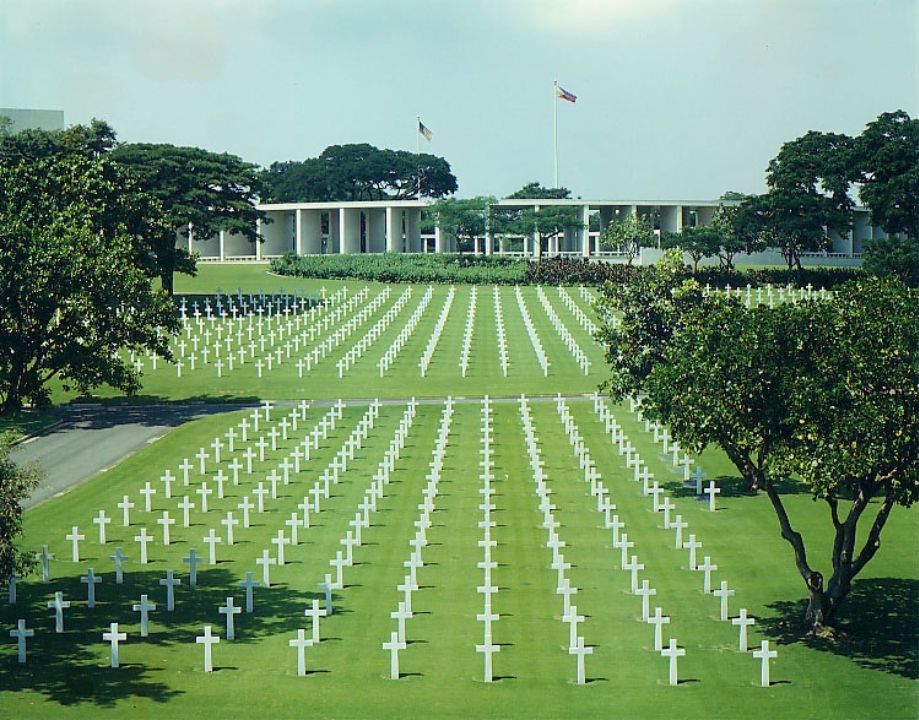
Where The Name Is Kept
Public Domain / Wikimedia Commons

With no grave to visit, remembrance moved to stone. The Walls of the Missing at Manila American Cemetery hold his name among thousands. Sun and rain pass over those panels while families trace letters and speak small promises. The inscription binds a person to a date and a theater, a simple line that outlasts arguments. For many, that wall is the only fixed ground for mourning, a place where a life stays present even when the sea kept its secret.

Why Recoveries Are Rare In The Pacific
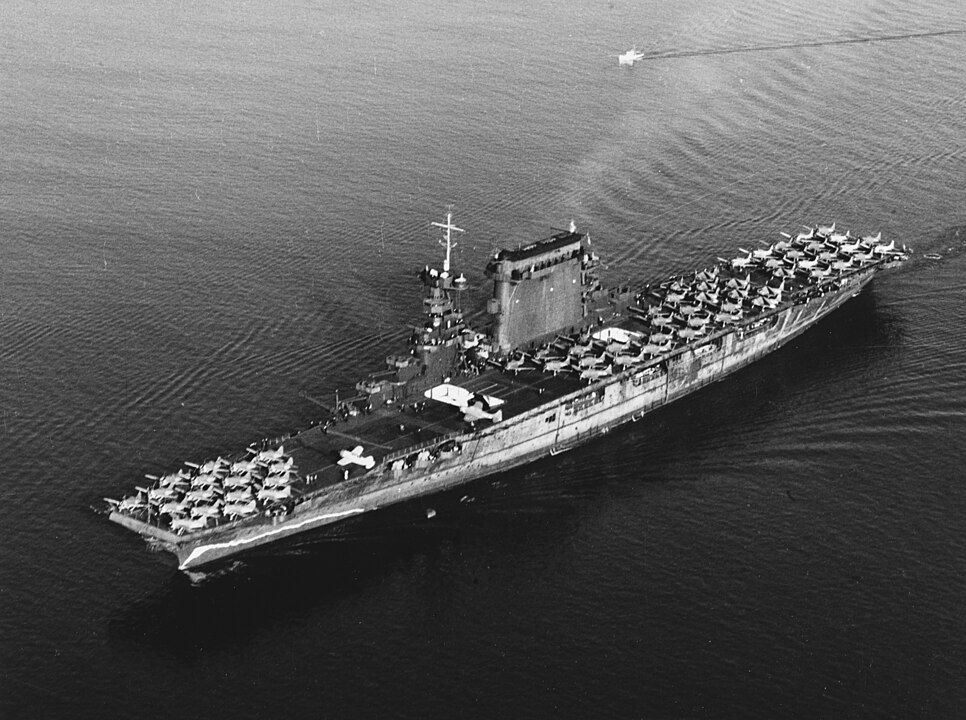
Why Recoveries Are Rare In The Pacific
Unknown author, Public Domain / Wikimedia Commons

Even modern teams struggle with depth, currents, and poor visibility across this expanse. Coral growth hides shapes and holds them fast. Wartime records scatter across units and nations, and coordinates rarely align with precision. Add the urgency of 1944, when battles pressed forward and fuel and aircraft were rationed, and long searches became rare. None of this diminishes effort. It explains outcomes that feel cold on paper and heavy in families. The scale of the ocean sets its own terms.

0 Shares:
You May Also Like
7. Gift Math And Adjusted Timelines
Read More

10 Souvenirs That Replaced Postcards, and Why They Took Over

# 10 Souvenirs That Replaced Postcards, and Why They Took Over Postcards used to be the official proof that someone had gone somewhere else, even for a weekend. One photo, a rushed note, and a stamp did the job. As phones made updates instant and mailing got fussier, the postcard shifted from habit to novelty. Shops did not stop selling memories, they just changed the format. People started picking objects that stayed in daily circulation: something to wear, use, taste, or display. These souvenirs carried place and personality without requiring neat handwriting or a correct address. The result is a quieter kind of storytelling, where the trip keeps resurfacing in kitchens, pockets, and routines long after the suitcase is zipped away. Even the smallest keepsake can outlast paper. ## Fridge Magnets Postcards showed up late, then got buried, no stamp, no address, no delivery gamble saving the moment. Fridge magnets solved that by living in plain sight, pinning grocery lists and kid art under the same skyline, ferry silhouette, or metro line diagram, so the memory stayed active instead of archived. Shops moved past generic landmark photos into neighborhood slogans, food sketches, and mini maps, because one glance could bring back market chatter and platform noise; they pack flat, survive rentals and moves, and invite multiples, turning a single fridge door into a casual, constantly updated timeline of places that still matter. ## Travel Stickers And Decals Stickers turned souvenirs into something that traveled again. Instead of mailing a postcard to one person, a decal could live on a laptop, water bottle, bike frame, or scuffed suitcase, building a layered map of routes through station codes, park crests, bookstore logos, and hand drawn mascots that sparked conversation in cafés and airport lines. Because they are waterproof, cheap, and sold in sets, they became easy gifts and easy trades, and wear looks honest, not ruined; each scratch and overlap shows what came after, making the object feel like a passport with a growing, visible history that never needs framing. ## Enamel Pins And Patches Enamel pins and patches gave the postcard image weight and texture, turning a skyline or mascot into something that could be worn. A tiny badge of a mountain ridge, museum logo, or neighborhood diner sat on a jacket or backpack for years, acting like a quiet signal in transit stations and coffee lines, not a message begging for postage. Shops leaned into limited runs, artist collaborations, and city only series, so the souvenir felt chosen, not generic; extras were gifted, swapped, or used to cover a tear, and the metal or thread handled rain and repeat trips with ease while a pinboard at home kept the timeline intact. ## Keychains And Bag Charms Keychains and bag charms replaced the postcard rack impulse with something that had a job to do. Keys get grabbed every morning, and charms ride on zipper pulls and backpacks, so a metal tag or leather fob kept the trip in circulation, stamped with coordinates, an arrival year, or a street sign shape that felt like a postmark without the paper. Many versions doubled as bottle openers or tiny tools, so the souvenir earned its space, and pocket wear became part of the story, turning scratches and softened edges into proof that the memory moved through real weekdays, rentals, and commutes, not just a perfect weekend photo. ## Tote Bags, Tees, And Caps Apparel made souvenirs feel less like clutter and more like identity. A tote from an art bookstore, a tee from a surf town, or a cap from a ballpark got worn again and again, carrying the place into errands, classes, and casual nights out, and sometimes turning into the default travel uniform on the next flight. Shops shifted from generic landmark photos to sharper typography, neighborhood slang, and local brand logos that signaled taste as much as geography; the best pieces were soft, well cut, and easy to pack, so gifting one felt practical, and the souvenir kept earning attention without taking up shelf space or needing a frame. ## Mugs And Local Drinkware Mugs turned travel into a daily ritual instead of a mailed update, because morning coffee landed in ceramics printed with a neighborhood map, a museum crest, or a local roaster logo and the memory resurfaced when the kettle clicked off. Cafés and galleries pushed limited designs, handmade glazes, and seasonal runs, so the purchase felt closer to a small piece of art than a generic souvenir. Tumblers, pint glasses, and tea cups also solved storage: they stack, survive moves, and look better with use, and they show up at dinners and chats, letting one shelf hold years of trips without becoming a dusty pile of paper. ## Snacks, Spices, And Pantry Finds Edible souvenirs did what postcards tried to do, but faster, because a jar of chili crisp, a regional spice blend, or a bag of saltwater taffy could be opened the night someone got home and turn storytelling into tasting. Markets and airports helped by selling sealed sweets, vacuum packed coffee, and sturdy tins built for carry ons, so the food survived long routes and still felt tied to the place where it was found. It also dodged clutter: once shared at an office desk or family table, it disappeared, yet the flavor lingered, and people often remembered a street, a song, or a shopkeeper’s grin more clearly than any glossy photo. ## Ornaments And Tiny Home Decor Ornaments became postcards with a return date, because a hand painted bauble from a night market or a miniature landmark for the tree reappeared every December and unboxing it felt like rereading a message from an older self. Outside the holidays, tiny home décor did the same work: coasters, tea towels, ceramic tiles, and matchboxes that lived on counters, ready to be noticed during ordinary mornings. These pieces asked for no postage and no framing, only a place in the house, and they resurfaced at the right moments, when guests arrived, when winter gatherings started, or when a quiet afternoon made nostalgia feel welcome. ## Art Prints, Zines, And Pocket Books Small prints and zines gave the postcard a smarter cousin, because instead of the same sunset photo, travelers brought home risograph posters, line drawings of street corners, and pocket guides written by locals, sometimes signed or numbered, which made the memory feel chosen, not grabbed. The message lived in the taste of the selection, not the handwriting, and the paper felt worth keeping because it had a point of view. Unframed pages fit clip rails, journals, or gallery walls, and buying from an artist table or neighborhood bookshop let the souvenir support the place directly, keeping the trip alive through design, not postage. ## Tattoos As Travel Keepsakes For some travelers, the replacement became permanent, and that permanence was the appeal. A tiny wave, coordinates, or a symbol developed with a local artist could not be lost in a move or tossed in a cleanout, and booking an appointment made the souvenir feel like commissioning art, not grabbing merch near the register. It also solved the postcard problem cleanly: no postage, no delay, no single recipient, just a story carried forward on skin, whether it is a port city anchor or a mountain contour line, quiet until a sleeve rolled up or a wrist turned and the place appeared again, right on time in conversation or solitude. The postcard never really lost its charm; it lost its role. Modern souvenirs win because they do not ask for extra steps, and they refuse to stay hidden. A magnet gets touched, a mug gets lifted, a spice blend gets passed across the table, and a pin rides through another trip. That repetition is the secret. Instead of proving travel happened, these objects let the memory keep happening, in small flashes that feel honest. In the end, the best keepsake is the one that blends into daily life and still pulls a place back into focus, without fanfare. **Excerpt (130 characters):** Postcards faded, but magnets, mugs, stickers, snacks, and small art brought travel home, letting memories live in real life still.