Unsung Patriots: 9 Heroes of the American Revolution You’ve Probably Never Heard Of

Wikimedia Commons
Nine overlooked patriots whose grit and guile turned chances into victories, stitching small acts into the fabric of independence.

The Revolution was never only about famous generals. It was made daily by riders who beat the clock, sailors who fought rivers and ice, and agents who walked into danger with steady eyes. Their names rarely reached city papers, yet their choices tipped balances at the right hour. What this really means is that independence came from layered courage. Look closely and the war feels human again, built from grit, clever timing, and ordinary people doing the hardest possible thing.

James Armistead Lafayette
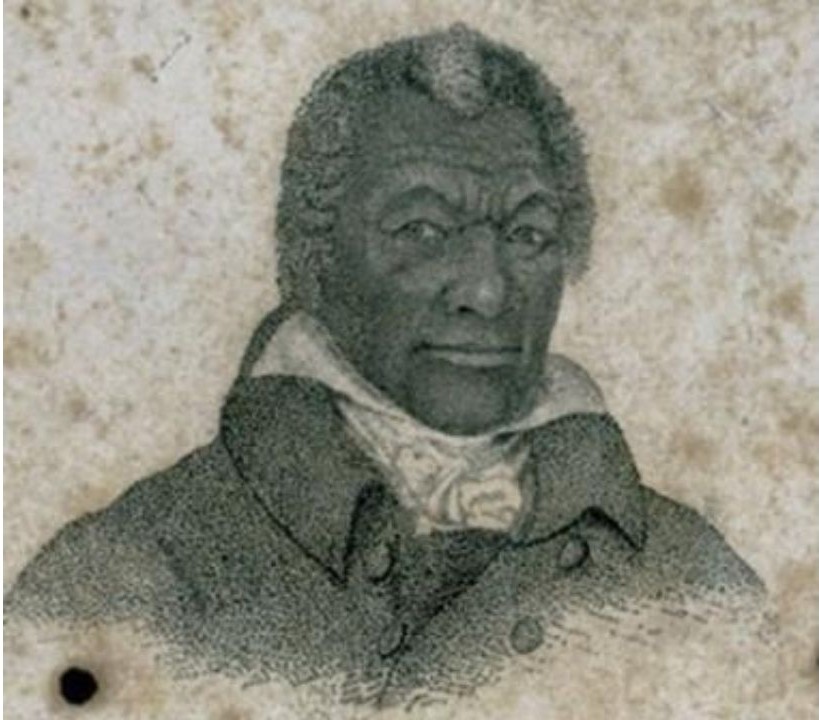
James Armistead Lafayette: Intelligence That Bent A War
Unknown engraver, Public Domain / Wikimedia Commons

An enslaved Virginian posing as a runaway, James Armistead slipped into British camps in 1781 and earned the trust of Benedict Arnold and Lord Cornwallis. He carried British plans to the Marquis de Lafayette and fed the enemy false trails. Those reports helped set the trap at Yorktown and close the war’s final vice. Virginia granted him freedom after peace, and he took Lafayette’s name, a quiet seal on a partnership that reshaped the last act of the struggle.

Sybil Ludington
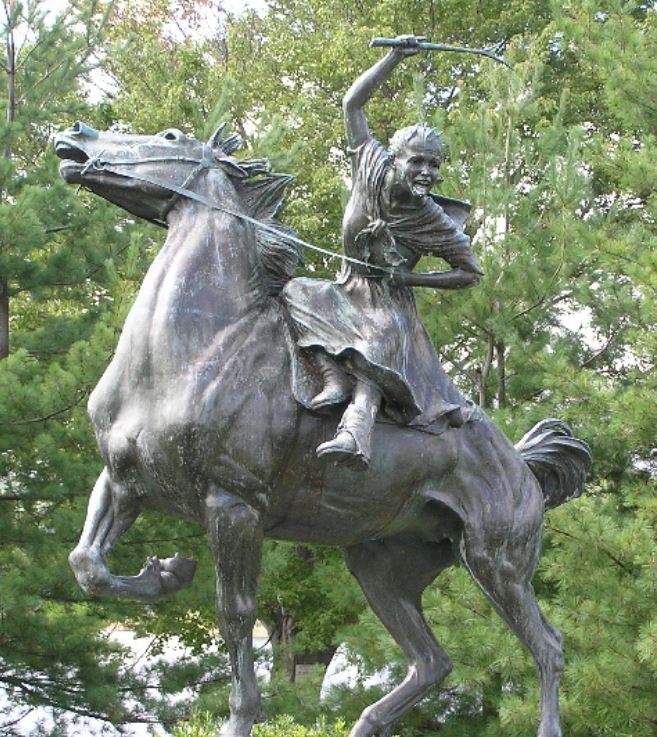
Sybil Ludington
Public Domain/Wikimedia Commons

At 16, Sybil Ludington rode through rain and mud on Apr. 26, 1777, waking scattered militia across Putnam County after the British struck Danbury. Lantern by lantern, farm by farm, she drew men to her father’s command post and harried the enemy’s retreat. The ride covered roughly 40 miles in the dark, longer than better known journeys, and it mattered. It shows how the fight often turned on local nerve, a fast horse, and the will to spend a night.

Bernardo de Gálvez
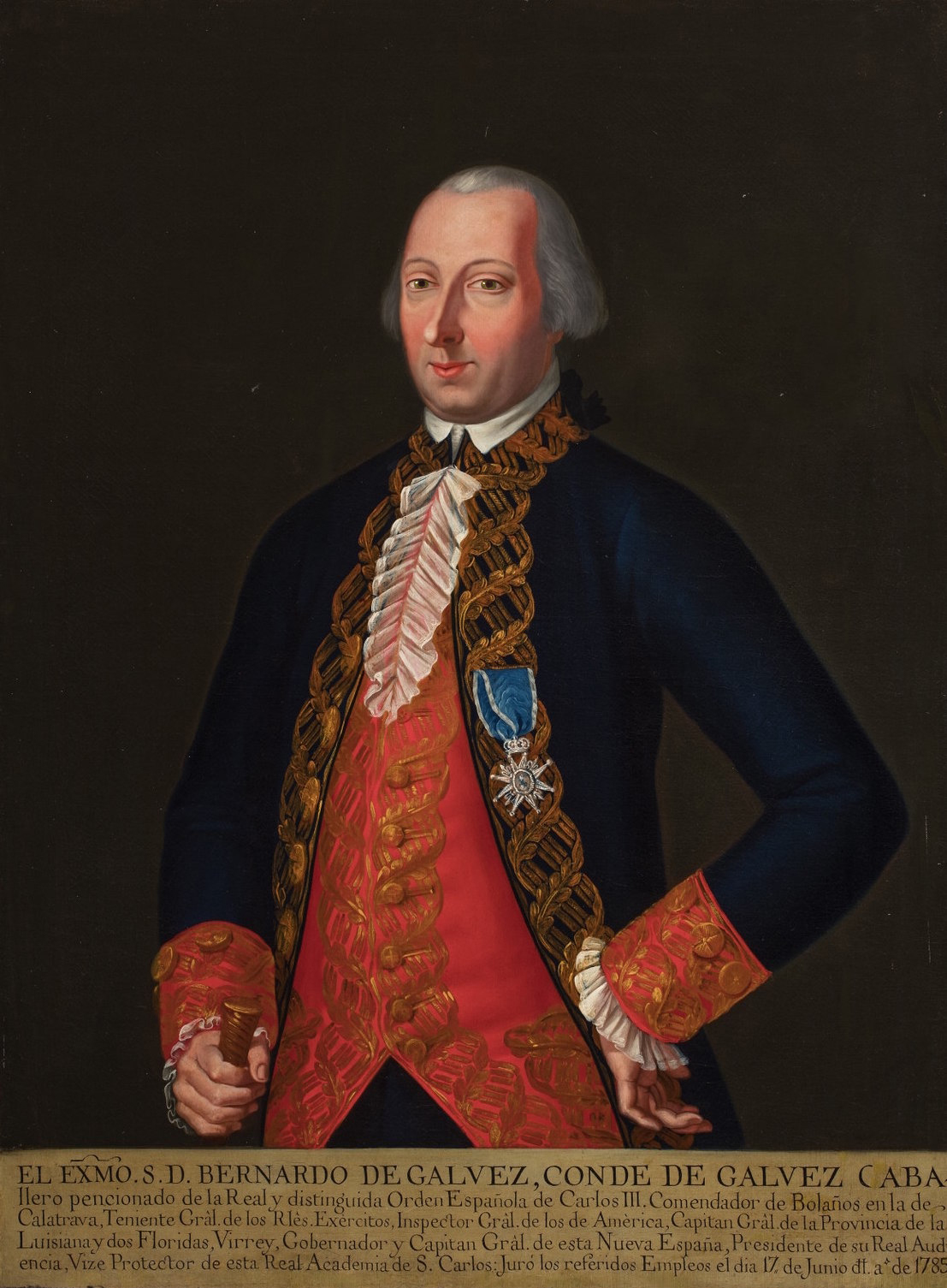
Bernardo de Gálvez
José Germán de Alfaro, Public Domain/Wikimedia Commons

As Spanish governor of Louisiana, Bernardo de Gálvez turned the Gulf into a pressure point. He smuggled gunpowder up the Mississippi, then captured Baton Rouge, Natchez, Mobile, and Pensacola by 1781. Each win peeled away British posts, pulled redcoats south, and kept supplies flowing when northern armies were thin. His river columns and coastal pushes rarely headline American stories, yet they cracked a flank and steadied a fragile alliance. Strategy worked because logistics and audacity held the line together.

Nancy Hart
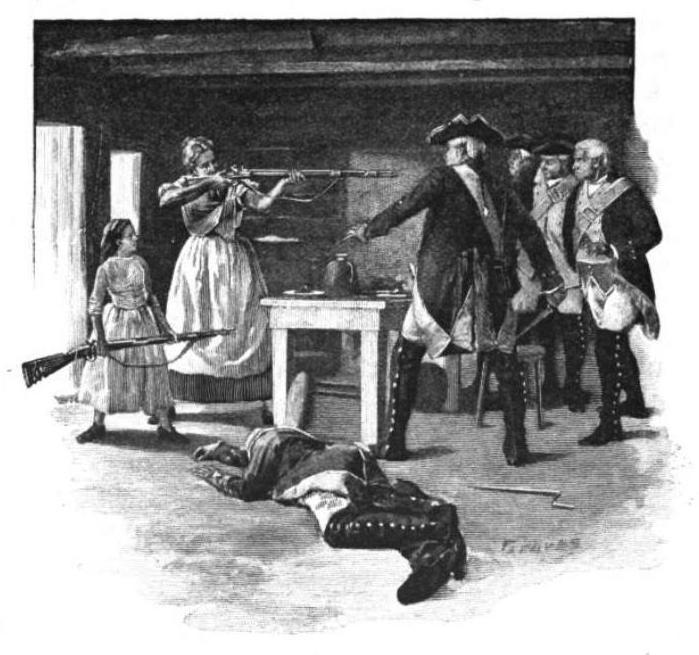
Nancy Hart
Illustrator not credited, Public Domain/Wikimedia Commons

On the Georgia frontier, Nancy Hart built a reputation for grit and trickery against Tory raiders. One raid ended with Hart seizing a hidden rifle, disarming her captors, and holding them until help arrived, a tale echoed in multiple accounts. She also scouted and passed news through a countryside split by loyalty. Her story captures the close-quarters nature of the war, where cabins were outposts, kitchens became posts of call, and a clear head could turn fear into action.

Salem Poor

At Bunker Hill in June 1775, Salem Poor drew formal praise from officers and fellow soldiers for marked bravery. The position was lost, but the cost to the British proved the colonies could stand and bloody an assault. Poor’s service cuts through simple memory and places a Black patriot squarely at the birth of the fight. He shouldered the same smoke and iron as any man on the line and left a record that still pushes the story wider.

Deborah Sampson
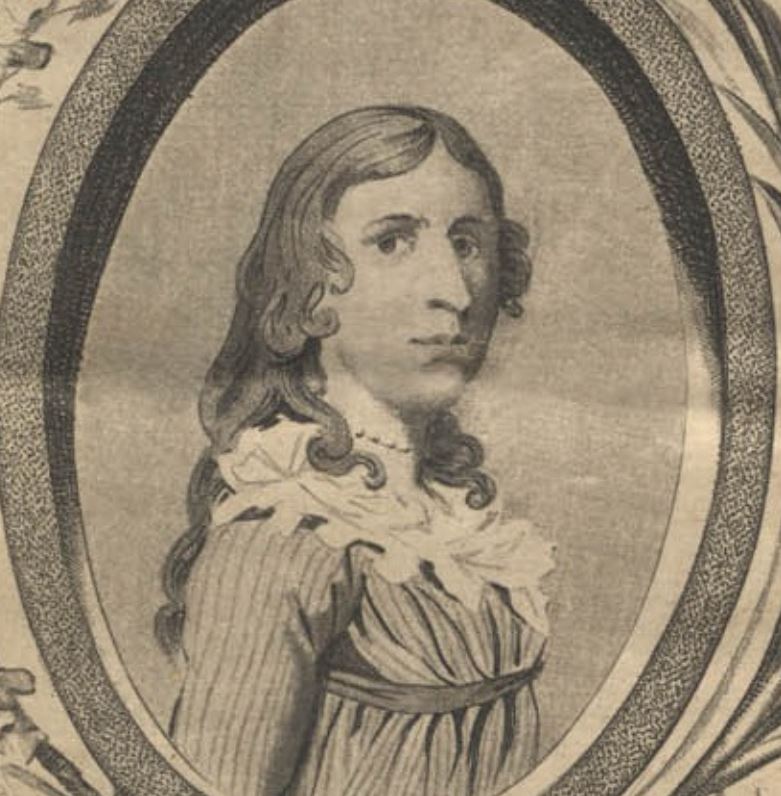
Deborah Sampson
Public Domain/Wikimedia Commons

Deborah Sampson enlisted in 1782 as Robert Shurtliff and served in a light infantry company. She marched, fought, and even treated a wound herself to keep her identity hidden. Illness ended the ruse, but she earned an honorable discharge and later a pension after advocates backed her claim. The facts are plain and sturdy. A farmhand from Massachusetts met the standard of the field, and the standard held. Resolve carried her past the gate that custom thought it guarded.

Haym Salomon
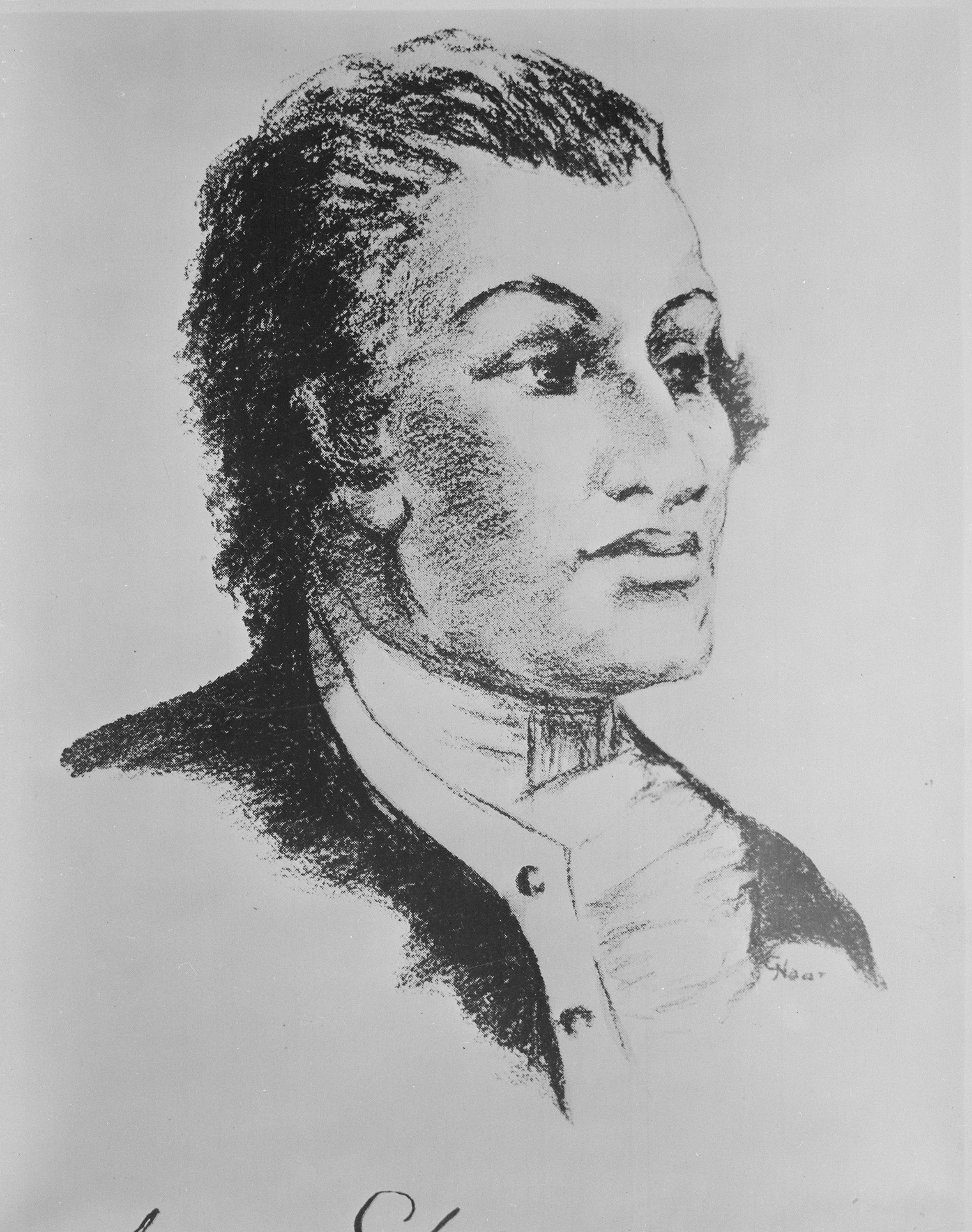
Haym Salomon
Unknown author or not provided, Public Domain/Wikimedia Commons

When credit frayed and paper sagged, Haym Salomon worked the ledgers in Philadelphia and New York, arranging loans and converting notes so regiments could eat and civil offices could function. The totals became legend, but the documented impact still runs deep in 1781 and 1782. Money at the right moment turns plans into movement, and Salomon’s network did that work. He stood where war meets arithmetic and kept confidence alive long enough for courage to finish the task.

John Glover and the Marbleheaders
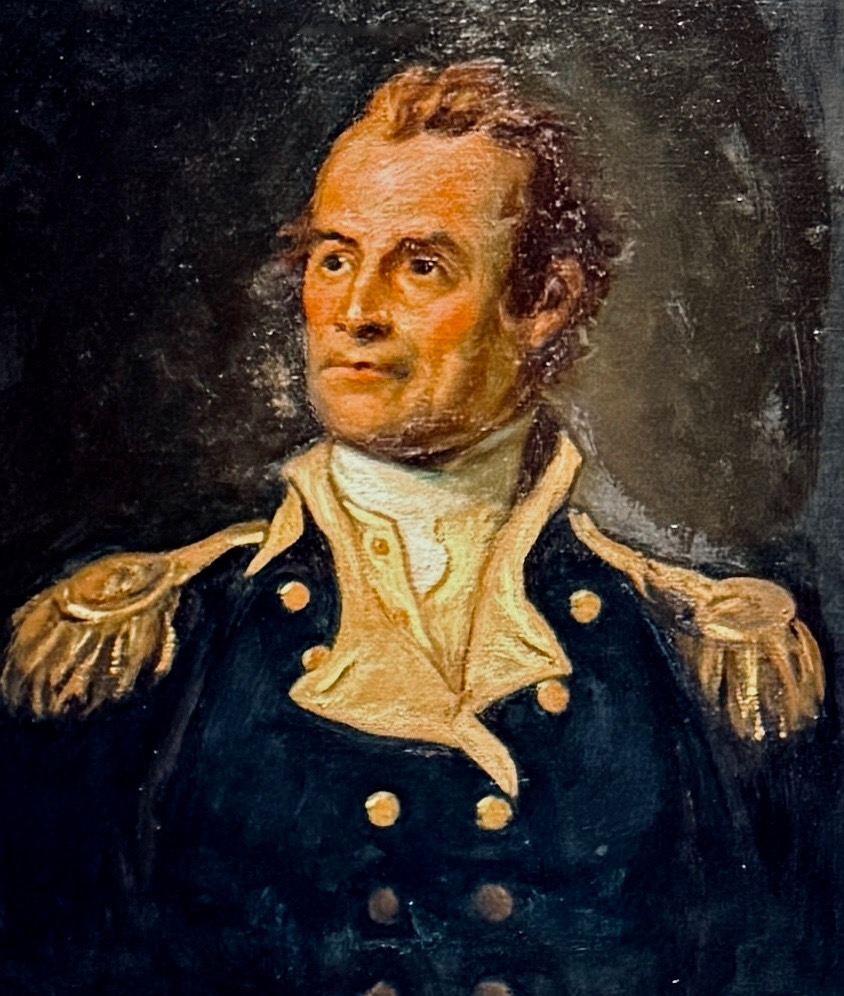
John Glover
Americanrevolution – Own work, CC BY-SA 4.0/Wikimedia Commons

Col. John Glover’s Marblehead mariners gave the army time and surprise. They ferried Washington’s men off Long Island under fog in Aug. 1776, then rowed through ice on Dec. 25 across the Delaware toward Trenton. Tight crews, cold hands, exact timing. Seamanship turned disaster into escape and gamble into victory. Their oars cut a path that maps cannot show, a thin corridor between collapse and a second chance. Without those crossings, the winter story likely ends in silence.

Jack Jouett

Jack Jouett
Matthew Harris Jouett, Public Domain/Wikimedia Commons

Near midnight on June 3, 1781, Jack Jouett saw Tarleton’s dragoons moving to seize Virginia leaders. He spurred through brush and backroads to Monticello, then to Charlottesville, warning Jefferson and legislators to scatter before cavalry arrived. The ride saved a political core the British meant to decapitate. Jouett left little fanfare, but the consequence is clear. Leadership endured, planning continued, and a blow meant to stagger the cause landed light. Sometimes one hard night buys a season.


0 Shares:
You May Also Like
Read More

12 Misunderstood Nursery Rhymes With Dark Origins

# 12 Misunderstood Nursery Rhymes With Dark Origins Nursery rhymes sound like comfort: steady beats, familiar cadences, the promise that childhood stays gentle. Many, though, were shaped by crowded streets, strict churches, and loud political moments where jokes and warnings lived side by side. Over time, darker readings clung to certain lines, sometimes supported by scholarship, sometimes inflated by modern mythmaking. That mix is the point. A tiny chant can hold fear of disease, punishment, collapse, or greed, then slip it past the ear on melody alone. These verses survive because they are catchy, but also because they let a culture process hard truths in miniature, repeatable form. Even when an origin tale is shaky, the unease shows what people feared and could not say plainly. ## Ring a Ring o' Roses Often taught as a simple circle game, this rhyme is still tied to plague lore: roses as rashes, posies as protection, a cough, and everyone falling at the end. Folklorists challenge that story, pointing out that the famous wording appears relatively late in print, and earlier versions vary wildly, sometimes without any sneezing or collapse at all. What lingers is less a confirmed medical code and more a cultural reflex, the urge to pin disaster to a tune so fear feels explainable, communal, and safely held at arm’s length, even when the archive won’t confirm it. It is a rhyme that lets dread hide in plain sight. Still. ## London Bridge Is Falling Down The chorus sounds like gleeful demolition, but the real London Bridge spent centuries cracking, burning, crowding with shops, and getting rebuilt in costly cycles. That long repair history makes the rhyme feel like a city talking to itself, repeating the same problem because the river, the traffic, and the politics never stop pushing back. Legends about Viking attacks or buried sacrifices float around, yet proof is thin, and the uncertainty matters: the song teaches that icons fail, budgets run dry, and even daily life gets shaped by slow collapse and rebuild. The cheeriness feels like whistling past the scaffolding. ## Humpty Dumpty Before he became an egg in picture books, Humpty Dumpty worked as a riddle about something that breaks beyond repair, no matter how official the rescue looks. The line about all the king’s horses and men carries a blunt message about limits: authority can assemble a crowd, but it cannot rewind a fall, erase damage, or restore what snapped. Stories linking Humpty to a Civil War cannon persist, though evidence is disputed, and that uncertainty fits the point. The rhyme returns to the same ledge, where pride, balance, and chance meet, then fails in public. That finality is what makes the riddle sting. Even the helpers feel helpless. ## Three Blind Mice The melody skips along, yet the plot is a chase with a cruel ending, which is why this rhyme never fully feels innocent, even when sung with hand motions. A musical version appears in early 1600s print, long before children’s collections softened its edges, and later writers tried to map it onto persecution under Mary I, a claim that remains unproven. Even without a single verified event, the unease holds: the targets are helpless, the pursuit is relentless, and the refrain repeats like footsteps that refuse to stop, turning a nursery into a small courtroom where mercy never arrives. The tune keeps running. No mercy shows. ## Baa, Baa, Black Sheep Its neat counting feels like play, but the rhyme is built around extraction: valuable wool measured out, then handed upward to people who did not shear it. One common theory links the lines to historic wool taxes and who took their share, while modern claims about other systems of exploitation circulate without strong documentation in early sources. What the verse reliably captures is a social mood, the sense that the best of something leaves the worker’s hands first, and that obedience can be trained with a cheerful, automatic reply that sounds like agreement, not resignation. The arithmetic is cute, but the arrangement is not. ## Mary, Mary, Quite Contrary This garden rhyme thrives on suspicion. Mary is often tied to Mary I or Mary, Queen of Scots, and the imagery gets treated as coded commentary, from church symbols to violence. The problem is evidence: versions shift across time, and no single interpretation locks in as fact, which is exactly why the rhyme stays fertile ground for rumor, politics, and projection. Its darkness is how easily a sweet scene becomes an accusation. A few bright objects, a tidy bed, and a sing-song tone can smuggle judgment where plain speech once carried risk. The garden stays pretty, and the subtext bites. It survives because the question never closes. ## Jack and Jill On the surface it is a quick trip for water, but the fall feels symbolic, especially with a crown involved and a pair tumbling together, then trying to patch the damage. Some readings treat it as satire about rulers, political missteps, or shifting measures and taxes, yet none can be proved cleanly, and the rhyme predates many tidy explanations pinned to it. Still, it endures because it is honest about gravity, literal and social. Climbing can be ordinary ambition. The drop can be sudden, public, and impossible to talk away afterward, which is why the simple scene keeps getting reread. It is comedy on the surface, caution underneath ## Oranges and Lemons It begins as a bright roll call of London church bells, then tightens into debt and deadlines, ending in the later-added moment when someone gets caught by the chopper. Editors note that many grim interpretations do not match the earliest printed texts, but the rhyme’s geography still points toward courts and punishments that once sat close to markets and church doors. The darkness is the tonal slide. A city sings, time keeps ringing, and play turns into reckoning with just a few extra words stitched on, then carried forward as if they were always there, like a threat hidden inside a map. The bells feel bright until the trap snaps. ## Goosey Goosey Gander The verse walks through a house like a search, and its ending turns domestic space into a stage for punishment, with religion used as the trigger. Folklore often links the old man in the closet to eras of conflict, imagining hidden priests or forbidden worship, though the historical fit is debated and the text evolved across editions. That evolution is telling. Later versions sharpen the violence and make obedience the point, as if the rhyme learned to threaten more directly. Sung lightly, it still carries the chill of coercion, where privacy offers no protection at all. The closet stops being a hiding place and becomes a verdict. ## Rock-a-bye Baby As a lullaby, it offers calm, yet its central image is a cradle perched in a treetop, where wind and wood decide whether rest becomes a fall. The rhyme appears in 18th-century print, and some early editions even tack on a moral about pride and ambition, turning the baby’s danger into a warning about climbing too high. No origin story is settled, but the anxiety is clear. Comfort is temporary. Safety depends on forces that do not care about bedtime, and the song rocks that fear into rhythm so it can be endured, then hummed again the next night. It soothes by naming the fear, then rocking through it. The danger never leaves the frame. ## Little Jack Horner He looks like a harmless kid with a Christmas treat, but the rhyme has long served as shorthand for self-congratulation and sly opportunism, delivered with a grin. A popular tradition claims it mocked a Tudor-era Thomas Horner tied to monastery property deals, though historians debate the link and the evidence is messy. Even without that biography, the posture lands. Jack pulls the prize from the center, declares himself good, and expects applause. The darkness is moral: luck becomes virtue, and taking becomes bragging, which is a lesson that ages well for the wrong reasons. One small plum becomes a whole worldview. ## Sing a Song of Sixpence The opening is pure nonsense fantasy, then the rhyme swerves into money, labor, and sudden cruelty, as if a curtain drops mid-song and no one stops singing. Commentators argue over whether it hides court satire or is simply a stitched-together jumble, but the counting house and the poor maid keep the scene grounded in class and vulnerability. Its bite comes from contrast. Wealth stays indoors. Work happens outside. And the cost of being small arrives without warning, delivered on a bright tune that keeps smiling as it repeats, so the sting lands only after the last note. It is sugar on top of a hard little story. The unsettling part is not that every rhyme hides one provable secret. It is that these songs travel because they are flexible, ready to carry whatever a community fears, mocks, or cannot say outright. A tune can be comfort and warning at once, letting history slip through a child-sized doorway. When the meaning stays blurry, the feeling still lands, and the melody keeps the past humming under the present. **Excerpt (130 characters):** Sweet melodies, sharp shadows: plague lore, power games, and greed echo in rhymes that shaped childhood, then refused to fade yet.