
A quiet weekend upgrade can turn into a surprise red tag when a panel cover comes off. Inspectors keep seeing the same shortcuts repeated across kitchens, garages, basements, and backyard projects. Most begin as convenience: one more outlet for holiday lights, a brighter vanity fixture, a faster EV plug, or a new mini-split. But electricity punishes guesswork. Codes and permits exist to keep heat, arcing, and stray voltage out of ordinary routines. The patterns below show where DIY ambition and bargain hardware collide, and why the fixes are usually simple when caught before walls close. A quick check prevents rework.
Extension Cords Used As Permanent Wiring

A garage workbench, spare freezer, or holiday display often ends up powered by an extension cord that gets routed along baseboards, tucked under rugs, or pushed through a doorway, and then left there for months because it seems to work.
Inspectors flag it because flexible cord insulation, plug ends, and strain relief are built for temporary use, not for being pinched by doors, covered by storage, or passed through walls and ceilings where heat and abrasion quietly add up. The code-compliant fix is a real outlet on a proper circuit, with approved cable, boxes, clamps, and the right GFCI or AFCI protection for the location.
Double-Tapped Breakers And Neutral Bars

A panel looks like free real estate, so a new dishwasher, garage receptacle, or shed feed sometimes gets landed under a breaker screw or neutral bar hole that already holds a wire, especially after a quick remodel or DIY finish.
Many terminals are listed for only one conductor, and doubling up can loosen with normal heating and cooling cycles, leaving one wire barely clamped while the other carries on, often with mismatched wire sizes. Inspectors usually call for the correct breaker or terminal rated for multiple conductors, or a properly sized pigtail joined with an approved connector, torqued to the manufacturer spec.
Oversized Breakers Swapped In To Stop Tripping
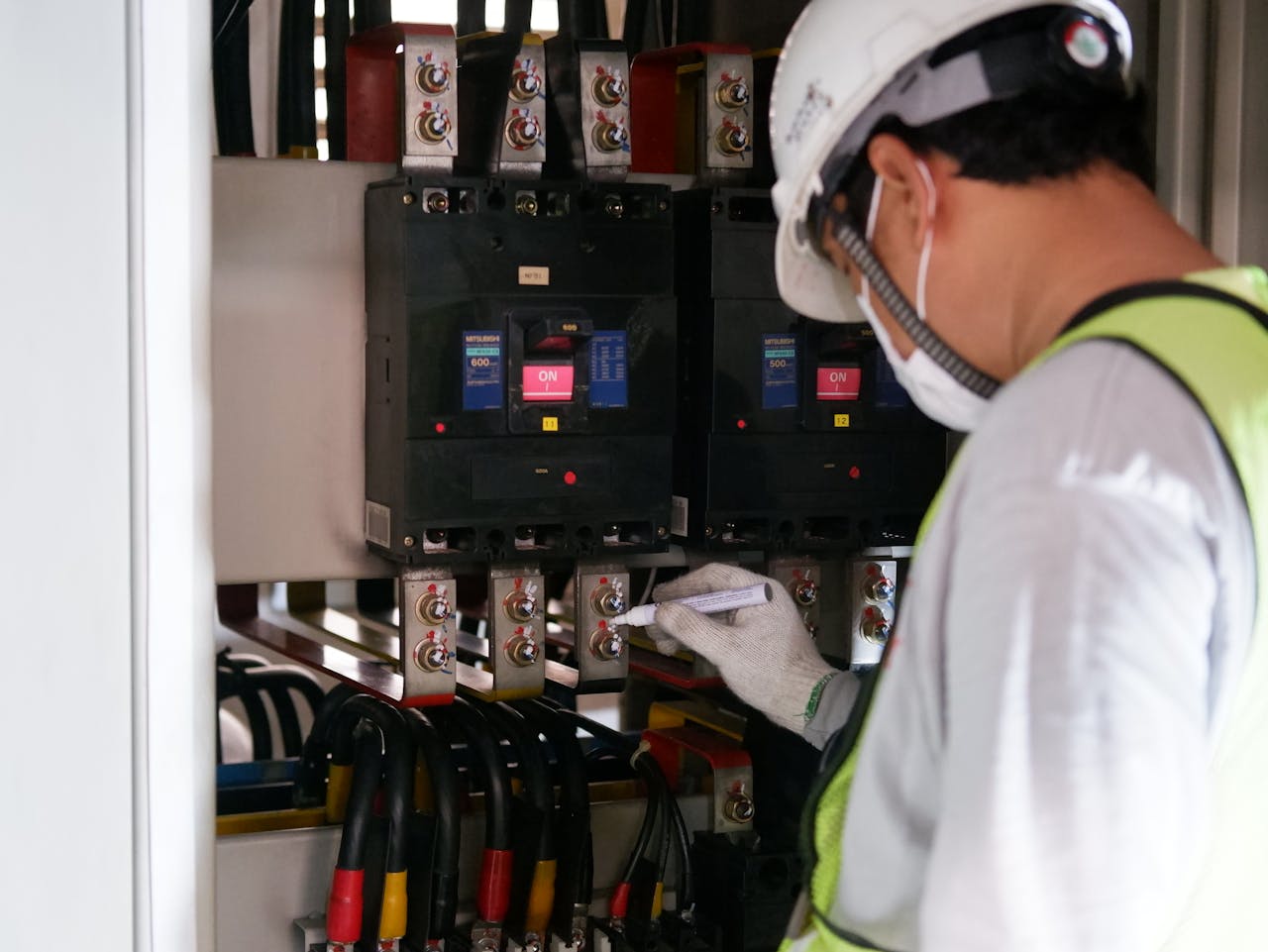
When a new microwave, space heater, or garage compressor keeps tripping a breaker, the tempting add-on is a bigger breaker, swapped in during a late-night reset streak because the nuisance feels harmless.
Inspectors treat it as a serious mismatch because the breaker protects the wire, not the appliance, and a higher rating can let hidden cable run hotter than it was built to handle, especially when smaller-gauge wiring is involved. The safe remedy is boring but effective: put high-draw equipment on a dedicated circuit, use the correct conductor size, and match the breaker to the wiring and the manufacturer’s load requirements.
Three-Prong Outlets With Bootleg Grounds
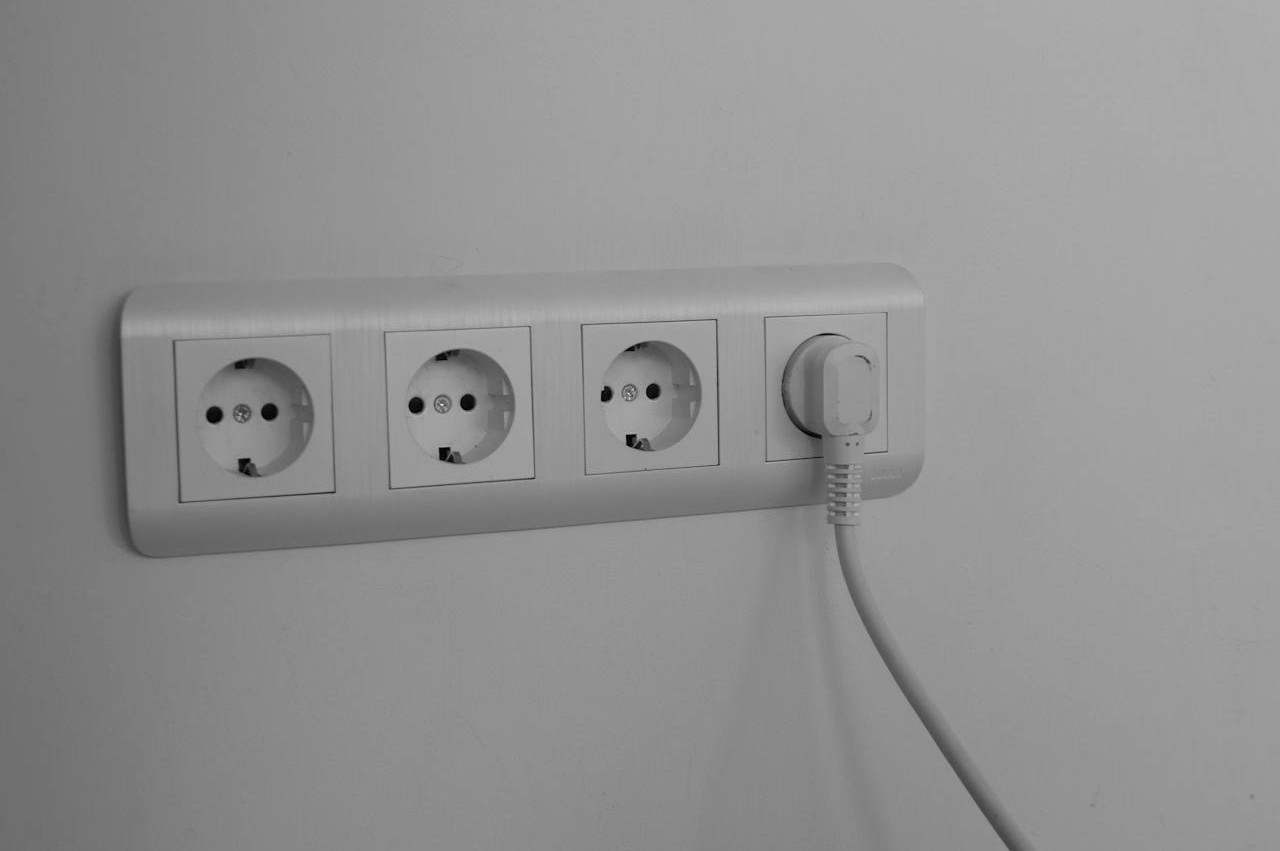
Old two-slot outlets make modern chargers and office gear inconvenient, so a common add-on is a three-prong receptacle installed on an ungrounded circuit in older bedrooms, sometimes with a short jumper tying neutral to the ground screw to make a tester glow green.
Inspectors call it a bootleg ground because neutral is a current-carrying conductor, and the shortcut can put voltage on metal boxes or appliance frames during a fault. The compliant options are clear: add a real equipment grounding conductor, protect the circuit with a GFCI device and proper labeling, or keep a two-slot receptacle where grounding does not exist.
Hidden Splices Outside Junction Boxes
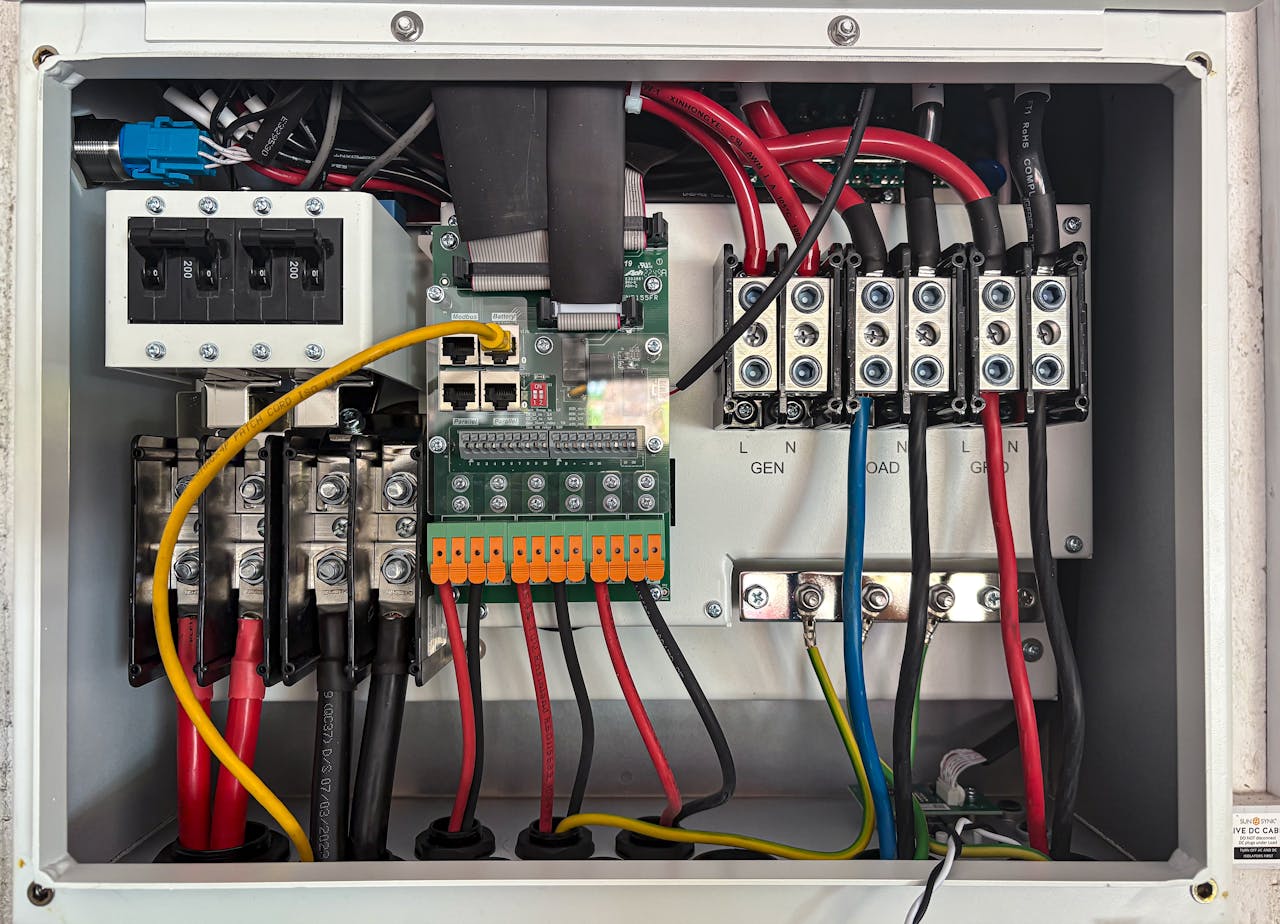
A new light, bath fan, or under-cabinet upgrade often comes with a hidden splice made in an attic or wall cavity, twisted together, taped, and then buried under insulation or behind a patch in a closet because access feels optional.
Inspectors insist that every splice sits inside an approved, covered, and accessible junction box, since connections are where resistance rises as screws loosen and materials age. The clean fix is straightforward: pick a box sized for the conductor count, secure cables with proper clamps, keep the cover reachable for future service, and avoid overcrowding that stresses wires and connectors.
New Outlets Without GFCI Protection
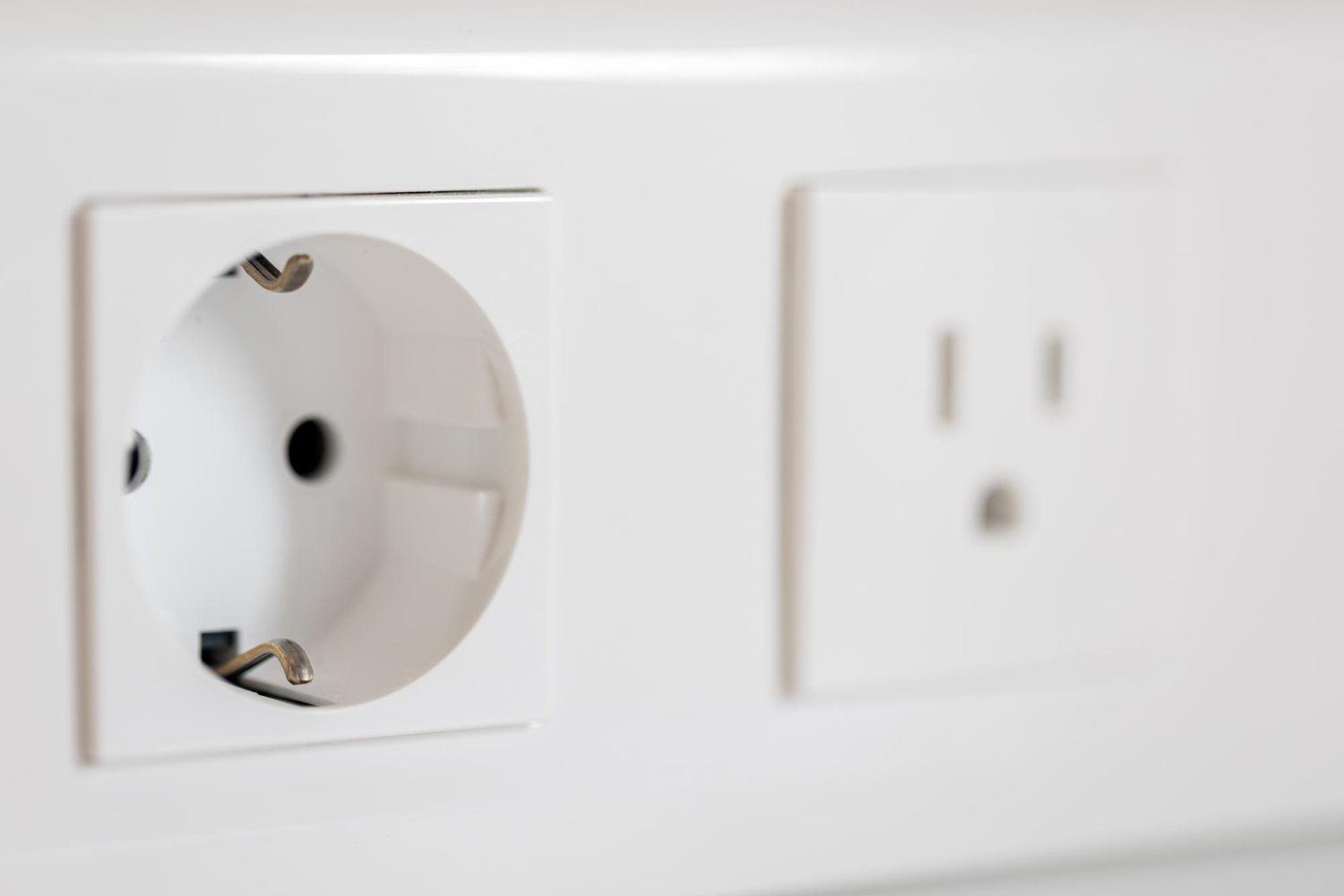
Kitchen remodels and garage cleanups often include new receptacles added for a fridge, freezer, or power tools, but the add-on skips GFCI protection because the old outlet never had it and everything seems dry.
Inspectors focus on ground-fault protection in bathrooms, kitchens, laundry areas, basements, garages, and outdoors, where damp surfaces and concrete change how current travels. The remedy is usually simple: install a GFCI receptacle or breaker where allowed, verify line and load wiring, properly test the device, and pair outdoor outlets with weatherproof boxes and in-use covers that stay sealed while cords are plugged in.
Arc-Fault Protection Removed Or Skipped

After a nuisance trip from a vacuum or space heater, some homeowners replace an AFCI breaker with a standard breaker, or extend a bedroom or living-area circuit to new outlets after finishing a basement without adding the required arc-fault protection.
Inspectors take arc faults seriously because damaged cords, loose backstabs, and nail-scarred cable can spark without drawing enough current to trip a normal breaker. The fix is to keep the listed AFCI protection where it is required, track down the reason for trips, and wire extensions with approved devices and neutral handling so the protection still matches the circuit design.
Subpanels Wired With Neutrals And Grounds Bonded
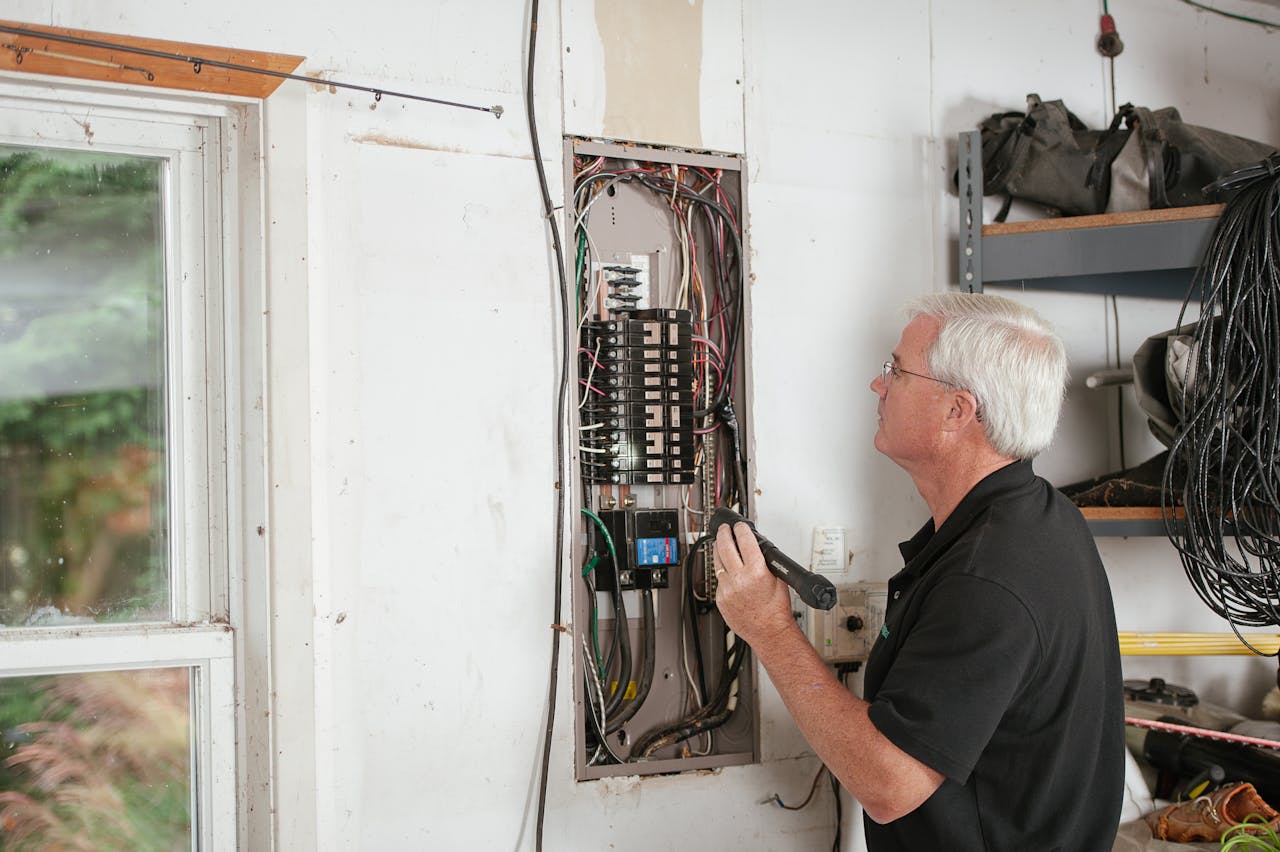
Adding a subpanel for a workshop, finished basement, or EV charger feels like a clean upgrade, but inspectors often open the cover and find neutrals and grounds tied together, or a missing equipment grounding conductor, especially in detached garages.
In a subpanel, neutrals and grounds must be isolated so normal return current stays on the neutral, not on metal conduit, boxes, or appliance frames. The fix is to correct the feeder and bonding: use a proper four-wire feed where required, keep neutrals on an isolated bar, land grounds on the bonded bar, and verify the main service bonding is done only in the service equipment.
Smart Switches Stuffed Into Overfilled Boxes
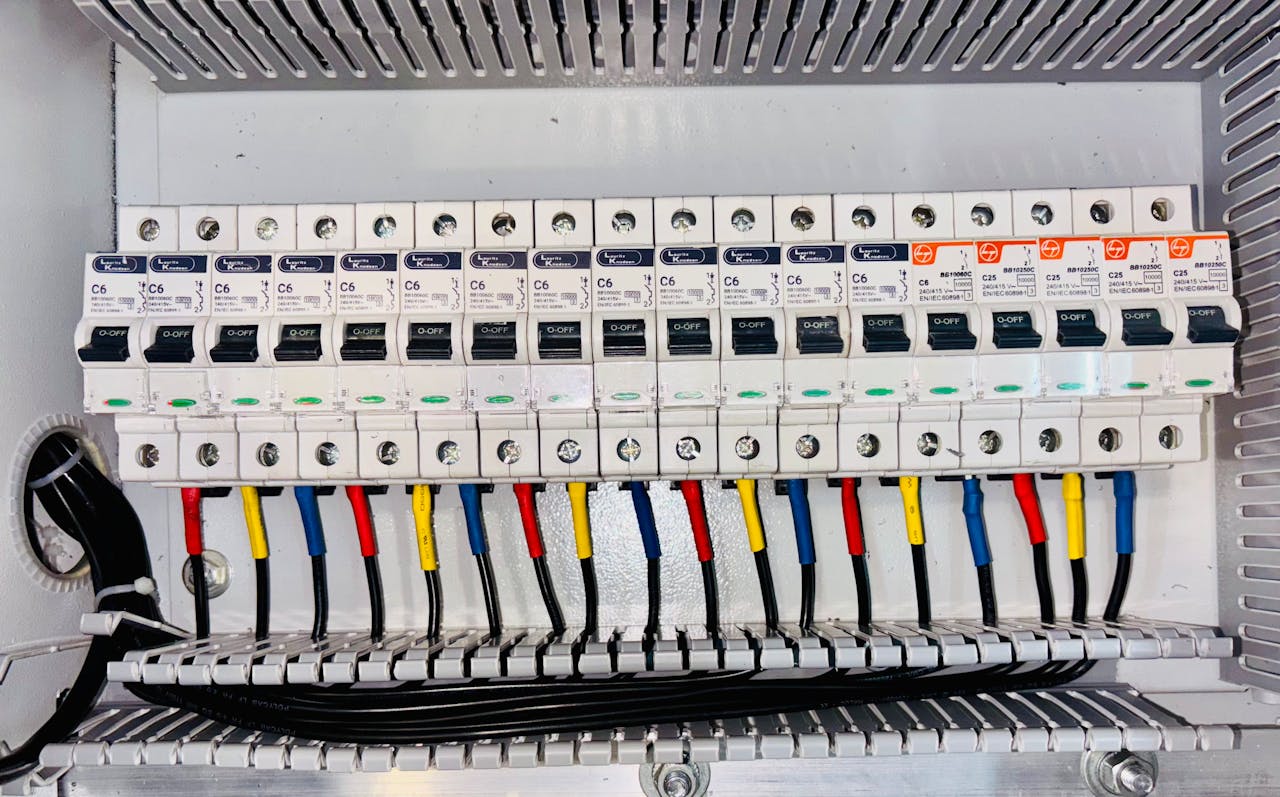
Smart dimmers, timers, and Wi-Fi switches are popular add-ons, but they often get crammed into an older metal box set in plaster, the kind that was sized for a simple toggle and a few wires, not for bulky electronics and extra splices.
Inspectors check box fill because crowded conductors trap heat, pinch insulation, and force sharp bends that stress terminals and wirenuts over time. The fix is to upsize the box or add an approved extension ring, make pigtails so one device is not feeding through its screws, and leave room for the neutral bundle many smart devices require so the unit seats without force and the cover fits flush.
Outdoor Power Added Without Weatherproof Methods
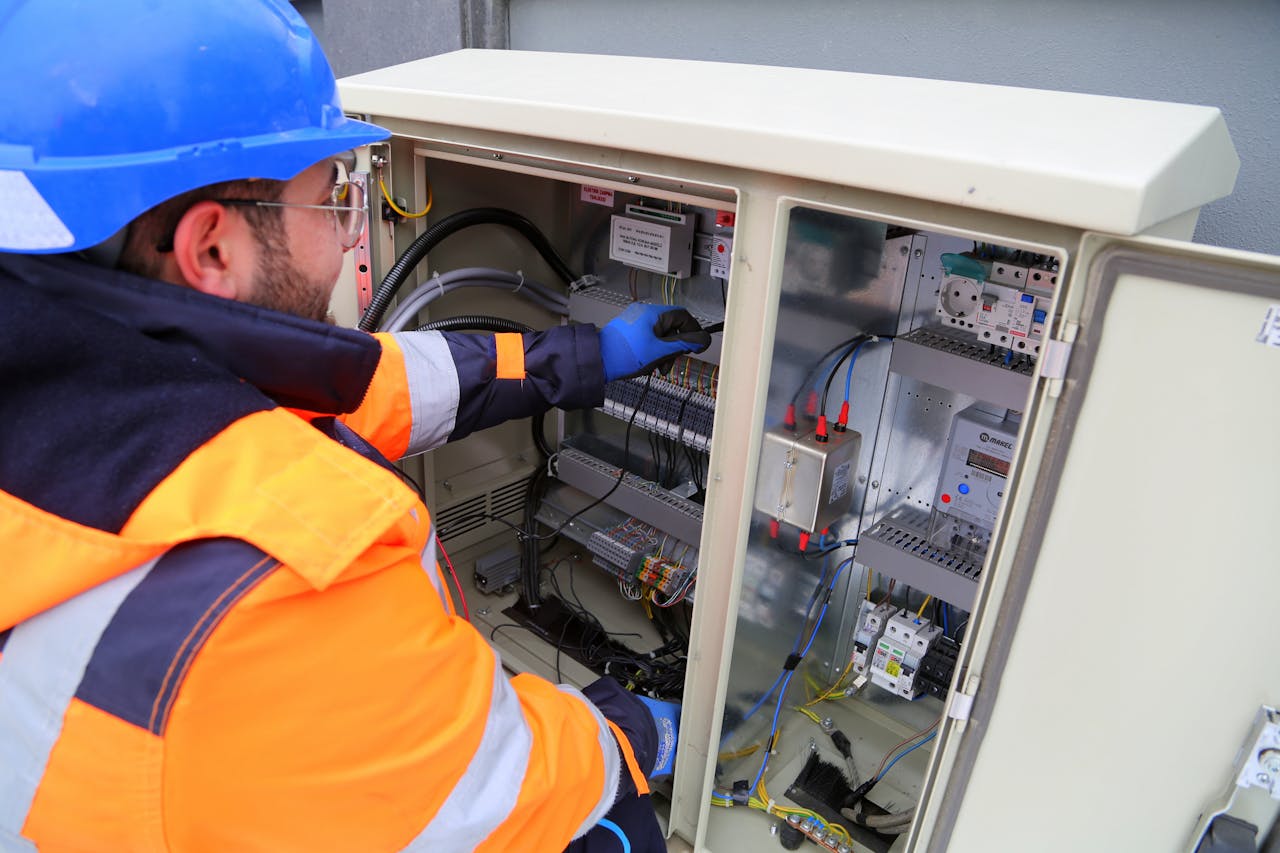
Patio outlets, landscape lighting, and a shed receptacle are classic add-ons, and inspectors often trace them back to indoor cable pushed through a hole, spliced in a non-rated box, and left to face rain and sun, sometimes feeding a hot tub pump or inflatables.
Outdoor wiring has its own rules for wet locations, burial depth, conduit, and weatherproof covers, and shortcuts show up fast as corrosion and tripped devices. The fix is to use listed outdoor boxes and fittings, choose cable or conduit approved for the location, protect the circuit with GFCI, and seal penetrations so water cannot travel into walls, boxes, or panels.