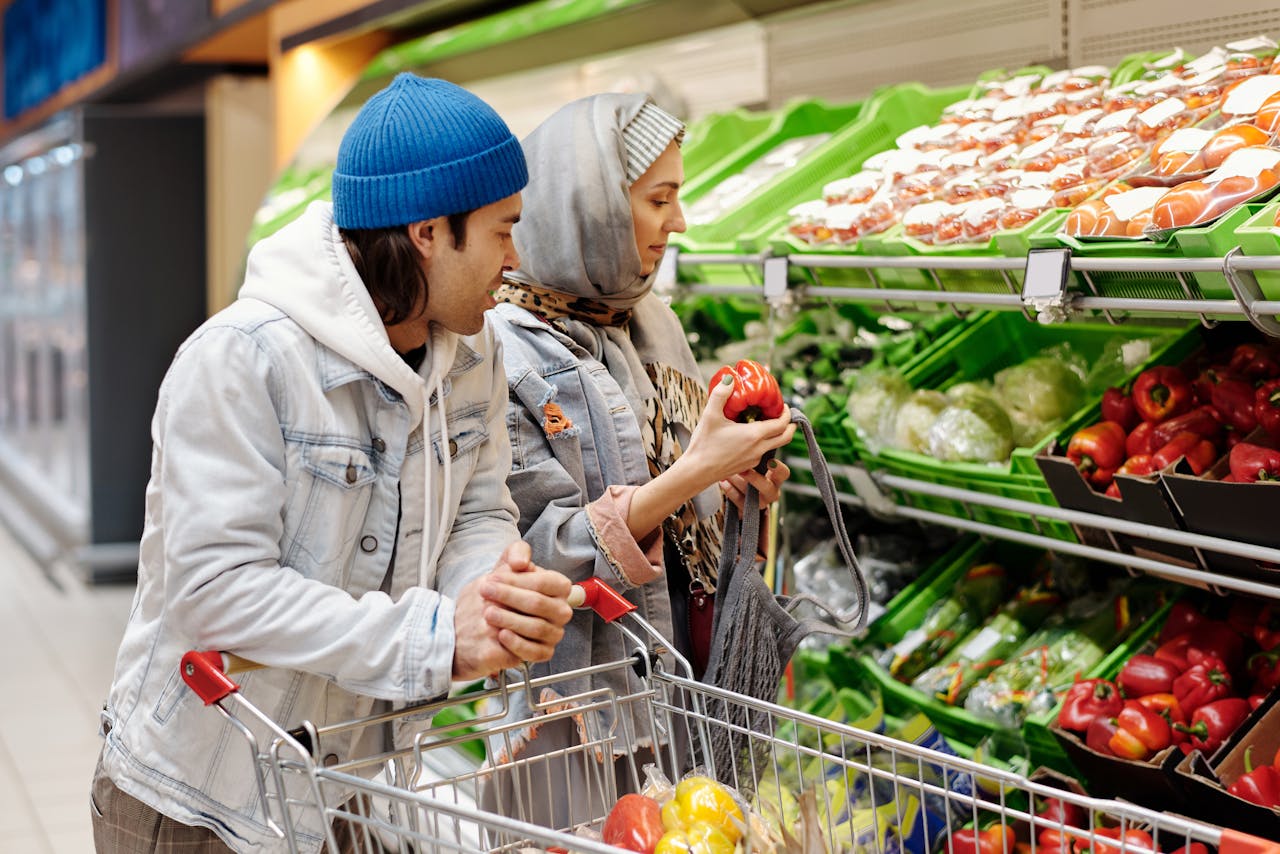
The grocery run used to be predictable. You learned sale cycles, stocked up on staples, and felt pretty good about shaving a few dollars off the bill. That rhythm broke. Prices rose, then cooled, then rose again. People started taking photos of shelf tags like evidence, because it felt like the only way to keep score.
Here’s the thing. Politics made loud promises. Households kept receipts. One TikToker, TheEggWatch, turned his cart into a running ledger and returned to the same New Jersey store months apart to buy the same items. The list tells a story that official data now echoes: the total keeps inching up, and it’s not just eggs anymore.
The Promise, The Cart, The Reality
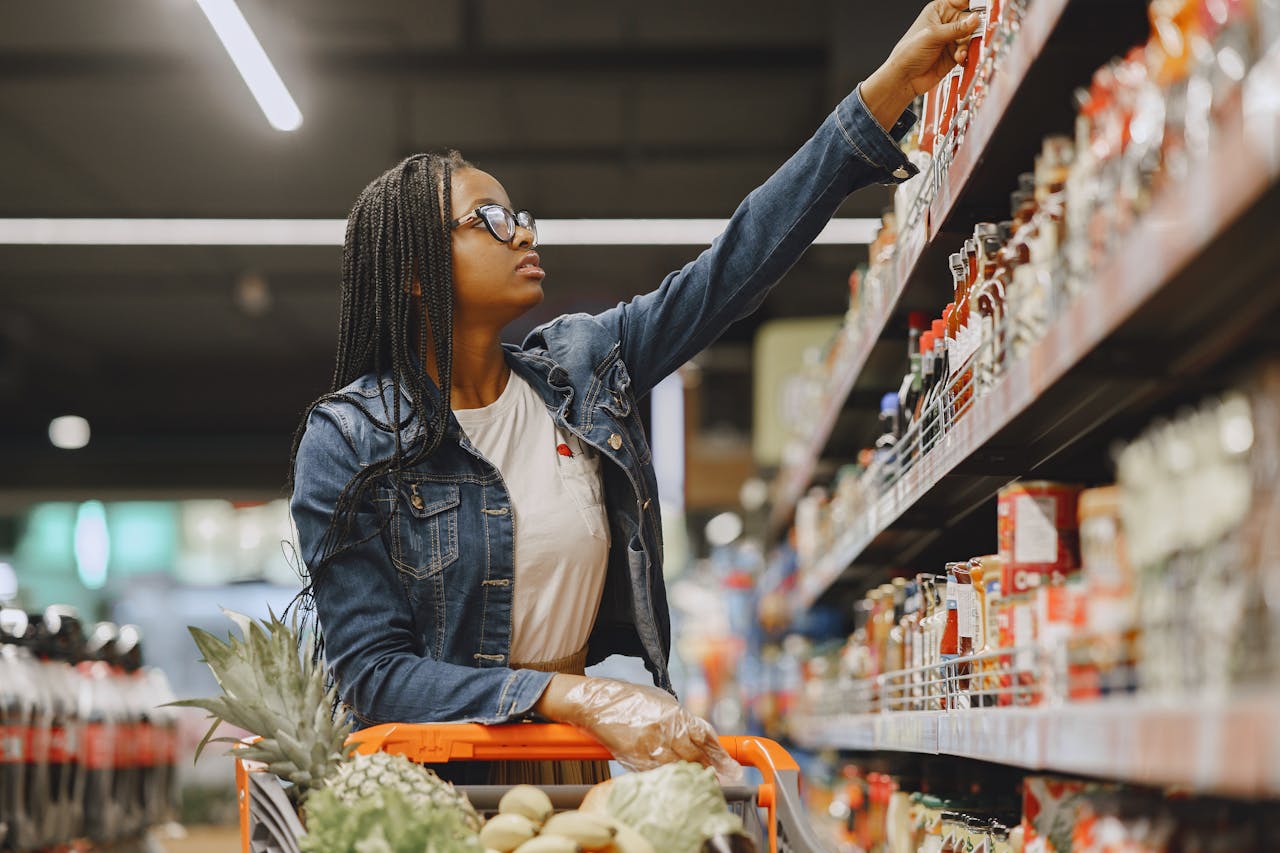
Campaign lines said prices would drop on day one. Shoppers didn’t see it. That mismatch is why people began documenting their weekly hauls with dates and line items.
TheEggWatch compared identical baskets nine months apart. He wasn’t chasing viral drama, just repeatable proof. Same store, same products, new totals. The change feels small on single items, then big at checkout.
His point lands because it’s simple. If the bill climbs while the groceries stay the same, households notice. No chart can explain away a lighter cart.
What The Price Tags Show Now
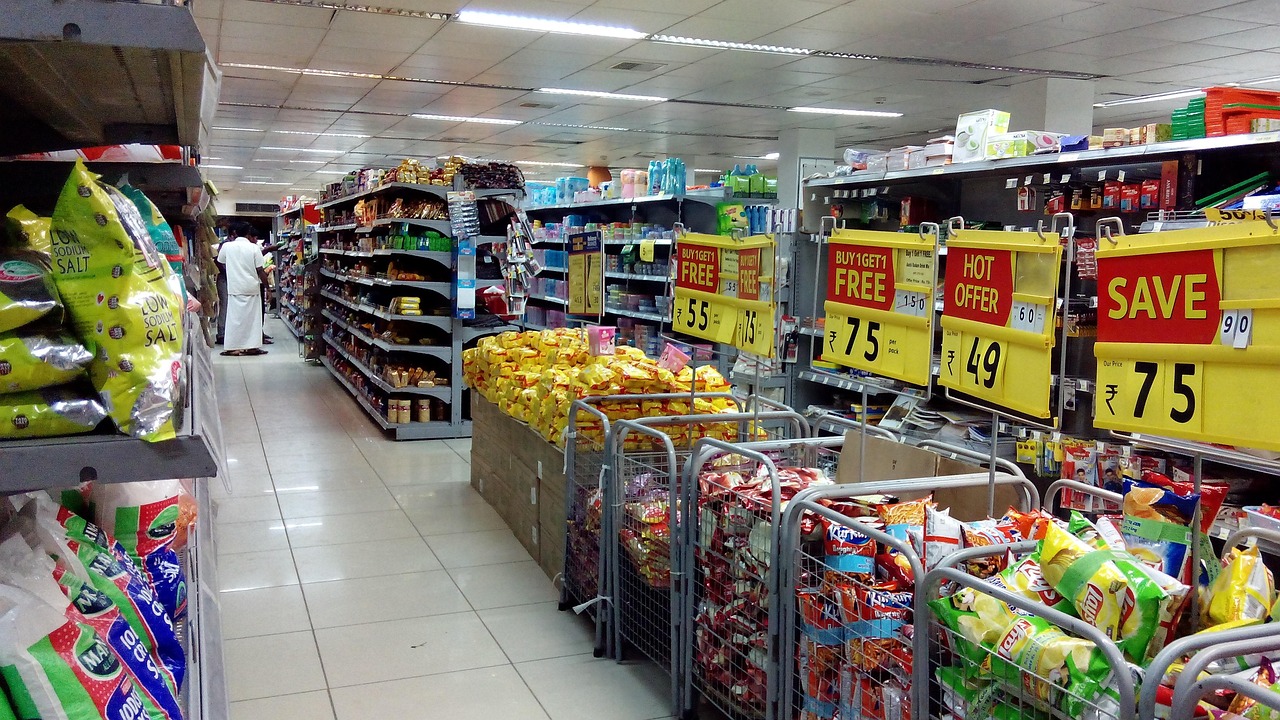
Coffee went from 7.99 to 9.99 a bag at his store. A quiet jump, but it adds up when you brew daily. Bacon rose from 7.49 to 8.99, even on sale.
Lean ground beef climbed from 5.69 to 7.49 per pound. New York strip moved from 13.99 to 16.99 per pound. Bananas nudged from 0.54 to 0.59 a pound, small on paper, real in a lunchbox. Chicken breasts ticked up from 4.99 to 5.49 per pound.
Multiply those changes across a week, then across a year. That’s the bite families are feeling, even when they shop the circulars and chase store brands. The basket got heavier on the wallet, not in the trunk.
Online, the comments read like a national group chat. People swap hacks, blame parties, and post their own tags. Underneath the shouting is the shared fact that the math isn’t going their way.
Beyond Eggs: Gas, Mood, And The Weekly Bill
TheEggWatch tracks more than dairy now. Gas, pantry staples, meat, produce. It’s the whole rhythm of the week, not a single headline item, that shapes how people feel about prices.
You can argue about policy all day. A register tape ends the argument fast. It’s why this kind of tracking resonates, even with folks who never open an economic report.
What The Data Says, Without The Spin
Official numbers back up the grocery squeeze. Food at home rose around three percent over the last year on average, with some categories moving faster than others. Meats, poultry, fish, and eggs outpaced the basket. Coffee and other beverage materials saw double-digit year-over-year gains. That tracks with what shoppers see on endcaps.
Monthly data showed a notable August pop in several metros. In Los Angeles, food at home jumped nearly two percent in a single month. Nationally, September’s report kept the pressure on, with food categories still firm. The details vary by region, but the direction is clear enough. The cart costs more.
This isn’t a return to 2022’s spike. It is a stubborn plateau with bumps. Households don’t live on averages anyway; they live on bacon, chicken, produce, and coffee. When those drift higher, budgets feel it.
If you want a sanity check, watch the twelve-month lines for meat and for beverage materials. They tell a tougher story than the headline inflation rate does.
Why Prices Still Moved: Tariffs, Weather, And Logistics
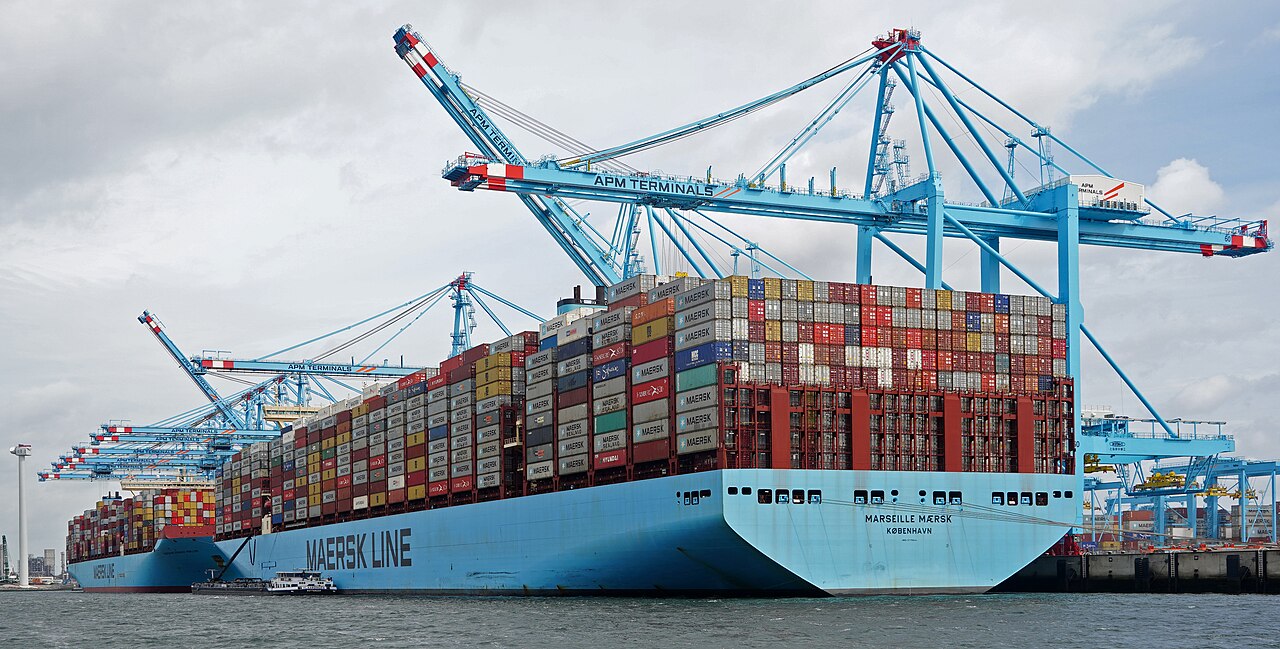
Imported staples carry new costs. Tariffs on a wide swath of goods include pantry items like olive oil and coffee inputs. When there’s no domestic substitute, duties tend to show up in the unit price.
Weather layered on. Coffee harvests faced heat and disease in key origins, tightening supply and lifting wholesale prices before groceries updated shelf tags. Throw in higher financing and freight costs, and a simple bag of grounds turns into a case study.
Policy groups will debate whether tariffs “cause” inflation. Shoppers only see the total. When both trade friction and global crop issues stack up, the shelf number rarely goes down on its own.
The net effect is uneven, but it keeps the bill sticky. That’s why people feel whiplash even when overall inflation looks tame.
How Shoppers Are Adapting
Trade-downs are common. People shift from premium brands to private labels, from steak to ground, from fresh to frozen when it stretches further. Clip less, stack more: store rewards, card-linked offers, and receipt apps.
Bulk clubs earn more mid-week trips. Families split multi-packs with neighbors and freeze portions. It’s not glamorous, but it works. A steady pantry beats a flashy coupon win.
How Stores Are Changing The Game
Retailers lean into price perception. Loss leaders front the circular. Digital coupons gate the best deals behind logins. Labels call out unit prices more clearly, but shrinkflation still tests attention.
Expect more dynamic promos tied to loyalty. Weekends carry concerts of markdowns; weekdays go quiet. Prepared foods pivot to value trays and family bundles. The pitch is save time and a few dollars, not just cents off a SKU.
Self-checkout remains a friction point. Stores are adding attendants and random audits, chasing shrink while trying not to annoy regulars. That balance matters because a bad checkout sticks in memory longer than a good deal in aisle five.
What To Watch Next
Eyes on coffee and olive oil through the holidays. If tariffs persist and harvests underperform, the winter shelf tags won’t relax. Meat promotions will matter too; wholesale swings often show up as short, sharp specials.
Keep an eye on the monthly CPI tables for “food at home,” plus the category lines for meat and beverages. Regional releases offer clues if your city is outpacing the national average. Policy shifts could move inputs, but they take time to hit the dairy case.
Households will keep doing what works: plan, substitute, batch-cook, and stock when the price is right. The new reality isn’t panic. It’s vigilance.
Sources
- U.S. Bureau of Labor Statistics — CPI News Release (Sept. 2025)
- BLS CPI Table 2 — Detailed Food-at-Home Indexes (Aug.–Sept. 2025)
- Yahoo News (syndicated BuzzFeed) — TikToker compares 2025 grocery receipts
- FRED — CPI: Food at Home, U.S. City Average
- Fortune — Products hit hardest by 2025 tariffs, including olive oil
- Reuters — Coffee industry urges tariff exemptions
- BLS Regional CPI — Los Angeles (August 2025) food at home spike