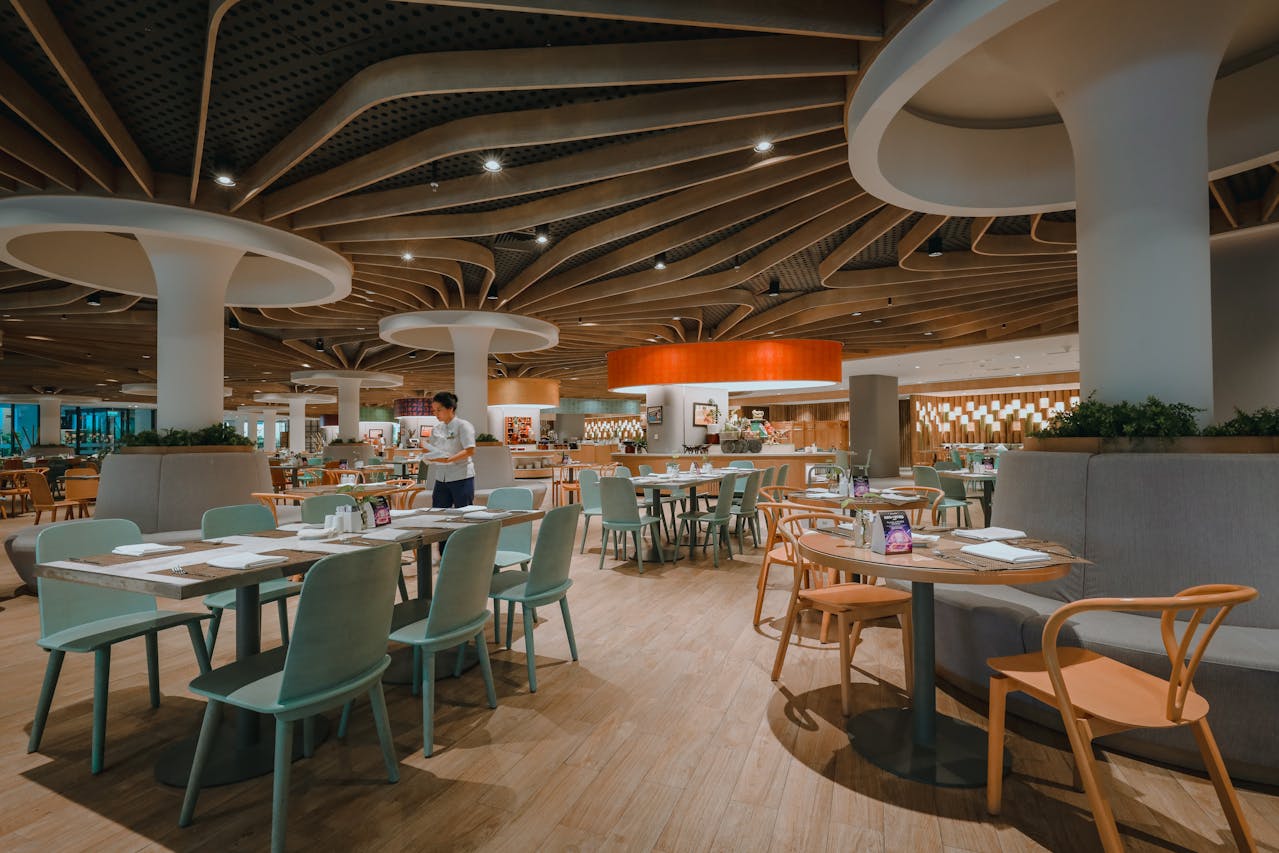
Dance floors are not disappearing, but their social contract is changing. Across major cities, younger crowds are choosing earlier start times, lower-alcohol formats, and nights designed to feel energizing instead of punishing. U.S. polling shows drinking rates have fallen in recent years, with sharper declines among younger adults, while event platforms report a jump in demand for less scripted, participatory gatherings. Soft clubbing has become less a niche and more an answer to burnout, expense, and a craving for connection without collapse. It keeps the music and release, but trims the spiral that used to follow.
Why Peak Hours Are Moving Earlier
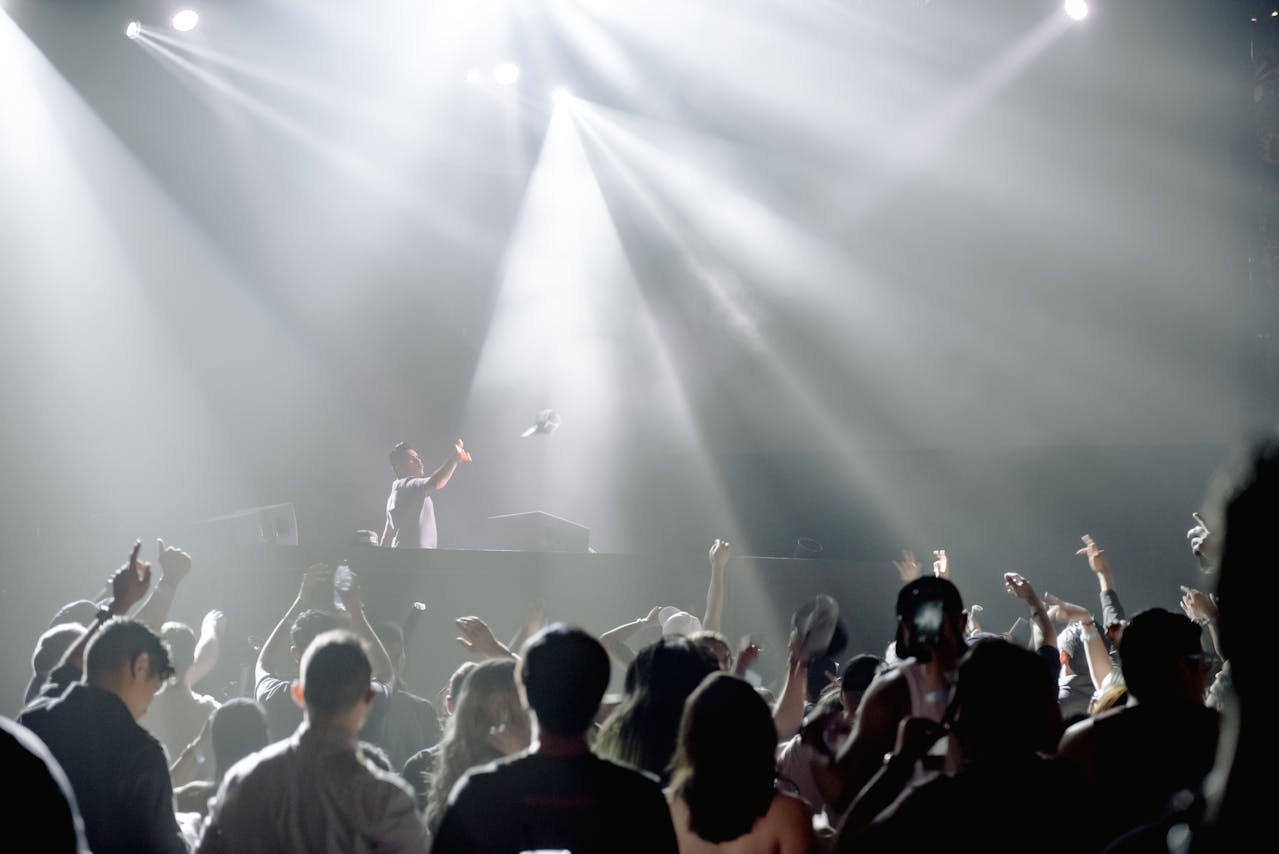
Soft clubbing shifts the clock before it changes the playlist. Instead of midnight entry and 3 a.m. exits, many events now open around sunset and wrap near midnight, so people can dance hard without wrecking the next day. That timing is not random. It reflects a generation balancing work, study, side gigs, and tighter budgets, where recovery time carries real value.
Early formats also widen the guest mix. Friends who avoid late-night transit, heavy crowds, or all-night drinking can still join the room at full energy. The party feels less like endurance and more like intention, with a clean finish that leaves space for Sunday plans.
Sober-Curious Is Becoming A Social Default
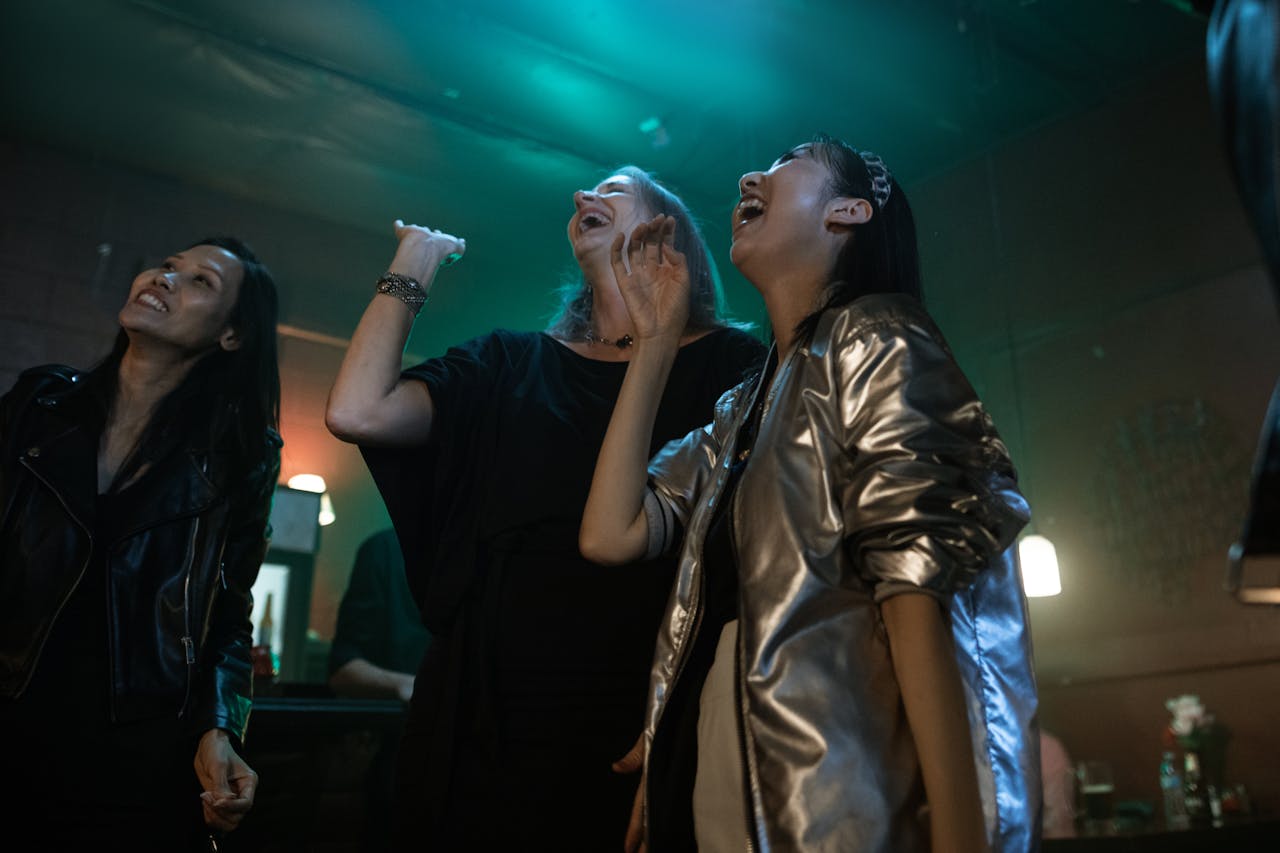
The biggest shift is not silence around alcohol, but freedom around choice. In many Gen Z groups, skipping drinks no longer needs an explanation, and drinking is no longer the assumed ticket to belonging. U.S. trend data points in the same direction: lower routine drinking, stronger health awareness, and more interest in nights that feel good the next morning.
Soft clubbing turns that attitude into infrastructure. Water stations are visible, zero-proof options are normal, and the social energy comes from music, movement, and conversation instead of rounds and pressure. That lowers fear of missing out across the room.
Music-First Rooms Are Replacing Bottle-Service Theater

In soft clubbing spaces, the soundtrack does the heavy lifting. Curators lean into house, amapiano, disco edits, global club rhythms, and warm-up tempos that build connection before intensity. The room is arranged around movement, not tables and status signals, so people feel invited to participate instead of perform.
That shift changes behavior fast. Fewer staged photo moments and fewer drink rituals mean less social hierarchy on the floor. The payoff is simple: people leave remembering songs, faces, and conversations, not receipts. It restores a nightlife promise that got lost, where the best nights feel shared rather than sold.
Comfort Is Overtaking Dress-Code Pressure

Soft clubbing treats comfort as part of the design brief, not an afterthought. Sneakers, breathable layers, and practical bags are now common even at high-energy venues, because the focus is stamina and ease, not costume anxiety. That change matters for people who felt locked out by style rules that rewarded appearance over presence.
The emotional effect is immediate. When guests are not negotiating pain, weather, or wardrobe risk, they move more freely and stay more social. The room becomes less intimidating, especially for first-timers, and the night holds a steadier, friendlier pulse from the first hour to closing.
Cost-Conscious Nights Are Winning The Group Vote

Alcohol-heavy nightlife got expensive long before the current wave of inflation, but Gen Z is treating price friction as a design problem, not a personal failure. Softer formats with lower cover charges, shorter runtimes, and fewer spend points are easier to repeat without financial regret. That matters when rent, transport, and food already strain monthly budgets.
Affordable structure also keeps friend groups intact. When the default plan does not punish the lowest budget in the chat, turnout improves, and spontaneity returns. Soft clubbing succeeds because it is emotionally lighter and economically realistic at the same time.
Safety And Consent Are Becoming Core Features
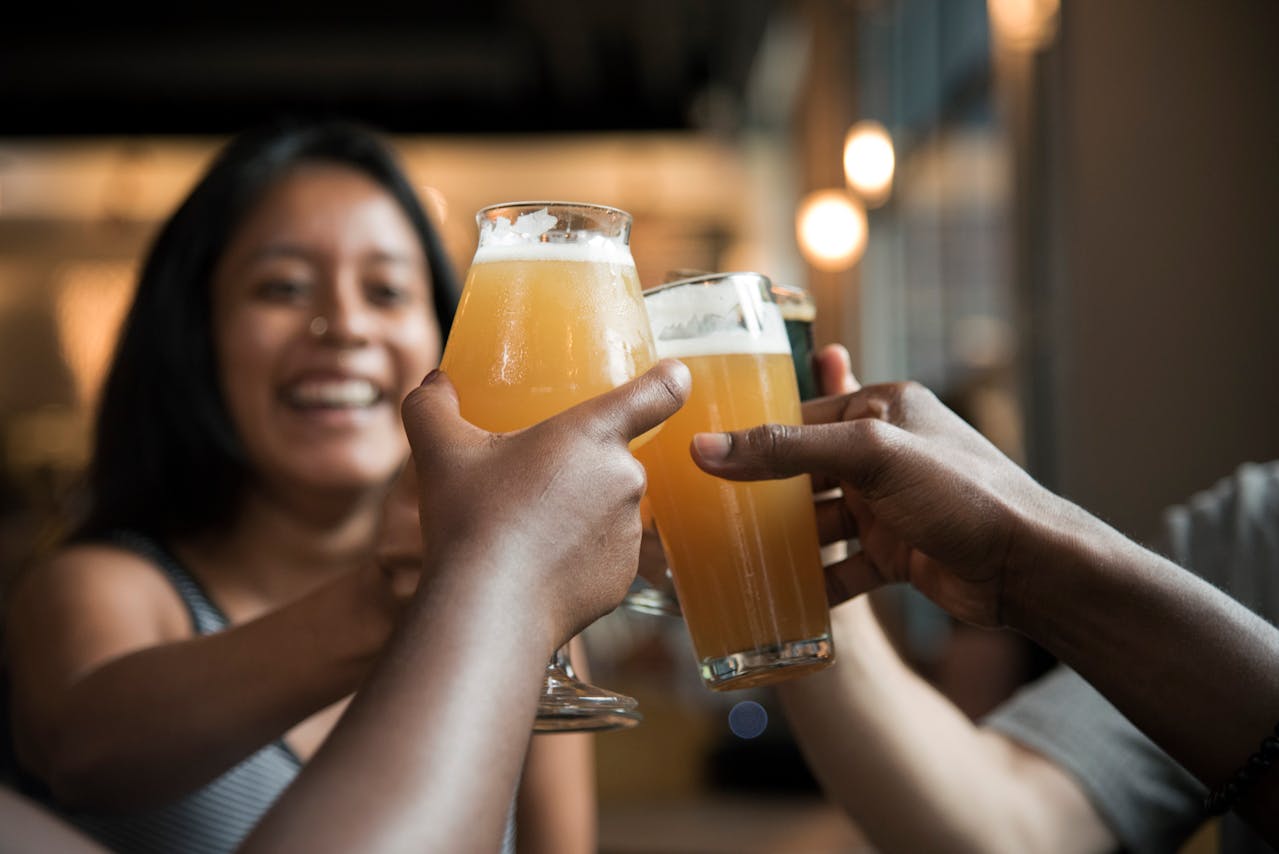
Soft clubbing is also a response to risk, especially for women and younger attendees who read nightlife through a safety lens first. Earlier end times, clearer staff visibility, better lighting transitions, and calmer entry queues reduce pressure points that often escalate later in the night. The result is not fear-based socializing but better baseline trust.
Lower intoxication rates can help, too. Public-health evidence ties heavy drinking to injuries and other harms, so formats that reduce overload create more room for consent, awareness, and quick decision-making. The atmosphere feels freer because boundaries are easier to hold.
Recovery Culture Is Replacing Hangover Bragging

For years, nightlife status was often measured by excess: latest exit, heaviest tab, roughest morning. Gen Z is rewriting that script around next-day function, mental steadiness, and visible self-care. In that mindset, a good night is one that still leaves room for class, shifts, workouts, family plans, or plain quiet on Saturday morning.
Soft clubbing fits this ethic because it preserves intensity without demanding self-destruction. People still dance, flirt, and decompress, but the emotional aftertaste is cleaner. Instead of proving endurance, the night proves balance, and that feels modern in the best way right now.
Soft Clubbing Is Rewriting Weekend Identity

What looks like a party trend is really a cultural correction. After years of social exhaustion, algorithmic comparison, and expensive nights that ended in emotional debt, many young adults want celebration without collateral damage. Soft clubbing offers that middle path: high sensation, lower fallout, and room for individuality inside a shared beat.
This is why the model travels so well across cities and scenes. It adapts to local music, local economics, and local safety expectations while preserving the same core promise. The night can be vivid, social, and memorable without asking anyone to disappear into burnout.