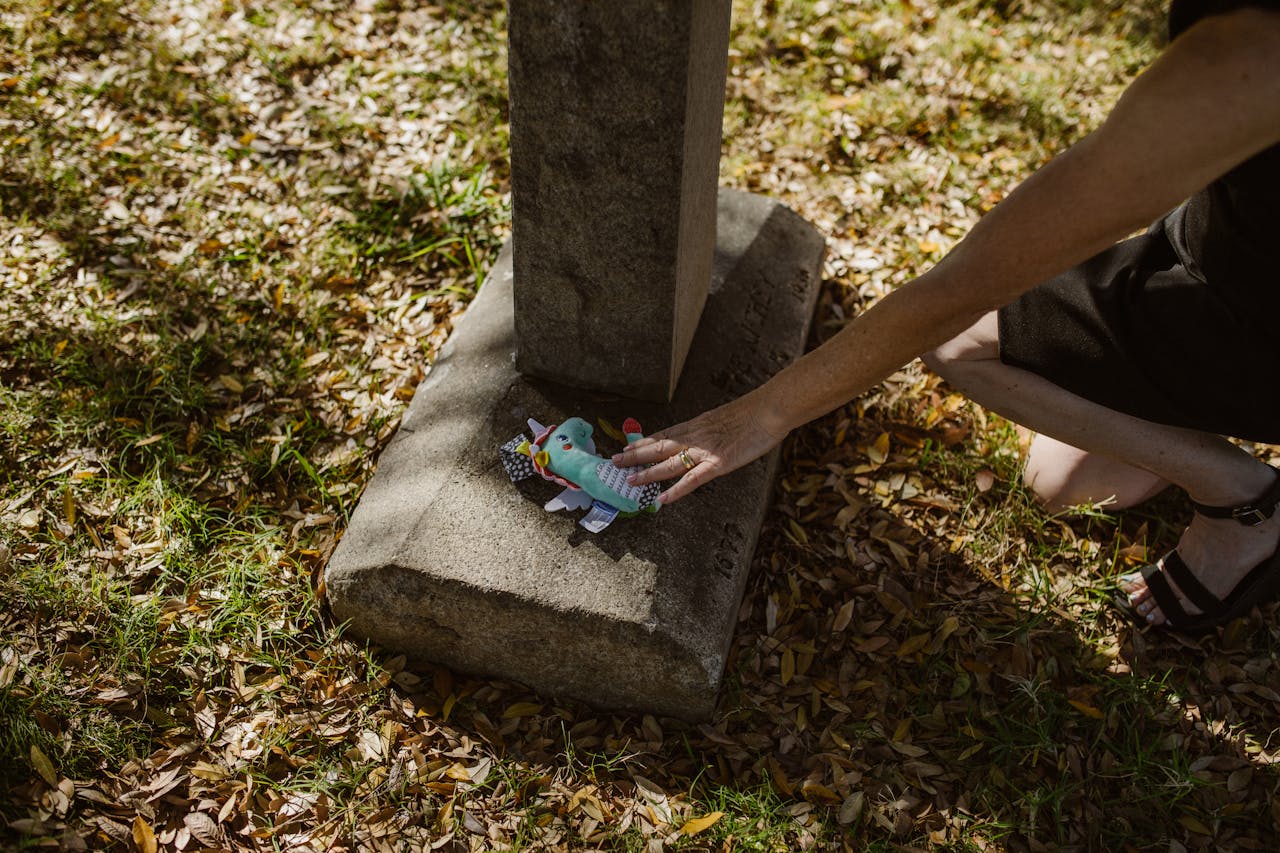
Grief often meets regulation at the backyard fence line. Many families still assume a quiet home burial is always lawful, private, and low risk. Regulators increasingly frame it differently, especially when euthanasia drugs, shallow graves, flood-prone soil, and scavenging wildlife overlap. The issue now sits at the intersection of public health, water protection, nuisance law, and animal safety. What feels like a personal goodbye can quickly become a compliance matter, where local code officers, veterinarians, and environmental agencies all have a say. That pressure turns private mourning into a public policy question.
Drug Residues Do Not End at Burial

Pentobarbital-based euthanasia products carry explicit environmental hazard language because scavenging birds and mammals can be harmed after ingesting treated remains. Federal drug labeling directs disposal by deep burial, incineration, or another lawful method under state and local rules, not casual placement in shallow soil.
Wildlife agencies have documented poisonings linked to exposed tissue, and they note residues can remain in buried carcasses for months. What looks resolved at sunset can still create exposure later, especially after rain, soil disturbance, or digging wildlife. Enforcement agencies treat lag time as a risk.
Local Rules Are a Patchwork, Not a Single National Permission
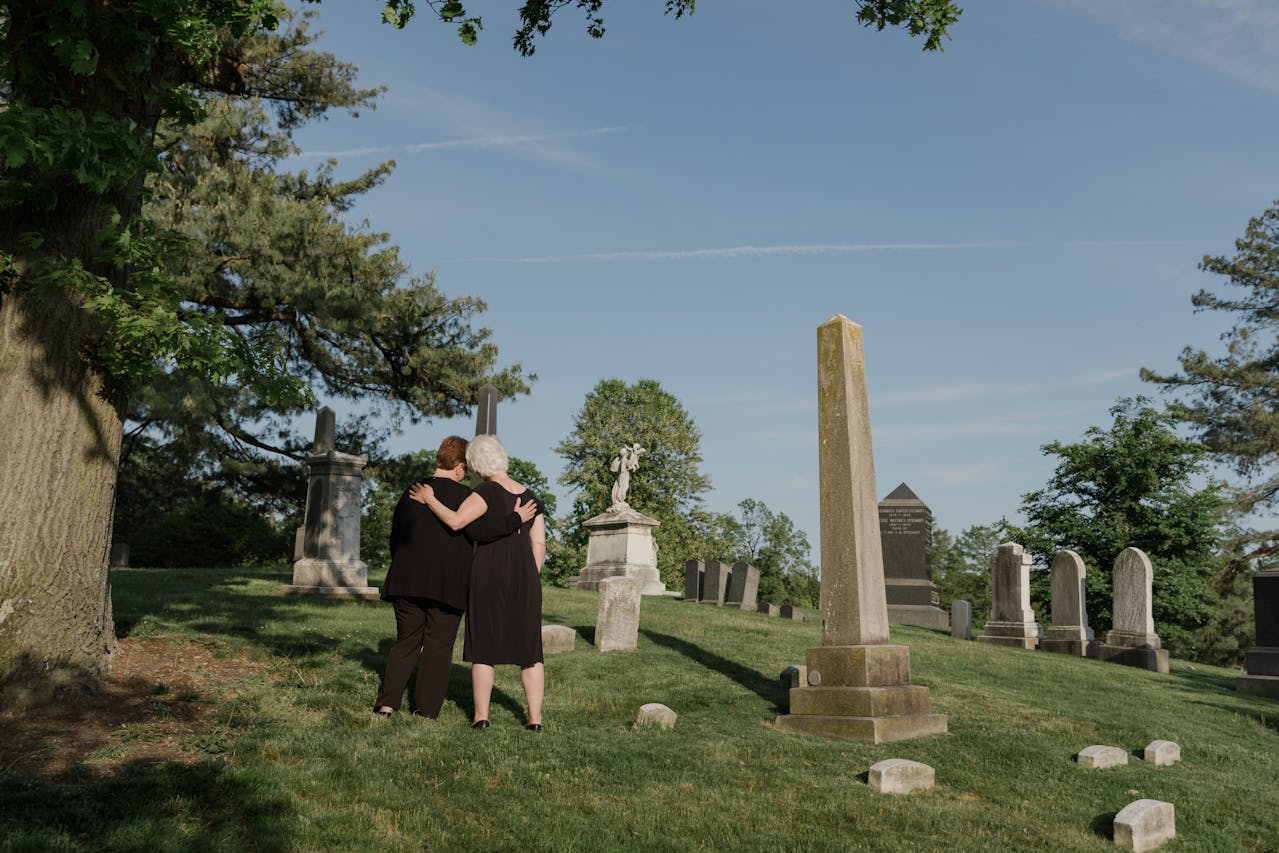
Backyard burial legality changes block by block. New York City permits pet burial on private property, while other jurisdictions apply narrower allowances or stricter limits. Los Angeles code, for example, treats unauthorized burial of dead animals as unlawful outside specific exceptions and approved locations.
This patchwork is why enforcement feels sudden to families. A burial accepted in one municipality can trigger a citation in another, even nearby. Regulators are often enforcing rules already on the books, now with clearer inspection follow-through. Local history and water conditions often explain why nearby codes diverge.
Depth, Setbacks, and Soil Conditions Drive Most Citations

Many enforcement actions center on mechanics, not intent. State and local rules commonly specify burial depth, distance from wells, and limits near surface water or flood-prone ground. Washington’s code requires at least three feet of cover and bars burial where groundwater is within five feet or where flooding is likely.
Georgia regulations likewise describe depth and setback requirements and tie compliance to penalties. These details matter because leaching and scavenger access are practical risks. Inspectors usually document site conditions first, then apply enforcement. That is where compliance becomes a legal outcome.
Scavenger Exposure Turns Private Grief Into Public Risk

When a euthanized animal is buried too shallowly or left accessible, the risk can move beyond one property line. Case literature documents relay toxicosis in dogs after ingesting tissue from euthanized animals, including incidents linked to remains that stayed hazardous longer than owners expected.
U.S. Fish and Wildlife guidance describes similar danger for raptors and other wildlife, with field incidents involving bald eagles. The core regulatory claim is clear: one private burial decision can create secondary exposure for animals outside the household. Regulators treat this spillover effect as a community protection issue.
Composting Helps in Some Cases, but It Is Not Risk-Free by Default

Composting is often discussed as a practical alternative when done under controlled protocols, yet research still finds detectable pentobarbital residues at the end of monitored compost cycles. In one Upper Midwest equine study, residues dropped sharply but were not universally eliminated after roughly six to seven months.
Regulators read this as a management issue, not a ban signal. Proper site control, temperature performance, and end-use standards matter, and informal backyard piles rarely meet those benchmarks. That gap is where legal friction often begins. Monitoring quality decides whether composting is accepted.
Home Burning Often Fails the Disposal Standard

Backyard fire pits are frequently chosen in a moment of urgency, but case reporting shows that partial burning does not guarantee drug breakdown. A 2025 veterinary case linked suspected relay intoxication to contaminated tissue that had been frozen and later burned before ingestion by another dog.
Clinical authors stressed that veterinarian guidance on disposal is essential because informal burning conditions are inconsistent. Regulators view this as preventable harm: remains may look handled, yet biologically active residues can still be present. In enforcement terms, visible ash is not proof of safe final disposal.
Regulatory Attention Extends Beyond Homes to the Disposal Chain

Enforcement is not limited to households. FDA warning letters to rendering operations have cited pentobarbital contamination, hazard-analysis failures, and obligations to prevent adulterated material from entering feed channels. Those letters show regulators treating euthanasia-drug residues as a supply-chain compliance issue, not a niche concern.
That broader stance shapes local policy tone. When federal and state agencies emphasize traceability and controls, municipal code officers often tighten oversight around burial, hauling, and aftercare documentation. That alignment across agencies is driving tighter local expectations.