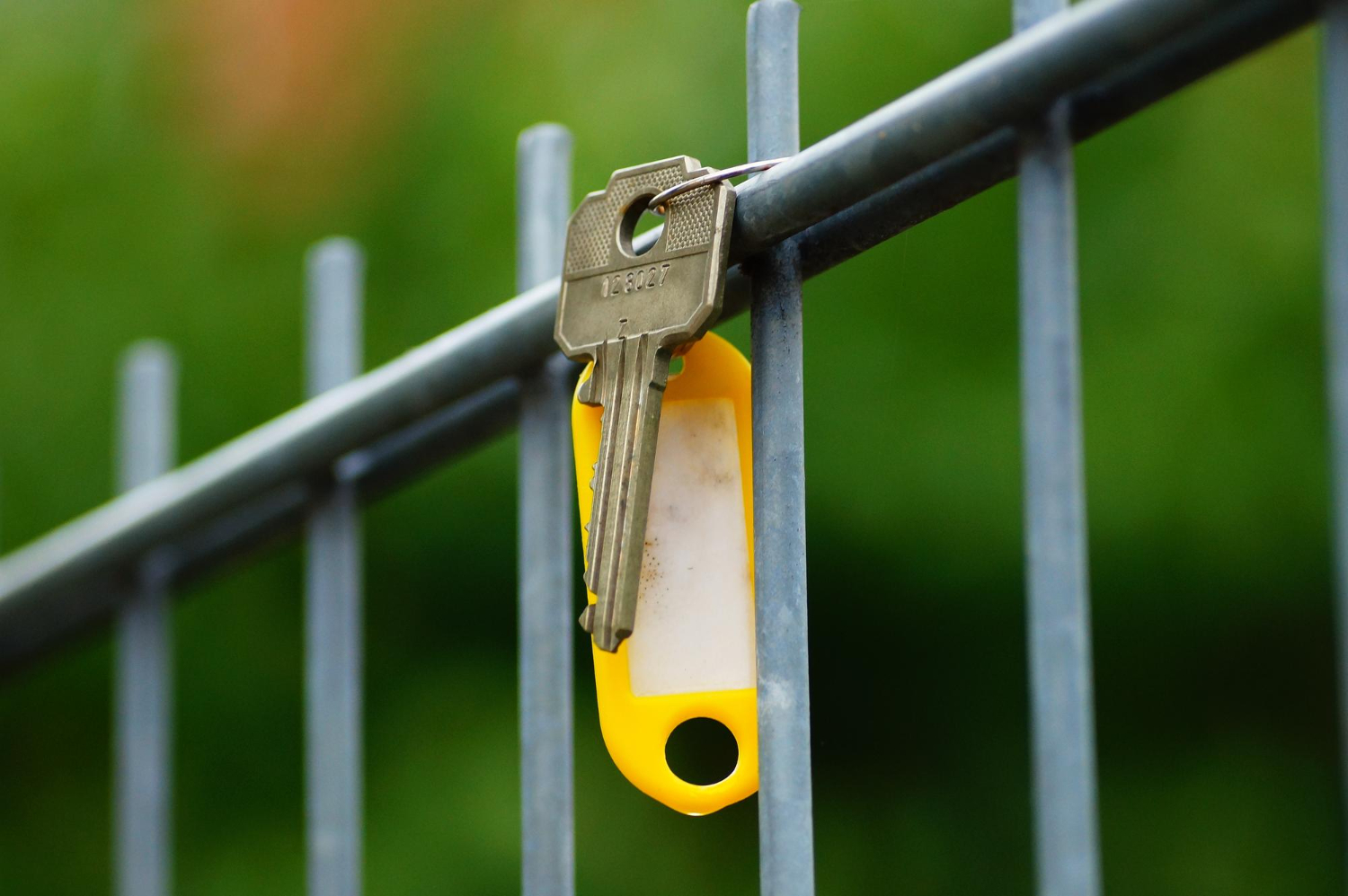
A spare key is meant to rescue a rushed morning, not open a quiet side door for a stranger. Security professionals often see the same pattern: many unwanted entries skip force and begin with a quick scan of familiar hiding places.
The problem is repetition. Keys get tucked near the handle, inside porch décor, or under something that can be lifted and set back in one motion. That predictability matters because these checks take seconds and can look like ordinary activity.
These eight stash points are commonly targeted because they reward speed and leave little trace. A safer backup relies on controlled access, not clever hiding.
Under the Welcome Mat
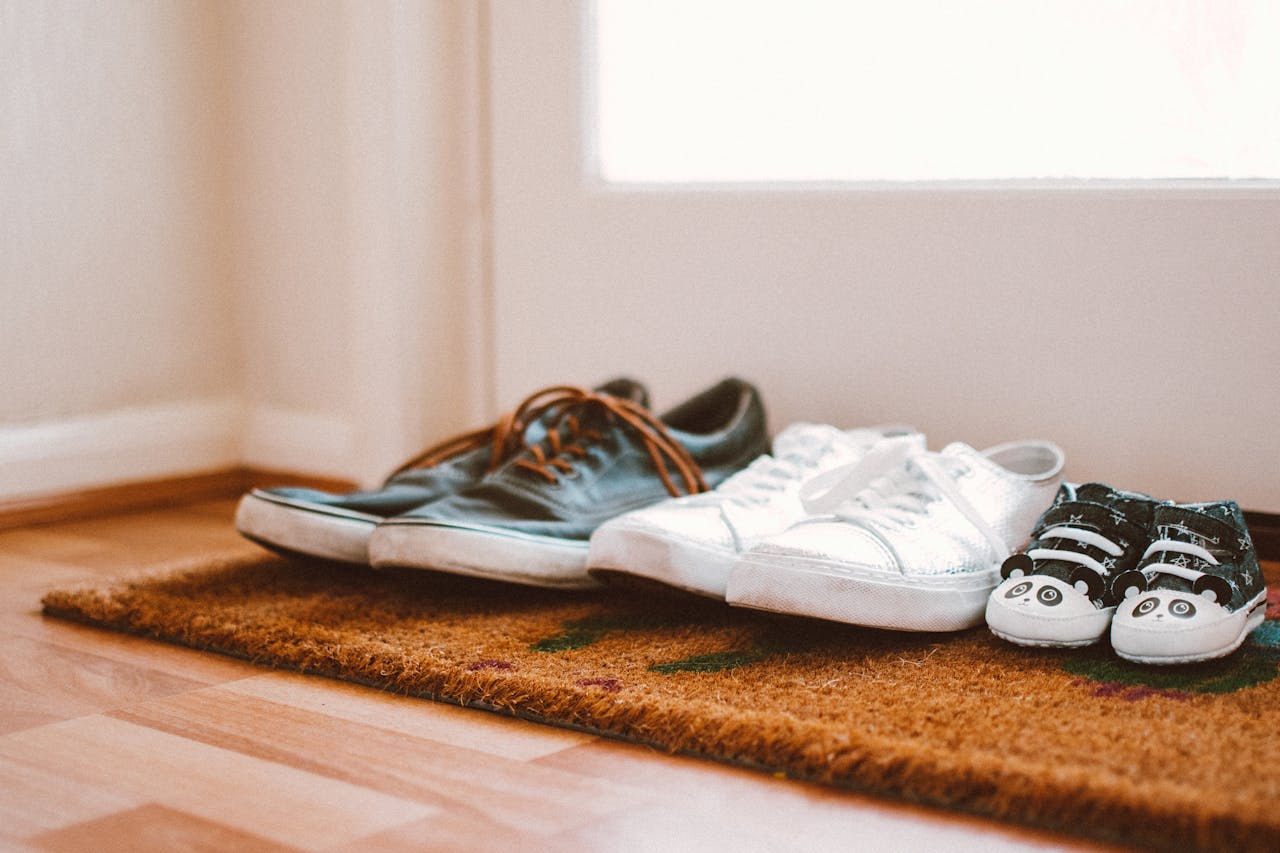
A doormat invites lifting, so it is one of the most commonly targeted spare-key spots. The movement looks ordinary, like straightening the edge after a delivery, and the hiding place sits inches from the lock. Layered rugs create a natural pocket that gets checked quickly.
Weather makes it worse. Moisture loosens tape, mats shift after rain, and metal can creep into view at the corners. Once a key is discovered, entry can look like a routine arrival, which is why the risk goes unnoticed.
Security pros treat the fix as simple: keep no key at the threshold, and use a trusted keyholder, a lockbox, or code access instead, often.
Inside a Flowerpot or Planter

Planters feel harmless, but they sit close to the handle and are easy to disturb and reset. A pot can be shifted in one motion, which can look like routine porch care or straightening décor. When the pot never moves, the pattern becomes obvious, too.
Keys tucked under the base or buried in gravel face moisture and shifting soil. Storms, pets, and deliveries can nudge the pot just enough for metal to flash at the rim or drop into view. Decorative stones also settle, slowly revealing edges.
Security pros prefer moving backups away from porch props: a trusted keyholder, a mounted lockbox, or code entry keeps access deliberate.
In a Fake Rock

Hide-a-key rocks are sold as camouflage, yet many stand out in real landscaping. The color can be slightly off, the texture looks molded, or the single special rock sits like a marker near the path. Seasonal clues help too, like a rock that stays oddly clean after rain.
Because the product is common, it is also commonly scrutinized. Many versions have a hollow base designed for easy opening, and they are usually placed within a few steps of the lock.
Security pros recommend skipping novelty hides and using controlled access instead. A properly mounted lockbox or keyless code keeps backup entry from depending on yard objects.
On Top of the Door Frame
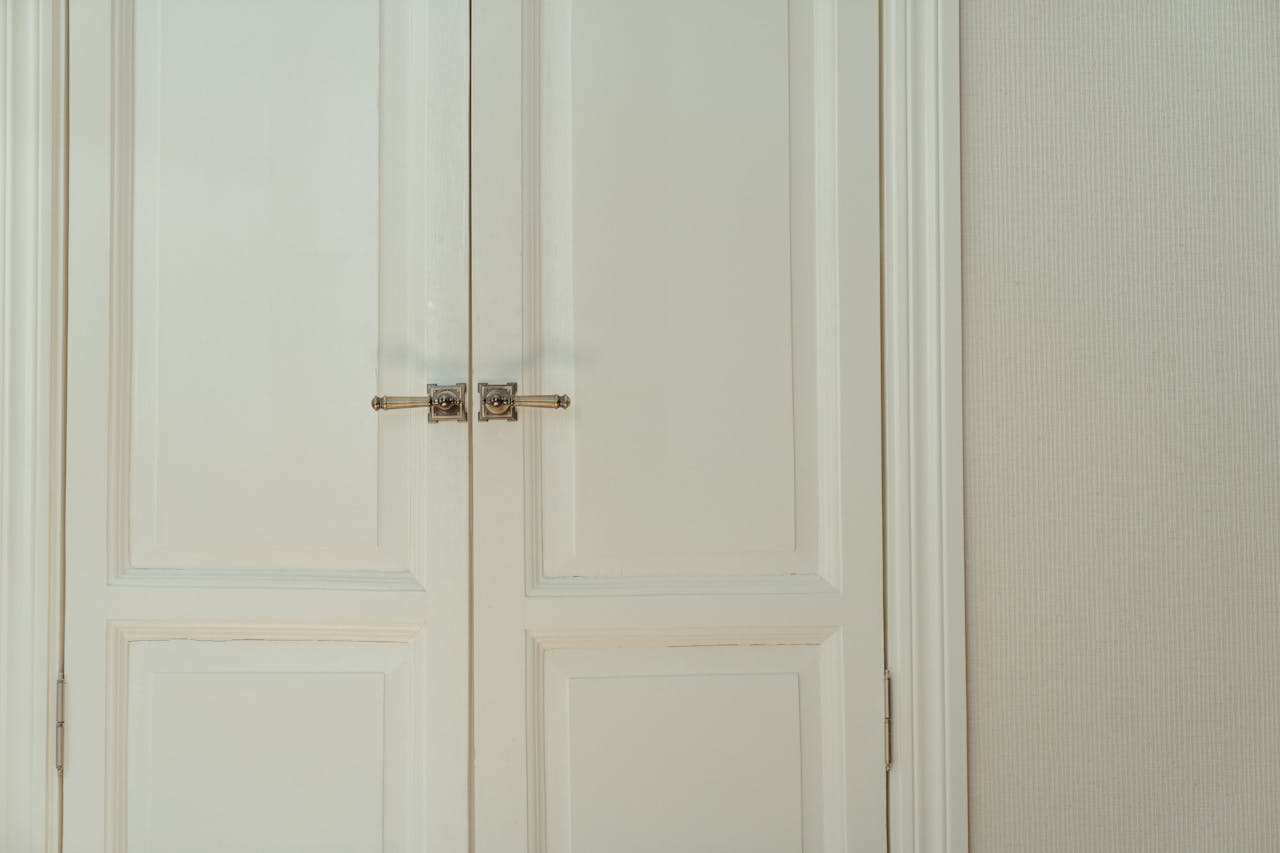
The top of a door frame feels invisible from eye level, which is why it tempts rushed households. It is also a classic move, so it is frequently included in a fast doorway scan. Side doors, garage entries, and decorative trim add more ledges to suspect.
The risk is not only discovery, but exposure. Wind and repeated slams can shift a key into view, and paint dust can outline where it sits. Extra eyes from deliveries or maintenance visits raise the chance of a casual spot, quietly.
Security pros favor backups that can be changed: a keypad, smart lock code, or a trusted person holding the spare off-site keeps the doorway clean.
Inside the Mailbox
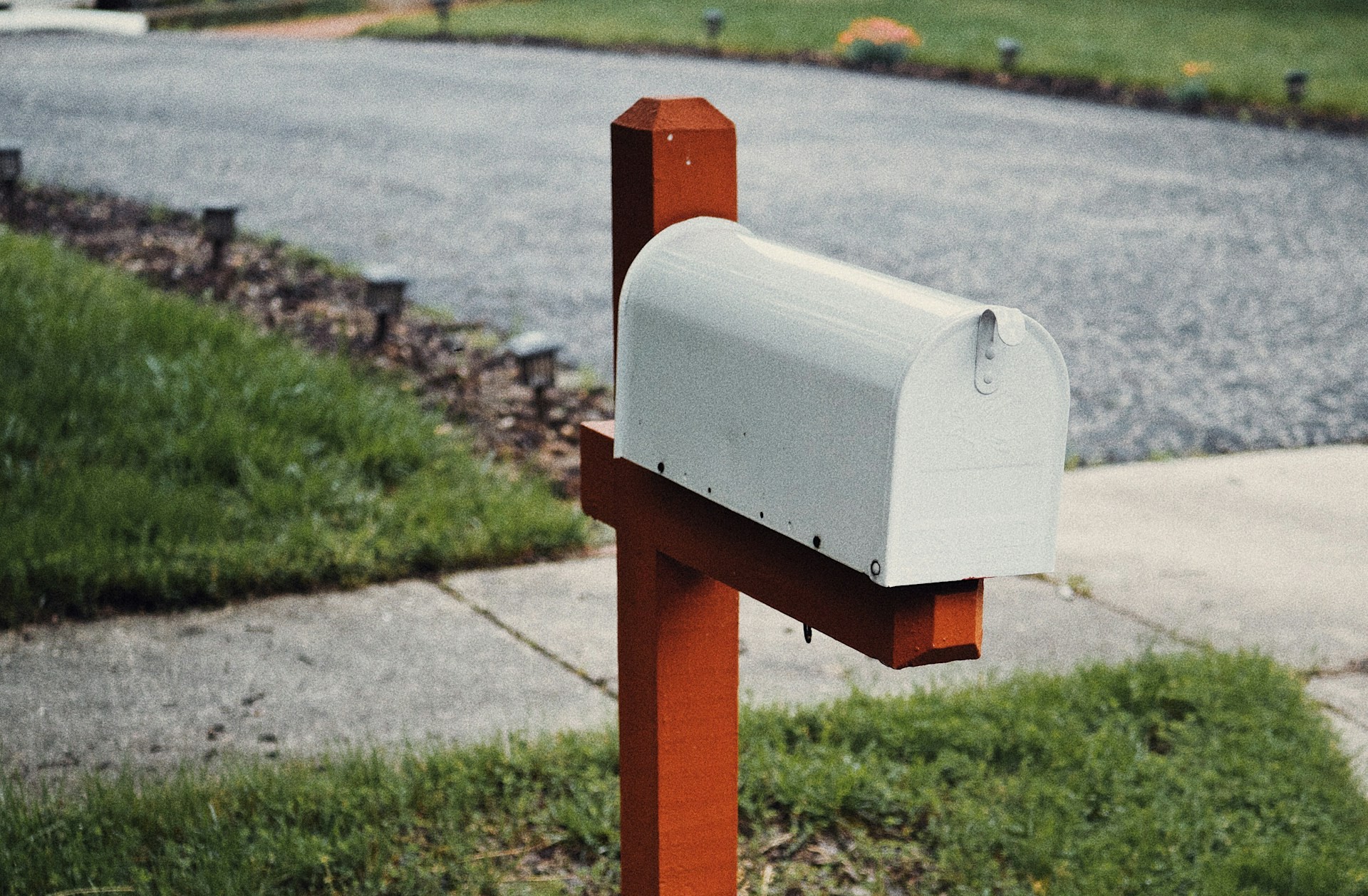
A mailbox seems separate from the home, but it is public-facing and easy to open without stepping onto the porch. Checking it looks normal in daylight, and a key taped inside a lid can be found fast. It also attracts casual curiosity.
Mail handling shifts whatever is hidden. Envelopes slide, tape fails, and a key can sit visible for days. Damp air weakens adhesive and rusts metal, so the stash degrades over time. Because the box sits near the street, lingering looks less suspicious.
Security pros steer backups away from curbside containers. A trusted keyholder or a mounted lockbox keeps access controlled without advertising a shortcut.
Behind a Porch Light Fixture
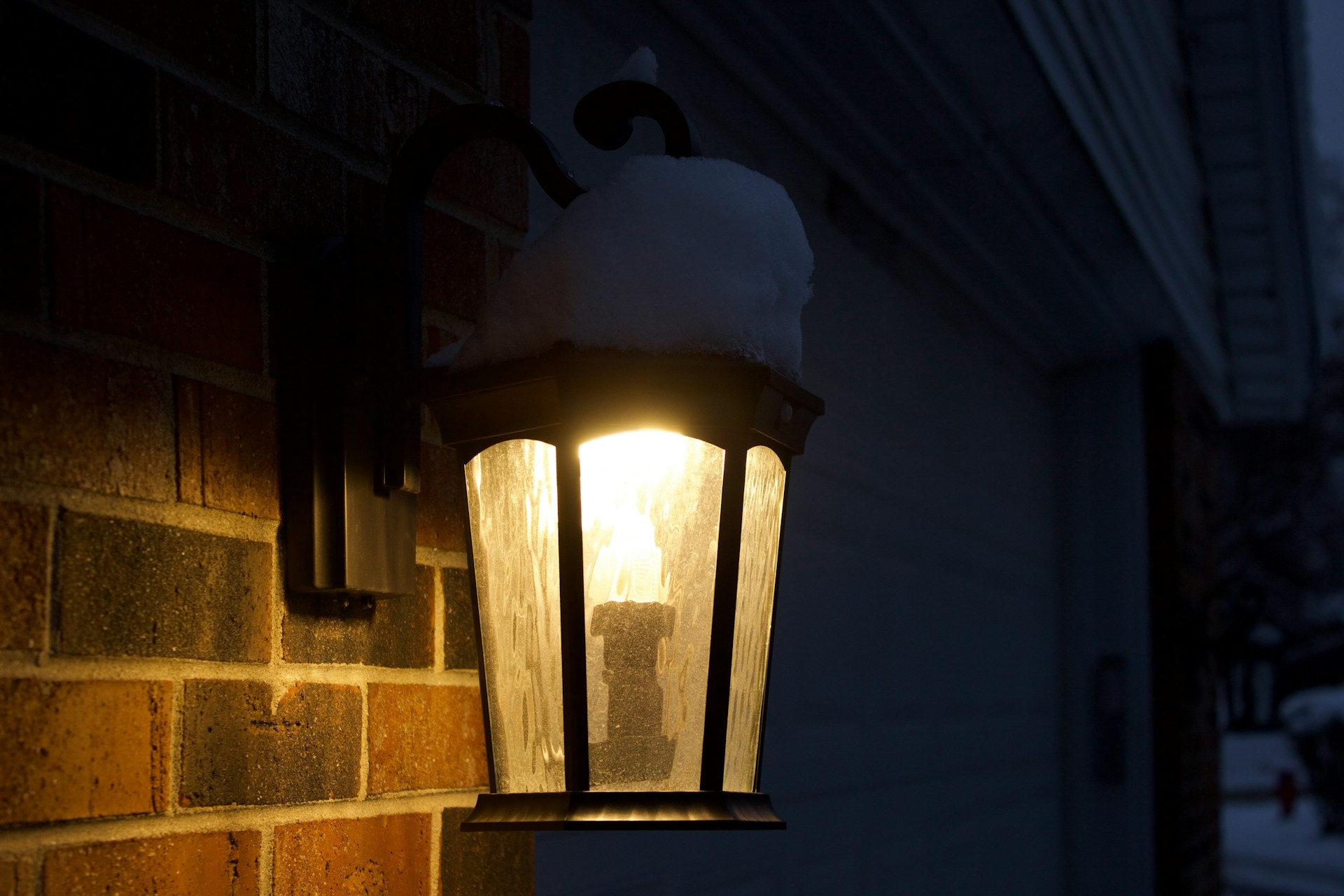
Porch lights attract spare keys because they sit close to the handle and offer small gaps to tuck things behind. The problem is predictability: many entries place the light at chest height beside the knob, so it becomes a standard check for months.
Fixtures also leave hints. Loose plates, scuffed screws, and tape residue can signal that something was stashed. Heat from bulbs and outdoor moisture degrade bags and adhesive, increasing the chance a key shifts into view.
Security pros recommend avoiding entry hardware as storage. A mounted lockbox, keypad, or managed smart lock keeps access shareable without leaving metal outside.
Under Outdoor Furniture Cushions
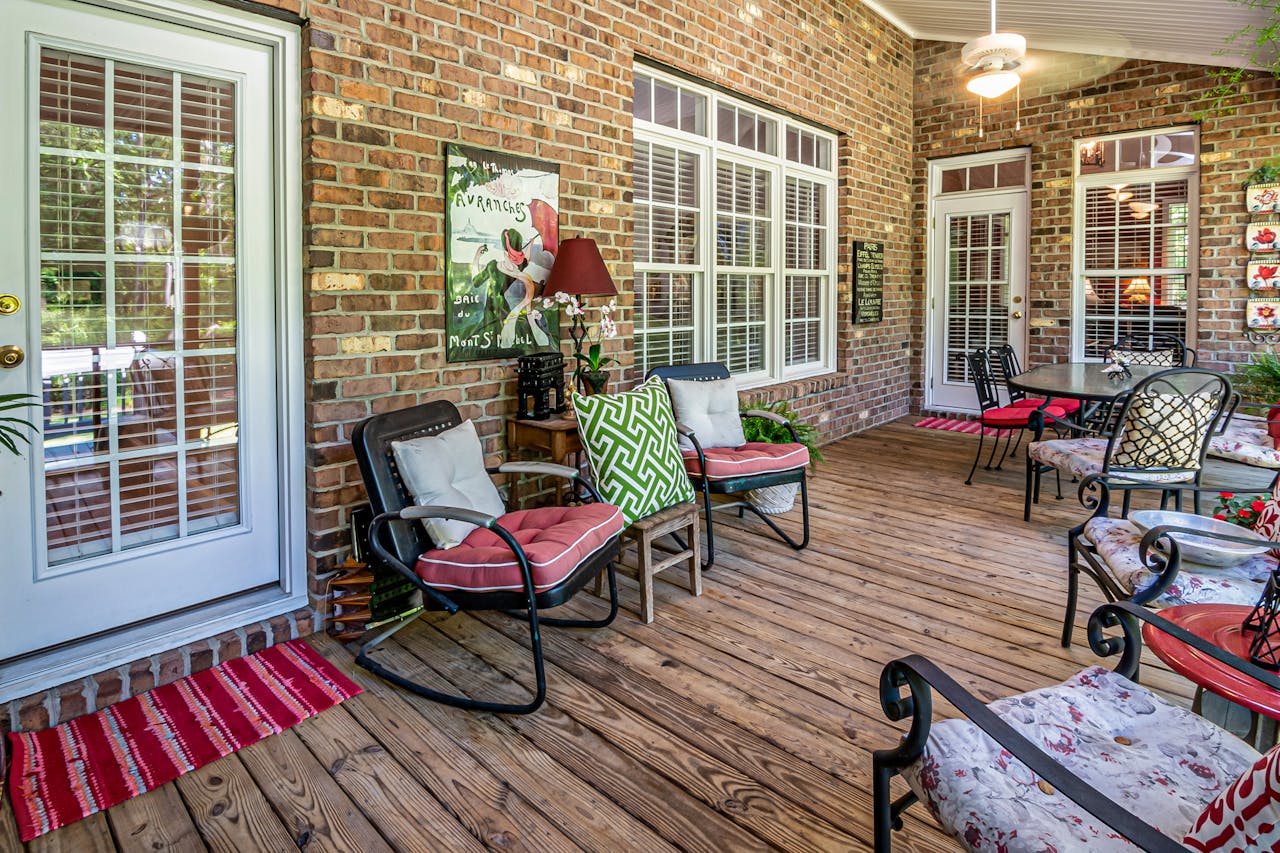
Outdoor furniture feels casual, which is why it becomes a common spare-key stash near the door. Cushions flip fast, bench lids lift quietly, and a check can look like waiting or tidying the porch. Side tables and storage boxes fit the same habit.
Weather and guests add risk. Wind shifts cushions, visitors move seating, and pets nose corners, which can expose a key or drop it into sight. Fabric holds moisture, leaving corrosion and dark marks that make metal stand out.
Security pros prefer moving backups away from the doorway pattern. A trusted keyholder or lockbox keeps the spare available without relying on soft furniture.
In a Magnetic Key Holder on Metal
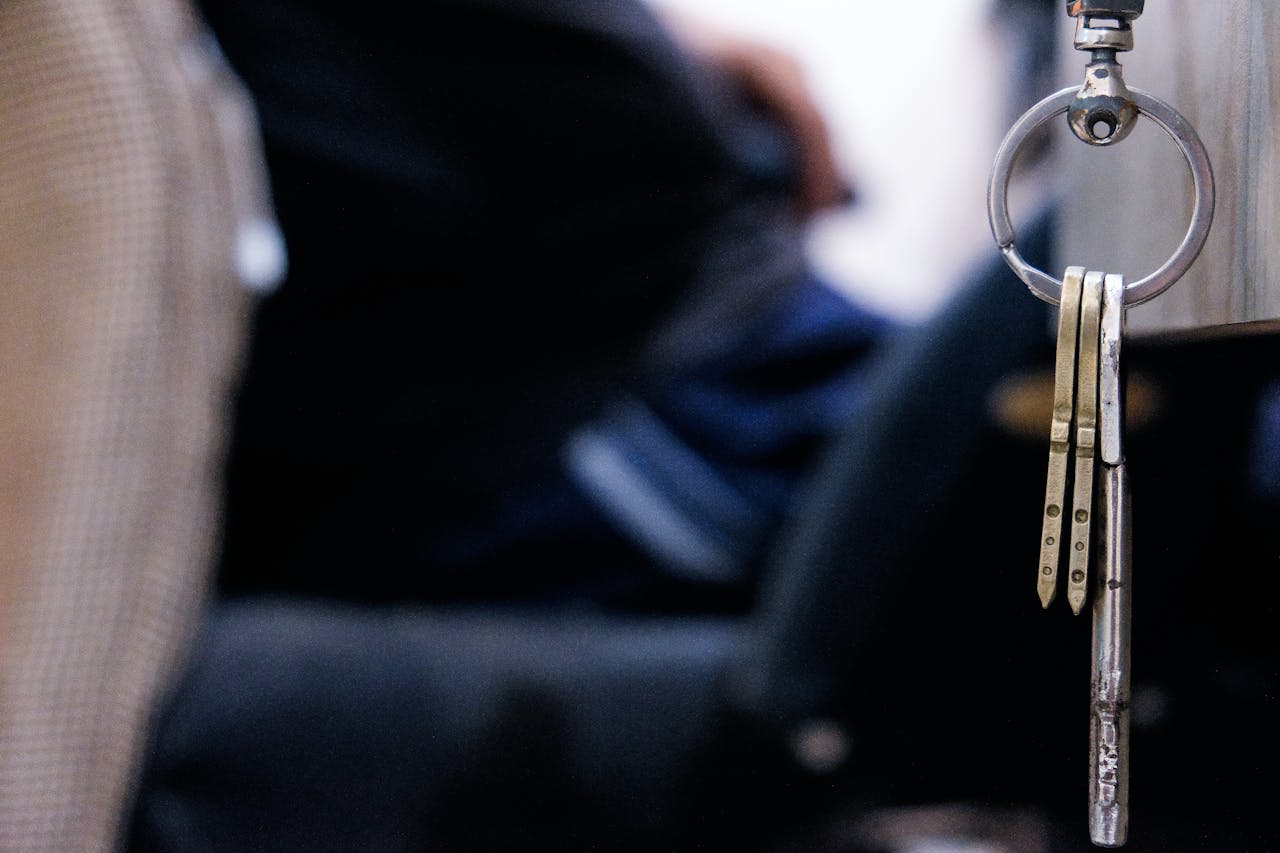
Magnetic key holders sound stealthy, yet magnets need steel and reach, which narrows where they end up. That predictability is the problem: railings, grills, meters, and utility panels near the entry become repeat targets during a fast scan.
Weather adds another failure point. Vibration and rain can shift the box so it shows from one angle, and dust patterns can reveal handling. Because the holder is designed for fast retrieval, it rarely has any secondary control.
Security pros recommend replacing concealment with managed access. A mounted lockbox or code entry keeps backup access available without leaving a discoverable object outside.