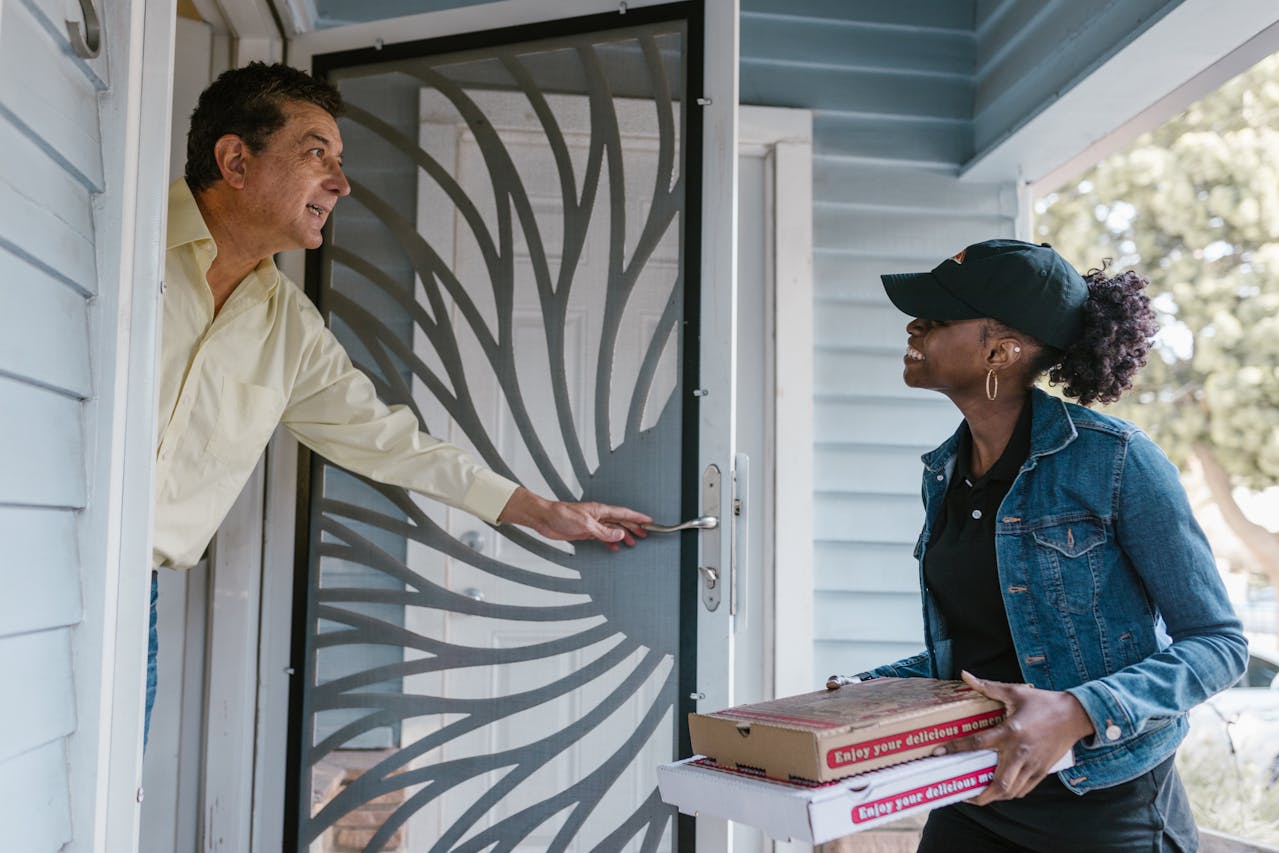
Pizza delivery once felt simple: pick a pie, wait a little, and pay one clear total at the door. Now many Americans say checkout feels heavier than the meal, with layered fees and tip prompts appearing right before payment. What used to be a comfort purchase now carries budget stress and the sense that the real price shows up late.
The frustration is spreading because it touches routine life at home. Families still respect workers and still value convenience, but they want clear math and honest choices. As everyday costs rise, even small surprises feel larger, and a familiar dinner ritual now reflects broader financial strain.
The $25 Pizza Order That Lit the Fuse
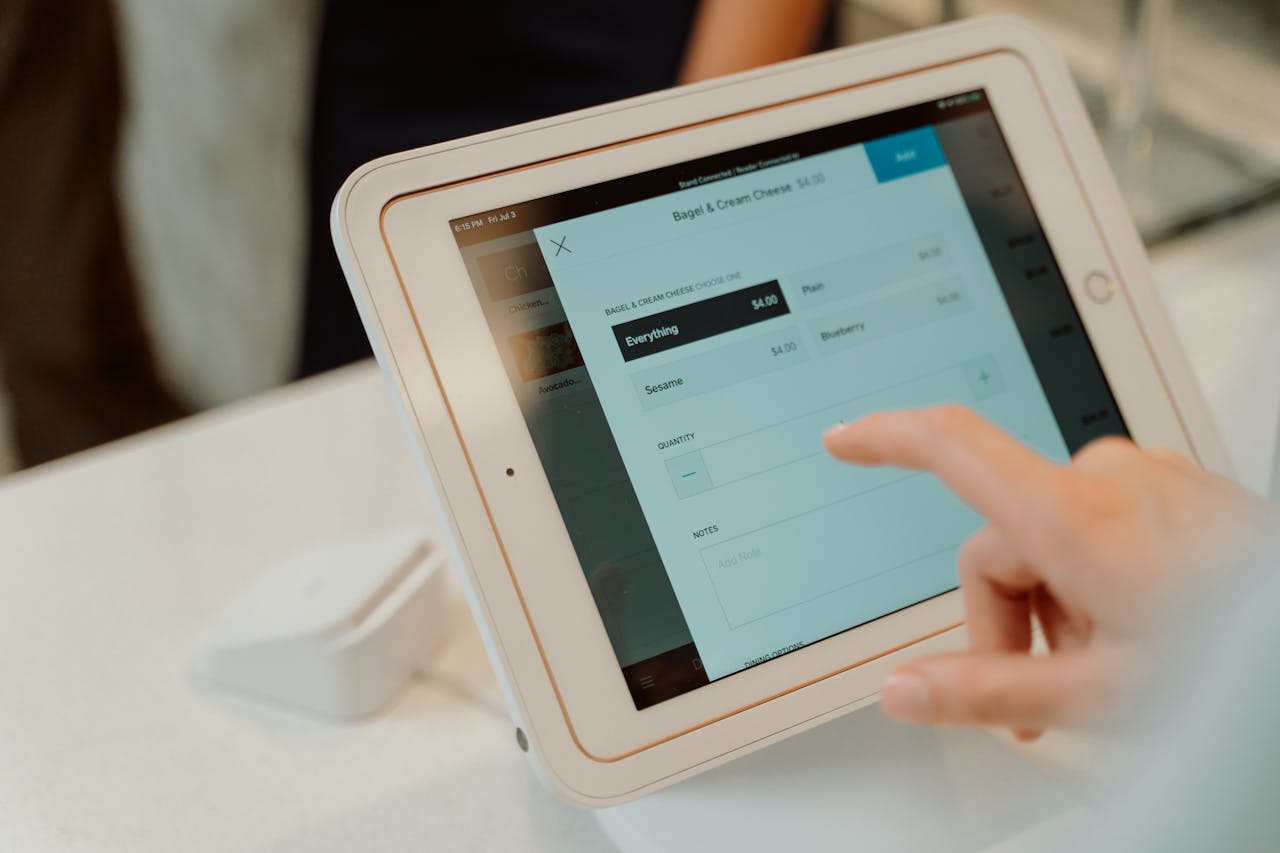
A recent flashpoint came from a customer who said a pizza app asked for two tips on one order, one for the driver and another for the kitchen team. The complaint spread because people recognized the feeling. It was not framed as refusing to tip. It was framed as being cornered by a checkout path that kept adding pressure after the order was already costly.
That reaction showed a shared boundary. Many customers accept one clear gratuity for delivery service, yet push back when prompts stack without context. The issue is not generosity alone. The issue is whether the payment flow feels fair, transparent, and predictable from start to finish.
Hidden Add-Ons Make the Final Total Feel Unstable
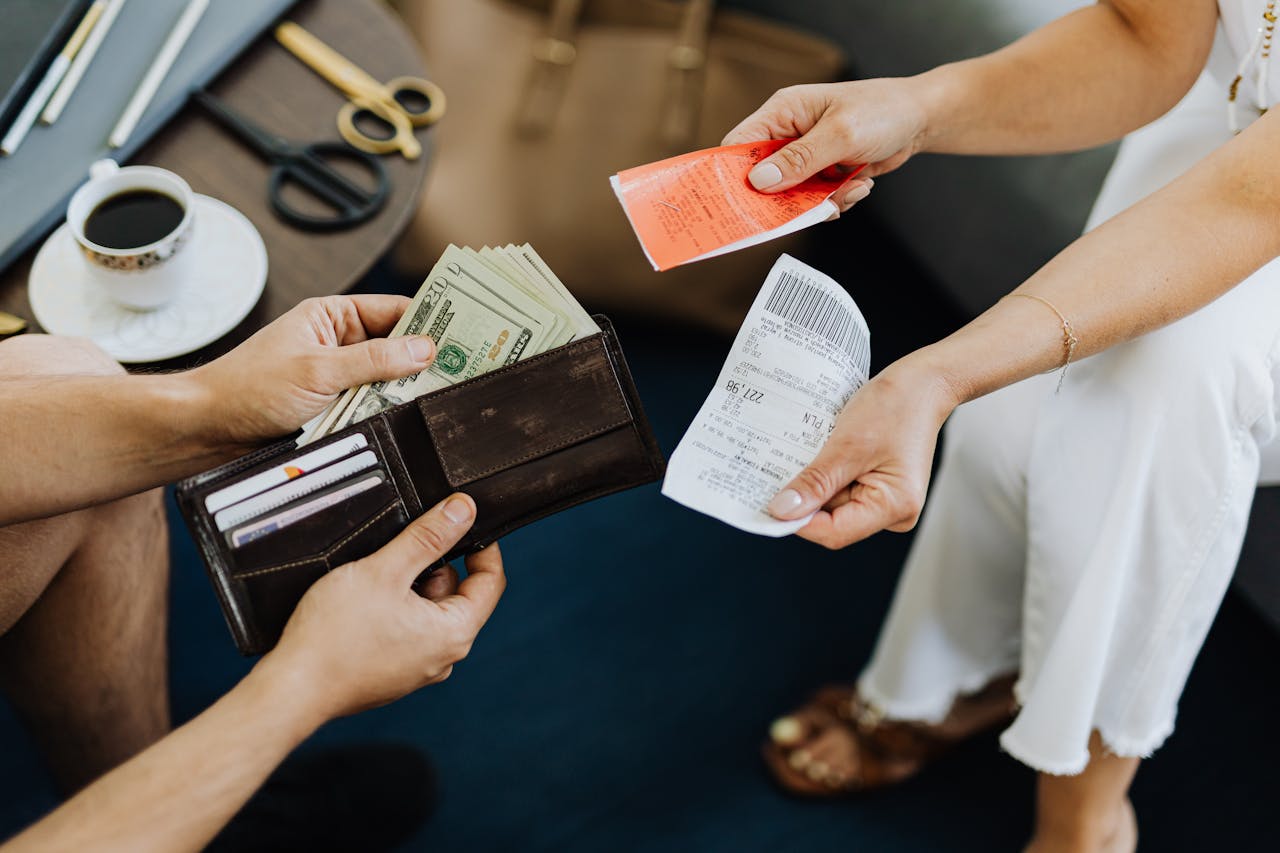
Many customers say the pain starts before gratuity appears. A $25 dinner can pick up service charges, delivery fees, taxes, and tip options that feel detached from the menu price they first saw. By the final screen, the tone changes from convenience to calculation. Dinner still arrives in the same box, but payment feels like a negotiation with no clear stop.
That shift is why irritation lasts beyond one order. People accept higher prices when they are visible upfront. They get angry when added costs arrive in stages and each stage asks for one more yes. The complaint is less about one amount and more about trust in how totals are presented.
Reddit Reactions Show Fatigue, Not Rejection of Workers
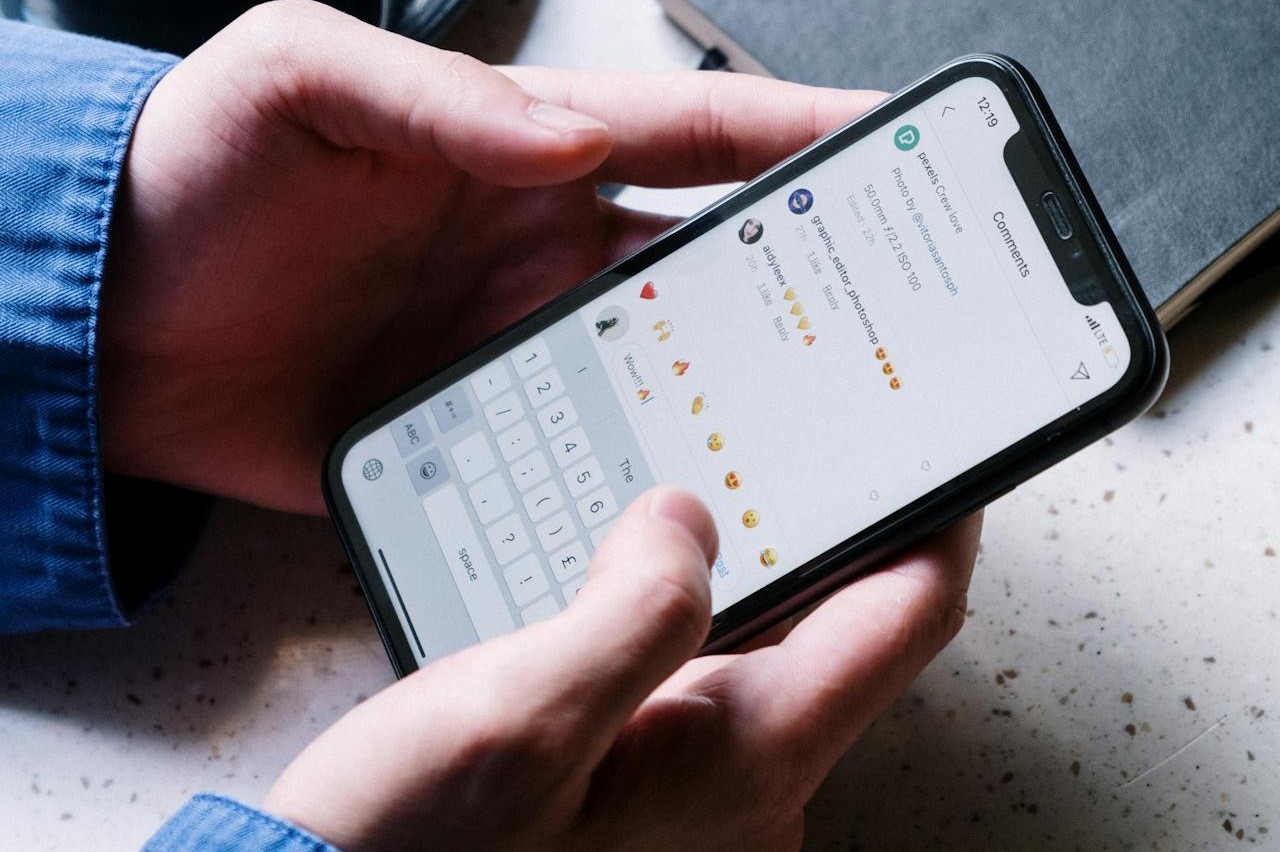
When the pizza screenshot moved to Reddit, comments widened the debate. Some users said adding kitchen tips could let owners treat wages as tip dependent. Others said the driver should remain the only gratuity line in delivery orders. The thread was not anti-worker. It was concern that payment screens shifted payroll responsibility onto customers without clear explanation.
Those reactions reveal fatigue. People want staff to earn well, yet they also want labor costs priced honestly into the order. When checkout language is vague, buyers assume the worst. That assumption damages trust even before food quality or speed enters the conversation.
Household Budget Pressure Is Fueling the Backlash

The reference report places the tipping dispute inside a broader squeeze on household budgets. As prices rise, many families cut back on outside food and treat delivery as occasional, not routine. When they order, they expect the posted price to stay close to the final price. Extra prompts can feel like moving targets, turning one purchase into a trust issue.
The report also links this pressure to trouble for restaurants as traffic softens. Customers feel stretched, businesses feel squeezed, and both meet at the payment screen. Tip fatigue now reflects a mismatch between what people can absorb and what ordering systems keep asking.
Closure Headlines Made People Even More Sensitive
Frustration grew as closure stories circulated beside tipping complaints. The reference text cites reports that Bahama Breeze planned to close all locations, while Noodles & Company and Pizza Hut were described as shutting outlets. For many customers, those headlines make each added charge feel heavier.
That atmosphere hardens checkout reactions. People see a sector under pressure, yet they feel their own budgets tightening too. When tip prompts expand, many read them as another transfer of risk to the buyer. Even if each case differs by brand, the emotional effect is similar: less patience, less trust, and more resistance.
The $80 to $94 Jump Became a Symbol
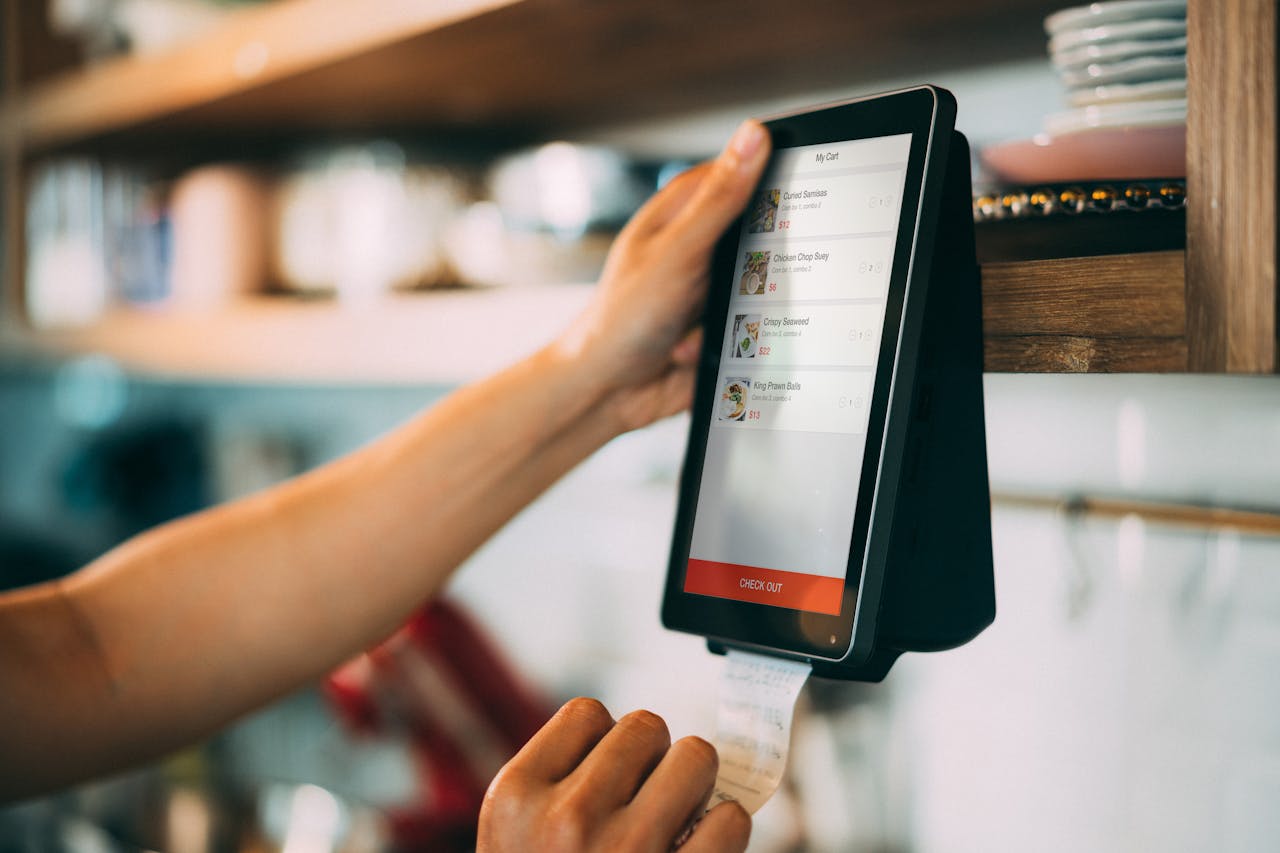
One referenced example involved a Texas Roadhouse order a little over $80, where the minimum tip option lifted the total above $94. That jump became a talking point because it turned tipping tension into visible math. People could see how quickly a planned dinner budget changed once preset percentages appeared.
Examples like that travel fast because they are easy to compare with real limits. The argument is no longer etiquette alone. It becomes a practical question: what was the intended spend, and what did the final screen demand? When that gap feels too wide, customers often order less, choose pickup, or skip the transaction altogether.
Claims of Limited Choice Broke Goodwill Quickly
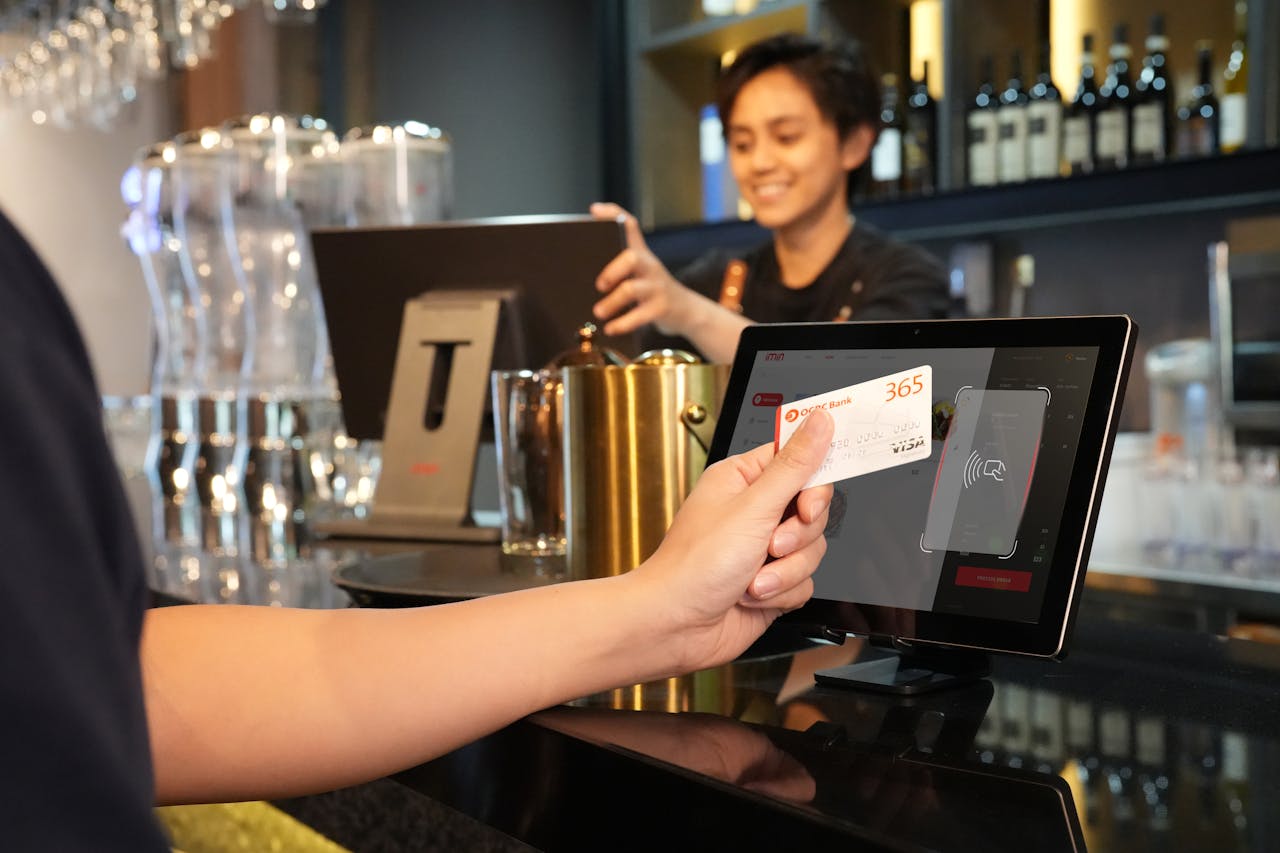
The reference text also mentions claims that some checks had the lowest tip option scratched out, a detail that fueled anger. Stories like that trigger a strong reaction because they imply customer choice was narrowed after the meal. Once people suspect options are manipulated, goodwill evaporates quickly.
Perception matters as much as policy in payment experiences. Even isolated incidents can shape behavior when they confirm fears about pressure tactics. Customers who feel cornered do not always argue on the spot. Many remember the feeling, avoid that business next time, and warn friends. That quiet withdrawal can be costly for restaurants.
A Better Checkout Experience Is Still Within Reach
A calmer path is possible, and it starts with plain language. If apps and restaurants show fees early, label each charge clearly, and keep gratuity choices transparent, customers are less likely to feel ambushed. People can handle higher prices when math is honest from the first screen. They resist when totals grow in steps.
The delivery model still works when expectations are clean. Most households have not rejected tipping, and workers depend on it for income. The pushback is a demand for boundaries, not conflict. When checkout feels respectful and predictable, trust returns faster, repeat orders recover, and pizza night feels easy again.