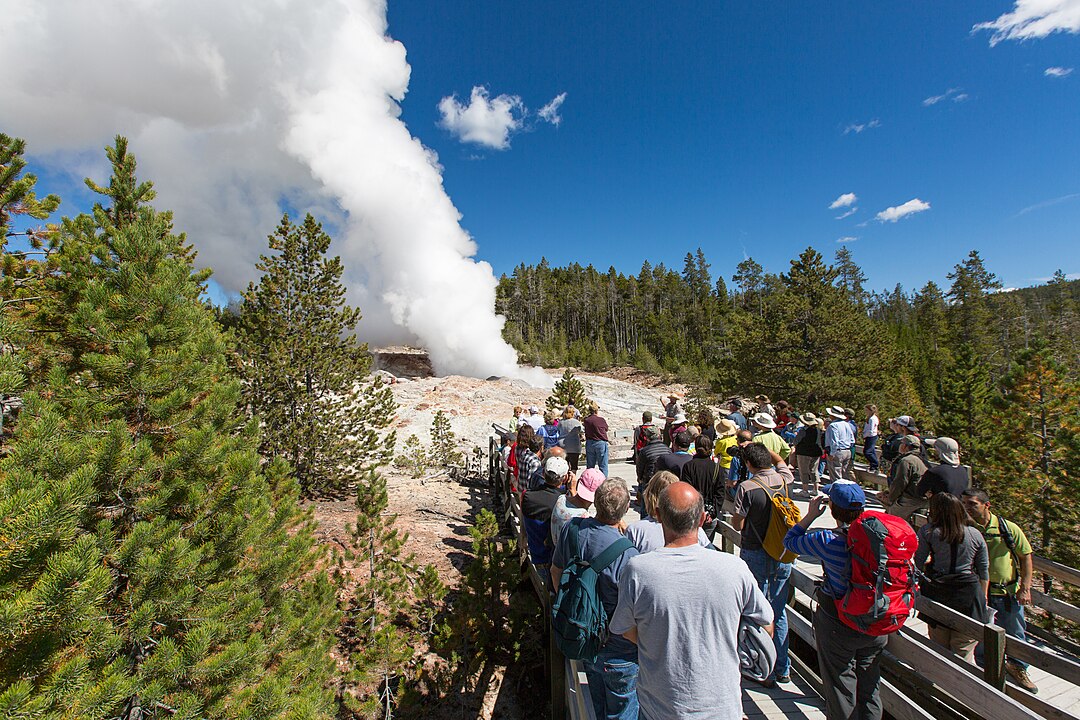
In a park known for noise and motion, one of Yellowstone’s most dramatic performers has slipped into a strange silence. At Norris Geyser Basin, Steamboat Geyser used to send water higher than any other active geyser on Earth, a sudden white column that turned casual strolls into breathless sprints to the railing. Now the same vent mostly breathes steam and low hisses. For scientists, the pause is a puzzle. For travelers, it is a reminder that Yellowstone is not an amusement park schedule but a living system that keeps its own unpredictable time.
Steamboat Geyser, The Giant That Went Quiet
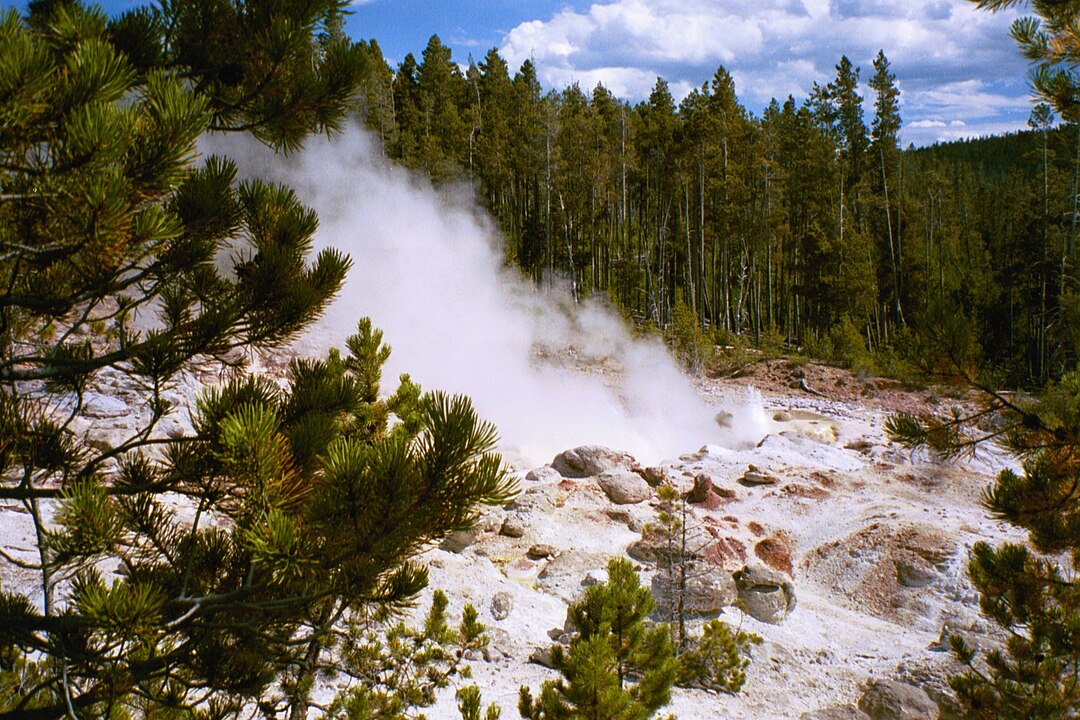
Steamboat Geyser has always been a little unruly. Tucked in a slope of trees and venting pools in Norris Geyser Basin, it can fling water more than 300 feet into the air when it decides to perform, easily towering over the height of Old Faithful’s eruptions. That power made it a favorite for visitors who liked the feeling of witnessing something rare and unscripted. Between eruptions, the area looks almost modest, with muddy runoff channels and drifts of white mineral crust. The contrast between quiet pools and sky high blasts is part of Steamboat’s pull, which makes its current silence feel even more dramatic on the boardwalk.
From Eruption Frenzy To A Long Pause
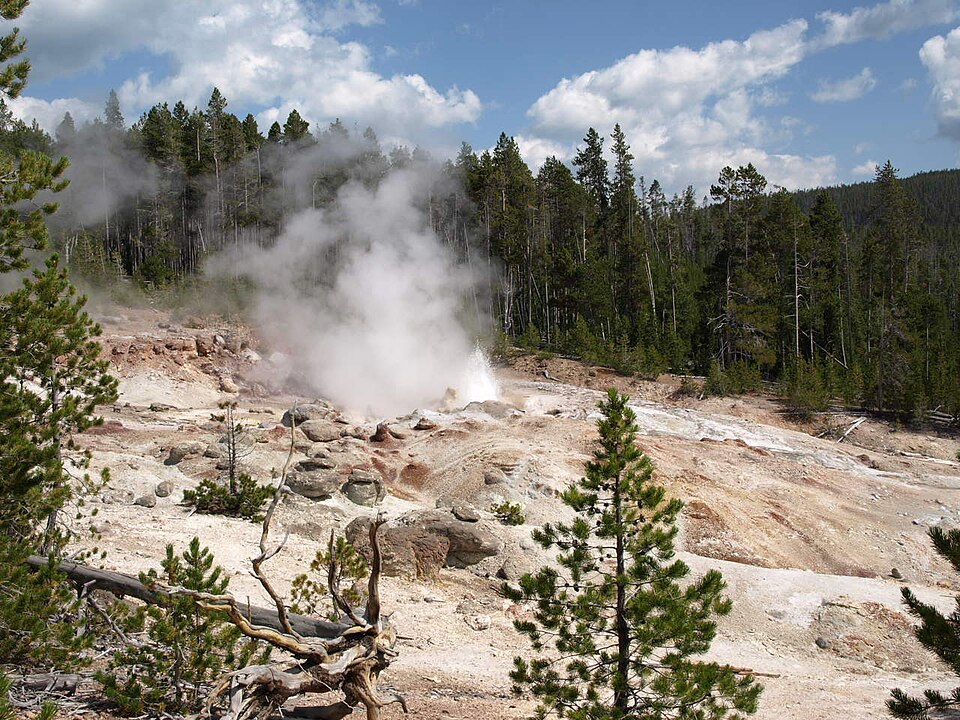
From 2018 through early 2023, Steamboat seemed to wake up with a kind of manic energy. It erupted about 165 times in that span, including 32 major events in 2018 and 48 in both 2019 and 2020, a pace that stunned even long time geyser watchers. People started planning trips around likely eruption windows, watching online logs, and trading tips in visitor centers. The pattern was not perfectly regular, but it felt busy and alive. That is part of why the current stretch hits so hard. After only two eruptions in 2025 and more than 230 days of stillness, Steamboat has shifted from a nearly sure bet to a question mark on the landscape.
A Geyser With A Memory Of Long Silences
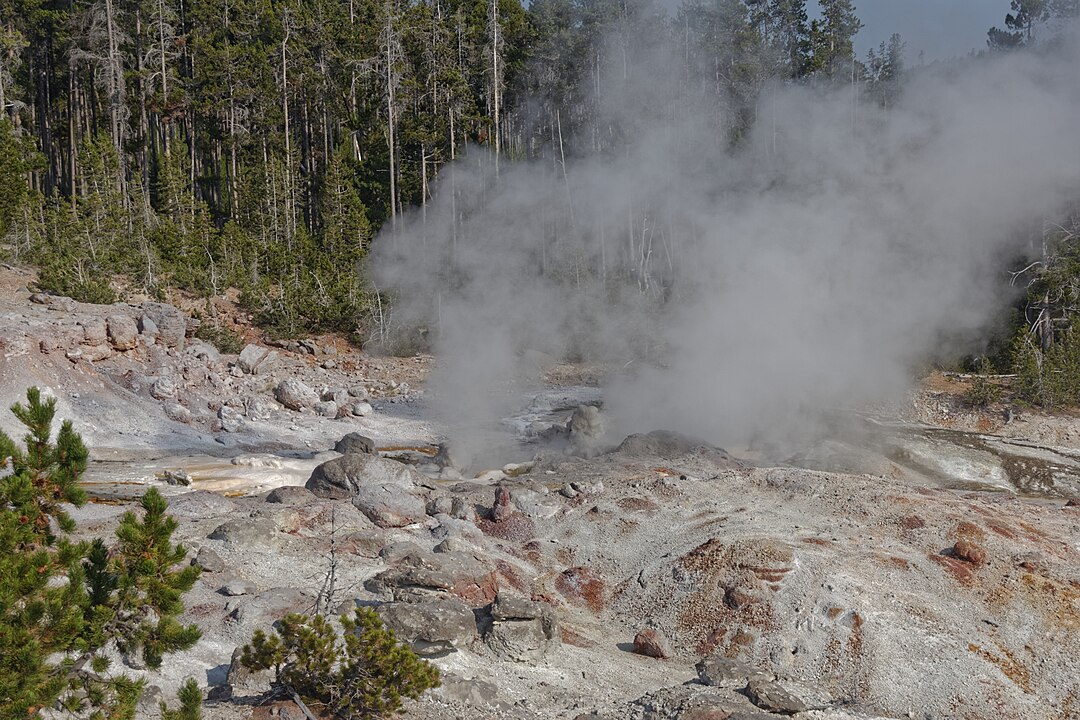
This is not the first time Steamboat has gone quiet, and that history matters. National Park Service records show a nearly fifty year gap in major eruptions between 1911 and 1961, a span long enough that some people likely assumed the geyser’s best days were behind it. Later, it slipped into an eight year lull in the 1990s and a six year pause in the 2000s, only to roar back when conditions shifted again. Geologist Mike Poland and his colleagues point to that on again, off again pattern as evidence that Steamboat is moody but not dying. In their view, the pause is part of the story, not a sign that the show has been cancelled.
Scientists Weigh Possible Causes Underground
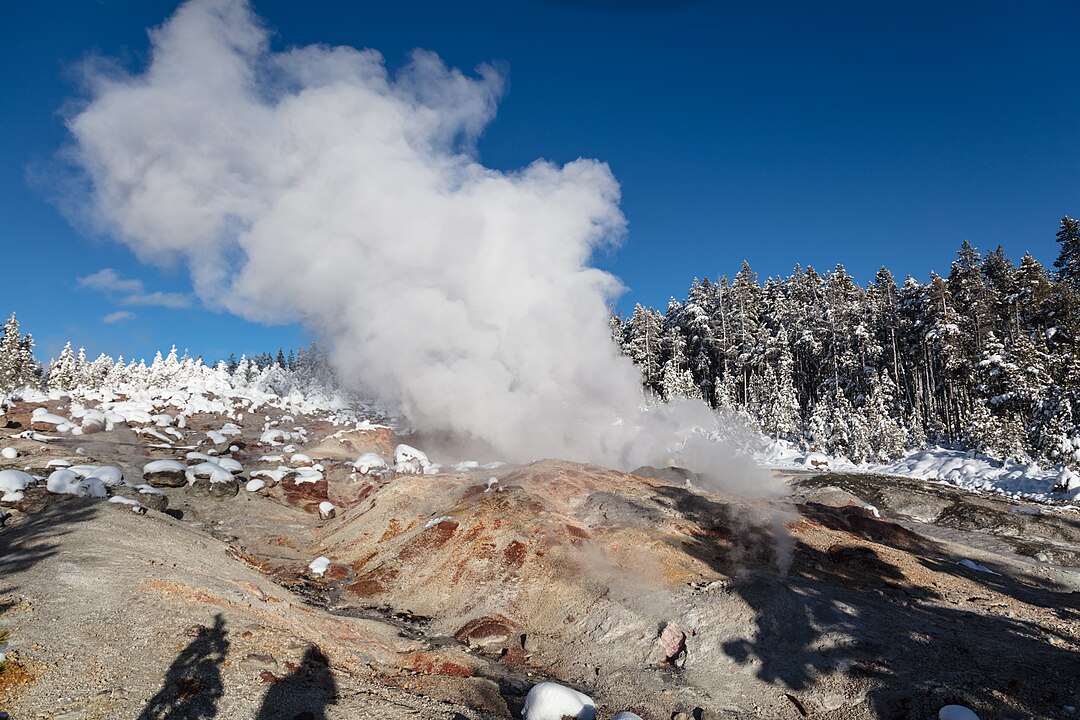
Visitors often want a single, neat explanation for what has changed, but the plumbing under a geyser is rarely simple. Poland has suggested a few leading ideas, each plausible and each hard to prove on its own. Mineral-rich water can leave deposits in narrow vents, gradually clogging pathways that once carried steam and boiling water to the surface. The local heat source can migrate slightly within the rock, feeding other features while starving Steamboat’s main vents. Shifts in underground water levels may lower the pressure needed for a tall jet. Instruments show the system is still active, with steam and minor bursts, yet the chain that once led from small splashes to giant eruptions has clearly broken.
How Steamboat Differs From Old Faithful
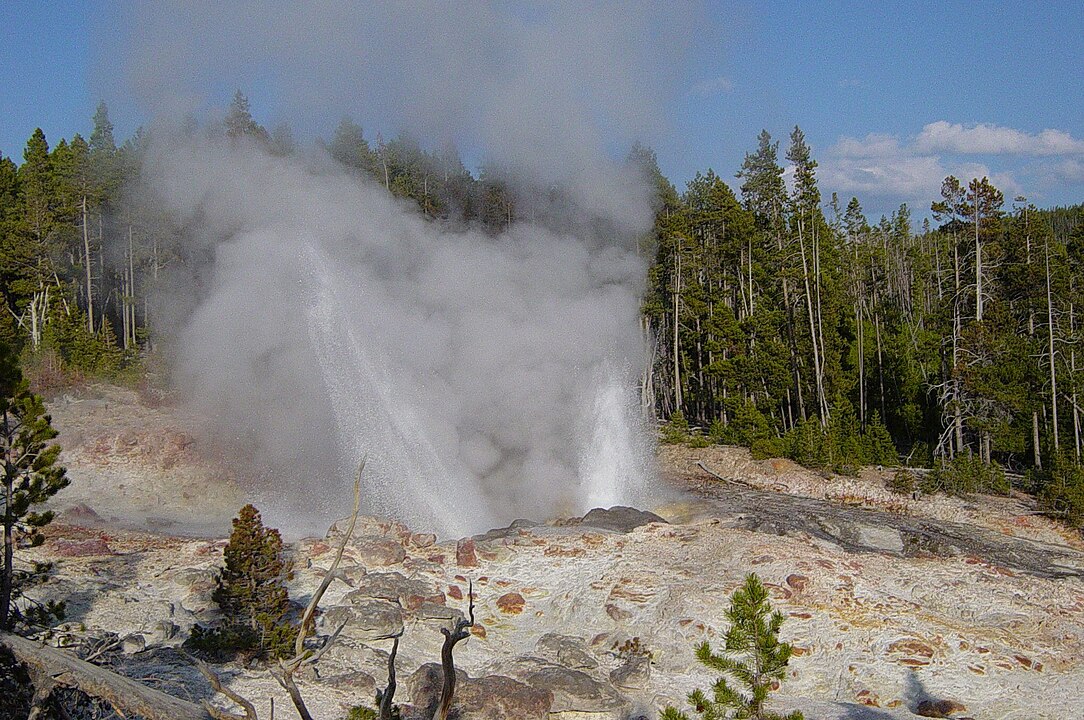
Comparisons with Old Faithful are inevitable, and they highlight why Steamboat feels so mysterious. Old Faithful is not perfectly punctual, but it is regular enough that rangers can post predicted eruption times on signs and apps, give or take a short window. Its eruptions are shorter and lower, yet they are dependable, which makes it easy to build tours, bus stops, and family schedules around the show. Steamboat is the opposite character. It can be taller, louder, and far more chaotic, then vanish for days, years, or decades. For visitors, that contrast is a chance to see two very different ways hot water can behave above the same vast volcanic system. One is a clock, the other a coin toss.
Why The Quiet Is Not A Sign Of A Looming Disaster
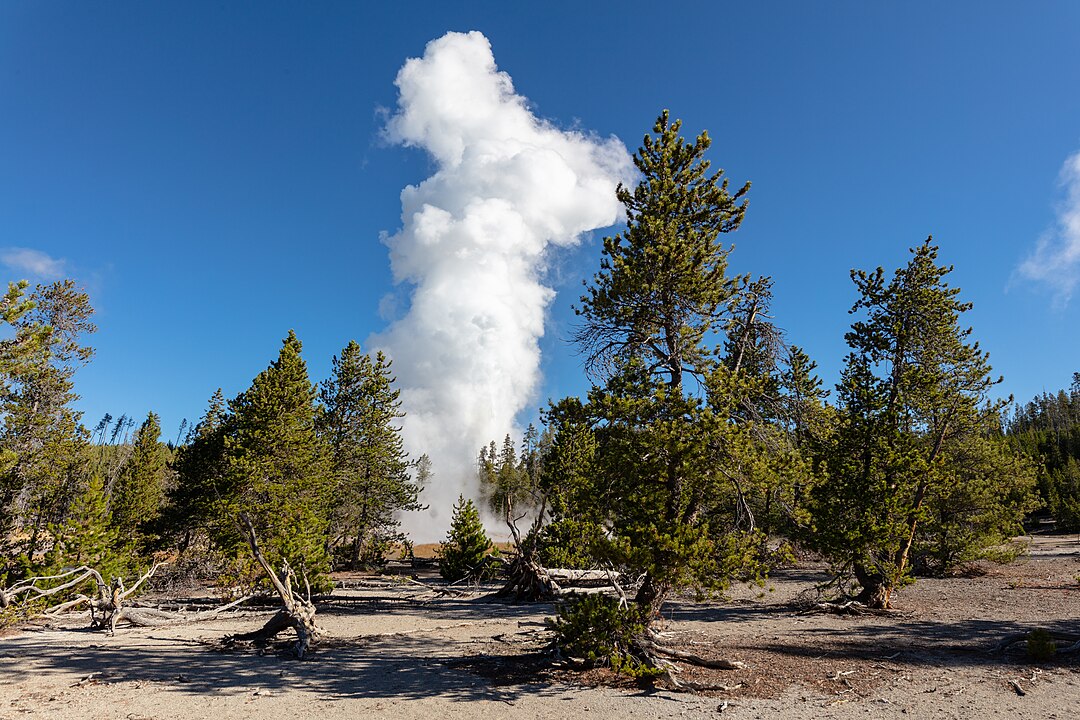
Any unusual behavior in Yellowstone tends to trigger anxious talk about a supervolcano, but the experts who watch the park for a living are calm. The Yellowstone Volcano Observatory tracks ground deformation, earthquake swarms, and gas emissions across the caldera, and none of those signals show the kind of sharp, sustained changes that would hint at a major eruption on the horizon. Steamboat’s pause looks local, not global. The basin as a whole is still steaming, burbling, and occasionally roaring on schedule. Poland describes Steamboat as an active system that has simply broken the pattern observers were using to predict it. In other words, the geyser has changed its mood, not the fate of the park.
What The Shift Means For Visitors At Norris
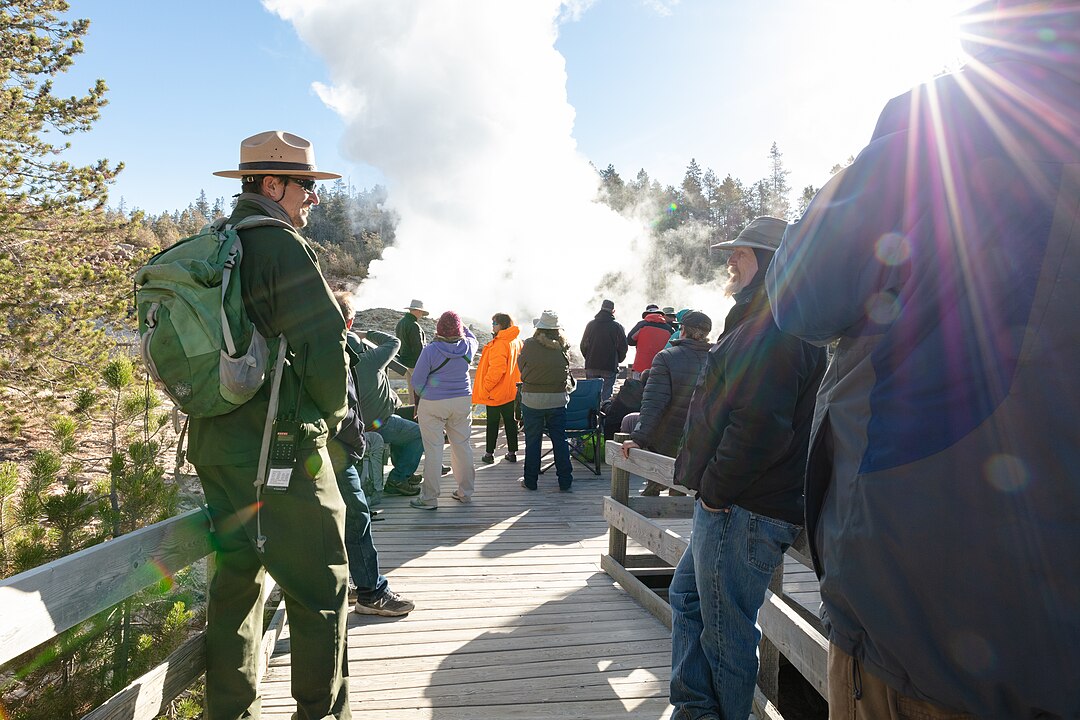
For travelers standing on the Norris boardwalk, the difference is more emotional than technical. During the active years, some people sprinted from the parking lot when they heard that Steamboat was rumbling, hoping to catch a rare eruption. Now the basin offers a quieter kind of drama. Visitors linger longer at smaller vents, notice the fine spray drifting from fumaroles, and pay more attention to colors in runoff channels that usually play background to a tall jet of water. Some still camp out by the rail, camera ready just in case. Others treat Steamboat as a lesson in patience and accept that walking away without the perfect photo is part of knowing a wild place instead of consuming it.
Learning To Read Silence In A Living Landscape
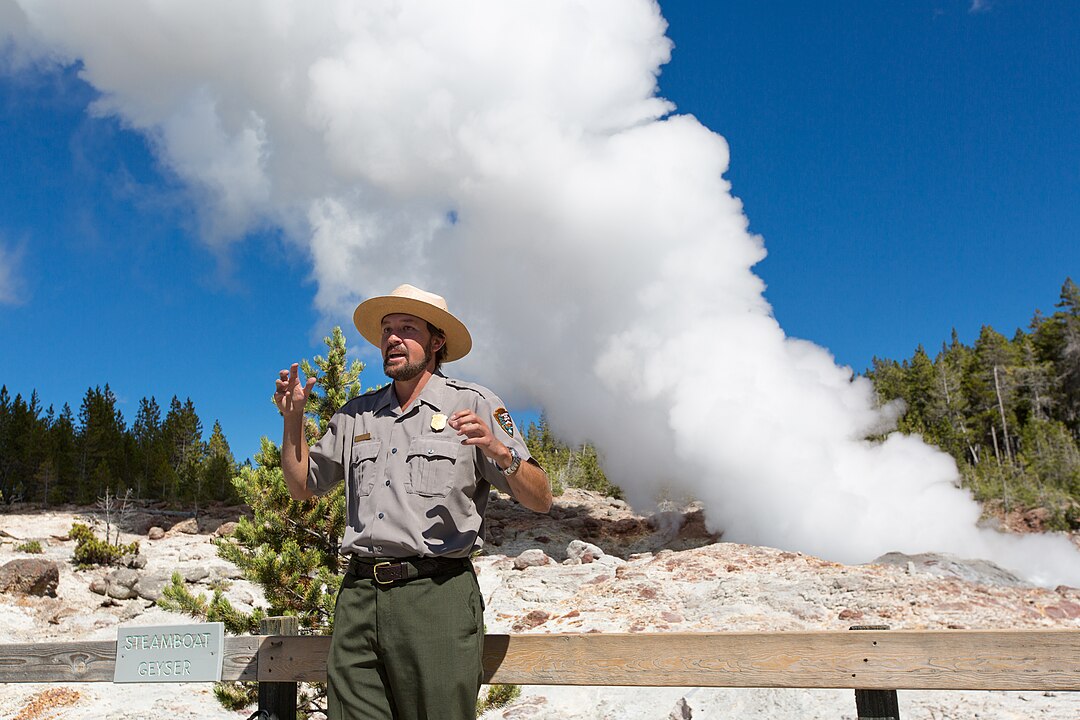
Steamboat’s pause invites a different way of meeting Yellowstone, one that does not measure success in feet of water or minutes of video. Standing by a quiet vent, visitors can feel heat on their faces, hear faint pops beneath the crust, and remember that every pool and plume sits on top of moving water, gas, and rock. The geyser may erupt next week or lie low for years, and there is honesty in that uncertainty. It reminds people that this landscape is not performing on cue; it is simply doing what complex systems do. For those willing to lean on the rail and stay a while, the silence becomes less of a disappointment and more of an invitation to pay attention to everything else that is still very much alive.