Around the world, manners are not just about being polite; they are often written into law. Travelers who treat local customs as suggestions rather than rules can discover that a casual gesture, outfit, or snack in the wrong place carries a price tag. From pristine plazas guarded from pigeons to spotless subway systems that outlaw gum, many destinations protect their public spaces with strict etiquette codes, backed by real fines. Understanding a few of these rules turns awkward mistakes into quiet respect for the cultures hosting their journeys.
Chewing Gum On Singapore’s Trains

Singapore’s spotless reputation is no accident. On trains and buses, chewing gum, eating, or sipping a drink is treated as a cleanliness issue, not a harmless habit, and fines can follow if someone ignores the rules. The idea is simple: no sticky gum on doors, no spills on seats, no food smells in crowded carriages. For locals, that discipline feels normal, but for visitors, it turns every commute into a quiet reminder that public space is carefully shared. Even a small snack or mint becomes something to finish on the platform, not sneak between stops. The silence on board starts to make sense too.
Crossing On Red Lights In Germany
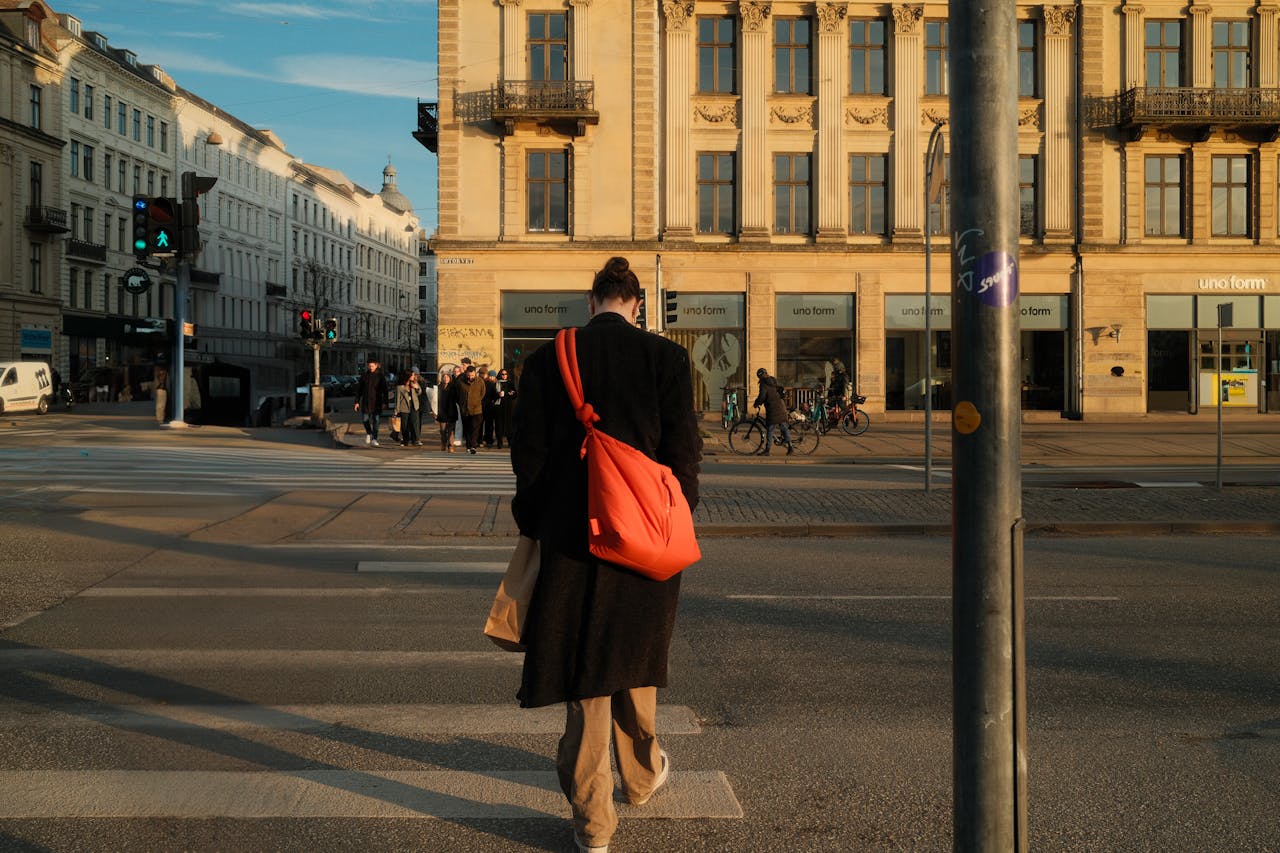
In Germany, crossing the street on a red pedestrian light is not just frowned upon, it is technically an offense that can bring a small fine. Adults who hurry across anyway often feel more judged by the stares than by the penalty itself, especially if children are watching. The unwritten rule is that grown people model patience at the curb. Waiting through an empty intersection becomes a quiet civic ritual, where safety, order, and shared responsibility all stand in line together. Visitors used to darting between cars feel puzzled, yet the red figure is treated as a promise, not a suggestion, and people are expected to honor it most days too.
Street Drinking Crackdowns In Barcelona

In Barcelona and other Spanish cities, that casual drink in the square can cross a legal line fast. Local bylaws treat public drinking in certain streets, parks, and plazas as a nuisance, with fines that climb sharply when crowds get noisy. Botellón culture, once tolerated, now collides with neighbors’ right to sleep. Music from portable speakers, glass bottles on paving stones, and late night shouting can turn a cheap round of beers into an expensive lesson in how seriously the city guards its rest. Even small gatherings near apartment blocks may draw attention from patrols, which treat quiet nights as a shared neighborhood treasure, not a suggestion.
Snacking On Historic Steps In Florence

Florence’s Renaissance streets may look made for picnics, but some of the busiest corridors near the Duomo and Piazza della Signoria now ban eating on steps and doorways during peak hours. The rule grew from frustration with clogged alleys, stained stone, and residents dodging dripping sandwiches. Visitors who perch with takeaway on narrow curbs can face fines that feel harsher than the quick snack was worth. The city hopes that meals move back to trattorias, leaving the historic facades clean, calm, and walkable. Street signs and patrols reinforce the message gently but firmly, reminding everyone that a view worthy of a postcard.
Feeding Pigeons In Venice’s Main Square

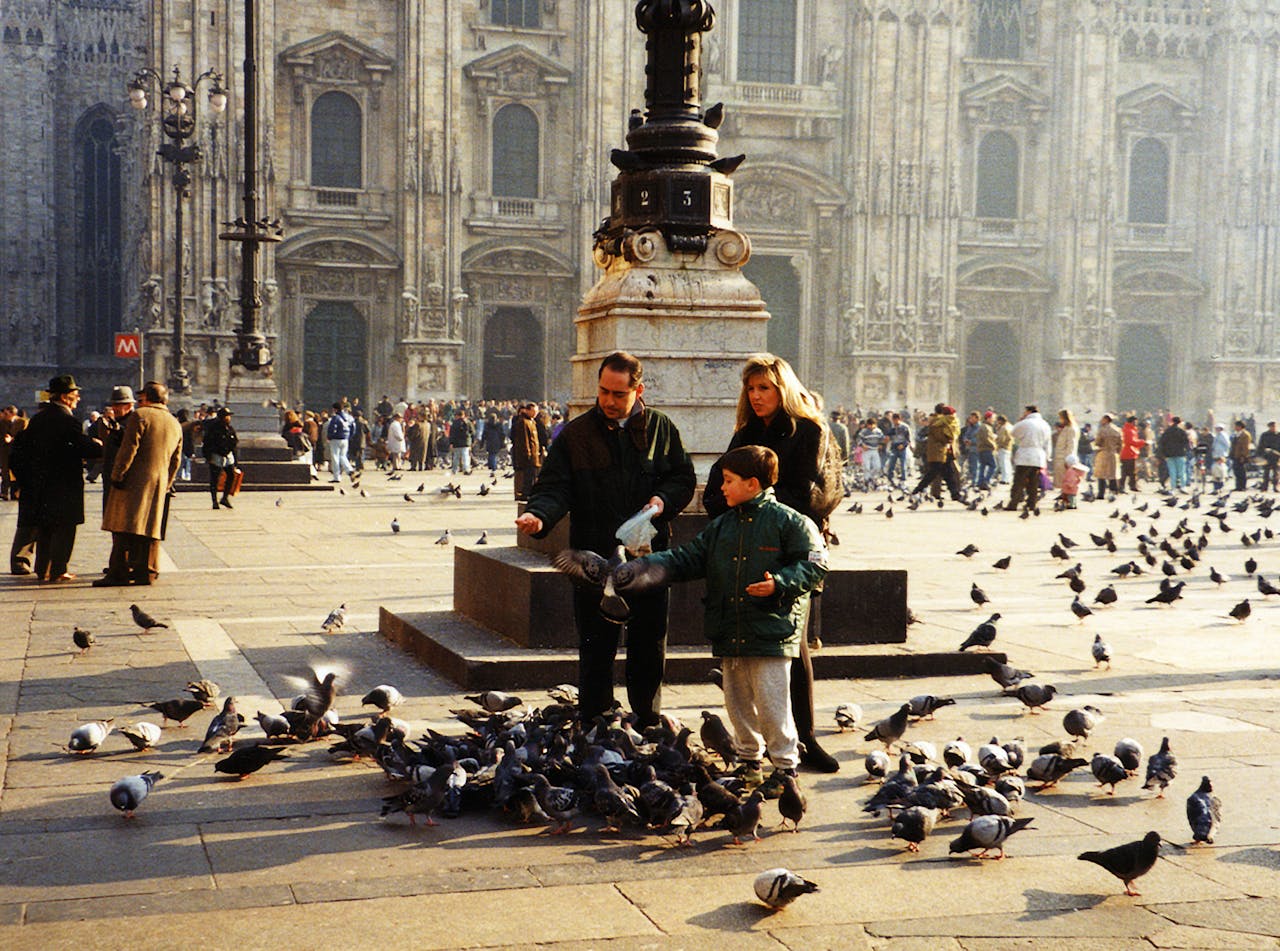
In Venice, tossing crumbs to pigeons in Piazza San Marco once felt like part of the postcard scene. Now the city treats those flocks as a real threat to marble, mosaics, and balconies, and feeding them can bring fines that surprise unprepared visitors. Bird droppings erode stone, damage statues, and keep cleaners endlessly busy. Cutting off the food source is meant to protect fragile facades, even if it disappoints travelers who imagined a cloud of wings rising around their outstretched hands. Souvenir sellers and guides have adapted, urging travelers to admire birds from a distance while the city channels its limited maintenance budget toward preserving frescoes, arches, and railings that cannot be easily replaced.
Street Smoking Bans In Tokyo’s Wards

In parts of Tokyo, a lit cigarette on a busy sidewalk is treated less as a minor annoyance and more as a public hazard. Many wards ban smoking while walking and confine smokers to small marked zones, with fines for those who wander off trailing ash. The concern is not only secondhand smoke, but burns to children at stroller height and litter ground into the pavement. Neon streets stay strangely clear of drifting clouds, while tucked away corners host the quiet, designated breaks. For locals, hunting down a smoking area has become an accepted part of city life, a small tradeoff that keeps crosswalks, train entrances, and market alleys feeling orderly even when the crowds surge.
Speaking About The Monarchy In Thailand

Thailand’s reverence for the monarchy is written directly into law. Critical or joking remarks about the king, queen, or heir, even online or in casual conversation, fall under strict lèse-majesté rules that can bring long prison terms rather than a simple fine. The gap between a traveler’s offhand comment and a serious offense is far smaller than many imagine. Respectful silence around royal portraits, ceremonies, and news becomes less about stiff formality and more about understanding how deeply the institution shapes public life. Local guides, hotel staff, and signs rarely spell out every implication, yet the cautious tone they use whenever the royal family is mentioned hints at boundaries that should not be tested for the sake of a quick story.
Public Decency Rules In Dubai’s Malls

In Dubai and other emirates, public space is shaped by conservative expectations of modesty. Loud swearing, aggressive gestures, and intimate displays of affection can fall under public decency rules, with fines or legal trouble when someone files a complaint. What might pass as ordinary nightlife chatter elsewhere is treated as disrespectful here, especially near families. Couples who keep affection discreet and groups who lower their voices in malls or on trains are not simply being formal; they are reading the social temperature accurately. For many residents, these norms protect a sense of dignity in shared places, turning spotless metro cars and polished shopping arcades into spaces where strangers can move together without the constant shock of overheard arguments or public drama.
Beachwear Dress Codes Across Coastal Spain

Across parts of Spain, including Barcelona and the Balearic Islands, the quick walk from beach to bar in swimwear can carry an unexpected cost. Local civility laws ban bikinis and shirtless torsos away from sand and pools, with fines that sting far more than the salty breeze. Residents see semi-nudity beside market stalls and churches as disrespectful, not carefree. Covering shoulders and putting on real shoes signals that seaside neighborhoods are not just giant resort corridors, but working towns with their own rhythms. Signs, police patrols, and occasional headlines about surprised tourists all reinforce the same message, inviting visitors to enjoy the water fully, then step back into town dressed as temporary locals rather than wandering pool guests.
Quiet Hours Culture In Swiss Apartments

In Switzerland, the idea of Ruhezeit, or quiet hours, shapes daily routines as much as train timetables. Late night vacuuming, balcony parties, or even repeated toilet flushing in some buildings can trigger complaints that move from neighborly notes to formal reports, and in some cases, fines. The goal is not to police joy but to guarantee rest in dense cities and valleys where sound travels easily. Respecting posted house rules becomes a subtle way of joining a long tradition of carefully shared walls. Tenants learn to shift noisy chores earlier, close windows during music sessions, and treat Sunday mornings almost like a collective promise that the world will start a little softer and slower than on workdays.