
Australia’s decision to set a nationwide minimum age for social media use marks a turning point in how countries respond to concerns about children online. The ban arrives after years of warnings from parents, mental health experts, and digital policy researchers who argued that voluntary measures were not slowing the risks tied to constant exposure. As platforms prepare to block millions of underage accounts, governments abroad are watching closely. Whether viewed as overdue protection or an overreach, the move sets a precedent that could guide debates far beyond Australia’s borders.
A World-First Ban That Draws A Firm Line At Age Sixteen
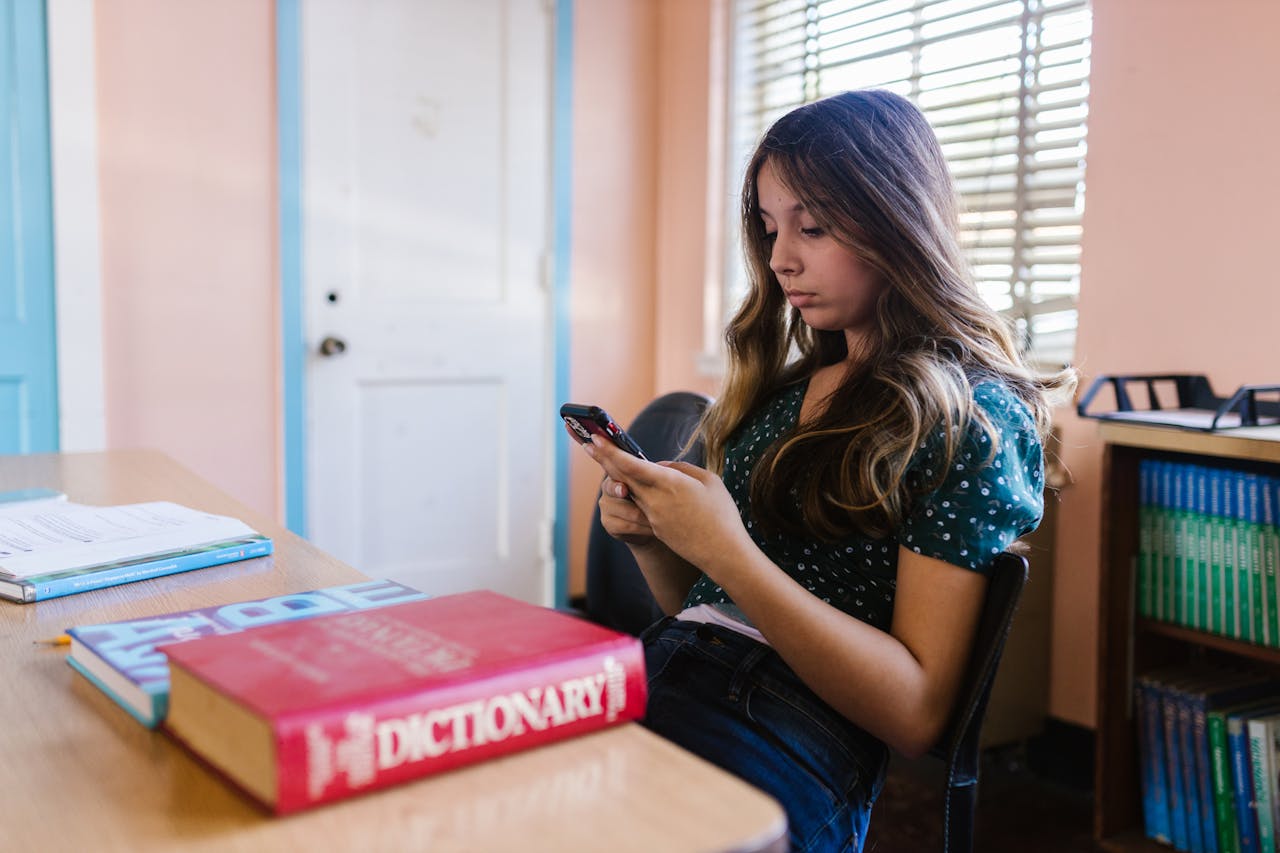
Australia became the first country to require major platforms to block users under sixteen, and the shift is massive. Ten companies must now prevent younger teens from signing up or remaining on their accounts, and failure comes with steep financial penalties. For many parents, this feels like long-awaited acknowledgment of worries they raised for years. Tech companies, however, see the risk of global copycats. They argue the law narrows online freedoms and creates a tougher compliance burden than most tools were built to handle. Still, lawmakers call it a necessary response to harms they believe the industry ignored for too long.
How The Ban Actually Works Once Implemented

Blocking millions of users is far more complex than flipping a switch. Platforms must rely on age-estimation tools, which try to infer a person’s age from selfies, writing patterns, and browsing behavior. Some now request IDs or check bank-linked information when a user’s age seems uncertain. Critics argue these systems are imperfect and intrusive, but regulators say the rollout was always meant to evolve. Australia’s plan includes continuous oversight and adjustments, treating this moment as a test of whether technology can enforce rules that the industry once insisted were impossible. What emerges may shape how future policies are written.
Parents, Advocates, And The Push That Made It Possible

Behind the law sits a growing group of parents and youth advocates who spent years documenting sleepless nights, anxiety spikes, and harmful content that slipped through platform filters. Internal leaks from major companies strengthened their case by revealing that executives understood the risks to young users while publicly downplaying them. That breach of trust helped turn quiet frustration into political momentum. The goal was not punishment but protection, a shift toward treating online exposure more like a health issue. Their testimony pushed lawmakers to act when incremental safeguards consistently fell short of real change.
Tech Companies, Free Speech Fears, And Legal Battles To Come
Most major platforms agreed to comply, though they did so with heavy criticism. They warned that the law pressures them into collecting more personal data and could lead to broader limitations on speech. Some executives worry it sets a precedent for stronger internet controls worldwide, especially if other governments admire the results. Elon Musk called the ban a path to wider restrictions, and a High Court challenge is already underway. The friction highlights a deeper disagreement about who holds final authority over online life: the companies that built the platforms or the governments that regulate them.
A Global Chain Reaction Already Taking Shape
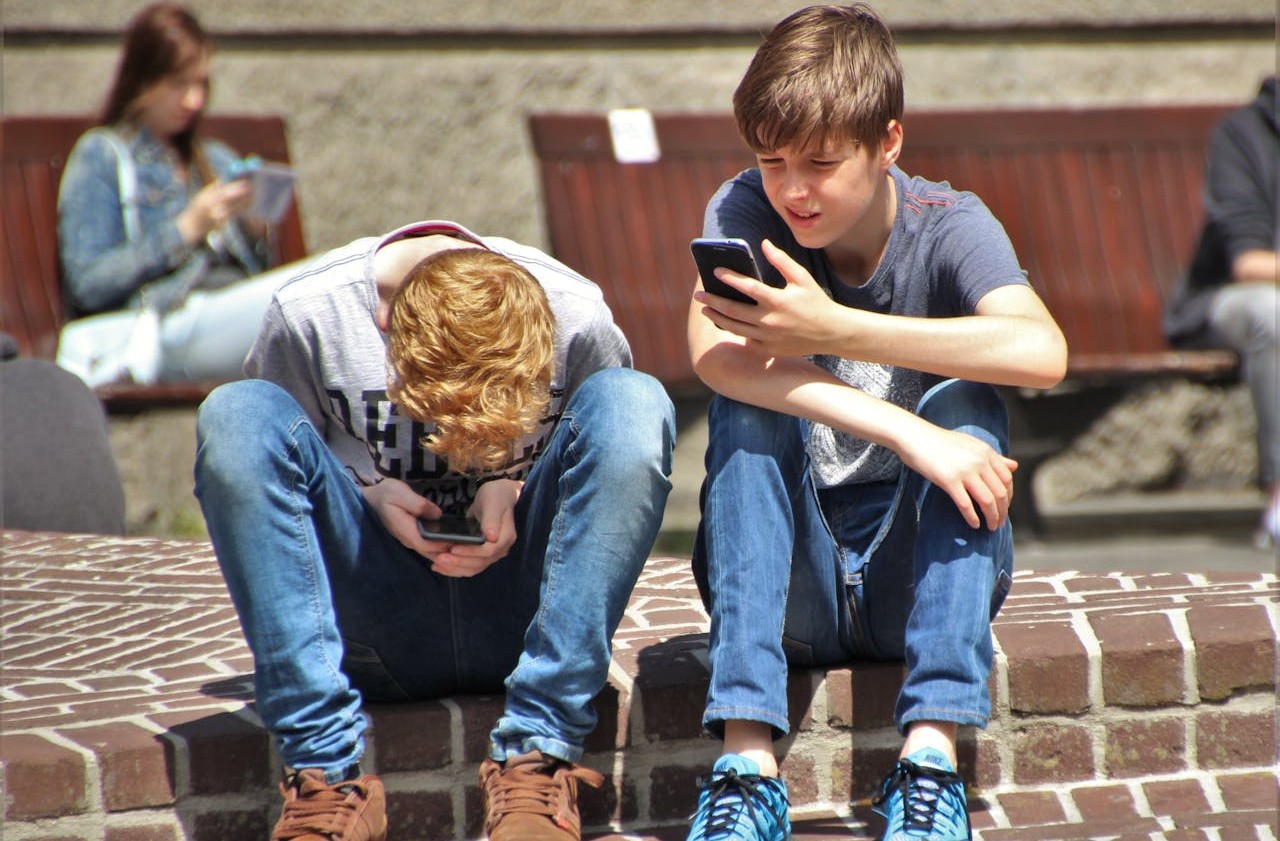
Countries following Australia’s lead are not waiting for years of data. Denmark and Malaysia have already announced plans for similar bans, and several European governments are weighing proposals built around stricter age checks for teens. British officials say they are monitoring Australia closely as they expand pressure on platforms to keep young users away from harmful material. Some U.S. states tried to enact parental-consent laws earlier, but legal challenges slowed momentum. Now, with a full national rollout to point to, lawmakers around the world have a tangible model instead of a theory. That alone shifts the negotiating power.
Privacy, Surveillance Concerns, And The Price Of Verification
Age checks may protect young users, but they also raise the uneasy question of how much personal information people must give up just to participate online. Critics fear a world where scanning faces or submitting IDs becomes normalized for everyday interactions. They worry that errors or data leaks could expose children to different risks than the ones the law aims to reduce. Regulators counter that platforms already collect vast amounts of information, and structured oversight is safer than the status quo. Still, the tension between safety and privacy sits at the heart of future policy debates.
What The Shift Means For Teens, Schools, And Families

For Australian teens, the change reshapes social routines built around group chats, shared videos, and creative outlets. Some say they miss their online communities; others feel quieter days are a relief. Families now negotiate new rhythms, from planning in-person meetups to using tools not covered by the law. Teachers who relied on class groups for reminders face similar adjustments. The first months are messy, but they reveal something important: social media use is not a passive habit but a culture shaped by rules, expectations, and the options available. Changing those inputs inevitably reshapes daily life.
Why Australia’s Move Could Shape The Next Decade

The world has watched countless debates about safer online spaces. Australia is delivering something concrete: a national policy backed by funding, research, and enforcement. The eSafety Commissioner partnered with Stanford and other researchers to study the ban’s long-term impact, providing data that will influence future legislation everywhere. If the results show clear benefits with manageable downsides, other countries may follow quickly. If unintended consequences emerge, lawmakers will adjust. Either outcome nudges the global conversation away from abstract fears and toward grounded evidence, a shift that could redefine how societies balance connection, safety, and autonomy.