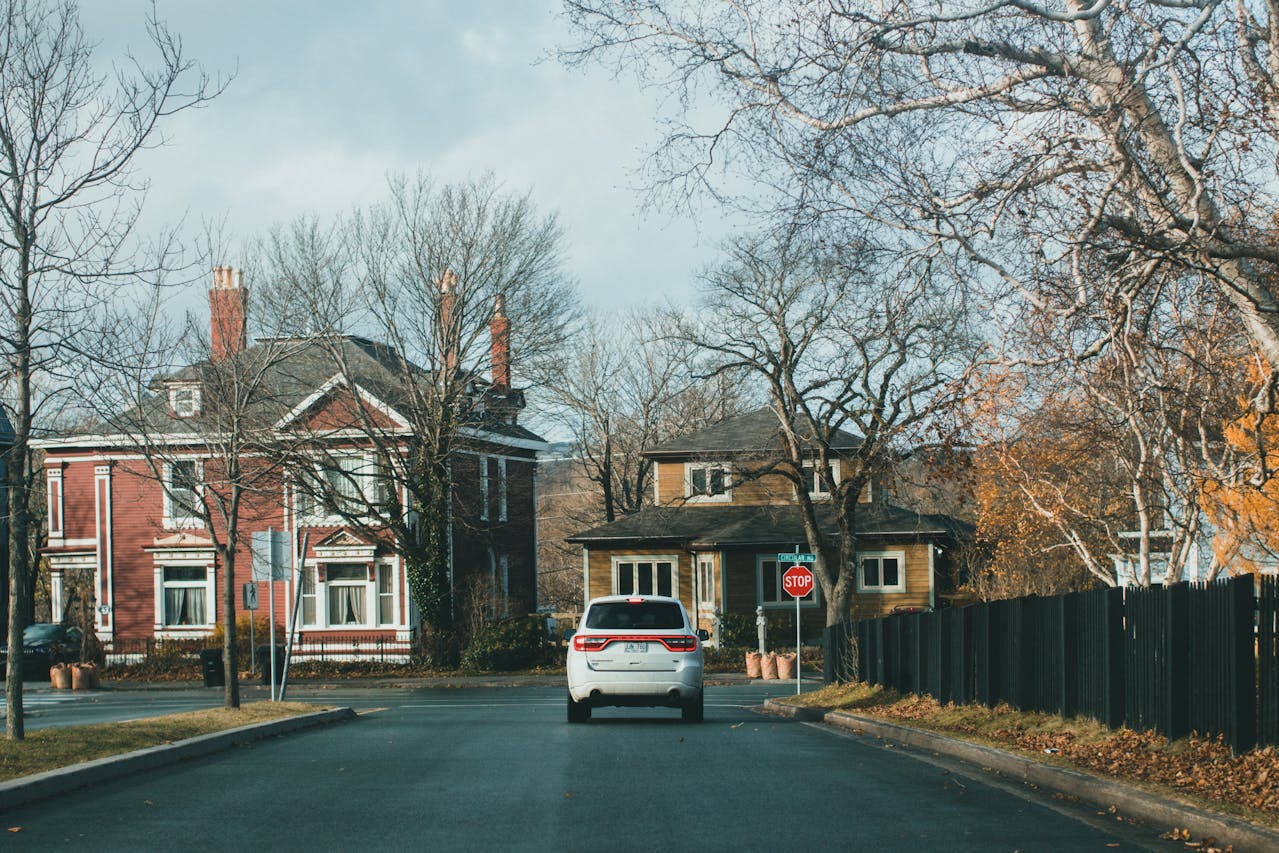
Neighborhood driving used to feel like background life: slow turns, short trips, familiar faces, and small routines that rarely demanded thought. In some private communities, that feeling has changed under a seven mph-over trigger tied to automated notices and steep penalties.
A rule designed to protect walkers and children now reaches kitchen-table decisions about guests, budgets, and trust. The pressure is not only about speed. It comes from who gets billed, how fast deadlines arrive, and whether residents believe the process is fair when home life gets pulled into enforcement, day after day, at the address that should feel most settled.
A Small Overage Can Trigger A Big Household Problem

A seven mph-over event sounds small in conversation, yet it can land like a major household issue when a fixed fine arrives. In reported community setups, the notice may appear days later with a set amount due, leaving little room for the resident to understand what happened in real time, or why a brief moment now carries a large bill.
That delay changes how people experience home roads. Instead of a quick correction and a warning, families face paperwork, payment clocks, and a replay of who drove when. The same street that once felt ordinary starts to feel monitored in a way that follows residents indoors long after the drive ends.
Responsibility Can Shift Away From The Actual Driver

The hardest part for many homeowners is responsibility shifting from driver to account holder. A guest, tenant, caregiver, or contractor can be behind the wheel, yet the notice may still target the resident account tied to gate access, registration details, or community records, creating conflict before facts are fully sorted.
Once that happens, daily life becomes a documentation exercise. People gather texts, visitor logs, delivery times, and camera stamps while trying to meet short dispute windows. Paying quickly can stop escalation, but it can also feel like accepting blame for conduct the homeowner did not commit on the road.
Safety Goals Are Valid, But Lived Experience Still Counts

Safety concerns behind stricter speed rules are legitimate, especially on neighborhood roads shared by children, walkers, cyclists, pets, carts, and service vehicles. Communities want fewer close calls, calmer turns, and predictable driving behavior where homes sit only feet from active streets every hour of the day.
The friction begins when safety purpose and enforcement design fall out of alignment. Residents often support lower speeds, yet still question whether steep fixed fines, limited context review, and fast deadlines create compliance through fear rather than trust. A policy can have a valid goal and still be poorly experienced.
Automation Adds Consistency, Not Automatic Fairness
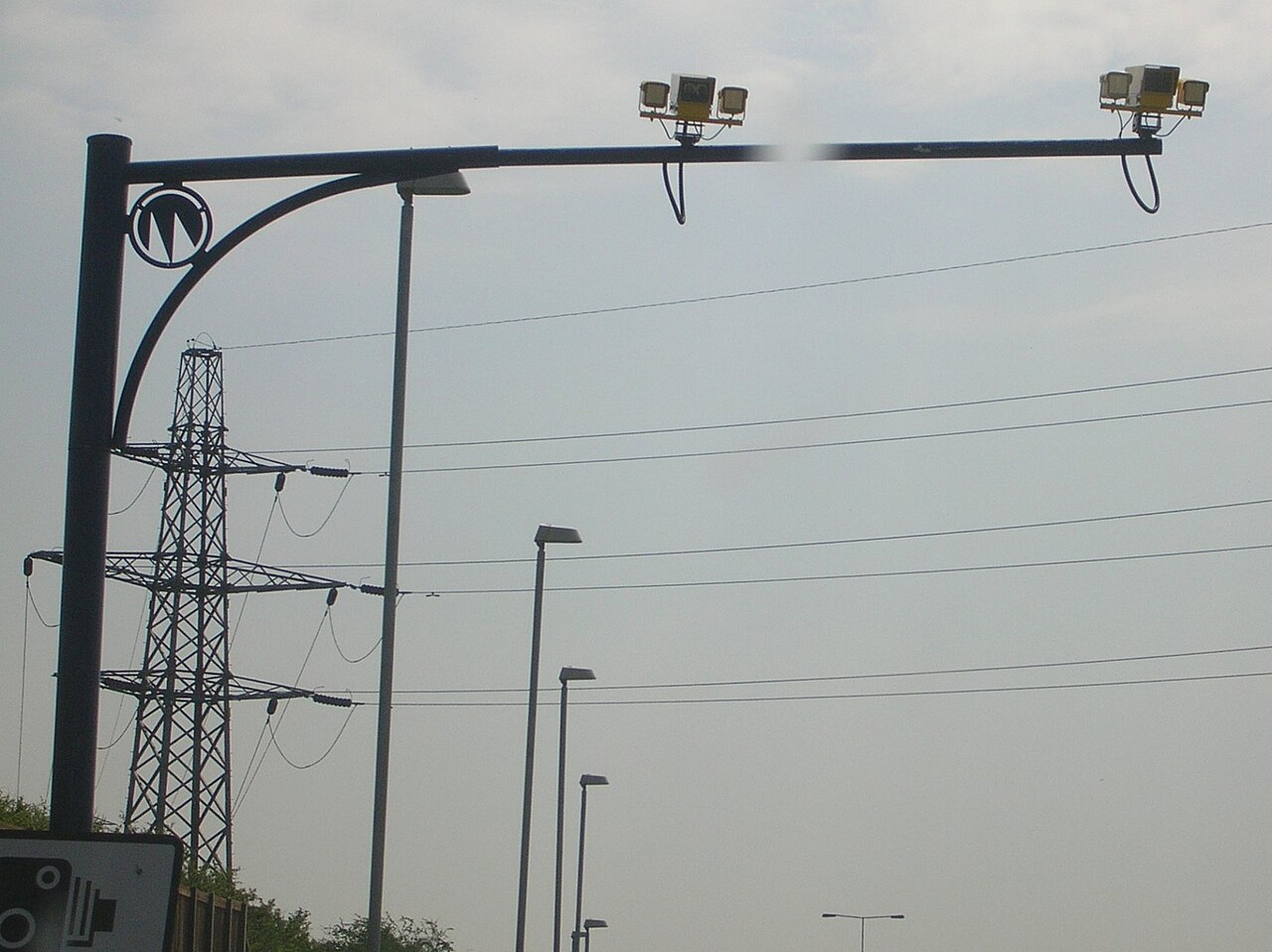
Automation can improve consistency by capturing speed, time, and vehicle data the same way across incidents. That consistency is one reason many boards and managers favor camera-based systems over occasional patrol presence, which can vary by shift, judgment, and availability from day to day, and may miss repeat patterns.
Even so, consistent capture does not automatically mean perceived fairness. Homeowners look for readable evidence, calibration confidence, clear standards for review, and a real path to appeal before penalties harden. When those pieces are hard to find, people stop debating speed and start doubting the process itself.
Escalating Penalties Quietly Change Home Routines

Fine escalation adds another layer of stress because one notice rarely stays one notice. Households quickly shift routines by limiting who borrows vehicles, sending extra reminders to visitors, and tracking gate entries with more care than before. Hospitality begins to carry financial risk.
That behavioral shift affects neighborhood culture. Spontaneous visits feel less simple, and ordinary favors now include warnings about thresholds and cameras. Residents may still agree with safer streets, but they describe a quieter loss: home starts feeling procedural. The road rule keeps working in the driveway, the calendar, and dinner plans.
Legal Language Often Creates More Anxiety Than Clarity

Legal confusion also fuels anxiety. Many residents hear terms like civil citation, administrative fine, lien risk, or collections without a clear map of what each step means in their jurisdiction. Uncertainty grows when community rules, vendor processes, and state law are discussed in fragments and repeated informally.
The result is overreaction for some households and delay for others. Rumors about license impacts spread faster than verified policy, while real deadlines pass in the background. Clear communication from boards and managers can cut conflict by separating what is possible, likely, and already in motion, clearly and early.
Tight Deadlines Can Outrun Ordinary Daily Life

Dispute windows are often short, and that timing alone can make the process feel stacked against working families. A homeowner managing job hours, school pickups, or caregiving may have only a few days to request records, identify the driver, and prepare a response with supporting documents.
When deadlines outrun daily capacity, people make defensive choices instead of informed ones. Some pay to stop fees, others ignore notices until pressure spikes, and both paths can end badly. A fair system is not only about the final decision. It is also about whether normal residents can realistically participate before consequences escalate.
Better Design Can Protect Safety And Reduce Stress

A better model does not require abandoning strict speed expectations. It requires pairing enforcement with transparent design: visible threshold logic, clear first-notice language, plain appeal steps, and accessible evidence review that does not feel like a technical maze for ordinary households.
Communities that balance accountability with clarity usually see stronger long-term compliance because residents understand both the rule and the remedy. Trust grows when people can verify what happened and respond in time. The goal is steady safety without steady resentment, so home roads stay calmer while home life remains humane and predictable.
A Fair Path Back To Neighborhood Calm

Neighborhood safety and homeowner dignity do not compete unless policy forces them apart. Residents can accept strict limits when accountability tracks actual driving behavior, procedures are readable, and decisions arrive with context rather than surprise. That balance is what turns enforcement from a daily stressor into a shared standard people can trust.
When boards, managers, and households commit to transparent rules and workable dispute paths, conflict drops and safety holds. Streets become slower for the right reasons, and home can feel like home again instead of an office for handling fines, calls, and late-night paperwork.