
Arrivals halls are supposed to feel like closure, yet baggage claim often carries a quieter tension. After long flights, attention fractures across phones, pickup messages, and tight onward plans, while similar roller bags circle under bright lights. That ordinary distraction gives suitcase swap scams the perfect stage, because the theft can look exactly like a normal pickup until the crowd thins and the wrong bag is already gone.
The loss is rarely small. Clothes are replaceable, but medication, work files, IDs, keys, and travel documents can disappear in one smooth, practiced move. By then, evidence windows close.
The Perfect Cover Is The Crowded Carousel

A swap scam succeeds because baggage claim looks chaotic even when operations are normal. At peak banks of arrivals, belts fill with similar dark roller bags, people cluster at angles, and staff focus on flow, not ownership checks. A private 2025 analysis by AirAdvisor ranked Dallas Fort Worth, Los Angeles, and Atlanta among higher-risk U.S. hubs for baggage-claim theft patterns, because scale and passenger volume widen opportunity windows.
That does not mean every large hub is unsafe. It means the environment rewards speed and anonymity. A person lifting the wrong bag can look identical to a tired traveler leaving the terminal.
Look-Alike Luggage Is A Security Weak Spot

Most checked bags are black, navy, or gray hard shells with minimal markings, which makes fast visual confirmation unreliable. In a dense claim hall, one matching size and shape is often enough for a thief to blend in and walk off before anyone compares handle tags closely. The scam relies on social habits as much as access control: people assume good faith in a public space designed for quick exit.
The result is delayed detection. Many travelers discover the mistake only at curbside, in a hotel room, or after a connecting transfer, when the recovery window is already shrinking and surveillance review becomes harder.
Tag-Swap Tactics Turn Minutes Into Confusion

A classic move is simple: create tag confusion, then move first. A criminal can interfere with a claim sticker, attach a look-alike tag tail, or exploit an unattended bag moment to trigger doubt about ownership. Once two near-identical cases are in play, the victim pauses to verify details while the scammer keeps walking. What appears to be a mix-up is often a timed distraction.
There is historical precedent for tag manipulation at scale. Reuters reported a Changi Airport baggage handler who swapped tags on hundreds of bags and was charged with 286 counts, showing how minor tag changes can trigger major downstream loss.
When Theft Comes From Inside The System
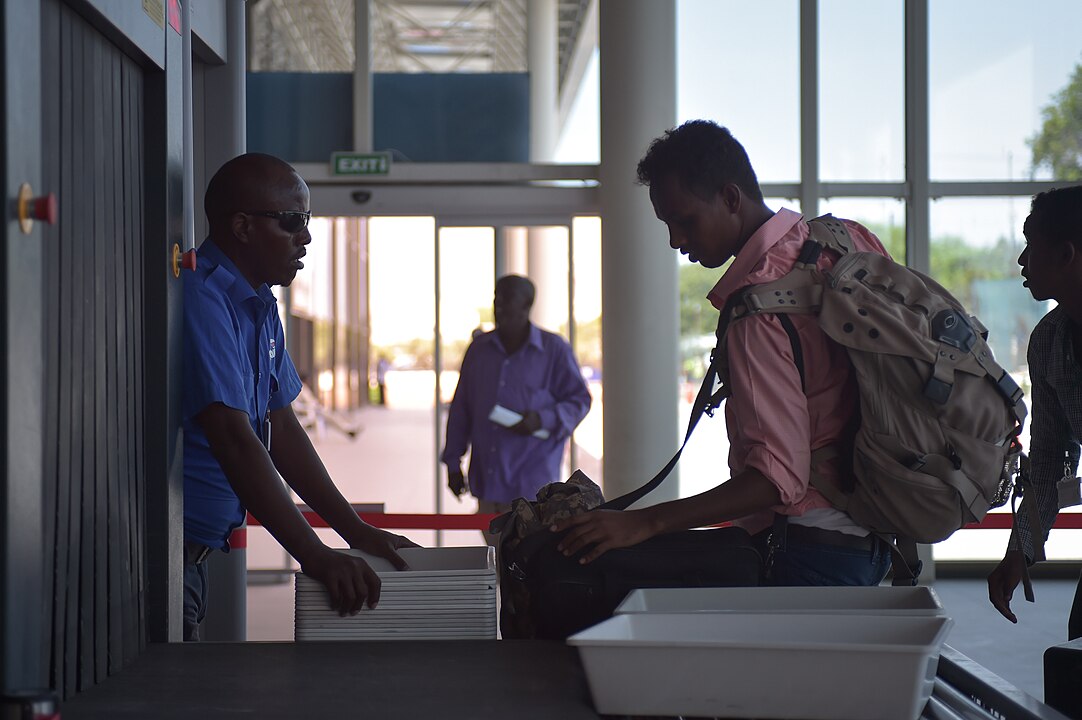
Not every theft starts at the carousel. Some cases involve trusted access points, where staff or contractors can observe routines, identify high-value targets, and act when oversight thins. In Miami in 2023, local reports and released surveillance video showed TSA officers accused of stealing from passengers during screening, a reminder that insider risk is real, even in controlled zones.
This does not describe most airport workers, who handle massive volumes professionally every day. It does explain why theft prevention depends on layered controls, tighter audits, and fast reporting, not only on passenger vigilance.
Why Victims Often Notice Too Late
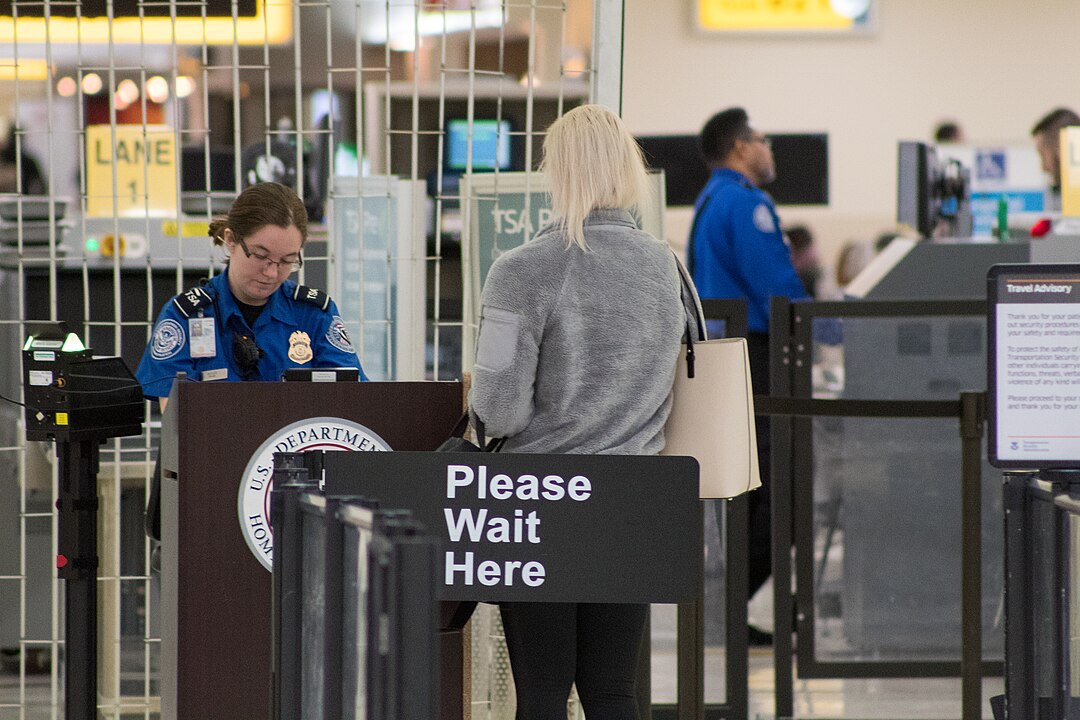
Suitcase swaps are built on delayed awareness. A traveler can clear arrivals, meet ground transport, and even check in before opening the bag. By then, minutes become hours, memory of belt position fades, and it becomes harder to isolate who removed which bag first. Criminals count on that lag. The longer discovery takes, the cleaner the exit path becomes.
Federal guidance reinforces this timing problem from the other side: the U.S. Department of Transportation advises reporting missing, open, unlocked, or damaged baggage issues to the airline before leaving the airport and insisting on a written report at once. Early action helps.
Trackers Have Changed Recovery Odds

Bluetooth item trackers have shifted the balance from guesswork to evidence. Instead of waiting on fragmented scans, some passengers now arrive at baggage service with live location trails, which can narrow search zones quickly. Major U.S. carriers have also integrated Apple’s Share Item Location workflow for delayed bags, allowing secure temporary location sharing with airline teams during recovery.
A tracker is not a lock, and it does not prevent theft. It does shorten the time between suspicion and proof, which can matter when a bag is moving across terminals, parking zones, or nearby streets within the first hour.
Baggage Tags Carry More Data Than Expected

A baggage tag is more than a sticker. Industry guidance from IATA notes that tag data can be linked with flight and passenger information used in sorting and tracing workflows. Public consumer guidance from DOT also warns passengers to keep bag identification tags until baggage is retrieved because they may be needed at claim exits or during dispute handling and security checks.
That combination matters in fraud scenarios. If discarded tags are collected, criminals can piece together enough details to impersonate a legitimate claimant, especially when other travel scraps are left behind in public bins and hotel trash.
Airports Are Better At Tracking Than They Were

The system is not standing still. U.S. reporting carriers posted a 0.55% mishandled-baggage rate in 2024, down from 0.58% in 2023, according to the Bureau of Transportation Statistics. Better scanning, tighter transfer controls, and expanded tracing standards have reduced routine mishandling compared with earlier years, and many airports now run denser camera coverage than a decade ago.
Still, lower mishandling is not the same as zero theft. A small failure rate across tens of millions of bags leaves enough absolute volume for organized opportunists to keep testing weak points at busy belts and curb exits. Patrols help too.
The First 15 Minutes After Landing Matter Most

The highest-risk window starts when bags appear and ends when the right case is in verified custody. Security experts and airline claims desks consistently emphasize the same sequence: stay near the belt, identify by unique markers first, verify the claim tag second, and move immediately once ownership is confirmed. Delay creates room for accidental or intentional substitution.
If anything looks off, escalation should start at the airport, not later. DOT consumer rules stress immediate reporting, and early reports produce cleaner timestamps, faster camera pulls, and stronger recovery documentation for the airline and police.
Small Habits Make A Bag Hard To Swap

Practical defenses are boring, and that is why they work. Distinctive straps, bold tape blocks, or uncommon color shells reduce mistaken pickup risk at a glance. Valuables and critical medicine belong in cabin baggage whenever possible, and zipper locks add friction against casual tampering during transit. None of these steps are dramatic, but each one removes easy options from opportunists.
The strongest routine treats baggage handling like identity handling: verify, retain claim records, and dispose of tags securely only after the trip is fully closed. That mindset turns a soft target into a difficult one for fast theft crews.