Some names fade from catalogs yet refuse to fade from memory. At ranges, in workshops, and in old family safes, legacy brands still hold practical respect. That loyalty was not built by polish. It was built by years of predictable function, familiar controls, and the quiet confidence that comes from tools that did their job without drama.
The market changed around those brands through bankruptcies, mergers, and shifting shelf space, but the bond stayed. Remington’s bankruptcy-era asset sales, and similar industry reshuffling, show how quickly ownership can move while owners keep running older guns they already trust.
Why Loyalty Outlives Shelf Space
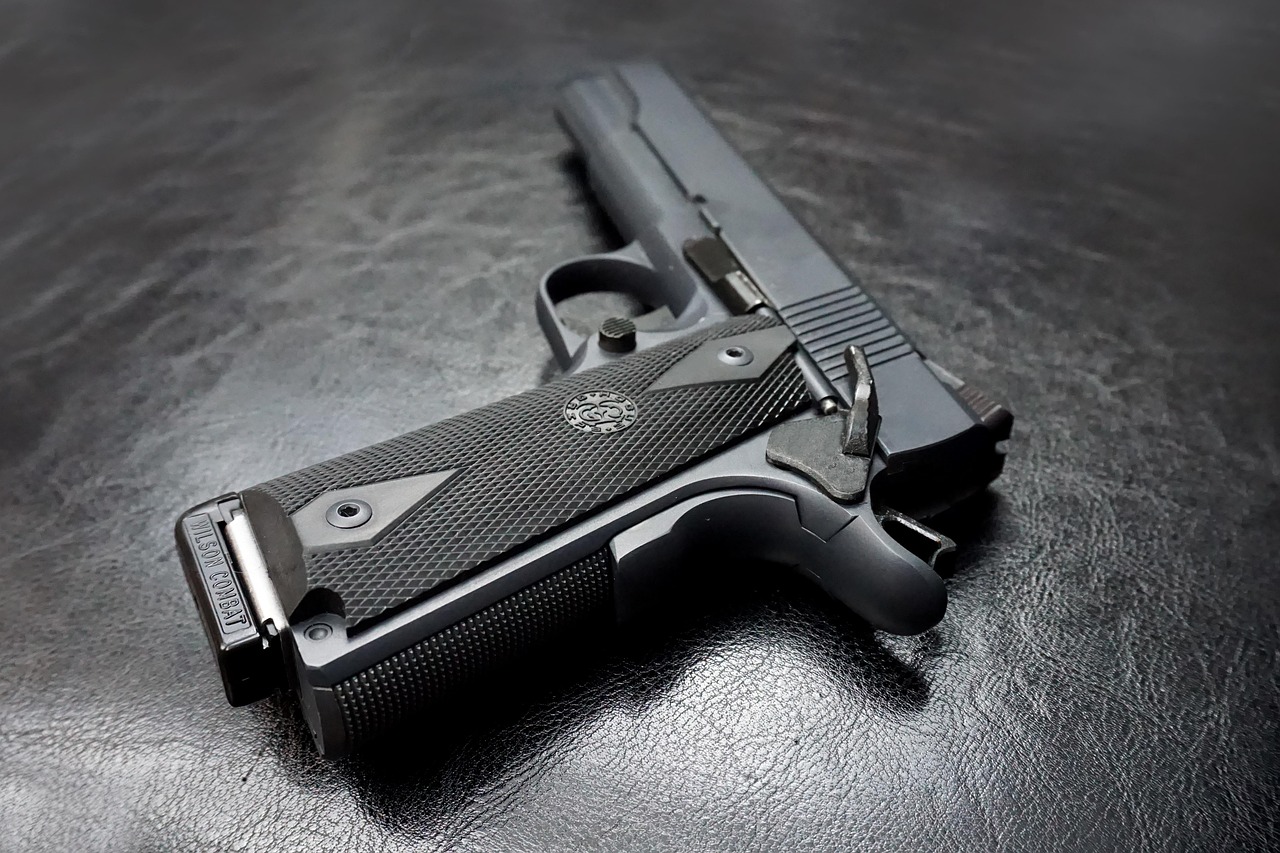
Brand loyalty in this corner of shooting culture is often design loyalty in plain clothes. Owners stay attached to models that fit the hand well cycle common ammunition, and keep a steady point of impact over years of use. When a mechanism is understandable, confidence rises because maintenance feels manageable.
That practical trust becomes stronger than trend cycles. A newer release can look better on paper, yet many long-time owners still choose the older platform that already proved itself in cold mornings, dusty storage, and routine range days. Familiar controls reduce hesitation, and repeatable behavior keeps loyalty anchored.
H&R and NEF: Plain Tools, Lasting Trust
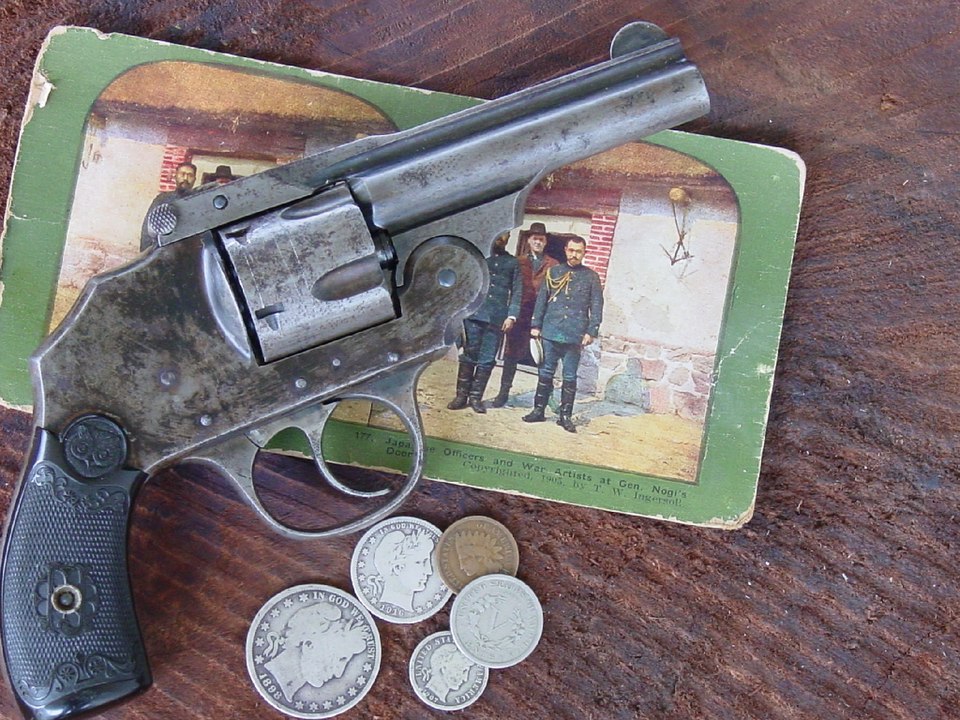
Harrington & Richardson and New England Firearms earned trust by keeping things simple. Break-action singles and basic revolvers gave owners fewer failure points to worry about, which mattered on farms, at deer camp, and in everyday carry-around use. Their reputation came less from finish quality and more from consistency under ordinary conditions.
The business path shifted hard over time: Marlin bought H&R in 2000, then Remington acquired Marlin in 2007, and H&R production later stopped in 2015. Even so, many owners still keep those guns running with careful spring changes, lockup checks, and realistic expectations about parts.
High Standard: Where Fundamentals Were Built
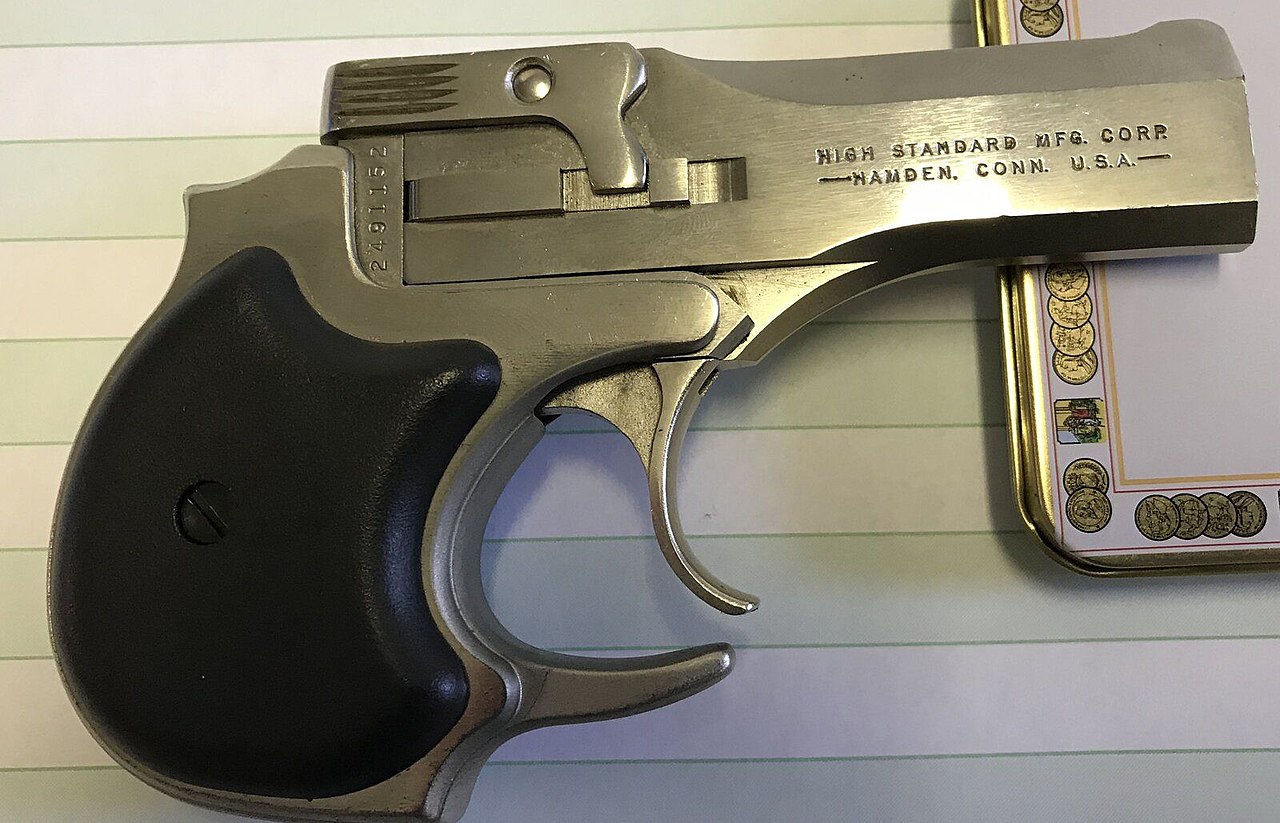
High Standard built loyalty through skill development as much as brand identity. For many shooters, an older .22 target pistol was where trigger control, sight discipline, and follow-through began to click. When a platform helps someone learn fundamentals, memory and performance get linked, and that connection lasts.
Company history explains today’s support picture. The original Connecticut-era operation ended in 1984, and later assets moved to a Houston-based successor in the early 1990s. That chain of transitions helps explain why owners often rely on specialist parts sources and seasoned smiths to keep older examples healthy.
Iver Johnson: Underdog Revolvers With Staying Power
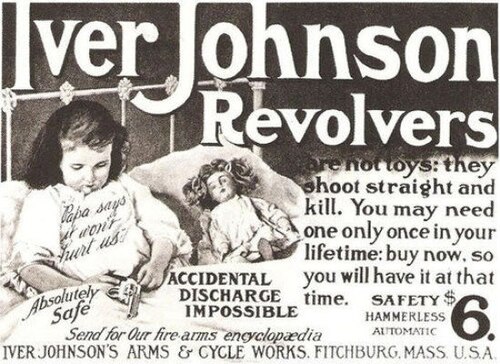
Iver Johnson revolvers rarely win style debates, yet many owners remain committed to them. These were often budget purchases that became long-term companions, passed through daily routines instead of display cases. Loyalty comes from practical endurance: if timing stays correct and lockup remains decent, handling stays familiar.
Experienced owners are usually cautious owners. They watch carry-up, endshake, and ignition consistency because age and unknown maintenance history can hide wear. The original company ceased operations in the 1990s, so use today often depends on careful inspection and access to third-party parts networks.
Star: Steel Pistols and Predictable Feel

Star pistols still have a following because many shooters like the steadiness of older all-steel frames. Weight and balance can make recoil feel predictable, which helps sights return in a repeatable way. That rhythm builds trust, especially for owners who value feel and control over trend-driven features.
The company’s closure in 1997 created the modern challenge: loyalty outlasted factory support. Owners who keep these pistols alive tend to treat maintenance as routine, not crisis. Springs, magazines, and extractor tension get attention early, and small warning signs are addressed before reliability drifts into bigger problems.
Astra: The Overlooked Import That Kept Performing
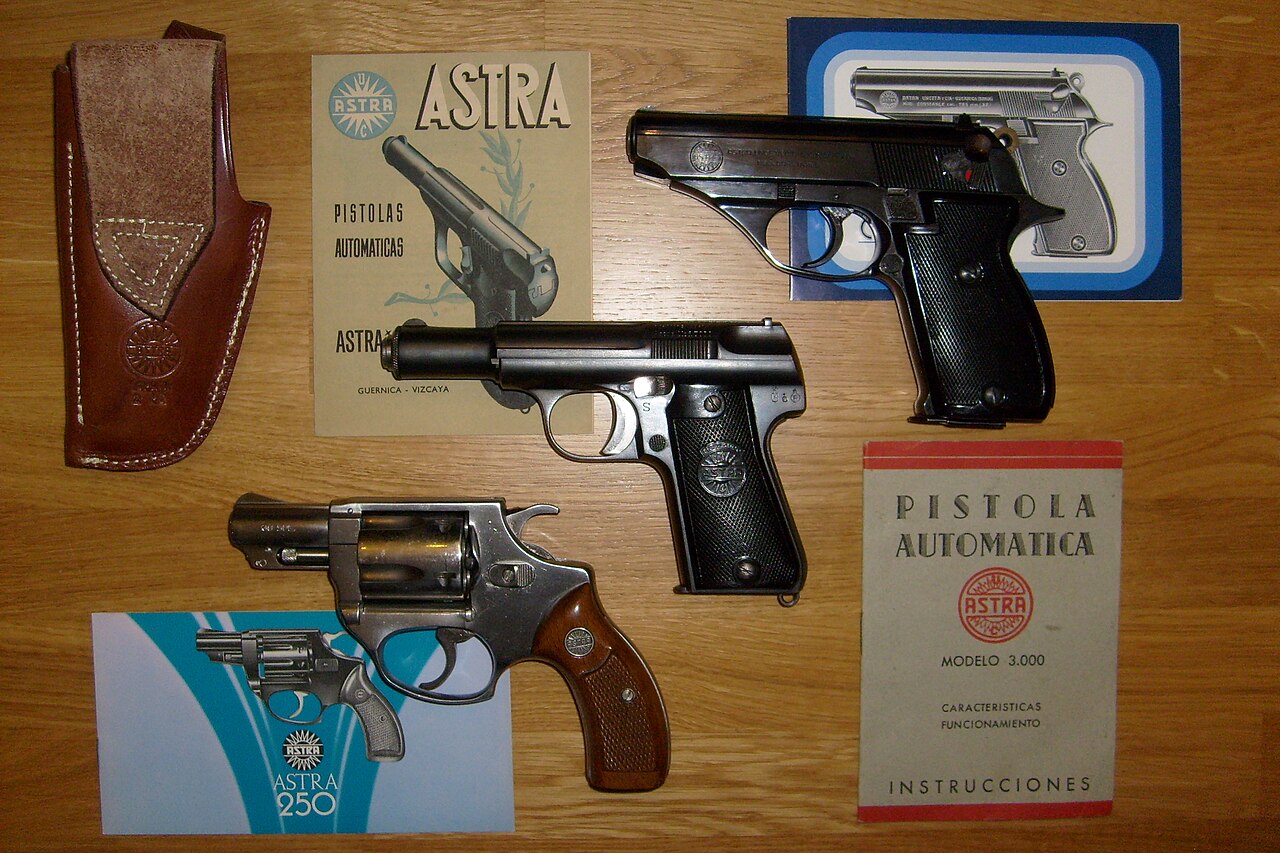
Astra became a keeper brand for many owners who learned that affordable did not mean fragile. Many imports from that era were judged before they were shot, yet Astra pistols built reputations through steady function with standard-pressure ammunition and manageable recoil. Respect grew slowly, then stuck in real range use.
Astra closed in 1997, leaving owners to navigate the afterlife of a discontinued platform. Reliable operation now depends on disciplined magazine care, spring replacement, and realistic use. Loyal owners usually avoid over-modifying these pistols and preserve what made them dependable in the first place.
Stevens Arms: Field Utility That Aged Well
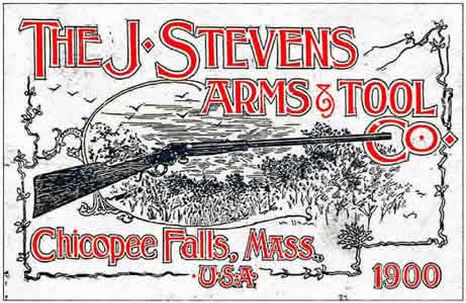
Stevens Arms remains tied to a working-field identity that many owners respect. These rifles and shotguns were chosen for utility first, and that role shaped long loyalty. When a gun keeps zero, feeds reliably, and handles bad weather without fuss, it becomes routine competence.
The brand’s history includes acquisition by Savage in 1920, and modern owners still see that connection in support channels. Savage’s service policy notes limited factory service for older production and directs customers to outside parts suppliers, reflecting what legacy-brand owners already know: maintenance planning matters as much as brand affection.
The Real Test Is Maintainability, Not Myth
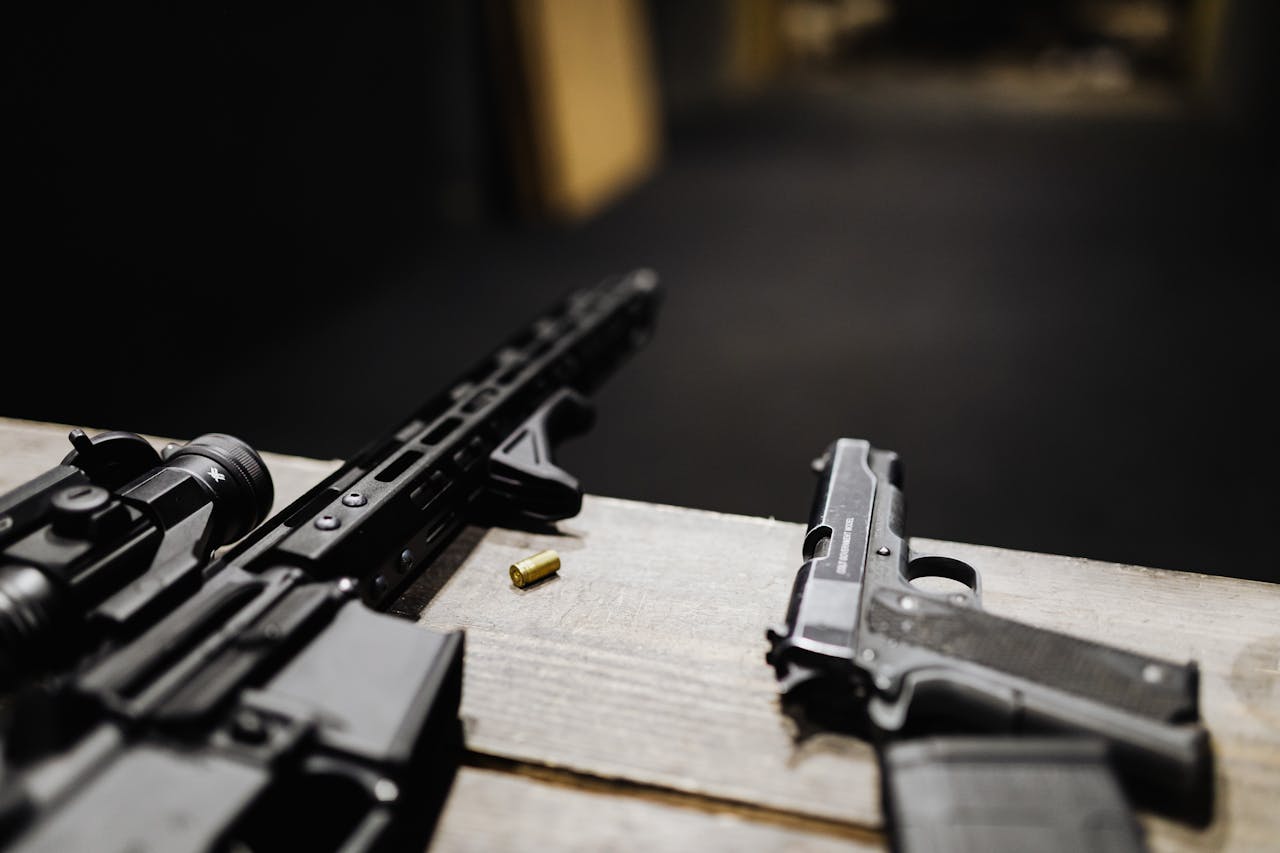
For non-collectors, the lesson is simple: loyalty should follow function, not mythology. A respected rollmark cannot compensate for worn lockup, poor timing, weak springs, or failing magazines. The strongest legacy owners are rarely sentimental in maintenance decisions. They inspect, test, and replace parts on time.
That approach explains why some older platforms keep earning range time while others fade into storage. Legacy brands survive in use when owners pair affection with discipline, verify parts pathways early, and treat small reliability clues as data. History stays alive through competence rather than nostalgia.