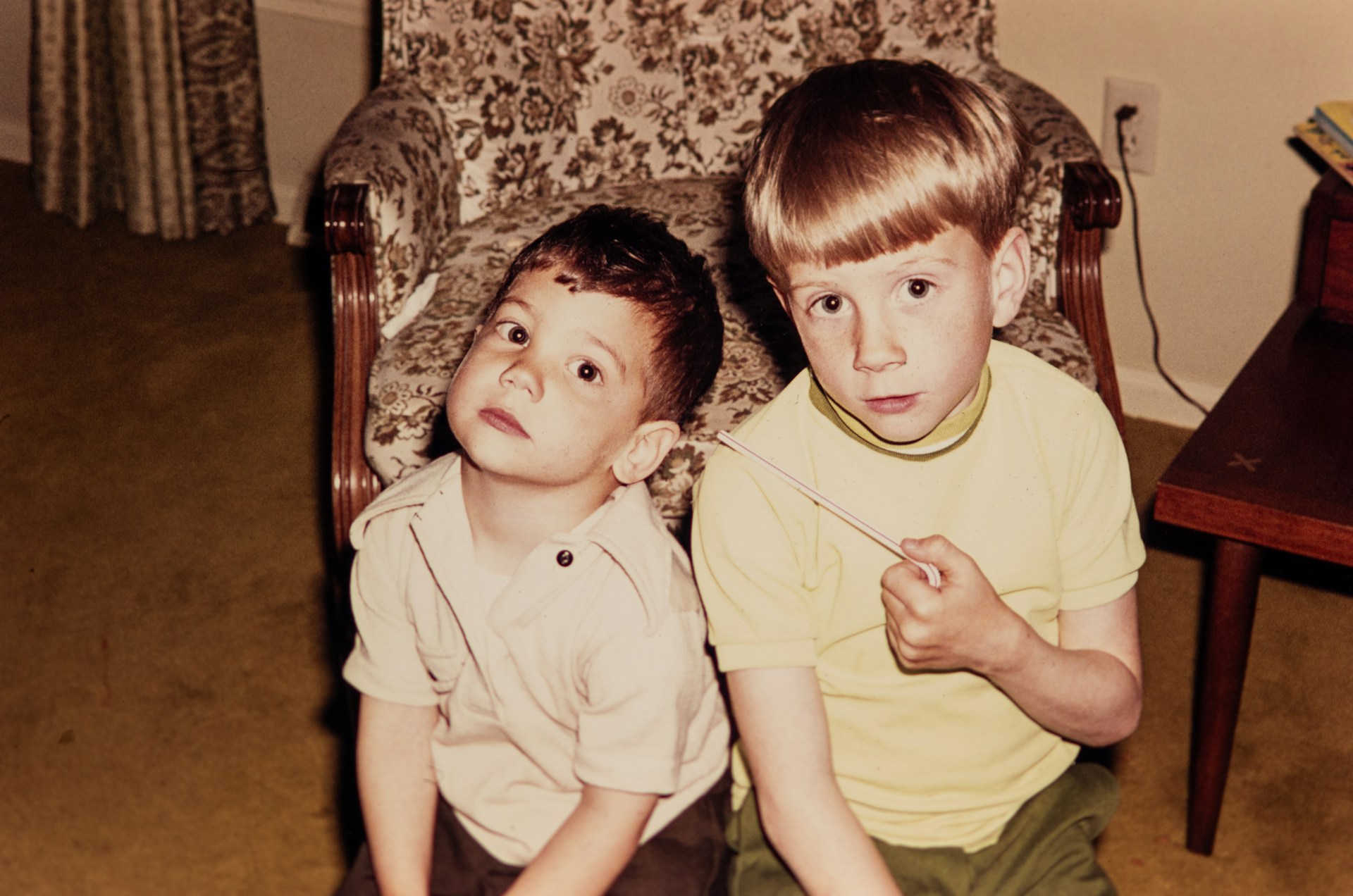
Boomer parents had a way of turning everyday chaos into bite-size rules. In childhood, those rules sounded like lectures delivered during sibling fights, lost backpacks, and dinner-table standoffs. Then adulthood arrived with rent, office politics, relationships, and the slow realization that effort does not guarantee outcomes. The phrases that once drew eye rolls began to feel oddly steady, like guardrails on a crowded road. Their power was never poetry. It was accuracy, repeated until it stuck and proved itself.
Life Isn’t Always Fair

Life Isn’t Always Fair shows up first in childhood, when rules feel like promises and outcomes should match effort.
In adult life, the lesson widens: timing, luck, connections, and simple bias can tilt results, so the hardest worker isn’t always the one chosen, and small setbacks can snowball into bigger delays that have nothing to do with character.
The point isn’t surrender; it’s to stop feeding constant comparison and redirect energy toward what can be shaped, like boundaries, skills, steady habits, and the kind of community that makes unfair moments easier to carry without losing self-respect over the long run.
You’d Lose Your Head If It Wasn’t Attached

You’d Lose Your Head If It Wasn’t Attached sounded like teasing, but it was really a warning about how life runs on memory and simple order.
School and family routines hide invisible planning, from lunches and rides to appointments, passwords, and the location of every small thing, so when that scaffolding disappears, forgetfulness stops being funny and starts costing time, money, and trust.
The grown-up version of the lesson is practical: systems beat willpower, and a calendar, a short list, one home for keys, and a five-minute reset at night can keep an ordinary day from unraveling and quietly honors the adults who ran it.
Sharing Is Caring

Sharing Is Caring was usually said in the middle of a tug-of-war over toys, snacks, or the remote.
Later, the phrase grows up as time, attention, and money become the real currency, and life keeps asking for unplanned giving, from covering a small expense to listening past midnight, showing up for a funeral, or sharing credit when pride wants it all.
The hard truth is that ownership never guarantees security, since people change, jobs shift, and stuff breaks, but generosity builds durable bonds, and learning to loosen a grip without resentment can make even crowded seasons feel warmer and more worthwhile over time, too.
You Don’t Know Unless You Try
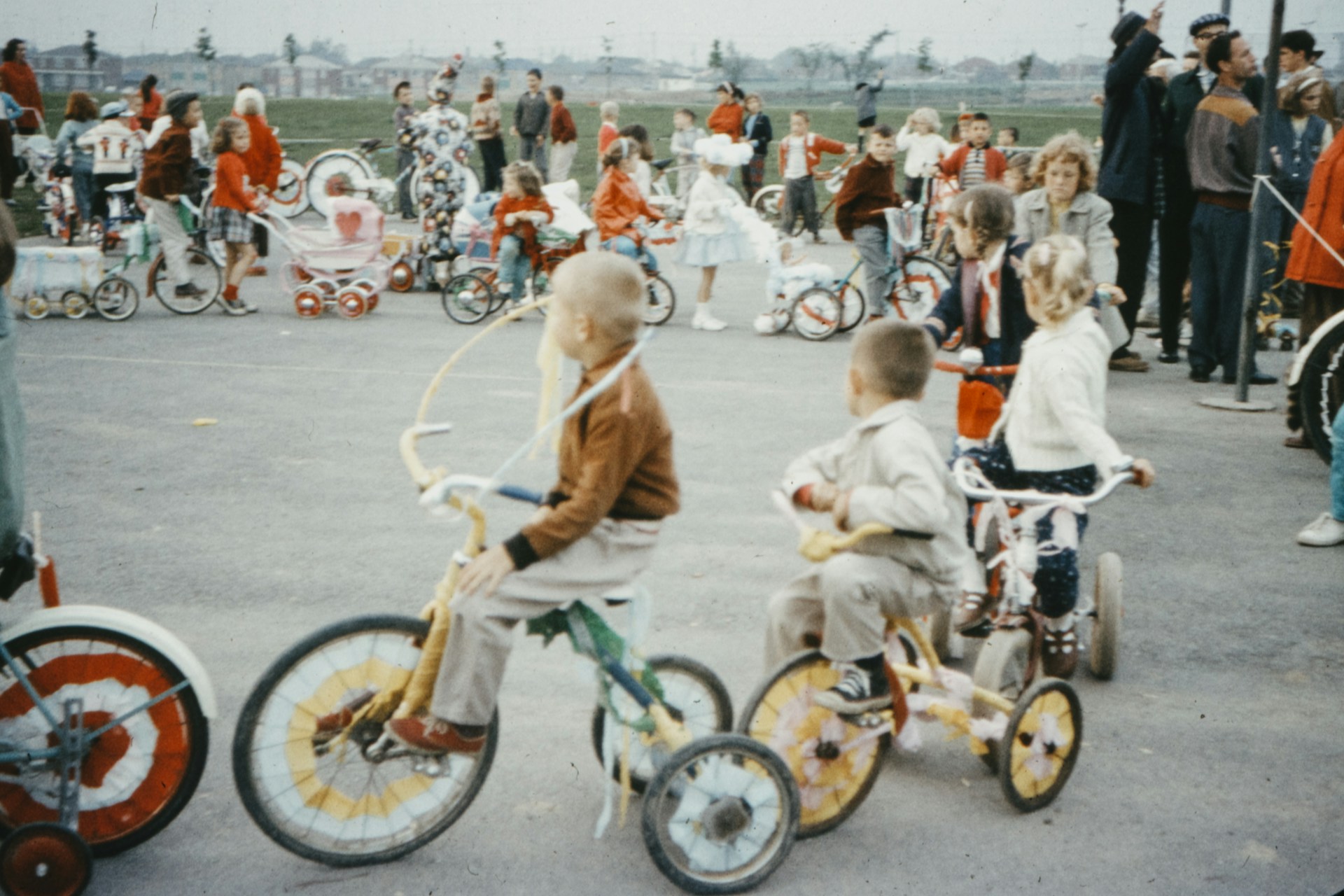
You Don’t Know Unless You Try was the line used to push past picky eating, stage fright, or fear of looking foolish.
As adults, the same resistance shows up in safer clothes, safer friendships, and the same job kept a little too long, even though new experiences, from learning a skill to tasting unfamiliar food, build range, teach recovery after mistakes, and expand what feels possible.
The hard truth is that certainty is often a story told by anxiety, so trying doesn’t guarantee success, but it does create evidence and momentum, and even a failed attempt can clarify what matters far more than stagnation ever will in practice.
Back In My Day

Back In My Day sounded like a scolding, a refusal to understand modern life.
With time, it becomes a marker of continuity, since people use the past to measure change, keep family stories alive, and remember a version of themselves that felt simpler, and many psychology findings link nostalgia with stronger social connection and meaning.
The hard truth is that every generation becomes someone’s before, so the phrase can be annoying, but it can also be an invitation to listen, compare what improved and what broke, and trade judgment for context, humility, and a little shared laughter across families when done well, too.
Things Aren’t Always As Good As They Seem

Things Aren’t Always As Good As They Seem felt vague in childhood, like a cloudy warning with no clear target.
Adulthood supplies the examples: a polished social post can hide debt, loneliness, or exhaustion, a cheerful coworker can be carrying grief, and even a dream job can come with long commutes, messy management, and quiet stress.
The hard truth is that appearances are curated, sometimes deliberately and sometimes for self-protection, so the healthiest response isn’t cynicism but curiosity, slower judgments, and compassion for stories that are never fully visible, which also keeps envy from feeding on partial information.
Take The High Road

Take The High Road sounded like a demand for politeness when anger felt justified.
Over time, it reveals a strategy for staying sane, because escalation burns energy, damages reputations, and keeps old conflicts alive, while restraint allows a response that fits the facts instead of the mood of the moment, without pretending harm never happened.
The hard truth is that integrity often costs something upfront, like pride and the last word, yet it pays back in clarity, and forgiveness can lower stress even when distance and boundaries stay in place, letting the mind rest easier after the noise fades for the long haul, too.
Better Things Will Come With Time

Better Things Will Come With Time, or Good Things Come To Those Who Wait, sounded like a delay tactic when childhood wanted everything now.
Adult life exposes the pattern: careers build through unglamorous reps, trust grows through consistency, and health changes through boring habits, while rushing tends to trade long-term stability for short-term relief.
The hard truth is that patience is not passive but active pacing, choosing the right season for a move, saving before spending, and letting identity form before big commitments, since time can’t fix everything, but it can reveal what was never meant to last at all.