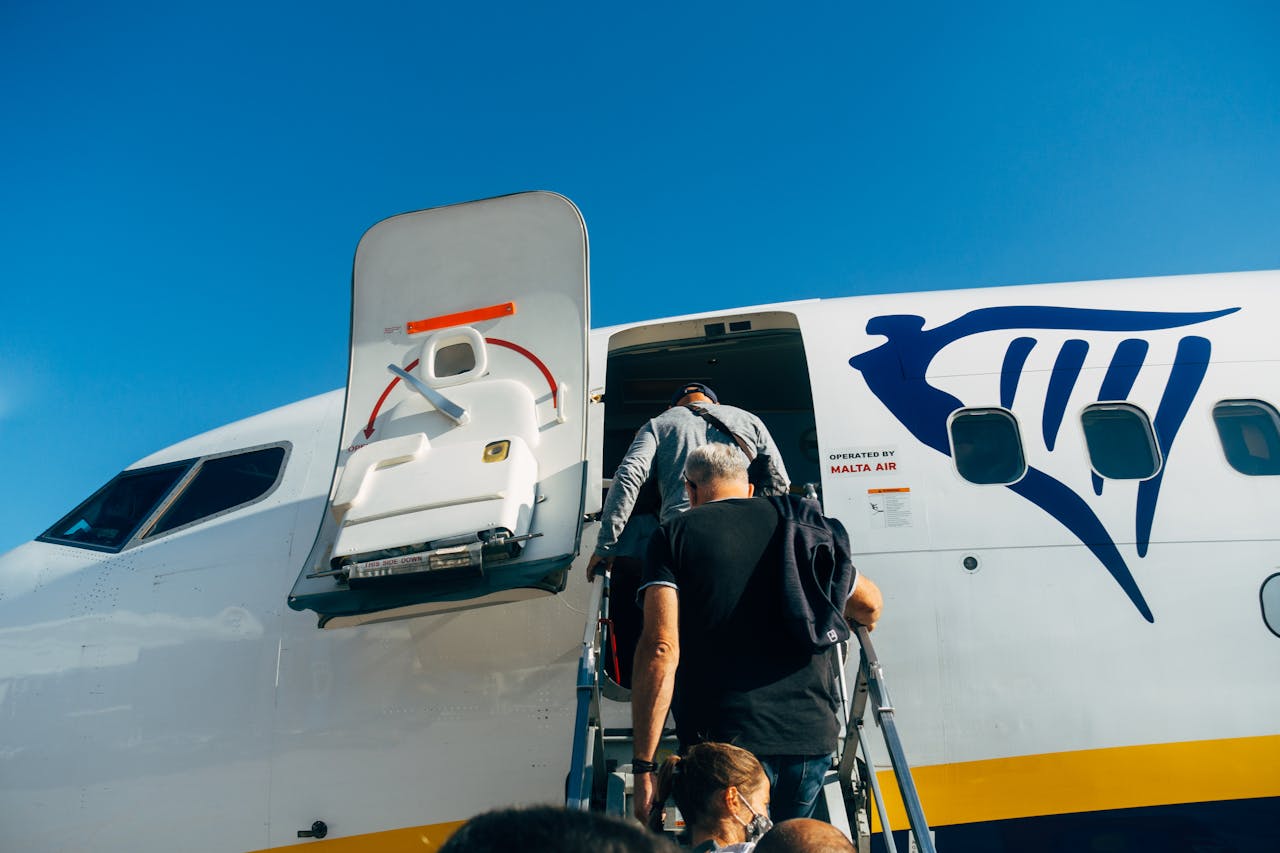
Boarding is the short bridge between gate noise and cabin order, and flight attendants watch the lane like a live dashboard. A smooth start depends on one thing: the line keeps moving, without little standstills at the scanner or the aircraft door.
Most passengers mean well, yet stress makes people hover, stall, and multitask in the tightest spots. When that rhythm breaks, bins fill unevenly, families get squeezed, and the aisle clogs before row 10 is seated. The side-eye is rarely personal. It is a quick signal that a simple tweak, one step to the side, one bag decision sooner, can save everyone time and make the cabin feel calmer.
Hovering At The Front Before Boarding Is Called
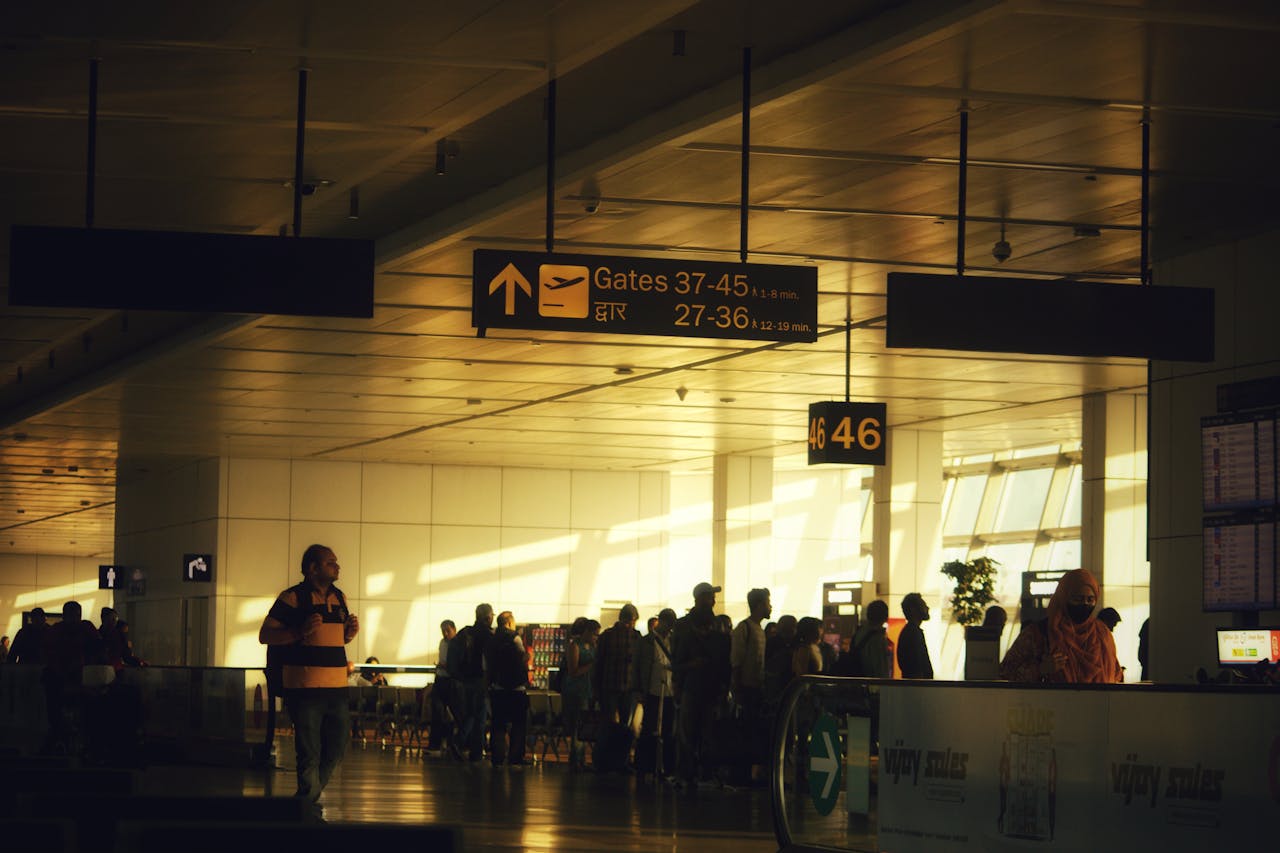
Some passengers drift to the stanchions early and camp at the front, even when their group has not been called. It blocks the lane for pre-board travelers and the people who are actually scanning, so the gate cadence turns into stop and go.
Flight attendants notice the ripple right away: the jet bridge packs tight, the door area crowds, and bags get shoved into the first open bin. When bins fill unevenly, later rows spend longer hunting for space, and the aisle stays stuck. Hanging back until the call keeps the corridor clean, helps families move at their pace, and starts the flight calmer. It keeps announcements meaningful.
Cutting In From The Side After The Call
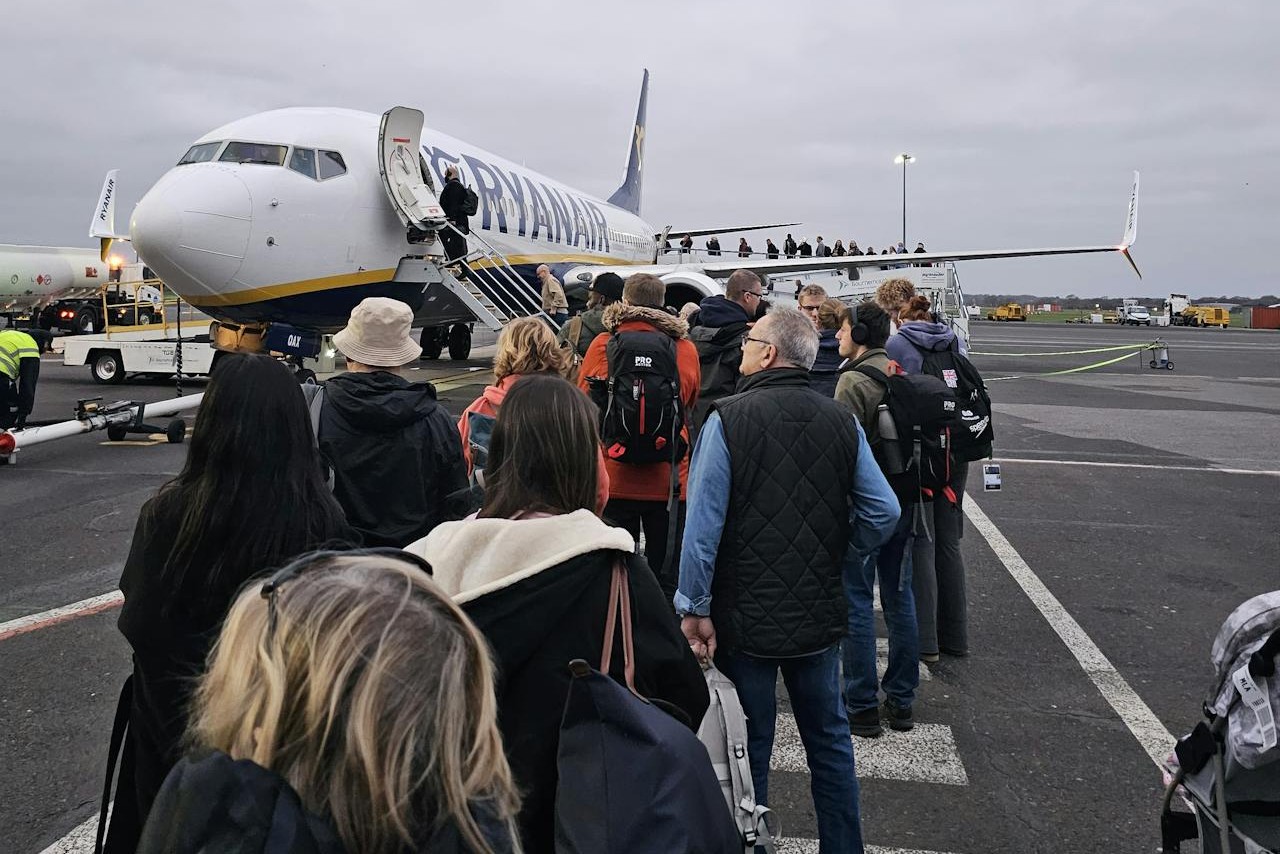
Late connections happen, but sliding into the boarding lane from the side rewrites the order and forces everyone behind to re-space bags. It looks small, yet it breaks the scanner rhythm and sparks quiet tension that lingers. Even polite passengers start guarding bin space when the line feels unfair.
Crew can usually help a late traveler without drama, but the request works best off to the side with a quick word to the agent. When the merge is clean, boarding groups stay clear and the jet bridge stays open. That steadier flow also helps bins fill evenly, so fewer bags get pulled for a last-minute gate check. It also keeps tempers level.
Arguing About Overhead Bin Space At The Door
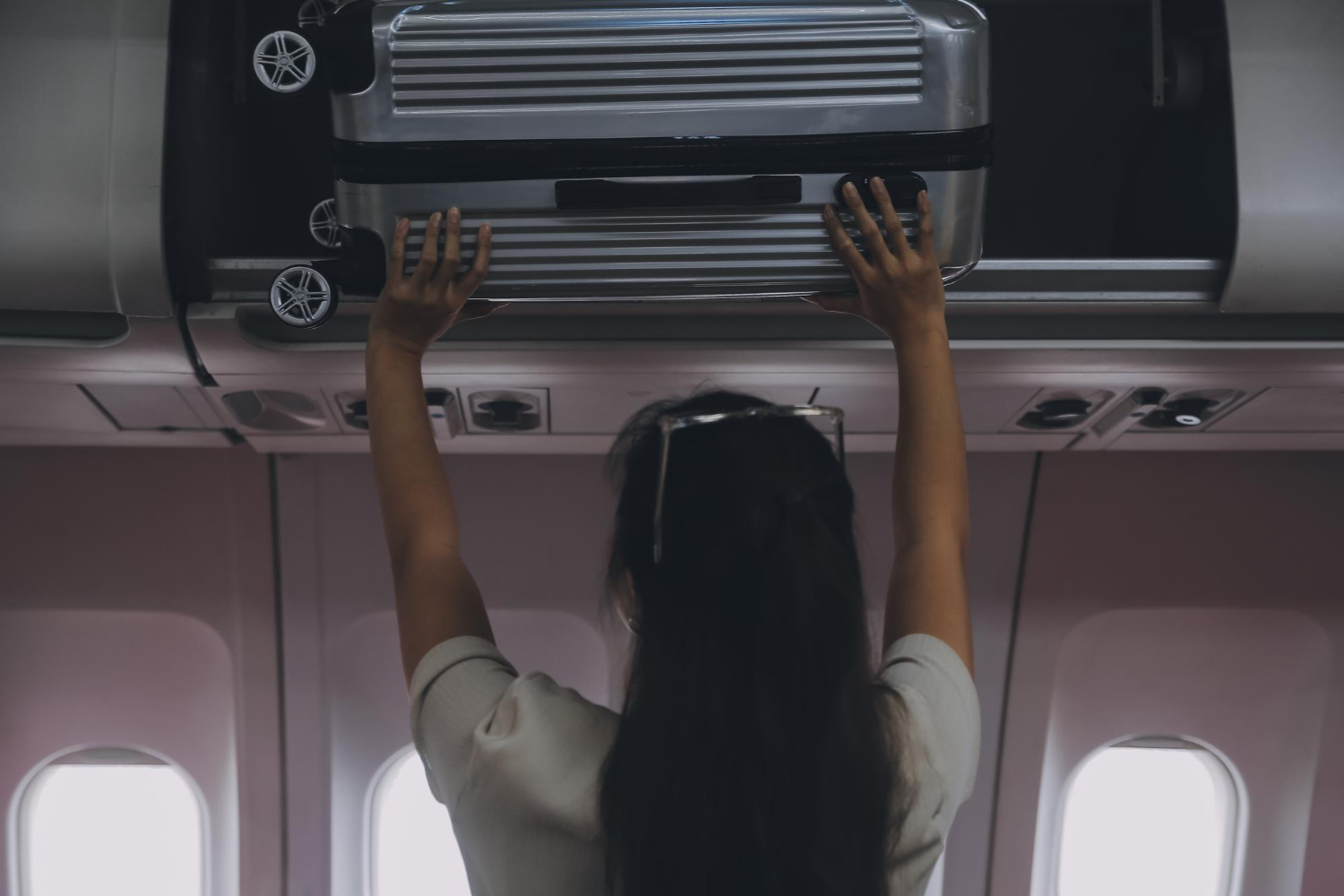
Stopping at the aircraft door to argue over overhead space freezes the line at the one spot where nobody can pass. One bag conversation turns the jet bridge into a tight waiting room, with rollers tilting and patience thinning. It also blocks crew from directing traffic inside.
Flight attendants spread bags by row to keep weight balanced and space available for later boarders. When a traveler insists on a specific bin, others copy the move, and the aisle turns into a chain of pauses. Stepping fully inside, clearing the doorway, and then asking for help lets crew solve it fast without locking everyone outside. The pace stays steady.
Repacking Bags While Standing At The Scanner
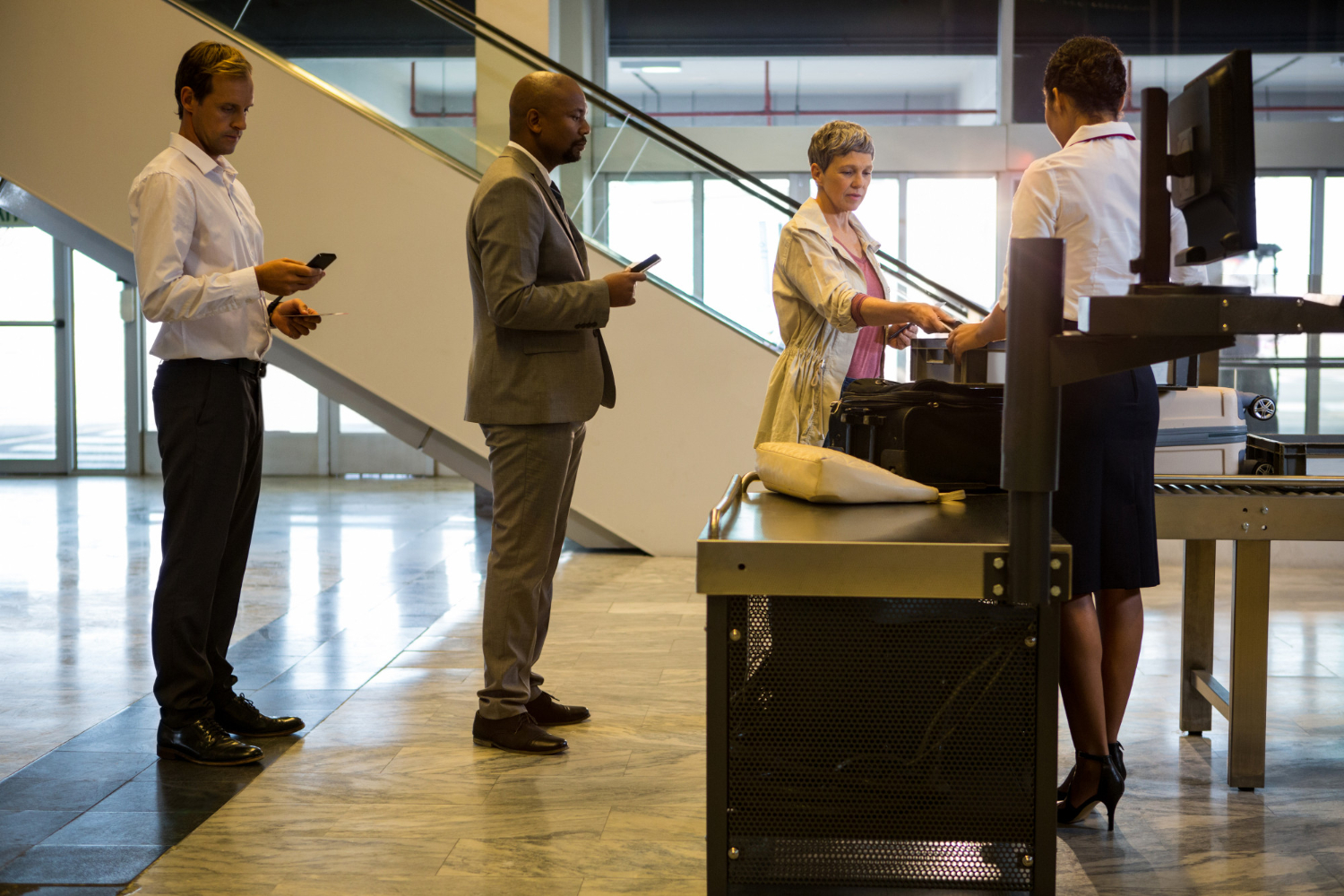
Some passengers reach the scanner and suddenly unzip bags to hunt for earbuds, chargers, or a jacket. It treats the front of the line like a prep table, and even a short pause stacks into a real delay on a full flight. People behind start sidestepping, and the lane loses its shape.
The ripple is predictable: boarding groups blur, families get squeezed into stop and go motion, and the door area crowds early. That crowding steals the quiet minutes crew uses to guide bags into the right rows. Repacking a few steps aside keeps scans steady, reduces last-minute gate checks, and makes the first minutes onboard calmer. The line breathes again.
Blocking The Scanner With A Long Question
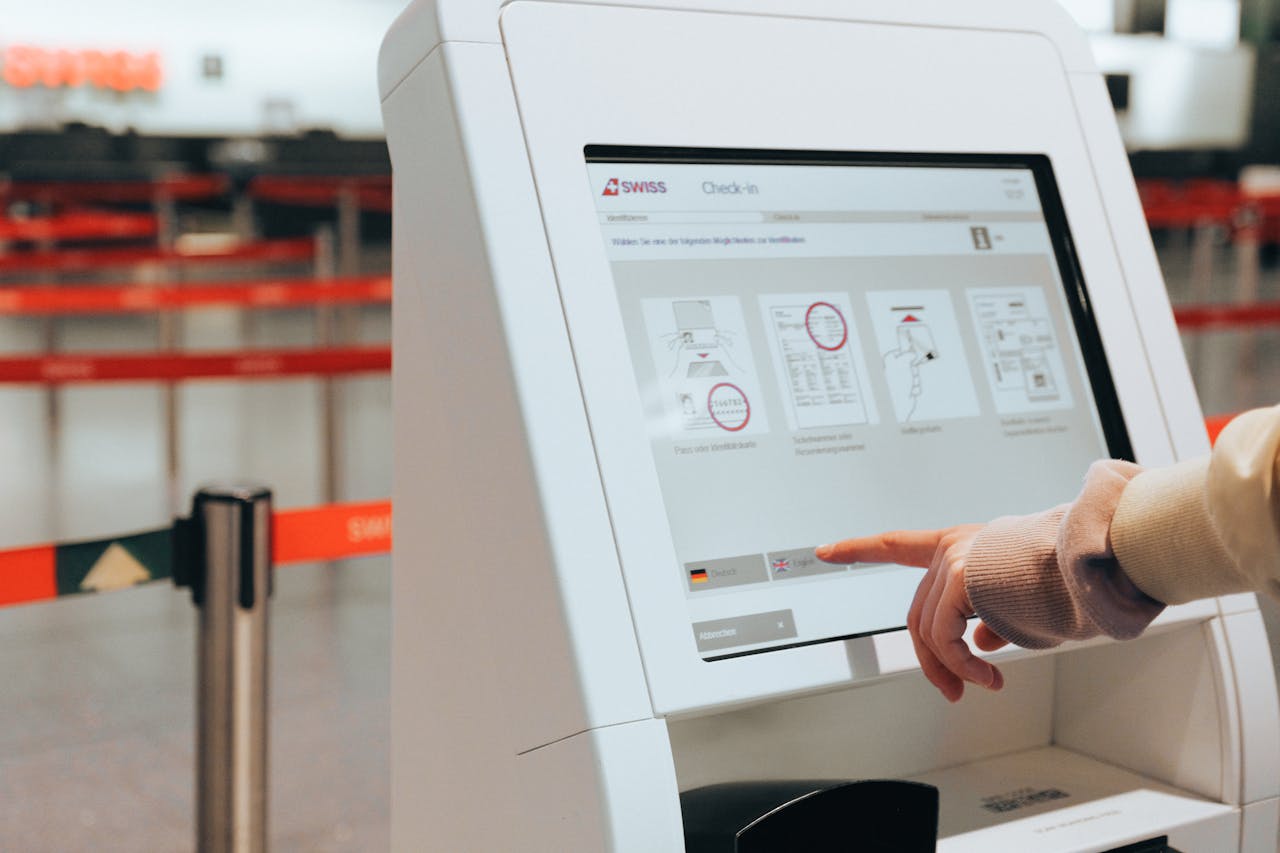
The boarding pass reader is the choke point, yet some passengers stop there to ask a long question about seats or connections. That pause collapses the lane, forces repeat announcements, and sends people drifting into the wrong stream. By the time it is answered, the queue is already tangled.
Gate agents and flight attendants can help more cleanly when the traveler steps aside for answers. The line keeps moving, the jet bridge stays breathable, and boarding groups stay in order. That one small change prevents a doorway crowd and lets crew assist families with more patience. Small timing choices matter. It prevents a pileup.
Stopping On The Jet Bridge For Photos Or Calls
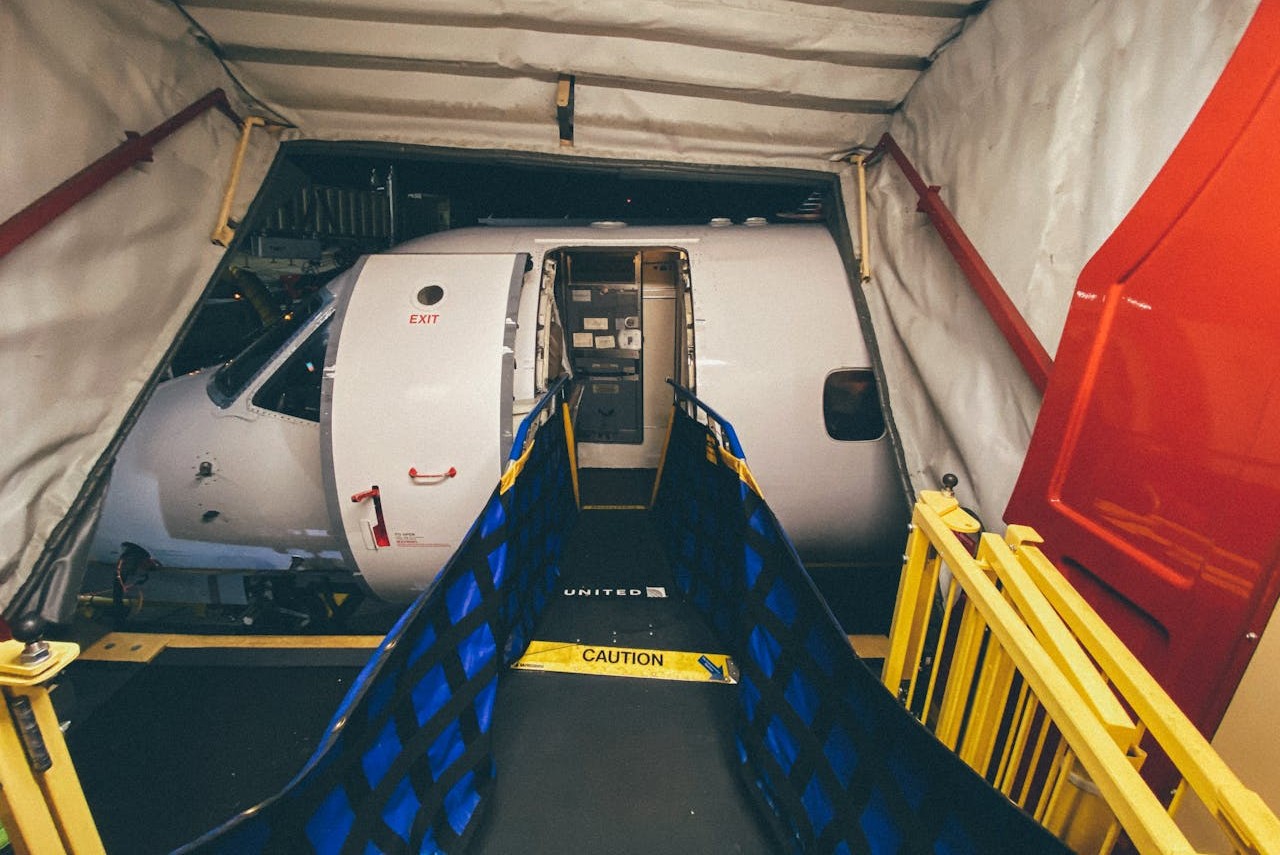
The jet bridge looks like dead space, so some passengers pause for a photo, a call, or one last message. In practice it is a single-lane ramp, and one stop ripples backward until the doorway becomes crowded. People behind cannot pass, so the pressure builds fast.
Flight attendants notice because the first jam sets the tone: bags bump, voices rise, and slower movers get squeezed. When the entrance clogs, even simple tasks like greeting and directing seats take longer. Waiting to text or snap a photo until seated keeps the bridge flowing and the cabin settles sooner. That small restraint helps everyone. The cabin starts quieter.
Carrying Open Drinks Or Loose Food Into The Lane
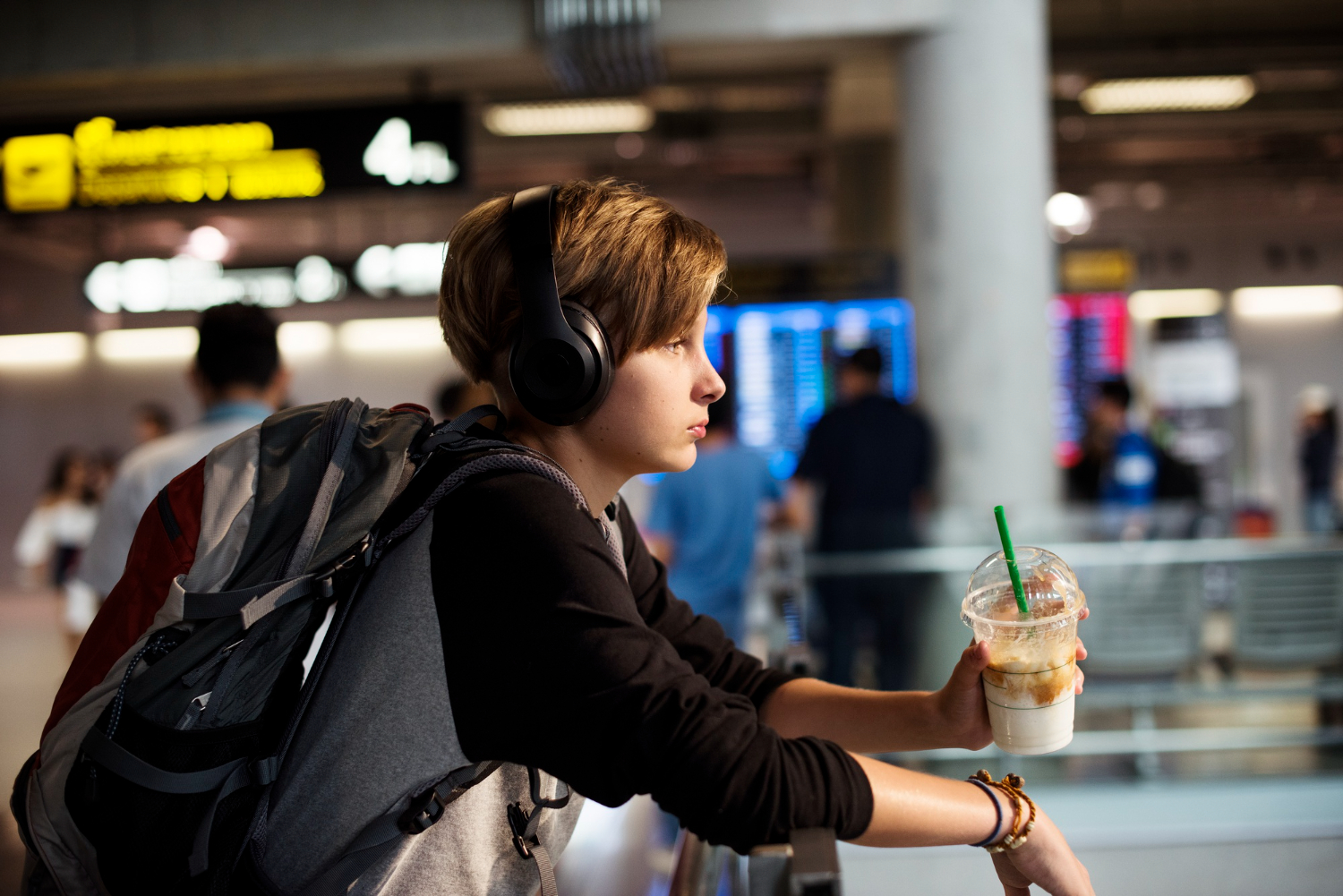
Open drinks and loose food in the boarding lane are a spill waiting to happen when the line compresses. One bump can soak a bag, slick the floor, and pause boarding while staff cleans the entrance area. Spills also create awkward stops as people try not to step in them.
Crew thinks ahead to tight aisles, where an unsealed cup is hard to manage while lifting luggage and directing traffic. Sticky floors near the door mean more slip risk and more cleanup during boarding. Secured lids, packed snacks, and a free hand keep the aisle clear and the start feels calmer for everyone. Clean starts feel better. Less cleanup, more calm.
Ignoring The Two-Lane Gate Setup
Many gates run two streams, one for the group boarding and one for those waiting, but passengers often stand across both lanes. It turns a simple merge into shoulder bumps and guesswork, even when the agent is calling groups clearly. The scanner area becomes a crowd instead of a line.
Flight attendants notice because lane chaos at the gate becomes aisle chaos onboard. When people enter in clumps, they stop at random rows, and bins fill unevenly. Keeping the waiting lane clear lets pre-board travelers pass without squeezing, and it helps the cabin settle faster. Order at the gate saves minutes. Crew can help faster. Less crowding.
Handing Over A Phone While The Pass Is Still Loading
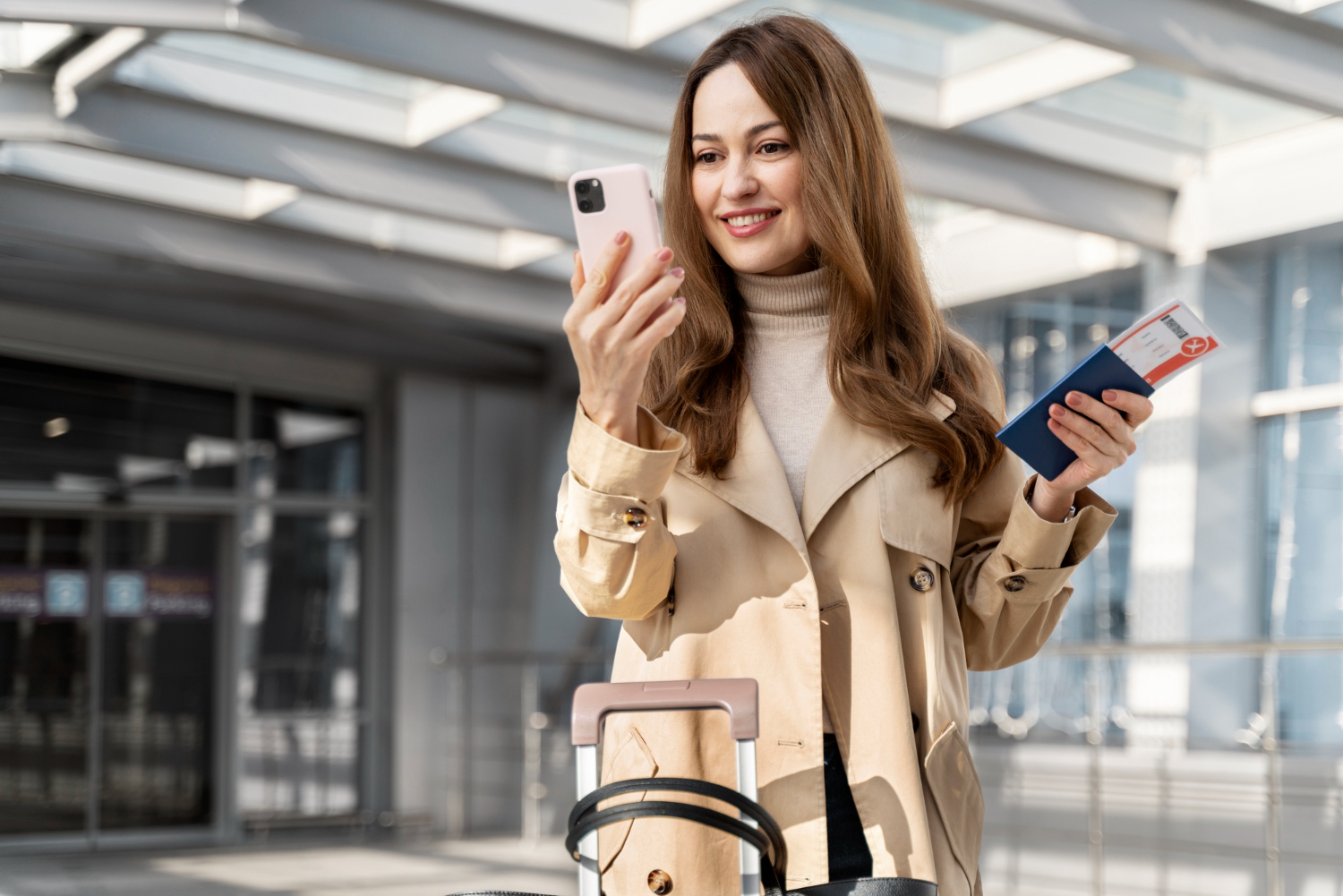
Digital passes are normal now, yet some passengers reach the scanner with the barcode still loading or the screen too dim. Those few seconds stack fast, forcing retries while the line compresses behind a stalled scan. Nothing raises tension faster than a line that cannot move.
Airport Wi-Fi can lag, apps can freeze, and low batteries add stress, but the fix is simple preparation. Having the pass open and bright before reaching the front keeps the scan cadence intact. A printed backup tucked away helps when a phone glitches, so the lane stays smooth and the doorway stays clear. It is a simple courtesy. Ready screens keep pace.
Announcing A Seat Problem Only After Stepping On
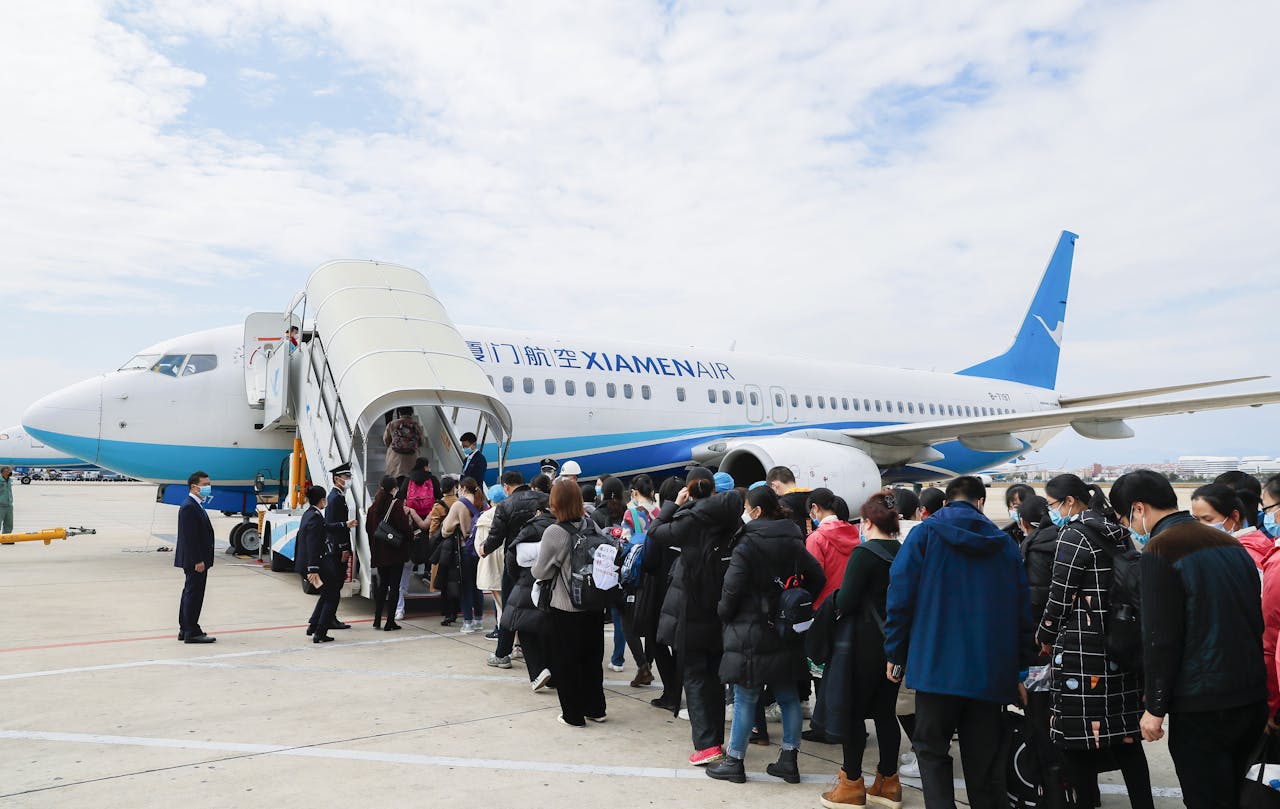
Seat mix-ups happen, but announcing the problem only after stepping onto the aircraft traps everyone behind at the doorway. One conversation at the threshold can lock the jet bridge while the aisle is still empty. The crowd piles up before a single bag is stowed.
Flight attendants prefer seat issues handled with the gate agent first, since it may involve reprints or standby moves. Inside the cabin, the fix is slower and more public, which adds pressure to everyone waiting. Solving it before boarding keeps bags moving, avoids a row-one standstill, and protects the cabin mood. It keeps the aisle open. Fixes land faster at the gate.