Hotel elevators are small shared rooms where travel habits show up instantly. Staff see the same friction points: a doorway blocked by bags, a loud call bouncing off metal walls, or a rushed step that tangles foot traffic.
Because the ride is brief, people treat it like a blur. Yet those seconds affect everyone, from families headed to breakfast to crews moving linens between floors.
Good etiquette is not fussy. It keeps the cabin calm, protects privacy, and helps the building run smoothly, especially during morning rushes, conference breaks, and late-night returns when patience is thin and space is tight for everyone sharing the ride.
Rushing In Before Anyone Exits
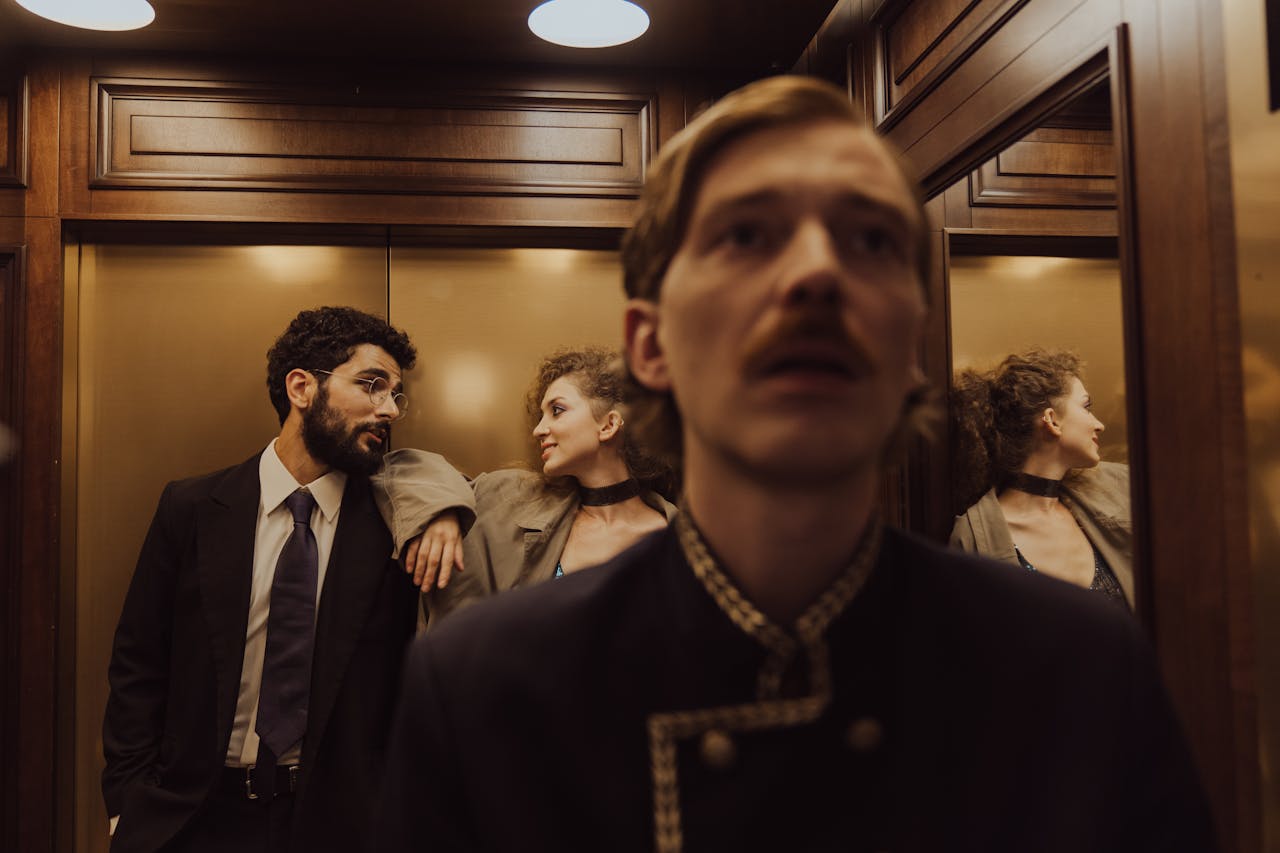
Some guests step forward the moment the doors part, as if the car is a doorway to claim. In hotels, riders often exit with roller bags, strollers, or room-service trays, and that half-step turns the threshold into a choke point.
Staff see the ripple: door sensors reopen, ankles get crowded, and the cabin stalls while everyone negotiates who moves first. It shows up most at checkout and breakfast, when every delay stacks into lobby waits.
Standing to one side and letting exiting riders clear the space keeps traffic moving, gives older guests a path, and spares the awkward shuffle that makes a simple ride feel harder than it needs to be.
Doorway Parking With Luggage
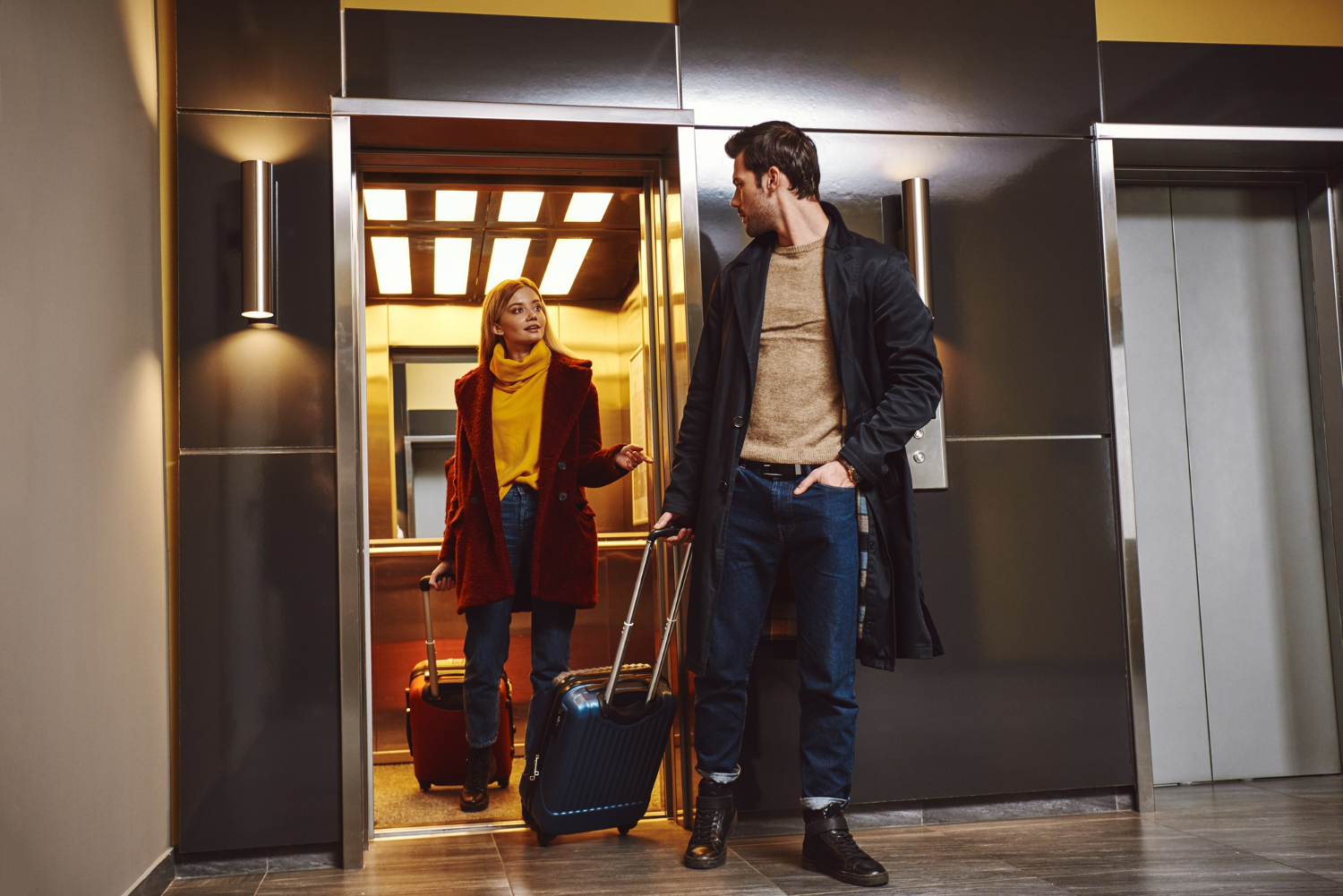
Suitcases drift into the doorway when guests juggle key cards, coffee, and tired kids. A hard-shell corner on the threshold makes the doors hesitate, then reopen, and the car loses its rhythm for every floor waiting behind.
Staff notice it most in the lobby, where one bag can hold up a line that stretches past the desk. It also raises the chance of scraped trim, scuffed toes, and a cramped squeeze as others try to slide around.
Rolling luggage fully inside and parking it against a wall keeps sensors clear and leaves a lane for strollers, walkers, and carts. The cabin suddenly feels organized, not crowded. It saves minutes during peak times.
Speakerphone And Loud Media
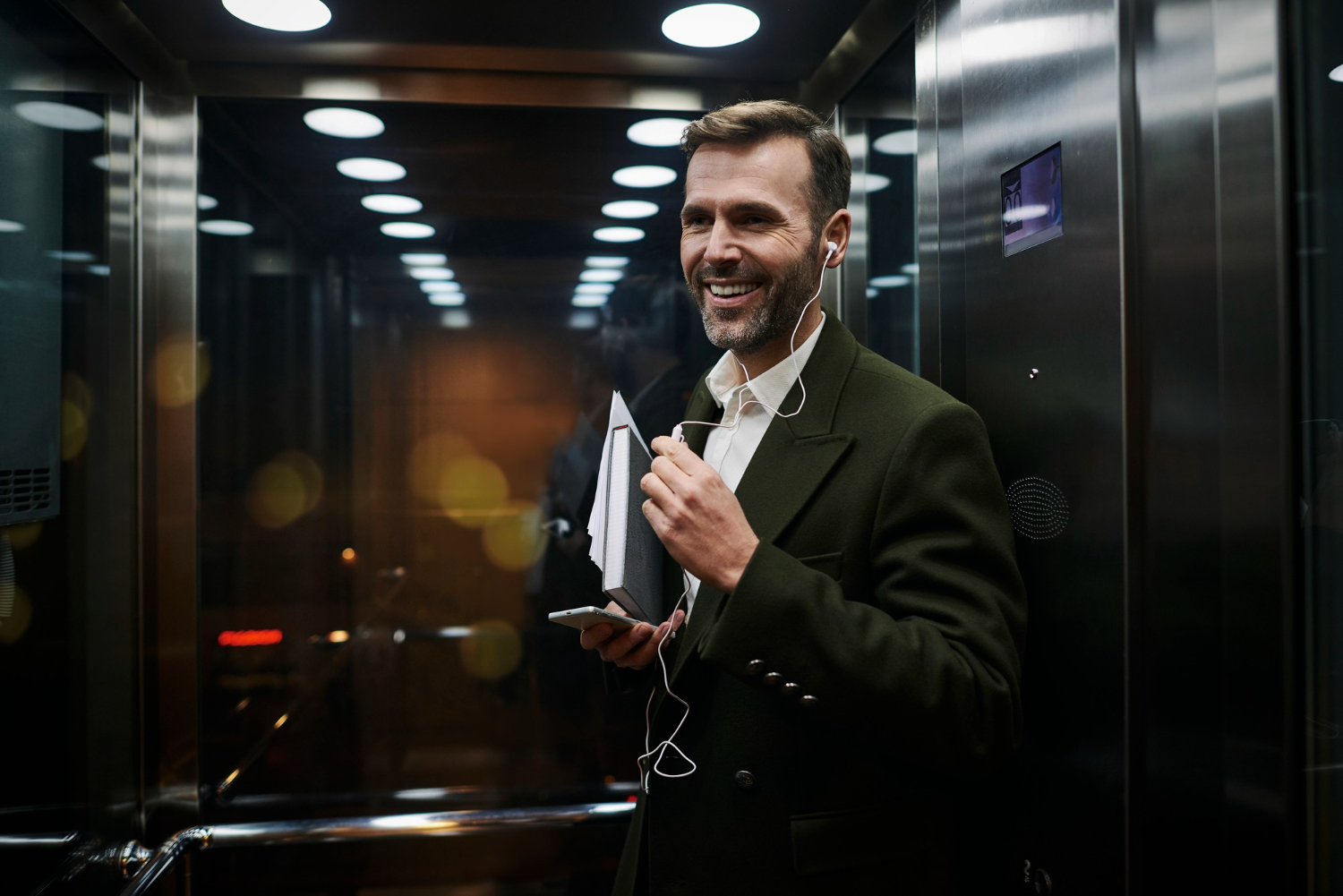
Elevators amplify sound, so a casual call can fill the cabin like a public announcement. Staff routinely hear speakerphone chats, video clips, and voice notes echoing off metal walls while strangers stand inches away with nowhere to step aside.
The noise is not the only issue. Room numbers, meeting plans, and travel details can drift to anyone listening, and quiet guest floors make that spillover feel even sharper.
Pausing the call, lowering the volume, or using headphones keeps privacy intact and tempers the mood. A quiet ride helps everyone arrive on their floor without carrying someone else’s conversation with them afterward.
Button Mashing And Extra Stops
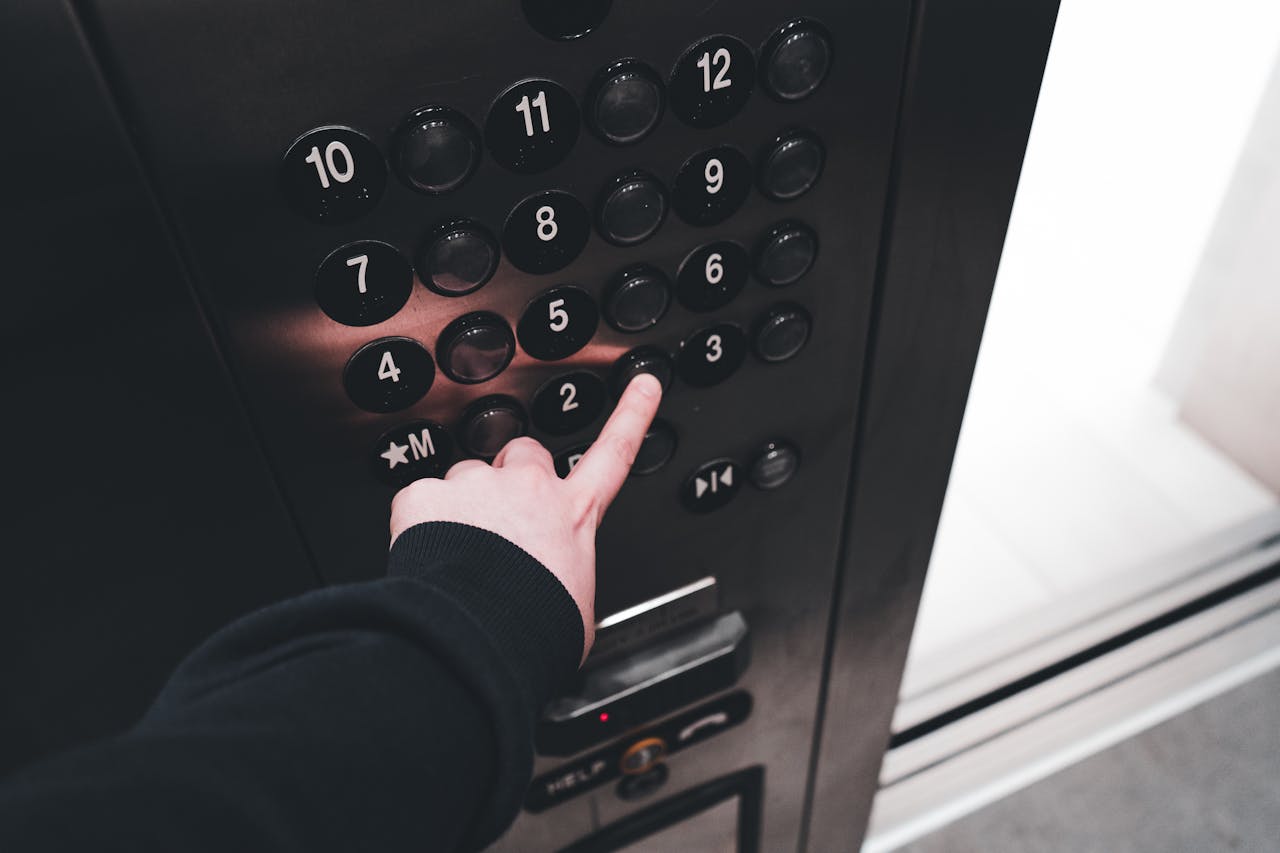
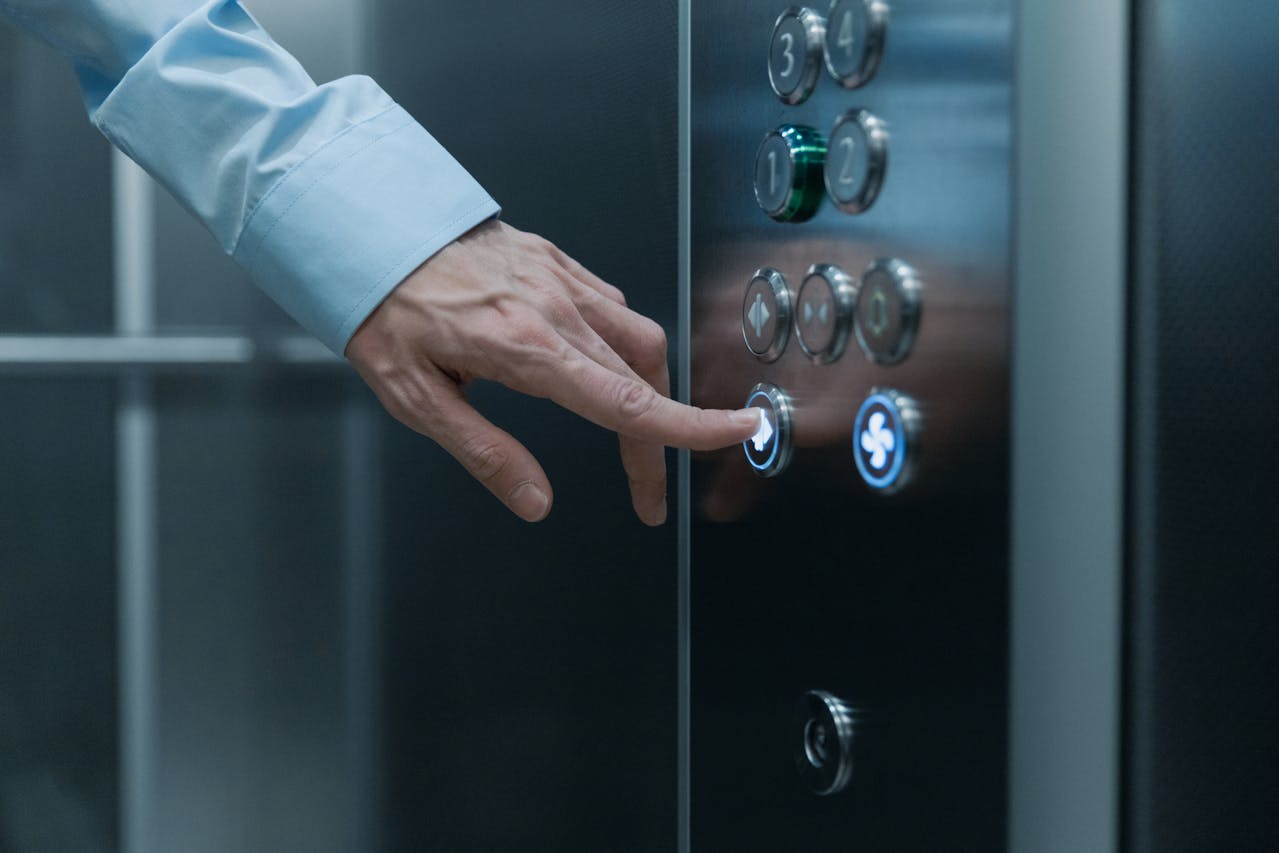
Some guests mash the call button, then press several floors inside as if the elevator needs coaching. Most systems already registered the request, and extra taps can create mystery stops that waste time and irritate a full cabin.
Staff see the fallout during busy hours: doors open on a random level, nobody enters, and riders exchange looks while the schedule slips. Smudged panels and crowded elbows add to the sense that the car is spiraling.
Choosing one floor, then stepping back so others can reach the panel, keeps the ride predictable. It reduces needless stops and helps the building cycle cars faster when demand is high.
Stopping Right Inside The Doors
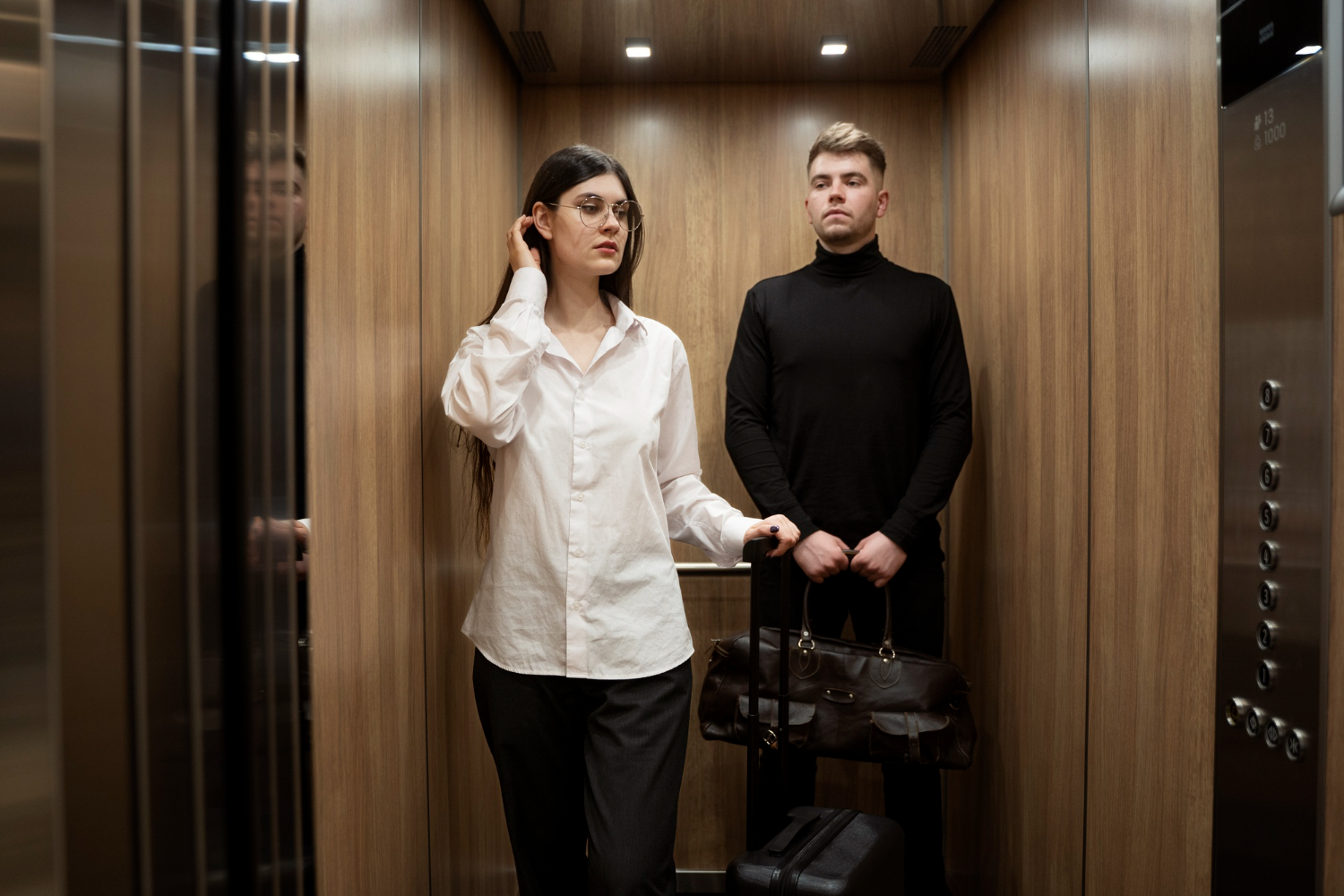
Guests sometimes step in and stop by the control panel, leaving open space behind them. In a busy lobby, that habit makes the car feel full too soon, so newcomers hesitate and the doorway clogs before the cabin is actually packed.
Staff watch the pattern repeat: doors reopen, bags brush jackets, and riders who need to exit must ask others to shuffle. Each stop turns into a small rearrangement, which slows traffic and raises tempers.
A few steps inward changes everything. Moving toward corners, keeping luggage close, and leaving a clear center lane lets boarding and exiting happen without a spoken negotiation almost instantly.
Holding The Door For Too Long
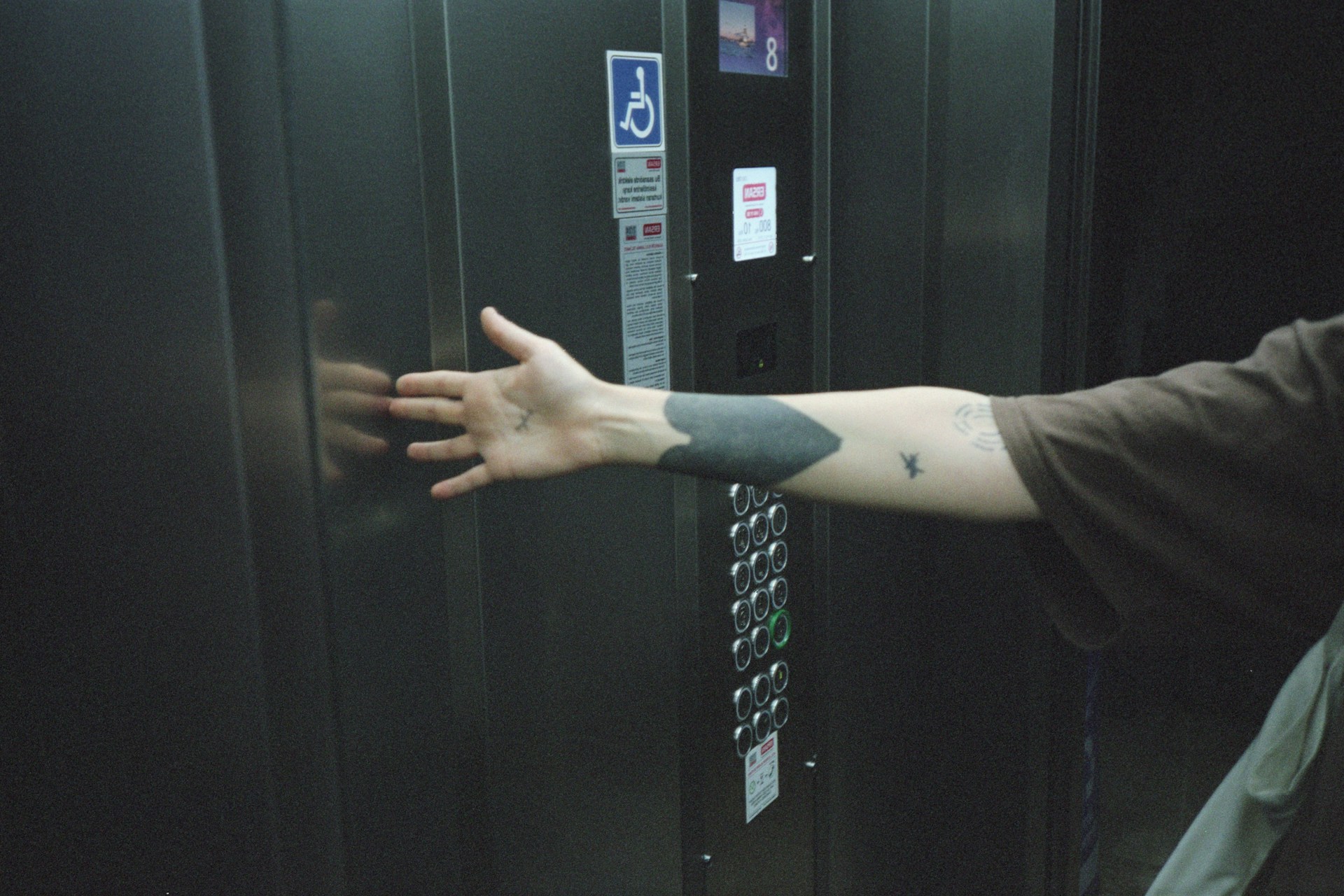
Holding the door for someone close is kind, but stretching it into a long wait changes the ride for everyone. The car sits open while riders stare down the hall, and the doors keep chiming as sensors reset and timing slips.
Staff in tall hotels see the math: one paused car means fewer trips per minute, longer lobby clusters, and tighter cabins upstairs. It also puts pressure on a runner who arrives flustered and still has to tap a key card or pick a floor.
A simple rule works. Hold the door only if the person is within a few steps, then let it close. The next car is usually the calmer choice for the whole group right then.
Unsecured Drinks And Strong Smells
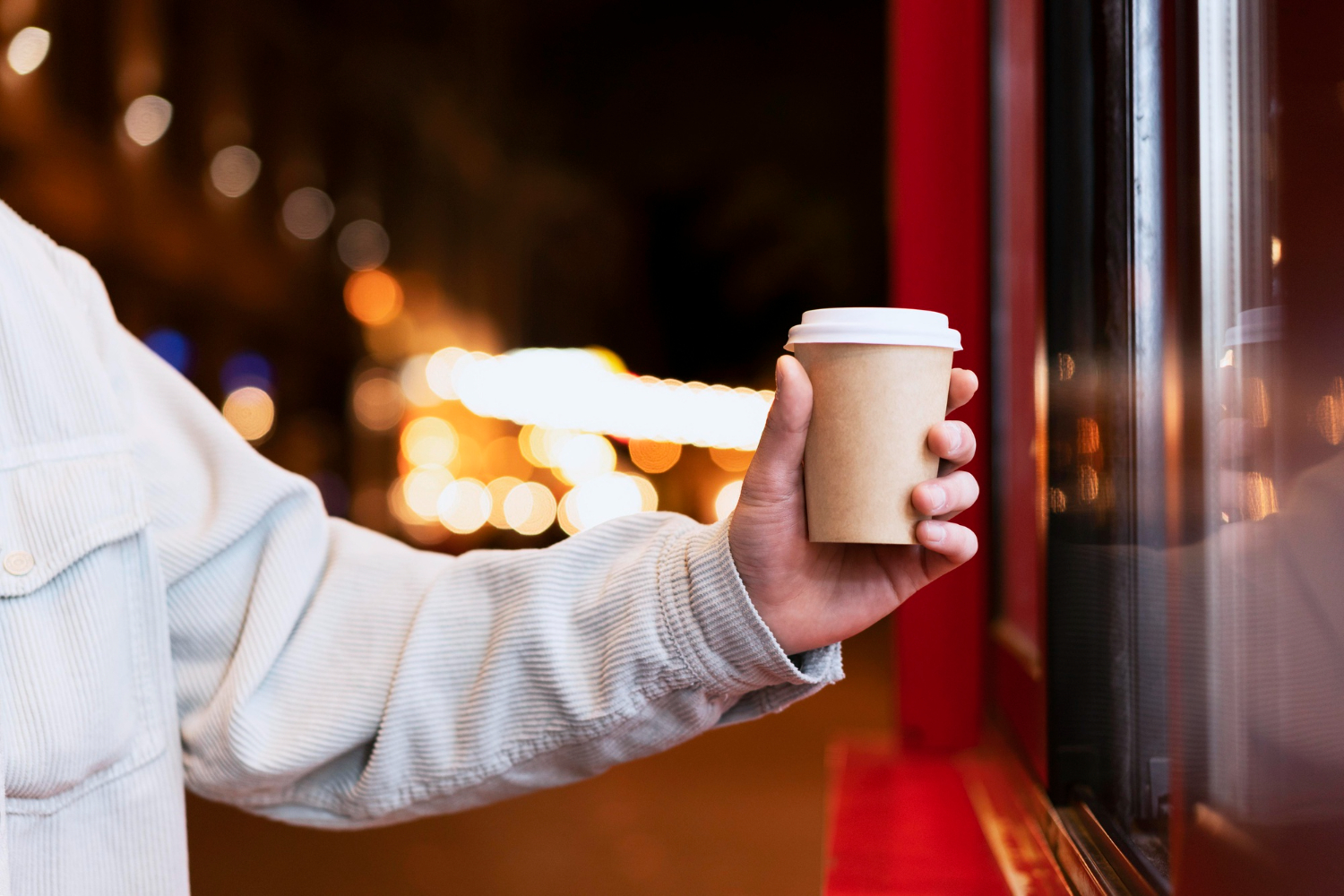
Elevators trap aromas, so uncovered takeout and heavy fragrance take over in seconds. Staff hear complaints when a late-night food run leaves a lingering smell, or when a drink sloshes and the sticky spot stays near the buttons. The car remembers it for hours.
It affects more than comfort. Strong scents can bother guests with sensitivities, and small spills can make the floor slick for the next rider stepping in with hands full.
Keeping lids tight, carrying bags upright, and saving extra spray for a larger space helps. A neutral, clean cabin feels more welcoming, especially during busy weekends when the elevator never stops moving.
Letting Kids Treat It Like A Play Space
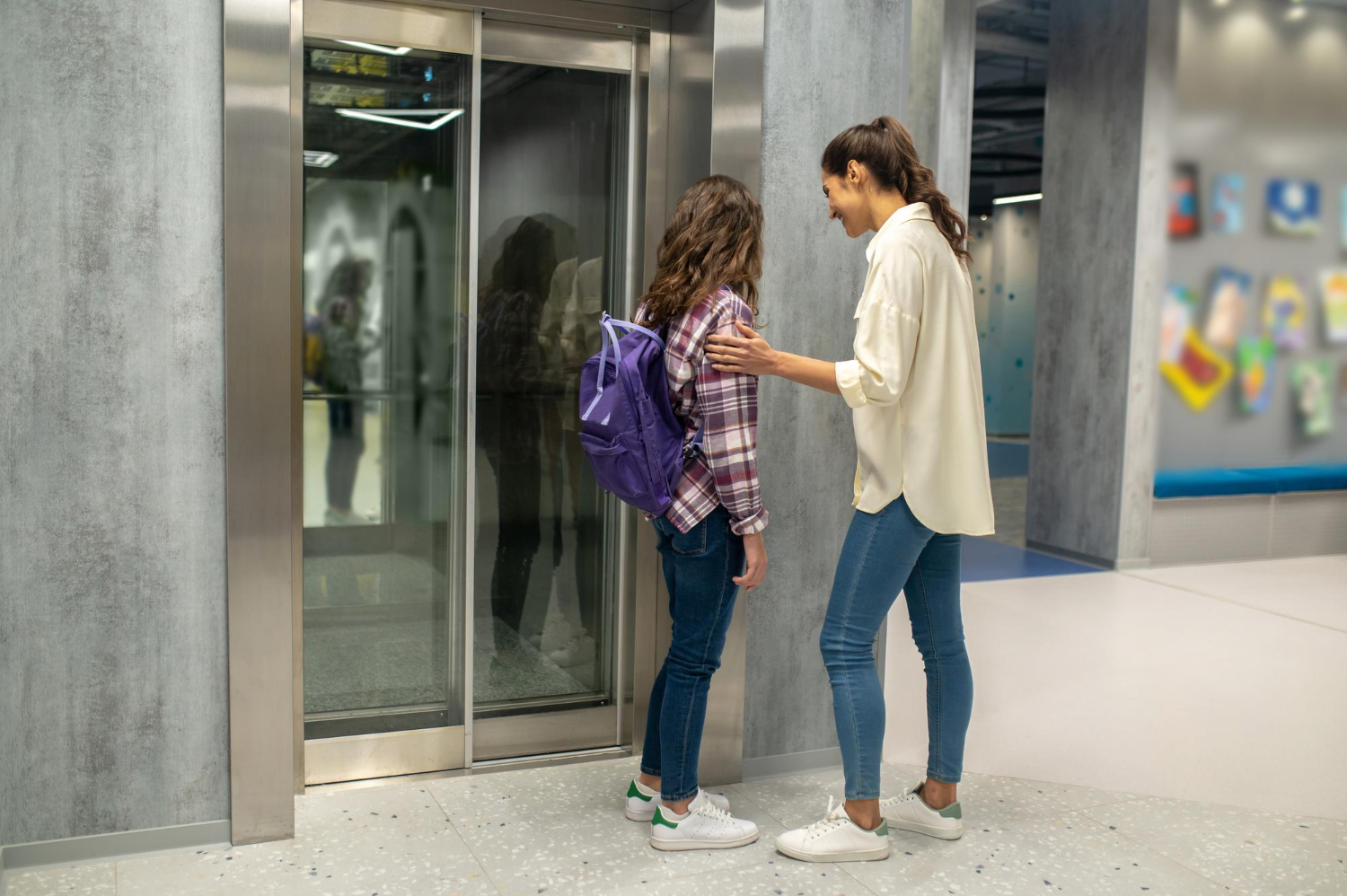
In many hotels, elevators become a quick play zone, with kids jumping, leaning on buttons, or swinging backpacks into mirrors. Staff know the energy is real after travel, but the cabin has hard edges and sudden stops that do not mix well.
The ripple is practical. Extra button presses add stops, noise carries into quiet guest floors, and other riders feel trapped in a scene they did not choose.
Keeping children close, holding bags low, and using calm voices makes the ride safer and shorter. It protects panels and mirrors, and it keeps the elevator from becoming the moment a peaceful stay starts to feel tense for anyone nearby.
Cutting In Front Of Carts And Mobility Needs
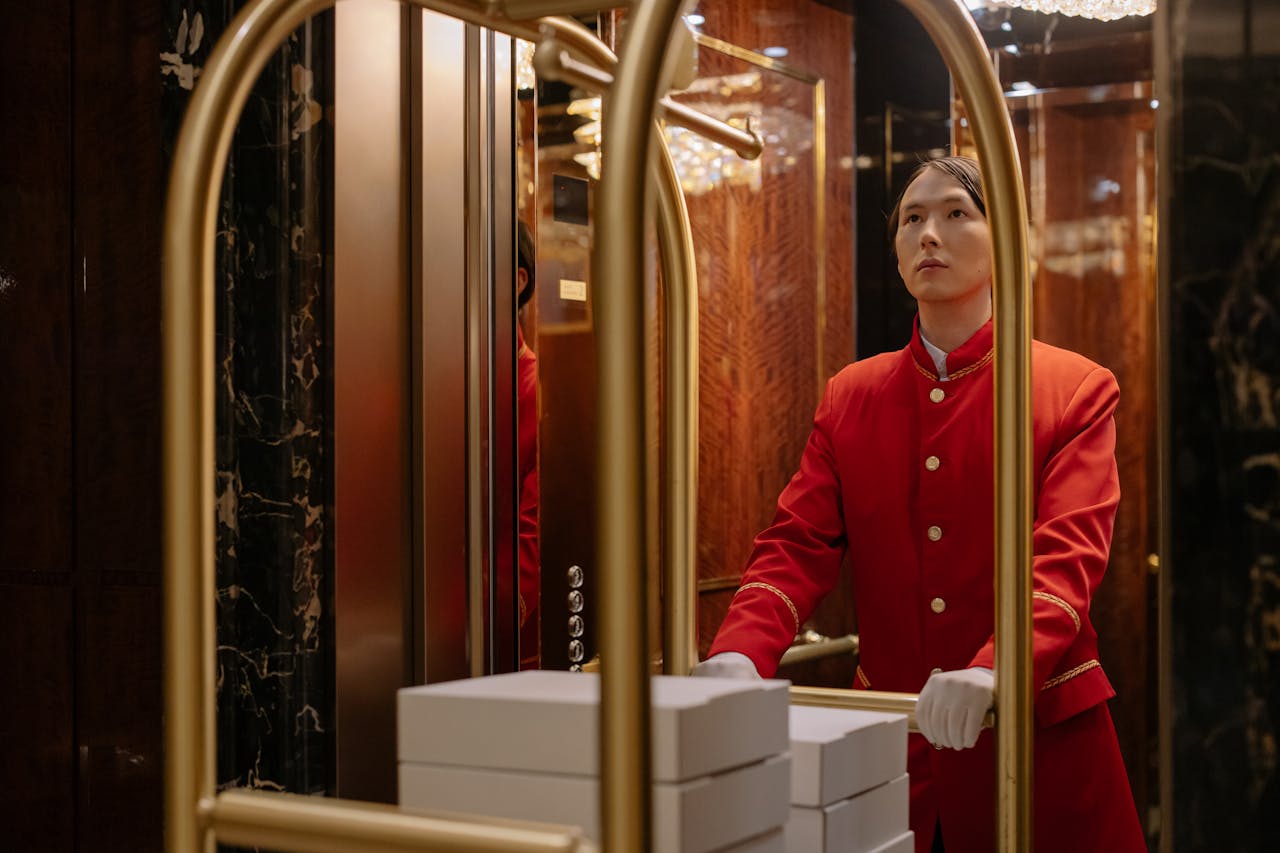
Guests sometimes crowd in ahead of a wheelchair, a walker, or a staff cart, assuming there will still be room. In a tight cabin, that choice forces someone who needs space and stability to wait again, even though the elevator is their best route.
Staff notice it during linen runs and checkout waves, when carts are time-sensitive and hallways depend on them. Crowding also raises the chance of bumped hands and clipped wheels, which helps nobody.
Letting mobility riders and working carts enter first, then taking the next car when space is limited, keeps things respectful and efficient. The hotel runs smoother, and the ride feels less strained.