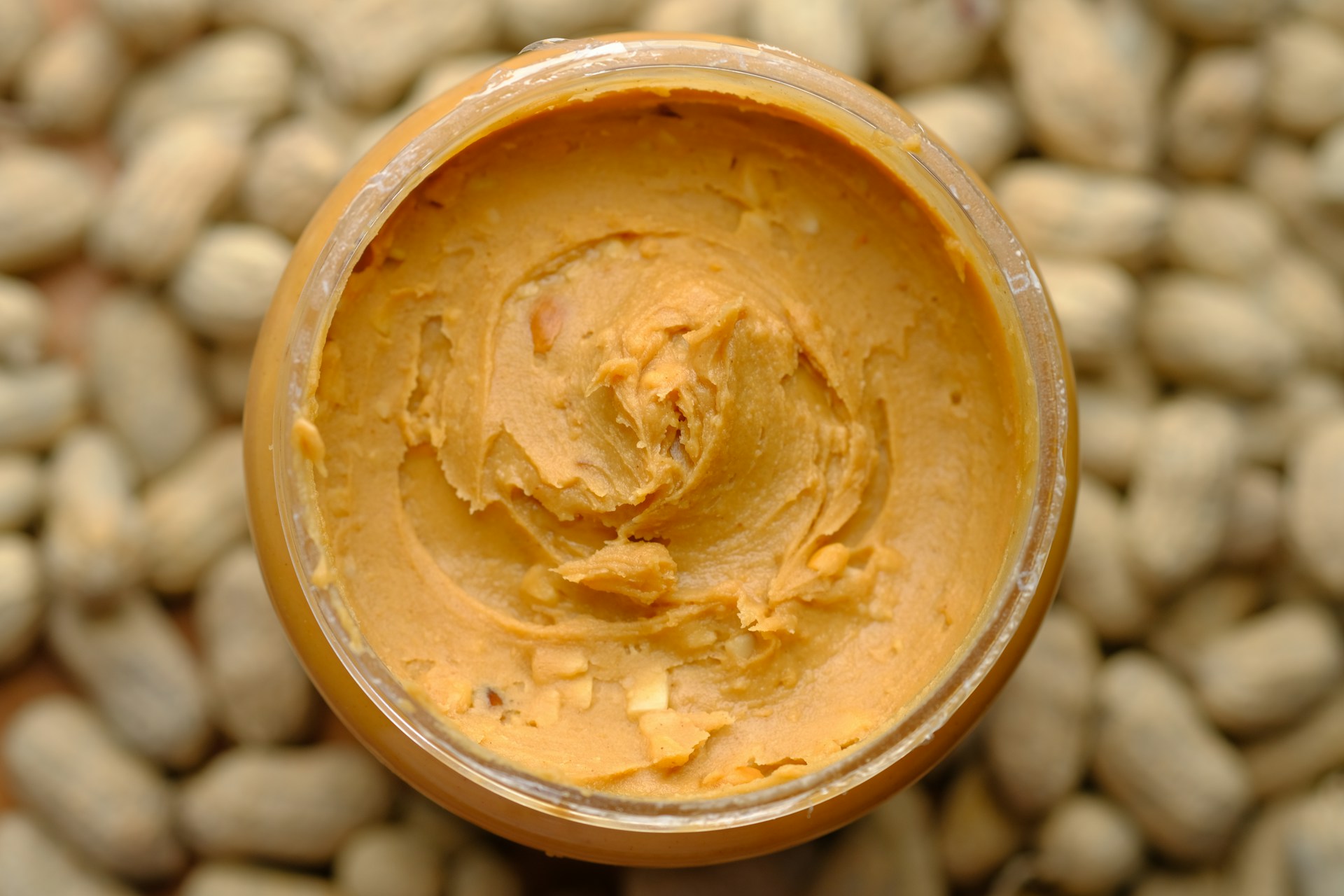
A pantry recall rarely feels dramatic. It arrives as a headline, a lunchbox habit, and a stack of snack packs that look identical when mornings run tight. Busy households end up scanning labels under kitchen lights, trying to remember where the packets came from. Loose packets drift from schools and office pantries; the trail disappears fast.
This FDA action covers single-serve peanut butter and peanut butter-and-jelly snacks made by Ventura Foods LLC. The recall began in 2025 and was upgraded to Class II after blue plastic pieces were found during production, a detail that has many families sorting bins and questioning what is safe to keep..
Why Single-Serve Packs Are Hard to Track
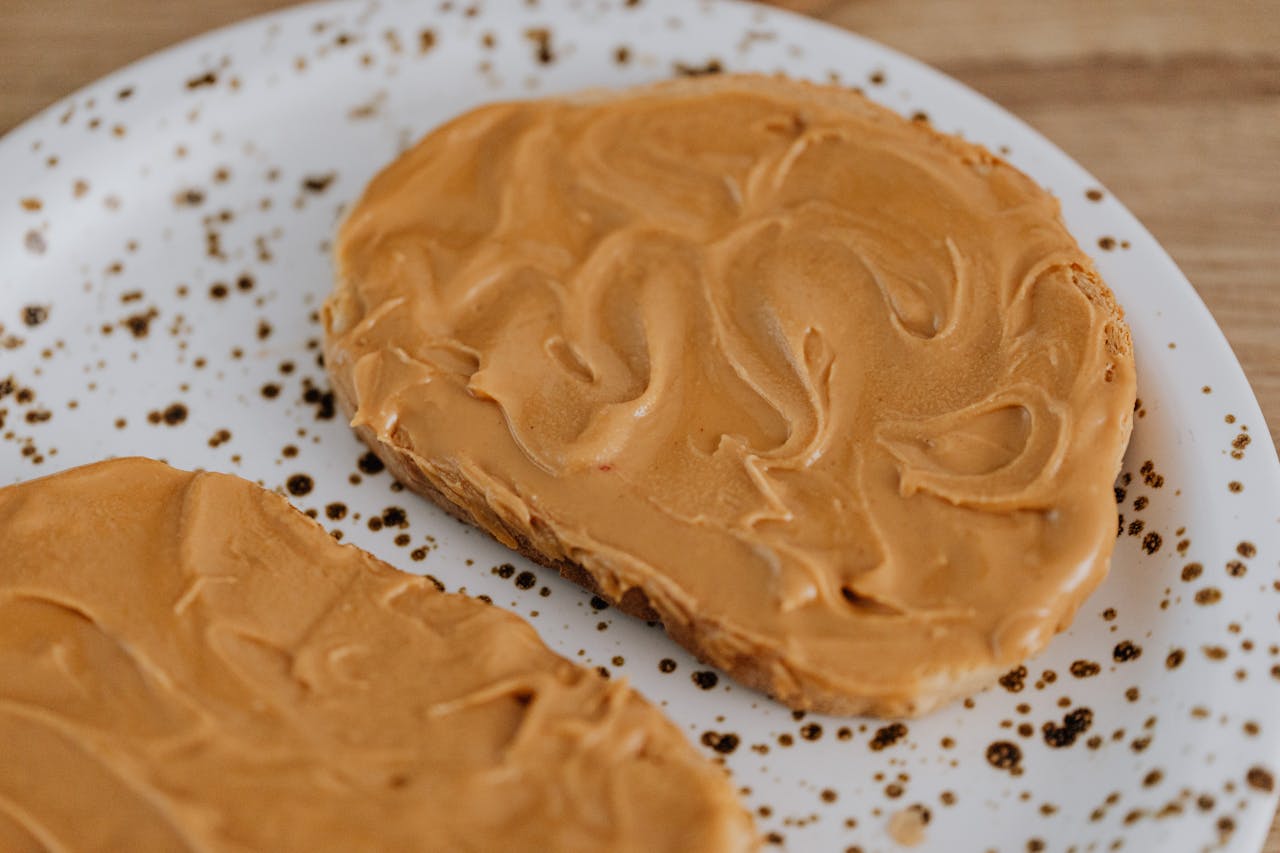
Most people imagine a jar with a bold label, but this notice centers on single-serve portions meant for quick meals. Packets and PB-and-jelly cups slide into drawers, backpacks, desk caddies, and car snack kits, usually without the outer case that carries the clearest identifiers.
Once that carton is tossed, a familiar-looking pack can turn into a mystery. Brand names vary across distributors, and the codes that matter are printed small. That is why the recall creates pantry confusion: the snack feels routine, yet confirming it takes a slower glance than busy mornings allow. Convenience is what makes the sorting harder today.
What A Class II Upgrade Means
The recall began in 2025 and was later upgraded by the FDA to a Class II notice after an increased risk assessment. The trigger was pieces of blue plastic found during production, which shifted the issue from a minor defect to something the agency wanted flagged more clearly.
The FDA also noted that serious health consequences are unlikely, and it did not confirm reported illnesses in the notice. That nuance matters in real kitchens. The goal is quick removal of affected items and steady verification, not spiraling worry that makes every sandwich feel suspect. A calm response keeps routines intact. It is a reminder to check, then move on.
The Products Named In The Notice
The affected items are single-serve peanut butter and peanut butter-and-jelly combination snacks produced by Ventura Foods LLC and distributed under multiple brands. More than 20,000 cases are involved, which explains why the same type of packet may pop up in several places in the same week.
Because these packs often move through food-service channels, they can appear in cafeterias, hospitals, offices, and catered events before ending up at home. Label style alone is not a reliable signal. The deciding detail is whether the specific product and lot information matches the recall notice. Keeping similar snacks separated helps.
Where The Distribution Widens Confusion
The products were shipped to retailers across dozens of states, including large markets such as California, Texas, New York, and Florida, plus many others. A footprint that wide makes it hard to trust casual reassurance like it is not sold here, especially when bulk snack cases travel between organizations.
In practice, a sleeve of packets can come from a school event, a workplace pantry, or a relative’s shopping run. By the time it reaches a kitchen bin, the purchase trail is fuzzy. That is how uncertainty spreads: not through drama, but through ordinary sharing and convenience. Wide distribution turns guessing into a bad plan.
How To Check Lot Codes Without Stress
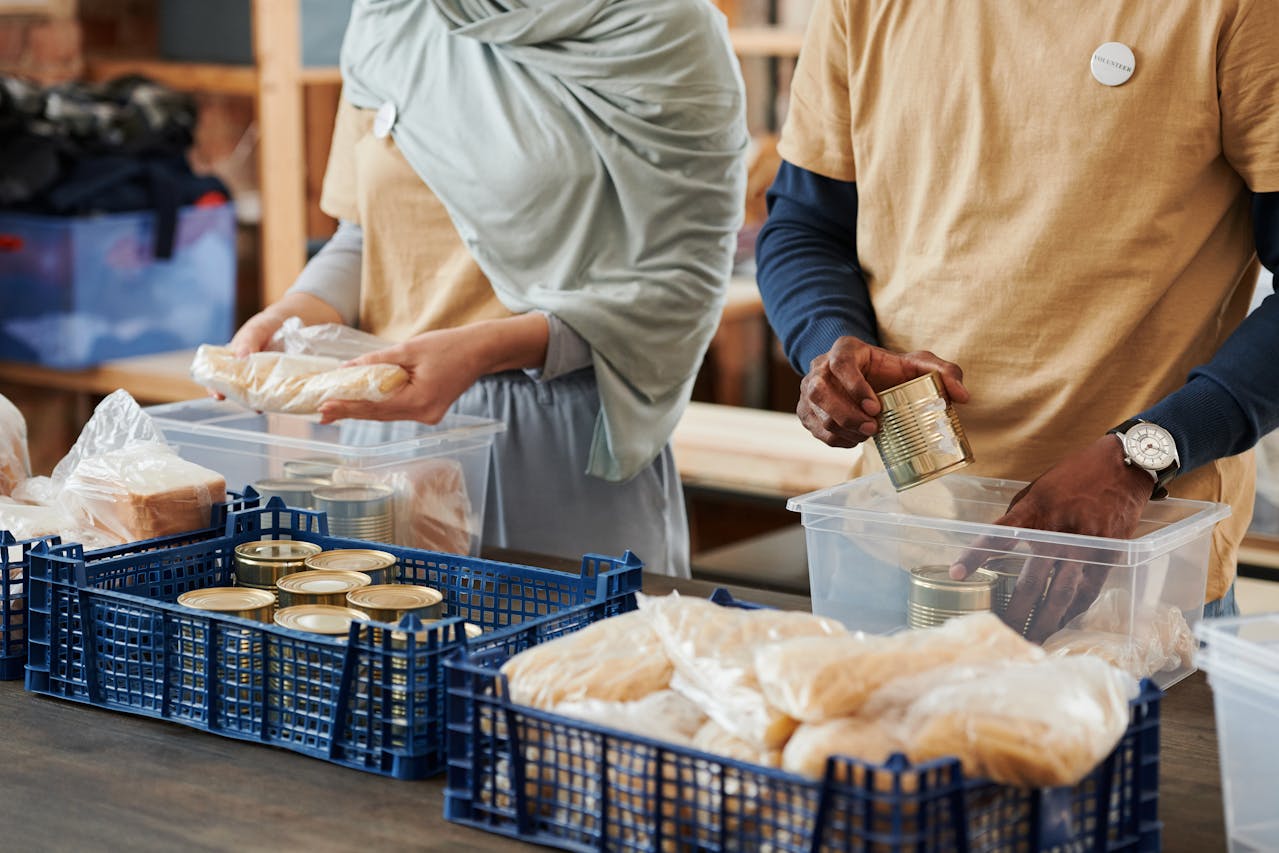
A practical triage starts by sorting formats. Full-size jars can be separated first, since this notice focuses on single-serve packs and combo snacks. Then loose packets can be gathered from lunch bags, drawers, and those catch-all bins that collect backup snacks for busy days.
Next, the product name, size, and lot information can be compared with the FDA recall notice. If a code is missing, smeared, or unreadable, it cannot be verified, even if the packet looks identical to a safe one. Many households find it easier to discard the unknown packet than to keep a question mark in rotation. That decision saves time later especially on weekdays.
What To Do When The Outer Box Is Gone
Bulk cases often get opened and poured into clear containers, which keeps shelves tidy but strips away the carton that carries the strongest identifiers. When the outer box is still around, keeping it until every pack is used creates a simple paper trail that saves time later.
When the carton is gone, the remaining clues are the small printed codes on individual packs and the brand or description text that matches the recall listing. If neither can be confirmed, disposal is the safest call. Donating unverified product usually just moves the same doubt to another household. Bin labels can prevent repeat mix-ups. A marker and tape do wonders.
Handling Snacks For Kids And Older Adults
Foreign material concerns can feel especially stressful when snacks are intended for kids, older adults, or anyone with dental work. Even when serious health consequences are unlikely, a hard fragment can still cause immediate discomfort, which is enough reason to be strict about verification.
If someone already ate a pack and feels fine, the situation can stay calm. If discomfort shows up, keeping the wrapper or printed code helps a clinician understand what was consumed. Either way, pulling questionable packets prevents a repeat of the same uncertainty tomorrow, when rushed snack decisions are most likely. Bins help everyone choose safely.
A Recall Routine That Fits Real Life

Recalls are easier when a pantry follows one small rule: single-serve items stay in their original box until they are used up. It keeps lot details attached to the product and prevents look-alike packets from getting mixed together in one unlabeled bin.
A second habit is a monthly five-minute scan of the snack zone, especially after big shopping runs or school events. When a notice hits, the steps stay consistent: verify, discard affected product, and replace with a clearly labeled alternative. That simple structure gives busy households back confidence at breakfast and lunch. Routine beats rumor every time, at home, too now.