Some filming locations stay quiet for years, known mostly to locals and a few devoted fans. Then access widens, a tour starts, or a rule changes, and the place begins to run on timing, not mood.
The surge is rarely subtle. Small streets fill with cameras, fragile paths wear faster, and even ordinary homes start living on visitor schedules. These legendary sites still deliver a spark, but the early rush can flatten the magic into lines, noise, and hurry. The best visits tend to happen at off-hours, when the set can feel like a place again, not a backdrop. A shorter stop and a lower voice can leave more behind than a rushed photo sprint, also.
Maya Bay, Thailand
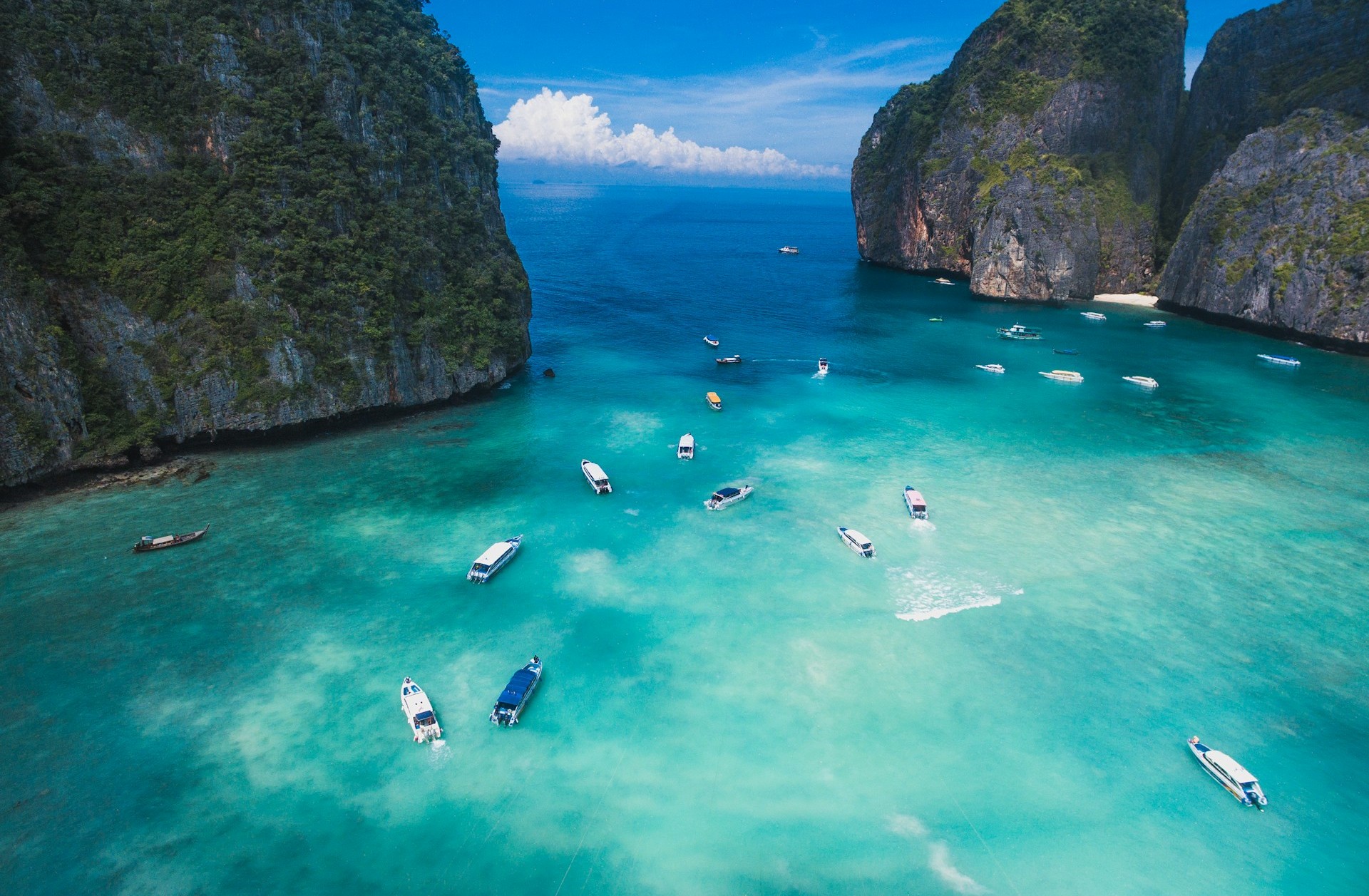
Maya Bay became famous through “The Beach,” and the cove’s beauty turned into a kind of public dare. After closures and a carefully managed reopening, visitors returned quickly, and boat schedules started to set the tempo.
Even with limits and rules meant to protect the bay, the experience can feel timed. Paths bottleneck, photo clusters form at the same angles, and the shoreline shifts from calm to crowded before late morning. On quieter days, the water still glows and the cliffs still hush the air, but the mood is fragile. A single wave of tours can turn the visit into a fast loop and a brisk exit. Early boats often feel gentler than noon.
Skellig Michael, Ireland
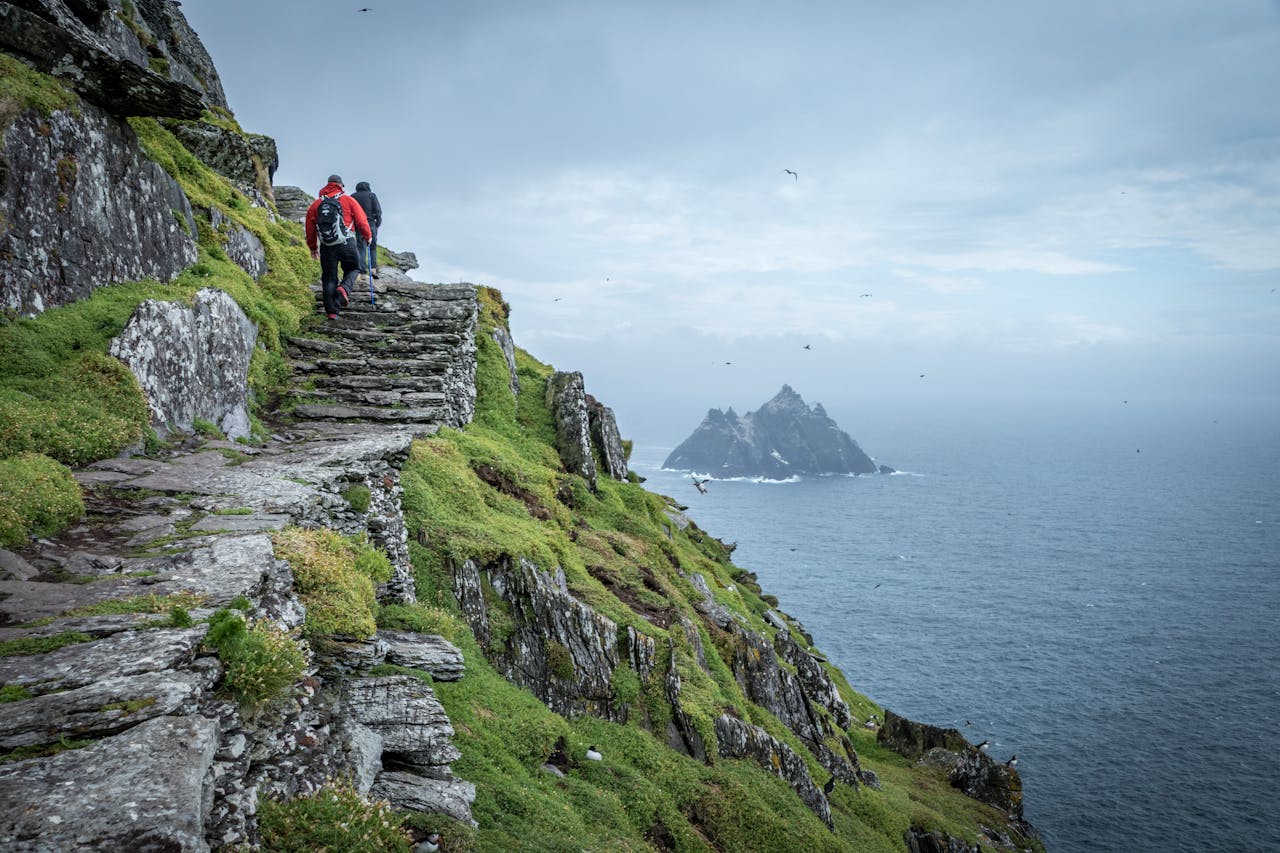
Skellig Michael looks like a myth set in stone, and “Star Wars” turned it into a pilgrimage. Access is seasonal, weather-dependent, and limited, so every calm forecast triggers a rush at harbors.
When boats land, visitors funnel onto the same steep steps and narrow terraces. The route demands focus, yet crowds create stop-and-go moments that sap the solitude the island is known for. Guides keep groups moving, and the timetable back to shore can cut lingering short. On a clear morning, the sea and sky still feel vast, and the monastic ruins still carry quiet power, but the day often runs on quotas and clockwork rather than wonder. Even there.
Glenfinnan Viaduct, Scotland
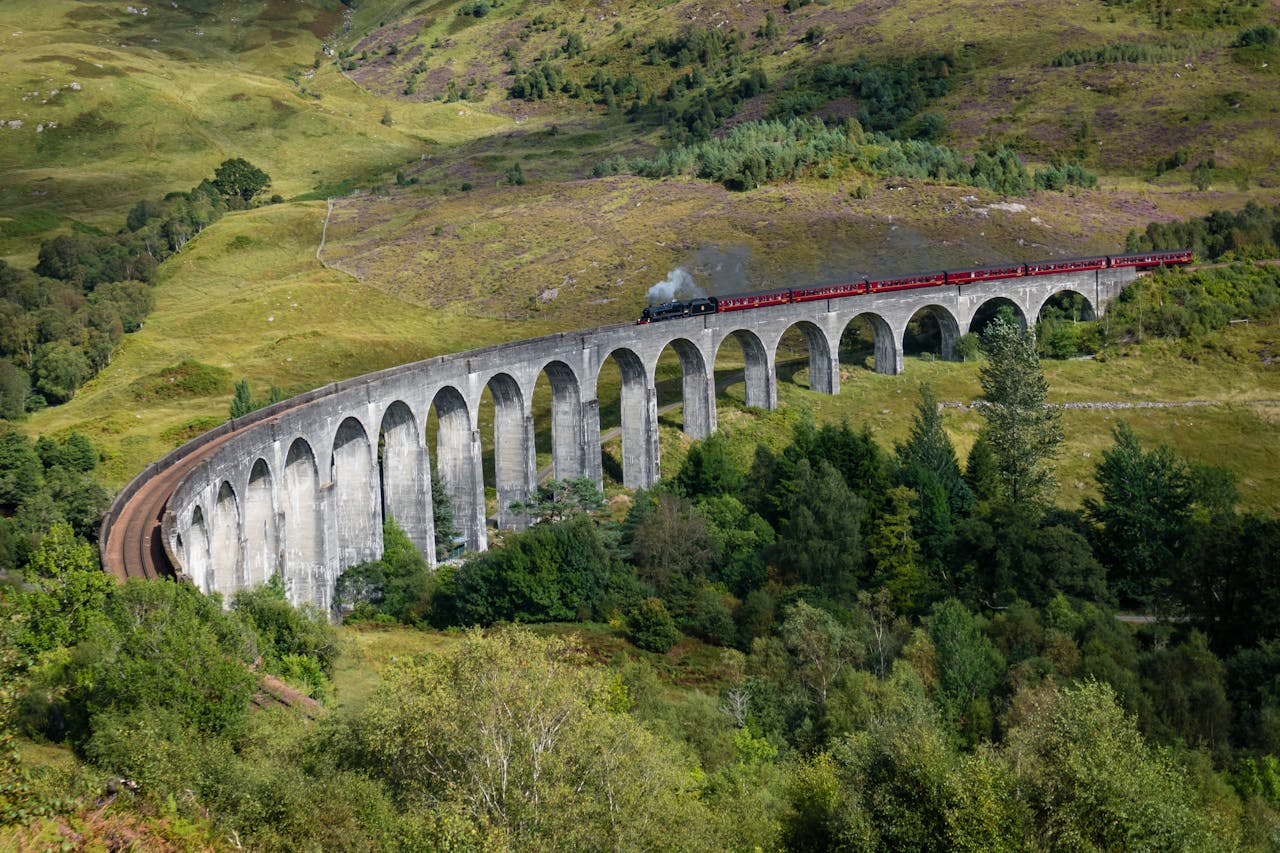
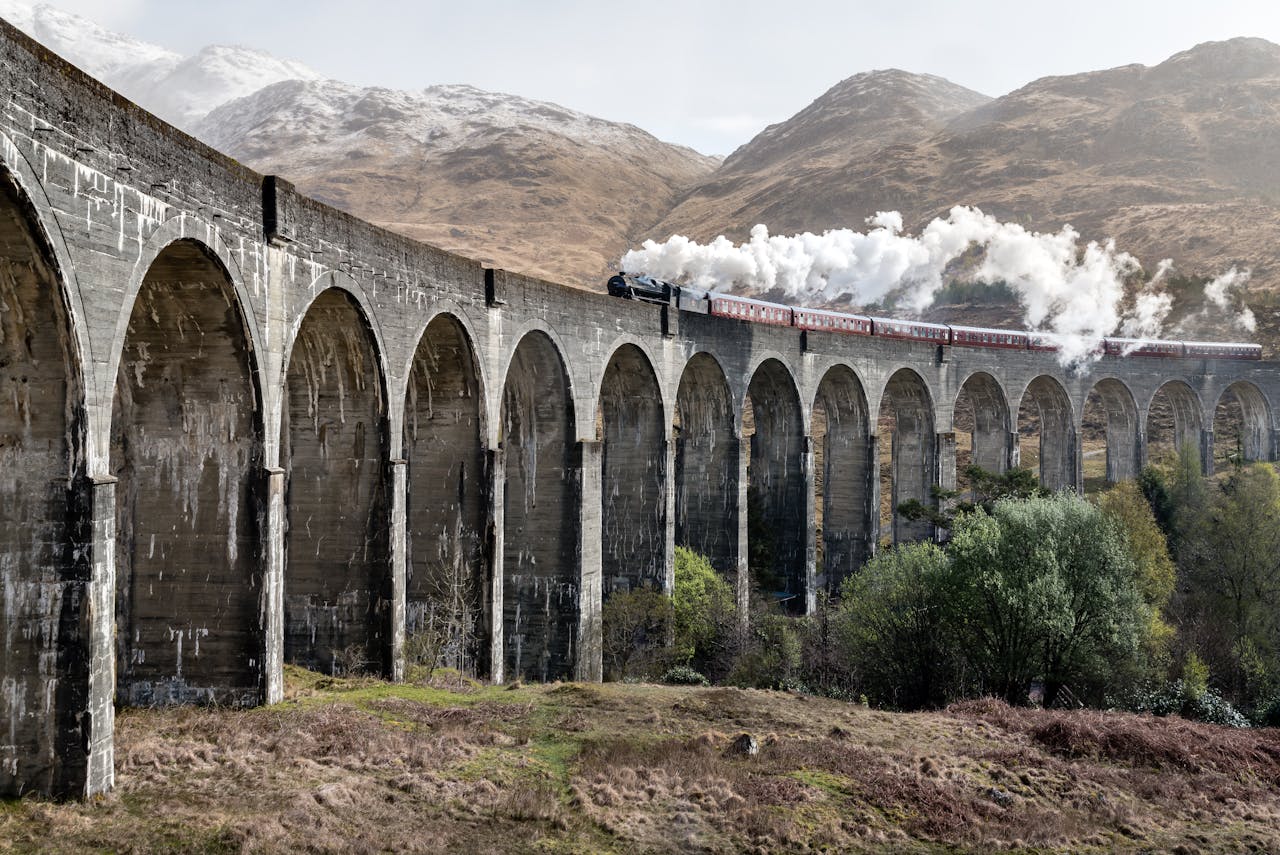
Glenfinnan Viaduct became the “Harry Potter” postcard, and the hillside now behaves like a theater before showtime. Fans arrive early check the train time, and line up for the same curve in the same patch of grass.
As crowds build, paths and parking fill, and the slope turns into a slow shuffle of cameras and coaching. If the schedule slips, the wait stretches, and the mood shifts from scenic to tense. When the whistle finally comes, everyone surges at once, and narrow roads clog on the way out. The view is still strong, but the chase for a perfect frame often replaces the simple pleasure of standing still and watching the Highlands breathe.
The Dark Hedges, Northern Ireland
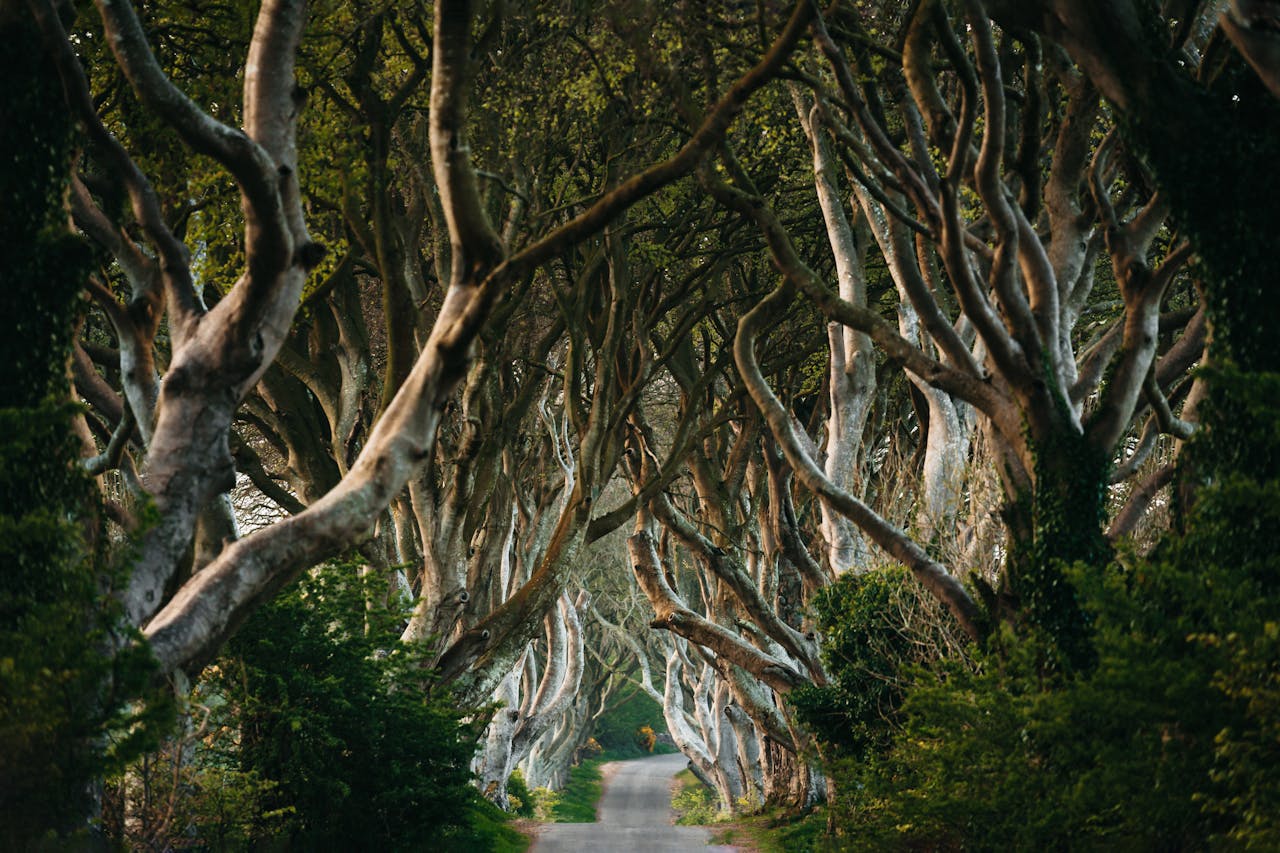
The Dark Hedges became the Kingsroad in “Game of Thrones,” and a rural lane turned into a fixed stop on tour routes. As visits spiked, officials restricted vehicle access to protect the trees and ease congestion.
The crowd did not disappear, it just changed shape. Coaches unload nearby, visitors funnel into the tunnel for the same shot, and the lane can feel like a rotating studio set. In wet weather, shoulders churn into mud, and roots take the stress of constant foot traffic. In soft light, the trees still feel cinematic and eerie. At midday, atmosphere thins, and the moment becomes a fast photo, a quick check, and a push to the next stop.
Dubrovnik Old Town, Croatia
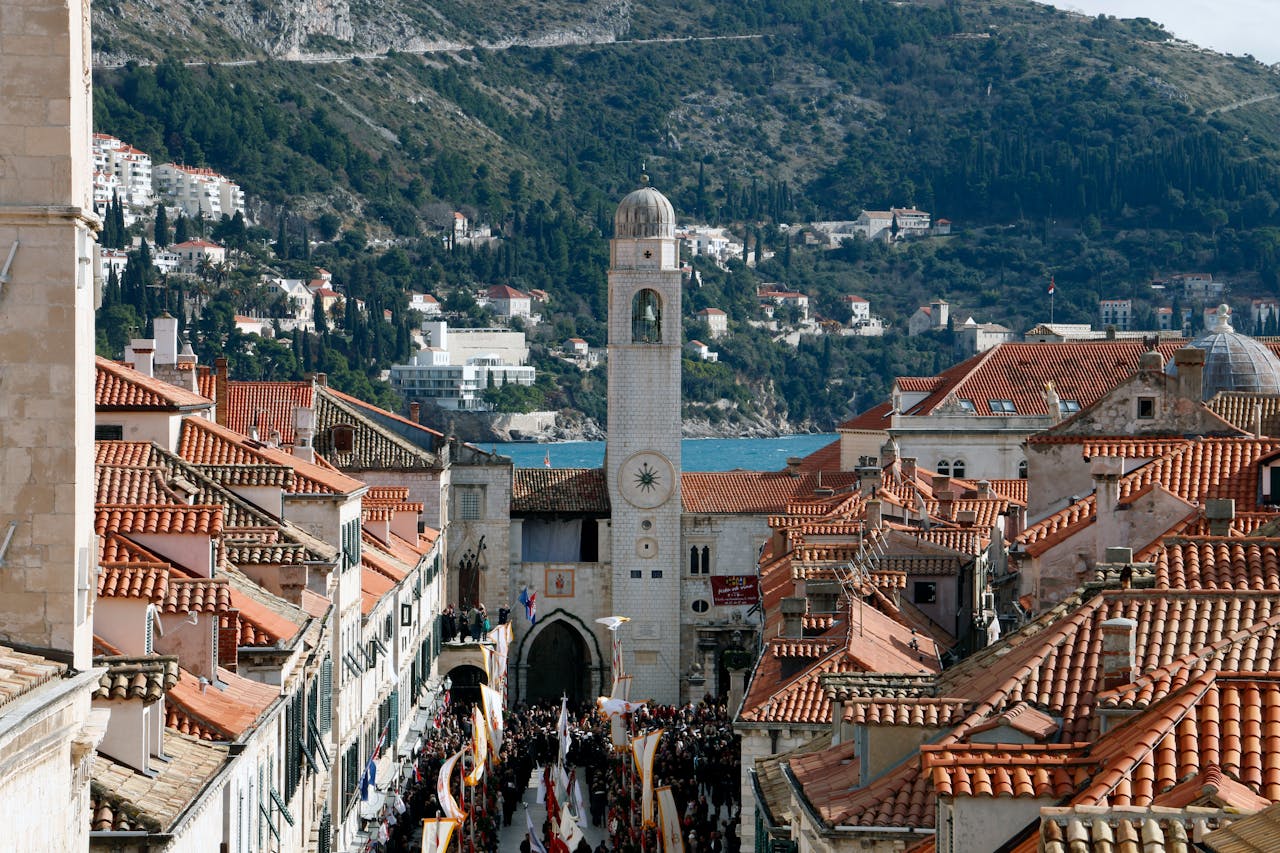
Dubrovnik’s Old Town played King’s Landing in “Game of Thrones,” and the fame became a day-trip pipeline. When cruise calls and guided walks align, the stone lanes compress fast.
Walls, stairways, and shaded alleys still feel cinematic, but the lived-in details can vanish in the shuffle. Bottlenecks form at gates and narrow steps, and heat turns slow movement into a long drift. Cafes fill, then refill, and quiet courtyards stop feeling quiet. Early morning can still bring bells and a gentler pace. By midday, many visitors watch their phones for gaps in foot traffic instead of watching the city itself. Late afternoon can bring relief briefly.
Highclere Castle, England
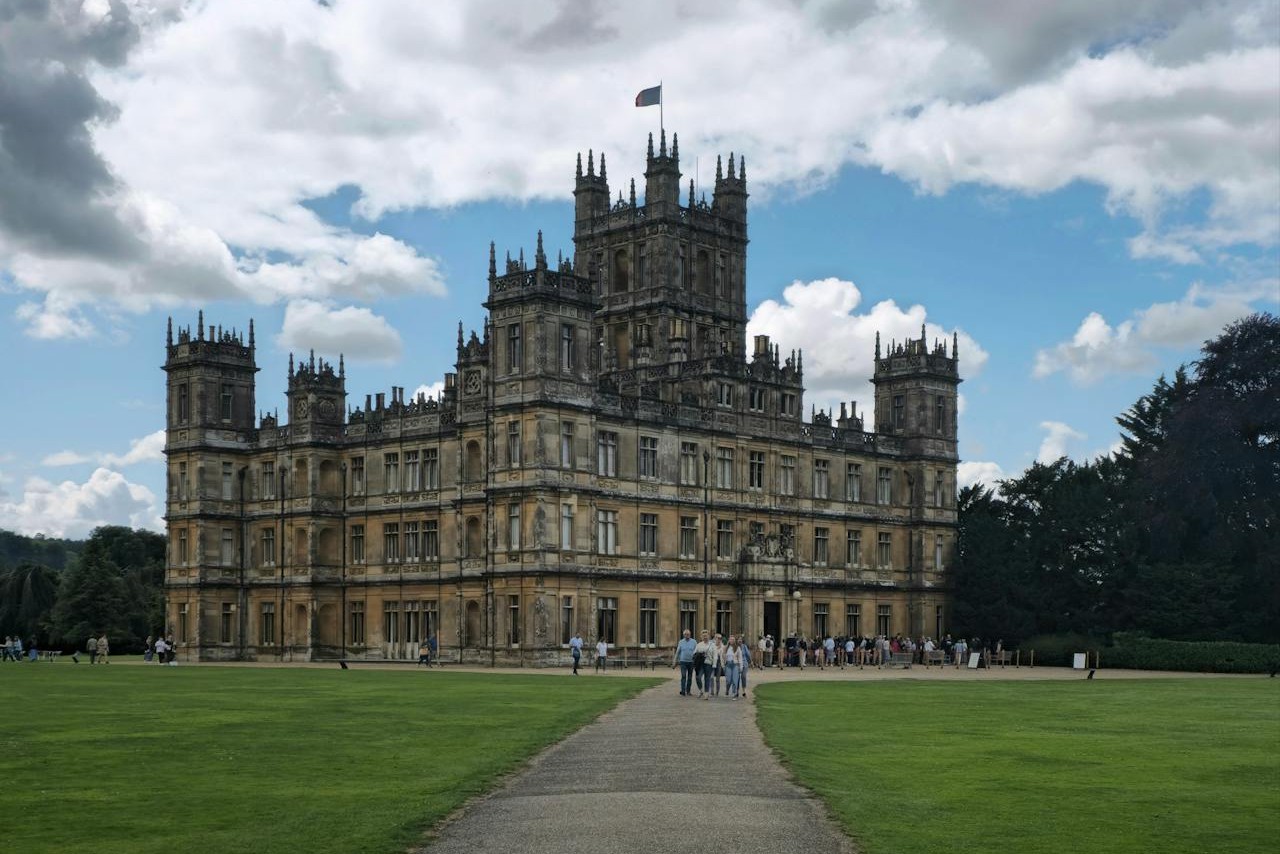
Highclere Castle, the home behind “Downton Abbey,” turned tours into a ticket chase. Limited visiting days and timed entries create urgency, and busy weeks sell out fast.
The grounds are wide, but the flow concentrates in the same rooms, staircases, and tea areas. Buses arrive in clusters, photos slow the pace, and corridors feel tight once groups stack behind guides. The house’s quiet details can vanish in the shuffle, replaced by a careful wait at each doorway. On calmer dates, the estate feels spacious and real. On peak days, it can feel like a moving line through a memory. A morning slot often offers the most calm before the rush builds.
Hobbiton Movie Set, New Zealand
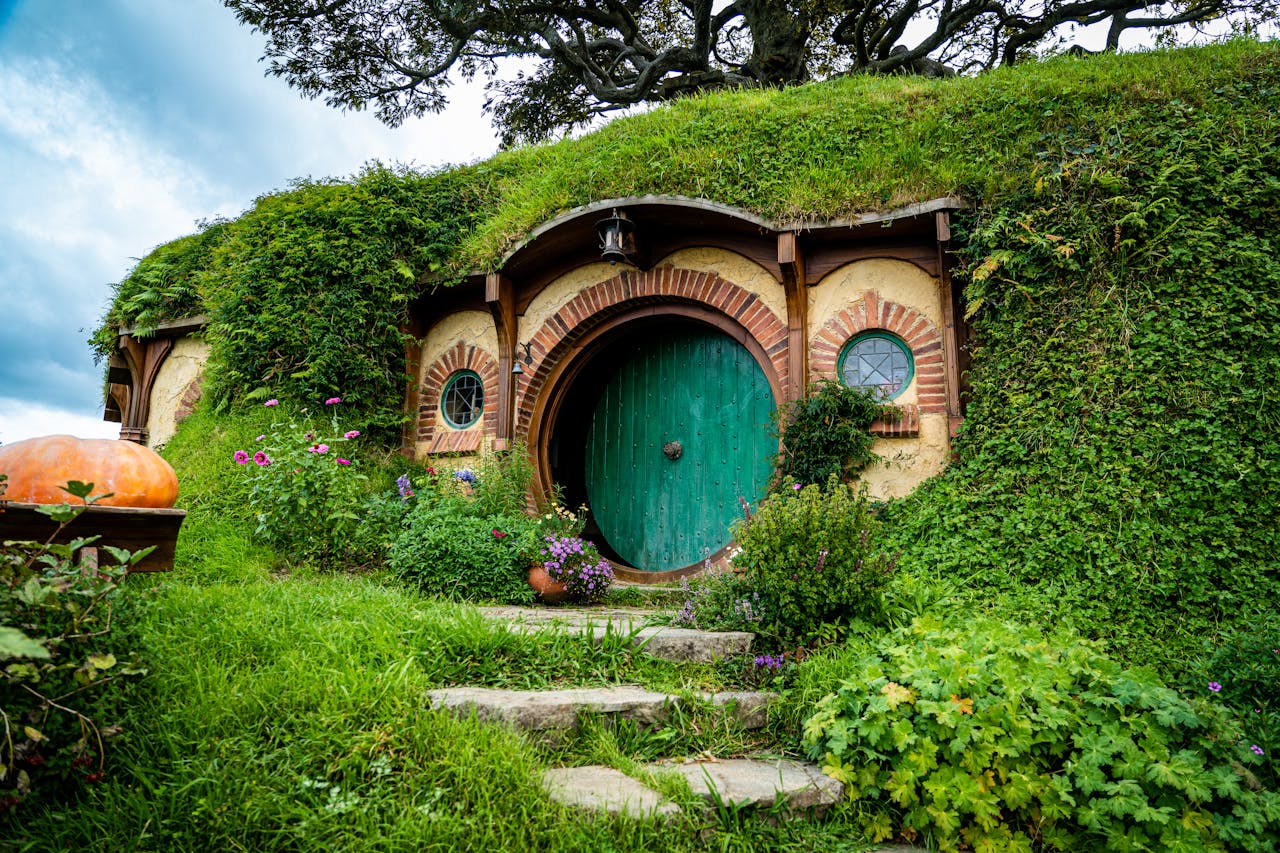
Hobbiton in Matamata, built for “The Lord of the Rings” and “The Hobbit,” opened as a tour set and became a booking scramble. Once fans learned the village was permanent, demand stopped being seasonal.
The gardens are lovely yet the visit runs on timed departures and group pacing, which can blunt the feeling of wandering. Popular doors and bridges create quick queues and guides keep the group moving to hold the schedule. Photo pauses stack, chatter fills the lanes, and the quiet details can be missed. On calmer mornings, the set feels like a storybook. On packed afternoons, it can feel like a brisk walkthrough of a dream, pretty but hurried.
Alnwick Castle, England
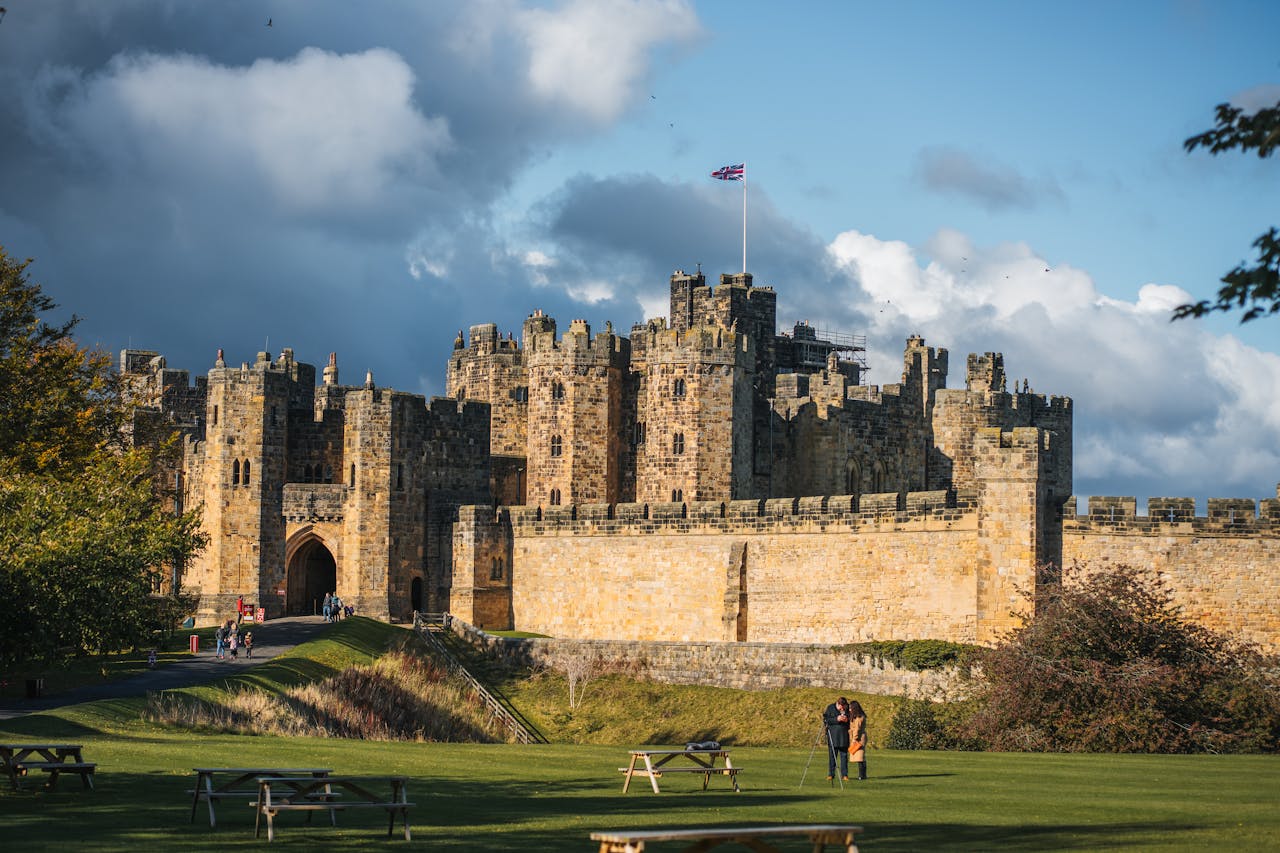
Alnwick Castle, seen in the early “Harry Potter” films, turned tours and broomstick sessions into a fan magnet. Once the experience was formalized, peak days began to book out quickly.
The courtyard is spacious, but crowds gather where guides stage photos and familiar angles. Families queue for activities, and the flow can feel like an event line rather than a slow castle visit. Inside, narrow passages and shop areas tighten fast, and the day runs on announcements and time slots. The stonework still impresses, yet the mood shifts when every corner becomes a repeat stop for the same shot. Late afternoon often feels looser once tours thin out.
Kualoa Ranch, Hawaii
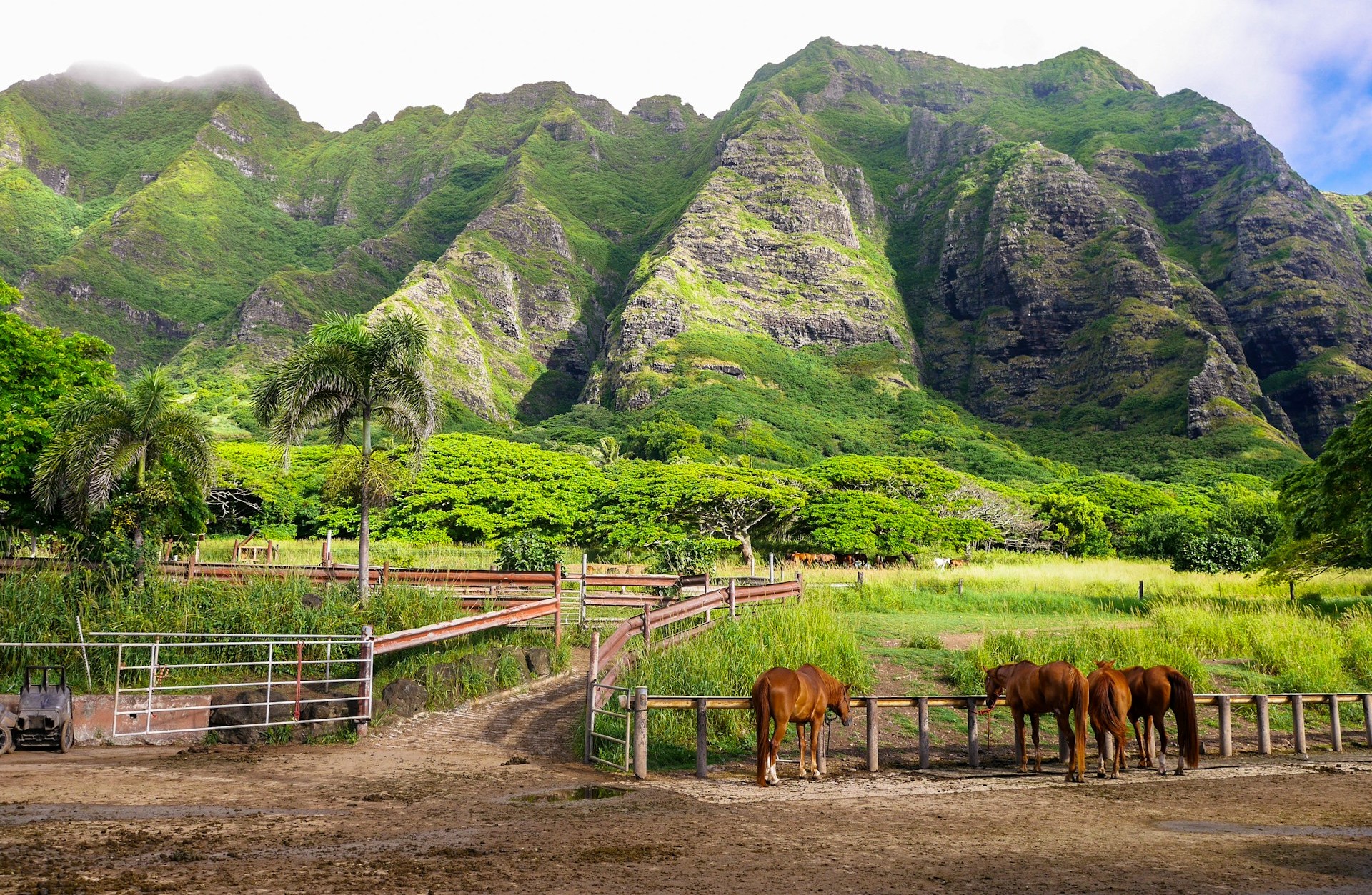
Kualoa Ranch on Oahu, seen in “Jurassic Park” and many productions, turned film scenery into a timed tour day. Once the ranch became a must-stop, bookings started to run the calendar.
UTV groups and buses cycle through the same overlooks, so the mood depends on whether several tours arrive together. Photo points stack quickly, and the pace is set by the next departure, not by the light. The valley is still so striking, with cliffs rising above pasture, but the experience can feel managed when crowds move in waves. Early slots tend to feel more open, while midday can feel like quick stops, quick smiles, and constant motion to the next marker.
Joker Stairs, New York
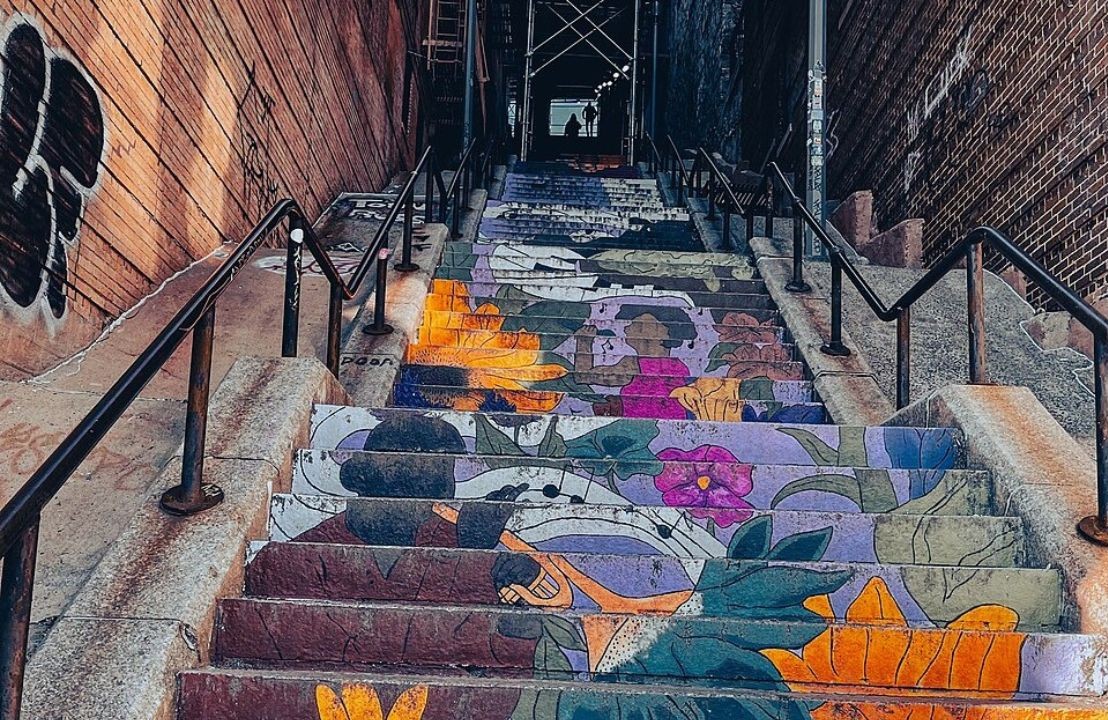
The Bronx stairway seen in “Joker” went from ordinary concrete to a full-time photo ritual. Once blogs and transit guides pinned the exact steps, the flow of visitors became steady, not occasional.
Because the stairs sit in a real neighborhood, the crowd has nowhere to spread out. Groups queue at the bottom, take turns filming, and pause mid-stair while others wait for a clear frame. That bottleneck can slow everyday foot traffic and make the block feel watched. The scene can be light and quick early in the day. Later, it often turns into a content line with the same moves repeated until the next wave arrives. Weekends are loudest, for sure.
The “Home Alone” House, Illinois
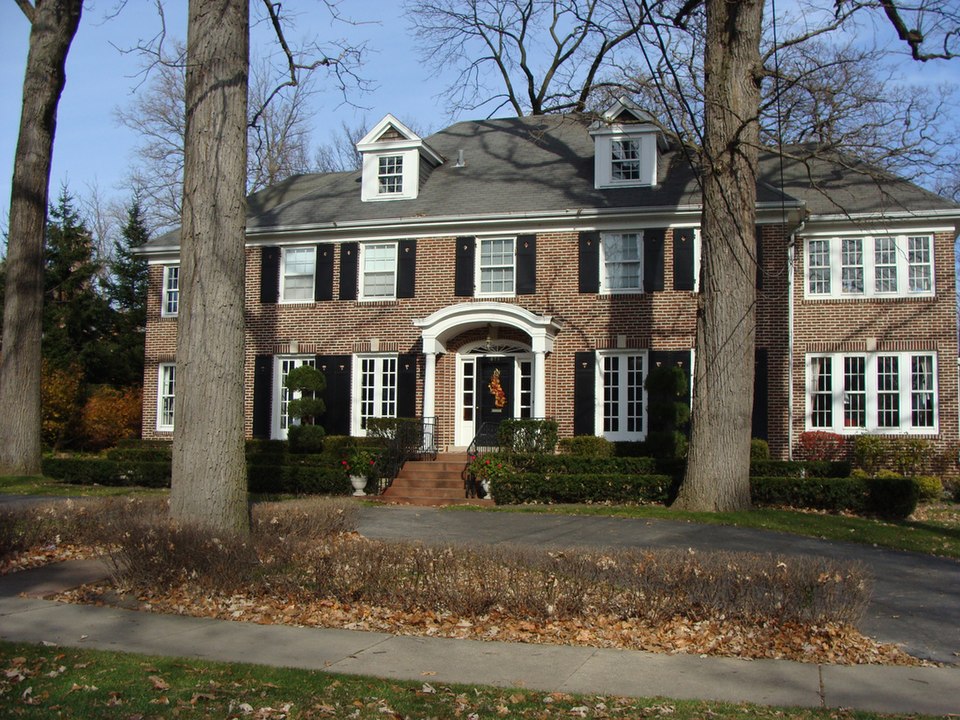
The “Home Alone” house in Winnetka spent decades as a famous exterior, mostly admired from the sidewalk. When rare events and promotional openings appear, attention spikes hard and fast.
A limited booking window, even for a single night, can ignite a rush that spreads across news and fan channels in hours. After that, the street sees more drive-bys more photos, and more lingering, because people want proof of proximity. The home is still private, and the calm of the neighborhood is part of the charm. The overrun feeling comes from how quickly a quiet address can turn into a destination, with excitement translated into constant curb activity.