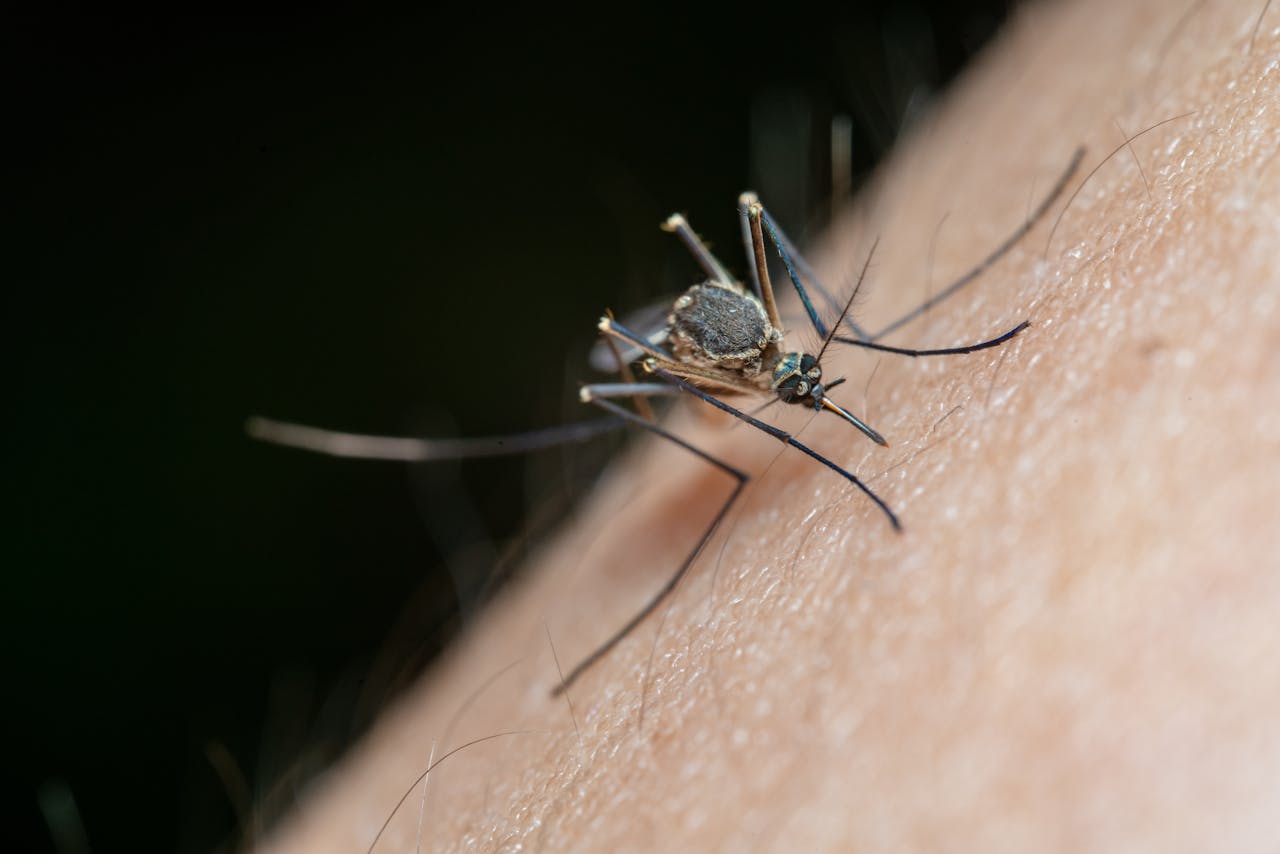
Mosquitoes almost never dominate travel planning conversations, yet they often have the final say once a trip begins. Most travelers weigh airfare, hotels, food, weather, and safety alerts, assuming insects are a minor nuisance at worst. In certain destinations, that assumption collapses quickly. Chikungunya is one of the clearest examples of a mosquito-borne virus that can change the shape of a vacation or work trip, not because it is mysterious, but because it attacks the one thing travel depends on: easy movement from place to place.
What makes chikungunya disruptive is how directly it collides with the mechanics of travel. Joint pain can slow walking, limit range, and force rest when schedules are already tight. A trip designed around exploration can contract into short outings and long recovery windows, with reservations and day trips quietly falling away. The point is not fear. It is clarity. If a destination is experiencing active transmission, mosquitoes stop being background noise and start becoming a factor that should influence timing, packing choices, daily routines, and expectations.
Why Chikungunya Alters Trip Planning
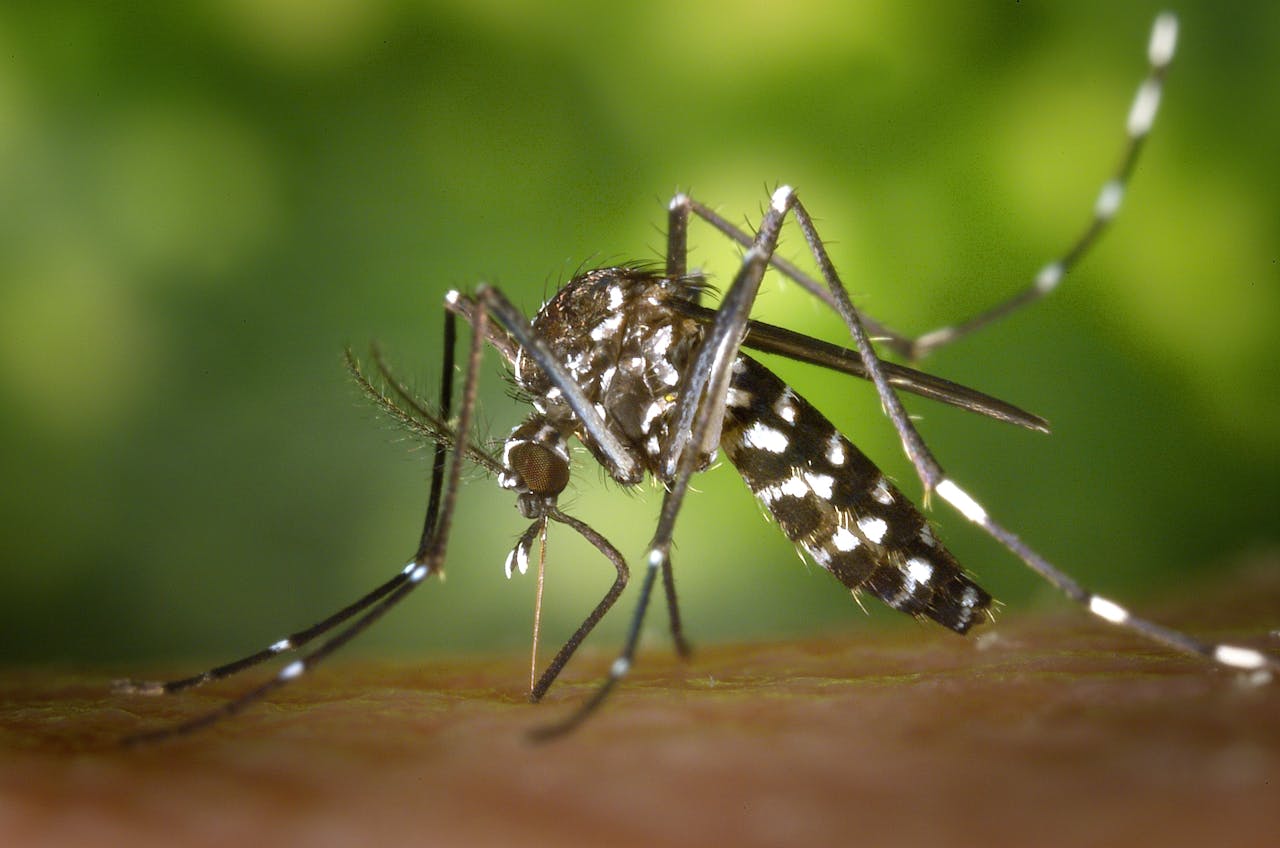
Chikungunya stands apart from many travel illnesses because it targets mobility rather than digestion or simple fatigue. Joint pain can make walking tours exhausting, turn airport corridors into ordeals, and transform short transfers into real challenges. Travelers who assume they can push through discomfort often find the opposite happens: the body demands rest, plans narrow, and even small decisions like choosing stairs or standing in a line become calculated tradeoffs.
The absence of a targeted treatment changes the planning equation. There is no reliable medication that shortens the illness once symptoms begin, so prevention carries more weight than most travelers are used to giving it. Clothing choices, repellent habits, lodging features, and outdoor timing become part of the itinerary, not a side note. Trips built around street life, warm evenings, and outdoor exploration carry higher stakes during outbreaks because exposure can be repeated, cumulative, and easy to underestimate.
The Four Destinations Drawing Attention
Cuba, Bangladesh, Sri Lanka, and China’s Guangdong Province have drawn attention because outbreaks in these places increase the likelihood of exposure for visitors. These notices are not travel bans, and they are not verdicts on any destination. They are practical signals that baseline mosquito habits may be insufficient under current conditions. For travelers, that means treating prevention like a real input to trip design, not something to improvise after arrival.
Cuba often attracts short-stay travelers focused on beaches, historic districts, and open-air leisure. Mosquito exposure frequently happens between planned activities, in shaded courtyards, near pools, and along garden paths where people linger in late afternoon. These spaces feel relaxed and harmless, which is exactly why they get underestimated. If someone only uses repellent on excursion days, they miss the everyday bite windows that actually do the most damage.
Bangladesh and Sri Lanka bring different travel rhythms. Trips may involve longer stays, family visits, dense urban movement, and regional travel that stitches many small outdoor segments into each day. Exposure builds quietly through repetition, which can make risk feel invisible until symptoms appear. Markets, transit stops, and evening social time can all become bite opportunities, especially when heat and humidity tempt travelers to dress lighter and skip coverage.
Guangdong stands apart because of the scale of local transmission reported in 2025, which changes what visitors should assume about routine exposure. In large outbreaks, mosquito contact is not confined to one neighborhood or one activity. It becomes embedded across everyday settings, from sidewalks and courtyards to outdoor dining and commutes. That reality pushes travelers toward consistent precautions rather than occasional bursts of caution that fade once the trip feels comfortable.
What Getting Sick Can Mean Mid-Trip

Chikungunya commonly begins with fever and then joint pain that can feel unusually intense for a viral illness. Hands, wrists, ankles, and knees are often affected, making basic movement uncomfortable and sometimes surprisingly limiting. Standing in lines, carrying luggage, climbing stairs, or sitting through long drives can become draining rather than routine. Even when symptoms are not medically severe, they can be practically severe for a trip that depends on walking and momentum.
Symptoms typically appear several days after a bite, which complicates timing. Travelers may become ill while still abroad or shortly after returning home, and either scenario has knock-on effects for work, school, and family commitments. Illness during a trip can mean missed reservations and a smaller radius of movement, while illness after a trip can turn a vacation memory into a long recovery story. When joint pain lingers, the cost of the trip is measured in time and mobility, not just money.
The Numbers Behind The Caution

Global reporting across 2025 has described chikungunya activity at levels that demand attention, with hundreds of thousands of suspected and confirmed cases recorded worldwide and deaths reported. That scale matters because it points to sustained transmission rather than brief spikes that vanish quickly. For travelers, sustained transmission often means the risk persists across weeks and months, especially when mosquito seasons extend and local conditions favor breeding near people.
Urban environments help explain why outbreaks can accelerate. Mosquitoes do not need wilderness; they thrive near humans when heat, humidity, and small water sources overlap with dense housing. Exposure often occurs during ordinary activities like commuting, shopping, and visiting friends, which means travelers can do everything else “right” and still get bitten repeatedly. The issue is not reckless behavior. It is repeated contact with a setting where mosquitoes are abundant.
Lower case numbers in some destinations do not automatically signal safety. Early public health action is often designed to prevent escalation before it becomes unmanageable, so advisories can arrive while counts still look modest on paper. That timing is deliberate because prevention works best before transmission surges, not after it has peaked.
Here’s the part travelers miss: severity can matter as much as probability. Even if a traveler believes their personal odds are low, the consequence of getting sick can be high because the illness can derail mobility and comfort in a way that travel rarely absorbs well. Thinking in terms of impact, not just likelihood, leads to better choices about trip pacing, outdoor timing, and protective routines.
Guangdong’s Outbreak And Why It Matters

Guangdong’s outbreak drew particular attention because large numbers of locally transmitted cases were reported, framing it as more than scattered travel-associated detections. Local transmission means mosquitoes within the region are actively spreading the virus, not merely encountering it through infected travelers arriving from elsewhere. That distinction matters because it suggests a wider and more consistent exposure landscape across daily settings.
For visitors, this creates cumulative risk through the small moments that feel harmless. Waiting for transport, walking between buildings, eating outdoors, and spending evenings on balconies all add exposure, and bites are easy to miss in real time. In outbreak conditions, routine becomes the enemy because routine creates repetition. The right goal is not perfection. It is consistency with simple steps that reduce the number of bites day after day.
Different Trips, Different Risk Profiles
In Cuba, risk often clusters around leisure spaces designed for relaxation. Pools, patios, courtyards, and garden seating areas attract both people and mosquitoes, especially in warm, humid weather that encourages lingering into dusk. Travelers may dress for comfort, prioritize breezy evenings, and skip coverage, and that combination creates easy access for mosquitoes during peak hours. The trip feels carefree, which is precisely why prevention needs to be intentional rather than occasional.
In Bangladesh and Sri Lanka, longer stays reshape the risk profile. Repeated exposure over weeks raises vulnerability even when individual days feel manageable, and daily life often includes outdoor movement through neighborhoods where mosquito control varies block to block. Staying with friends or relatives may also mean fewer barriers like screens or air conditioning, raising indoor exposure in the evening when people assume they are protected. The longer the stay, the more prevention needs to feel like routine hygiene instead of a special travel behavior.
What Enhanced Precautions Look Like In Practice
Enhanced precautions rely on consistency, not intensity. Wearing long sleeves and pants during peak mosquito hours reduces bite opportunities, especially when coverage is complete at ankles and wrists. Applying repellent regularly matters because one early application does not carry through a full day, and many travelers forget reapplication during the exact hours mosquitoes are most active. Prevention works best when it is boring, habitual, and repeated without debate.
Accommodation choices also do real work when they reduce contact. Screens, sealed rooms, and air conditioning can cut indoor mosquito exposure, which matters because evenings are often when people relax and let their guard down. Checking for standing water around lodging, even small sources, reduces local breeding pressure. Simple choices like limiting time near dense vegetation at dusk can lower bite counts without changing the core experience of the trip.
Vaccination may be recommended depending on destination and individual risk factors, but it does not replace bite prevention. Reducing mosquito contact remains valuable because other mosquito-borne illnesses circulate in many of the same climates and seasons. A smart itinerary also builds flexibility, including rest time and buffer space, because health disruptions hurt less when a schedule is not balanced on a knife edge.
Why Awareness Beats Anxiety
The absence of recent locally acquired cases in the United States points to a simple reality: most infections are travel-associated. That means risk is shaped by destination, timing, behavior, and preparation rather than chance alone. This is good news for travelers because it restores agency. Preparation is not a mood. It is a series of decisions made before departure that reduce bite frequency and lower the odds of a trip being derailed.
Understanding mosquito risk allows travelers to make deliberate adjustments instead of reactive ones. Sometimes that means shifting dates to a lower mosquito season, or scheduling outdoor activities earlier in the day. Other times it means packing differently, choosing lodging with better barriers, and accepting a slightly slower pace so the trip remains enjoyable without pretending risk does not exist. Awareness does not end trips. It keeps them from quietly unraveling.
Sources