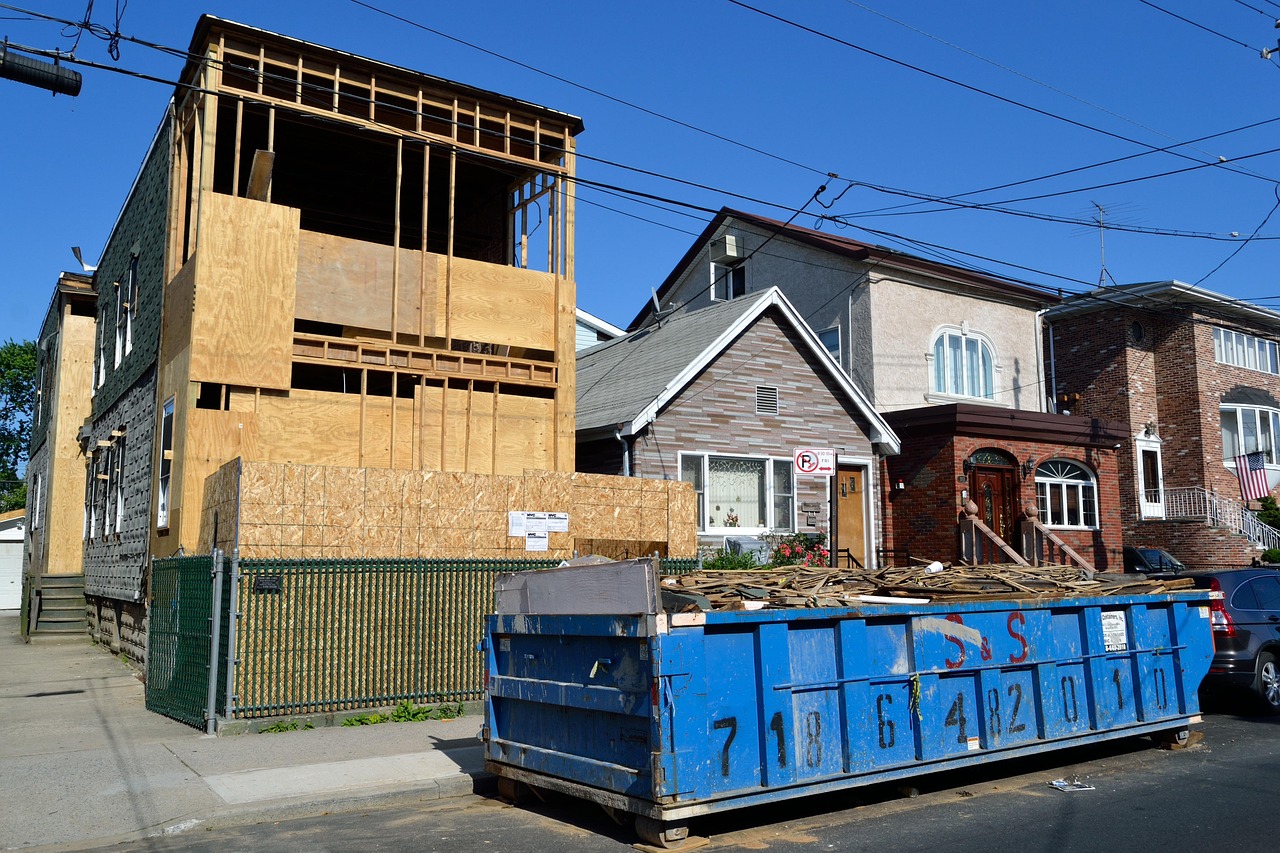
Homes carry personal meaning, yet each one sits inside a framework shaped by safety rules and long-established planning choices. People often assume full freedom within their walls, only to discover that structural work, land use, and even landscaping fall under specific laws. Those rules grew from real problems, not bureaucracy for its own sake, and they prevent damage that can ripple through a neighborhood. Understanding the limits early makes renovation feel grounded instead of stressful, and it helps owners turn creative ideas into improvements that last.
Remove a Load-Bearing Wall Without Permits

Taking out a load-bearing wall might look simple in an open concept sketch, but doing it without permits puts the entire structure at risk. Cities require calculations, inspections, and clear plans because altering the load path can weaken floors, shift foundations, or create hazards that appear slowly over time. Insurance companies may deny claims if unpermitted work contributed to damage, and lenders can raise concerns during refinance. When owners follow the permit path, they protect their investment and keep future occupants safe, even if the extra steps feel slow in the moment.
Convert a Single-Family Home Into Multiple Units

Dividing a single-family home into several rental units can seem like a sensible way to use space, yet zoning laws often block that shift. Neighborhoods built for one household usually lack the parking, utility capacity, and safety infrastructure needed for multiple dwellings, and cities regulate conversions to preserve stability. Unauthorized units may trigger fines, forced deconstruction, or issues with tenant rights if occupancy rules are violated. When owners pursue approvals early, they gain clarity on fire separation, emergency egress, and mechanical upgrades, creating a safer living environment for everyone involved.
Operate Short-Term Rentals Without Registration

Short-term rentals have become common, but many places require registration, taxes, and safety checks before hosts can legally operate. Skipping those steps can bring penalties or orders to stop renting, especially in cities that monitor housing availability or noise concerns. Rules often address smoke alarms, exit routes, and limits on occupancy, which protect guests and neighbors alike. Compliant rentals typically run more smoothly because expectations and responsibilities are transparent. When owners embrace those guidelines, they avoid conflict and create a welcoming space that respects the rhythm of the surrounding community.
Alter a Historic Property Without Approval

Historic districts treat buildings as part of a shared story, so exterior changes, demolitions, or material swaps require review. Removing windows, repainting in incompatible colors, or replacing original details without approval can result in fines or demands to restore what was removed. These processes may feel detailed, but they help maintain the character that drew people to the neighborhood in the first place. When owners work with preservation boards, they often discover options that balance modern comfort with architectural integrity. Thoughtful updates allow a historic home to evolve while still honoring the shape of its past.
Do Major Electrical or Plumbing Work Without a Permit

Extensive electrical or plumbing changes demand permits because mistakes can lead to fire, leaks, or long-term structural damage. Hidden issues often surface during inspections for sale or refinance, creating stressful delays and unexpected repair costs. Insurance carriers may also refuse coverage if unlicensed work contributed to a loss, leaving owners responsible for everything. When qualified trades perform the upgrades, they document safety checks that protect everyone who uses the home. Permits may add time, but they provide peace of mind that systems behind the walls are secure and ready for years of use.
Remove Protected Trees or Redirect Drainage Without Authorization

Cutting down large or protected trees or rerouting water flow across property lines can violate local environmental rules. Trees often support soil stability and shade, while drainage changes can cause flooding or erosion that harms neighbors. Violations may come with restoration orders, fees, or requirements to plant replacement trees that match the ecological role of the original. A simple consultation with local officials often reveals which trees or drainage paths are regulated and why. Respecting those limits preserves both the landscape and the relationships that make a neighborhood feel steady.
Build Additions That Ignore Setback or Height Limits
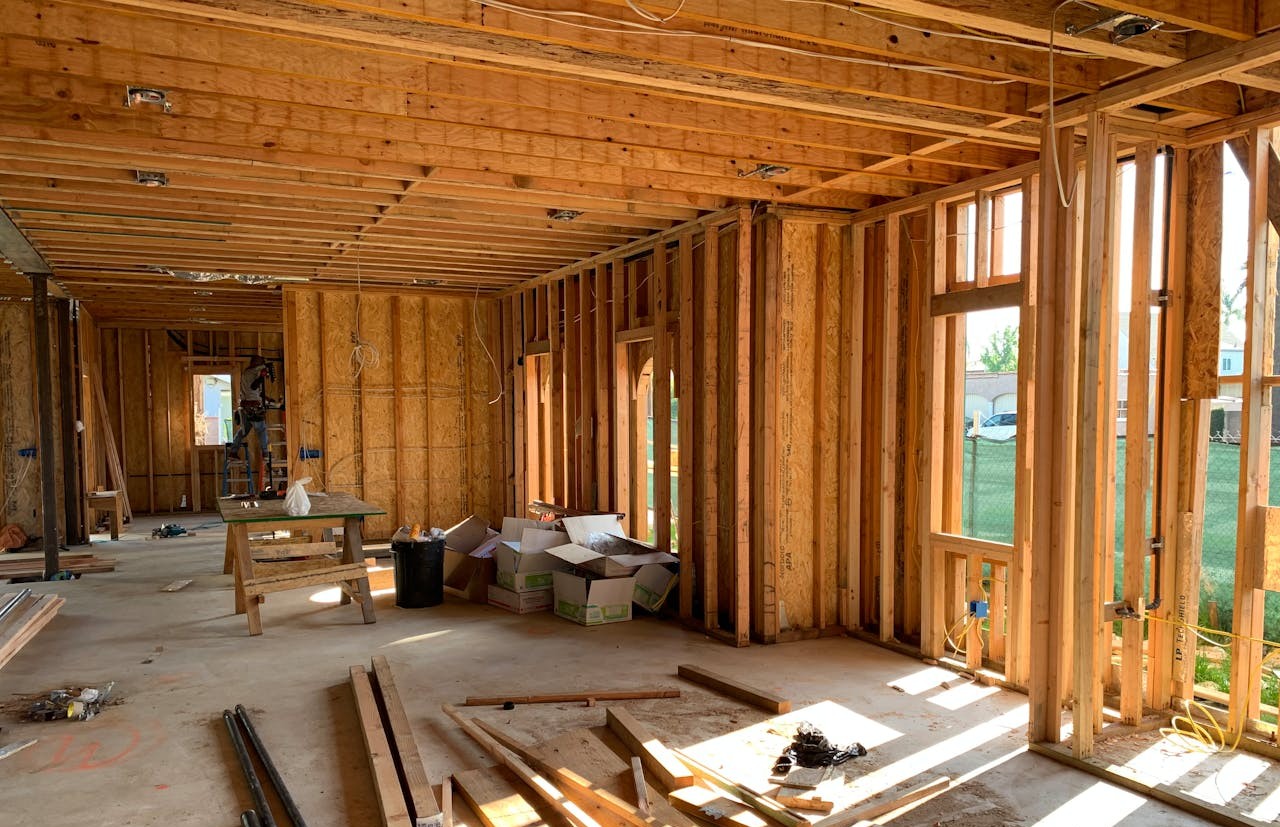
Adding a garage, second story, or large porch can reshape how a property fits within a street, but zoning sets boundaries to maintain light, airflow, and safe spacing between buildings. When projects cross those setback or height limits, enforcement officers may require partial removal or costly redesigns. Surveying the property and reviewing local rules early prevents those painful surprises. With the right measurements, an addition feels intentional instead of intrusive. Thoughtful placement allows the expansion to serve its purpose while still fitting comfortably into the surrounding environment.
Change Property Use in Ways That Trigger Safety Upgrades
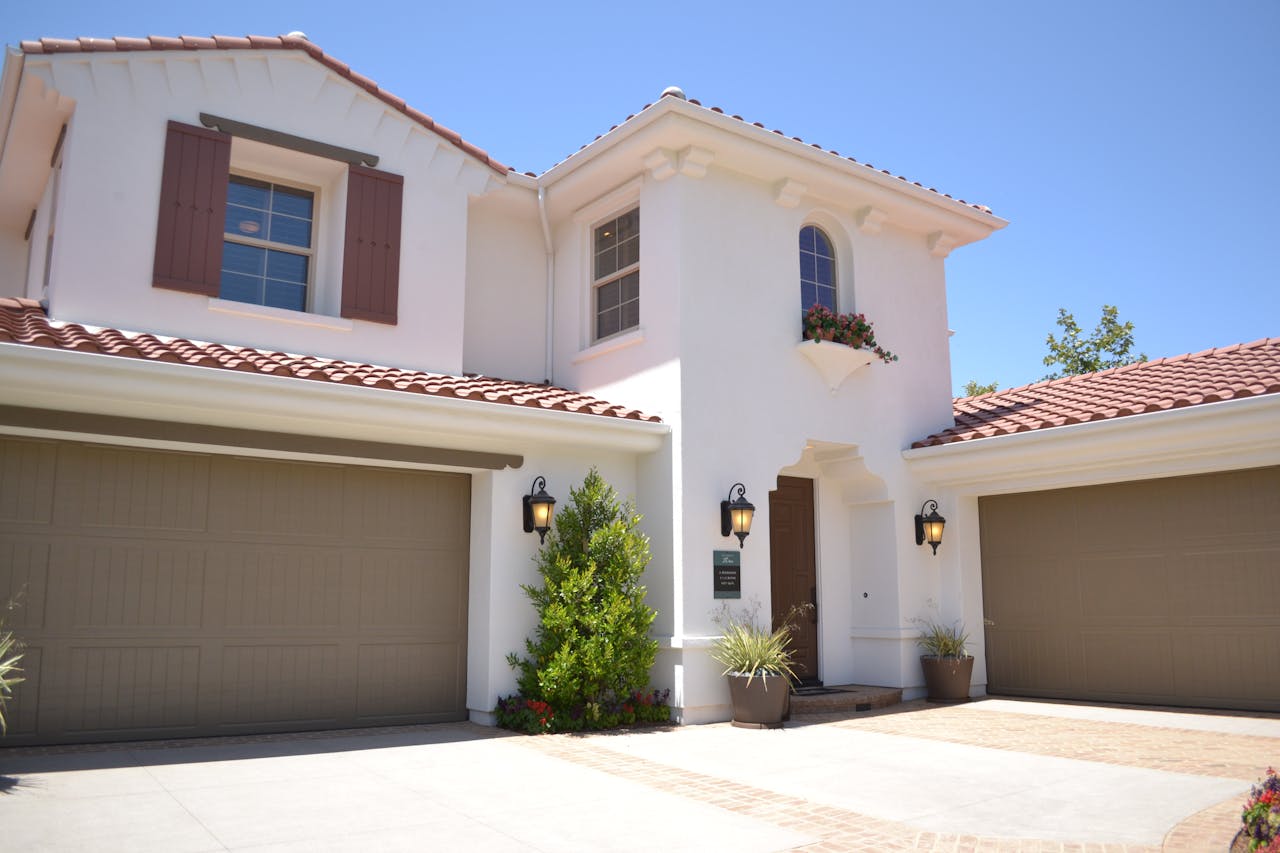
Shifting how a house is used, such as running a high-traffic business or housing several unrelated occupants, can trigger new safety standards. Different uses require different fire protections, ventilation levels, and emergency exits, and ignoring those upgrades places people at risk. Municipalities can issue violation notices or restrict occupancy until problems are fixed. Planning ahead clarifies what systems need strengthening before the new use becomes active. When owners align their plans with these requirements, they create a safer, more predictable place for everyone who spends time in the home.