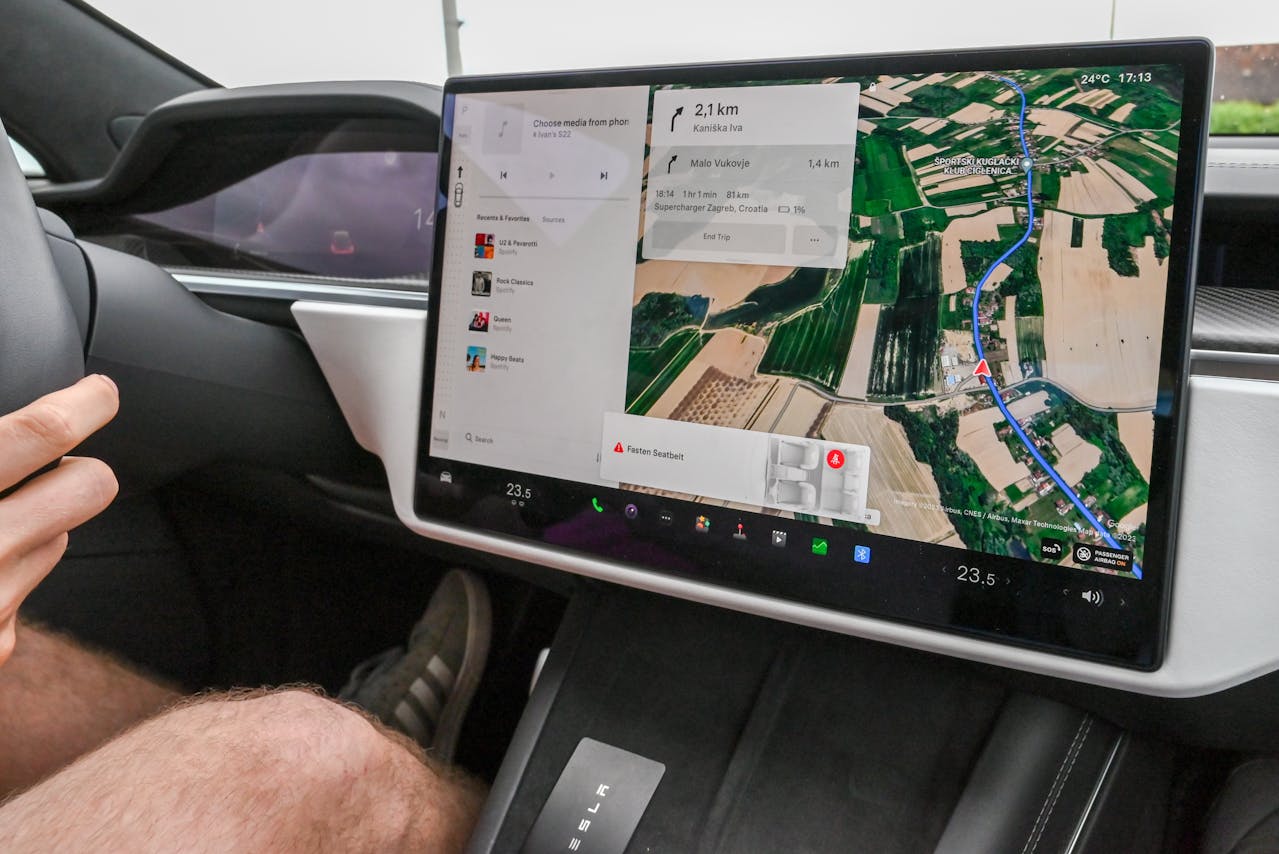
For years, modern dashboards promised simplicity, yet many drivers experienced the opposite in daily traffic. As climate settings, defogging, and quick actions moved into layered menus, routine tasks began to demand extra glances and extra taps. By 2026, the pushback has moved from online complaints to measurable safety pressure. Rating bodies, regulators, researchers, and automakers are now pointing in one direction: touchscreen-heavy cabins asked too much at the wrong moments, and the next design cycle is restoring physical controls where timing, certainty, and low distraction matter most. It is a practical reset.
Why The Backlash Turned Into A Safety Issue
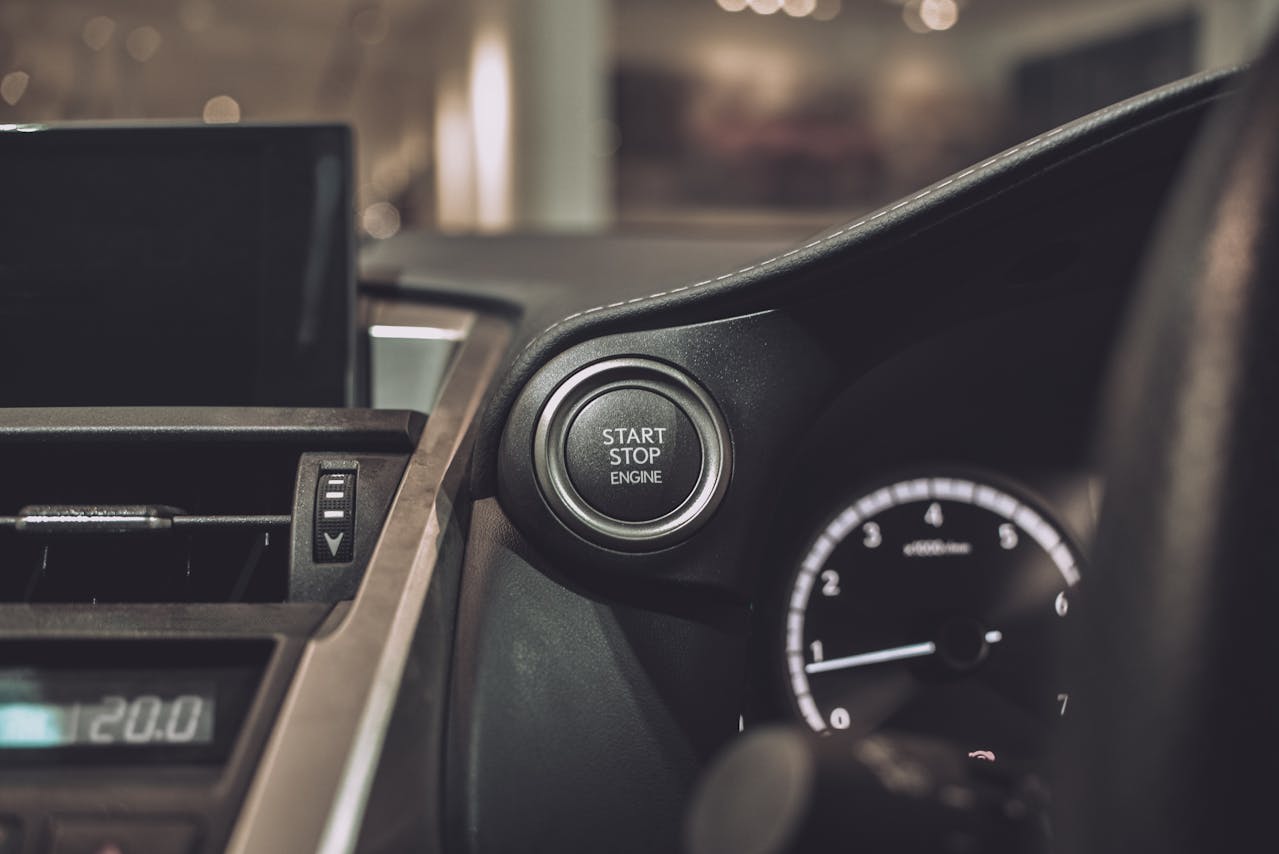
The debate stopped being cosmetic once safety data and owner feedback started telling the same story. NHTSA says distracted driving was linked to 3,275 deaths in 2023, keeping attention management central to vehicle policy. J.D. Power’s 2025 U.S. IQS also ranks infotainment as the most problematic category and notes rising frustration when touchscreens absorb basic functions.
That overlap changed product strategy. What looked sleek in a brochure felt slower in traffic when defogging, airflow, or quick adjustments required multiple taps. By 2026 the question is less about layout and more about which actions must be reached fast.
Euro NCAP Made Driver Interaction A 2026 Scoring Priority
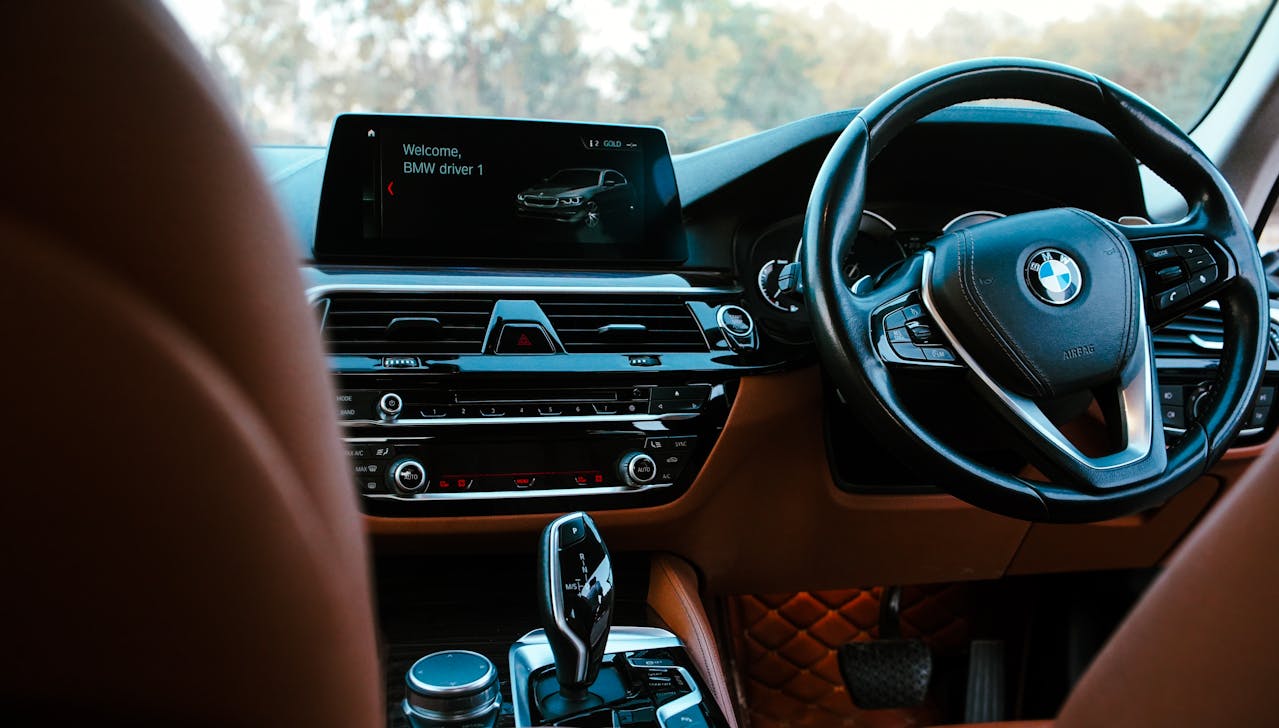
Europe’s most influential consumer safety program has pushed interface design into hard scoring territory. Euro NCAP says its 2026 protocols increase focus on driver interaction and software-related safety concerns, making cabin usability part of measurable safety performance, not just comfort.
Road-safety groups following the update describe the practical effect: better ratings increasingly favor direct access to essential functions over deep touch paths. Screens remain important, but control layouts now get judged on glance demand, response speed, reliability under pressure, error recovery, and behavior during interruptions.
This Is Pressure Through Ratings And Rules, Not A Touchscreen Ban
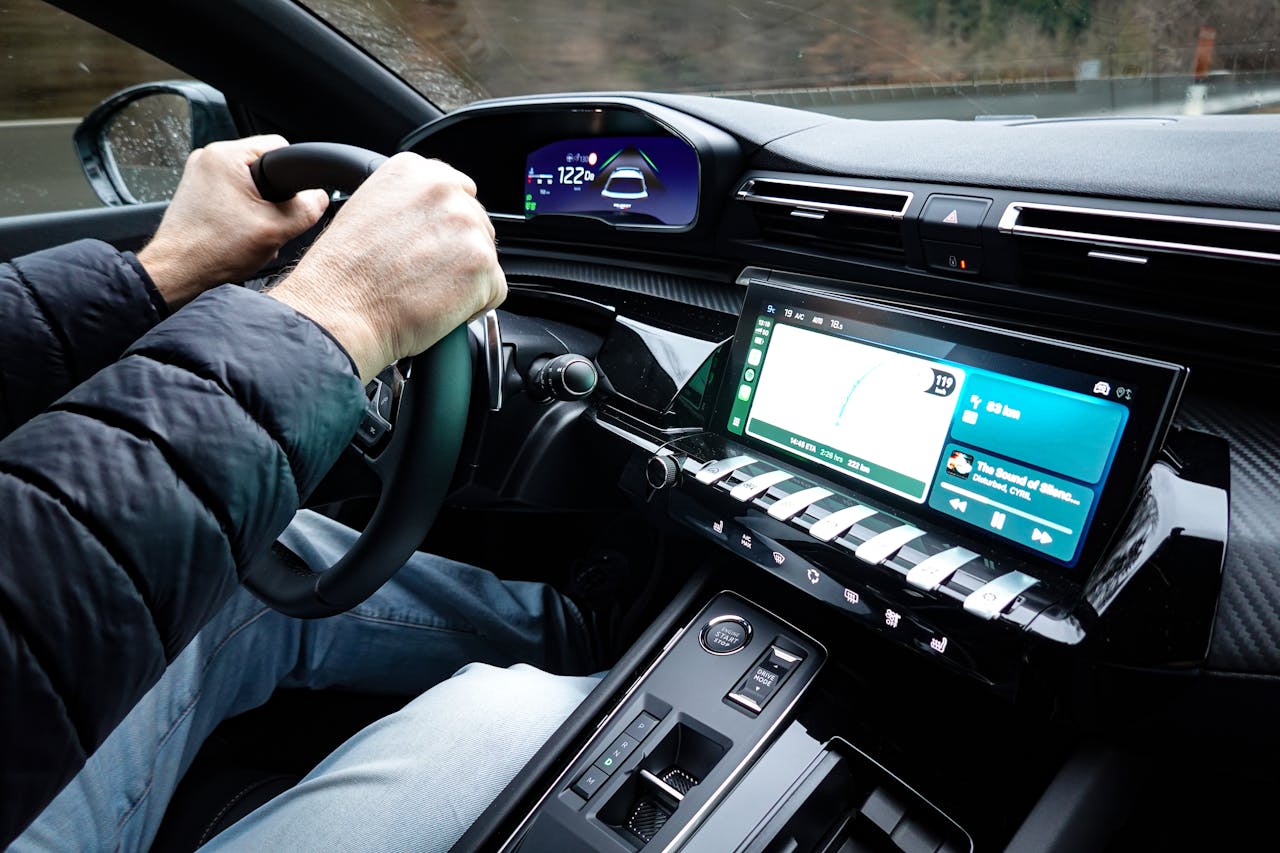
A common misconception is that authorities are outlawing touchscreens. The shift is narrower and more practical. EU law already mandates key safety technologies on new vehicles, while Euro NCAP ratings add competitive pressure around how quickly and safely routine cabin tasks can be executed.
That division explains 2026. Regulation sets minimum safety hardware and monitoring requirements, then ratings push manufacturers beyond legal baseline on everyday interaction quality. The likely endpoint is hybrid design: software where depth helps, tactile controls where delay, confusion, extra glances, and route complexity raise risk.
Volkswagen’s 2026 Launches Show The New Control Mix
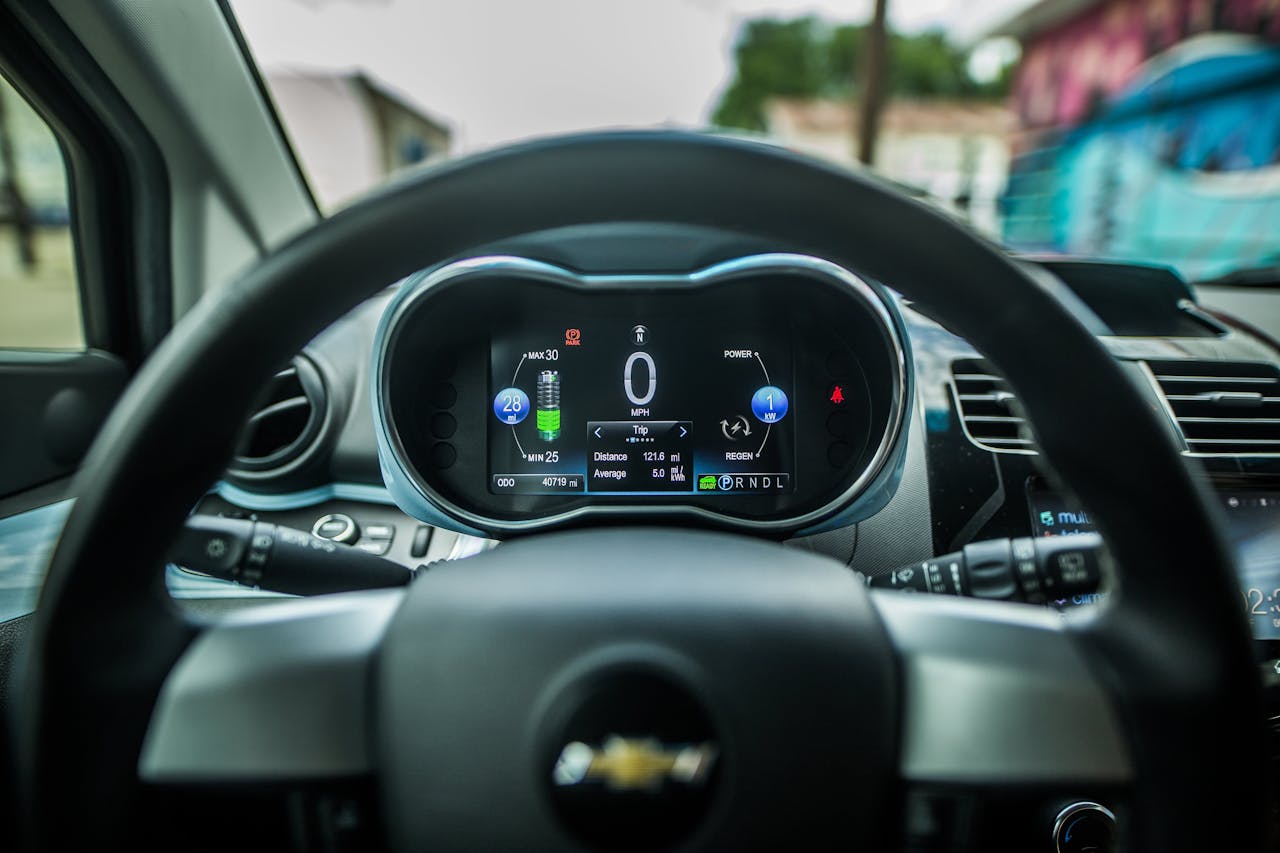
The market signal became concrete when Volkswagen detailed cockpit plans for 2026 launches. Company releases describe a digital-first interior that still restores direct access, including more physical buttons, clearer steering-wheel controls, and a rotary controller for common audio actions.
Volkswagen also places dedicated climate and hazard controls beneath the center display, giving frequent tasks fixed locations again. When a volume manufacturer frames this as customer-led usability, suppliers and rivals take notice quickly. That framing ties convenience and safety into one clear product brief. It resets rival expectations.
Research Explains Why Menu Depth Fails Under Real Workload
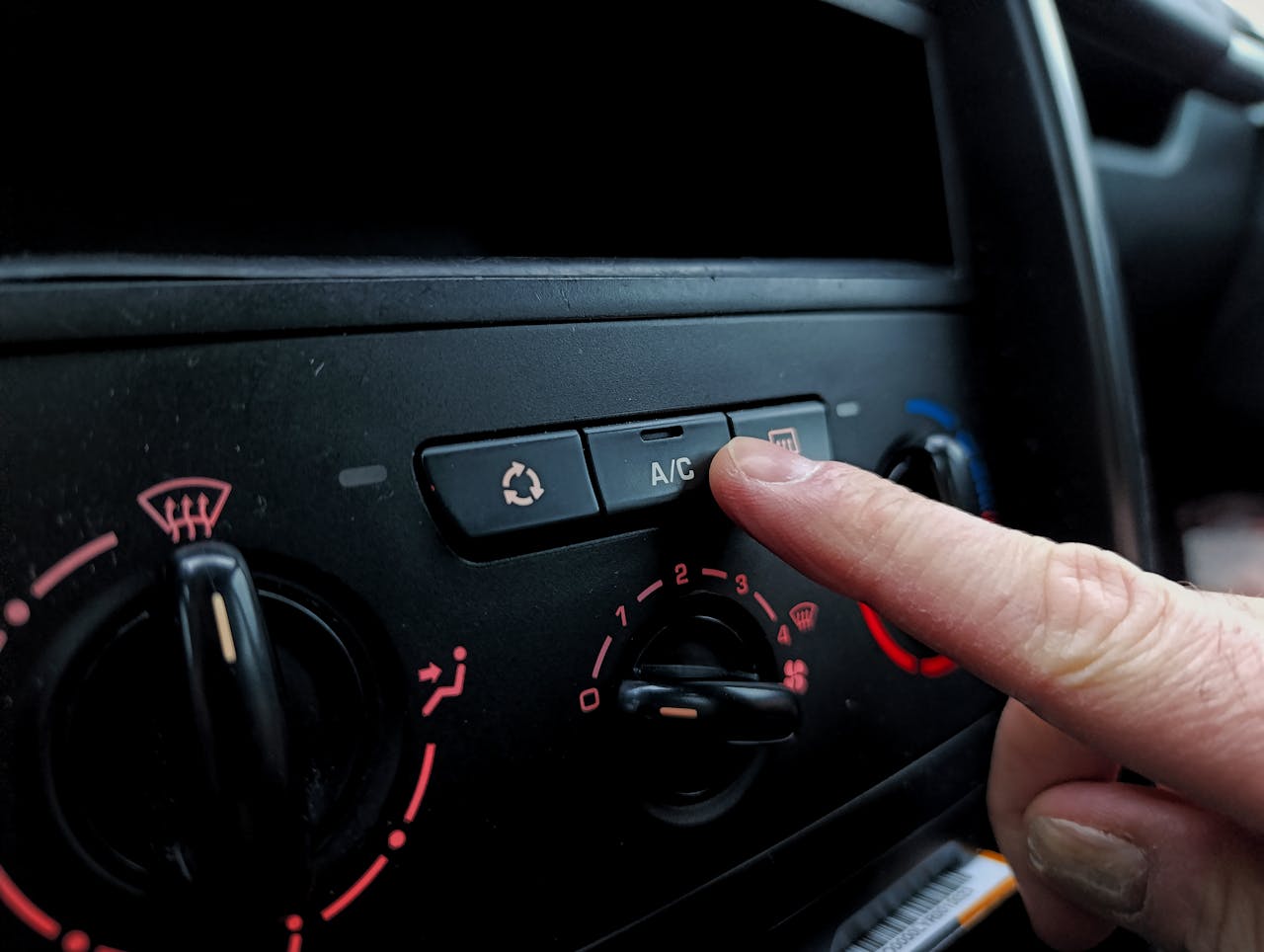
A 2025 University of Washington and Toyota Research Institute simulator study helps explain the backlash in measurable terms. During touchscreen use, participants showed more lane drift, and touchscreen speed and accuracy dropped while driving, with additional decline under heavier cognitive load.
That pattern reflects real traffic conditions, where workload shifts quickly and attention is rarely stable. The issue is not menu literacy in calm moments; it is performance when pressure spikes. For frequent, time-sensitive tasks, physical controls reduce visual search and preserve consistency when conditions change fast.
High-Urgency Functions Are Moving Back To Fixed Physical Controls
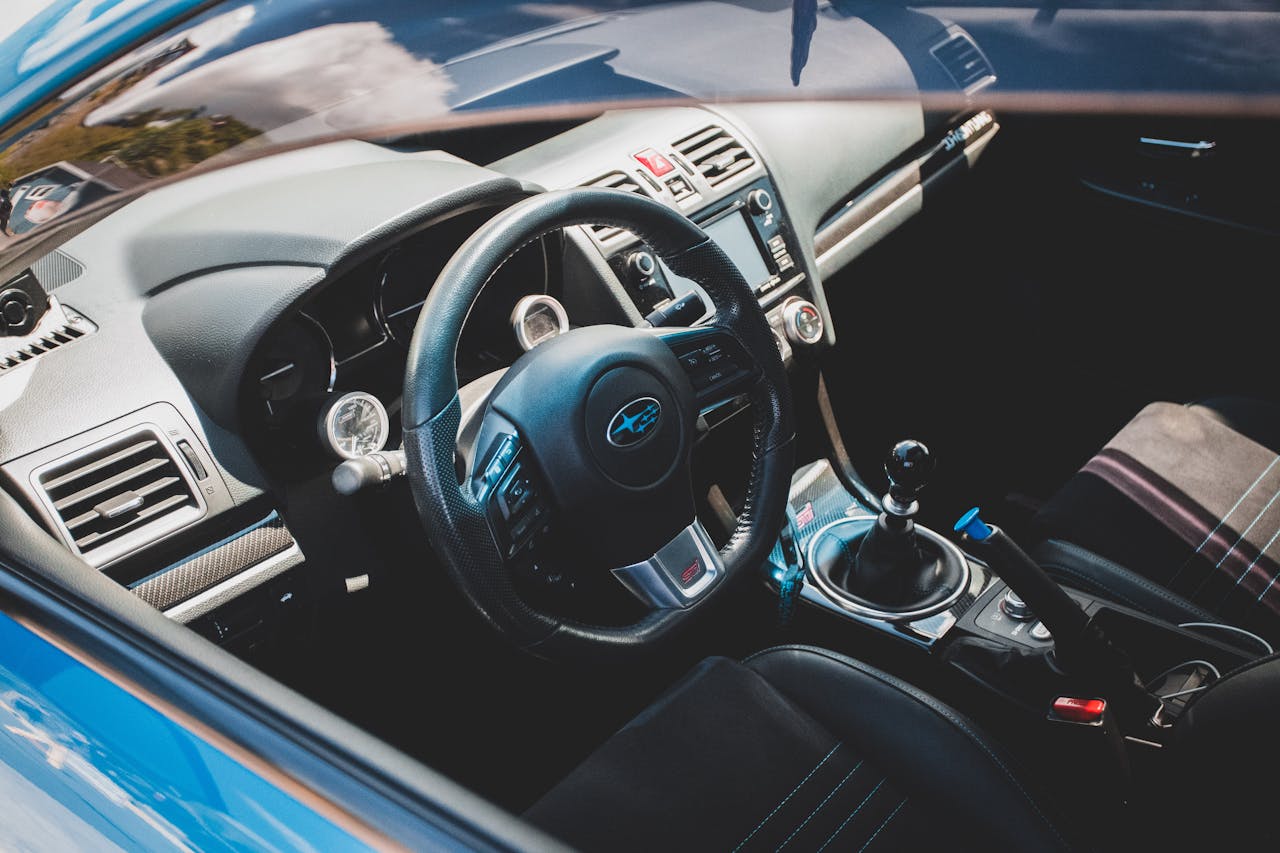
The first functions returning to tactile controls are the ones used often or under time pressure. Climate adjustments, defogging, fan changes, and hazard activation are increasingly treated as fixed-access actions, not hidden software layers. Volkswagen’s latest cockpit disclosures explicitly place climate and hazard controls below the touchscreen.
This is human-factors triage, not a rejection of digital cabins. Low-frequency personalization can stay in software, while urgent repetitive tasks move to hardware anchors. Across long trips, trimming one extra glance at key moments improves control stability and lowers cognitive strain.
U.S. Momentum Comes From Guidance, Liability, And Market Feedback

The United States has not issued one sweeping federal command requiring broad button restoration. Pressure instead builds through several channels at once: distracted-driving risk messaging, voluntary NHTSA guidance focused on minimizing eyes-off-road demand, and persistent owner complaints when essential tasks are buried.
That mix still drives redesign. Automakers track safety perception, legal exposure, warranty friction, and review sentiment in parallel with compliance planning. When these signals align on interface friction, product teams respond, and control hierarchies get simpler, even between refresh cycles now.
What 2026 Really Signals For The Next Cabin Cycle
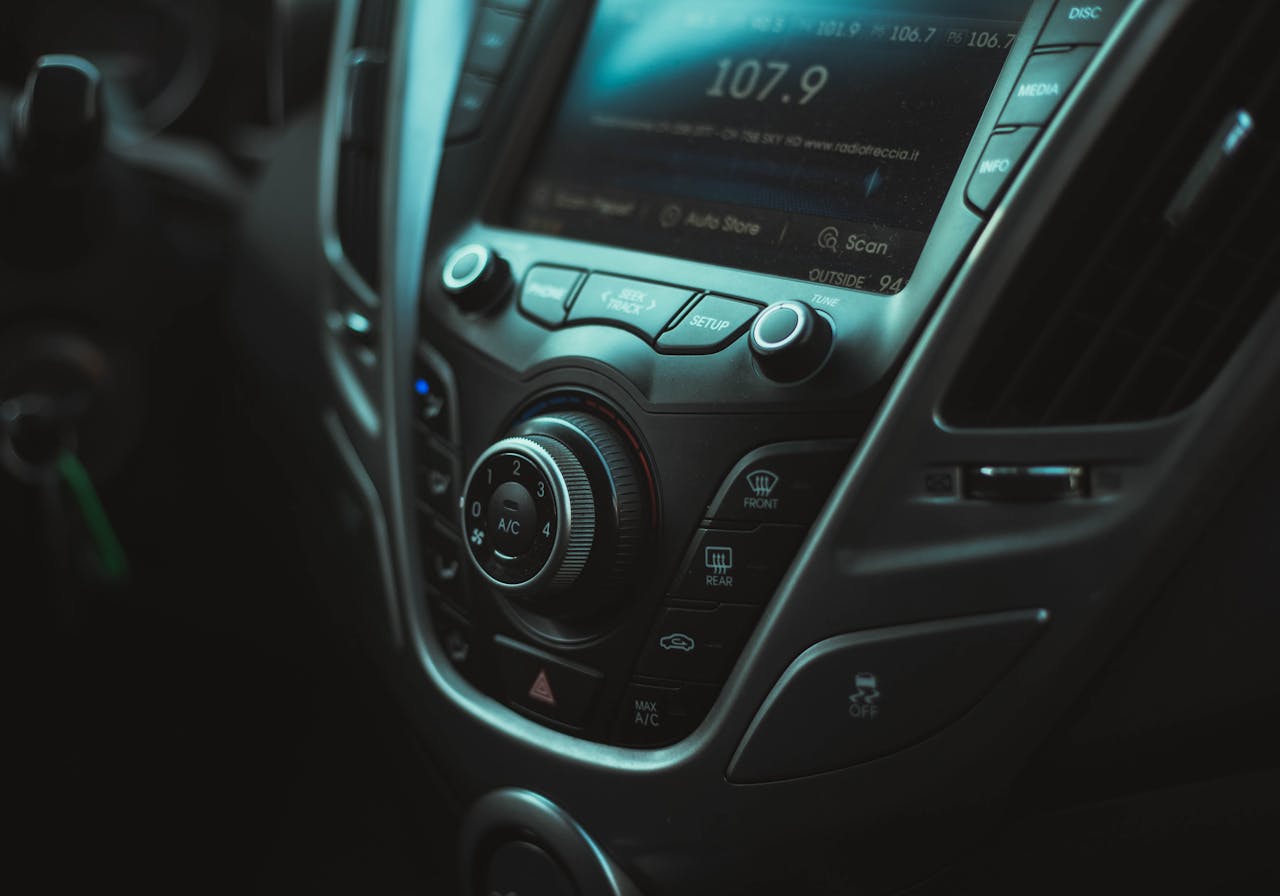
The strongest 2026 signal is not the end of screens. It is the end of screen-only control ideology for critical functions. Regulators keep expanding mandatory crash-avoidance baselines, rating bodies are scoring interaction quality more directly, and major automakers are adjusting interior logic before pressure intensifies.
If this trajectory continues, future cabins will separate urgent actions from deep menus, preserve tactile anchors for frequent tasks, and reserve software depth for planning plus personalization. The gain is calmer decision flow: fewer avoidable glances, faster corrections, and steadier operation in traffic.