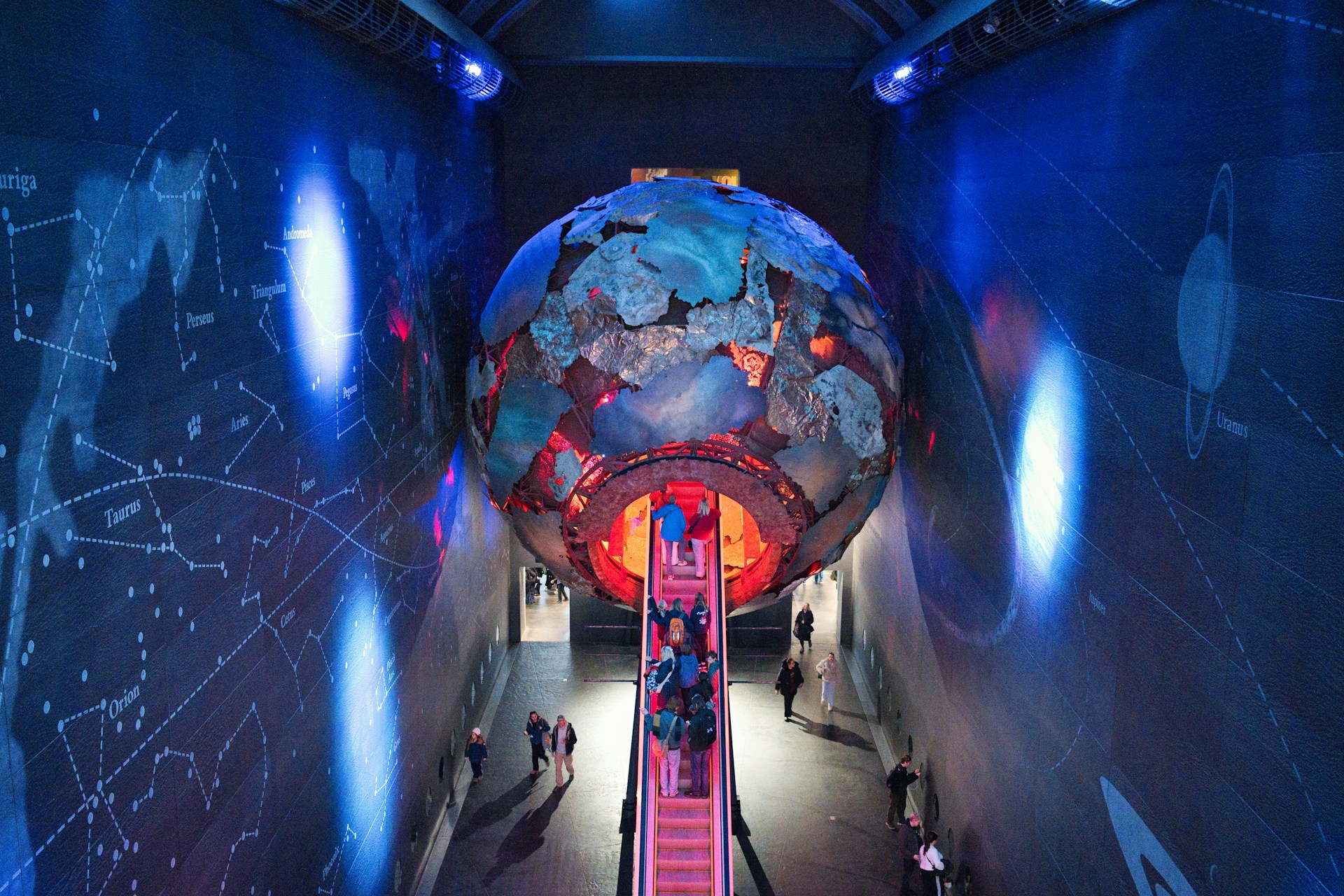
Museums once felt like quiet corridors where visitors followed labels, stayed close to the ropes, and tried not to linger. Interactive galleries changed that mood. Learning became physical, social, and easier to claim as one’s own, because exhibits began inviting questions instead of simply presenting answers. The shift goes beyond screens or buttons. It is about permission to test an idea, compare notes, and leave with a story that feels personal. After that experience, even classic institutions are judged by clarity, choice, and moments that let curiosity move.
Participation Became the Baseline
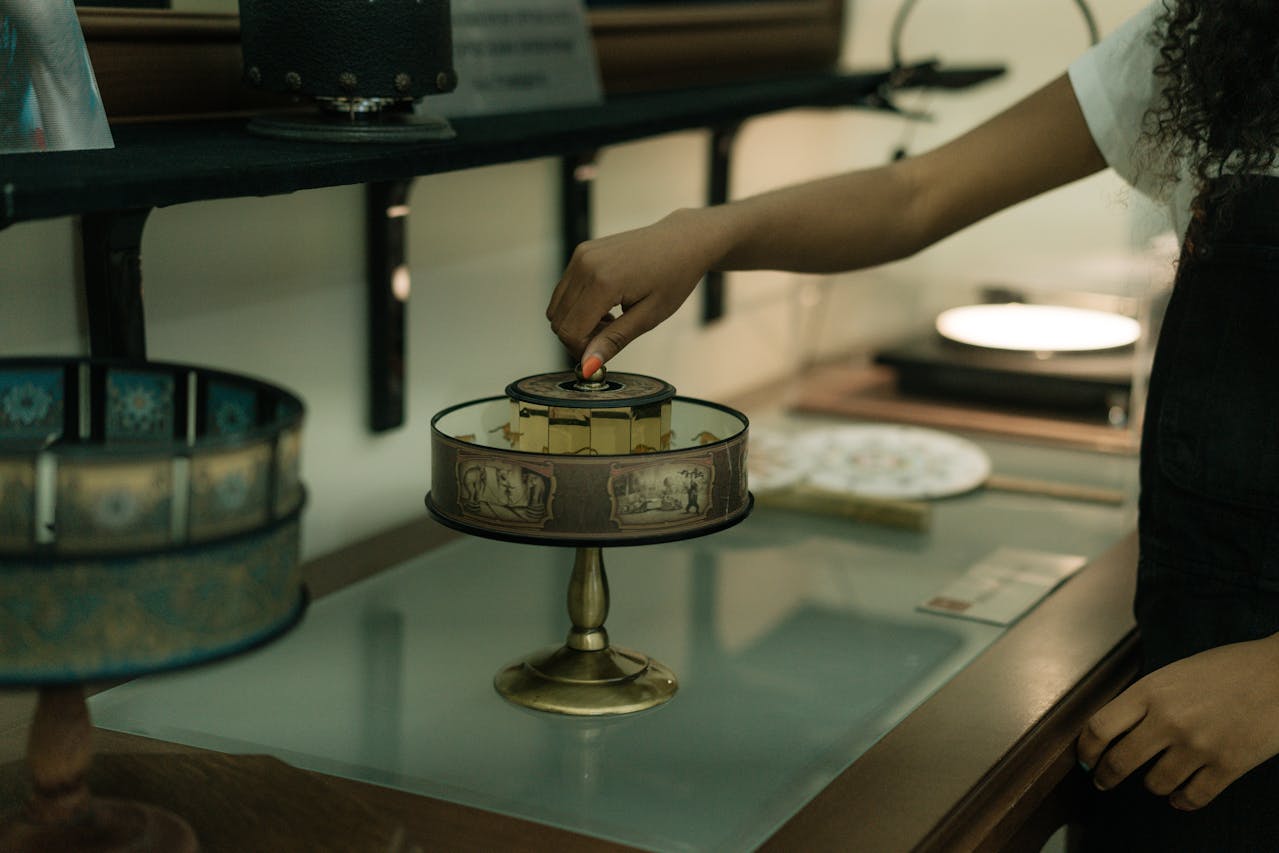
Hands-on stations taught visitors that looking is only the start, because the exhibit answers back with a result. A crank that powers a model, a drawer that reveals layers, and a replica tool to lift turn a fact into something the body can confirm, so the lesson lands as proof, not posture, and the memory stays stubbornly clear. That shift reshaped manners and expectations at once: strangers compare outcomes, parents coach kids through steps, teens test limits, and everyone expects clear prompts, quick resets, and enough working copies that one failure does not stall the room at peak hours for everyone.
Atmosphere Started Doing the Teaching
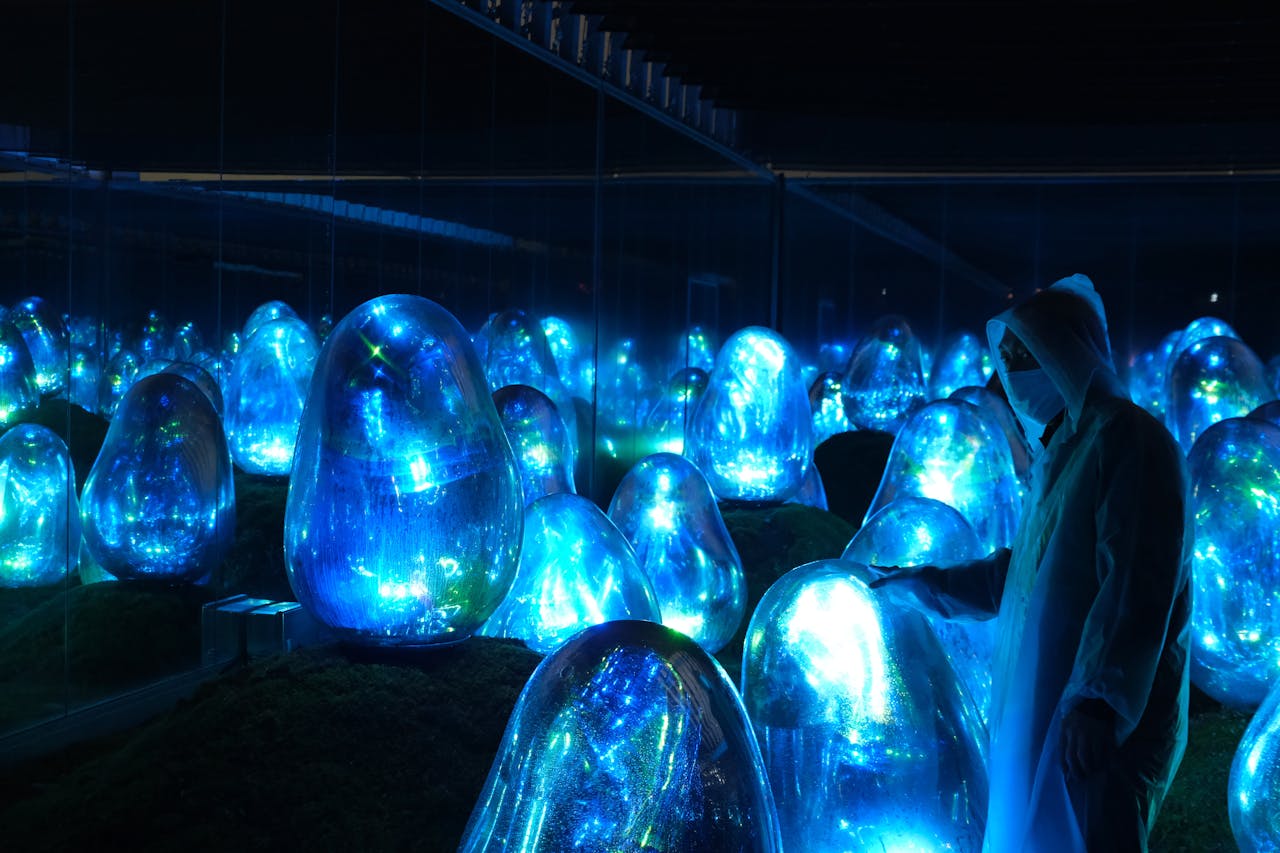
Immersive rooms made design part of the lesson, not mere decoration, and visitors began reading space as information. Sound, lighting, floor vibrations, scent cues, and projected motion can place an object inside its original setting, so a small artifact feels tied to a larger human moment instead of floating in a bright case with a tiny caption. When atmosphere works, guests linger and remember; they expect purposeful quiet, smooth transitions, and sightlines that lead from clue to clue, plus seating and open corners that support a pause without breaking the story or crowding the exit at all times.
Visitors Expected Personalized Paths
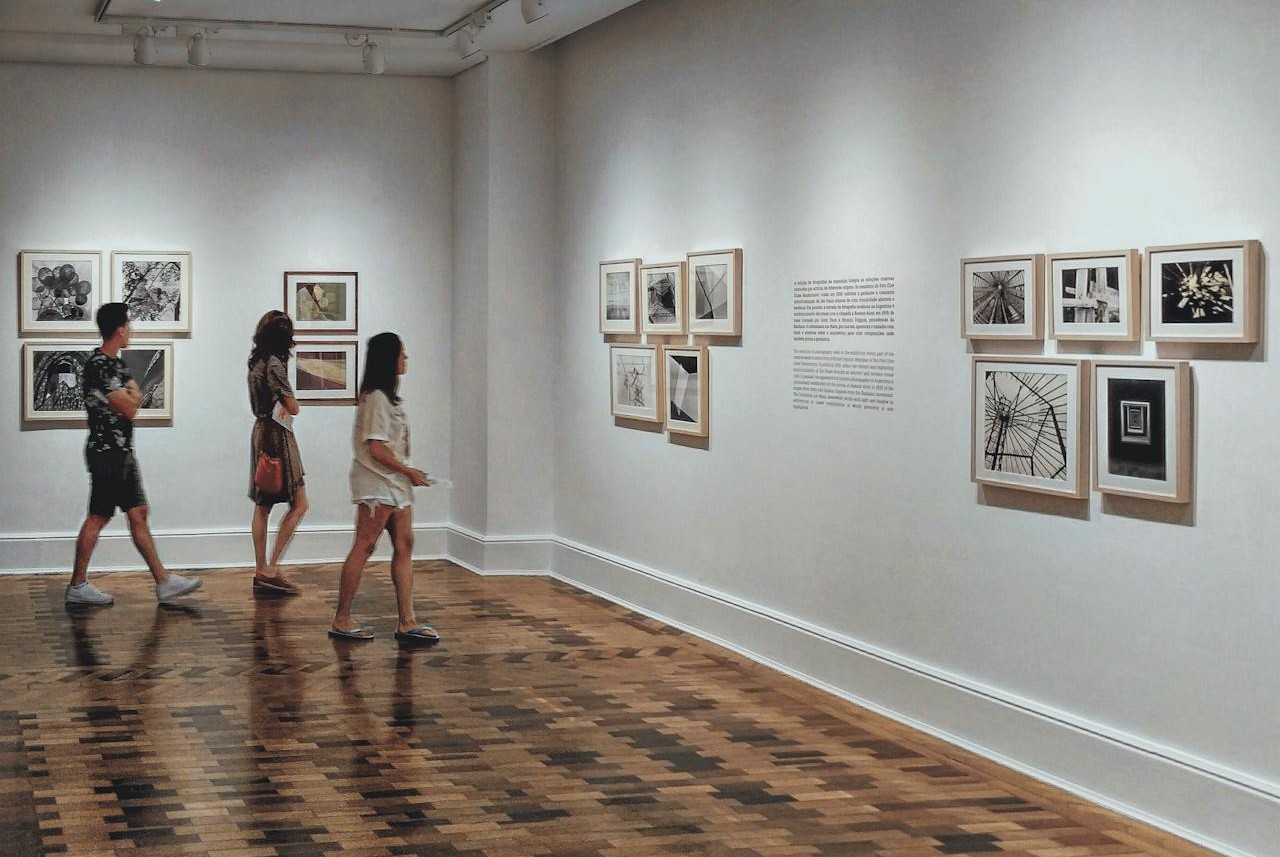
Interactive labels and digital guides made the single fixed route feel dated, because choice became part of the welcome. Visitors can follow themes, switch languages, adjust reading level, pull up maps, replay audio, and save favorites while still tracking the core story, which helps groups with different attention spans move at different speeds. The new expectation is control without confusion: short and deep explanations side by side, navigation that works for strollers and older guests, and gentle cues that reward wandering while still making it easy to regroup at the next anchor object without stress.
Learning Opened to More Senses
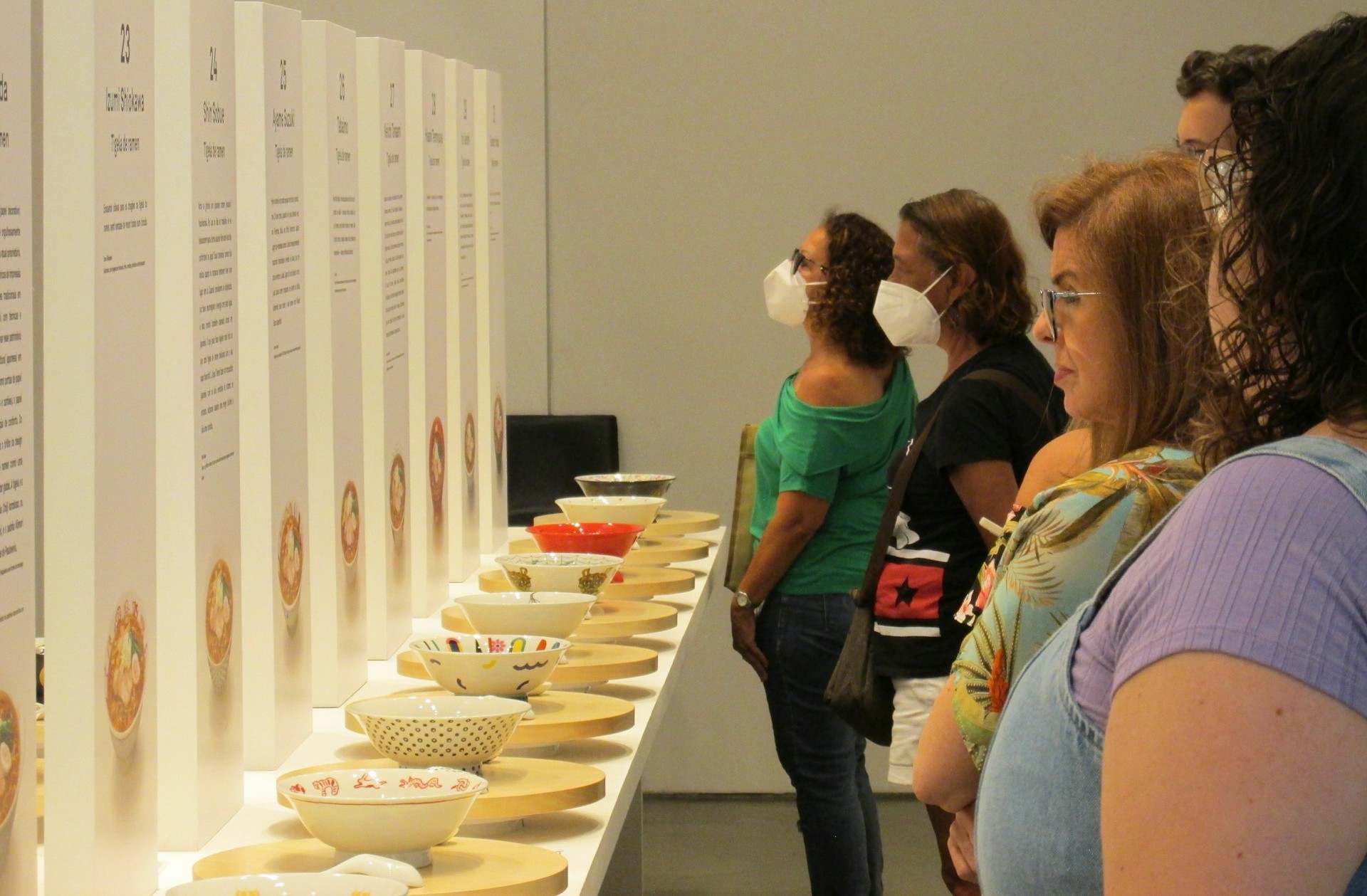
Once museums leaned into touch, audio, and layered visuals, learning stopped being mainly text based and started feeling physical. Tactile maps, captioned soundscapes, handleable samples, and slow motion loops welcome more learning styles and strengthen recall because ideas land through more than one sense, not just through reading stamina at the end of a long day. Comfort became part of access, too, so visitors notice missing captions, harsh sound, glare on cases, unclear lighting, and the lack of a calm corner where someone can reset, rejoin, and still feel included during crowded school days.
Play Became a Serious Tool
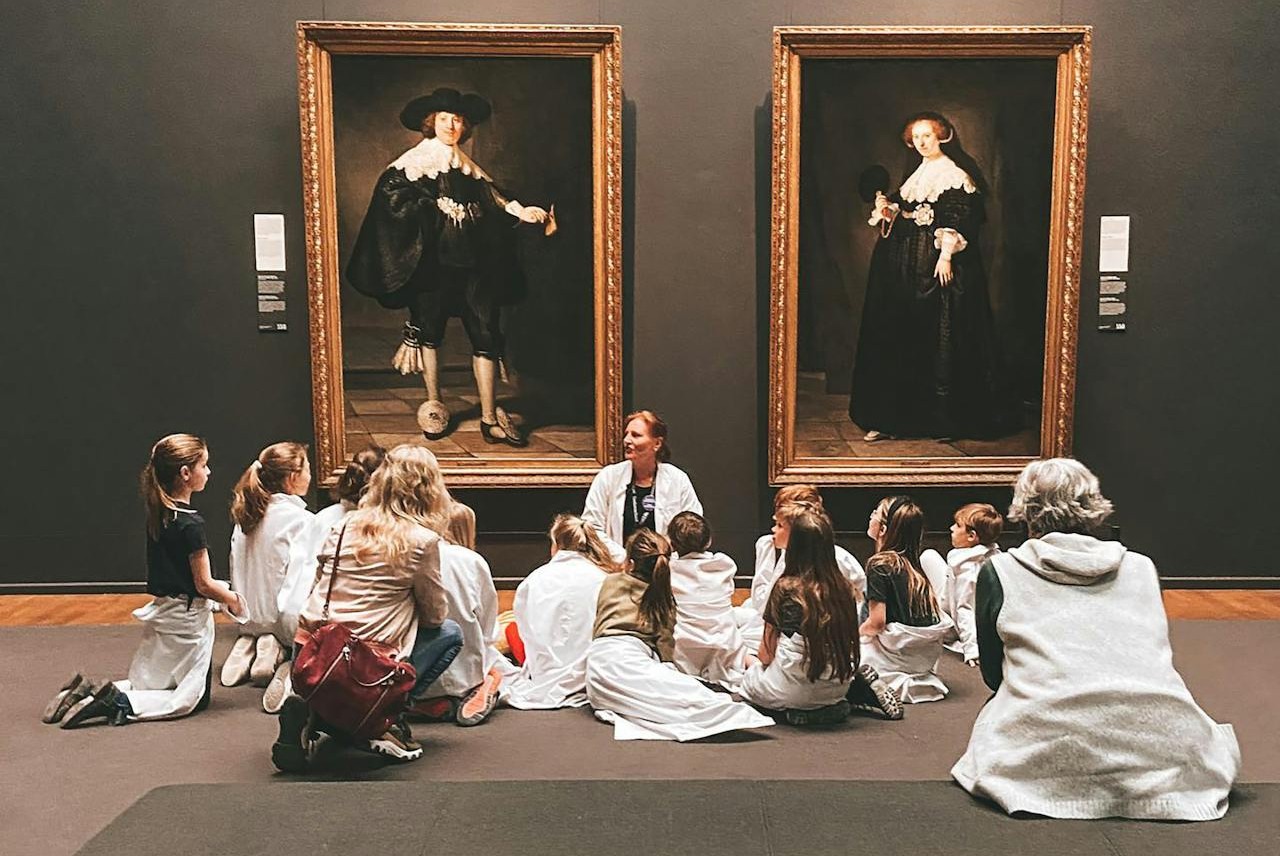
Games and small challenges made museums feel less intimidating without turning them into theme parks, and curiosity got louder. A puzzle trail, build table, or quick experiment turns information into a goal with feedback, keeping families aligned while giving groups a reason to compare results, swap strategies, and try again without embarrassment. Play also creates memory hooks, so visitors expect payoff moments like revealing a hidden layer, earning a stamp, or finishing a task that proves the idea; a purely passive gallery can feel incomplete even when the collection is strong and rare for groups.
Museums Turned Into Social Spaces
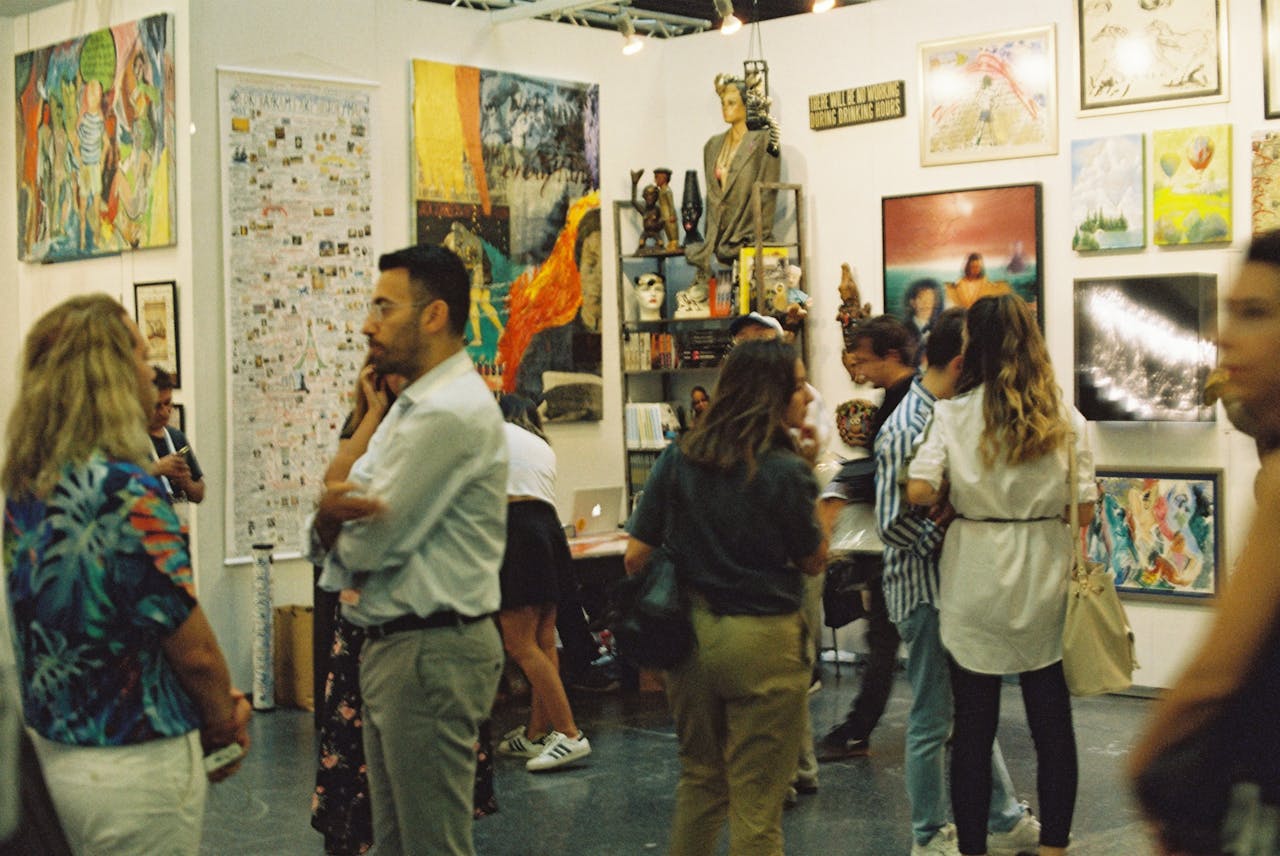
Interactive galleries rewrote the social rules of visiting, replacing hush with shared focus and low-stakes conversation. Instead of silent, single file viewing, people solve problems side by side, vote on interpretations, and trade observations while a model responds in real time, which makes learning feel communal and keeps groups moving together. That shift raised expectations for layout and tone: wide sightlines, clustered seating, prompts that invite conversation without turning rooms into noise, and staff who guide energy toward curiosity, patience, and simple courtesy when crowds swell.
Reliability Became Part of the Experience
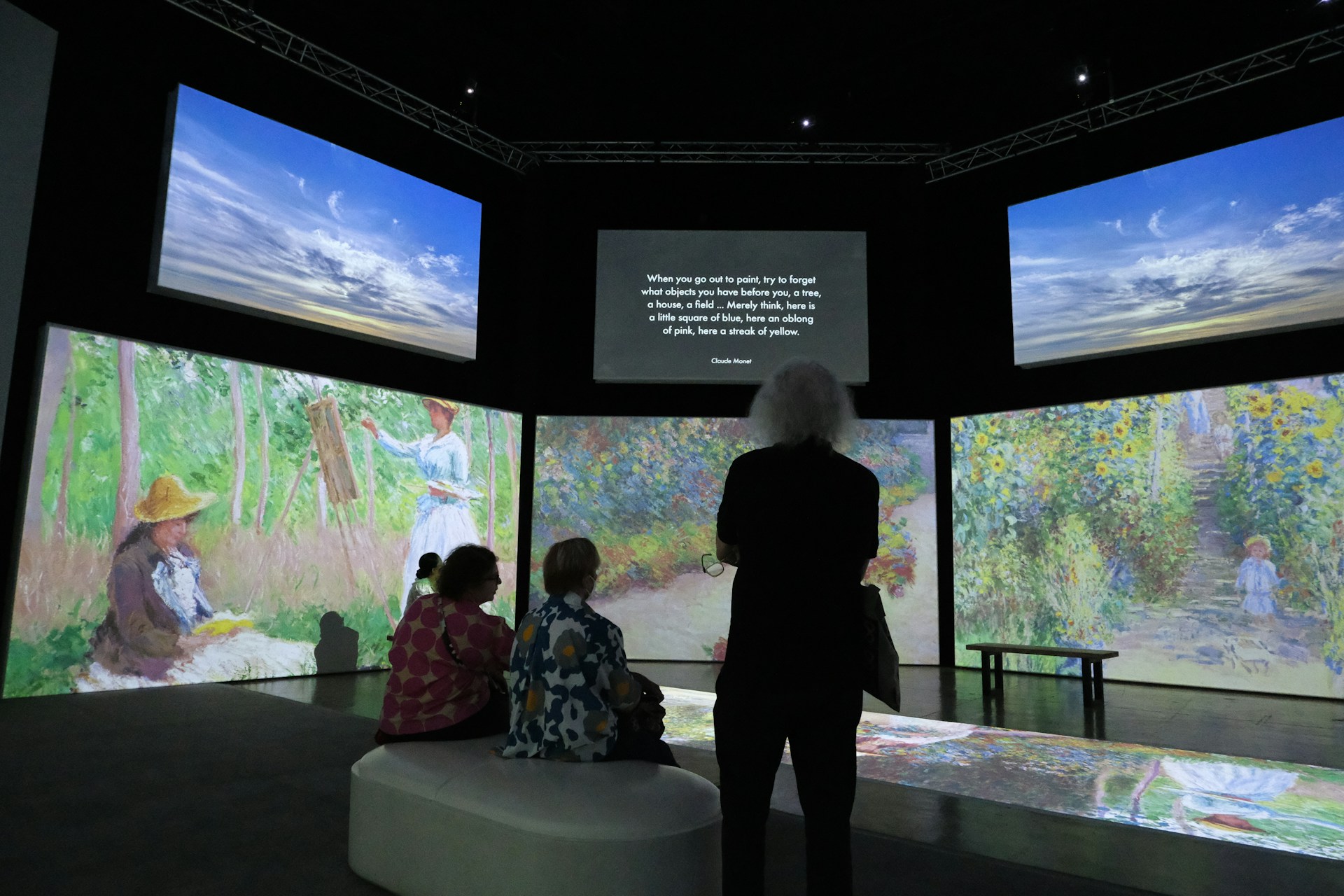
As soon as museums added interactive tech, visitors began judging them like other public experiences, where downtime feels personal. A frozen screen, broken lever, worn-out headphones, or unclear instructions can bottleneck a room and sour the mood faster than a typo, because participation is the point and waiting steals momentum from the story. Expectations rose around maintenance and flow: clear queuing, quick fixes, staff who troubleshoot kindly, accurate calibration, spare parts on hand, and content refreshed often enough that repeat guests do not meet the same stale loop month after month.
Visitor Voices Entered the Exhibit
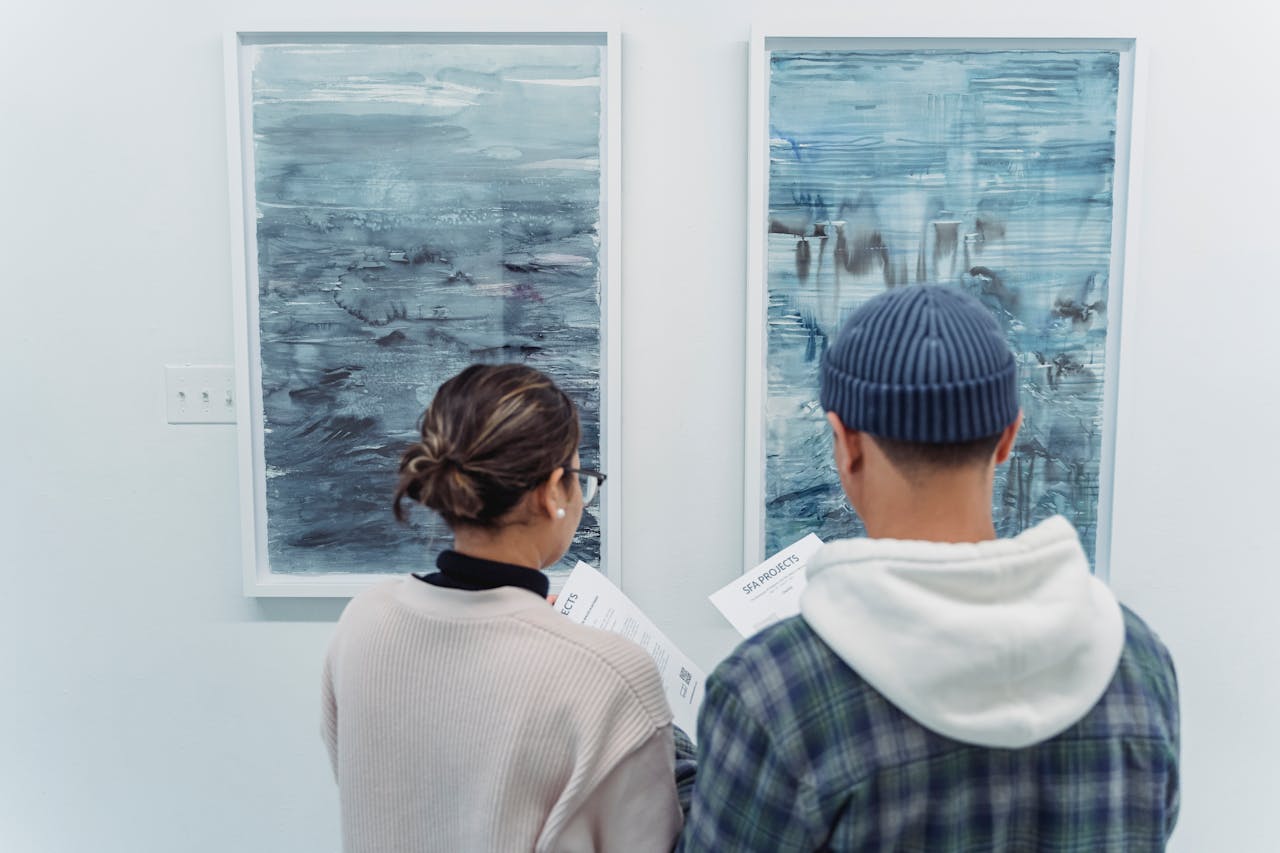
Comment walls, polls, and recording booths signaled that visitor perspectives matter, and authority began to feel shared. Interpretation started reading like a conversation rather than a verdict, especially when exhibits acknowledge uncertainty, competing memories, and changes in what evidence can support over time. Many guests now expect context and multiple viewpoints, with clear source credit and transparent wording; the strongest interactive exhibits place community stories beside curatorial research, show how feedback is used, and invite return visits to see what changed in future galleries.
Skill Building Joined the Gallery
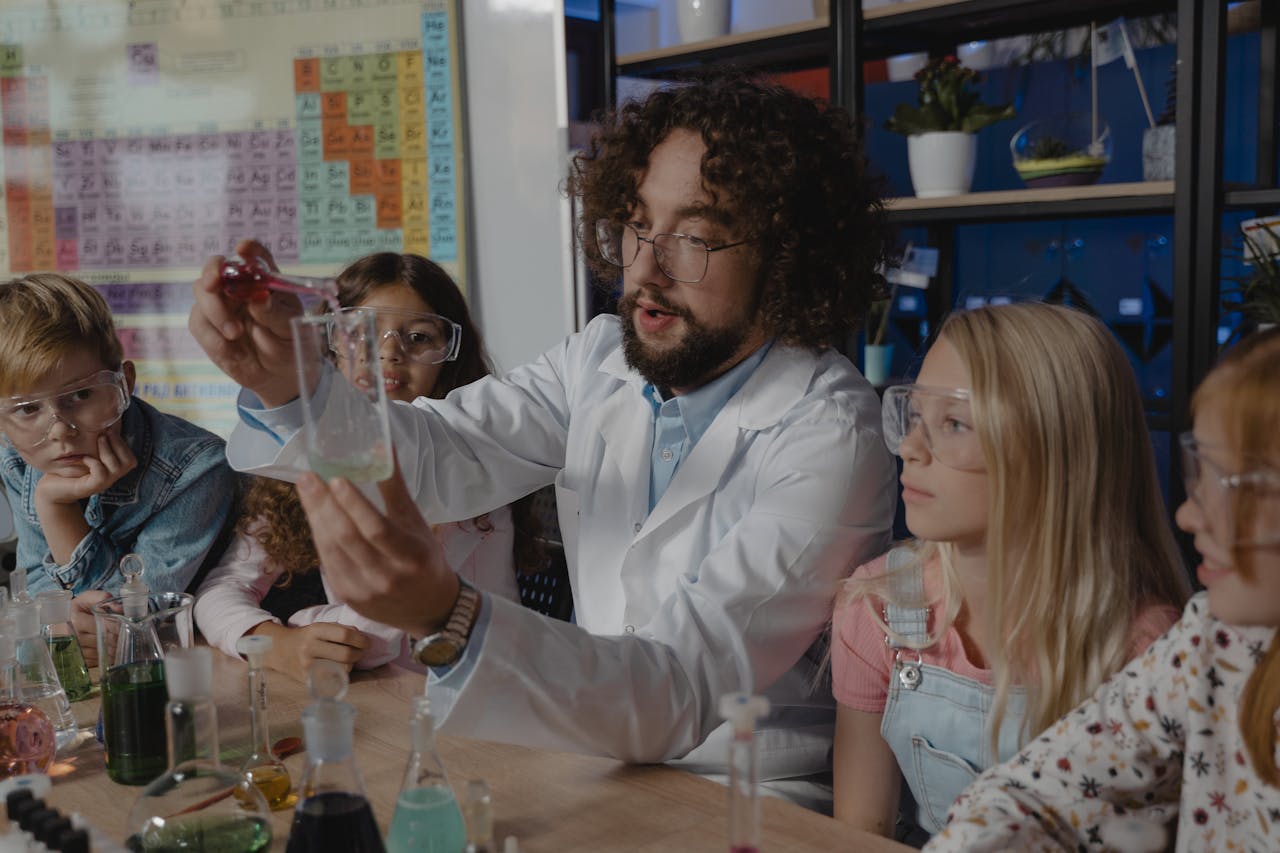
Maker studios and drop-in labs reframed museums as places to practice, not just observe, and learning gained muscle. Printing a small relief, handling replica fossils, repairing a torn map, or coding a simple animation turns a visit into a skill moment, with tools that make process visible rather than mysterious behind glass. That raised expectations for teaching: easy-to-use materials, clear safety guidance, and educators who circulate like calm coaches, so beginners can finish something, understand why it worked, and leave with confidence that extends beyond the building into everyday life now.
Freshness Became a Promise
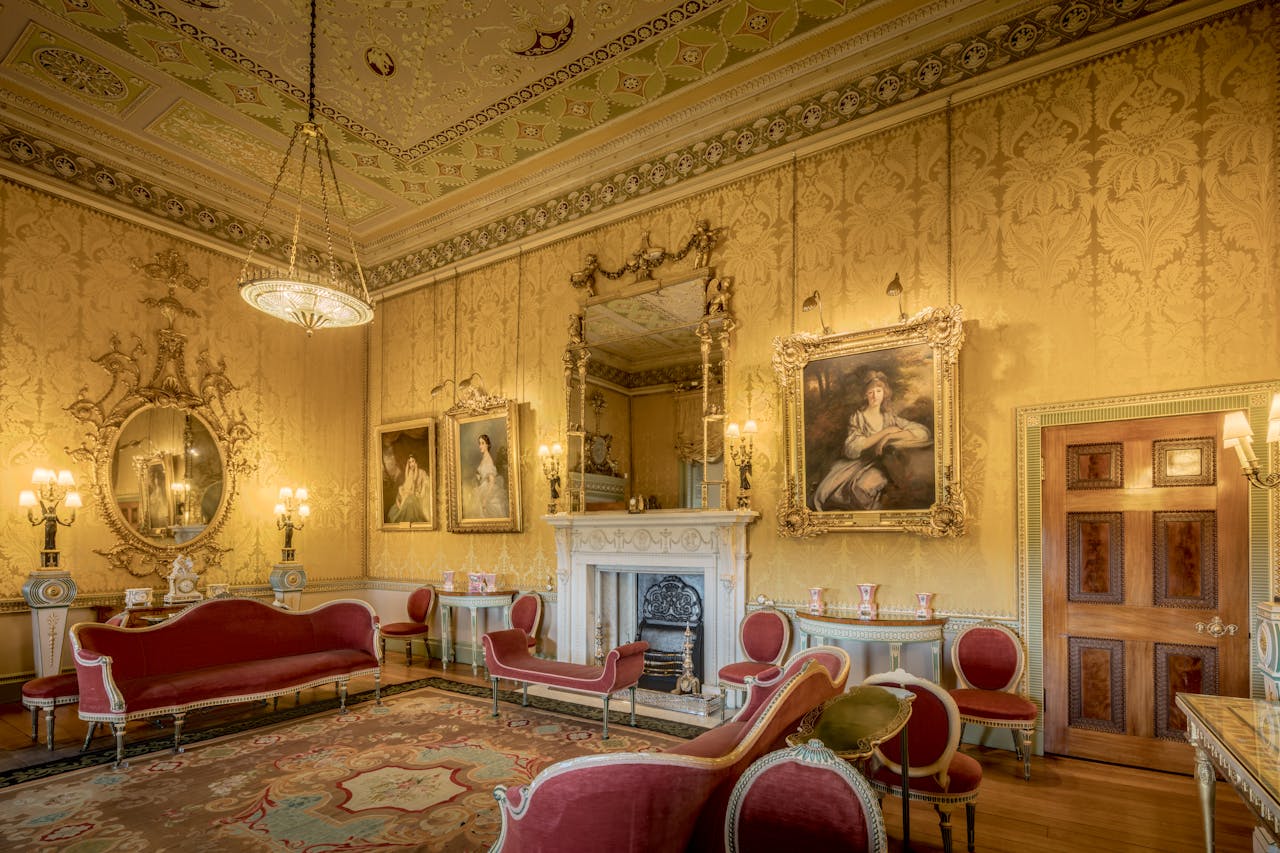
Interactive formats made repeat visits more rewarding, because the experience could genuinely change between seasons and school breaks. Rotating digital layers, pop-up rooms, and weekend labs refresh familiar collections without hiding them, so regulars feel the museum is listening to what the community asks and notices in real time. Audiences now expect updated interpretation, timely examples, and programming that responds to local life; returning should feel like discovery instead of routine, and memberships start to feel like access to an evolving place with new angles each visit each season.