Music history hides inside familiar choruses more often than most listeners realize. Love songs turn out to be war stories, party anthems grow from riots or trials, and quiet ballads carry the weight of entire movements. These tracks show how artists smuggle headlines into hooks, giving real events a second life in memory and emotion. Follow the trail and each melody becomes a small doorway back to protests, courtrooms, and nights when the news felt too heavy to carry alone.
London Calling And A City On Edge
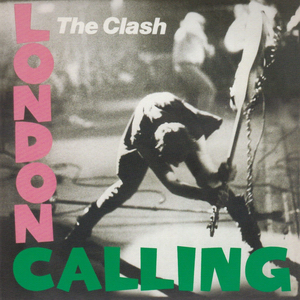
London Calling sounds like the end of the world, yet its disasters are stitched together from seventies headlines. Joe Strummer lifted the title from the BBC World Service call sign used in World War II, then packed the lyric with nuclear errors, flooded rivers, and police batons, reflecting fears around incidents like Three Mile Island and a drowning Thames. The song turns that anxiety into a broadcast from a city bracing for catastrophe, part news report, part warning flare, its crashing chords like a siren in a tower block at midnight.
Sunday Bloody Sunday And The Troubles
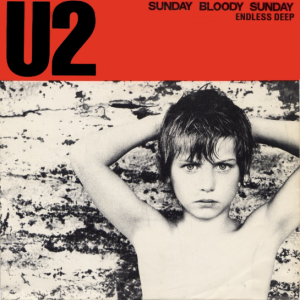
Sunday Bloody Sunday opens with a drum pattern that sounds like troops on the move, yet its focus is an ordinary observer of Northern Ireland’s conflict. U2 wrote it thinking about the 1972 killings in Derry, when British soldiers shot civil rights marchers, and about earlier uprisings that still shaped Irish memory. The lyric refuses to glorify either side, circling the question of how long people must sing about violence before it ends. On stage, a white flag and strained vocals turn the track into a public act of mourning rather than a rebel chant.
Fortunate Son And The Vietnam Draft
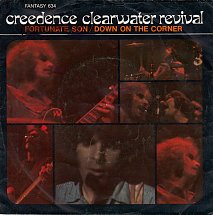
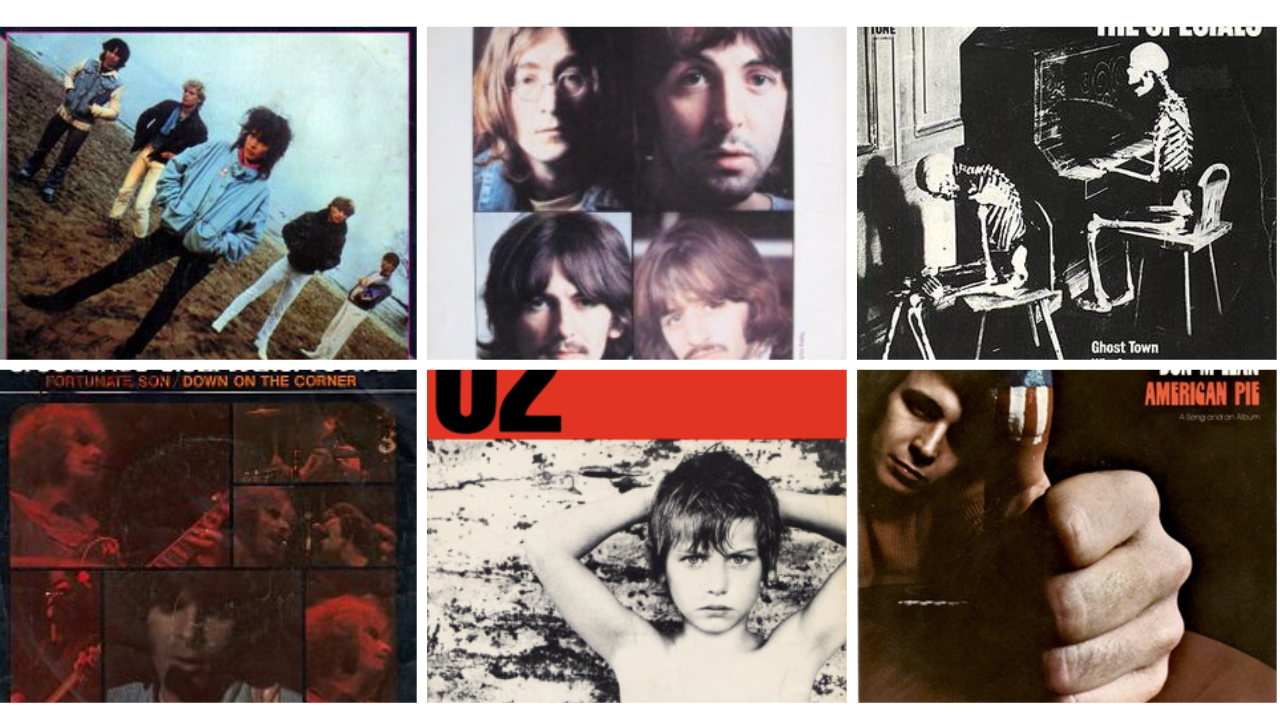
Fortunate Son races by in barely two minutes, but every line lands like an accusation aimed at the Vietnam era draft. John Fogerty wrote it while watching privileged families praise the flag in public and quietly secure deferments for their sons, as working class kids shipped out. References to senators, silver spoons, and waving the red, white, and blue point straight at a system where class decided who faced combat. The furious riff and raw vocal catch a truth protest signs could not always hold, that patriotic language feels hollow when some bodies are always closer to war.
Hurricane And A Wrongful Conviction
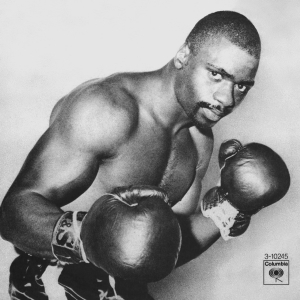
Hurricane feels like a crime thriller, but Bob Dylan is walking listeners through newspaper clippings from the case of middleweight boxer Rubin Carter. He wrote it in the mid seventies after reading about Carter’s 1966 conviction for a New Jersey barroom triple murder, built on shaky witnesses and racial bias, then reduced that mess into sharp scenes and names. Courtrooms, bar owners, and detectives flash past like sworn testimony. When Carter was eventually freed after years of legal battles, the song stood as a reminder that public attention can sometimes rattle a supposedly settled verdict loose.
The Night They Drove Old Dixie Down And Civil War Memory
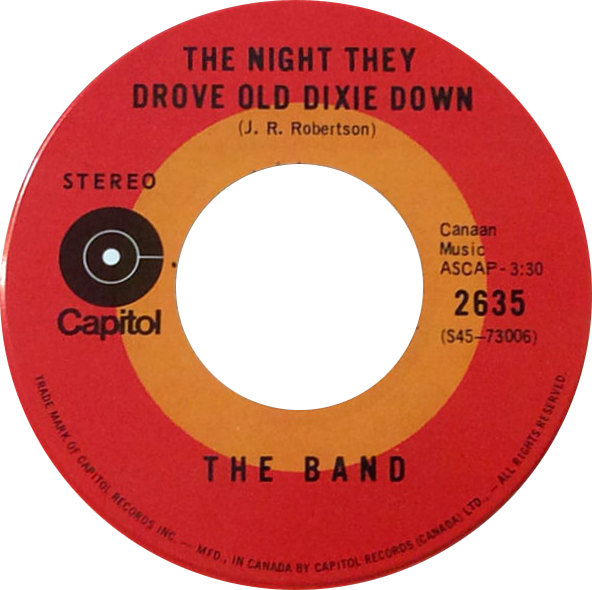
The Night They Drove Old Dixie Down sounds like an inherited folk song, yet Robbie Robertson built it from research into the final year of the Civil War. He writes in the voice of Virgil Caine, a poor Southerner watching Stoneman’s cavalry tear up the Danville train line and losing his brother in battle, with hunger and ruined work pushed to the front. No generals give speeches, no flags are praised. That choice turns the track into a study of how defeat lands on ordinary families, a portrait of collapse told through chores, funerals, and the sound of distant bells.
99 Luftballons And Cold War Panic
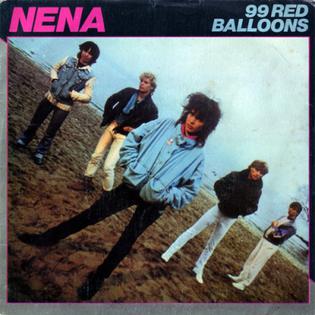
99 Luftballons can sound like carefree synth pop, yet its plot grows straight from Cold War nerves in divided Germany. Inspired by balloons released over West Berlin, the lyric imagines a drifting cluster mistaken for enemy craft, summoning jets, ministers, and finally nuclear fire as each decision maker overreacts. That escalation captures how pride, fear, and rigid command chains could turn a harmless sighting into catastrophe. By the time the singer wanders through ruins and finds a single balloon, the bright hook has become a small monument to how quickly misread signals can end everything.
Blackbird And The Fight For Civil Rights
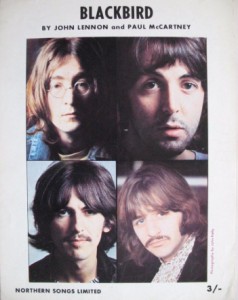
Blackbird sounds like a simple lullaby, just guitar, foot taps, and birdsong, yet Paul McCartney has tied it directly to the civil rights struggle. He has said he was thinking about the Little Rock Nine and other Black students facing mobs while integrating schools in the American South, folding that image into a bird with broken wings. Lines about waiting for a moment to arise become a quiet promise of dignity after long exclusion. Because no march or city is named, the song can feel purely personal, then slowly reveal its roots in those specific, dangerous hallways.
Ghost Town And Thatcher Era Unrest
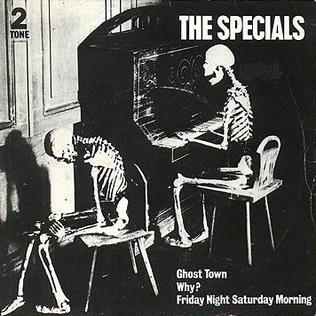
Ghost Town drifts along at a slow, eerie skank, filled with empty clubs, boarded shops, and silent streets that echoed early 1980s Britain. The Specials recorded it as unemployment surged, youth centers closed, and cities like Coventry and London sat on the edge of riot, with fights already flaring on weekends. Its release overlapped with uprisings in places such as Brixton and Toxteth, so the chorus about no one going out anymore sounded like a field report, not a complaint. The haunted organ line distills policy, boredom, and anger into one long, uneasy drive through town.
American Pie And The Day The Music Died
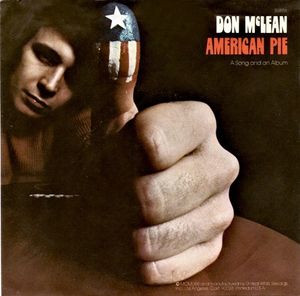
American Pie stretches across verses, circling the phrase the day the music died, a direct nod to the 1959 plane crash that killed Buddy Holly, Ritchie Valens, and the Big Bopper near Clear Lake, Iowa. Don McLean folds that shock into a wider meditation on how his generation watched America tilt from sock hop innocence into assassinations, cults, and cultural exhaustion through the sixties. Marching bands, jesters, and kings echo real figures and events without names, turning history into dream logic. The song feels like a long postcard from someone tracing where the old hope slipped away.