
Quiet luxury has started to market itself as hush made visible: linen robes, deep armchairs, old libraries, and mornings with no agenda beyond a book and a window. Yet the reading retreat that looks perfect on a screen can feel different by the second or third day, when stillness stops feeling restorative and starts feeling slightly airless.
The strongest escapes understand that tension. They offer solitude with shape, beauty with warmth, and just enough human presence to keep silence from turning into loneliness. In the best ones, the atmosphere never asks a traveler to disappear for days in order to feel rested.
Gladstone’s Library, Hawarden, Wales
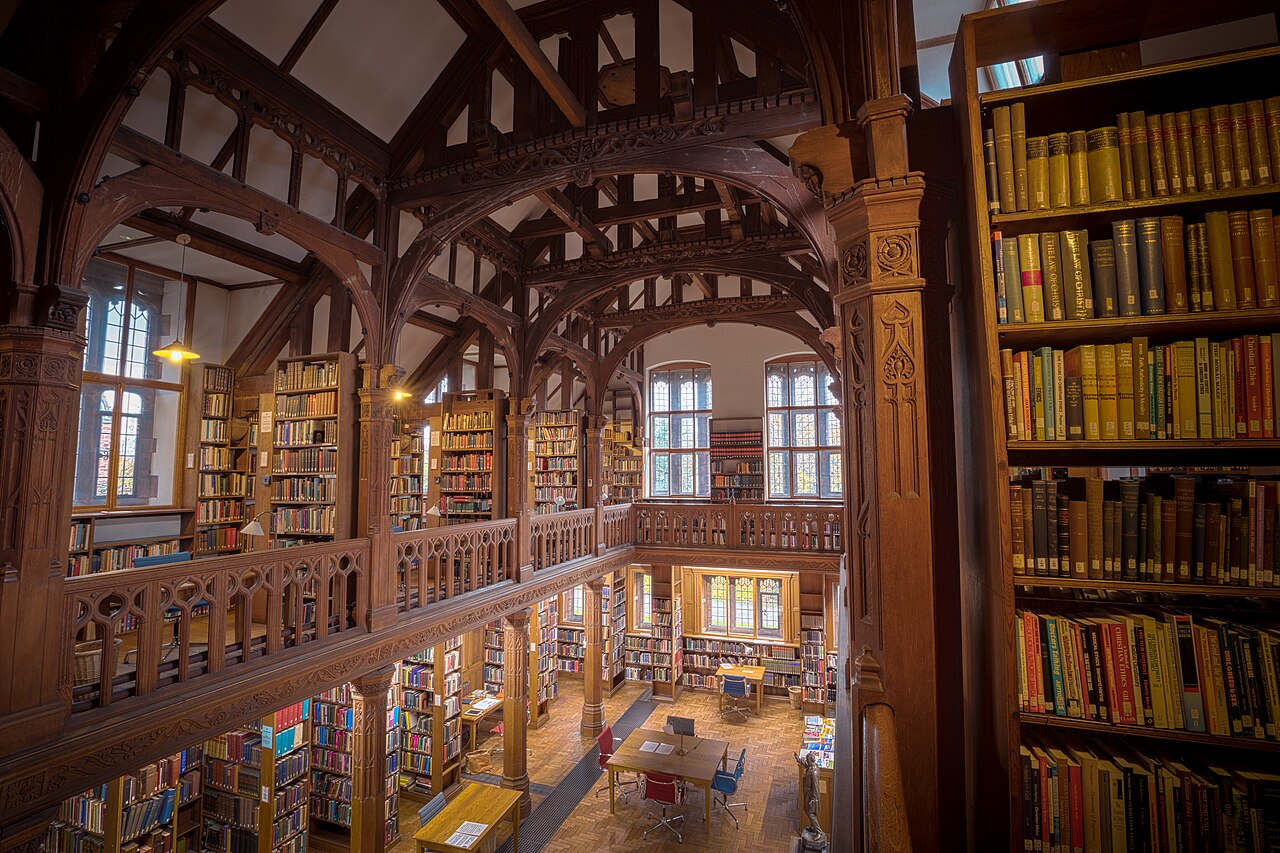
Gladstone’s Library in Hawarden feels made for travelers who want seriousness without severity. Britain’s residential library has 26 bedrooms, resident access to the reading rooms, and later access to the Theology Room, so the stay carries the rhythm of real study rather than staged escape. The quiet here is not decorative. It has structure, purpose, and a calm that makes even an ordinary afternoon feel considered and unhurried.
What keeps it from turning emotionally sealed is the human scale. A guest lounge, an on-site restaurant, and the presence of readers and writers in shared spaces give the hush a pulse instead of a void.
Library Hotel, New York City
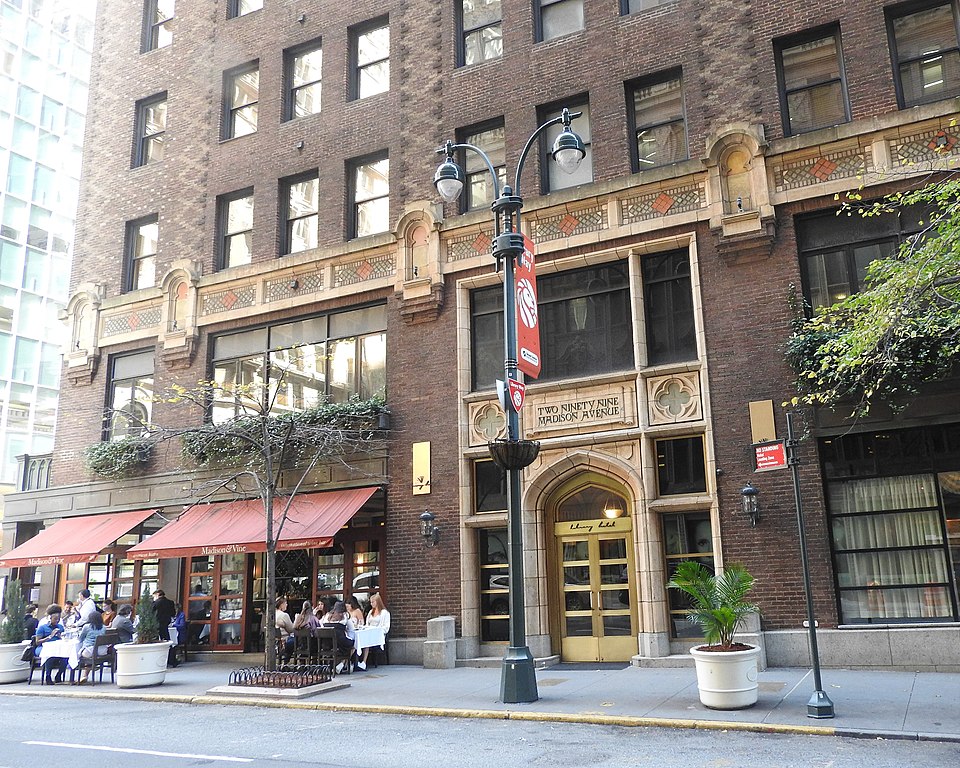
Library Hotel in Midtown Manhattan proves a reading retreat does not have to hide in the countryside to feel cocooned. The property organizes its 60 rooms around the Dewey Decimal System, offers access to more than 6,000 books, and keeps its Reading Room open around the clock with drinks, snacks, and shelves within easy reach. Outside, the city races. Inside, the mood is hushed enough to make an hour with a novel feel protected.
The risk is urban solitude in miniature: elegant, efficient, and a little too self-contained. The Reading Room softens that edge by working as both sanctuary and social space, not just a private set piece.
Hotel Emma, San Antonio
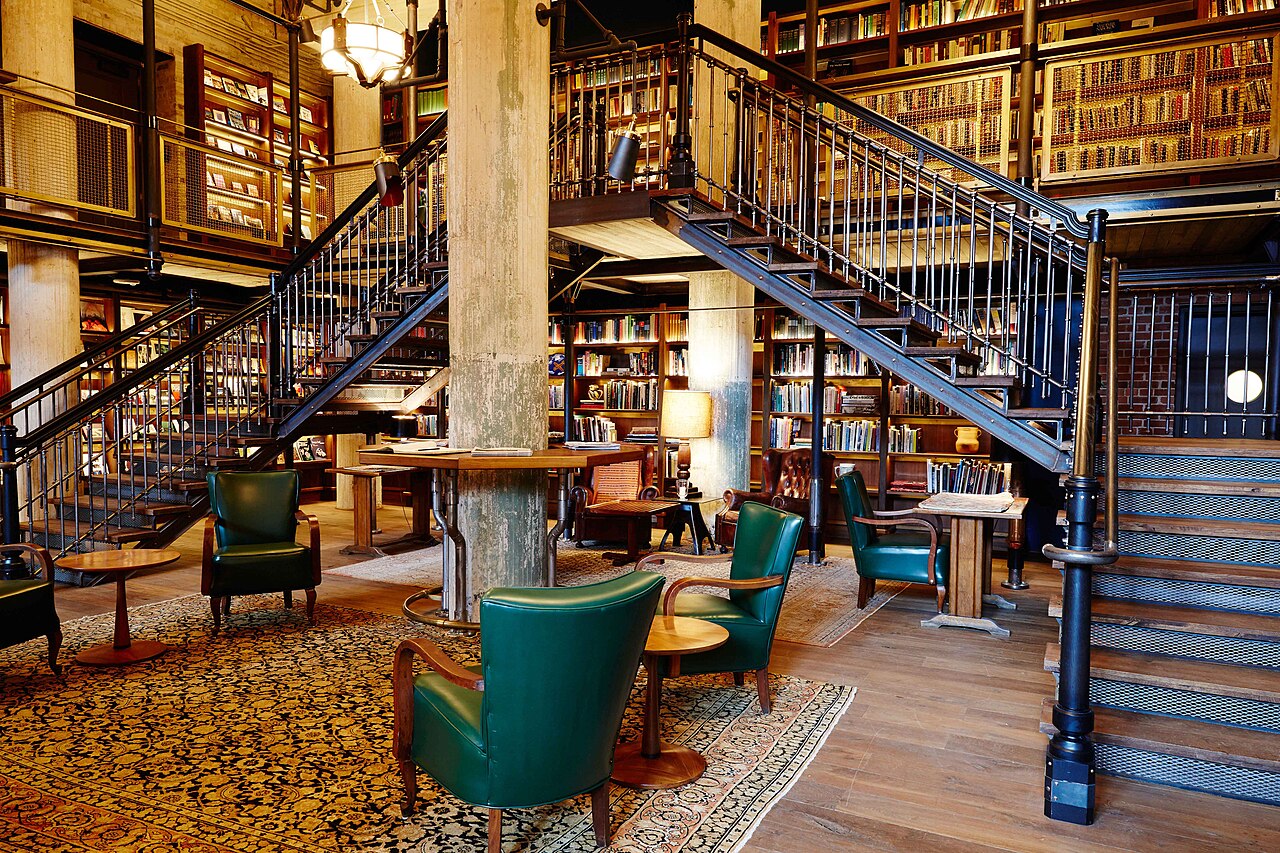
Hotel Emma in San Antonio folds literary retreat energy into one of the most persuasive luxury conversions in the country. The former brewhouse is now a 146-room riverfront hotel, and its guest-only library holds around 3,700 volumes curated from Sherry Kafka Wagner’s collection. That matters because the room does not feel merchandised. It feels lived in, eclectic, and deeply specific.
It also helps that Emma sits inside the Pearl district rather than apart from it. A reader can move from armchair solitude to coffee, dinner, or a short walk nearby without breaking the mood, which keeps quiet from hardening into isolation.
University Arms, Cambridge
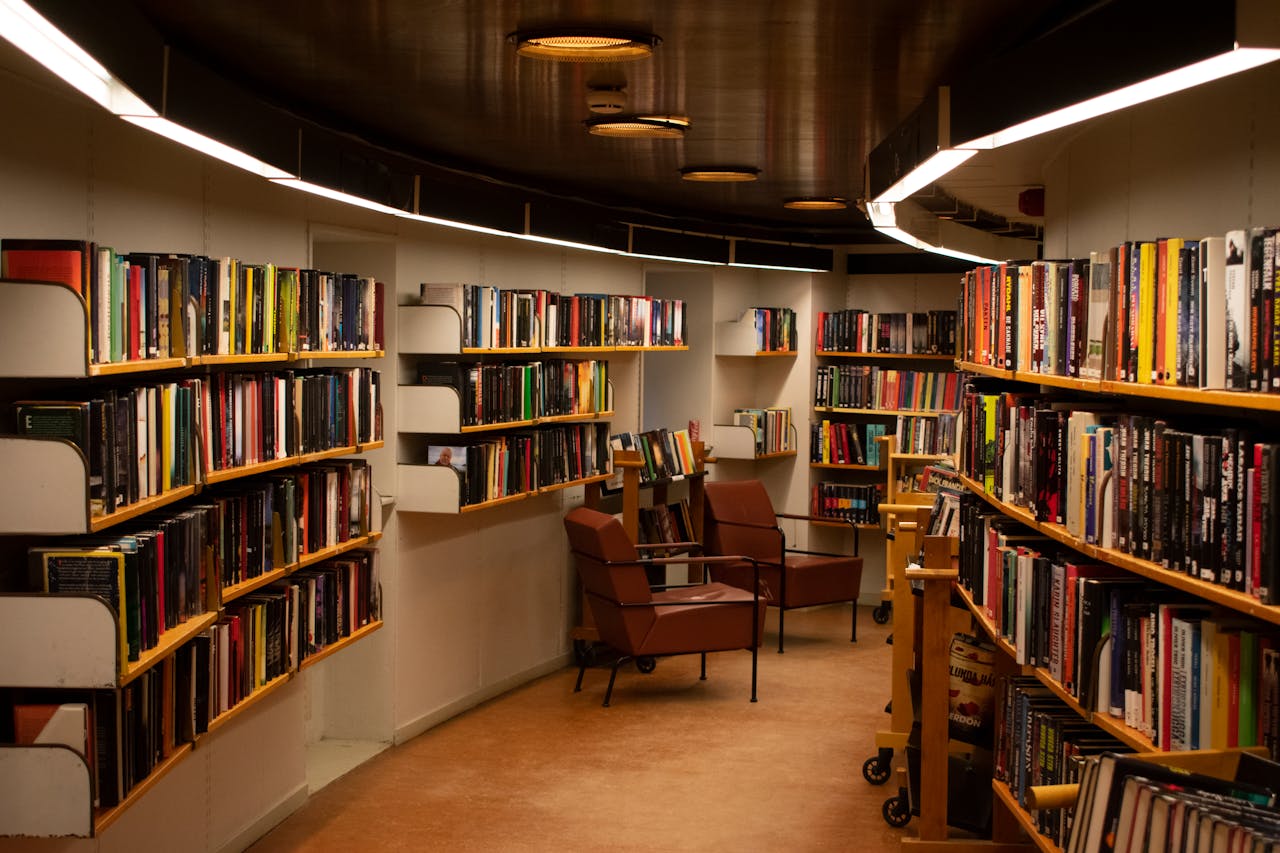
University Arms in Cambridge understands that some readers do not want an undefined weekend away. Its “Stay for the Story” package offers breakfast, a curated reading list, a personal journal, a consultation with a Book Butler, and rooms finished with leather-padded writing desks. The setup sounds polished because it is, but it also solves a real problem: too much open time can make solo travel feel flat.
Cambridge does some of the emotional work as well. The hotel sits in a city where bookshops, colleges, and cafés are part of the daily texture, so the atmosphere arrives already formed instead of asking a guest to invent it alone.
The Open Book, Wigtown

The Open Book in Wigtown leans less on polished luxury and more on literary fantasy. Guests stay in the apartment above the shop and run the bookstore below for the length of the visit, changing displays, pricing books, and greeting whoever wanders in from Scotland’s National Book Town. It is quiet, yes, but it is not passive. The retreat gives solitude a task and a daily rhythm of its own.
That working-shop structure is the cure for lonely travel fatigue many luxury stays miss. Reading is paired with small acts of welcome and conversation, so the escape feels connected to a real place instead of suspended above one.
The Literary Man, Óbidos

The Literary Man in Óbidos delivers the visual language of quiet luxury with confidence. Set inside a former 19th-century convent, the hotel describes itself as the world’s largest literary hotel in its category and carries that identity across 27 rooms, reading corners, and a restaurant that feels closer to a private library than a standard boutique stay. It is atmospheric in the right way: layered and tactile.
The stronger advantage may be its place inside a walled Portuguese town already shaped by books, cafés, and slow walking. That setting keeps the retreat from becoming all interior mood and no life around it at all.
Hotel Sylvia, Newport, Oregon

Hotel Sylvia in Newport, Oregon, feels like the coastal answer to the overdesigned wellness resort. Its 22 literary-themed rooms are built around authors and genres, with books in the rooms and an invitation to unplug, reflect, and recharge. Because the styling is tied to story rather than status, the place lands as personal instead of performative, which gives the calm a warmer texture and more lived-in charm.
The Oregon coast does the rest. Wind, gray water, and walkable stretches of town give the retreat motion at the edges, which is often what a solo reader needs before silence starts to drag and feel a little too heavy.
The Betsy, Miami Beach

The Betsy on South Beach offers a version of the reading retreat because it refuses the usual trade-off between culture and comfort. At the quieter end of Ocean Drive, the hotel has a dedicated Writer’s Room, a library venue lined with books, and ongoing literary programming, including a new series launched with Books & Books in early 2026. The atmosphere is not just aesthetic. It is maintained.
For travelers wary of lonely luxury, that distinction matters. A stay can still include long private reading hours, but there is also a built-in sense that words, music, and conversation belong in the same building, not in separate worlds.
Books in Places at Casa Rosa, Olhão

Books in Places may be the clearest answer for anyone drawn to quiet luxury but uneasy about too much solitude. Its reading retreats are built for book lovers and often for solo travelers, and one current Portugal edition is set at Casa Rosa in Olhão, a boutique hotel with old-town softness that suits the fantasy. The key detail is not just the pretty setting. It is the design of the stay: shared meals and fellow readers.
That balance is what many hotel stays promise but do not always deliver. Here, the book remains central, yet the experience admits that even devoted readers sometimes need company around the edges of the day.