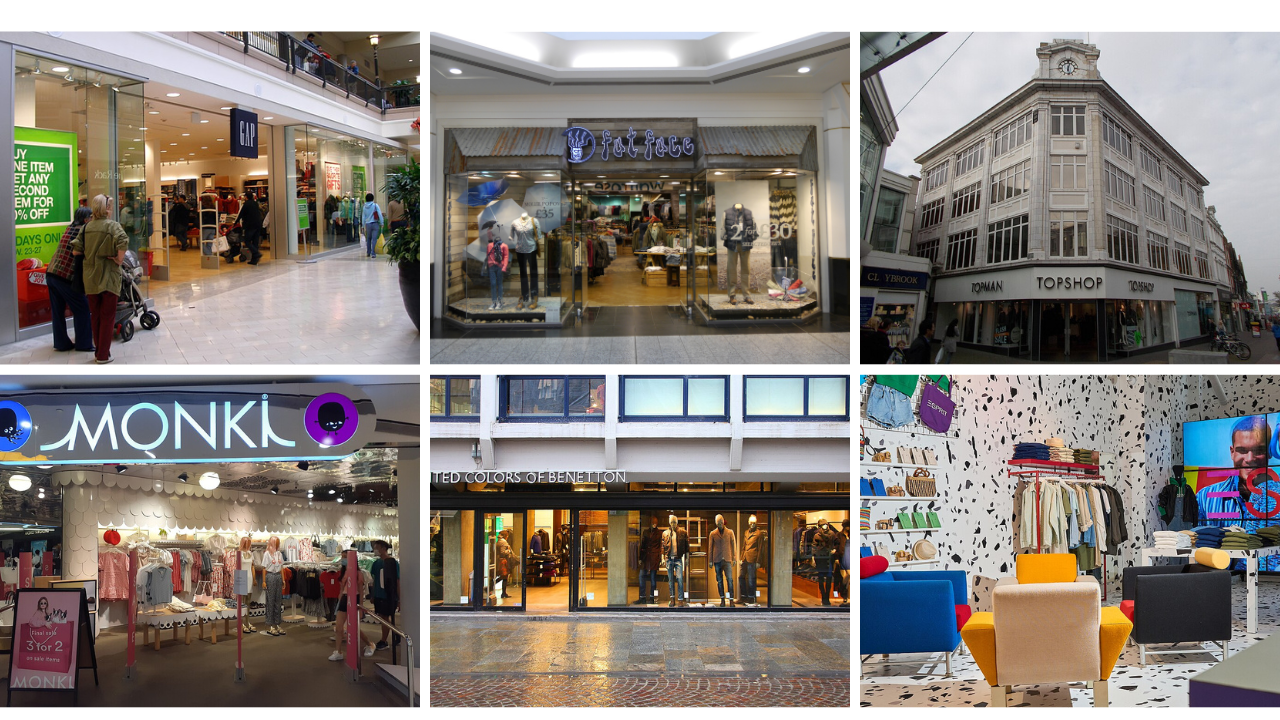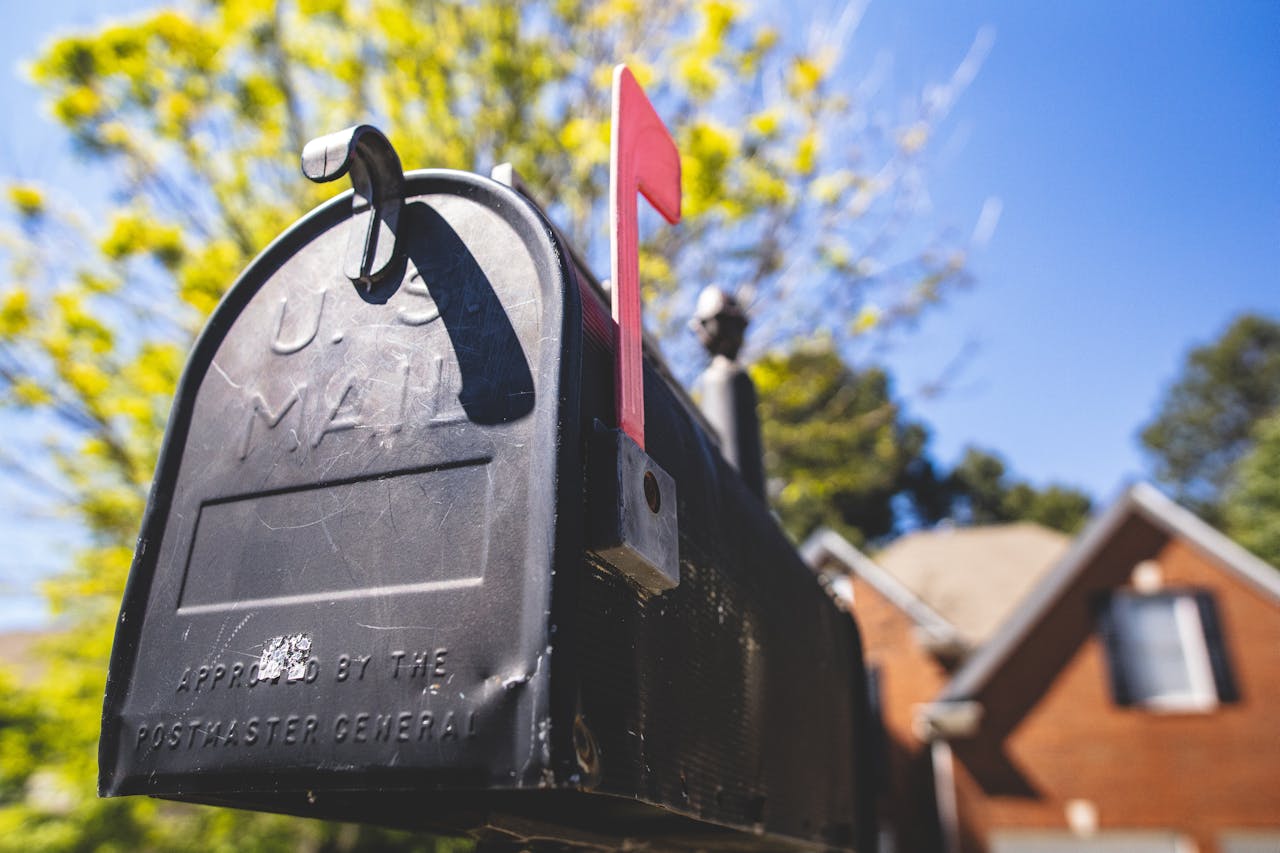
The curbside mailbox looks simple until the little red flag starts doing real work. It was born from distance: long driveways, scattered farmhouses, and carriers who could not afford to stop at every box on every run. Over time, that hinge became a quiet agreement between strangers, turning a metal tube into a two-way signal. It also became standardized hardware, shaped by postal safety, route math, and weather that can turn a shoulder into a hazard in minutes. The flag’s meaning is plain, yet its backstory is specific, full of design rules and rural improvisation. These nine details trace how a small piece of painted metal ended up as one of America’s clearest signs that communication is moving.
Rural Free Delivery Made Every Stop Expensive
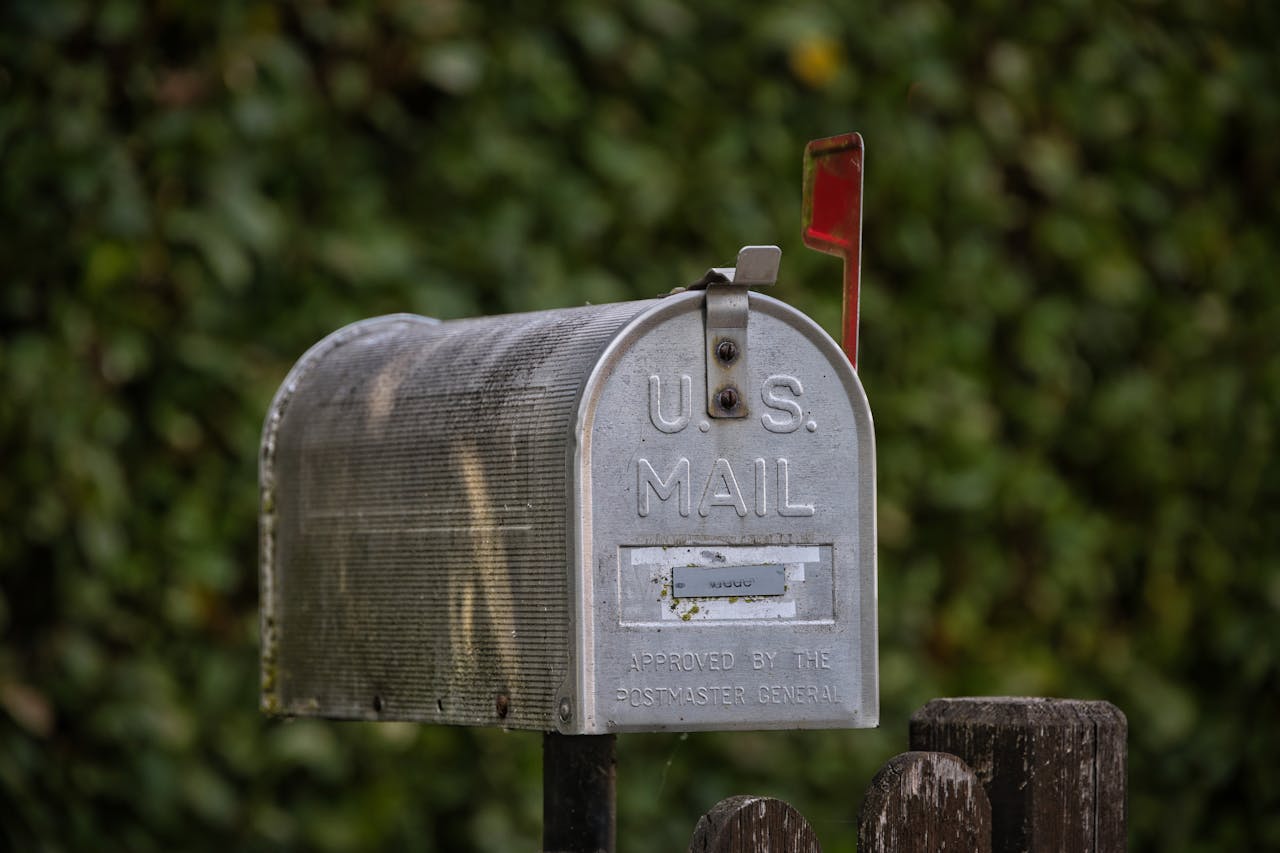
When Rural Free Delivery spread, routes stitched together farms and small towns where a single mile could hide several mailboxes. Stopping at every box just to check for outgoing letters would have meant constant braking, parking, and restarting, especially on gravel or snow-slick shoulders. The raised flag became a crisp request: pickup is waiting here today. USPS guidance says rural carriers are required to stop at a mailbox with the signal flag raised even if there is no mail to deliver, so the hinge works like route triage and keeps the schedule from unraveling for everyone downstream on busy days.
The Flag Turned A Box Into Two-Way Service

A curbside box solved delivery, but households still needed a reliable way to send letters back without walking to town or timing a trip to the post office. The flag bridged that gap by converting one roadside stop into a two-way exchange, with no conversation and no guessing about whether anything is inside. That small ritual also protected privacy, since outgoing mail could be left without handing it to a neighbor or leaving it exposed on a porch. Over time, the flag helped mail feel reciprocal, and it made the quiet act of sending a note possible from almost any driveway, any day of the week.
Carriers Are Not Supposed To Hunt For Outgoing Mail
The flag exists because the default assumption is delivery, not pickup, especially on long routes where many boxes will be empty most days. Without a clear signal, checking every box would be wasted motion and added roadside exposure at each stop, mile after mile. USPS rural delivery guidance makes the rule blunt: a raised flag indicates mail to be picked up, and carriers must stop when it is up even if nothing is being delivered. The result is fewer missed letters, less guesswork, and stops that stay brief on windy shoulders, tight curves, and roads where a parked vehicle can become a hazard.
It Once Worked As A Delivered-Mail Signal Too
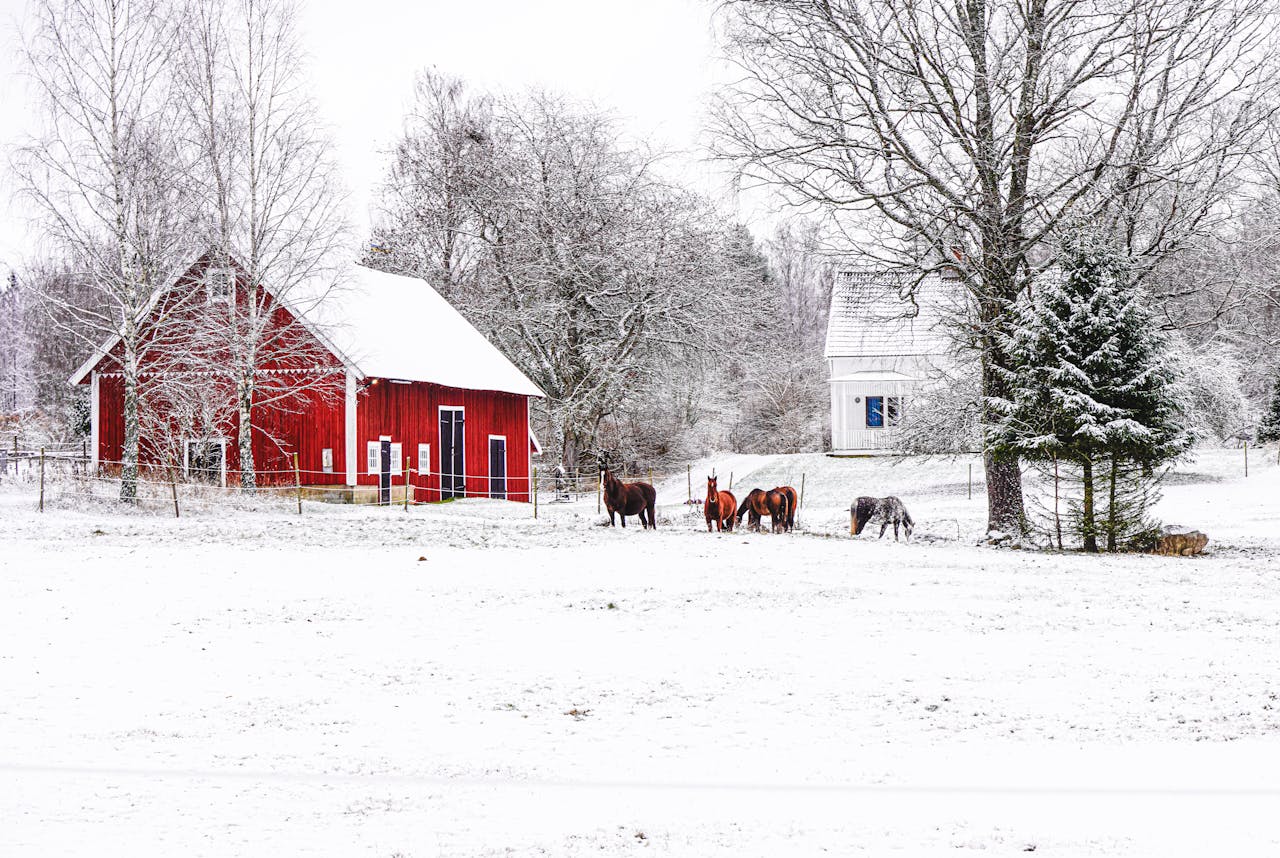
In earlier rural practice, the flag sometimes did double duty, and the meaning depended on local habit. The Smithsonian’s Postal Museum notes that a signal flag was attached so the carrier could raise it once mail had been placed inside, and customers also raised it when they put outgoing letters in the box. That shared, wordless code mattered when the mailbox sat far from the front door and winter made every extra walk feel expensive. It also let a household glance from a window and know whether the day’s news had arrived, which made the roadside box feel a little closer to home without stepping onto the road.
A 1915 Design Helped The Flag Become An Icon
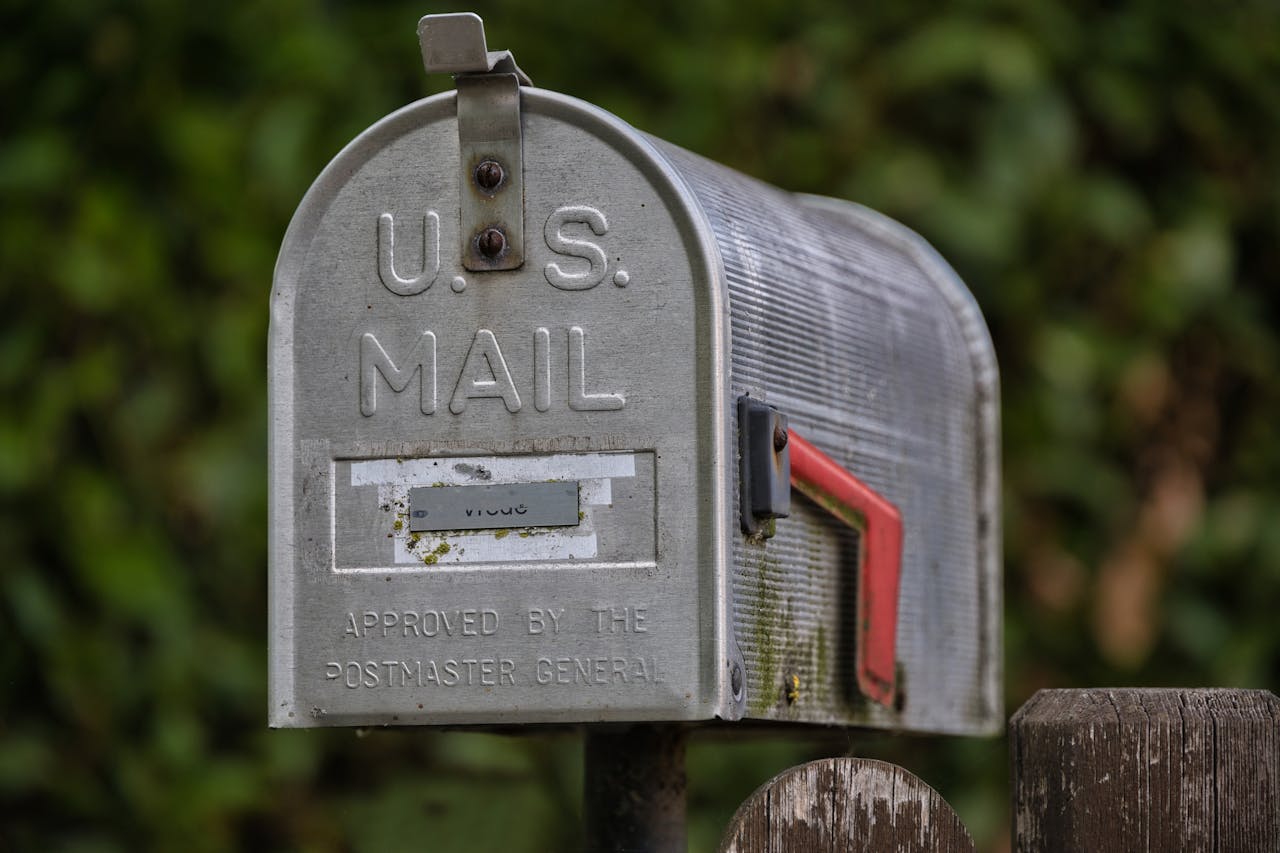
The familiar arched metal box and rotating semaphore flag trace back to 1915, when Post Office employee Roy J. Joroleman designed a standard rural mailbox. Accounts of the design note that it was left unpatented and widely shared, which encouraged many manufacturers to build compatible versions instead of fragmenting into dozens of odd shapes. That choice helped the flag become part of the default silhouette, while the tunnel roof shed rain and snow and the latch kept letters from tumbling out in wind. A humble spec quietly turned into a national symbol that still reads instantly from the corner of the eye.
USPS Standards Fix Where The Flag Must Sit
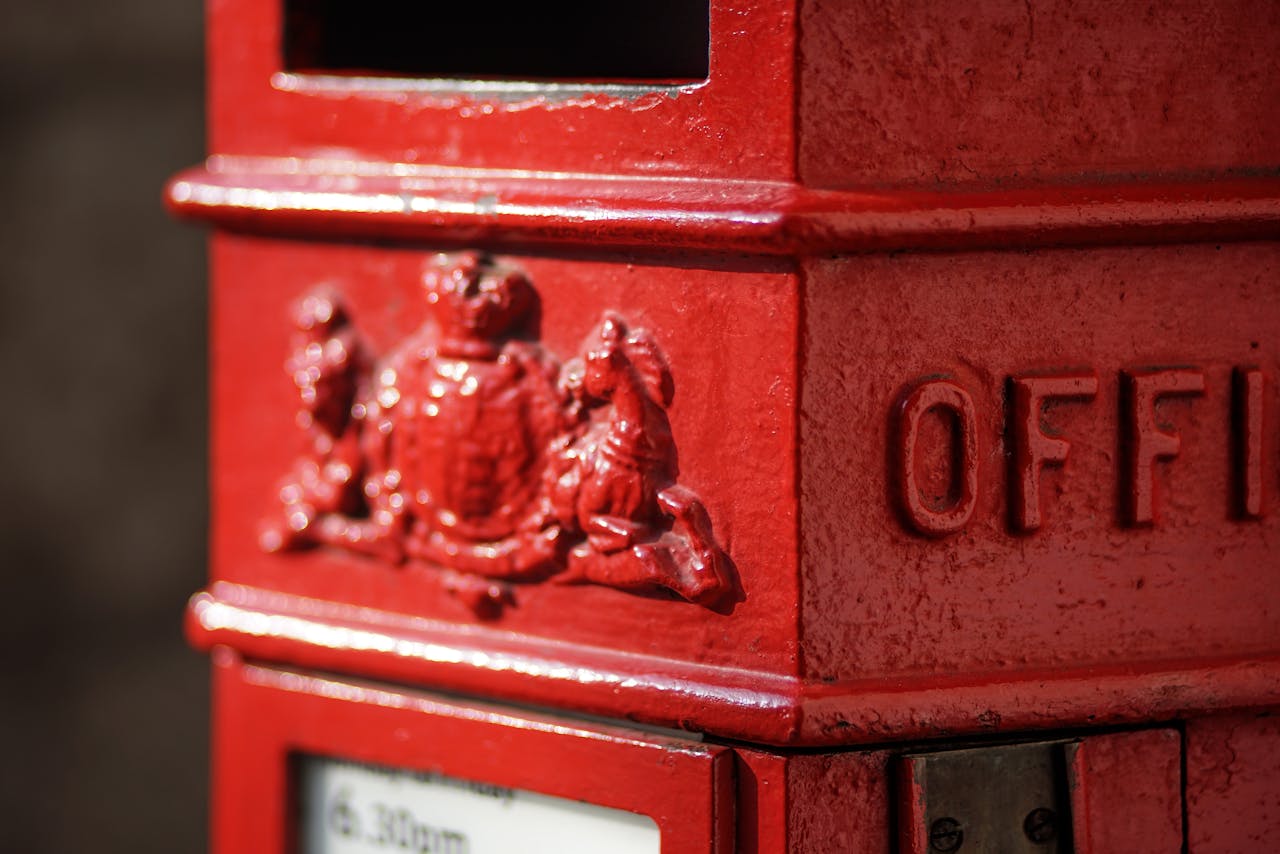
On modern curbside boxes, the flag is not just tradition; it is specified hardware with a fixed place. USPS-STD-7C requires the carrier signal flag to be mounted on the right side when facing the mailbox from the front, which keeps the signal predictable across clusters of boxes and different roadside setups. Consistency matters when a carrier repeats the same glance and reach hundreds of times per shift, often without fully stopping the vehicle. Standard placement reduces hesitation, improves visibility, and helps keep the flag from swinging into shrubs or toward traffic on narrow rural shoulders.
It Is Built To Stay Up Until The Carrier Lowers It
A flag that droops defeats its purpose, so USPS standards get mechanical in a way most people never notice. USPS-STD-7C says the flag must remain in position until retracted by the carrier, and it must not require more than two pounds of force to retract, so stiff joints, gloves, or cold hands do not cancel the message. The same standard requires the mechanism to operate without lubrication and keep working after testing, acknowledging years of grit, vibration, sun, and slammed doors. The goal is simple: one lift should still mean pickup, every time, in every season, without a second thought, year after year.
Color Is Treated Like A Safety Feature
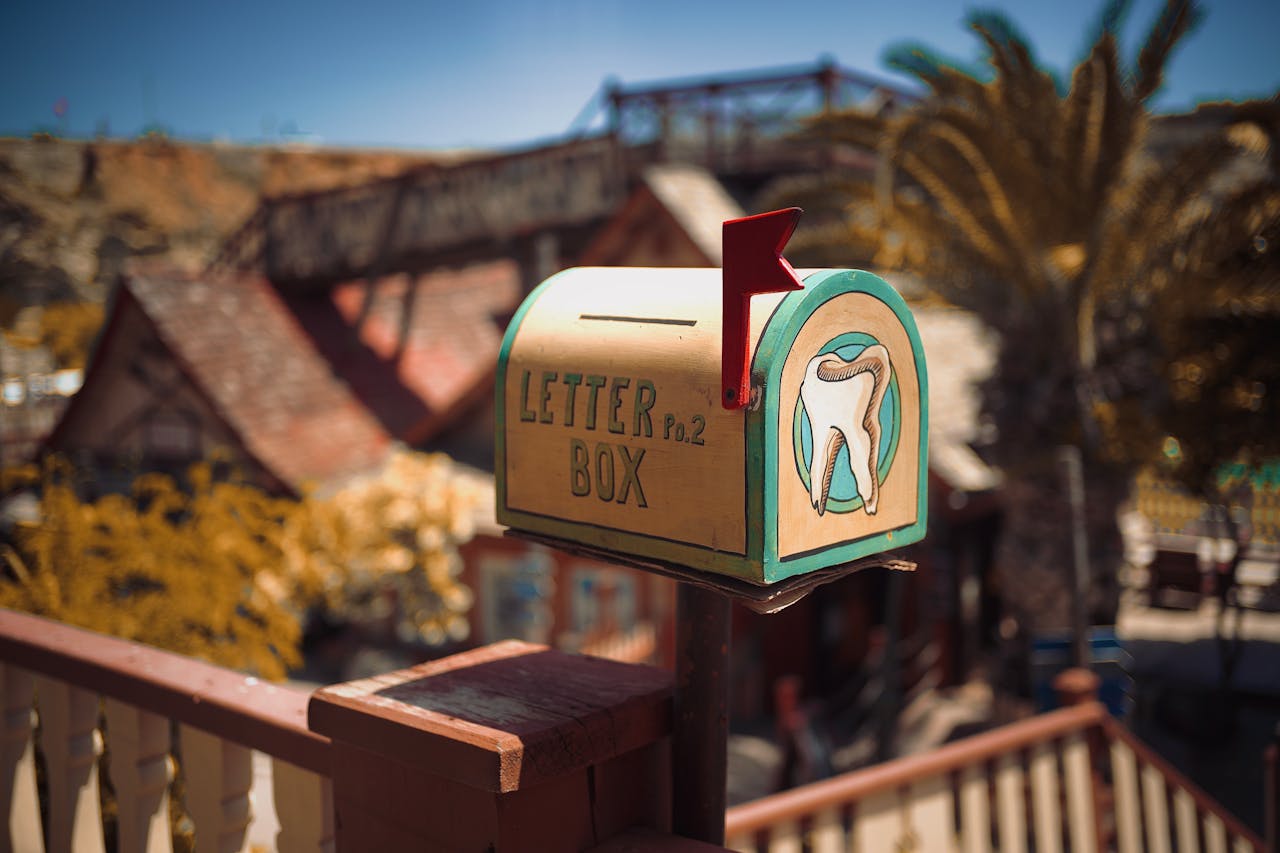
The classic red is not merely decorative; it is about speed, contrast, and safety at the edge of the road. USPS-STD-7C ties flag color to its own requirements, treating visibility like a functional spec rather than a style choice. A bright flag reads cleanly against snowbanks, summer hedges, and gray asphalt, even in peripheral vision from a moving vehicle. That quick recognition shortens stops and reduces the time a carrier spends exposed near traffic, especially at dusk, in fog, or in blowing rain. It also helps neighbors avoid false alarms, since a faded, low-contrast flag can look half-raised from a distance.
Locked Mailboxes Still Need Flags For Full Service
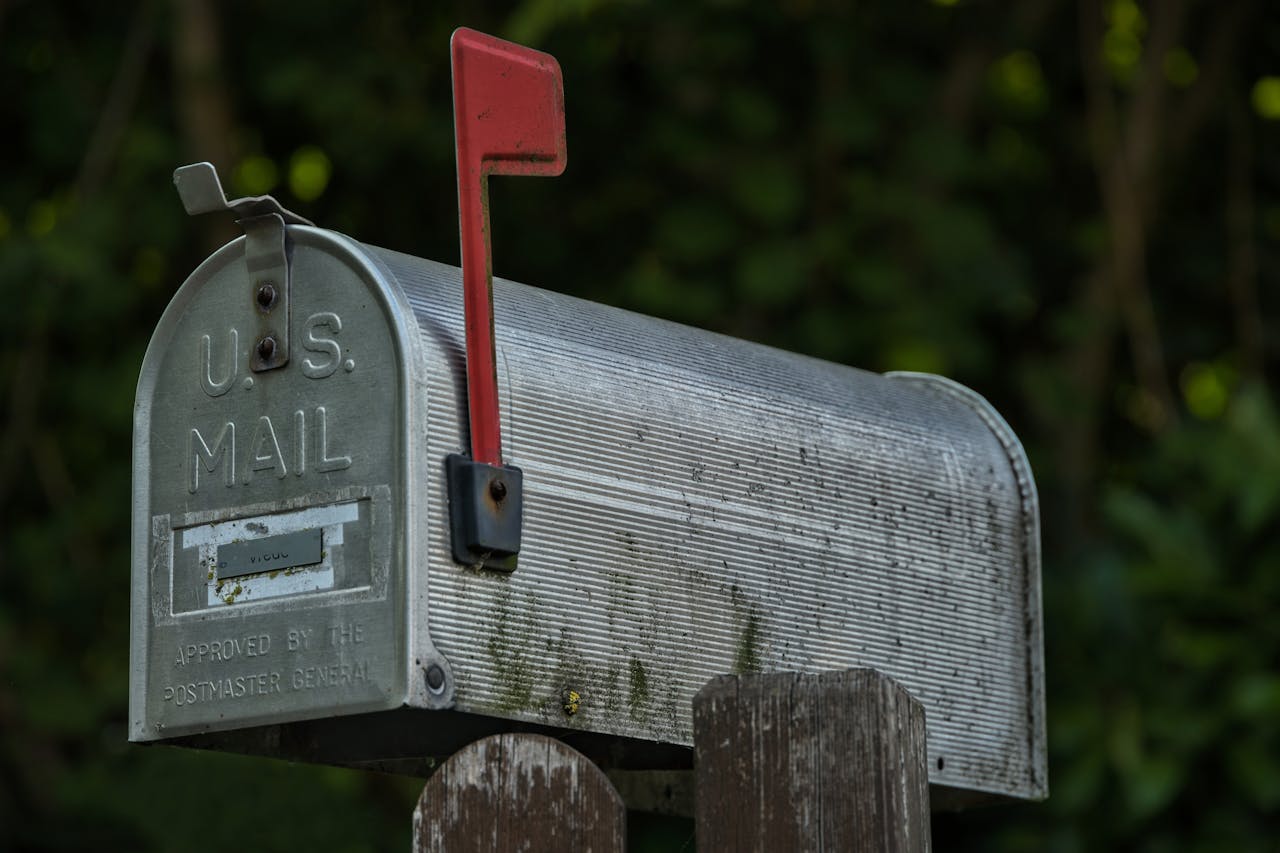
Security concerns pushed many households toward locking curbside boxes, but outgoing mail still needs a clear pickup signal. USPS curbside standards say that traditional, contemporary, and locked designs classified as Full Service shall have a carrier signal flag, keeping the two-way system intact even when the main door locks. The result is a modern compromise: incoming mail gets a tougher shell, while outgoing letters use the raised flag as their public note to the route. The old hinge still prevents missed pickups on days when nothing is being delivered and the box would otherwise be skipped.