A damp garage feels like free storage until a long rainy week makes the air heavy and still. Moisture slips into cardboard, paper, metal, and fabric, and the damage stays quiet until a bin is opened months later and everything smells stale.
Garages also swing from hot afternoons to cool nights, which creates condensation on concrete and cold surfaces. That daily cycle softens glue, warps wood, dulls electronics, and invites mildew in dark corners. Even a small leak or a wet car parked overnight can raise humidity enough to start the slow ruin. These 11 items fail first when they sit low to the floor without airflow or a sealed tote.
Photo Albums, Books, and Important Papers
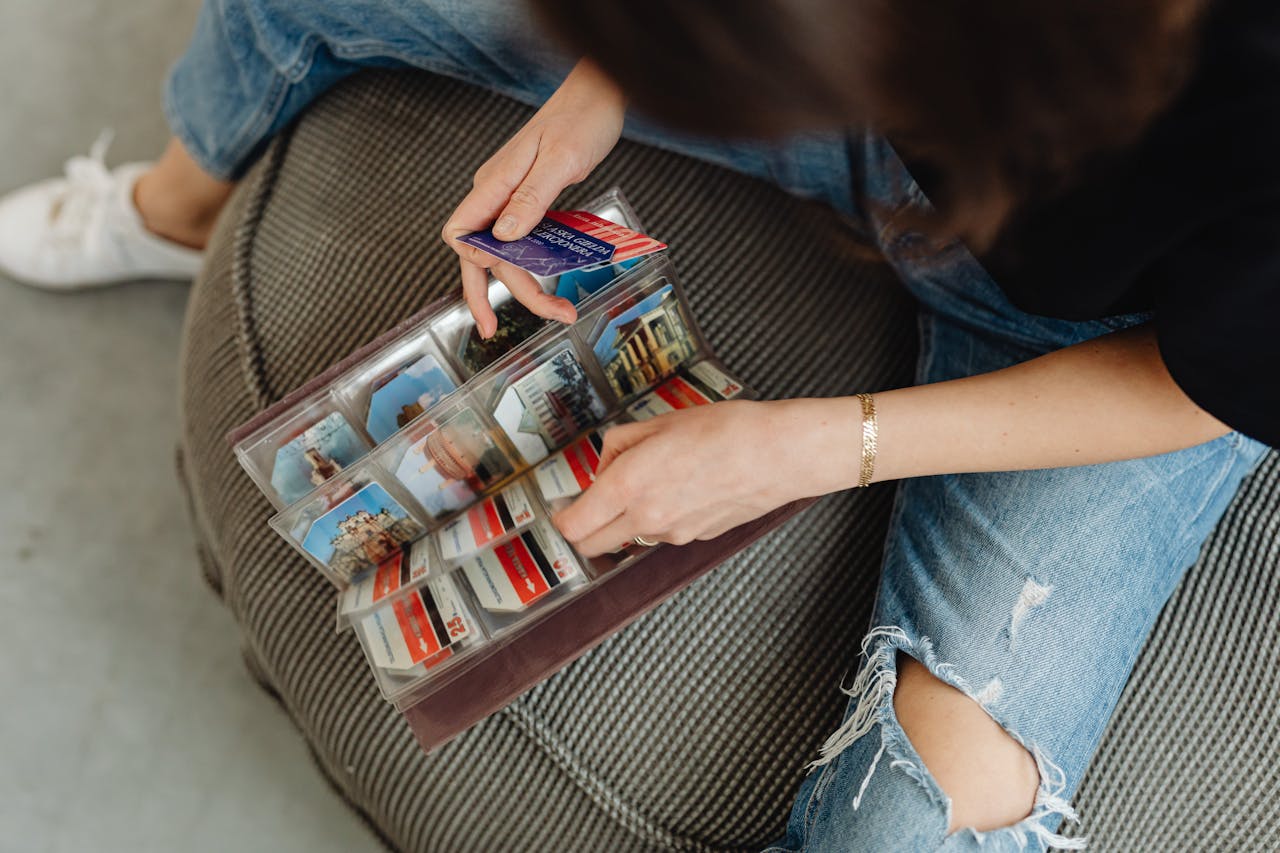
Paper absorbs humidity fast. Pages ripple, ink feathers, and photo prints can stick together, then tear when separated. Hardcovers warp at the spine, and even archival sleeves can trap damp air when a stack is packed tight in a bin.
Cardboard file boxes worsen the problem by wicking moisture up from concrete and holding it there. Staples and binder rings rust, labels peel, and corners soften until stacks slump. A faint musty odor often means mildew has started between pages where air never moves. Once paper swells and dries unevenly, it rarely returns to clean, flat, or readable condition, and the loss is hard to replace.
Cardboard Moving Boxes Full of Household Stuff
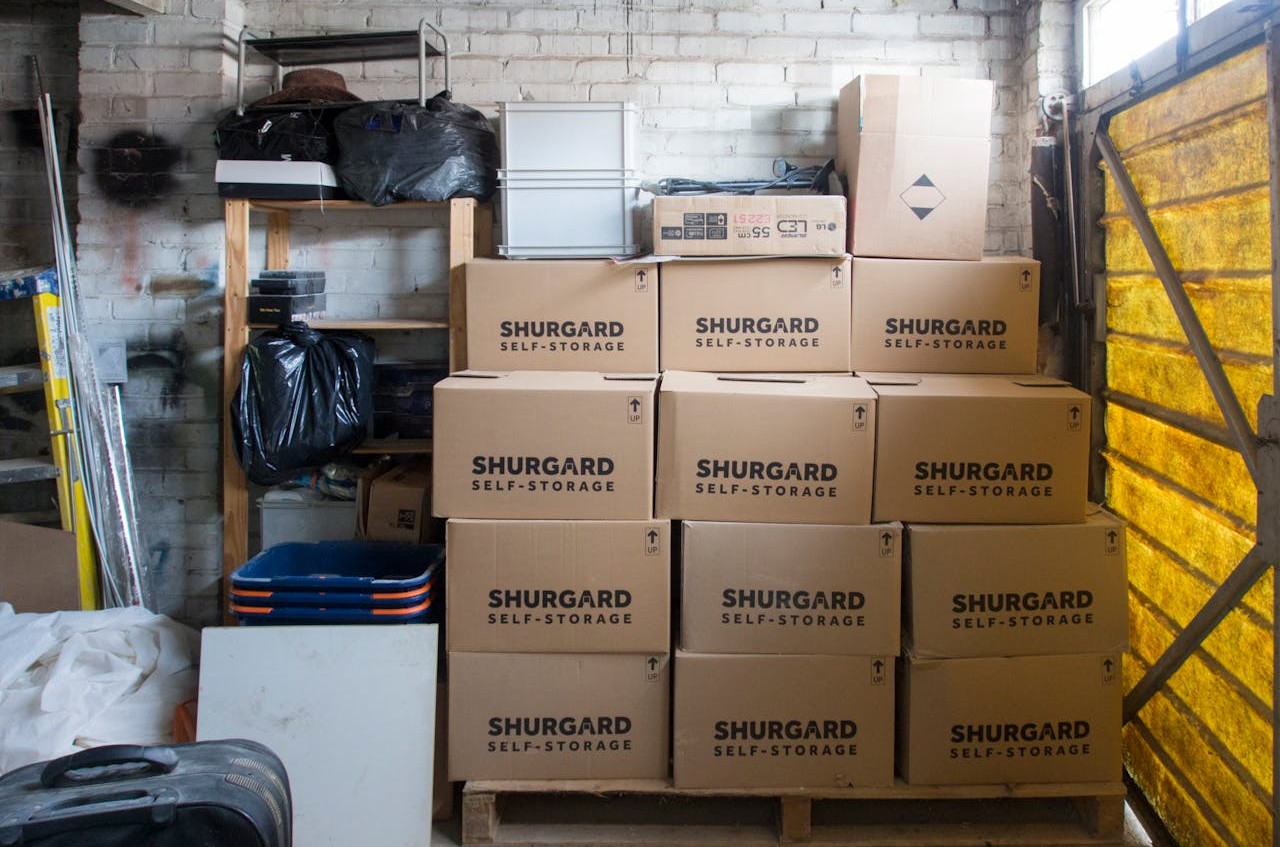
Moving boxes look sturdy, but in a damp garage they behave like sponges. They pull moisture from humid air and concrete, tape lets go, and the bottom can fail mid-lift. A neat stack may look fine while corners quietly soften, buckle, and compress whatever is inside.
Inside, trapped humidity creates a mini greenhouse. Fabrics pick up stale odors, thin plastics warp, and dark speckles can form along folds where air never moves. Labels smear, and packed items rub against damp cardboard and pick up grit. Boxes pressed to exterior walls wick condensation, and damp cardboard attracts insects that chew seams and hide damage for weeks.
Upholstered Furniture and Mattresses

Upholstered furniture fails from the inside out. Foam and batting absorb humidity, then hold it long enough for musty odor to settle deep. Wood frames can swell, joints loosen, and dust embeds into damp fibers, making fabric look dull even after vacuuming.
Plastic covers often backfire because condensation forms underneath during temperature swings. Staples rust and stain cloth, plywood layers can separate, and padding stays cool and clammy long after the air dries. Insects also like warm, hidden padding, especially when the garage stays dark. When the piece comes back indoors, it can smell off for weeks and never feel truly fresh again.
Clothing, Linens, and Leather Goods
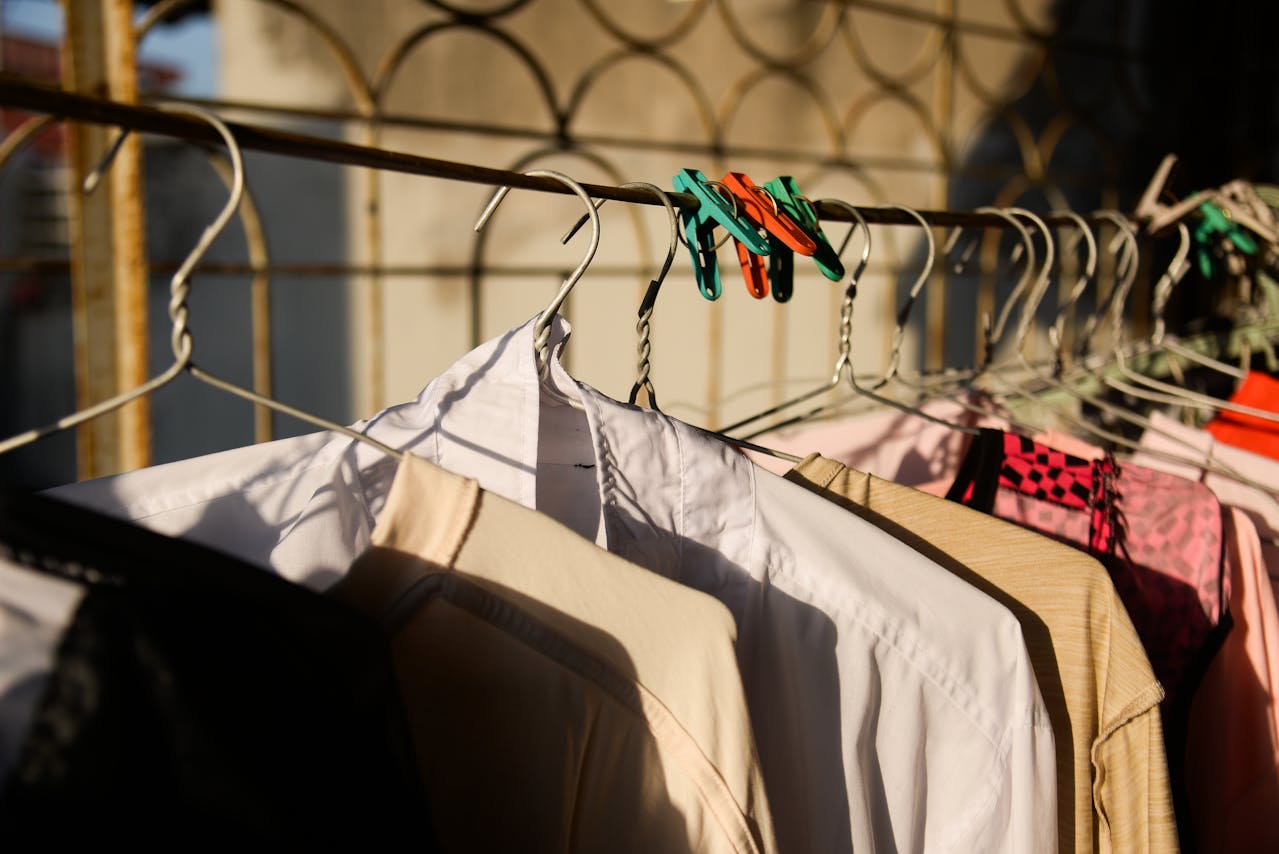
Clothing and linens absorb moisture in folds and seams. Cotton picks up a stale smell, elastic weakens, and quilts can develop faint spotting that spreads in dark bins. Wool and down lose loft when they stay damp, and everything feels heavier than it should. Dust and car fumes also settle into fabric near garage doors, leaving a grime that is hard to wash out.
Leather reacts faster. Humidity encourages surface mildew, dulls finishes, and can lead to cracking after repeated damp and dry cycles. Metal zippers and snaps corrode, leaving greenish stains. Even sealed totes can sweat on cold concrete, turning a clean stack into a musty surprise.
Electronics and Small Appliances
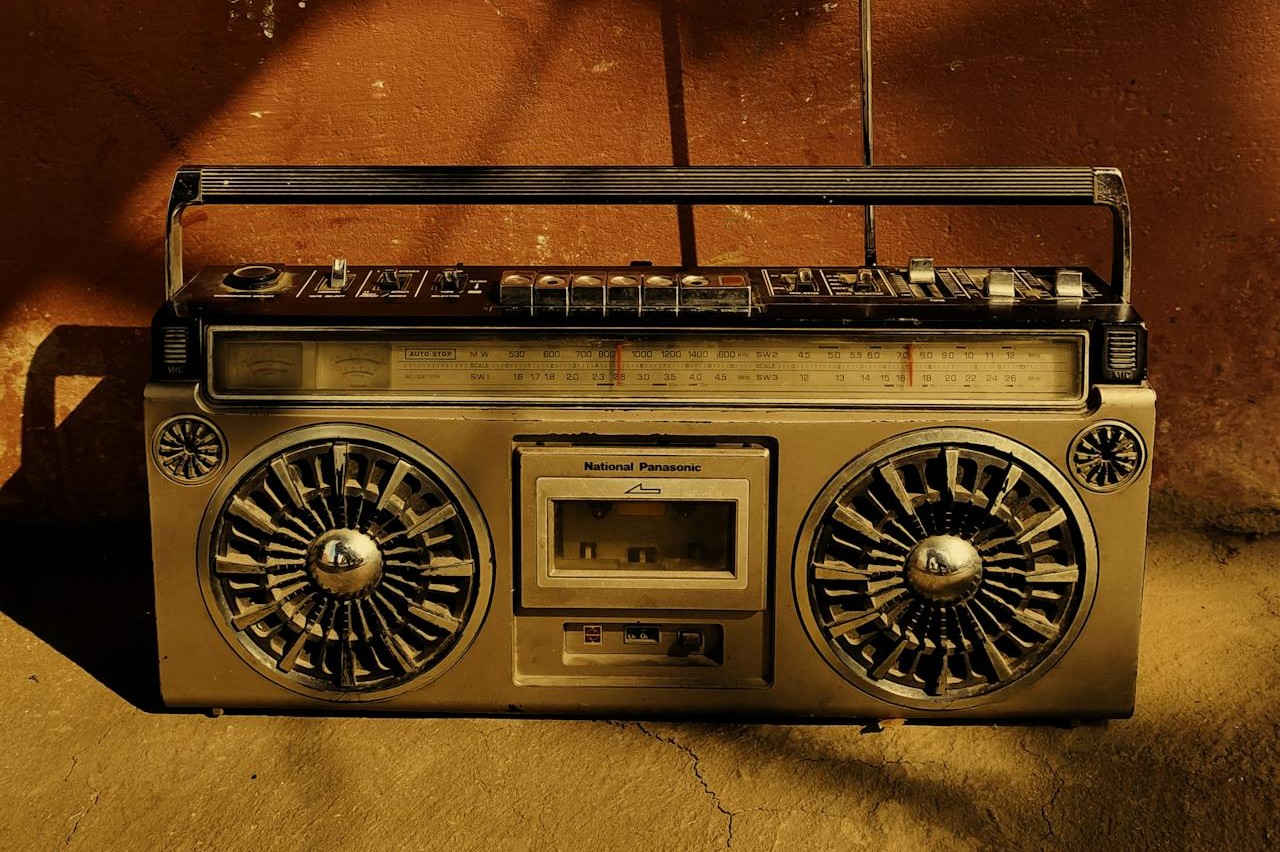
Electronics dislike damp air, even when powered off. Cool nights can leave condensation on circuit boards, which encourages corrosion on connectors and solder points. Garage dust clings to damp surfaces and turns into grime that holds moisture longer and blocks vents.
Cameras, speakers, consoles, and small appliances suffer because ports invite humid air inside. Tiny screws and springs can rust, and switches feel gritty. Rubber grips get tacky, batteries leak more readily in heat swings, and contacts dull. Devices may still turn on, but odd glitches and sudden failure often show up weeks later, long after storage felt harmless.
Power Tools, Hand Tools, and Toolboxes
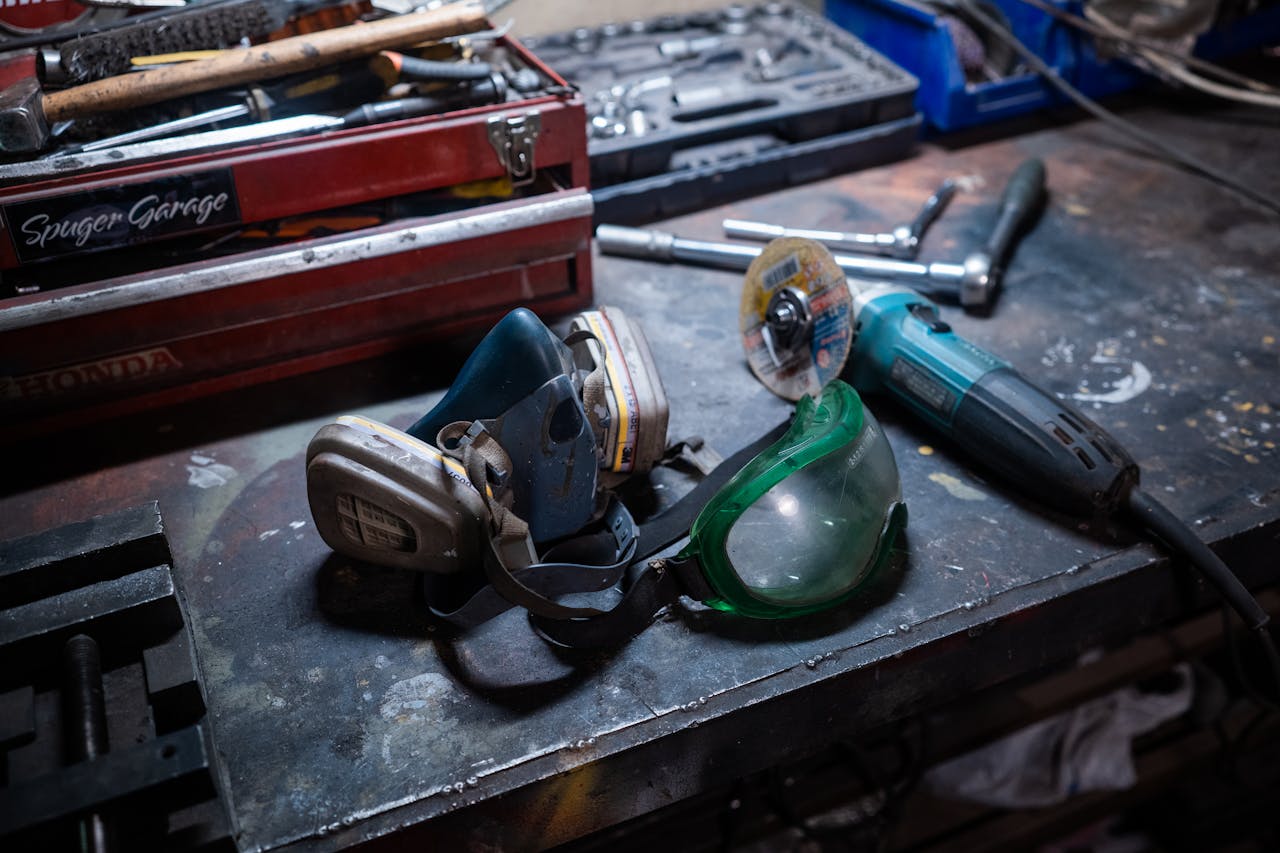
Tools seem made for garages, yet damp air is a rust machine. Steel blades, drill chucks, and saw tables develop an orange film that ruins precision and makes parts drag. Oil can collect dust, turning smooth mechanisms into sticky ones that need cleaning before any real work begins.
Battery tools add another issue. Packs dislike heat swings, and chargers exposed to humidity can corrode at prongs and sockets. Even hand tools can seize in a closed toolbox if moisture gets trapped inside. A tool that looks mildly rusty often becomes a time sink of scrubbing, oiling, and rechecking before it is dependable again, and that lost time adds up.
Bicycles, Scooters, and Metal Sports Gear
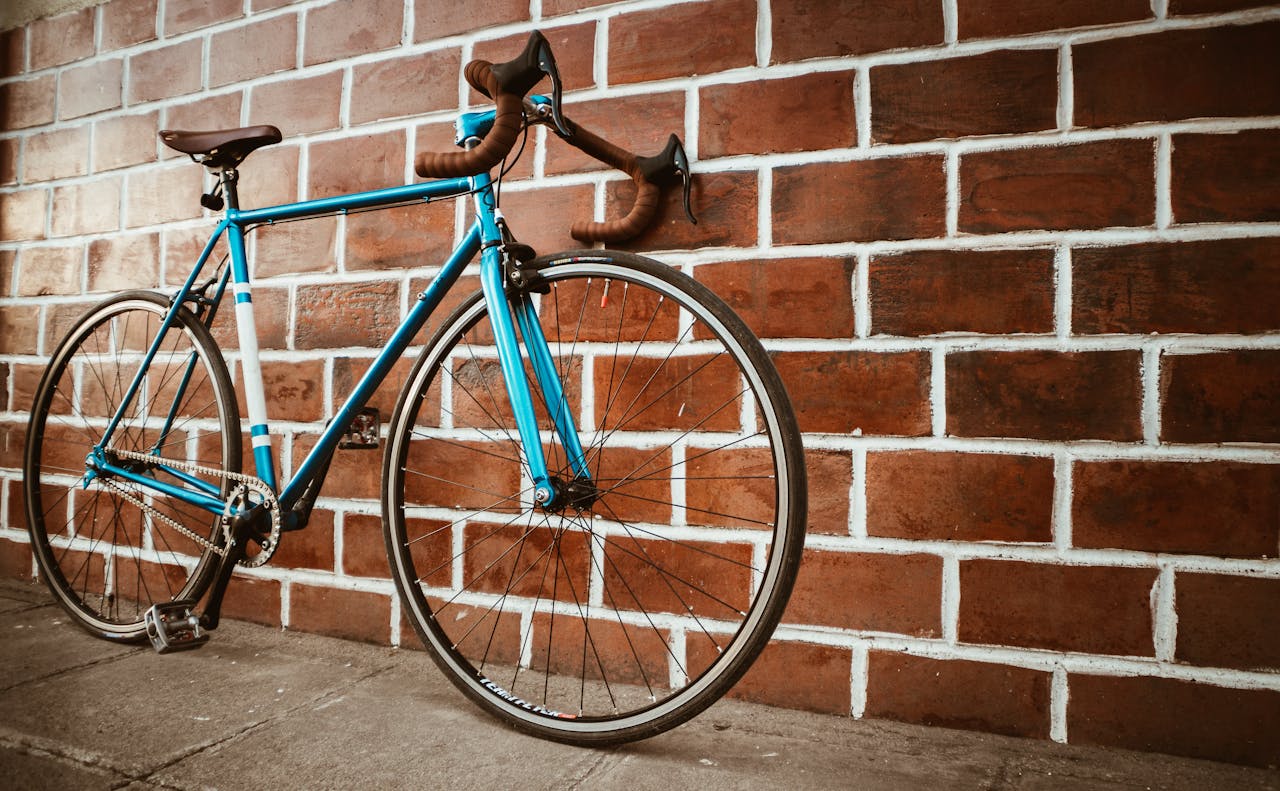
Bikes and scooters suffer because moisture creeps into places that never fully dry. Chains rust, cables seize, and bearings pit, turning a smooth ride into squeaks and drag. Even aluminum corrodes where steel bolts meet metal, and small rust patches spread along fasteners and spoke nipples.
Temperature swings also age tires, grips, and brake pads. Rubber can crack, inner tubes lose pressure, and dust sticks to damp rims and turns into grit. Helmets and pads pick up stale odors if straps stay moist. The gear may look fine on a hook, but the first use reveals stiff brakes and gritty steering that demand repairs at the worst time.
Paint, Caulk, and Household Chemicals
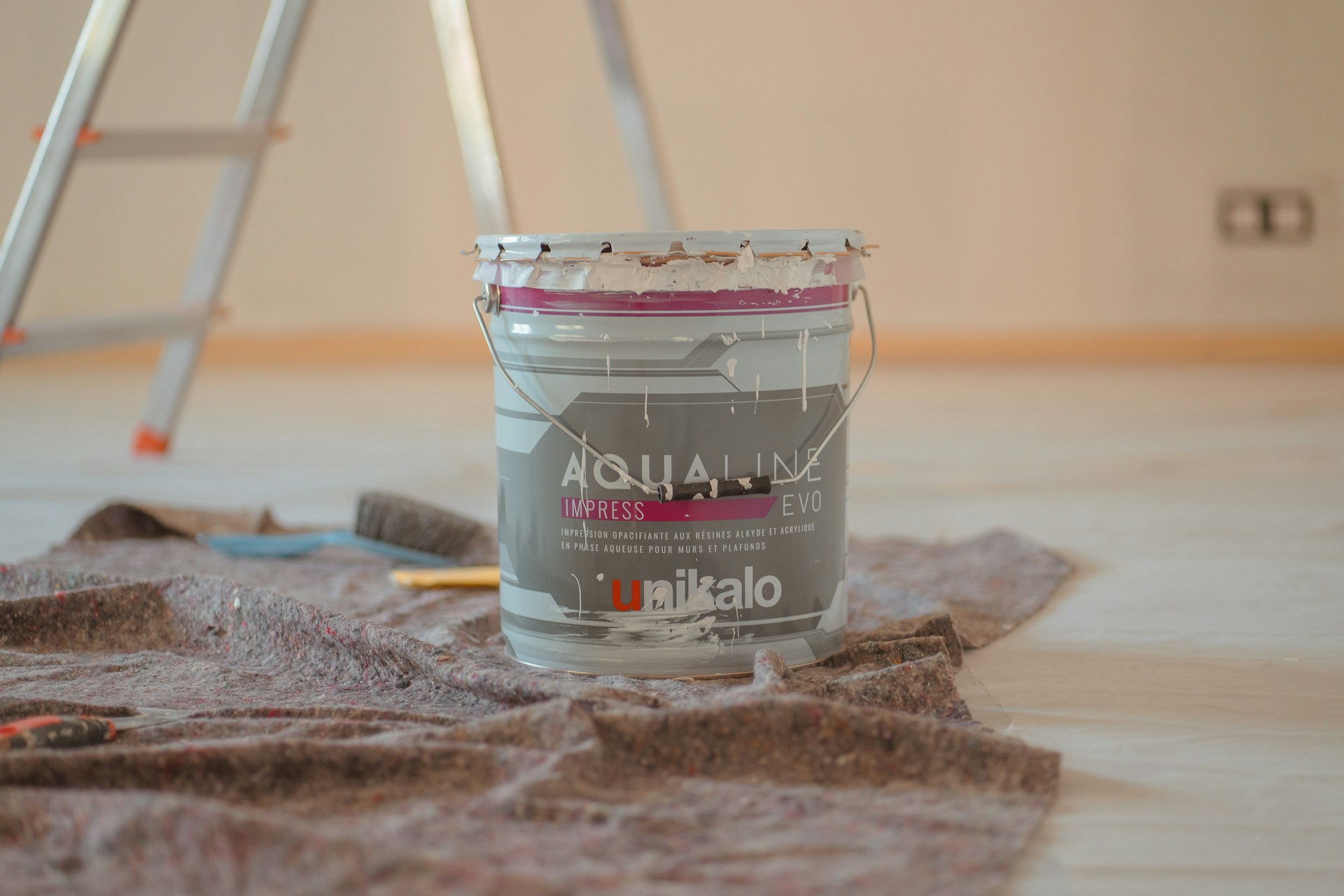
Paint and household chemicals feel garage-friendly, but dampness shortens their life. Metal cans rust at the rim, lids stick, and labels smear until contents become guesswork. Water-based paints can separate after repeated hot and cool cycles, then refuse to mix back to a smooth finish.
Moist corners also invite slow leaks. Corroded lids can weep, cardboard trays soften, and residue spreads onto nearby items. Aerosol tops can corrode, and caps can glue shut. Powdered cleaners clump into hard blocks, and caulk tubes cure at the tip and turn useless. What was saved for quick projects becomes cleanup and replacement, plus odor.
Pet Food, Birdseed, and Bulk Dry Goods
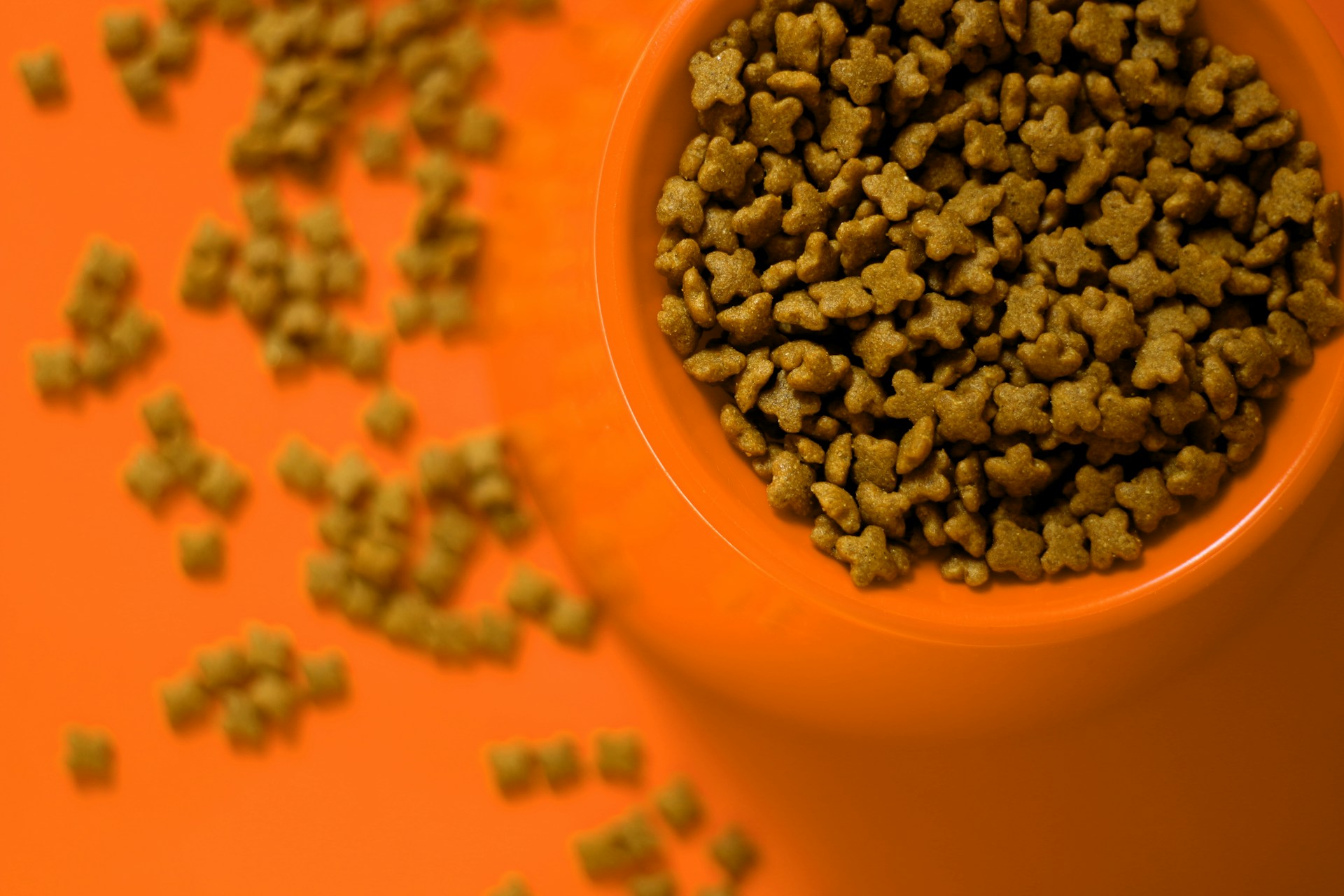
Pet food and birdseed absorb moisture, go stale faster, and can pick up garage odors from fuel, paint, or lawn supplies. Thin bags soften and tear more easily, and animals often refuse food that smells even slightly off. Fats can go rancid faster in humid heat, so freshness fades long before the date on the bag.
Moisture also invites clumping, and clumps invite pests. Insects follow crumbs, and rodents chew through paper and plastic quickly. Even sealed containers can sweat when they sit on cold concrete, leaving condensation under the lid. The result is waste, extra cleaning, and a storage spot that keeps attracting visitors.
Candles, Soaps, and Spare Toiletries
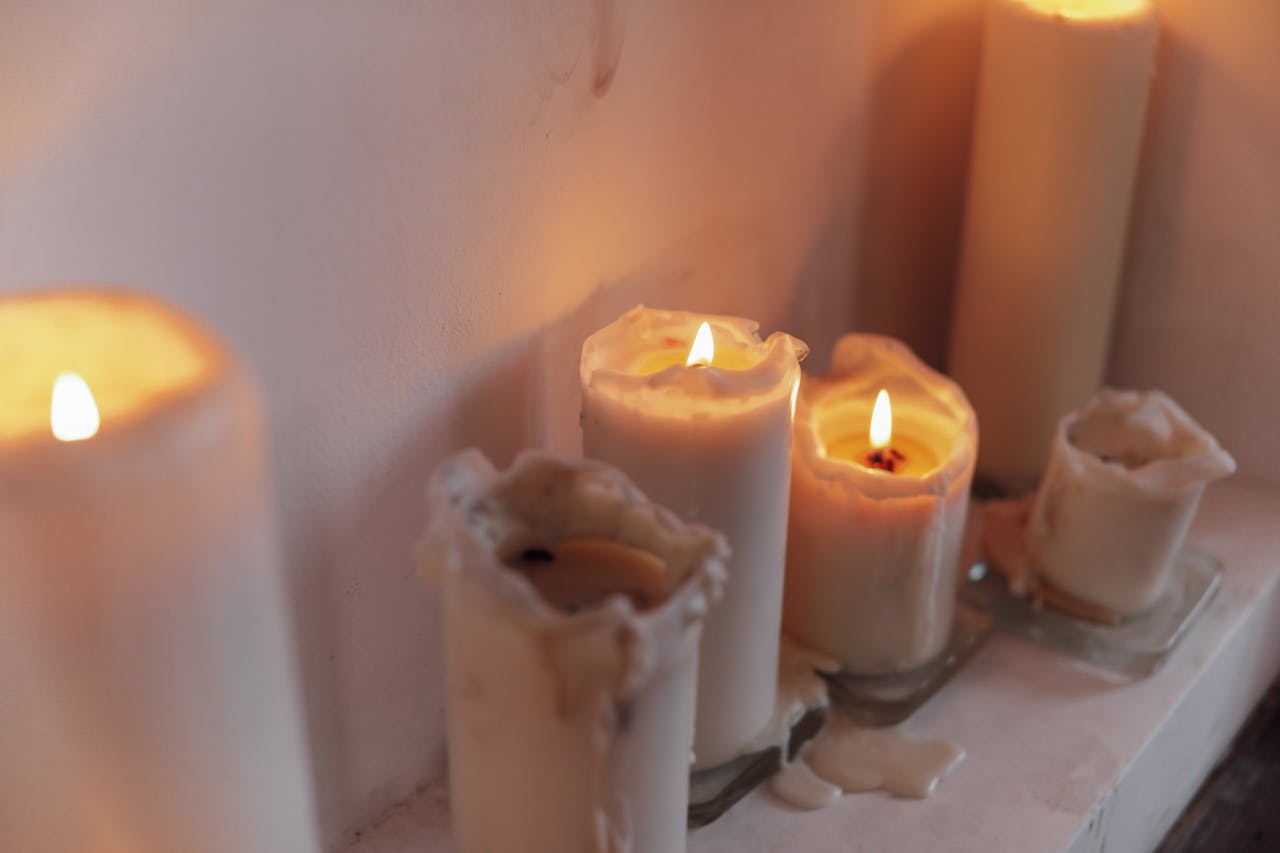
Candles and spare toiletries look harmless in a bin, yet damp storage ruins texture and scent. Humidity makes bar soap sweat and turn slick, while heat softens wax and warps plastic bottles. Cardboard packaging absorbs moisture and passes musty odors into everything nearby.
Fragrances are fragile. Essential oils oxidize, perfumes lose brightness, and lotions can separate into watery layers. Labels peel, pumps stick, and jars collect a film at rim. Metal caps and aerosol tops corrode, leaving gritty threads that will not close cleanly. By the time the bin is needed, items feel old, smell off, and leave residue that is not worth the effort.
Holiday Decorations and String Lights
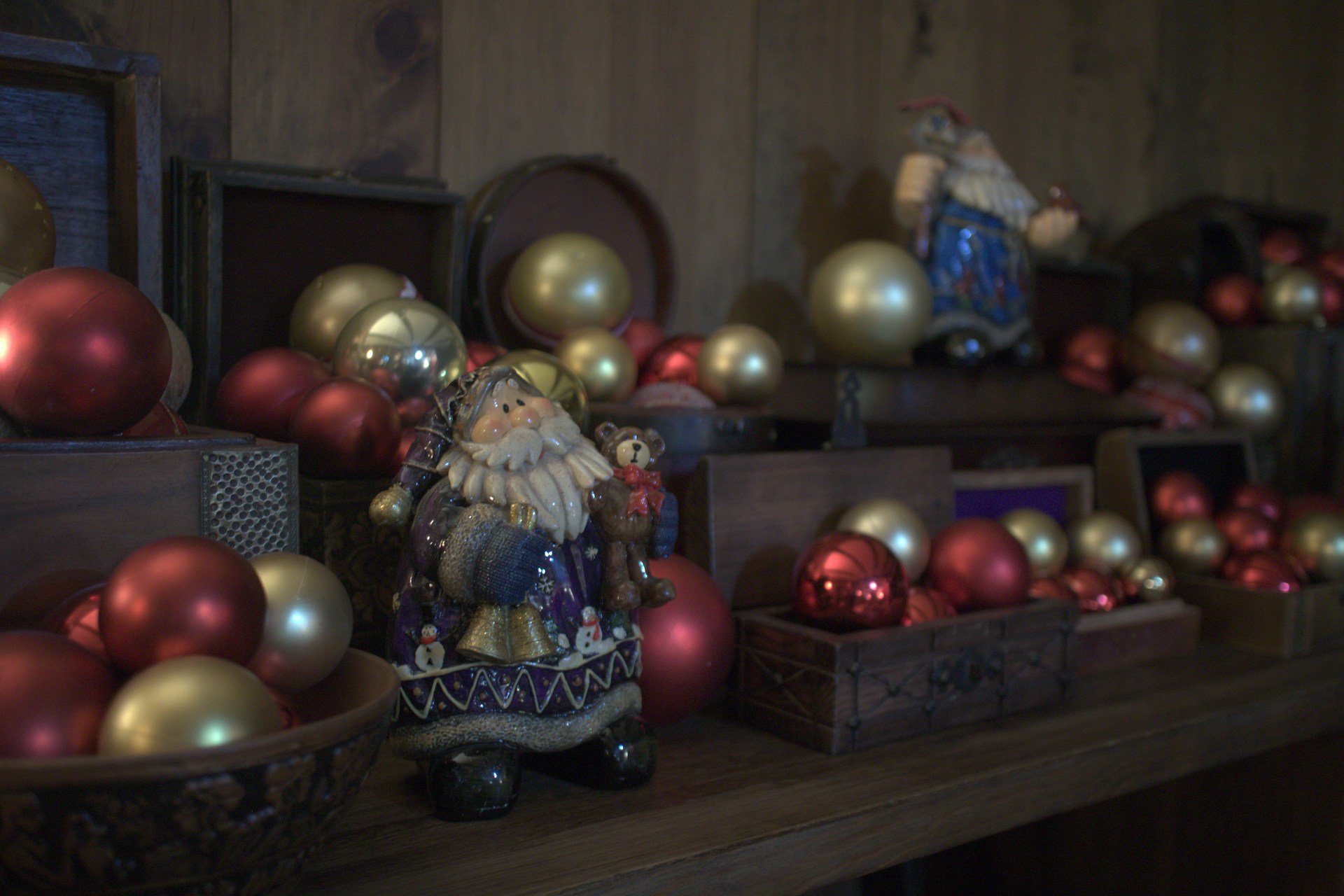
Holiday decor often sits for 11 months, and damp air is hard on it. String lights corrode at plugs and sockets, leading to flickers that appear only after setup. Small remotes and battery packs corrode at contacts, so nothing turns on cleanly.
Artificial wreaths and trees suffer too. Wire frames can stain fabric, ribbons crease and mildew, and cardboard dividers collapse, letting fragile pieces knock together. Paint chips, and metallic finishes dull when boxes sweat. A bin that looked fine opens to tangles, dull colors, and repairs that steal the cozy mood. Many items get replaced simply because they cannot be trusted to work reliably again.