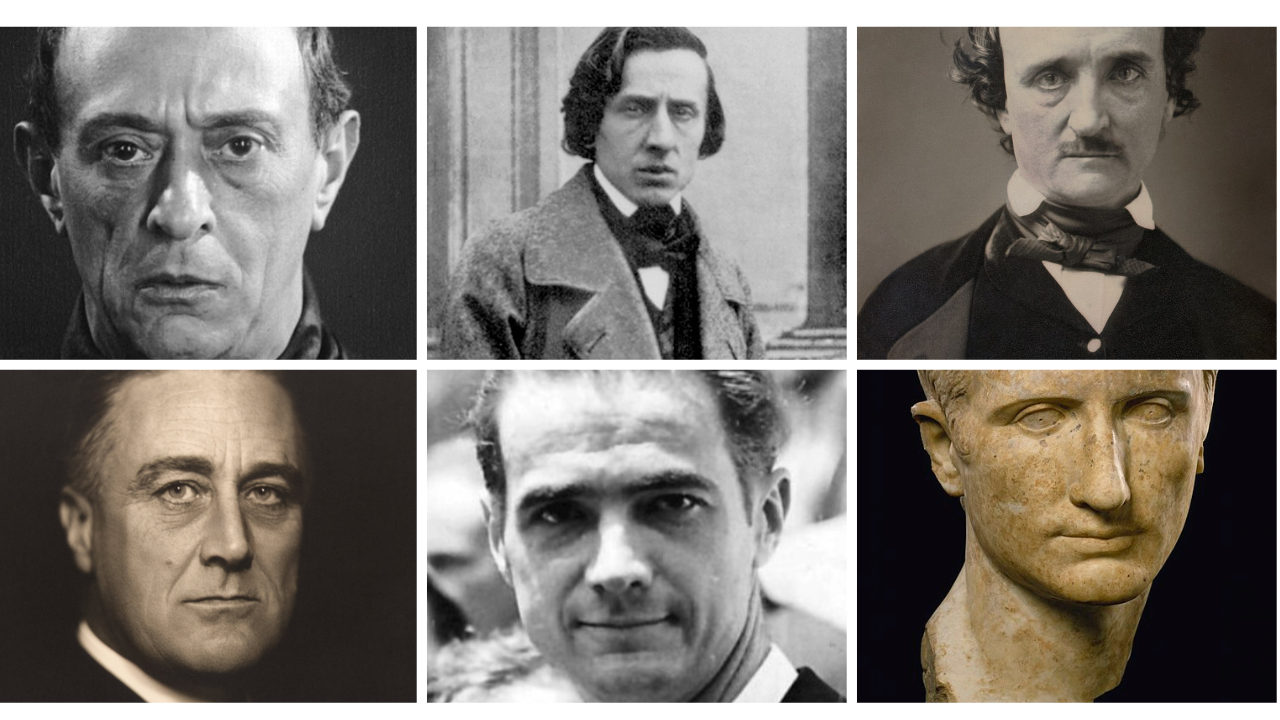
Fear is usually described in grand terms, yet history is packed with smaller terrors that shaped daily choices: a dinner headcount quietly corrected, a storm waited out in stone, a handshake refused. Behind crowns, patents, poems, and presidencies, some famous people carried unusually specific dread, sometimes sharp enough to harden into ritual. These anxieties rarely erased achievement. Instead, they braided into routine, nudging how a person traveled, ate, dressed, and trusted others. Reading their lives with that detail intact does not shrink them. It makes them human, and it hints at a gentler truth: brilliance and fragility often share the same body, moving through the same day. The phobia is a footnote that whispers even when the headline is glory.
Emperor Augustus
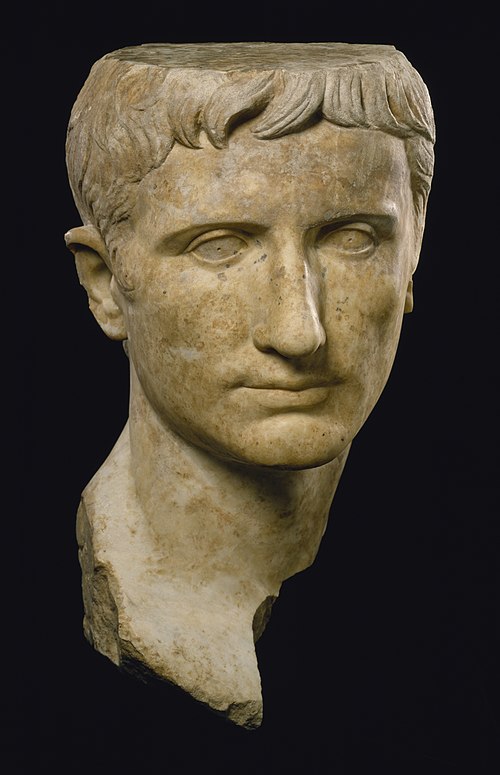
Ancient writers said Emperor Augustus dreaded thunder and lightning so intensely that storms could reroute his plans, interrupt travel, and send the household into practiced caution. He carried protective charms and, when the sky turned ugly, withdrew to underground rooms as if stone could bargain with weather, while attendants scanned the horizon, delayed audiences, and spoke in softer voices until the air settled. In a Rome tuned to omens, the fear became a private protocol rather than a public weakness, a way to reclaim a little control when nature reminded him that authority ends where the sky begins for everyone.
Queen Elizabeth I
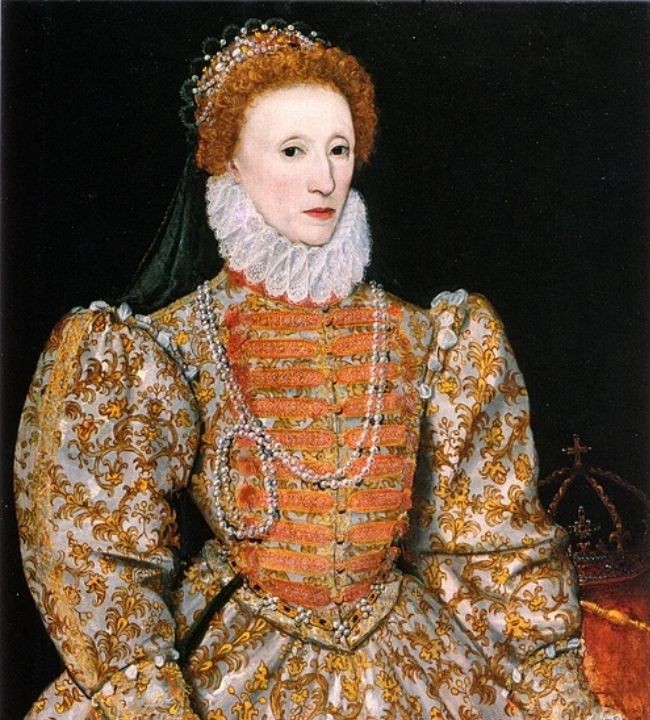
Elizabeth I ruled in a court where poison rumors traveled faster than prayers, so the fear of a tainted cup rarely felt like fantasy and never felt polite to mention. She leaned on layers of precaution: controlled kitchens, screened servants, food and drink handled with ceremony, and costly objects believed to detect poison, which turned a glittering meal into a disciplined test of trust. In that setting, her vigilance reads less like melodrama and more like survival, because one careless swallow could end a reign, a religion, and the fragile calm she had built around herself in full view of everyone at court, night after night.
Nikola Tesla
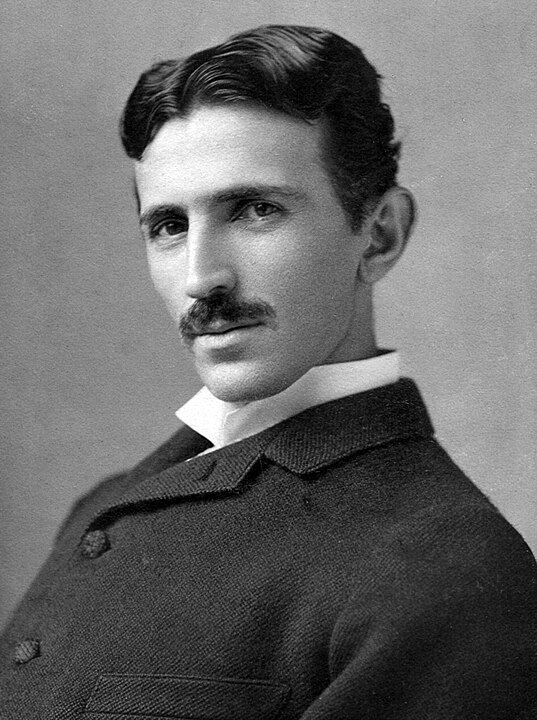
Nikola Tesla could picture a world lit by his ideas, yet his nerves snagged on small objects and small risks, especially anything that suggested contamination or disorder. He reportedly recoiled from pearls and was intensely wary of germs, limiting touch, avoiding handshakes, and treating shared spaces as suspect, while also leaning on counting rituals, especially around the number 3, as if arithmetic could steady the body. The contrast is sharp but familiar: a visionary mind expanding the future while daily life shrank into rules designed to make an ordinary room feel safe enough to stay in for one more hour at a time.
Hans Christian Andersen
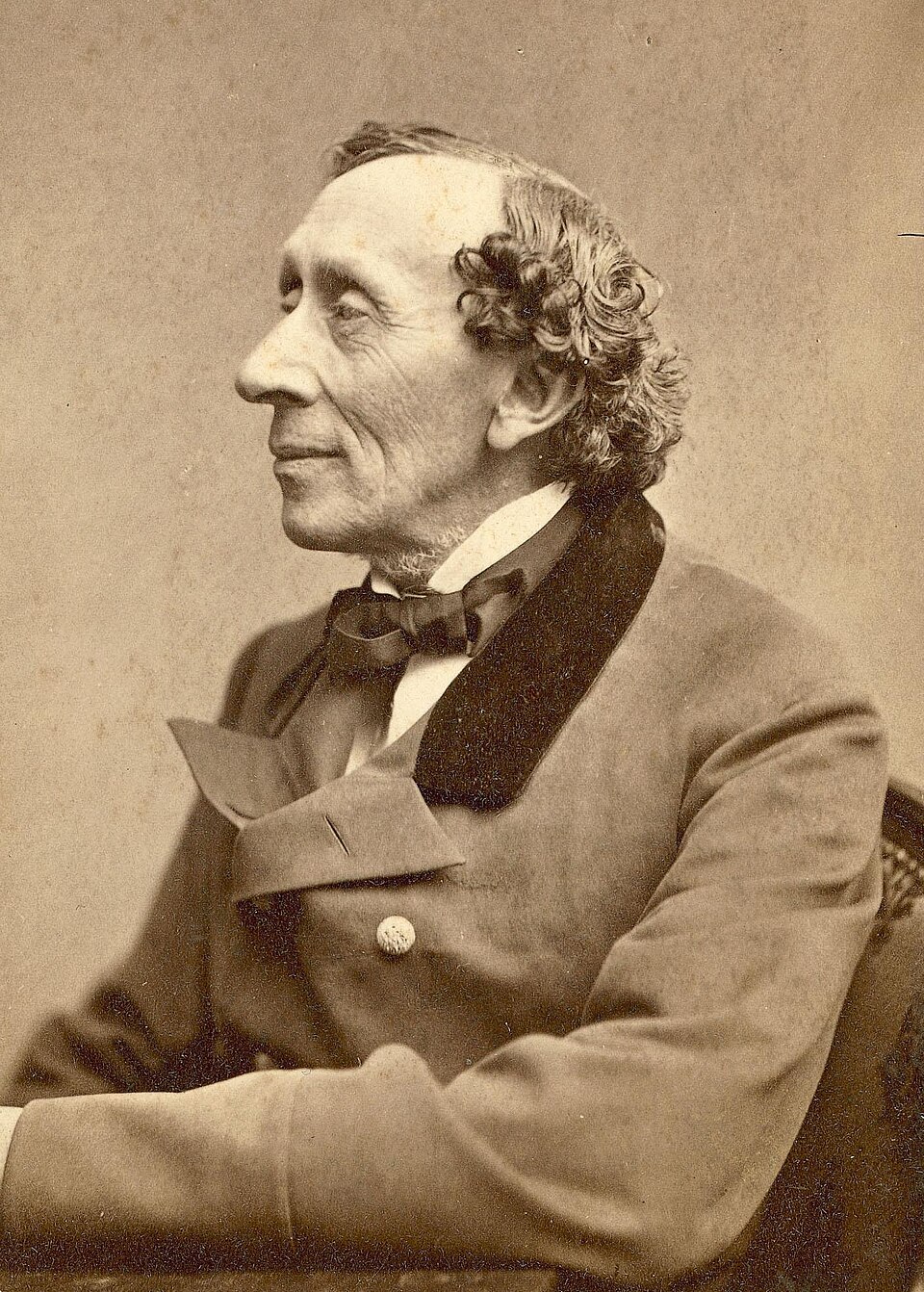
Hans Christian Andersen wrote tender fairy tales, but he carried a stubborn fear of being buried before life had truly ended, and that dread followed him into the quiet of bedtime. He reportedly left a note by his bed explaining that he was asleep, not dead, a nightly safeguard against a terrible mistake, and sleep became something he managed instead of surrendered to, watched over by paper and habit. The ritual feels small, yet it explains his sensitivity, because he knew how fragile certainty can be; in a century full of premature-burial stories, he still chose a simple, personal proof whenever the room went still.
Frédéric Chopin
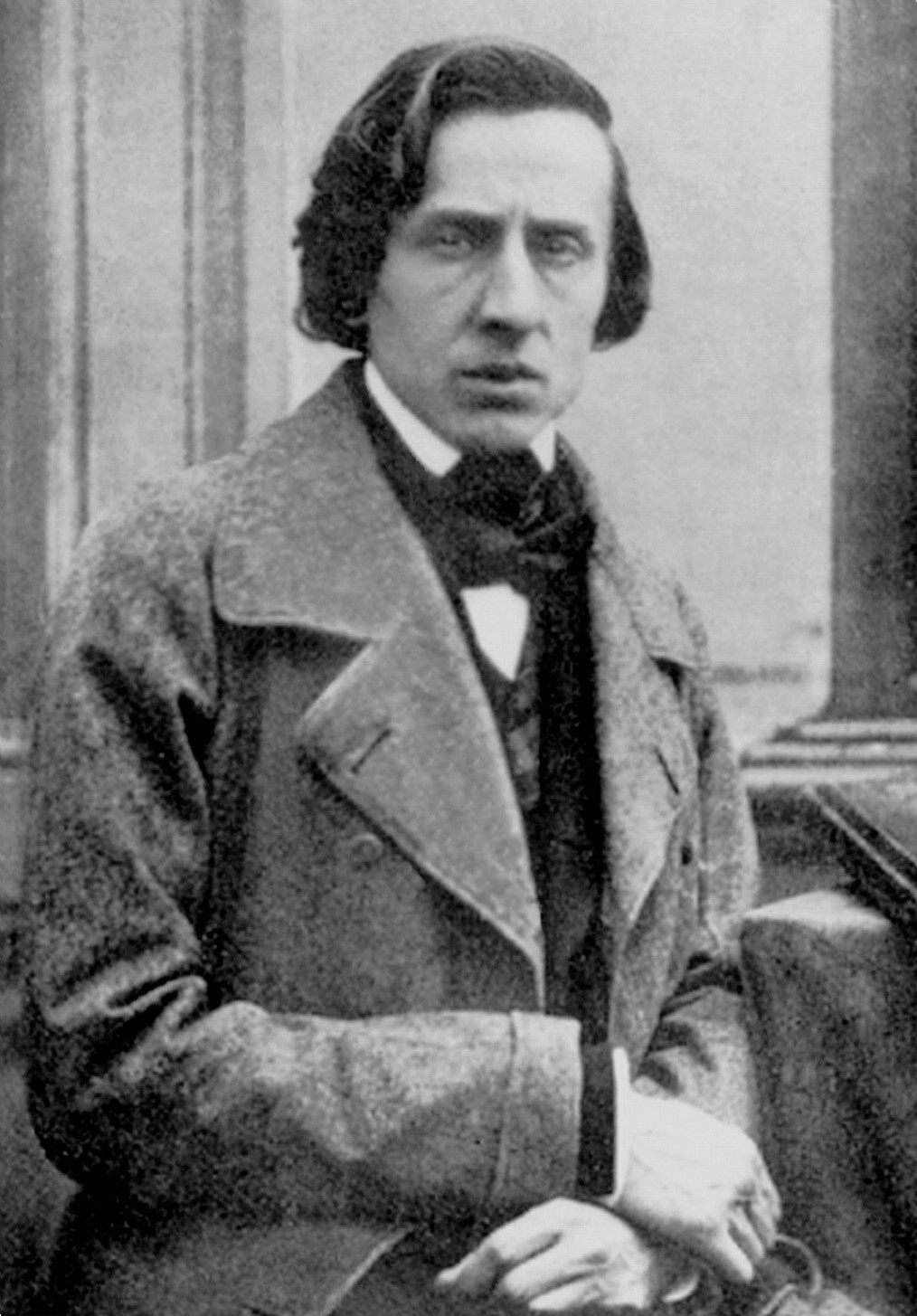
Frédéric Chopin’s music sounds weightless, but illness made his body feel uncertain, and he feared being buried alive with the same intensity he feared losing breath. He asked that his body be opened after death so no one could mistake stillness for an ending, turning medical procedure into reassurance and insisting on clarity at the very moment when others might rush to close the lid and move on. His preserved heart is often read as romance and legacy, yet it also echoes that need for proof and careful handling, a reminder that refinement and dread can sit in the same room for years, and neither one asks permission.
Edgar Allan Poe
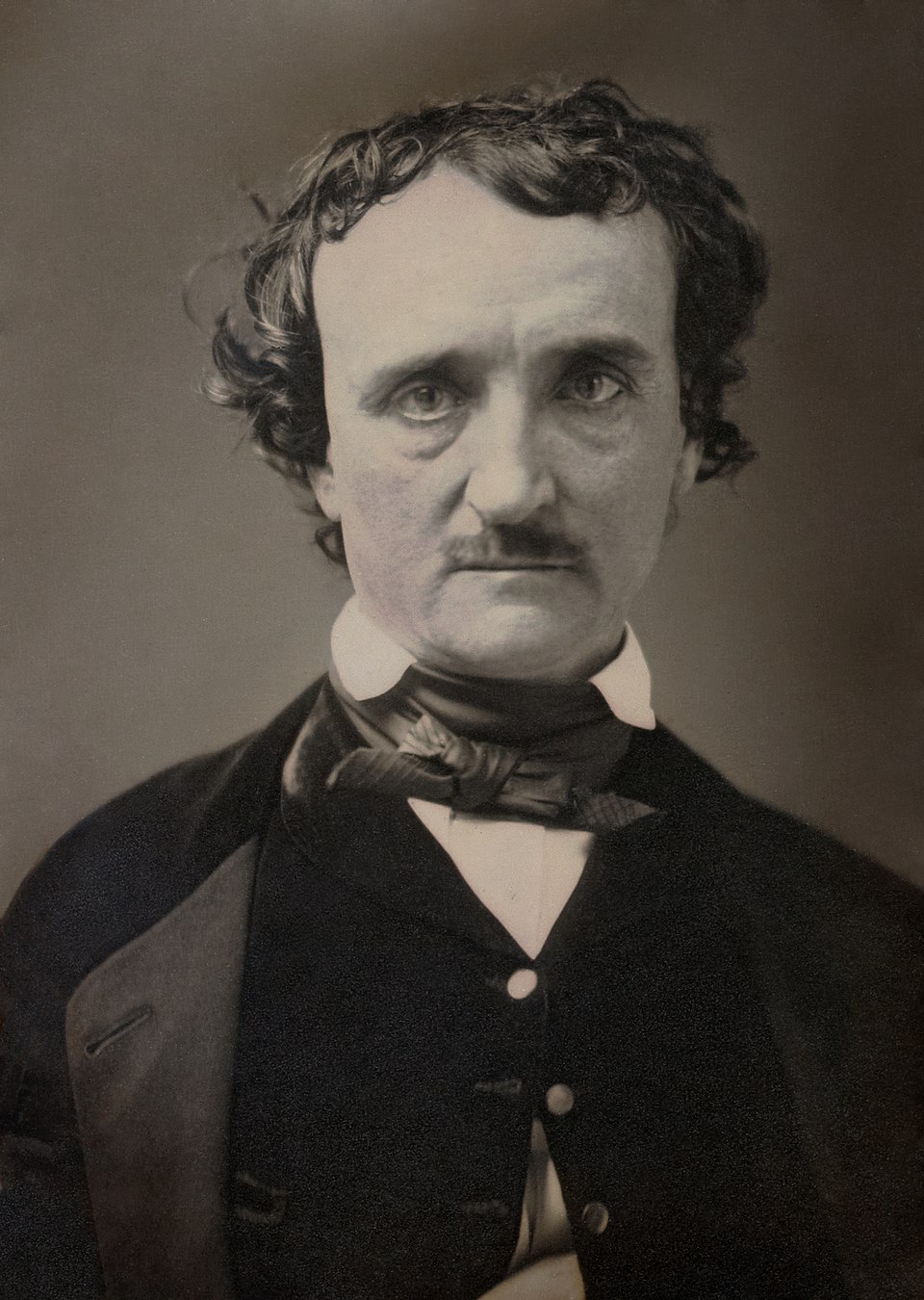
Edgar Allan Poe turned a widespread nineteenth-century anxiety into intimate horror: the possibility of premature burial, where a mistake becomes a sentence. In his writing, fainting spells and catalepsy become traps because consciousness might survive while everyone else assumes death, and the terror lands because it feels logical: if proof is shaky, every blackout becomes evidence. Poe wrote from inside the box, making the coffin less a prop than a mental room that closes in when certainty disappears, and his attention to procedure, breath, and silence is why the stories still tighten the chest and speed the pulse.
Howard Hughes
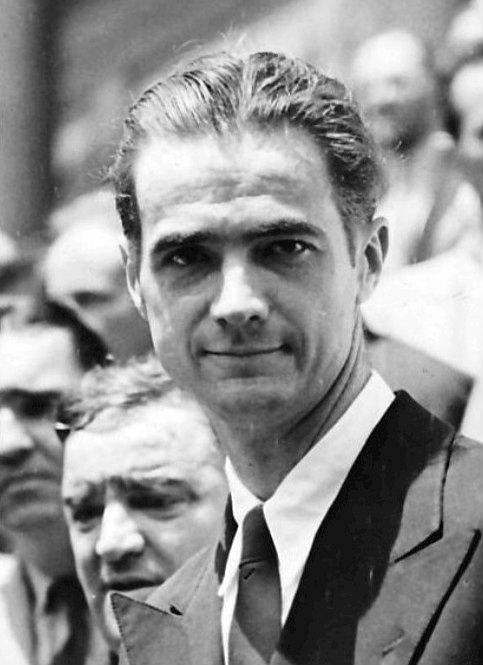
Howard Hughes was famous for speed and risk, yet his later life tightened around an escalating fear of germs that made ordinary contact feel dangerous. He built rigid routines meant to keep contamination out: strict rules, limited visitors, controlled rooms, and barriers like tissues and gloves that treated the outside world like a spill, until comfort depended on avoidance rather than ease. What starts as caution can become a shrinking map of what feels safe, and his story shows the quiet tragedy of that shift: control slowly replaces connection, one narrowed choice at a time in a way no one applauds or even notices.
Franklin D. Roosevelt
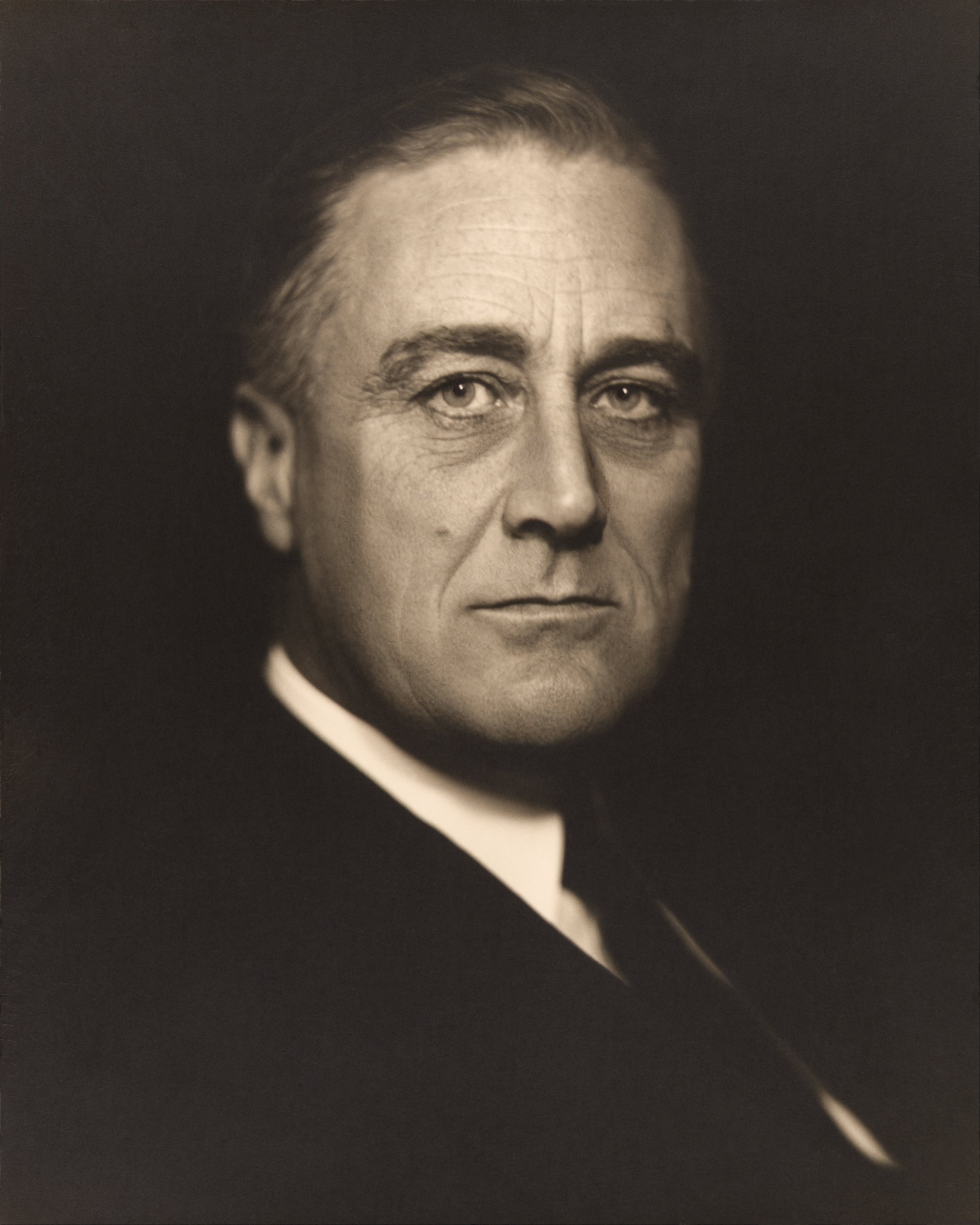
Franklin D. Roosevelt projected steadiness, but he reportedly carried a strong unease with the number 13, treating it like a small trap hidden in the calendar. He was said to avoid traveling on the 13th of a month and to dislike meals with 13 guests, sometimes arranging an extra seat to change the count, a private adjustment made without speeches or fuss. During the Depression and World War II, uncertainty was everywhere, and this was one uncertainty he could refuse; in that light, the superstition reads less silly and more like a pressure valve, releasing stress where no policy could at the end of a long day for him.
Arnold Schoenberg
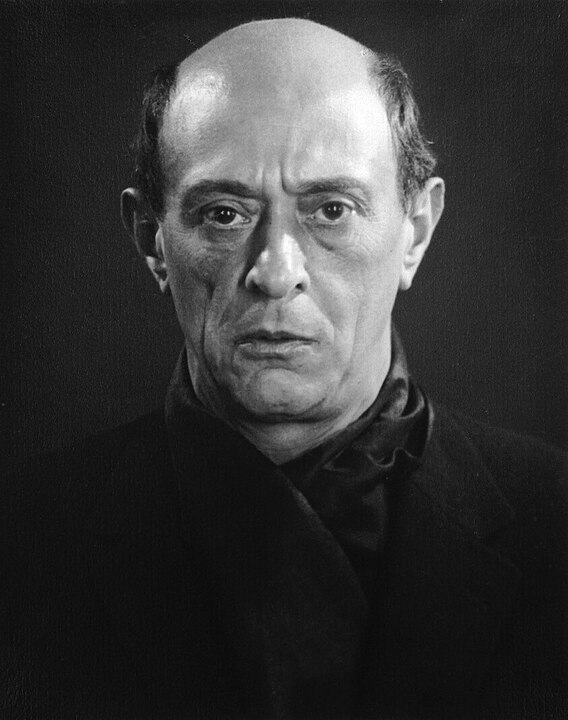
Arnold Schoenberg rewired modern music, but the number 13 unnerved him with a seriousness that friends struggled to laugh off, as if a single digit could tilt a whole day. Biographical accounts describe careful avoidance of 13 in dates and details, plus dread around certain ages, and on July 13, 1951, he reportedly stayed in bed, anxious, and died that evening, a coincidence that only deepened the myth. The paradox is sharp: a composer brave enough to break rules, yet still cornered by a single number, which shows how fear can survive logic and keep demanding its own private accommodations in the margins of a brilliant life.