Radio once decided what a whole town heard. When a song sounded too sexual, too political, or simply too unruly, program directors and regulators could erase it with a phone call. These bans rarely made silence. They made mystique: teens hunting forbidden records, parents repeating rumors, and artists learning that outrage could be free marketing. In an era when the dial was the living room’s soundtrack, a ban felt like a moral verdict. From garbled garage rock to blunt protest anthems, each crackdown reveals the anxieties of its moment, and the odd way censorship can turn a three-minute track into cultural folklore.
“Louie Louie” by The Kingsmen
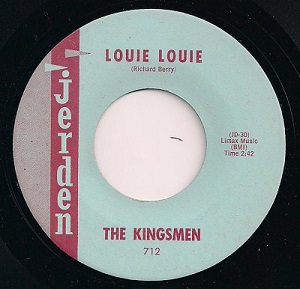
Rumors about obscene lyrics turned this slurred, stomping cover into a national panic. In early 1964, Indiana’s governor pressed broadcasters to pull it from playlists, and the fuss spilled into Washington as complaints pushed for federal action. The FBI opened a probe into whether the record violated laws tied to obscene material shipped across state lines, then concluded the lyrics were effectively unintelligible and found no evidence of obscenity. The ban talk only widened its reach, giving teenage listeners the thrill of a taboo that existed mostly in imagination, and keeping the chorus glued to the airwaves.
“God Save the Queen” by Sex Pistols
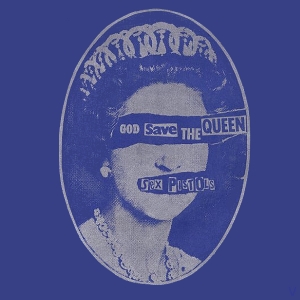
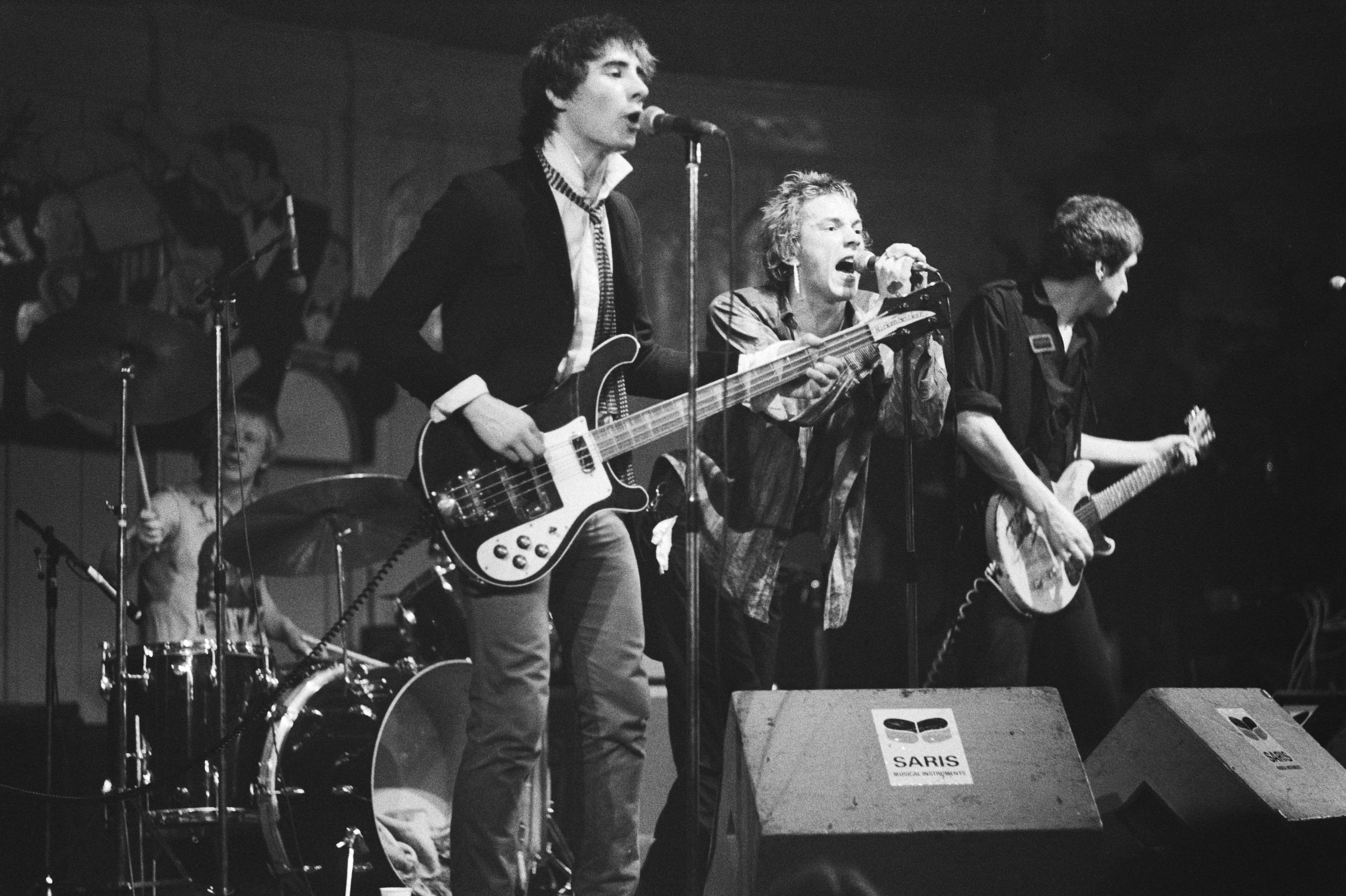
Released in 1977 during Queen Elizabeth II’s Silver Jubilee, the Sex Pistols’ anthem sounded like a direct, public dare to the state. The BBC imposed a total ban on airplay nationwide, and stations regulated by the Independent Broadcasting Authority also refused to touch it, branding it gross bad taste as the chorus blared No future. The blackout only sharpened the provocation: record shops debated whether to stock it, tabloids treated it like a national scandal, and the single still surged up the charts. In punk terms, censorship became free amplification, turning a three-minute rant into a permanent symbol of dissent.
“Relax” by Frankie Goes to Hollywood
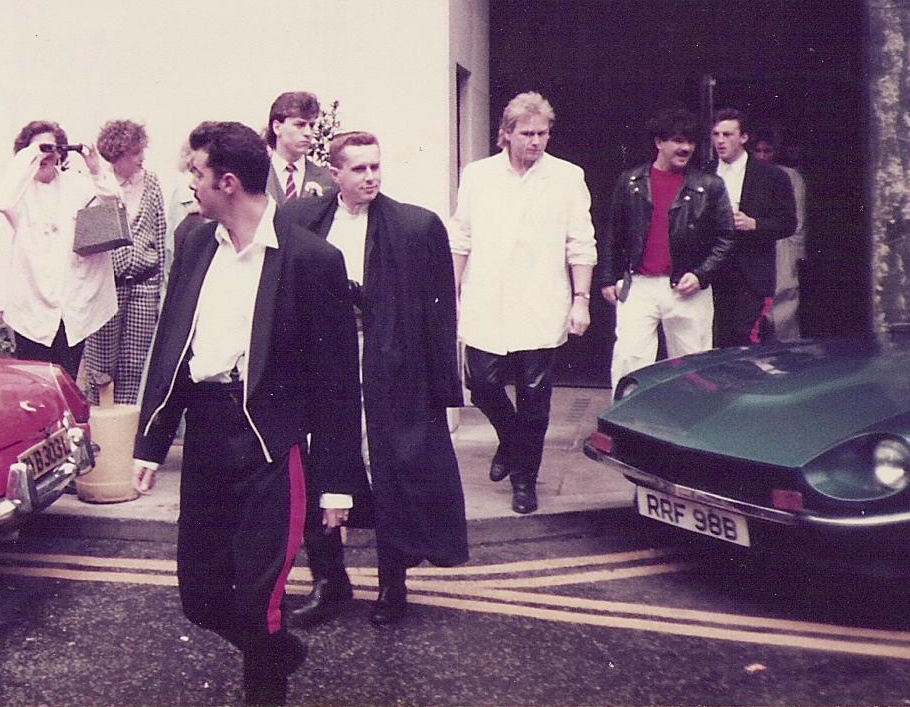
The track drifted up the U.K. chart until a turning point in January 1984, when Frankie Goes to Hollywood hit BBC’s Top of the Pops and DJ Mike Read denounced the record on Radio 1 for its suggestive sleeve and overtly sexual refrain. Within days, the BBC banned it from its shows, and the group’s videos were effectively frozen on BBC music programs. Still, a few night DJs kept airing it anyway. The contradiction fed the story: official disapproval on one hand, underground approval on the other. Sales spiked, curiosity won, and the chorus became a punchline about how fast moral alarm can backfire in public conversation.
“Je t’aime… moi non plus” by Serge Gainsbourg and Jane Birkin
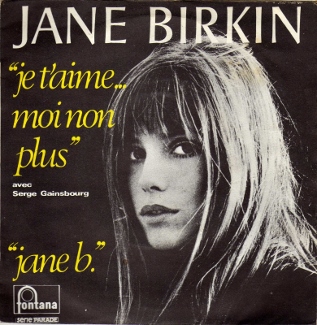
In 1969, Serge Gainsbourg and Jane Birkin released a duet that sounded less like romance than a bedroom door left ajar. The breathy sighs and frank erotic mood triggered bans in several countries, including the United Kingdom, Spain, and Italy, while France limited radio play until after 11 p.m. The clampdown did not stop it. It climbed to the top of the U.K. charts, a rare moment when scandal carried a foreign-language record into mainstream rotation. What offended gatekeepers also fascinated listeners: the song’s mix of sweetness and provocation made it infamous, and then unforgettable across Europe for decades.
“The Pill” by Loretta Lynn
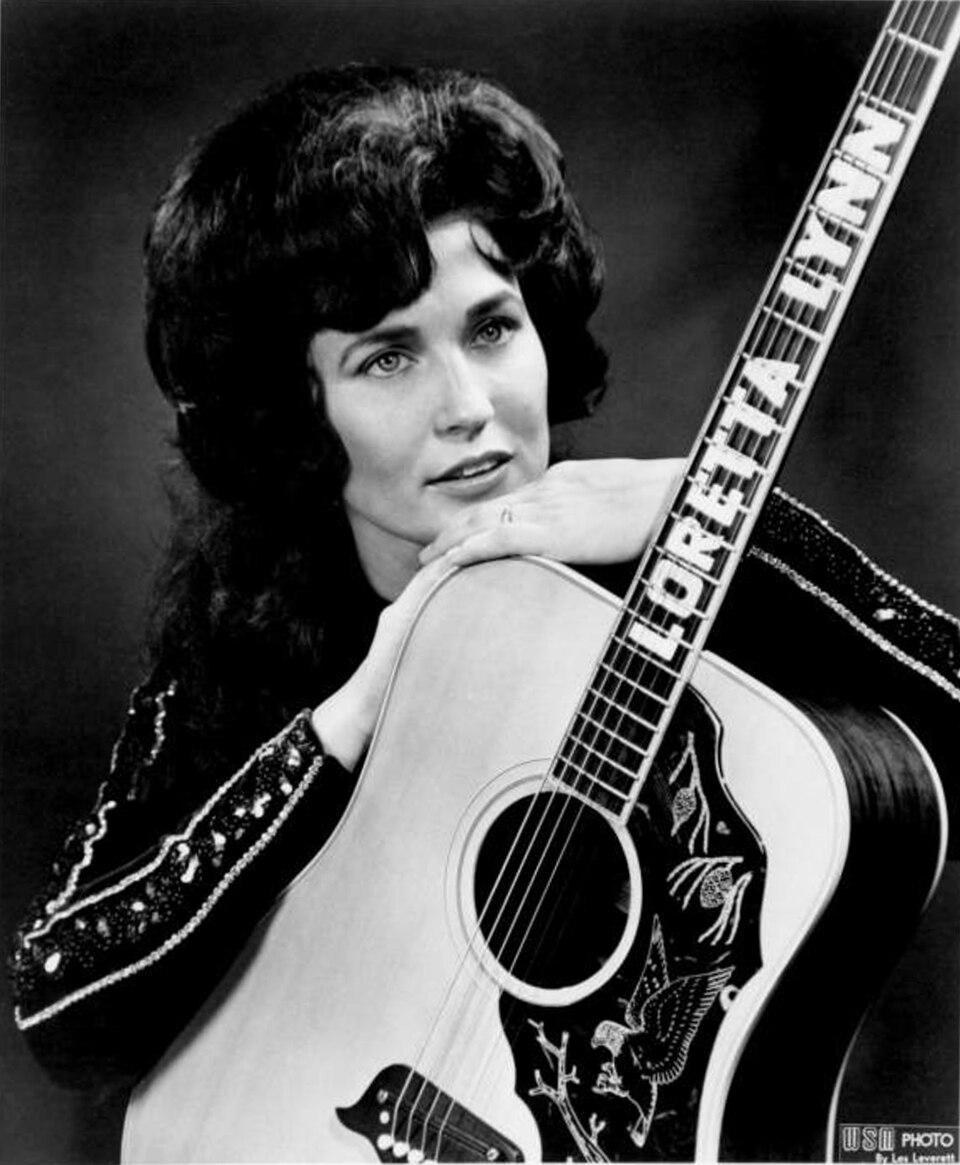
Loretta Lynn framed birth control as a punchy, everyday liberation, and in 1975 that candor collided with country radio’s comfort zone. Many stations refused to play “The Pill,” treating the topic as too risqué for a genre built on family values, even though the track had been recorded earlier and shelved. The pushback mattered: reports from the period note that the single stalled below Lynn’s usual peak because key outlets would not add it. Still, the controversy drove sales and widened the conversation, turning a comic song into a cultural marker of who was allowed to speak plainly on the air without apology, too.
“Rumble” by Link Wray & His Ray Men
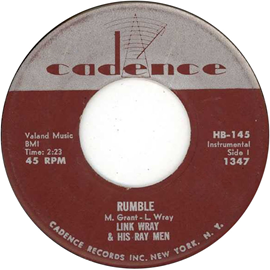
“Rumble” has no lyrics, yet its tone scared adults who heard trouble in every distorted chord. After Link Wray’s sock-hop crowd demanded repeat plays, the title was chosen because it sounded like a street fight, and that association stuck. In several U.S. markets, stations refused to air it because rumble was slang for a gang fight, and the track’s harsh sound was accused of glorifying juvenile delinquency. The backlash helped cement its legend, and it is still often described as the only instrumental single ever banned from U.S. radio, a strange honor for a song that simply let the guitar snarl without words at all.
“Wake Up Little Susie” by The Everly Brothers
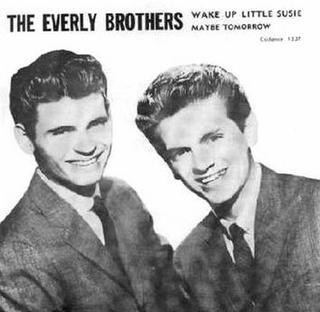
The Everly Brothers sang about a date at the movies that runs late, ending with two teenagers waking at 4 a.m. and realizing the town will talk. In 1957, Boston radio stations banned “Wake Up Little Susie” for lyrics judged suggestive, a decision Don Everly later recalled with a mix of disbelief and pride. The ban did not travel far. The record still reached No. 1 on major national charts, proving that local censors could not stop a hook once it caught fire. What rattled adults was mostly atmosphere: curfew, gossip, and the fear that innocence could be misread, turning a harmless story into a whispered scandal overnight.
“Eve of Destruction” by Barry McGuire
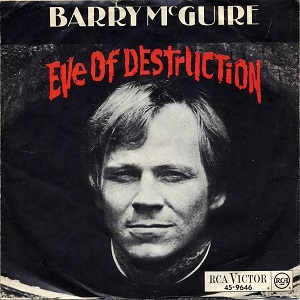
In 1965, “Eve of Destruction” arrived with a newspaper’s worth of dread: Vietnam, nuclear fear, racism, and a country that felt ready to split. Some American stations banned it, arguing that airing the lyrics could serve as an aid to the enemy in Vietnam, while others quietly dropped it to avoid angry calls. In Boston, at least two major Top 40 outlets refused it as too controversial. The effort to silence the record only sharpened its timing. It still hit No. 1, and its blunt catalog of crises captured the moment when pop stopped pretending everything was fine and started sounding like the nightly news for many listeners.
“Give Ireland Back to the Irish” by Wings
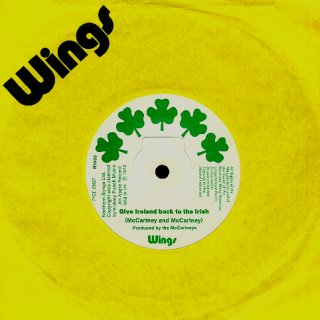
Paul and Linda McCartney wrote this song in anger after Bloody Sunday, when British troops shot civil rights protesters in Northern Ireland on Jan. 30, 1972. Wings recorded it within days and released it as their debut single, moving from melody into protest. The BBC banned “Give Ireland Back to the Irish,” and other U.K. outlets followed, treating it as too inflammatory for regular programming, while many U.S. programmers also kept it off playlists. The blackout did not erase the message. It made the track a flashpoint, showing how fast a pop star could be pushed from entertainment into the role of public dissenter.