10 Strange Laws Teens Wouldn’t Believe Were Ever Real

10 Strange Laws Teens Wouldn’t Believe Were Ever Real
KATRIN BOLOVTSOVA/Pexels
From outlawed ice cream tricks to banned pinball, these real laws were once enforced, and they’re way weirder than you think.

Laws are supposed to keep things fair and safe, but some of the weirdest ones from history leave us scratching our heads. Teens today might not believe that ice cream, giraffes, or even singing off-key could ever get you in trouble with the law. Yet, these odd rules were once taken seriously in various parts of the U.S. and beyond. While most have been repealed, they live on as hilarious reminders of how quirky our past can be. Here are 12 strange laws that actually existed, and were enforced.

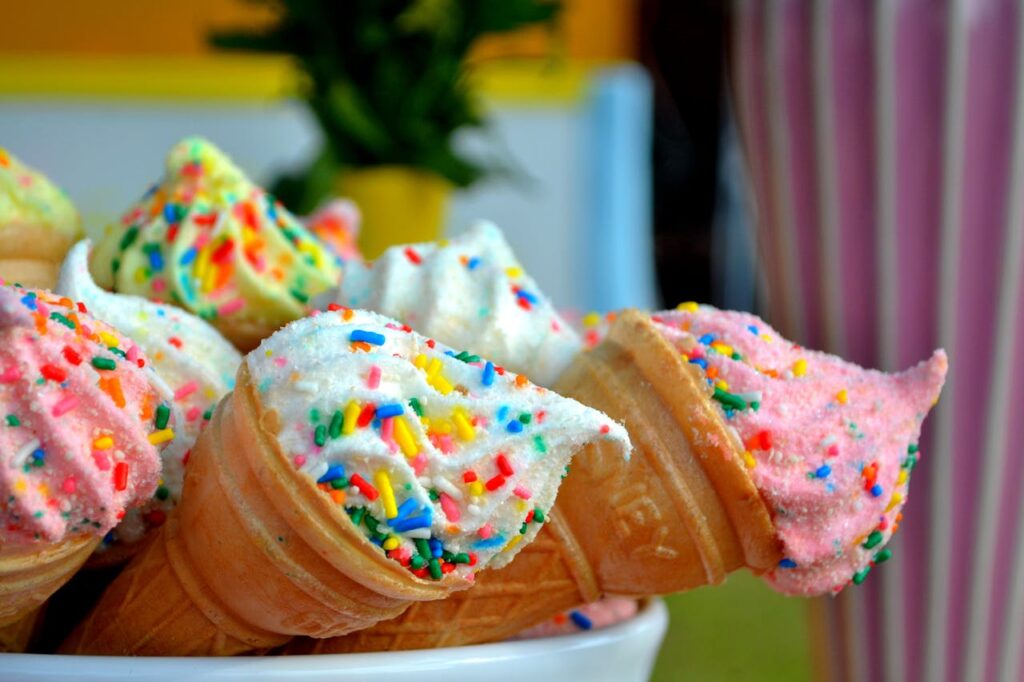
1. No Ice Cream in Your Pocket
No Ice Cream in Your Pocket
Calebe Miranda/Pexels

In Kentucky and a few other states, walking around with an ice cream cone in your back pocket was once illegal. The reason? Horse thieves supposedly used this trick to lure animals away without technically stealing them, since the horse “followed willingly.” It sounds bizarre, but lawmakers thought it was clever enough to criminalize. While the law is rarely enforced today, it’s still on the books in some places as a strange reminder of past tricks and treats.

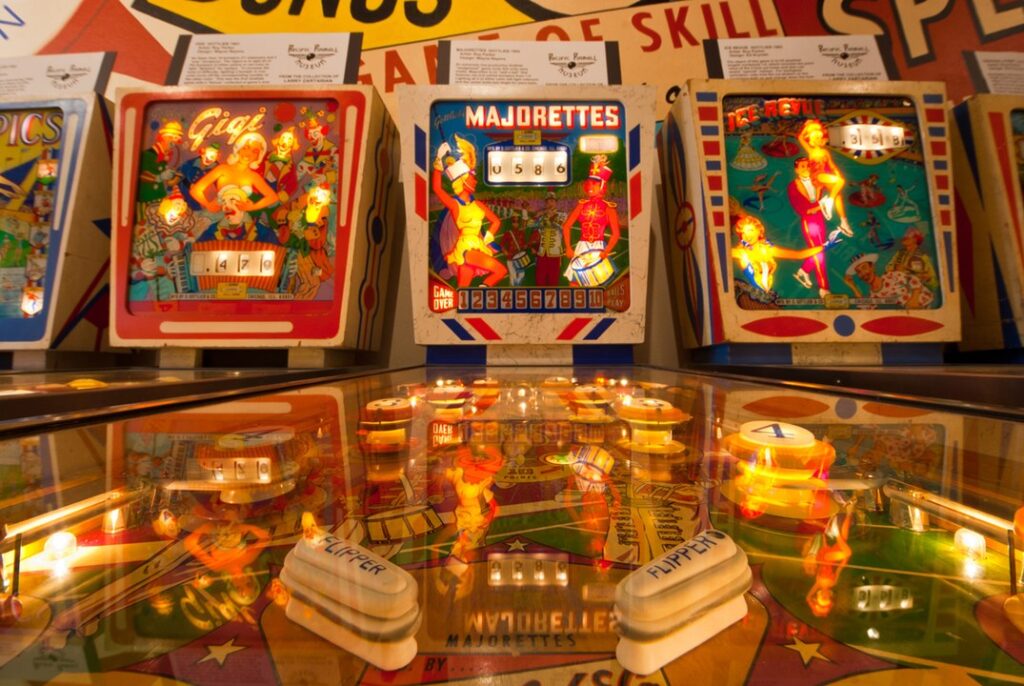
2. Banned Pinball Machines
Banned Pinball Machines
Michael Moore, CC BY-SA 3.0/Wikimedia Commons

For decades, cities like New York considered pinball a gambling tool and banned it altogether. Officials thought teens were wasting money and time on the game, which was seen as luck-based rather than skill-based. Machines were smashed in raids, and owners faced heavy fines. It wasn’t until the 1970s that a man demonstrated pinball as a game of skill and helped overturn the law. Today, banning pinball would seem ridiculous, but it was once a real offense.

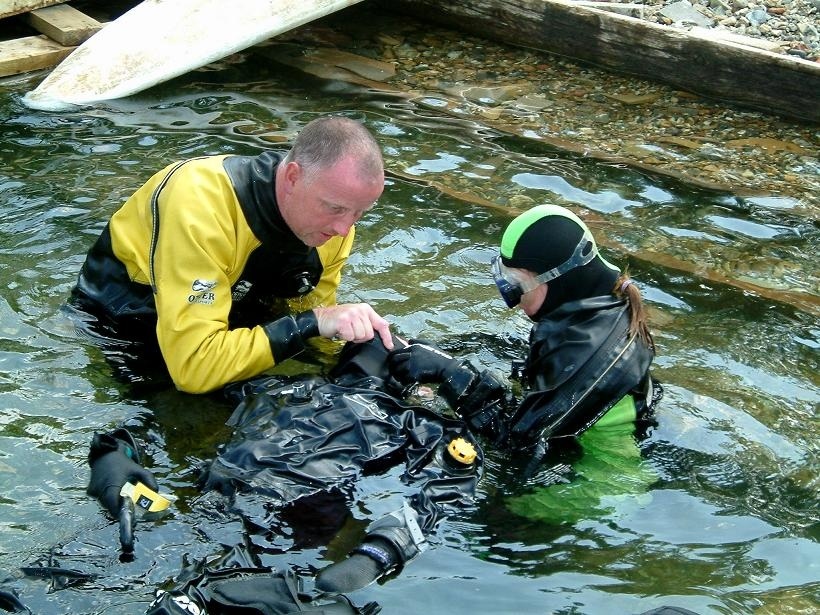
3. No Whistling Underwater
No Whistling Underwater
Public Domain/Wikimedia Commons

This one sounds made-up, but a city in Vermont had an ordinance that banned people from whistling underwater. While it’s physically impossible and clearly meant as a joke or a quirky filler law, it still made its way into the official books. Laws like this often stick around simply because no one bothers to remove them. While not actively enforced, it’s still technically illegal. So if you’re planning any underwater concerts, maybe think twice.

4. Illegal to Tie a Giraffe to a Pole

Illegal to Tie a Giraffe to a Pole
Mehmet Turgut Kirkgoz/Pexels

In Atlanta, Georgia, a law once made it illegal to tie a giraffe to a telephone pole or street lamp. While this may have originated as a response to traveling circuses or petting zoos, the idea of someone casually tying up a giraffe in the city makes this law unforgettable. It’s hard to say how often this was enforced, or if it ever was, but the law itself certainly makes for a wild and amusing bit of legal trivia.

5. No Dancing Without a Permit
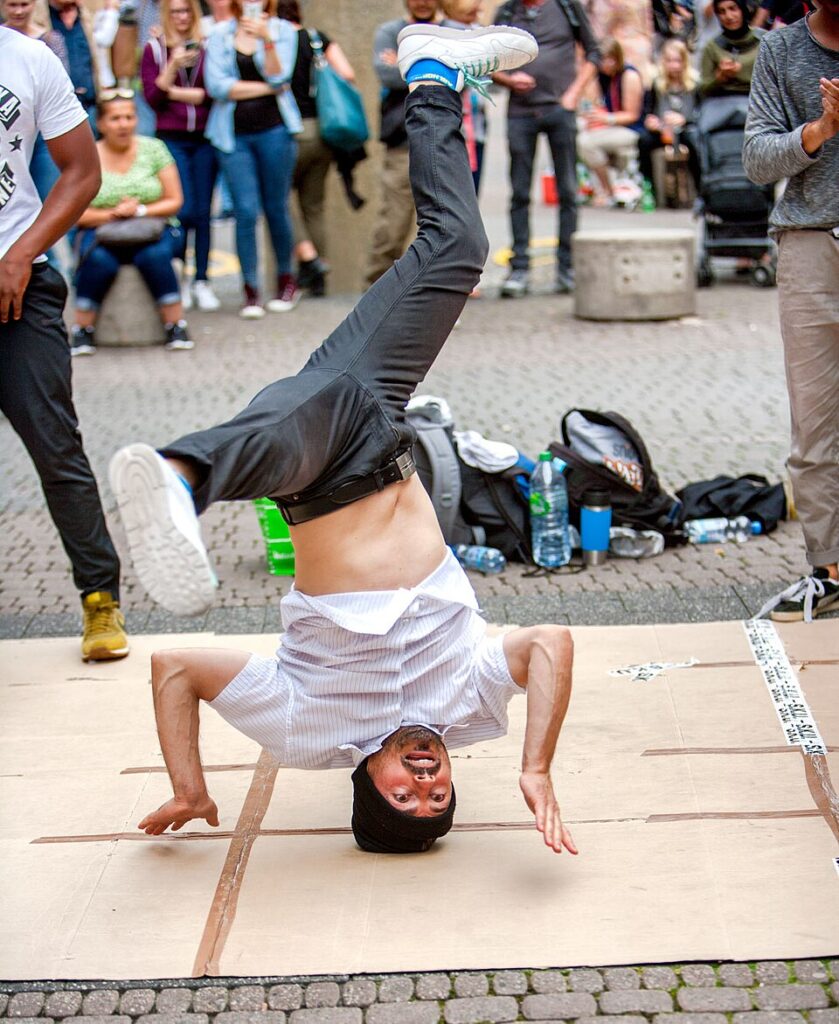
Breakdancing cardboard mats
Wahrmund, CC0/Wikimedia Commons

In some states, notably New York, clubs and even private events required a special permit just to allow dancing. The infamous “Cabaret Law,” passed in 1926, made dancing without a license illegal in public venues. It was intended to regulate jazz clubs during Prohibition but remained in effect until 2017. This law led to many surprise shutdowns and awkward “no dancing” zones. Teens today can dance freely, but for decades, it was a real risk in certain cities.

6. Catching Fish with Bare Hands Banned

Catching Fish with Bare Hands Banned
Bastet, CC BY-SA 4.0/Wikimedia Commons

In states like Indiana and Kansas, catching fish with your bare hands, also known as “noodling”, was once against the law. Authorities believed it endangered both the fish population and the people attempting it, since some species could cause serious injury. It’s a traditional and risky method, mostly practiced in rural areas, and has only recently been legalized in some places. Still, the idea that fishing with your hands was illegal might shock adventure-loving teens today.

7. No Silly String on Halloween
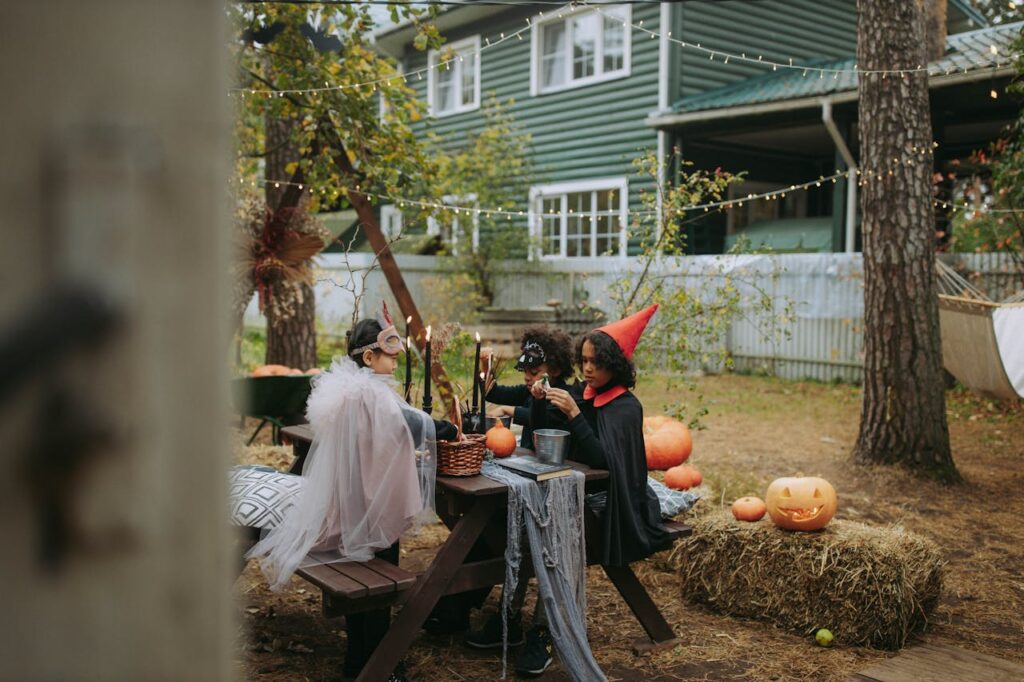
No Silly String on Halloween
Yaroslav Shuraev/Pexels

In Hollywood, California, it was once illegal to use or possess Silly String on Halloween. Violators could face a $1,000 fine. City officials passed the rule to cut down on vandalism and clean-up costs, as the plastic string created a mess and sometimes damaged cars and buildings. The ban was taken seriously, with police even doing bag checks. So if you planned a prank-filled costume party, you had to leave the Silly String at home.

8. You Couldn’t Wear High Heels in Some Cities
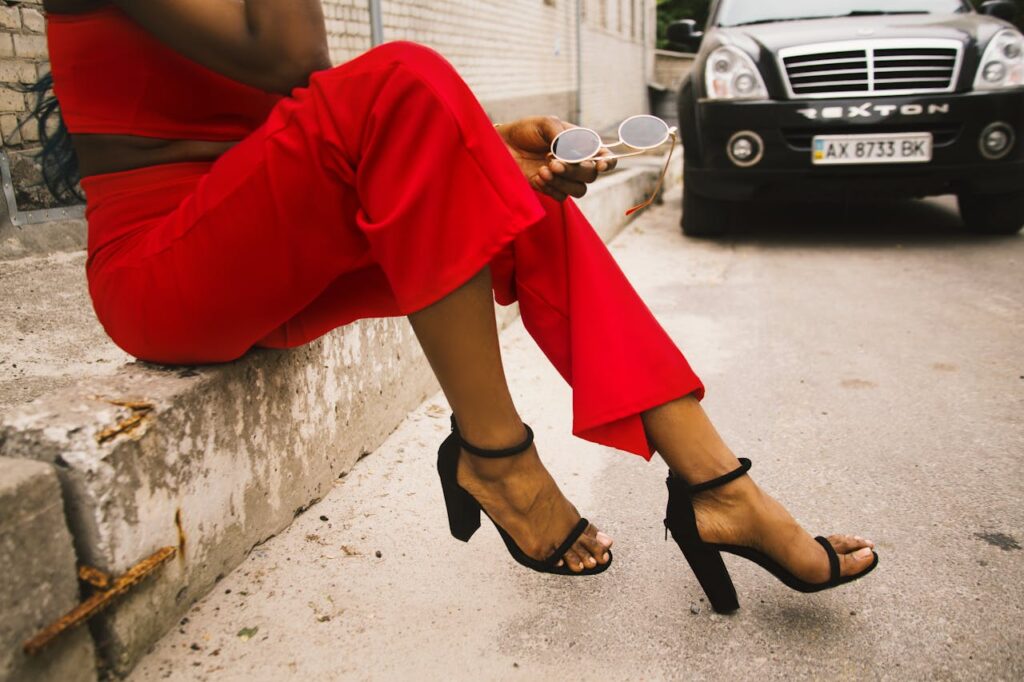
You Couldn’t Wear High Heels in Some Cities
Worldview Capture/Pexels

In Carmel, California, you couldn’t legally wear heels more than 2 inches in height or with a base of less than one square inch without a special permit. The law was meant to protect the city from liability due to uneven sidewalks, where people could trip and get hurt. While rarely enforced, the rule technically required visitors to apply for a heel permit if their footwear exceeded a certain height. Though it’s not commonly cited anymore, it’s a funny example of how safety laws sometimes take a stylish turn.

9. Donkeys Not Allowed in Bathtubs
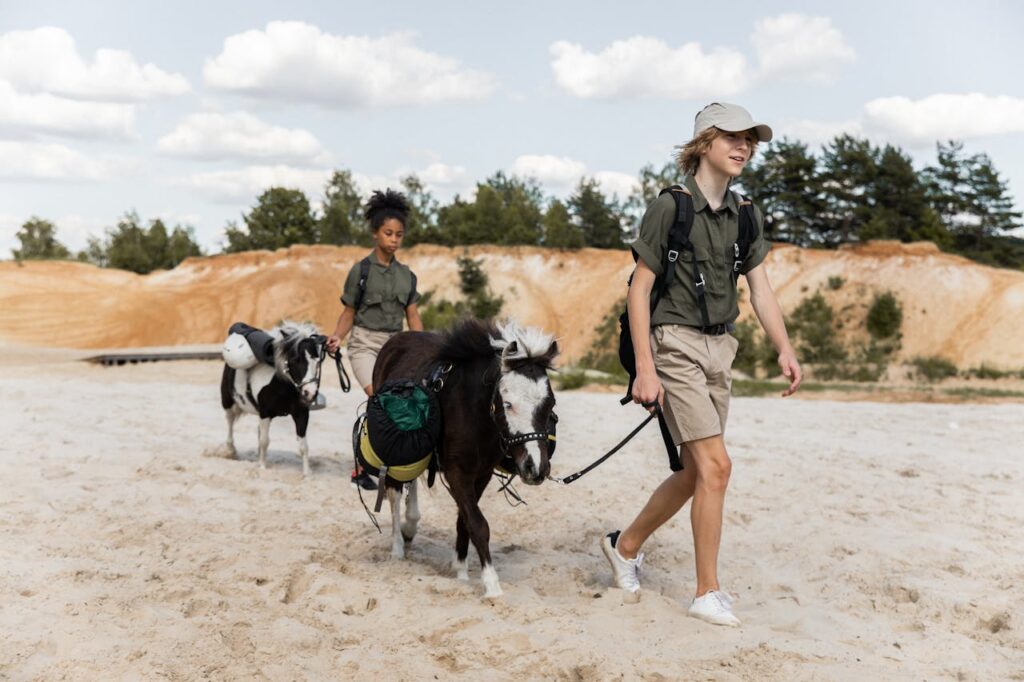
Donkeys Not Allowed in Bathtubs
KATRIN BOLOVTSOVA/Pexels

Arizona once passed a law banning donkeys from sleeping in bathtubs. The origin traces back to a flood in 1924 when a donkey resting in a tub was swept away and required an expensive rescue. Lawmakers, not wanting to repeat the incident, officially banned the practice. It may sound like a joke today, but at the time, it was considered a sensible safety measure. Teens today would never imagine animal bath laws being part of government focus.

10. It Was Illegal to Play Dominoes on Sundays
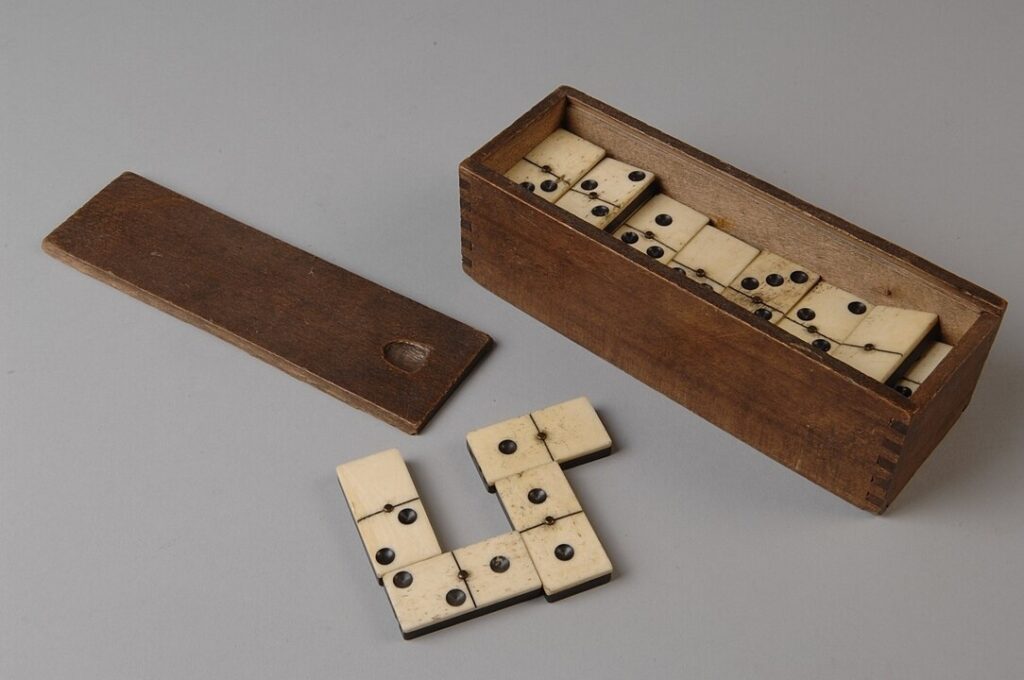
It Was Illegal to Play Dominoes on Sundays
Museum Rotterdam, CC BY-SA 3.0/Wikimedia Commons

In Alabama, playing dominoes on Sunday was once a punishable offense under old “blue laws” that aimed to enforce religious rest days. The law targeted games, dancing, and other pastimes seen as distracting from church and worship. Even though these laws have largely been repealed or ignored, they once shaped weekend behavior. It’s hard to imagine being fined for a simple game night with friends, but that was the reality in some places.


1 Shares:
Leave a Reply

Your email address will not be published. Required fields are marked *

You May Also Like
7. Gift Math And Adjusted Timelines
Read More

10 Souvenirs That Replaced Postcards, and Why They Took Over

# 10 Souvenirs That Replaced Postcards, and Why They Took Over Postcards used to be the official proof that someone had gone somewhere else, even for a weekend. One photo, a rushed note, and a stamp did the job. As phones made updates instant and mailing got fussier, the postcard shifted from habit to novelty. Shops did not stop selling memories, they just changed the format. People started picking objects that stayed in daily circulation: something to wear, use, taste, or display. These souvenirs carried place and personality without requiring neat handwriting or a correct address. The result is a quieter kind of storytelling, where the trip keeps resurfacing in kitchens, pockets, and routines long after the suitcase is zipped away. Even the smallest keepsake can outlast paper. ## Fridge Magnets Postcards showed up late, then got buried, no stamp, no address, no delivery gamble saving the moment. Fridge magnets solved that by living in plain sight, pinning grocery lists and kid art under the same skyline, ferry silhouette, or metro line diagram, so the memory stayed active instead of archived. Shops moved past generic landmark photos into neighborhood slogans, food sketches, and mini maps, because one glance could bring back market chatter and platform noise; they pack flat, survive rentals and moves, and invite multiples, turning a single fridge door into a casual, constantly updated timeline of places that still matter. ## Travel Stickers And Decals Stickers turned souvenirs into something that traveled again. Instead of mailing a postcard to one person, a decal could live on a laptop, water bottle, bike frame, or scuffed suitcase, building a layered map of routes through station codes, park crests, bookstore logos, and hand drawn mascots that sparked conversation in cafés and airport lines. Because they are waterproof, cheap, and sold in sets, they became easy gifts and easy trades, and wear looks honest, not ruined; each scratch and overlap shows what came after, making the object feel like a passport with a growing, visible history that never needs framing. ## Enamel Pins And Patches Enamel pins and patches gave the postcard image weight and texture, turning a skyline or mascot into something that could be worn. A tiny badge of a mountain ridge, museum logo, or neighborhood diner sat on a jacket or backpack for years, acting like a quiet signal in transit stations and coffee lines, not a message begging for postage. Shops leaned into limited runs, artist collaborations, and city only series, so the souvenir felt chosen, not generic; extras were gifted, swapped, or used to cover a tear, and the metal or thread handled rain and repeat trips with ease while a pinboard at home kept the timeline intact. ## Keychains And Bag Charms Keychains and bag charms replaced the postcard rack impulse with something that had a job to do. Keys get grabbed every morning, and charms ride on zipper pulls and backpacks, so a metal tag or leather fob kept the trip in circulation, stamped with coordinates, an arrival year, or a street sign shape that felt like a postmark without the paper. Many versions doubled as bottle openers or tiny tools, so the souvenir earned its space, and pocket wear became part of the story, turning scratches and softened edges into proof that the memory moved through real weekdays, rentals, and commutes, not just a perfect weekend photo. ## Tote Bags, Tees, And Caps Apparel made souvenirs feel less like clutter and more like identity. A tote from an art bookstore, a tee from a surf town, or a cap from a ballpark got worn again and again, carrying the place into errands, classes, and casual nights out, and sometimes turning into the default travel uniform on the next flight. Shops shifted from generic landmark photos to sharper typography, neighborhood slang, and local brand logos that signaled taste as much as geography; the best pieces were soft, well cut, and easy to pack, so gifting one felt practical, and the souvenir kept earning attention without taking up shelf space or needing a frame. ## Mugs And Local Drinkware Mugs turned travel into a daily ritual instead of a mailed update, because morning coffee landed in ceramics printed with a neighborhood map, a museum crest, or a local roaster logo and the memory resurfaced when the kettle clicked off. Cafés and galleries pushed limited designs, handmade glazes, and seasonal runs, so the purchase felt closer to a small piece of art than a generic souvenir. Tumblers, pint glasses, and tea cups also solved storage: they stack, survive moves, and look better with use, and they show up at dinners and chats, letting one shelf hold years of trips without becoming a dusty pile of paper. ## Snacks, Spices, And Pantry Finds Edible souvenirs did what postcards tried to do, but faster, because a jar of chili crisp, a regional spice blend, or a bag of saltwater taffy could be opened the night someone got home and turn storytelling into tasting. Markets and airports helped by selling sealed sweets, vacuum packed coffee, and sturdy tins built for carry ons, so the food survived long routes and still felt tied to the place where it was found. It also dodged clutter: once shared at an office desk or family table, it disappeared, yet the flavor lingered, and people often remembered a street, a song, or a shopkeeper’s grin more clearly than any glossy photo. ## Ornaments And Tiny Home Decor Ornaments became postcards with a return date, because a hand painted bauble from a night market or a miniature landmark for the tree reappeared every December and unboxing it felt like rereading a message from an older self. Outside the holidays, tiny home décor did the same work: coasters, tea towels, ceramic tiles, and matchboxes that lived on counters, ready to be noticed during ordinary mornings. These pieces asked for no postage and no framing, only a place in the house, and they resurfaced at the right moments, when guests arrived, when winter gatherings started, or when a quiet afternoon made nostalgia feel welcome. ## Art Prints, Zines, And Pocket Books Small prints and zines gave the postcard a smarter cousin, because instead of the same sunset photo, travelers brought home risograph posters, line drawings of street corners, and pocket guides written by locals, sometimes signed or numbered, which made the memory feel chosen, not grabbed. The message lived in the taste of the selection, not the handwriting, and the paper felt worth keeping because it had a point of view. Unframed pages fit clip rails, journals, or gallery walls, and buying from an artist table or neighborhood bookshop let the souvenir support the place directly, keeping the trip alive through design, not postage. ## Tattoos As Travel Keepsakes For some travelers, the replacement became permanent, and that permanence was the appeal. A tiny wave, coordinates, or a symbol developed with a local artist could not be lost in a move or tossed in a cleanout, and booking an appointment made the souvenir feel like commissioning art, not grabbing merch near the register. It also solved the postcard problem cleanly: no postage, no delay, no single recipient, just a story carried forward on skin, whether it is a port city anchor or a mountain contour line, quiet until a sleeve rolled up or a wrist turned and the place appeared again, right on time in conversation or solitude. The postcard never really lost its charm; it lost its role. Modern souvenirs win because they do not ask for extra steps, and they refuse to stay hidden. A magnet gets touched, a mug gets lifted, a spice blend gets passed across the table, and a pin rides through another trip. That repetition is the secret. Instead of proving travel happened, these objects let the memory keep happening, in small flashes that feel honest. In the end, the best keepsake is the one that blends into daily life and still pulls a place back into focus, without fanfare. **Excerpt (130 characters):** Postcards faded, but magnets, mugs, stickers, snacks, and small art brought travel home, letting memories live in real life still.