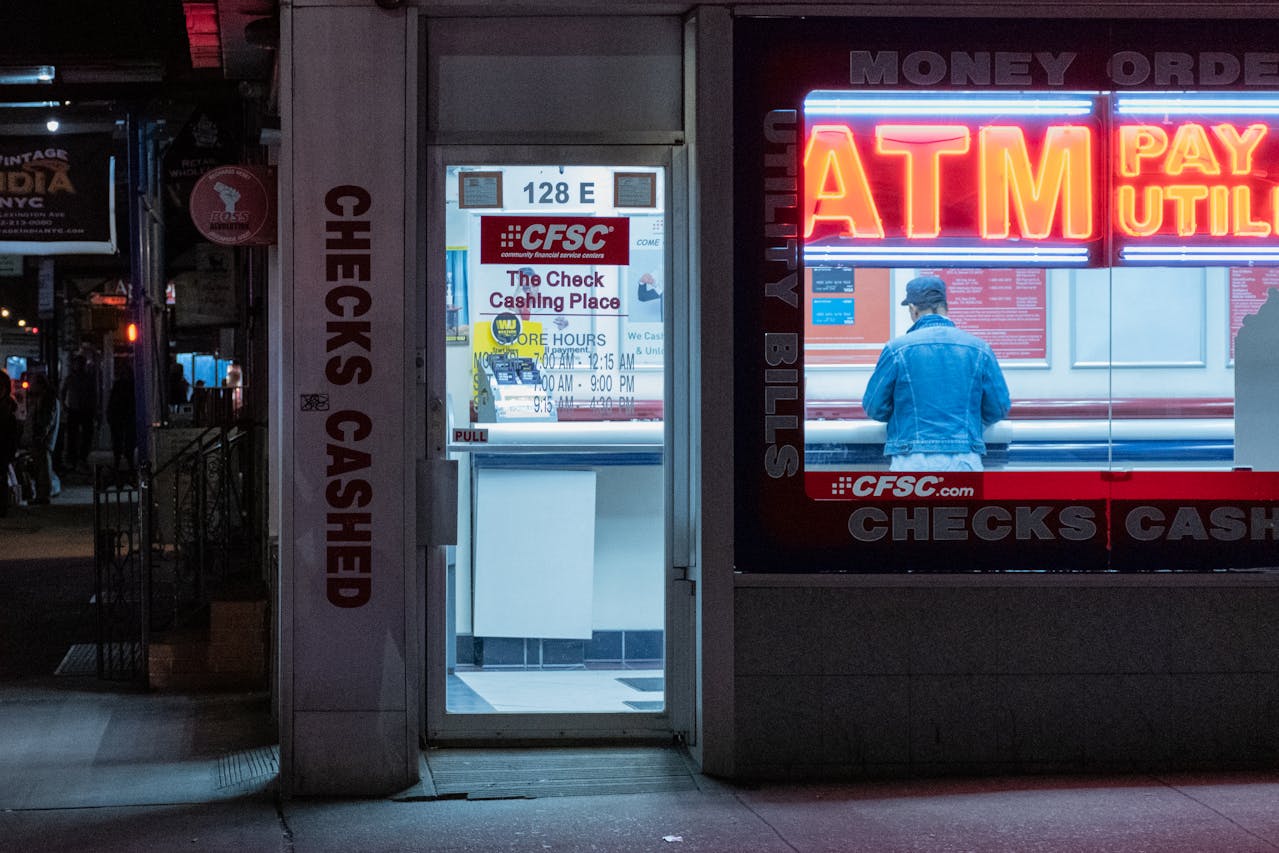
Survey Reveals What Most Americans Are Saying About Grocery Shopping Habits

How Households Are Adapting
Anna Shvets/Pexels
A new survey shows nearly all Americans feel grocery stress. Here’s why prices bite, how waste worsens it, and the habits that actually help.*

The grocery aisle used to be routine. Lately, it feels like a test. Shoppers are weighing store brands against favorites, skipping extras, and counting every dollar at checkout. Anxiety shows up in small choices, a smaller pack of eggs, fewer snacks, more frozen veggies to avoid waste. Behind that tension is a simple question most families are asking: how do we keep the cart full without emptying the budget.

Here’s what the latest survey makes clear. Nearly nine in ten Americans feel stressed by grocery prices, with a majority calling it a major strain. This piece breaks down why prices feel relentless, how food waste makes it worse, and the practical habits households are using to stay afloat. We’ll look at what stores and policymakers can change and what you can do this week.

What Americans Are Saying Right Now

What Americans Are Saying Right Now
bearfotos/Freepik

A national AP-NORC poll found that 53 percent of Americans see grocery costs as a major source of stress, while another 33 percent call it a minor one. That’s a near-consensus across age, region, and politics. When people list money worries, food edges out housing, healthcare, and even savings.

Stress changes behavior. Shoppers plan meals more tightly, chase sales, and switch stores based on weekly circulars.
They buy fewer impulse items and more staples that stretch.

The message is blunt: food inflation may have cooled on paper, but day-to-day budgets haven’t caught up. Households are adapting in real time, receipt by receipt.

Why Prices Still Feel High
Why Prices Still Feel High
Pixabay/Pexels

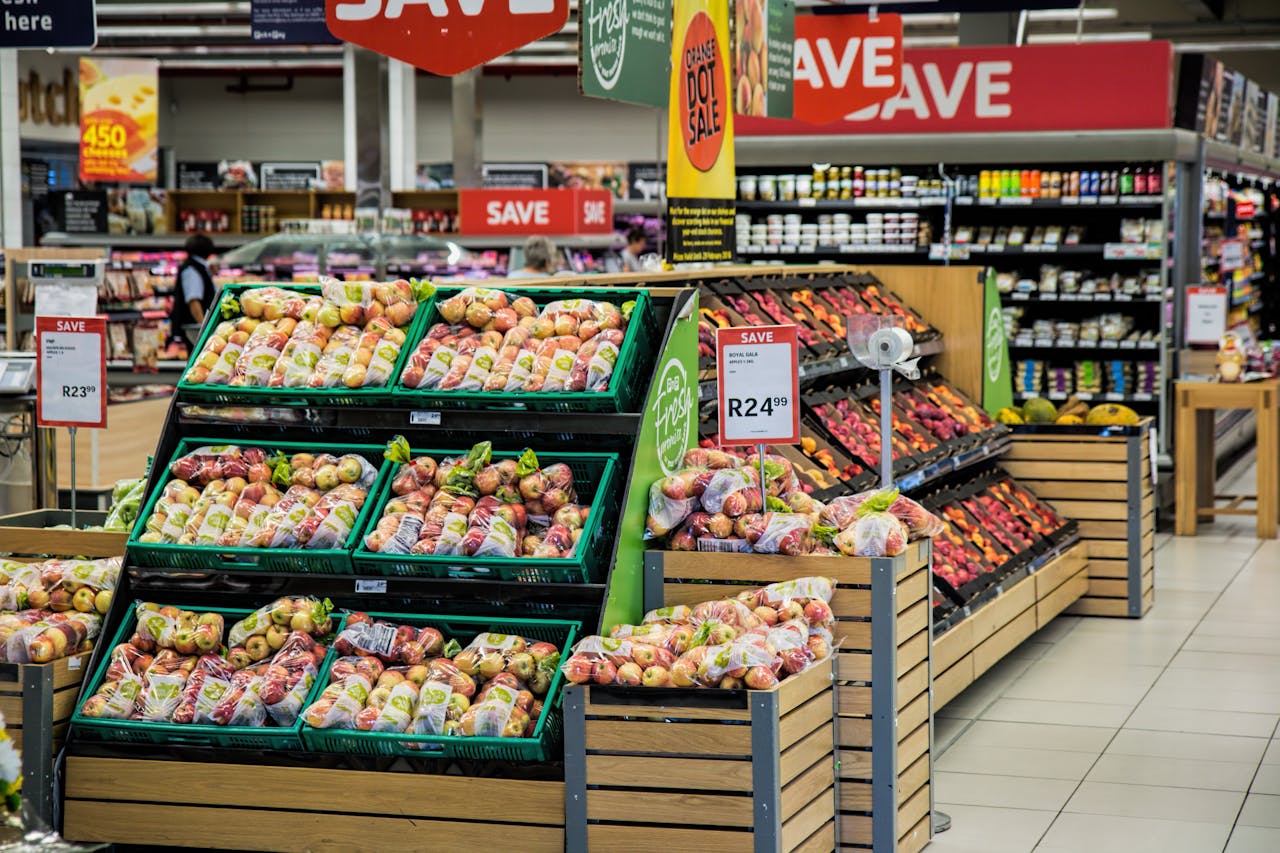
Supply shocks add up. Severe weather cuts yields, while animal disease outbreaks like avian flu ripple through egg and poultry prices. Transportation and energy costs flow into every shelf tag, from bread to berries.

Tariffs can nudge totals higher.
Yale’s Budget Lab projects food costs could rise about three percent from tariff effects covered by Forbes.

Even when shelves look full, risk gets priced in. Processors and retailers hedge against future volatility, and shoppers feel it at checkout.

The Hidden Cost Of Food Waste
The Hidden Cost Of Food Waste
Roy Broo/Pexels

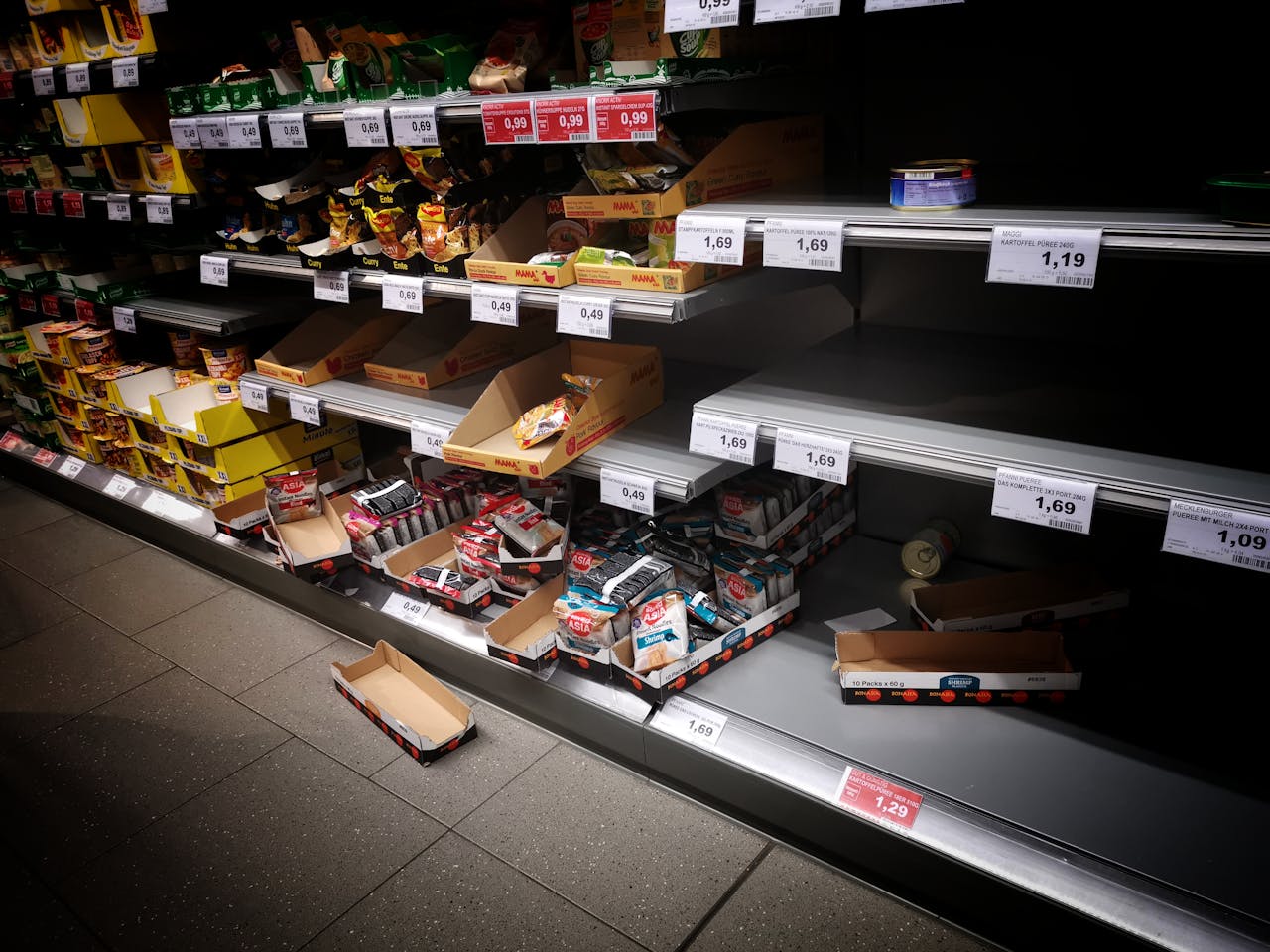
Here’s the thing: the U.S. wastes an estimated 30 to 40 percent of its food supply. That’s money, water, fertilizer, fuel, and labor tossed along with what never gets eaten. Waste raises costs across the system, and consumers pay a share of that inefficiency.

At home, waste often comes from good intentions. Big packs spoil. Produce sits unused. Leftovers get forgotten behind condiments.
Cutting waste is the rare move that protects both wallet and planet.

Retailers face it too, overordering, strict cosmetic standards, and short-dated goods. When they discard inventory, sunk costs don’t vanish; they reappear in prices.

How Households Are Adapting
Daria Obymaha/Pexels

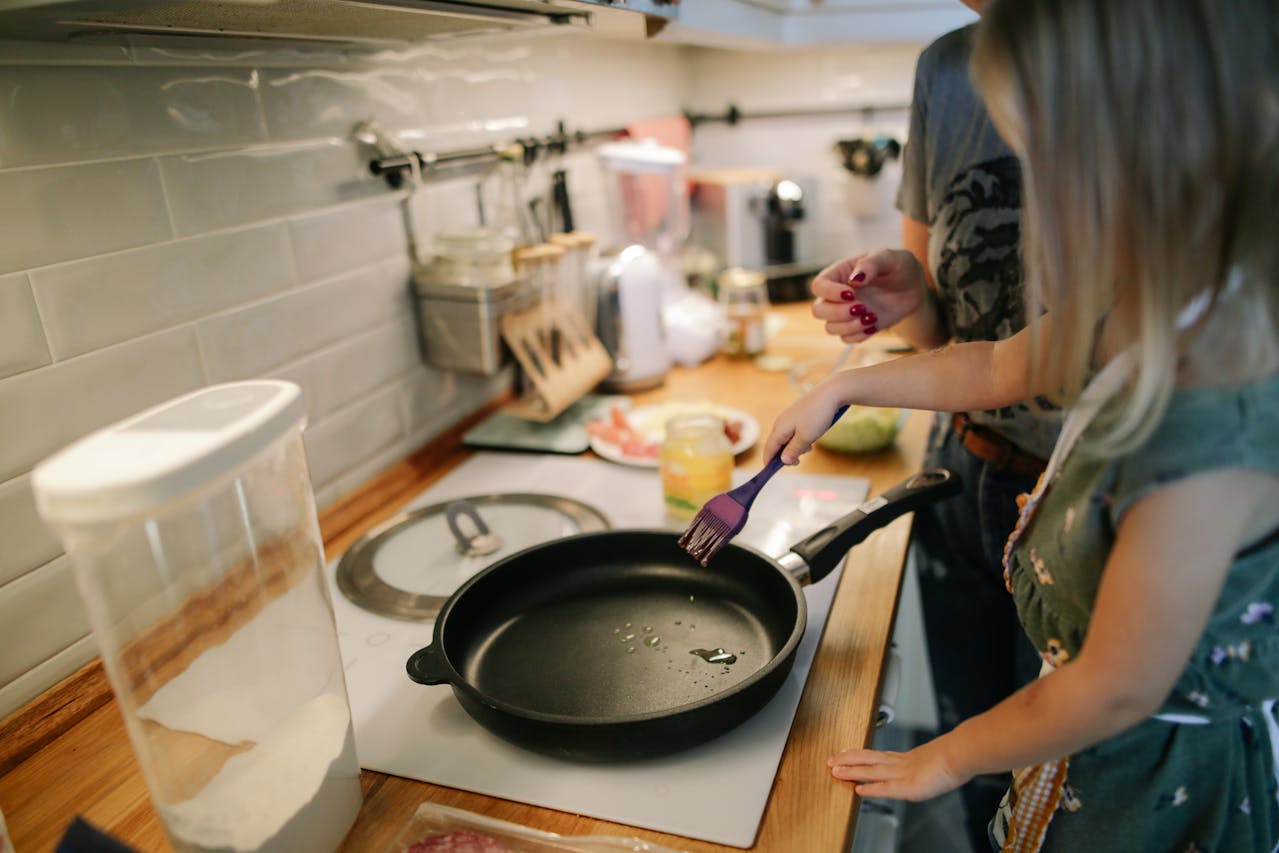
Families are getting surgical with lists. They build meals around what’s already in the pantry and choose versatile ingredients that work across several dishes. Batch cooking creates leftovers that actually get eaten, not lost.

Shoppers lean on unit pricing.
They compare cents per ounce, not just the sticker.
Sometimes the “sale” isn’t the best value.

More people are trying “ugly” or overstock channels, buying close-dated items they’ll use fast. Others split warehouse hauls with friends so bulk savings don’t become bulk waste.

Smart Moves That Start Paying Off This Week

Freeze smarter: bread, tortillas, berries, and chopped herbs hold up well and cut midweek runs. Keep a “use-first” bin in the fridge so fragile items get cooked next.

Rotate staples. Plan one meatless dinner, anchor soups with beans or lentils, and save proteins for when they star.
A calm formula beats chasing every trend.

Build a fallback meal pasta plus frozen veg, eggs plus rice, so takeout becomes a choice, not a panic spend. Small routines compound into lower bills.

What Stores Are Doing (And Could Do More Of)

Many chains now flag unit prices clearly and expand private labels with steady quality. Overstock and “imperfect” programs push good food back into carts at a discount. Digital coupons and loyalty pricing help, though hoops can frustrate casual shoppers.

There’s room to go further: simpler coupon systems, more family-size produce at fair prices, and clearer date labels to reduce confusion. When retailers and suppliers align on waste reduction, everyone wins.

Policy Levers That Touch The Checkout

Smarter date labeling, standardizing “best by” versus “use by” can keep edible food out of trash bags. Investment in cold-chain resilience reduces spoilage from farm to store. Programs that connect surplus food with communities can shrink waste while easing pressure on budgets.

Trade policy matters too. Tariff decisions ripple through staples and packaging. The closer policy hews to total cost for households, the better the odds of steady receipts.

The Bottom Line For Shoppers

Control what you can: plan, price-check, and store food like it matters, because it does. Focus on waste first; it’s the fastest, most reliable savings lever. Then layer in sales cycles, loyalty offers, and strategic swaps that don’t sacrifice nutrition.

Budgets are personal, but the pattern is shared. The stress is real, the tools are practical, and small changes stack up. Keep receipts for a month and you’ll see it.

Sources

1 Shares:
You May Also Like
Read More

9 Department Stores Closing Scores of Locations

# 9 Department Stores Closing Scores of Locations Department stores used to feel permanent, like part of the architecture of childhood and city life. Now many of those anchors are shrinking fast, closing locations in waves that rarely make front page news but quietly reshape whole neighborhoods. Behind the scenes are high leases, heavy debt, and shoppers who split their spending between discount chains and online carts. Vacant escalators and dark display windows tell a simple story. A retail model that once promised everything under one roof is giving way to something leaner. ## Macy’s Macy’s is still a powerhouse during major holidays, yet the brand is actively pulling back from underperforming malls. The company has laid out a multiyear plan to shut dozens of weaker stores while concentrating investment on flagships, luxury beauty, and smaller off mall formats. Mall managers see the closures as a turning point. Once Macy’s leaves, it is rare for another full line department store to take on that footprint, so mixed use redevelopment quickly becomes the realistic path. ## JCPenney JCPenney has been in survival mode for years, cutting locations, rewriting brand strategy, and revamping stores that still perform. Recent rounds of closures tend to target aging malls where traffic has thinned and renovation would be expensive. What remains is a leaner chain focused on reliable basics, home goods, and private labels meant to keep middle income families coming back. In towns that lose a Penney’s anchor, the absence is obvious, especially during back to school and holiday shopping. ## Sears Sears once taught Americans how to outfit entire homes, from tools to appliances to Sunday clothes. Now the chain is down to a small scattering of locations after repeated closure waves and years of financial strain. Each shutdown feels less like a surprise and more like the last chapter of a very long story. Former Sears buildings are becoming storage facilities, entertainment centers, or simply sitting empty, with faded brand signs still clinging to the concrete and sparking memories. ## Kmart Kmart’s decline has shadowed Sears, often sharing owners, parking lots, and final liquidation banners. From blue light specials and busy discount aisles, the company has slipped to only a few remaining stores spread across the map. Many communities have watched their local Kmart shut with little fanfare, replaced by smaller chains or nothing at all. The closures leave behind wide aisles, low ceilings, and a wave of nostalgia for an era when a weekend stop at the discount department store felt routine. ## Hudson’s Bay Hudson’s Bay carried deep Canadian roots and grand downtown buildings, but tradition could not offset heavy costs and changing shopping habits. The chain has now closed or sold off most department store sites, even as it experiments with other concepts and real estate plays. City blocks that once framed holiday window displays are being redrawn as office towers, hotels, or residential projects. For longtime shoppers, the loss of such a historic name lands harder than a typical retail exit. ## Debenhams Debenhams anchored many British high streets, balancing affordable fashion with familiar cosmetics halls. After years of pressure from online rivals and discount players, the company finally collapsed, shuttering its remaining department stores and moving the brand into a digital only format. Those closures left large gaps in central shopping districts, where new tenants range from fast fashion outlets to leisure complexes. The Debenhams name survives on screens, but the physical experience of wandering its floors has become a memory. ## Bon Ton Bon Ton and its sister banners once stitched together a network of regional department stores across smaller American cities. When the company slid into bankruptcy, liquidation arrived swiftly and took hundreds of locations with it. In many markets there was no immediate replacement, only darkened anchors and clearance signs that slowly came down. Local shoppers lost a familiar place to find dresses, coats, and home goods, and mall owners gained another big box puzzle to solve in a difficult leasing climate. ## Lord & Taylor Lord and Taylor carried an air of old school elegance, especially at its historic urban flagships. Years of ownership changes, aggressive discounting, and the shock of the pandemic finally pushed the brand into a full store closure plan. The physical chain is gone, even as the name continues online under new management. Grand buildings that once hosted fashion shows and elaborate window displays are being sliced into offices and coworking hubs, turning a traditional department store into a flexible workplace. ## Stage Stores Stage Stores never enjoyed global name recognition, but its regional chains filled a quiet role in small towns and rural hubs. When the company could not recover from mounting losses, it closed hundreds of locations under banners such as Goody’s and Peebles. Those anchors often sat in modest shopping centers that lacked other large apparel options. After the closures, shoppers in those communities were left with long drives to bigger cities or a heavier reliance on parcel deliveries for everyday clothing. Department stores closing by the dozens signal more than a shift from one retail brand to another. They mark the end of a specific way of browsing, where escalators, perfume counters, and wedding registries lived in the same building. As these anchors are carved into apartments, clinics, offices, and gyms, the spaces stay busy, but the mood changes. What was once a shared social ritual around sales events and window displays is dissolving into scattered errands across many smaller formats. Excerpt: Familiar department stores are closing by the dozens, leaving hollow anchors behind and nudging shoppers toward a new retail map!.